Marksman

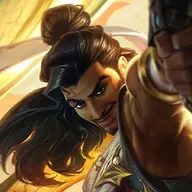
Akshan

A MID
DMG
TANK
UTIL
DIFF

Champion Guide

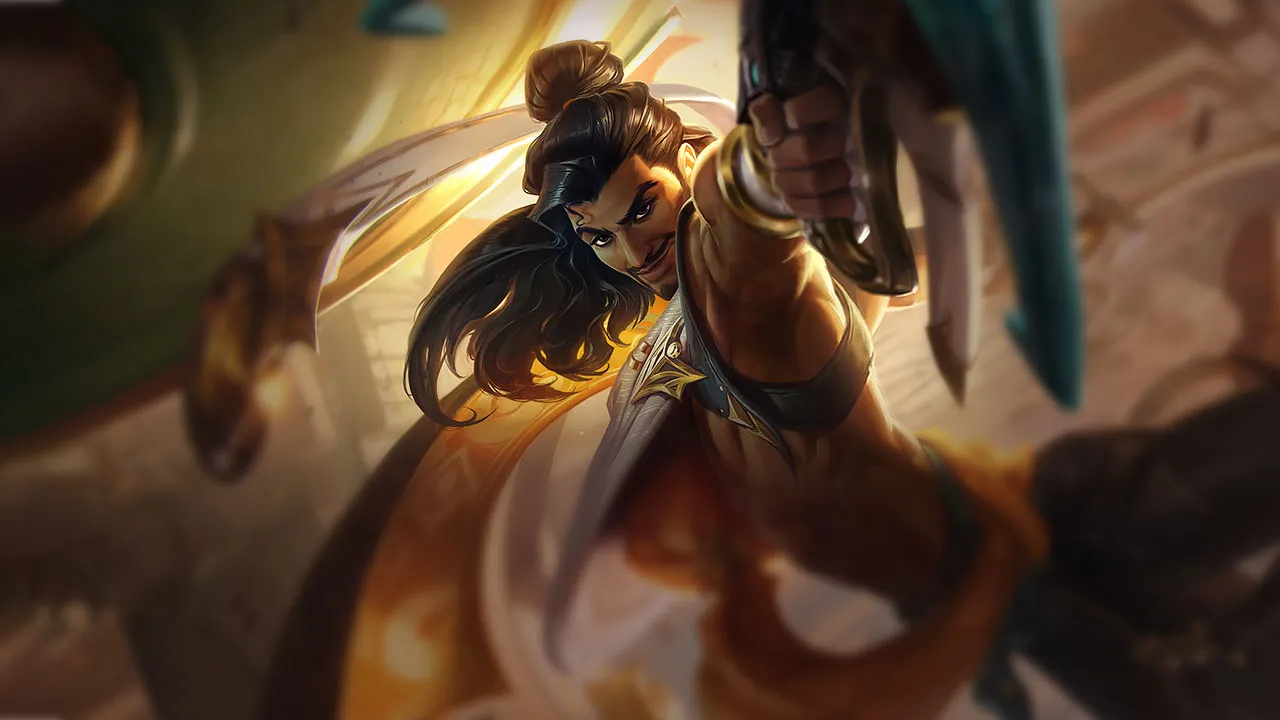
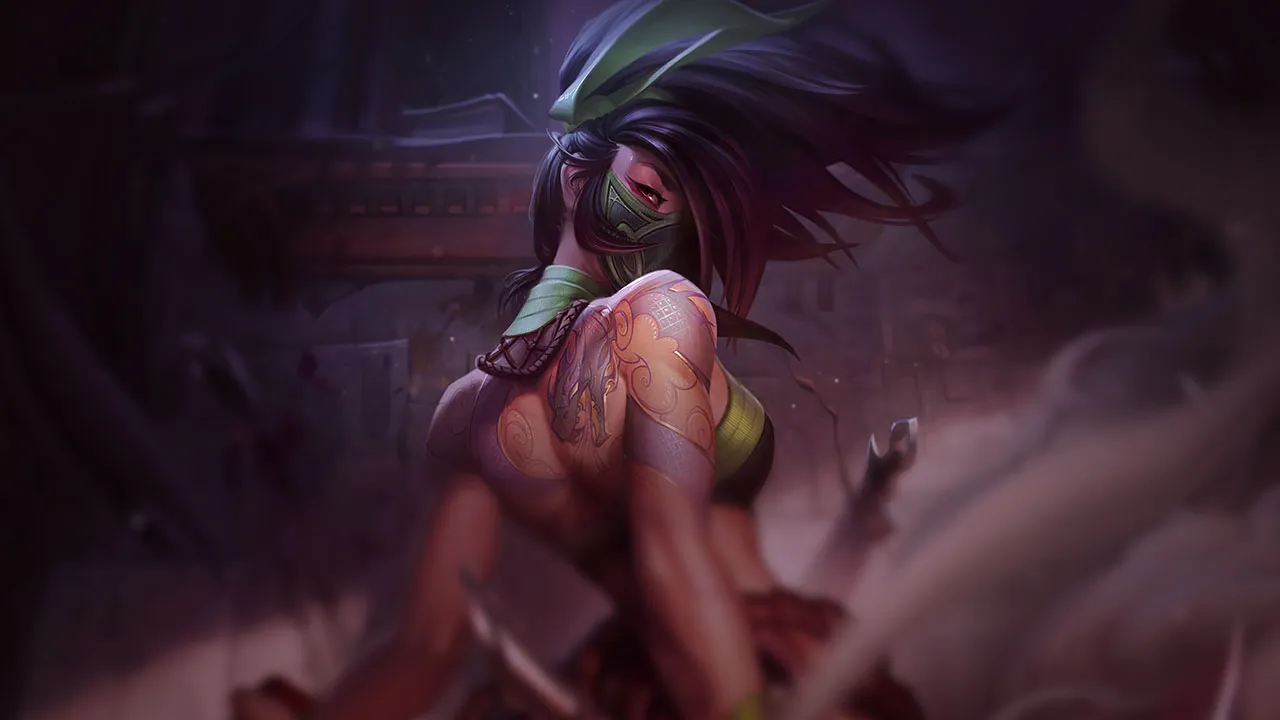
Akshan is a Mid Lane marksman-assassin in Wild Rift, unique for his ability to resurrect allies by eliminating the champions who killed them. His kit combines a mobile grappling hook offering exceptional flank mobility, passive attacks dealing bonus damage, and a multi-shot ultimate at long range. He excels in compositions seeking to snowball quickly through resets and rewarding high map awareness. In Wild Rift, his resurrection mechanic can reverse seemingly lost situations and creates permanent psychological pressure on opponents.

Game Plan

Early

Trades short Q→AA; conserves E for dodge. Take the priority to place vision and threaten roam windows.

Mid

Use fog and walls to attack from the side, then convert picks into objectives. Two items is your first major snowball window.

Late

Backline assassin: looks for execution at R, not front entrance. Reset E to exit.

Counters

All counters →

Synergies

All synergies →
Brutal
The Collector
Magnetic Blaster
Mortal Reminder
+
Gluttonous Greaves
Coup De Grace
Legend: Alacrity
Bone Plating

Akshan — patch analysis

Patch positioning

Akshan holds a very specific place in the current mid meta: he is neither a stable control mage nor a pure burst assassin, but a tempo pick that can turn an acceptable lane into a heavily warped map state. His real value does not come from raw damage alone, but from his ability to create lethal roams through camouflage, convert a Heroic Swing reset into a winning skirmish, and make his passive revive threat matter throughout mid game. In solo queue, where many players still mismanage side vision, reset timings, and wall angles, Akshan punishes hard. At the same time, he is demanding: if he cannot find an angle, if he takes fights in obvious front-to-back setups, or if his first swing gets interrupted, his impact drops quickly. He is a champion about reading the map, using trajectories, and punishing mistakes, not just a marksman placed in mid.

Meta reasoning

Akshan works when games create many broken, unstable sequences: poorly managed waves, exposed side lanes, jungle paths with weak vision, or backlines retreating without hard CC available. His kit thrives in those moments because he can approach from fog with Going Rogue, open with Avengerang, then choose between ultimate execution or a full commit with Heroic Swing depending on the enemy response. His current crit-oriented builds reinforce that plan well: they improve short poke, sustained DPS, and his ability to finish targets before a fight becomes properly structured. On the other hand, the patch punishes him the moment drafts provide direct access, point-and-click threat, or a durable frontline that forces a longer and easier-to-read fight.

Real game insight

Many players misread Akshan: they think he snowballs only through kills, when in reality he often snowballs through the pressure he creates on rotations. The moment he disappears from mid, side lanes must play differently, the enemy jungler becomes less comfortable extending a path, and any damaged target loses freedom because of the threat of ultimate execution. That is why an Akshan can look “quiet” in some direct fights and still be decisive over the game. On the flip side, average players waste his value by forcing Heroic Swing too early in lane, taking a swing without a real wall exit, or playing like a static ADC when the champion mainly rewards movement, angle creation, and lateral threat.

Draft identity

Akshan is an aggressive tempo mid who brings pick potential, side pressure, and cleanup value more than stable front-to-back control. He fits drafts that can expose or briefly pin a target so he can enter from a strong angle, rather than compositions asking him to simply hit frontliners head-on for ten seconds.

Pick conditions

Why play this patch

  • He punishes mid laners that want to scale quietly and leave too many roam windows between waves.
  • His camouflage still creates a lot of solo queue pressure, especially against players who poorly respect side vision.
  • His Heroic Swing resets provide real value in short, disorganized skirmishes.
  • His ultimate turns winning trades into actual executions instead of letting enemies escape on low health.

When to avoid

  • Avoid him when the enemy draft has multiple easy hard CC tools and a single lock is enough to stop your first engage.
  • Avoid him if your team already has a fragile frontline and expects the mid lane to provide stable objective presence.
  • Avoid him when the game is likely to be decided through early direct 5v5 fights with little flank access and limited side pressure.
  • Avoid him if you are not personally comfortable with wall reading, swing timings, and fog-based entries.

Ideal draft context

  • Compositions that can briefly expose or lock a target to give him a clean swing or execution window.
  • Drafts that play around side lanes and fast rotations between waves, vision, and secondary objectives.
  • Teams that capitalize on instant picks rather than waiting for long, structured fights.
  • Skirmish-oriented comps where an extra Heroic Swing reset can flip the entire exchange.

Bad draft context

  • Allied drafts with no real frontline and no opening tool, forcing Akshan to reveal every dangerous angle himself.
  • Games against direct engage that closes wall access and forces you into predictable corridors.
  • Slow drafts built around frontal siege only, which lowers his lateral threat.
  • Drafts where the enemy can stack armor, control, and zone denial to turn every fight into a patience check.

Hidden weakness

Hidden weakness

Akshan’s deeper weakness is not hard CC alone, but the fact that one bad angle disables multiple layers of his kit at once. When his swing becomes predictable, he loses mobility, damage timing, and often his right to stay in the fight. Unlike some other aggressive mids, he has limited forgiveness once the entry fails. An Akshan who cannot threaten from fog or from a wall quickly becomes a far more ordinary carry than his kit initially suggests.

Low elo

In lower elo, Akshan often overperforms because players mismanage side vision, stay greedy on low HP for too long, and rarely punish invisible movement correctly. His roams can feel unfair when side lanes do not communicate his disappearance. Still, many Akshan players also lose value there by forcing flashy swings instead of just farming free positioning mistakes.

High elo

At higher elo, the pick becomes much more technical. Opponents close off walls better, respect his disappearance timings more consistently, and hold crowd control more carefully to stop his entry. He is still dangerous, but his value then comes less from raw surprise and more from precision: better wave handling, cleaner resets, stronger jungle timing, and more patience before committing.

Expert take

Expert take

Akshan is not a universal comfort pick: he rewards players who can read the map before they read the duel. His real ceiling does not come only from Heroic Swing mechanics, but from sensing when a wave must be broken, when disappearance alone creates enough respect, when an ultimate execution is worth more than a full commit, and when he should simply not enter. When played well, he forces the enemy team to live under constant side pressure. When played poorly, he looks like a fragile mid chasing highlights. That is exactly what makes him interesting: his true value appears in the hands of players who can turn a small angle advantage into game control.

Coach notes

  • Think of Akshan as a trajectory champion. Before every important trade, always ask: which wall do I enter from, which wall do I exit through, and who can interrupt my swing?
  • When you gain lane priority, do not always rush to kill mid immediately. A clean wave followed by a well-timed Going Rogue disappearance can create more map damage than an average all-in.

FAQ

Is Akshan a good blind mid pick?

He can be blinded in capable hands, but he is not a naturally stable blind pick. His lane can remain playable, yet some profiles with easy engage, direct burst, or obvious CC heavily reduce his angle freedom. If you blind him, you must accept a more strategic game than a mechanical one: better wave management, cleaner side vision, and much stricter fight selection. He is mostly an acceptable blind for players who know how to give up an average swing instead of forcing action every time.

Should Akshan be played for lane kills or for roams?

Both are valid, but the better answer is usually: first create roam pressure, then use the respect it generates to regain lane control. If you only play for the mid kill, your plan becomes too readable. Akshan is strongest when the opponent does not know whether you will break the wave, disappear with Going Rogue, or stay to set up a level 5 execution. Roaming is not separate from lane pressure; it is an extension of it.

When should you hold the ultimate instead of using it the moment a target is low?

You should hold it when the enemy team still has too many ways to block the shots, when the channel will expose you to a counter engage, or when Heroic Swing gives you a cleaner immediate finish. The classic trap is falling in love with the ultimate’s range even when the situation is not actually clean. A good Akshan does not fire because he can; he fires because the target is truly exposed, the blocking options are limited, and the cost of standing still is acceptable.

Why do some Akshan players look useless in teamfights even though the champion is strong in solo queue?

Because they play teamfights like a frontal ADC instead of an angle-based carry. Akshan does not necessarily want to be the first visible shape in a fight. He wants to arrive when a target has already lost space, when a key CC has been spent, or when a wall offers a credible trajectory. If he enters too early or too straight, his kit suddenly looks fragile. His effectiveness depends heavily on entry order, not only on item count.