
Wild Rift MID Lane Guide: lane control, rotations and real map impact
The MID role in Wild Rift often looks simple: go center, farm, trade, then try to kill your opponent. That is exactly where many players get it wrong. MID is not only a duel lane, it is the role that connects the entire map. If you stay in the center without using your priority, you can win lane and still lose the game.
This guide explains what the MID role actually demands: controlling your wave, knowing when to roam, helping your jungler, preparing objectives and creating pressure without running everywhere randomly. The goal is simple: help you move from being a player who only plays lane to a player who truly influences the match.
The biggest mistake MID players make, especially in solo queue, is thinking their value is measured only by KDA or the 1v1. Winning your duel helps, but it is not the core of the role. MID is short, central, close to river, close to the jungler and connected to both side lanes. It is designed to create movement, not just to stack farm.
When you play MID without reading the map, you become isolated. You can have a good score, but if your jungler gets invaded, if your team arrives late to dragon or if the enemy bot lane plays without pressure, your lead does not matter enough. Mid priority only has value when it becomes a concrete action: a ward, a rotation, a threat, a secured objective.
Understanding MID means accepting one simple rule: your lane is not a destination, it is a starting point. First you control the center, then you use that control to affect the rest of the map.
Control your wave before trying to roam
Roaming is often misunderstood. Many players leave lane as soon as they see an opportunity on a side lane, without checking their wave state. That is expensive. If you leave while the enemy wave is moving toward your tower, you lose gold, XP and sometimes a plate. Even if your roam gives an assist, the trade can still be bad.
Before every movement, check your MID wave first. If you just pushed it under the enemy tower, you have a window. The opponent must choose between following you and losing resources, or staying mid and letting you act elsewhere. That pressure is what makes MID powerful. You do not roam because you are bored, you roam because your wave gave you the right to move.
Champions like Ziggs or Orianna control waves very well from range. They can push, secure river and prepare objectives. Ahri turns that priority into direct pick threat. The styles change, but the logic stays the same: push first, move second.



- If your wave is under your tower, collect it before leaving.
- If the wave is in the middle, your roam is risky.
- If the wave is crashed under enemy tower, immediately check river.
- If an objective is spawning soon, prepare the wave early.
Play with your jungler, not beside them
The MID/JUNGLE duo is one of the most important axes in Wild Rift. Even without voice chat, your positioning can help your jungler or leave them exposed. If your jungler wants to contest scuttle, invade a camp or secure deep vision, your presence changes everything. A mid who arrives first often turns a simple movement into a numbers advantage.
The problem is that many mids only look at their jungler after the fight starts. That is too late. You need to anticipate. After every pushed wave, ask where your jungler is, which side of the map they are playing toward and whether the enemy can punish them. You do not always need to fully follow. Sometimes, stepping a few meters toward river is enough to make the enemy back off.
With Galio, this logic is obvious: his kit rewards fast responses and numbers advantage fights. But even with a more static mage, your role still matters. A ward at the jungle entrance, presence in a river brush or a simple ping can stop your jungler from dying for free.

If you have MID priority and your jungler dies alone right next to you, it is not always only their fault. MID players must understand that absence is also a decision. Doing nothing with priority means giving the map to the enemy team.
Roam intelligently: moving more does not mean playing better
A good mid laner does not run everywhere. They choose their movements. That is a huge difference. Many players want to be active, but they confuse activity with usefulness. Going bot without vision, without a pushed wave and without information on the enemy jungler is not a good roam. It is often a loss disguised as initiative.
Before leaving your lane, check three things: your wave, the likely position of the enemy jungler and the real chance of creating something. If the enemy bot lane is under tower with all spells available, your movement has low value. If they are overextended, your jungler is nearby and you just pushed mid, then you have a real window.
Aggressive or mobile champions like Yasuo often look for fast fights. Control mages may prefer punishing enemy rotations or arriving before objectives. No style is automatically better. What matters is the quality of the decision.
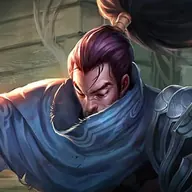
Use one simple rule: a roam must create more than it costs you. If you lose a full wave to force an uncertain move, you are playing against yourself. If you turn a pushed wave into vision, river pressure or a side-lane kill, you are truly playing the MID role.
Prepare objectives before the fight starts
Objectives often reveal the difference between an average MID player and a strong one. An average player arrives when dragon has already started. A strong player prepares the wave, arrives before the enemy, places or protects vision, then controls the river entrance. That lead of a few seconds can decide the entire fight.
Around 20 to 30 seconds before dragon, Herald or Baron, you should already be thinking about the next wave. If you push it cleanly, the enemy mid must respond. If they stay under tower, your team takes position first. If they follow without clearing, they lose resources. In both cases, your priority creates concrete pressure.
With Orianna, you can control an area and prevent the enemy team from entering together. With Ahri, you threaten a pick on a poorly positioned target. With Ziggs, you can poke and slow down the enemy entrance. The champion changes, but the mission stays the same: control space before the fight.
Your impact does not start when spells are cast. It starts when you decide who arrives first on the zone. That is why MID is so important around objectives.

Adapt your role to your MID champion type
Not every MID champion wins the game the same way. Playing a control mage like an assassin, or an assassin like a siege mage, is a common mistake. Your exact role depends on your champion, your team composition and the enemy draft. The shared idea is that you must always turn your central presence into useful advantage.
A mage like Orianna often wants to control space, protect carries and make teamfights difficult for the enemy. A champion like Ahri looks more for pick angles and fast rotations. Ziggs brings waveclear, poke and tower pressure. Galio gives global cover and strengthens allied engage.
This reading prevents a classic mistake: copying another mid player's behavior without understanding why it works. If your champion scales, you do not need to force every early fight. If your champion has a strong level 5 spike, you should look for a window at the right moment. If your champion lacks mobility, your vision becomes even more important.
Playing MID well is not about applying one recipe. It is about understanding what your champion brings to the map. From there, your decisions become much more coherent.
Practical example: turning a pushed wave into a secured dragon
Imagine a simple situation. You are playing Ahri MID. The first dragon spawns in 25 seconds. Your opponent just used spells to clear the wave, but you clear the next one faster and push it under tower. At that moment, you have a real window. Many players would stay mid to hit the tower or wait for a mistake. That is not always the best choice.
The better move is to leave vision, move toward river with your jungler, place or defend a ward, then threaten the enemy entrance. You do not even need to kill anyone. If the enemy ADC hesitates to walk up because your charm can punish them, your team already gains space. If the enemy support has to facecheck, they take a risk. If the enemy mid stays under tower to catch the wave, your team starts the objective with positional advantage.
The important read is this: your MID wave created your right to move. The kill is not what makes the play good. The full sequence does: push, disappear, vision, control, objective. That is exactly what separates a mid who only plays lane from a mid who actually influences the game.
To improve as a MID player in Wild Rift, remember these priorities:
- Control your wave before roaming.
- Check your jungler after every push.
- Do not leave lane without a clear reason.
- Prepare objectives before they spawn.
- Adapt your impact to the champion type you are playing.
MID is a central role, but not because it automatically gives you control of the game. It only gives you the opportunity to create control. If you understand when to move, why to move and what your movement should achieve, your impact becomes much more stable. If you understand this, your level will already improve.
Frequently asked questions
What is the MID role in Wild Rift?
MID controls lane, creates priority and uses that priority to influence the map. A mid laner helps the jungler, prepares objectives, controls river entrances and roams to side lanes when the wave allows it.
When should you roam as MID in Wild Rift?
You should usually roam after pushing your wave under the enemy tower. If you leave while the wave is coming toward you, you risk losing XP, gold and giving your opponent a free timing.
Which champions are good to learn MID in Wild Rift?
Champions like Ahri, Orianna and Ziggs help you learn different fundamentals: pick pressure, zone control, waveclear and objective presence.
Why do I win MID lane but still lose the game?
Usually because your lead stays locked in mid. If you win lane but do not help your jungler, set vision or arrive early at objectives, your personal advantage never becomes a team advantage.