
Solo Lane Guide Wild Rift: how to understand Baron Lane and win more games
Solo Lane, often called Baron Lane in Wild Rift, is one of the most misunderstood roles in the game. Many players think this lane is only about winning the duel, taking plates and waiting for teamfights. That is wrong. A good Solo Laner does not only play against the enemy laner, they play against the whole map. Your job is to create pressure, absorb attention, choose the right rotation timings and know when to join your team. If you stay trapped in a permanent duel mindset, you can win your lane and still lose the game.
The real issue with Solo Lane is that it often gives players a false sense of isolation. You are far from Dragon Lane, you spend a lot of time in a 1v1, and your direct impact can look less obvious than a jungler or mid laner. As a result, many Baron Lane players disconnect from the rest of the game. They push without vision, stay on their lane when a major objective spawns, or rotate too late into a fight that is already lost. Side lane pressure only matters if it forces an enemy response or opens an objective somewhere else. Otherwise, it is just isolated farming. If you win your duel but your team loses every drake without you moving, you are not carrying. Understanding Solo Lane means learning how to turn a local advantage into a global advantage. The lane gives you time and space, but your map reading decides whether that space becomes a tower, an objective or just a useless lead on the scoreboard.
The main purpose of Solo Lane
Solo Lane is a pressure role. Your champion should either survive for a long time, threaten a duel, or become highly valuable in teamfights. A champion like Garen can absorb pressure and punish simple mistakes. A champion like Fiora focuses more on dueling and split push. A champion like Malphite may lose some trades but remain extremely useful thanks to his engage.



Your goal is not always to kill your opponent. Sometimes, your best play is to hold the wave in the right place, prevent a dive, or force the enemy to stay with you while your team plays elsewhere. Solo Lane rewards patient players: the ones who know when to trade, when to push, when to freeze and when to disappear from enemy vision.
This role also requires you to accept that not every game should be played the same way. If you are ahead, you need to make your lead hard to ignore. If you are even, you need to avoid giving a free window. If you are behind, your job becomes simpler but more demanding: collect waves, avoid dying again, and stay useful when your team needs you.
- If you play a bruiser, choose short or extended trades depending on your kit.
- If you play a tank, protect your scaling and prepare your engage timings.
- If you play a split pusher, force an enemy response before objectives.
- If you are behind, stop forcing 1v1 fights and play for wave control.
Laning phase: winning without always killing
The Solo Lane laning phase is often won before the first kill. Wave control decides whether you can trade, reset, roam or avoid a gank. Many players take a bad trade, then blame the enemy champion. In reality, they fought inside a large enemy wave, with no cooldown available, or right before the enemy jungler arrived. Losing a trade in a bad wave is not bad luck, it is poor reading.
Against a champion like Darius, for example, you need to respect spacing and avoid extended trades when he can stack damage. Against a more mobile champion like Camille, you need to watch her engage timings and avoid wasting your defensive tool too early. The right question is not “can I trade?”, but “can I trade without losing my wave, my reset or my safety?”.
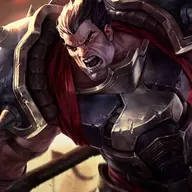
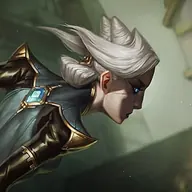
A good lane does not mean you dominate every second. Sometimes you need to let the opponent push to make them vulnerable. Sometimes you need to crash quickly to reset before an important timing. Sometimes you simply need to keep enough health to prevent a dive. These small decisions separate a player who survives from a player who truly controls the lane.
- Always check both wave sizes before engaging.
- Do not push automatically if you do not know where the jungler is.
- Reset when your wave crashes under the enemy tower.
- Accept losing a few minions if it prevents giving a kill.
Split push or grouping: the choice that decides the game
The biggest Baron Lane trap is believing split push is always good. Split pushing does not mean staying in a side lane until you die. A real split push creates a question for the enemy team: should they answer you, or give up the tower while contesting an objective? If nobody answers you and your team gains nothing elsewhere, your pressure does not really exist.
Solo Lane macro is built around a simple timing: push the side lane before the objective is contested, then decide whether to keep drawing pressure or join your team. You need to be ahead of the play, not arrive when the fight is already over. If drake spawns in twenty seconds and you are only starting to push the opposite lane, you are late. If you already crashed the wave and forced a defender to answer, you created a window.
The practical rule is simple: if your team can win or contest the objective with you, prepare to group. If your team cannot fight, use the side lane to take a tower, a wave or another resource. This is not an automatic decision. It is a timing, vision and composition read.
- Before an objective, push the most useful side lane.
- If two enemies move to stop you, ping your team to play the objective.
- If your champion teamfights better than they split push, group earlier.
- If your team cannot contest, use the side lane to take resources.

Teamfights: your role changes with your champion
In teamfights, not every Solo Laner does the same job. A tank needs to create an opening or protect carries. A bruiser needs to find an angle to enter without getting controlled instantly. A duelist may need to threaten a flank instead of running into the center. This is where many players fail: they copy another champion's behavior. Malphite can force a hard engage because his kit allows it. Fiora does not always benefit from doing the same thing.
Your job in a fight depends on your real value inside the composition. If your team lacks engage, you may need to start the fight. If your team already has strong engage, you can wait for the second timing before entering. If the enemy team has a lot of crowd control, you should avoid showing first. Solo Lane therefore requires composition reading, not only matchup reading.
Before every important fight, ask one concrete question: what makes my team lose if I play badly? If the answer is “my carry gets dived”, you may need to peel. If the answer is “nobody can start the fight”, you may need to engage. If the answer is “the enemy wins long fights”, you may need to find a fast flank instead of playing front to back.
- Tank: engage, peel or zone depending on your carries' position.
- Bruiser: enter after the first enemy cooldowns are used.
- Duelist: look for a flank or force a response in side lane.
- Behind champion: protect the backline and absorb key spells.
The most common Baron Lane mistakes
Most Baron Lane mistakes come from the same idea: believing the lane is separated from the rest of the game. A player wins a trade, then pushes without vision. They die to a gank and think they were just unlucky. Or they destroy a tower, then stay too long on the same side lane while their team plays a major objective. A good action becomes bad when it happens at the wrong timing.
Another common mistake is trying to fight to fix a lost lane. If you are behind, the 1v1 rarely becomes better just because you want revenge. You need to change your goal: collect the wave, limit losses, ask for help if the wave is frozen, and look for usefulness in fights. A useful Solo Laner is not always a fed Solo Laner.
- Do not push an advanced wave without information on the enemy jungler.
- Do not stay in side lane if your team can play a decisive objective.
- Do not force a losing duel to “take back the lead”.
- Do not copy another champion's role in teamfights.
- Do not confuse high farm with real impact on the game.
Concrete example: you win lane but lose the game
Imagine a game where you play Garen into a matchup you dominate. You get an early kill, destroy the first tower and feel like you did your job. Meanwhile, the second drake spawns. You stay top for one more wave, then one inner tower plate. Your team contests four versus five, loses the fight, gives drake and two kills. On the scoreboard, you are positive. In reality, your decision cost more than your advantage created.
The correct decision depends on timing. If you had crashed your wave thirty seconds before the objective, you could have moved with tempo or forced your opponent to choose between defending and joining their team. A Solo Lane advantage only matters when it is converted at the right moment. Winning your 1v1 is the start of the job, not the end. The difference between an average player and a good Baron Laner appears here: the good player turns pressure into objectives, not only into KDA.
To improve in Solo Lane, remember these simple rules: do not chase kills at all costs, read the wave before trading, prepare rotations before objectives, and adapt your teamfight role to your champion. Baron Lane is a role of intelligent pressure, not a permanent duel arena. If you win lane but convert nothing, your advantage disappears. If you lose lane but control waves and play the right timings, you can still be useful. As Echo says: “If you understand this, your level will already improve.”
Frequently asked questions
What is the role of Solo Lane in Wild Rift?
Solo Lane creates pressure on a side lane, holds or wins a duel, then converts that advantage into objectives. The role is not only about kills: it requires wave control, rotation timing and proper teamfight decisions.
What is the difference between Solo Lane and Baron Lane?
In Wild Rift, Solo Lane and Baron Lane usually refer to the same role: the lane close to Baron Nashor. Solo Lane describes the isolated 1v1 nature of the role, while Baron Lane describes its position on the map.
Should you always split push as a Solo Laner?
No. Split push is only useful when it creates real pressure or forces an enemy response. If your team needs you for an objective or your champion is stronger in teamfights, grouping at the right timing is better.
Which champions are good to learn Baron Lane?
Simple and clear champions like Garen or Malphite are good for learning the basics. They help you understand trades, waves and teamfights without being blocked by too much mechanical difficulty.