
Split Push and Side Lane Pressure in Wild Rift: How to Create Real Map Threat
Split pushing is not just “hitting a tower while your team fights somewhere else”. It is one of the most misunderstood macro decisions in Wild Rift. Many players think they are creating pressure because they are alone on a side lane, when in reality they are simply missing from the next objective. A good split push forces the enemy to answer without giving your death for free. That difference matters: either you create a map threat that opens space, or you give away a kill, a wave and a drake in the same minute.
The mistake comes from a simple confusion: players mix up being on a side lane with creating real pressure. Being top when drake spawns means nothing if the wave is not moving, if you have no vision, if your champion cannot threaten the tower, or if the enemy can send two players to kill you without losing anything elsewhere. In that case, you are not split pushing: you are isolated. Wild Rift has a smaller map than PC League, faster rotations, and side lane mistakes get punished quickly. A decision that looks “macro” can become a throw if it happens 10 seconds too late. The goal of split pushing is not to play alone. It is to create a dilemma: if the enemy comes to you, your team gets the objective; if they ignore you, you take a tower or inhibitor.
Split pushing starts before you touch the tower
The first mistake is thinking the split push starts when you hit the turret. It does not. It starts when you prepare the wave. If your wave is still in the middle of the lane when the objective spawns, you have no pressure. You are late. To create a real threat, the wave must be pushed early enough to crash into the enemy tower when your team starts threatening drake, Baron or Herald.
The wave must hit at the same time the objective becomes contestable. That timing is what forces the enemy to choose. If you push after the fight starts, you created nothing. If you push one minute too early, the enemy clears the wave for free and returns to the river. Side lane pressure depends on timing, not only on the champion.
- Prepare the wave before the objective, not during it.
- Check your jungler’s position before moving forward.
- Do not hit the tower if three enemies disappear from the minimap.
- If your team cannot play the objective, your split loses a lot of value.
When to split push and when to group
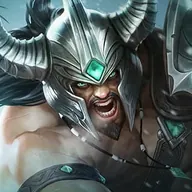
Split pushing is never automatic. Even with a champion like Camille, Jax, Fiora or Tryndamere, you have to read the game before choosing your lane. If your team needs you to engage, peel or secure the objective, staying on side can be wrong. If your team can stall without you, your split becomes much more dangerous for the enemy.



Ask one simple question: can my team survive 15 seconds without me? If the answer is no, you should not move too far away. If the answer is yes, you can use that window to force a reaction. Split pushing works best when your team understands that they should not hard engage. They should slow the game down, poke, threaten, keep vision and let your side lane do its job.
The worst version is the selfish split push: you go bot, your team engages mid, you ping too late, then you say they threw. No. If you did not communicate, if your wave was not ready, and if your team could not stall, the bad decision was shared.
Vision decides whether your split is pressure or suicide
A split push without vision is a prayer. You can be fed, have a two-item lead and still die if you ignore enemy rotations. Vision control is not only for objectives: it also tells you how long you are allowed to stay on your lane. In Wild Rift, enemies rotate quickly. One deep ward in the enemy jungle can turn a risky tower attempt into a winning decision.
You do not split because you are strong, you split because you know where the enemies are. If the enemy mid and jungle are visible near drake, you can move forward. If both disappear, you slow down or back off. It is a simple rule, but it prevents a huge number of useless deaths.
- Ward the jungle entrance before crossing the river.
- Back off as soon as two threats disappear.
- Do not force the tower if your escape spell is on cooldown.
- Ping your intention so your team does not engage at the wrong time.

A good split push creates a dilemma, not a forced fight
The goal is not to force your team into a 4v5 fight. The goal is to make the enemy response uncomfortable. If the enemy sends one player and you win the 1v1, they lose the side lane. If they send two players, your team must immediately threaten the opposite objective. If they send nobody, you take the tower. That is real map pressure.
Good split pushers are not always looking for a kill. They are looking for the enemy decision. Shen, for example, can hold side pressure while still staying connected to his team through his ultimate. A champion without a global tool has to be stricter with timing, because he cannot correct a bad position as easily.

A winning side lane must convert something elsewhere. If you pull two enemies and your team takes no drake, no mid wave and no vision, the pressure was wasted. Split pushing is a contract between you and your team: you create space, they must use it.
Concrete example: Baron in 35 seconds, slow bot wave
Imagine a game where your team is preparing Baron. You are playing Fiora, you have your split item, and the bot wave is still close to your tier-two tower. Many players run straight to Baron. That can be the wrong reflex if nobody manages the side lane. The better decision is to push bot early enough to create a wave that moves by itself, then rotate toward river or hold distance depending on available vision.
If the enemy ignores bot, the wave hits the tower while Baron is being contested. If they send mid or top to defend, your team gets a timing window to control river. But if you stay bot with no vision while three enemies disappear, you turn a good idea into a free death. The right question is not “do I split or group”, it is “which pressure arrives at the right timing?” That difference separates a macro decision from just walking around the map.
To split push well in Wild Rift, remember three rules. First, prepare the wave before the objective, never after. Second, move forward only when vision confirms that you can survive. Third, your split must force an enemy response that your team can exploit. If nobody can use the space you create, your pressure is weak. If your team can stall and convert, you become a real macro threat. Split pushing is not an excuse to play alone: it is a way to control enemy decisions. You don’t lose because of your team, you lose because of your decisions.
Frequently asked questions
When should you split push in Wild Rift?
You should split push when your wave can create a threat at the same time as an objective or central pressure. If your team cannot stall, if you have no vision, or if the enemy can punish you quickly, the split push becomes risky.
Which champions are good split pushers in Wild Rift?
Champions that can win duels, destroy towers quickly or escape pressure are usually strong split pushers. Camille, Jax, Fiora and Tryndamere are classic examples, but timing matters more than the champion name.
Should Solo Lane always split push?
No. Solo Lane often gives access to strong split push profiles, but you still need to group sometimes. If your team lacks engage, frontline or peel, staying too long on side can weaken your team at the worst moment.
How do you avoid dying while split pushing?
Watch the minimap, ward jungle entrances and back off as soon as multiple enemies disappear. Do not cross the river without reliable information. A good split push is controlled pressure, not a blind gamble.