June 2026 · Patch 7.1f
Support · SUPPORT

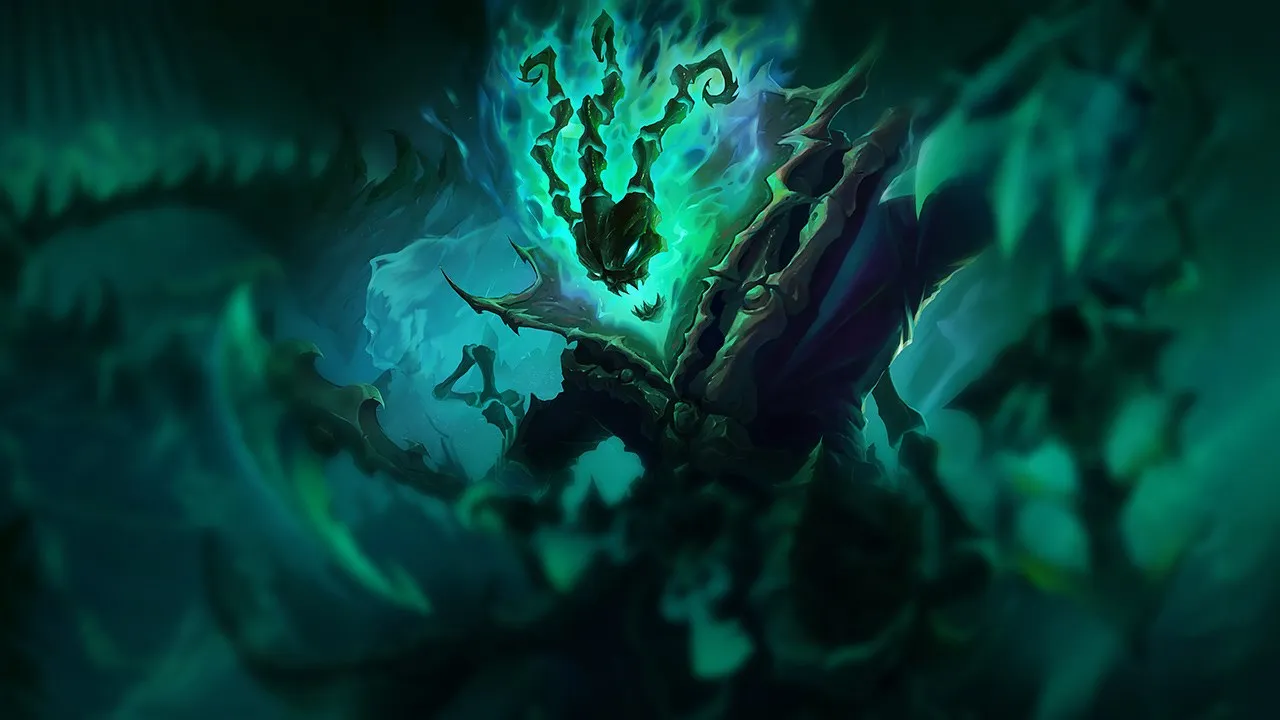
Thresh Wild Rift Synergies

Thresh excels in pick or coordinated engage compositions that leverage hooks to lock down targets. He benefits from high-burst allies who can convert CC into immediate kills. His lantern creates unique synergies with allies seeking quick repositioning.

★ SUPPORT Tier A
DMG
UTIL
TANK
DIFF
Win 47.8% #70 · ↓1pt
Pick 11.1% #4
Ban 3.0% #43

Thresh Wild Rift Synergies

S Tier 2
Jinx Jinx Thresh gives Jinx exactly what she wants: a true engage trigger, peel when needed, and targets locked down long enough to place Flame Chompers! cleanly. The ideal execution starts with Death Sentence or Flay, then Jinx seals the exit with traps while Thresh decides whether to continue the engage or save the counterplay angle with Lantern. This pairing is very strong against fragile lanes and remains excellent in teamfights thanks to the safety the support provides. CC ChainADC
Combo
QDeath SentenceEFlame Chompers!EFlay
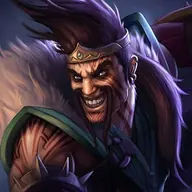
Draven Draven With Draven, Thresh forms one of the cleanest snowball duos in bot lane thanks to constant hook threat and the brutality of the follow-up burst. The execution is crystal clear: Thresh catches or forces flash, Draven instantly walks up to stack empowered autos, then Lantern enables chase or disengage after the kill. This pair excels against lanes with no cleanse and no real answer to the first contact. EngageADC
Combo
QDeath SentenceWDark PassageQSpinning Axe
A Tier 2
Aphelios Aphelios Thresh protects Aphelios extremely well because he offers both credible engage and rescue tools against threats trying to punish him. The execution is flexible: hook to create the first opening, lantern to fix a risky position, then Flay or The Box to stop assassins from finishing the job. It is a very robust synergy in games where the ADC must be protected without fully giving up pick threat. ProtectADC
Combo
QDeath SentenceWDark PassageRThe Box
Viego Viego Thresh sets up Viego's resets perfectly by making the first target far easier to reach and finish. The execution revolves around the initial opening: hook or Flay locks the target down, Viego follows with burst onto the already exposed victim, then Lantern can even pull him back out after the first reset. This pair is very strong against fragile comps where one pick can decide the whole fight. EngageJungle
Combo
QDeath SentenceEFlayWSpectral Maw
B Tier 1
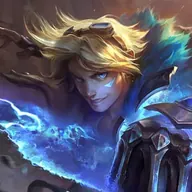
Ezreal Ezreal Thresh and Ezreal remain solid, but their offensive pressure often depends more on hook accuracy than on truly immediate follow-up patterns. The execution is decent on picks and river control, but Ezreal converts less violently than a Draven or a Jinx on a caught target. The lane stays safe and mobile, just less punishing when early snowball is the goal. PokeADC

How to draft around this champion

Synergy angle

Thresh’s best synergies are not only aggressive lane duos. They are champions that turn his two identities into concrete advantage: catch when hook connects, and safety when lantern lets them play farther forward than usual. With a hypercarry, Thresh creates a mobile protection zone. With an explosive carry, he turns a hook into an immediate kill. With a champion that can enter after him, he can open a chaos window around The Box. The key is understanding that Thresh increases his allies’ margin for action: he gives them either a safer entry or an exit few supports can offer.

Patch context

Thresh pairs very well with champions that need reliable first control or a repositioning tool to express their real range. His hook gives a clear target, Flay keeps the target inside the damage zone, and lantern allows more aggressive positioning without turning every mistake into instant death. This is especially strong when the ally can convert quickly: a carry that adds DPS behind Zeke, a snowballer that wants to punish lane, or a reset champion that benefits from an already isolated target.

Draft identity

In draft, Thresh acts as a bridge between protection and pick. He allows a team to build around a carry without becoming passive, because he can both save that carry and create the first opening. His best compositions understand this double reading: they do not expect constant engage from him, but use his presence to control the areas the enemy must walk through.

Quick read

  • Thresh becomes much stronger with carries that can immediately hit the hooked target.
  • Lantern greatly increases the value of allies that want to play aggressively but lack a natural escape.
  • His best synergies can follow an opening without forcing Thresh to die on the frontline.

Best composition types

Protected but threatening hypercarry

Thresh gives a hypercarry what they want most: time, space, and a second chance. Picks like Jinx benefit heavily from a flexible frontline that does not only stand in front of them, but can also catch an overextended target. Lantern lets them take a more aggressive DPS position, while Flay and The Box slow the threats trying to reach them. If the fight lasts a few seconds longer, these carries often become the real win condition.

How to play it. Do not force every hook. Position first to protect the carry’s DPS zone, then engage only when the caught target can be killed without exposing your hypercarry.

Lane kill pressure and fast snowball

Draven gives Thresh immediate conversion on every successful crowd control. Where some ADCs need several seconds to make a hook valuable, Draven can turn one enemy mistake into a kill, reset, or plate pressure. Thresh completes that aggression because he can create the angle with hook, hold the target with Flay, and offer an exit with lantern if the trade goes too deep. The duo becomes especially dangerous when it controls brushes and forces the enemy to play away from the wave.

How to play it. Play the lane through brush pressure and hook threat, not automatic all-in. If Draven has axe uptime and space to hit, one crowd control can decide the lane.

Mobile follow-up and fight reset

Some allies do not need Thresh to protect them permanently; they mainly need him to create the first target or an exit route. Viego likes a target already controlled so he can enter and look for a reset, while Ezreal benefits from lantern to play farther forward, poke before the objective, then reposition if the enemy forces. In these compositions, Thresh is not only a lane support: he becomes a connector between pick, mobility, and survival.

How to play it. Look for hooks that truly isolate a target, then save lantern for the ally following the play. The goal is to create a controlled entry, not chaos your team cannot support.

Composition traps

Composition with no immediate damage behind hook

Thresh can catch a target, but he does not provide the burst needed to make the opening worth it by himself. If his team follows too slowly or lacks damage during the crowd control window, the enemy can use defensive spells, Flash, or simply turn the fight. In this type of draft, Thresh often engages for nothing and loses lantern value.

Composition too spread out around objectives

Thresh needs his allies to play around his zones: hook, lantern, Flay, and The Box. If the team plays across three different angles with no clear priority, he no longer knows who to save or which target to engage. Lantern becomes too short, hook lacks follow-up, and The Box slows the enemy without anyone converting. Thresh prefers a team structured around a simple plan.

Priority synergies

Jinx

Jinx is a priority synergy because she uses both sides of Thresh. In lane and around objectives, she can convert a hook through range and ramping damage; in teamfights, she benefits heavily from lantern to play a more aggressive position without dying to the first engage. The duo should be played with patience: Thresh does not need to force a risky hook if his main job is giving Jinx the extra three seconds that unlock the fight.

Draven

Draven turns Thresh into an immediate punish support. The hook does not need to be perfect if Draven is already positioned to hit: one target slowed by Flay can lose the lane. But this synergy requires real tempo discipline. If Thresh engages while Draven has to catch an axe or when the wave prevents follow-up, the duo loses its main strength. The right timing comes from brush pressure, Draven’s position, and Ignite threat.

Common mistakes

Common mistakes

  • Picking Thresh with a carry that cannot convert his crowd control or benefit from lantern.
  • Playing Thresh as pure engage while the composition mostly depends on his protection.
  • Not communicating lantern: an ally who does not expect it often reacts too late.
  • Forcing catches far from the team when Thresh needs quick follow-up to make hook valuable.

Coach notes

  • When playing with Thresh, ask who benefits most from lantern in this game. It is not always the ADC: sometimes it is the champion entering to finish a target.
  • A good synergy with Thresh is not only an aggressive duo. It is an ally that understands when to follow hook, when to wait for lantern, and when to let Thresh save Flay for peel.

Synergy reading

What these duos unlock

Thresh performs best when allies extend the first window of control or damage. The strongest pairings on this page, such as Jinx, Draven, Aphelios, create cleaner fights and more reliable tempo swings.

Profile to look for

Thresh has a support profile, so allies with CC Chain, Engage are usually the best fit. You often get the most value from partners played in ADC, Jungle.

When synergy matters most

These pairings matter most around first engage timing, objective setup, and follow-up on crowd control. The page is not just naming allies: it highlights combinations that reduce execution risk for Thresh.

FAQ

Which ADCs work best with Thresh?

Thresh works very well with ADCs that quickly convert his crowd control or benefit heavily from lantern. Jinx and Aphelios like the protection and space he creates in teamfights, while Draven turns every successful hook or Flay into immediate kill pressure. The important thing is not only the carry’s name: the duo must be able to hit the target at the exact moment Thresh controls it.

Is Thresh better with an aggressive or protective composition?

Thresh can work in both, but he must know which role he is playing before the fight. In an aggressive composition, he looks for hook angles and uses lantern to move forward or save the ally following up. In a protective composition, he saves Flay, The Box, and lantern more often to keep his carry alive. The problem appears when the team expects both at the same time without a clear plan.

Why is Thresh strong with Jinx?

Jinx needs time and stable space to become dangerous. Thresh gives her both: he can slow enemy entry with Flay and The Box, then use lantern to correct an overextended position. On top of that, a successful hook creates a clear target Jinx can hit to start her reset. The duo becomes very strong when Thresh protects her DPS zone first before looking for a catch.

How should you play around lantern as Thresh’s ally?

You need to anticipate lantern instead of looking for it only when you are already in danger. If you play with Thresh, check his position before stepping forward: his lantern can let you take an aggressive angle, but only if you stay within realistic range. Do not automatically Flash the moment you are threatened; sometimes waiting half a second and clicking lantern keeps your Flash for the next real fight.