June 2026 · Patch 7.1f
Mage · MID

Twisted Fate Wild Rift Synergies

Twisted Fate excels in global pressure and roaming compositions that leverage his targeted teleportation. He benefits from allies who can convert his ultimate-enabled ganks into immediate kills. Pick or snowball compositions get the maximum from his map presence.

★ MID Tier A
DMG
UTIL
TANK
DIFF
Win 53.3% #15 · ↑2pt
Pick 6.6% #8
Ban 0.8% #74

Twisted Fate Wild Rift Synergies

S Tier 2
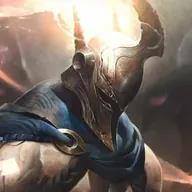
Pantheon Pantheon Twisted Fate and Pantheon create suffocating global pressure because each can turn a poorly positioned side lane into an almost instant kill. The execution is deadly: one starts the move through ultimate or targeted engage, the other instantly follows to add a second layer of control and deny any escape. This synergy becomes especially oppressive against teams with shallow vision and weak side-lane mobility. DiveTop
Combo
RDestinyWPick a CardRGrand StarfallWShield Vault
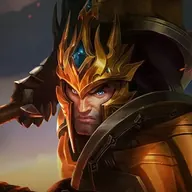
Jarvan IV Jarvan IV Jarvan IV gives Twisted Fate the kind of direct setup that makes Gold Card almost free on the priority target. The execution is very clean: Jarvan engages or traps a carry, TF steps into safe range to lock the target with Gold Card, then allied damage converges before any enemy reposition happens. This pair especially dominates the mid game, when one vision catch is enough to turn a dragon or tower into a free objective. EngageJungle
Combo
EDemacian StandardQDragon StrikeRCataclysmWPick a Card
A Tier 2
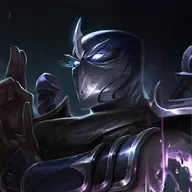
Shen Shen Shen and Twisted Fate play the map better than almost any duo thanks to their double global presence. The execution happens in two beats: TF reveals and selects the target with Destiny, Shen covers either the initiation or the enemy response with Stand United, and the targeted side lane gets overwhelmed. This synergy is excellent against comps trying to split without tools to win fast numbers plays. DiveTop
Combo
RDestinyWPick a CardRStand United
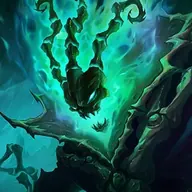
Thresh Thresh Thresh sets up Twisted Fate picks very well because he provides the first layer of control that makes Gold Card almost unavoidable. The execution works on both catches and counter-picks: hook or Flay opens the sequence, TF steps forward from safe range to extend the lockdown, then Lantern can help the team collapse or disengage. This combination is very strong against fragile backlines and in games where vision creates many catch windows. CC ChainSupport
Combo
QDeath SentenceWPick a CardEFlay
B Tier 1
Lulu Lulu Lulu helps Twisted Fate survive aggressive answers better, but she does not amplify his global pick identity as much as an engage partner or another global champion would. The execution is mostly utility-based: TF finds the target, Lulu protects the exit or turns an average skirmish into a favorable trade. It is a valid option into very dive-heavy comps, but less impactful if the goal is maximizing map pressure. ProtectSupport

How to draft around this champion

Synergy angle

Twisted Fate’s best synergies are the ones that turn Gold Card into immediate action. He is not only looking for allies who deal damage; he wants champions who can arrive quickly, engage on the revealed target, or protect his exit after an aggressive Destiny. His draft identity is simple: he creates information and the first lockdown, but the team must convert before the enemy responds. The strongest synergies therefore reinforce his global tempo, his picks before objectives, and his ability to punish a side lane. On the other hand, overly slow or passive compositions often waste his best strength: choosing where the fight happens before the enemy does.

Patch context

Twisted Fate likes allies that reduce the delay between the stun and the reward. Pantheon and Jarvan IV, for example, can turn a revealed target into a clean engage, while Shen adds another global layer that makes side lanes much harder for the enemy to play. Thresh and Lulu do not always create the same explosive follow-up, but they secure Twisted Fate’s angles: one through pick and repositioning, the other through protection when he has to step forward. A good draft with him must answer one question: who converts Gold Card when it lands?

Draft identity

With Twisted Fate, the draft should play around tempo and punishment. He provides information, targeted stun, and global movement; his allies must bring immediate impact, extra crowd control, or the safety needed to turn that short window into a kill, objective, or turret. A good composition does not wait behind him: it moves with him.

Quick read

  • Twisted Fate is better with allies who can instantly collapse on a Gold Card.
  • Global or semi-global synergies make enemy side lanes much riskier.
  • Protection or pick supports secure his angles when he has to step forward to stun.

Best composition types

Fast pick around Gold Card

Twisted Fate creates a short window: a target is revealed, Gold Card locks it down, and the team must decide immediately. Pantheon, Jarvan IV, and Thresh strengthen that window because they add a second point of control or a direct engage. The result is very hard for the enemy to handle: even if the target survives the first stun, they still have to deal with the next engage. This composition wins especially before objectives, when one positioning mistake can become dragon or turret pressure.

How to play it. Prepare vision before the objective, let Twisted Fate threaten the first Gold Card, then engage only when the target can no longer back away. The trap to avoid is using every crowd control spell at once: chain the lockdown to prevent Flash, Stasis, or dashes from breaking the play.

Global pressure and trapped side lanes

Twisted Fate already makes side lanes dangerous through Destiny. When paired with Shen, Pantheon, or Jarvan IV, the enemy no longer knows how many champions can collapse on an advanced wave. This pressure changes the game even without fighting: carries farm less aggressively, bruisers hesitate to split push, and objectives become easier to prepare. The global or semi-global setup forces enemies to group more, which then gives Twisted Fate clearer map reads.

How to play it. Play side waves like traps. Twisted Fate should show just enough mid pressure to force a response, then use Destiny when the enemy commits too far. The team must already be moving before the teleport finishes, otherwise the global window becomes too slow.

Protection and repositioning to play angles

Twisted Fate sometimes has to step farther forward than a standard mage to land Gold Card. Thresh, Lulu, and Shen make that risk more acceptable: Thresh can offer an exit or extend the pick, Lulu can stop an assassin from converting onto him, and Shen can cover an aggressive Destiny or exposed side lane. This type of composition does not always look for instant burst; it mainly allows Twisted Fate to play closer to the edge without dying to the first enemy engage.

How to play it. Let Twisted Fate threaten the stun, but hold one tool for the moment the enemy answers. Protection should arrive after the enemy engage, not too early. If Lulu, Shen, or Thresh spend their safety before Gold Card, Twisted Fate loses the freedom to step forward.

Composition traps

Passive draft without immediate conversion

Twisted Fate can lock down a target, but he does not always delete someone by himself. If his team stays too far back, lacks immediate damage, or refuses to move after Gold Card, the stun becomes only a small control effect with no reward. This type of draft makes Twisted Fate look useless, while the real issue is the lack of conversion around his most important window.

Composition too slow around objectives

Twisted Fate wants to prepare objectives before they start: vision, pick, numbers advantage, then conversion. A composition that is too slow often arrives after the wave, after the vision, or after the Gold Card. In that context, Destiny may reveal the enemy, but nobody can truly use the information. The team ends up playing standard front-to-back fights, where Twisted Fate brings less than a pure area-control mage.

Priority synergies

Pantheon

Pantheon is a priority synergy because he shares the same fast-punish logic. Twisted Fate reveals and locks down, Pantheon arrives with extra crowd control and enough damage to make the window immediately dangerous. Together, they force side lanes to respect a threat that goes far beyond local vision. The key is not to stack ultimates without an objective: their real strength comes from a pick that becomes dragon, Herald, or turret pressure, not only an isolated kill.

Jarvan IV

Jarvan IV fits Twisted Fate very well because he turns Gold Card into a closed zone. Where Twisted Fate provides the first point of control, Jarvan prevents the target or their team from simply backing away. This synergy is especially strong before objectives: Destiny checks positions, Gold Card forces a reaction, then Jarvan can trap the carry or cut off the exit. The duo still requires precision, because engaging too early can leave Twisted Fate too far behind to follow.

Common mistakes

Common mistakes

  • Waiting until Twisted Fate has already stunned to start moving: by then, the best window is often already too short.
  • Using Destiny and other global ultimates with no follow-up objective, turning major map pressure into a simple kill with no continuation.
  • Forcing Twisted Fate to be the only engage source when his kit is better at locking down a target that is already punishable.
  • Failing to protect Twisted Fate after an aggressive Gold Card, when many enemies will immediately answer onto him.

Coach notes

  • When playing with Twisted Fate, do not only watch his ultimate. Watch his mid wave: if it is ready to push, you should already prepare to move.
  • The best synergy with Twisted Fate is not always the biggest burst. It is often the champion who arrives fast enough to make Gold Card impossible to ignore.

Synergy reading

What these duos unlock

Twisted Fate performs best when allies extend the first window of control or damage. The strongest pairings on this page, such as Pantheon, Jarvan IV, Shen, create cleaner fights and more reliable tempo swings.

Profile to look for

Twisted Fate has a mage profile, so allies with Dive, Engage are usually the best fit. You often get the most value from partners played in Top, Jungle.

When synergy matters most

These pairings matter most around first engage timing, objective setup, and follow-up on crowd control. The page is not just naming allies: it highlights combinations that reduce execution risk for Twisted Fate.

FAQ

What type of jungler works best with Twisted Fate?

Twisted Fate likes junglers who can quickly convert targeted crowd control. He is not only looking for someone who farms well or scales: he wants an ally who can enter as soon as Gold Card lands, force a Flash, or secure the objective afterward. Junglers with engage, fast follow-up, or dive pressure greatly strengthen his level 5 because they turn Destiny into real map threat.

Does Twisted Fate need an aggressive team?

He does not need a team that forces constantly, but he needs a team capable of moving when the window is good. An overly passive draft wastes Gold Card and Destiny because nobody converts the information or the stun. The ideal team is disciplined: it does not fight for no reason, but it knows how to accelerate as soon as Twisted Fate reveals an isolated target or creates a numbers advantage.

Why are global synergies strong with Twisted Fate?

Because they multiply psychological pressure on side lanes. Destiny alone already forces the enemy to respect advanced waves; with another global or semi-global presence, every side-lane duel can become an instant trap. This forces enemies to group more, give up some waves, or invest more vision. Twisted Fate then uses that caution to control objective tempo.

How should a team play around Gold Card?

Gold Card should be treated as a starting signal, not as isolated crowd control. Allies should already be moving when Twisted Fate steps forward, especially before an objective or on a side lane. The right sequence is to let the card force the first reaction, then add engage, damage, or protection depending on the enemy response. If the team waits to see the stun before deciding, the target will often have already Flashed or bought enough time.