Understanding Wild Rift Roles: Complete Guide to Playing Better as a Team
Many players think they understand their role because they know where to go on the map. That is wrong. In Wild Rift, your role does not only define your lane: it defines your responsibility in the game. A Solo Laner does not play like a Mid, a Support does not think like an ADC, and a Jungler does not follow the same rhythm as the lanes. If you misunderstand your role, you make bad decisions even with a strong champion. You can win your lane and still lose the game because you did not understand what your team expected from you. This guide works as a central hub to understand the 5 roles, their missions, their common mistakes, and the way they connect with each other.
The most common problem among Wild Rift players is not mechanical. Many players know how to cast their abilities, last-hit correctly, or win an isolated trade. The real problem comes from game understanding: they play their champion without understanding what their role must bring to the team. An ADC who facechecks, a Support who stays glued to lane when the map asks for a rotation, a Jungler who farms while dragon can be contested, or a Mid who never moves: these mistakes do not come from a lack of pure skill. They come from a poor reading of responsibilities. When every player only plays for themselves, the composition loses its structure. Understanding roles helps you draft better, read the map better, decide when to fight, and most importantly understand why a game becomes difficult before the score is already disastrous. It is also what allows you to improve without changing champion every two games.
The 5 roles are not meant to do the same thing
Wild Rift is built around five main roles: Solo Lane, Jungle, Mid Lane, Dragon Lane, and Support. Each role has a different mission, but those missions constantly overlap. The Solo Lane often creates side pressure, handles duels, and can become a split push threat. The Jungle controls the global tempo, ganks, neutral objectives, and vision zones. The Mid Lane connects both sides of the map and quickly influences fights around the river. The Dragon Lane provides a large part of the team’s consistent damage, especially in extended fights. The Support protects, engages, controls vision, and often gives the signal for a good or bad fight.
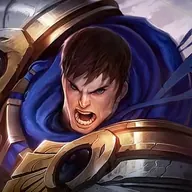
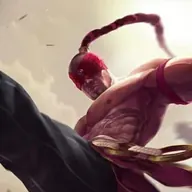
A role is not a fixed position: it is a function inside the game. For example, Garen can play a simple and stable Solo Lane, but his real value comes from his ability to hold pressure without asking for too much help. Lee Sin, on the other hand, must create action windows before lanes lose priority. Ahri can turn a neutral Mid Lane into roam pressure. Understanding this logic prevents you from judging a role only through KDA. A player can end with few kills and still fulfill their mission perfectly, while another can have many kills but break their team’s rhythm.


Solo Lane: hold, punish, and create side pressure
Solo Lane is often misunderstood. Many players think this role is only about winning the duel. In reality, Solo Lane is about controlling an isolated area of the map while preparing useful pressure for the team. A good Solo Laner knows when to play safe, when to force a trade, when to push and move, and when to stay on a side lane to draw multiple enemies. Your goal is not always to kill your opponent: your goal is to make your presence costly to answer.
With a champion like Garen, you can learn this logic in a simple way: hold the lane, punish positioning mistakes, then become a solid mid game threat. The classic trap is wanting to join every fight without looking at the wave state. If you abandon a large wave under your turret to run toward a fight that is already lost, you give away free gold. Solo Lane therefore requires real discipline: reading the map, controlling your wave, understanding rotation timings, and knowing whether your presence in a teamfight is worth more than your side pressure. A good Solo Laner does not only ask “can I come?”, but more importantly “what does my movement cost my team?”.
Jungle and Mid Lane: the two roles that accelerate the map
Jungle and Mid Lane are the two roles that influence the map the fastest. The Jungler should not simply farm camps in order. They must read which lanes have priority, which objectives are spawning, where the enemy can be, and which side of the map is worth playing around. Lee Sin illustrates this logic well: if he creates no early pressure, he loses part of his identity. But forcing a gank without lane setup is also a mistake. Jungle is not magic: it amplifies good windows, it does not automatically turn a losing lane into a win.
Mid Lane works like a crossroads. A Mid who pushes correctly can help their Jungler, cover an invade, move toward dragon, or punish a side lane that is too far forward. Ahri is a good example of a champion who can convert small mid priority into map action. Jungle and Mid must think like an invisible duo. Even without being premade, they often share tempo control. If the Mid is stuck under turret and the Jungler forces river without information, the fight is already in a bad state. On the other hand, if the Mid pushes at the right timing and the Jungler positions before the objective, the team can win an area without even needing to fight immediately.
Dragon Lane and Support: two connected roles, but not the same role
Dragon Lane is often reduced to a simple idea: the ADC must deal damage, and the Support must protect them. This is true, but incomplete. The ADC must above all survive long enough to convert fights. They must manage their positioning, respect enemy engage, follow item timings, and avoid unnecessary deaths before objectives. Jinx, for example, becomes extremely dangerous if she enters a fight with enough space to reset. But if she dies before the fight starts, the entire composition loses a major source of consistent damage.

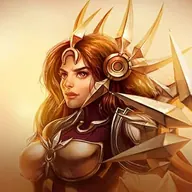
The Support is not a passive bodyguard. A good Support controls vision, prepares rotations, protects when protection is needed, and engages when the team can follow. Leona can create a winning fight with a single opening, but a bad engage without vision turns her team into an easy target. A Support who engages just to show they are active often hurts their team more than a Support who is too careful. Dragon Lane and Support must therefore learn to play together, but their responsibilities remain different. One must maximize damage without exposing themselves unnecessarily, while the other must create the conditions that make this damage possible.
Why understanding roles also improves your draft
Draft becomes much clearer when you understand roles. You no longer pick a champion only because they are strong or because you like them. You look at what your team already has and what it still lacks. Is there no reliable engage? No peel? No frontline? No AP damage? No side threat? No range? This reading turns an individual pick into a real team decision. A good draft is not five strong champions grouped together: it is five compatible functions.
For example, a team with a lot of damage but no control can lose against a simpler composition because it never knows how to start a clean fight. On the other hand, a very tanky team with no consistent damage can engage correctly but fail to finish targets. Understanding roles also helps you accept certain sacrifices. Your champion may not be the flashiest pick, but if they bring exactly what the composition needs, they increase your chances of winning. This is where the role goes beyond the lane: it becomes a strategic reading. You no longer ask only “which champion is strong?”, but “which function is missing from our composition?”.
Concrete example: why a team can lose with good champions
Imagine a game where Solo Lane plays Garen, Jungle plays Lee Sin, Mid Lane plays Ahri, Dragon Lane plays Jinx, and Support plays Leona. On paper, the composition looks correct: frontline, engage, pick potential, and late-fight damage. Yet it can lose very quickly if every player forgets their function. If Lee Sin forces dragon without mid priority, Ahri arrives late. If Leona engages while Jinx is too far away, the team lacks damage. If Garen leaves his side lane at the wrong timing, he loses a turret and a big wave for an uncertain fight.
The lesson is simple: roles do not win separately, they win when their timings connect. Leona must engage when Jinx can follow. Lee Sin must play around lanes that can move. Ahri must turn her priority into real pressure. Garen must know when his split push is worth more than grouping. This coordination of responsibilities is what turns a composition from “five champions” into a real team. The important micro-read here is timing: the champion is not the problem, the problem is the moment where each role tries to act without the other roles.
To improve, remember these simple rules: understand your mission before judging your score, look at what your role must bring to the team, adapt your decisions around objectives, and never confuse activity with impact. A Jungler who moves everywhere without a clear objective is not controlling the map. A Support who engages without follow-up is not creating an opportunity. An ADC who chases the kill before securing their positioning lowers their chances of carrying. The more you understand roles, the more you understand why a game becomes winnable or unwinnable. As Echo would say: If you understand this, your level will already improve.
Frequently asked questions
What are the 5 main roles in Wild Rift?
The 5 main roles are Solo Lane, Jungle, Mid Lane, Dragon Lane, and Support. Each role has a different responsibility: side pressure, map control, rotation, consistent damage, engage, peel, or vision.
Which role should beginners choose in Wild Rift?
For beginners, Solo Lane and Support can be easier to read depending on your profile. Solo Lane helps you understand duels and wave management, while Support teaches vision, rotations, and teamplay.
Why are roles important in Wild Rift draft?
Roles help balance a composition. A good draft must cover several needs: damage, frontline, engage, peel, control, range, and map pressure. Without that, even strong champions can function poorly together.
Does a role depend only on the lane?
No. The lane shows where you start, but the role shows what you must bring. A Solo Lane player may need to split push, tank, engage, or absorb pressure depending on their champion and the composition.