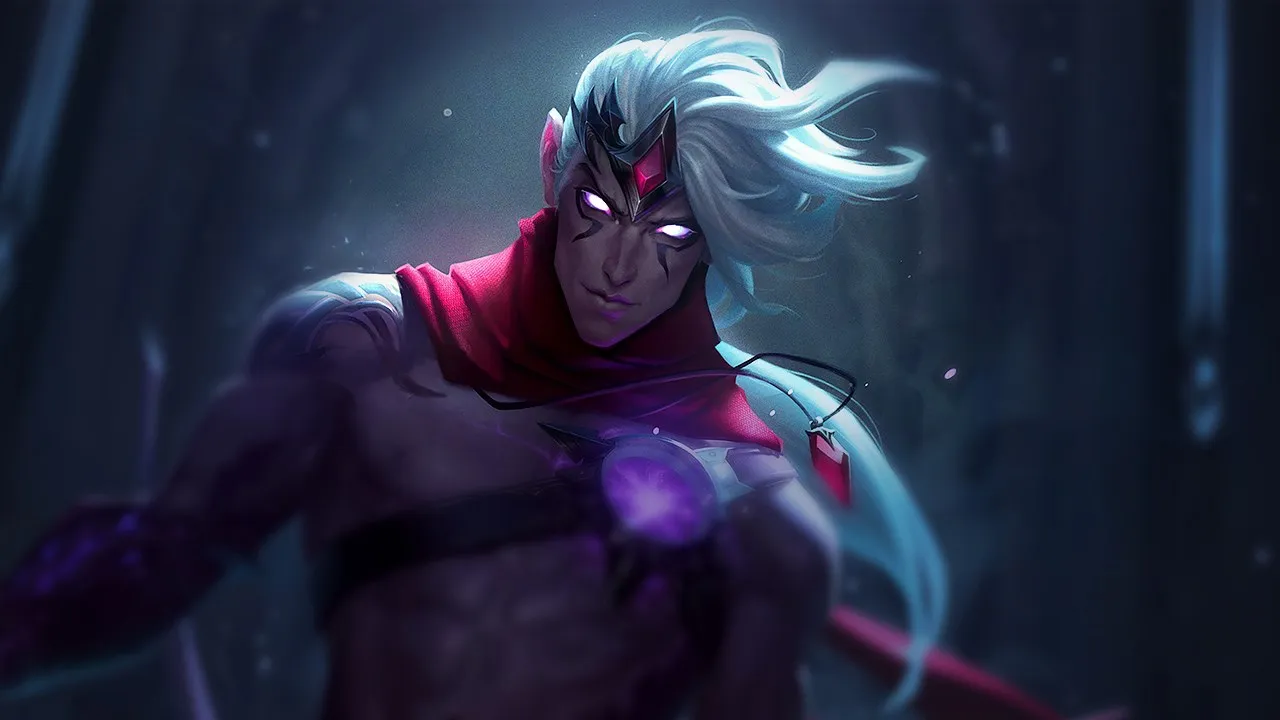


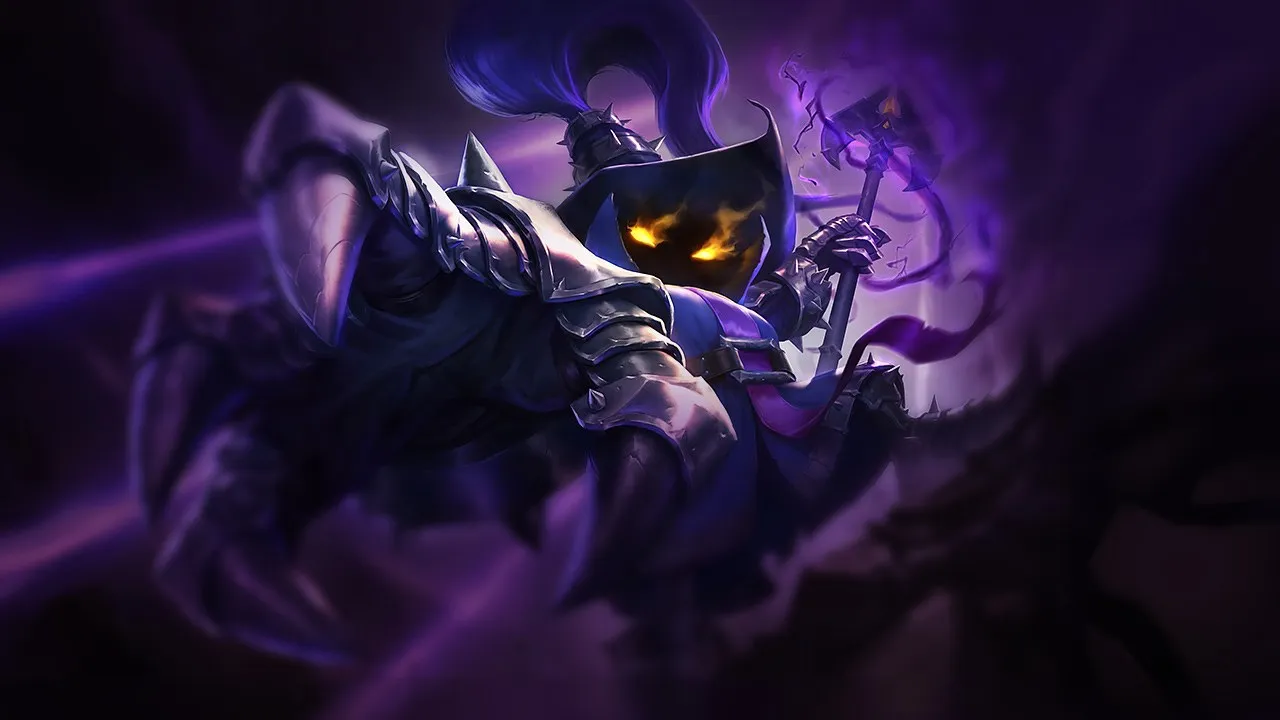
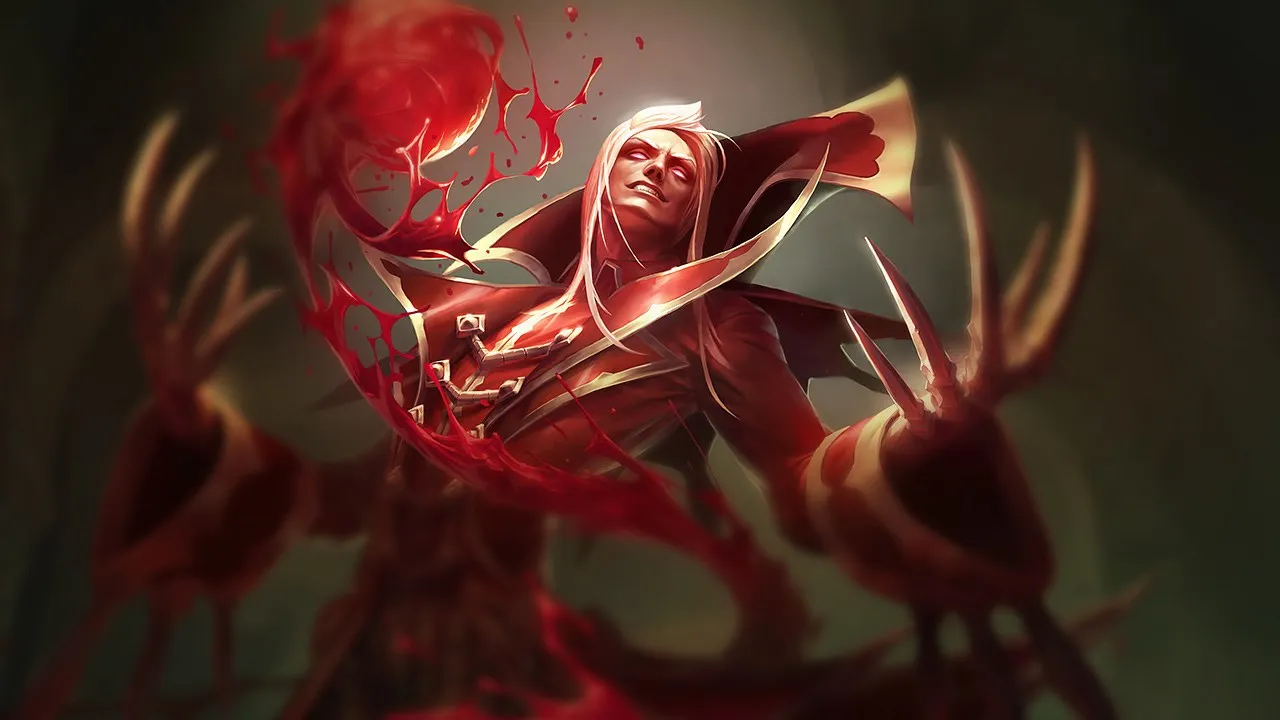
Varus is a versatile Dragon Lane ADC who can be played as poke, lethality, or AP depending on composition needs. His poisoned arrows stack Blight on hit, which explodes for bonus damage when hit by crowd control. His ultimate launches corruption chains that spread from target to target. In Wild Rift, Varus thrives in poke-and-pick compositions thanks to his long-range charged Q and team-chaining ultimate that creates decisive burst windows.
Varus excels in poke or long-range engage compositions that leverage his infected arrows and chain ultimate. He benefits from supports who can protect him while amplifying his zone damage. Dense teamfight compositions benefit from his mass ultimate.
Varus is vulnerable against dive or sudden engage compositions that approach before he places arrows. His lack of a dash exposes him to assassins and high-mobility compositions. Disengage compositions neutralize his charged arrows.
With Varus, choose your playstyle based on your build — poke or on-hit — and adapt priorities accordingly. Save your ultimate for grouped teamfight situations or picks on a priority target. In lane, maintain blight stacks on enemies to maximize bursts.
Expert note
Expert take
Varus is a very strong pick for players who understand that Dragon lane is not only about hitting the closest target. His real value comes from preparation: holding a wave, finding a Q angle, placing E to make enemy entry awkward, then using ultimate when the opponent has no clean path left. He is not the most forgiving carry, and he quickly becomes frustrating if the team does not play around vision or if the enemy can dive freely. But in a structured game, Varus offers something few ADCs provide: the ability to decide the fight before the first real contact.
Weak point
Hidden weakness
Varus’s hidden weakness is not only his lack of mobility, but the fact that his best moments also make him predictable. When he charges Q, steps forward to place E, or holds ultimate to threaten a choke point, his intention is often readable. Good opponents do not always try to dodge the poke: they wait for the moment Varus must stand still or look in one direction, then engage from another angle.