Varus Counters
Why
Caitlyn forces the lane state Varus hates most: getting outranged, constantly pressured, and forced into awkward movement because of ground zones that punish your spacing. You can poke, but she tags you first, and traps turn every step forward into a real risk of losing half your HP before you ever get to establish tempo.
Lane impact
In Dragon lane, she often secures priority and makes last-hitting feel dangerous. If you get boxed between shove and trap lines, you can’t step up to stack/punish without exposing your support to losing trades. Any bad recall timing can also snowball into plates or a lost dragon because your lane never has priority.
How to play
Shift the plan: aim for stability and short windows instead of trying to win a straight poke war. Hold a slight diagonal offset so her long autos don’t get free value, and treat traps like walls—rotate around them, don’t path through them. Key timing: after first base, if she has prio + items, play lower and prep dragon via vision rather than contesting every wave head-on. Decision: if she keeps prio, drop a few CS to preserve HP and keep your R available for gank response or objective fight.
Why
Draven is hard because he turns one spacing mistake into instant punishment. Varus has no dash: if Draven gets on you when your support can’t peel, the trade is too heavy for you to keep laning normally. And because he cashes in, one kill accelerates the game pace in a way that often denies you calm item timings.
Lane impact
In practice, you’re forced to play back and sometimes give up wave pressure entirely. Draven can brute-force 2v2s as soon as he has even a small lead, and he can zone you off river when you want to contest vision/scuttle. If you lose one key trade, the next dragon becomes hard to contest without a clean plan.
How to play
Your first job is to deny his run-down angle: avoid straight lines where he can chase with autos, and keep a clear retreat route toward turret or your support. Key timing: at level 5, your R is a real stop button—using it defensively to prevent a cash-in is not wasted. Decision: if your jungler isn’t bot-side, refuse the free 2v2, hold the wave closer to tower, and look to poke when Draven steps forward to catch an axe (often his most predictable moment).
Why
Blitzcrank is hard into Varus because he removes your right to play standard lane patterns. Varus wants to step up to poke, charge, and manage wave control. Blitz forces you to hide behind minions and limit angles, otherwise one hook costs flash or your life, and your kit has no natural escape.
Lane impact
The grab threat alone makes you miss timings: you hesitate to ward, you back off last-hits, and you often lose priority. Around objectives, Blitz also punishes static setups—if you stand still to charge an arrow or hold a choke, you become a pre-selected target.
How to play
First, cut hook value: always keep minion alignment and respect unwarded bushes (this isn’t “safe”, it’s required). Key timing: whenever Blitz uses or misses hook, you get a 15–20 second window to reclaim space and poke. Decision: if your support can’t protect you in fog, don’t force river—play the wave, ping your jungler, and trade a bit of prio for lane stability instead of donating a kill.
Why
Nautilus is hard in lane because your main weakness (no mobility) becomes consistently punishable. He doesn’t need a perfect hook: a decent engage is enough, then the CC chain rarely gives you room to breathe. Varus can poke, but if one engage chunks you by 30% HP, you lose the ability to contest prio or charge safely.
Lane impact
In duo lane, Nautilus forces fast decisions: back off and lose wave control, or stay and risk the all-in. Once your flash is down, the lane becomes brutally punishing. At dragon, his ult can target you even if you stand back, so you can be engaged on without him taking much risk.
How to play
Positioning: play in a slight arc behind your support rather than side-by-side so you’re not the easiest target. Key timing: level 5 changes everything—you can’t rely on kiting alone; you must anticipate the engage before it starts. Decision: if flash is down, stop contesting prio for ego, hold wave nearer tower, and keep R as a counter-engage tool (root him or the ADC following) to break the second layer of damage.
Why
Leona is hard because she forces a binary tempo: you either have distance + vision, or you get caught and eat a long all-in. Varus can poke, but Leona doesn’t lose from taking some poke—she wins when she finds ONE window, and your lack of a dash makes that window extremely profitable.
Lane impact
Lane turns into threat management: if you step up to charge, she can engage during the channel or onto your support. On spikes (level 2, 3, then 5), she can force fights before you get clean resets. In teamfights, she can stick to you and prevent sustained DPS even if you don’t die instantly.
How to play
You must read her spikes: respect level 2 if she’s pushing and be ready to back off as the enemy wave hits the threshold. Key timing: have a clear level 5 plan—if she has R and you don’t, play noticeably lower until your own level 5 or a recall item. Decision: with no jungle info, don’t stand in E range; trade one poke auto for keeping flash and R, then look for counter-engage value when she commits too deep.
Why
Lucian is unfavorable because he plays the opposite tempo: he doesn’t let you set up slow poke. He dashes, bursts, exits, repeats. Varus loves predictable trades where you stack and control; Lucian creates micro-windows where your damage doesn’t fully land before he disengages.
Lane impact
In lane, you get chipped on very specific timings: stepping up to last-hit, your support drifting away, or missing an arrow. He can also force priority by accelerating the wave after winning a trade, which directly impacts river control before dragon.
How to play
Answer with discipline: don’t try to match his tempo—punish him at the end of his dash when his exit path is more readable. Key timing: track dash cooldown—if he uses it offensively without an immediate reset angle, you get a stronger poke window. Decision: if you lack positional advantage (support out of angle, low vision), play the wave safely and accept a neutral lane; your level 5 R then becomes a real tool to convert a gank or flip a 2v2.
Why
Kai’Sa becomes unfavorable because she exploits chipped HP bars. Varus often pokes, but if you get traded down yourself, she turns a mediocre situation into a lethal all-in—especially with passive stacks and an engage support enabling her. She also thrives when the lane breaks into skirmishes where an immobile Varus is easy to punish.
Lane impact
Even if early levels are manageable, pressure rises once fights get messy (river, dragon, extended 2v2). Without flash, she has more freedom to commit, and you’re often forced to play lower, costing objective priority.
How to play
Treat your HP as a strategic resource: poke is fine, but don’t place yourself into her execute range. Key timing: at level 5, your R often should freeze her engage (root as she steps forward or commits) rather than fishing for a flashy pick. Decision: if Kai’Sa has an engage support and river vision is uncertain, avoid mid-lane positioning; play closer to your side and take short exchanges where you immediately reset after landing poke.
Why
Pyke is unfavorable because he applies two pressures at once: hook threat in lane and roam threat if you play too passive. Varus is strongest in readable lanes; Pyke makes everything messy and punishes static behavior (charging, solo warding, retreating in straight lines).
Lane impact
You can get trapped: if you push to stop his roam, you expose yourself to hooks; if you play safe, he disappears and creates advantage mid/jungle. Even without kills, his execute threat changes your recall timings and the risk you can take in trades.
How to play
Vision and timing discipline: never ward alone if Pyke is off-map, and avoid charging poke when you don’t have confirmation of his position. Key timing: when he misses an attempt or shows mid, you get a window to hard shove, take a plate, or set up dragon. Decision: if your duo can’t hold prio without dying, accept a neutral lane and play the macro response—ping, freeze, and punish his roam with guaranteed gold rather than chasing uncertainty.
Why
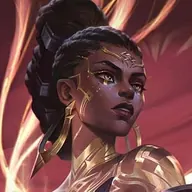
Karma is unfavorable because she defuses part of your poke identity: she shields the carry, speeds repositioning, and can claim wave prio without exposing to a straight all-in. Varus wants gradual chip; Karma reduces that chip’s impact and turns lane into a tempo battle more than a damage battle.
Lane impact
In lane, it can feel like you’re landing hits often without converting—shields erase pressure and you slowly lose wave priority. At dragon, that priority matters because she arrives first, sets vision, and forces you to walk into already-controlled space.
How to play
Look for conversion on cooldown: when Karma uses shield offensively to push/trade, the next window is more punishable. Key timing: around first objective, don’t let her set up first—prep vision earlier and keep R to threaten a pick when she steps up to poke. Decision: if you can’t break her prio, keep the wave closer to you and shift into a reactive plan: root the engage, then DPS front-to-back instead of chasing endless poke trades.
Why
Nami is unfavorable because she mixes sustain with pick potential: she can trade, heal, and—most importantly—punish a no-dash champion with CC. Varus often has to stop to charge or auto, and those micro-stops make bubbles easier to land, especially if your support can’t zone her.
Lane impact
You can lose pressure even while landing poke because she heals and resets trades. And if a bubble hits, the ADC follow-up can force flash or recall, breaking tempo and opening dragon/plate windows for the enemy.
How to play
Move with irregular rhythm: avoid predictable “charge then back off the same way” patterns. Key timing: track when bubble is down—that’s your real step-up window to poke aggressively and reclaim wave control. Decision: if vision is shaky and Nami is forward, don’t charge in her face; instead, slow push, force her to reveal, and keep R ready as an immediate response if she starts an engage with wave/ult.
Why
Ezreal is a skill matchup because it’s all precision and cooldown discipline. You can poke and punish a bad Shift, but he can chip you constantly and dodge your windows if you fire randomly. You do have a lock tool (R), but it must be timed, not reflex-cast.
Lane impact
In lane, it often becomes a patience war: you land an arrow, he answers with Qs, and whoever manages wave + space better takes priority. At objectives, Ezreal can poke before the fight; if you arrive already low, your teamfight becomes defensive.
How to play
Play around Shift: while it’s up, don’t force extended trades—pressure him into using it (wave pressure, support angle), then punish immediately. Key timing: at level 5, your R ideally goes when he has no Shift or just used it offensively. Decision: if you can’t reliably hit him, pivot macro—shove, take river priority, and turn dragon into a fight where your R fixes a target instead of playing an endless poke war.
Why
Jhin is skill because he doesn’t win through constant DPS but through windows: fourth shot, CC follow-up, traps that guide your movement. Varus can punish oversteps, but if you ignore his timings you eat one-way trades where you take fourth shot + poke without converting.
Lane impact
In lane, he looks for patterns: push you off angles with traps, then tag you when you last-hit. With a CC support, Jhin can chain easily and force flash. At dragon, his ult can zone you off a choke and ruin your entry.
How to play
Read his windows: as he approaches fourth shot, play lower and wait for it to be spent; once it’s used, you have real room to step up. Key timing: your R is great to break his ult plan or punish a Jhin who walks up for root. Decision: if Jhin holds a trap line, don’t force the corridor—rotate wider, take a side angle, and prefer a structured fight where your R starts the action rather than enduring his zoning.
Why
Thresh is skill because he doesn’t automatically hard-counter you, but he has the right tools to deny you if you play too rigid. Your charge time and relative immobility create openings for hook/flay. On the flip side, when he misses spells, his threat drops and your poke regains control.
Lane impact
This matchup is about vision and angles: stand too close to walls or bushes and you simplify his trajectories. In 2v2s, a well-timed flay can disrupt your cast flow or remove your kiting space.

How to play
Give him awkward angles: stay behind the wave but not perfectly aligned, and vary your movement rhythm while charging. Key timing: after a missed hook, you get a window to claim the wave and force Thresh back. Decision: without side vision, don’t chase maximum poke—manage wave, hit level 5, and use R to punish a Thresh who steps up too far to force a lantern play.
Why
Rakan is skill because he creates very fast entries, but he’s timing-dependent: if he goes when you’re ready, your R can stop him; if he goes while you’re charging or poorly positioned, you don’t have time to react. It’s not a guaranteed hard counter—more of a read-and-prep duel.
Lane impact
In lane, he can break your poke patterns by forcing you to respect his entry threat. At dragon, he loves engaging from unexpected angles; if you arrive early and stand in a choke, you hand him a perfect engage.
How to play
Anticipate rather than react: keep a safety distance when he’s off vision, and don’t charge poke if you don’t control the angle. Key timing: at level 5, your R is a very reliable anti-engage—use it on Rakan as soon as his commit starts to break the chain. Decision: if Rakan owns fog, don’t be the first to walk into dragon; let support/jungle open vision while you stay second line ready to root the engage.
Why
Vayne is often favorable for Varus because you control distance. She must step into you to get value, and your poke + lockdown (R) make every forward step risky. Where Vayne wants to stick and shred in extended trades, Varus can force her back before she establishes that pattern.
Lane impact
In lane, you can claim priority by tagging her as she last-hits. If she tries to all-in, your R and zoning give reliable answers, especially with support follow-up. At objectives, she also struggles when fights are structured front-to-back and she lacks a flank angle.
How to play
Don’t give her free extended fights: poke, reset, repeat. Key timing: hold R for the moment she commits an aggressive tumble or is forced to step up for wave/dragon—this is when root has maximum payoff. Decision: if she’s paired with heavy peel, don’t force a dive; win through prio, plates, and objective tempo instead of chasing.
Why
Jinx is favorable because she’s slower and more readable in lane. She needs time and space; Varus can deny her breathing room with consistent poke and the constant threat of R. With no dash, she heavily relies on positioning and support protection.
Lane impact
You can often secure priority and force her to farm under pressure. When she steps up for a wave, you can punish without exposing yourself to a surprise all-in. In teamfights, your R can also prevent her from safely resetting by catching her early in the engage.
How to play
Break her comfort: poke when she last-hits, then reset before her weapon swap and range dynamics turn the trade. Key timing: level 5—look for roots that convert into real damage (support/jungle follow), not an R thrown only for poke. Decision: with prio, translate it into dragon vision; without prio, don’t overforce—keep R to stop enemy all-in onto you.
Why
Ashe is generally favorable if you respect her key timings because you can out-pressure lane and present stronger kill threat. She brings control but lacks raw duel explosiveness if you manage spacing. Varus can impose poke that forces her defensive, and your R is a direct tool to punish forward steps.
Lane impact
In lane, you can often control the wave and prevent free “poke + slow” value. The real danger is her arrow and gank setup: if you get caught without vision, the matchup flips. But in a clean 2v2, you have more levers.
How to play
Respect long-range engage: if her ult is up, don’t stand in obvious lines and keep room to sidestep. Key timing: once she uses ult (or you know it’s down), you can step up much harder and turn lane into a siege. Decision: if jungle vision is uncertain, don’t overextend into river—push, reset, and return to dragon with a prepared wave rather than risking a pick.
Why
Soraka is favorable because your poke naturally attacks the “I sustain and outlast” plan. She can heal, but she must expose and spend resources; if you land consistent poke and keep pressure, she’s forced to play very far back, shrinking lane space for her ADC.
Lane impact
In lane, you can erode the enemy safety margin: even without kills, you claim prio and dictate recalls. At dragon, Soraka hates fights where she must show; your R can punish her when she steps forward to silence/heal.
How to play
Structure trades: poke when she must walk up to heal or ward, then reset before she returns damage. Key timing: at level 5, look for roots on Soraka herself (not only the ADC) if your duo can follow—removing her from the fight removes the lane identity. Decision: if they try to stall under turret with sustain, turn prio into vision and dragon rather than diving without information.