
Wild Rift Guide: The Secret to Winning Trades
A lane trade is a sequence of damage exchanges between champions. The winner isn't the one who deals the most damage, but the one who minimizes their resource cost. This is the art of lane economy management.
Nexus Core data reveals that champions like Yasuo, with a global win rate of 48.24%, struggle to reach 48% in Master+, patch 20260808, often due to poorly optimized trades.

The majority of players evaluate a trade based on the opponent's remaining health points, ignoring the impact on their own resources. This tunnel vision leads to costly engagements that undermine your ability to maintain pressure or react to ganks.
You might think you won an exchange because the enemy lost more HP, but if you've drained your mana or used all your long-cooldown abilities, you're vulnerable. A Garen who mindlessly spams abilities will find themselves without resources for a decisive all-in or to defend their tower. The tangible cost? Losing minion waves, being forced to recall, or worse, giving up an easy kill. These cumulative micro-decisions explain why some champions have a significant win rate disparity, such as Nasus with 52.53% globally but only 51.34% in Master+, patch 20260808.


Defining the Effective Trader Archetype
An effective trader exploits windows of opportunity, maximizing the return on their resources while minimizing their own expenditure. It's not about dealing maximum damage, but about dealing damage at a minimal cost.
This archetype rigorously manages their cooldowns and mana bar. They initiate short, punishing exchanges, or sustain prolonged all-ins if they have a clear resource advantage. They do not waste abilities on non-priority targets.
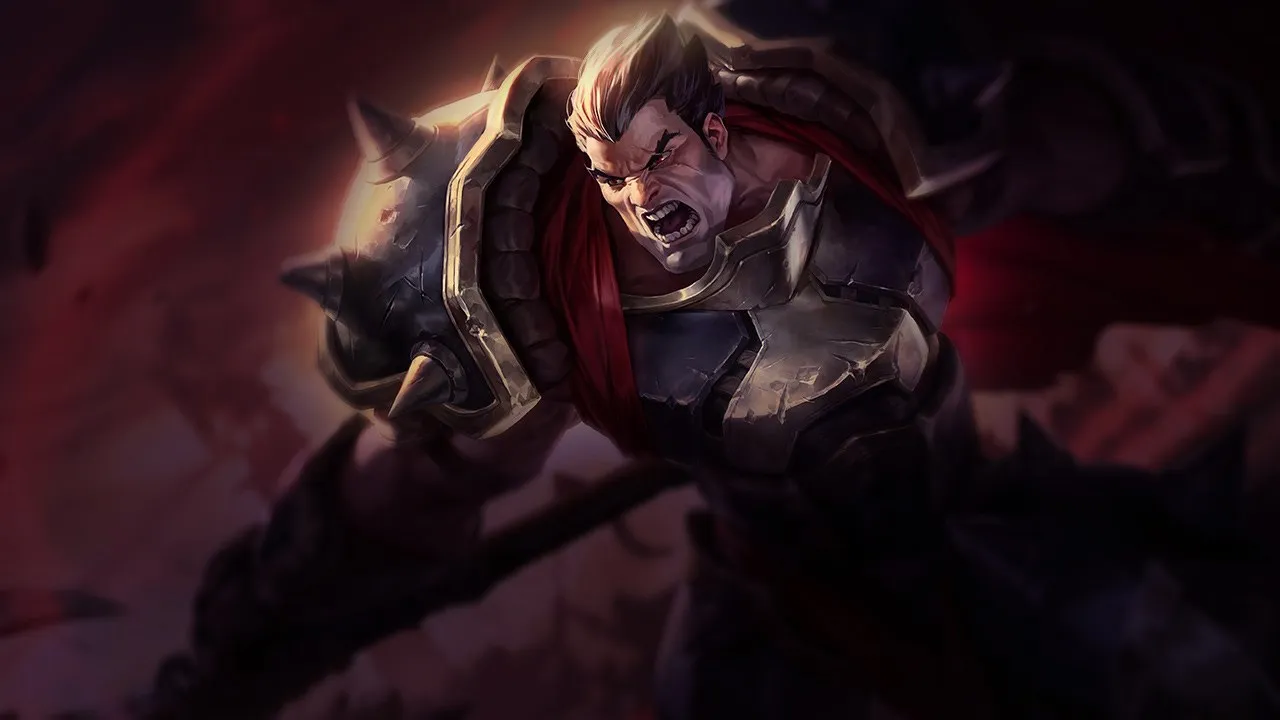
Champions like Darius or Sett excel. Darius, with his bleeds that don't incur excessive mana costs, dominates his lane. Sett, with his shield and raw damage, retaliates effectively by managing his Grit. Their ability to dictate the pace is unmatched.


The essence of an effective trader lies in their ability to transform a temporary resource advantage into permanent pressure, forcing the opponent to play on their terms.
- Evaluate: Always consider the cost of your abilities before casting them in a trade.
- Punish: Exploit windows where the enemy has used a key ability.
- Disengage: Know when a trade is lost and minimize damage taken.
- Anticipate: Predict enemy movements to optimize your ability usage.
The Essential Trade-off: When to Engage, When to Retreat
The central decision is the trade-off between aggressive engagement and strategic retreat, based on resource and cooldown states. It's a constant calculation of risk and reward for every interaction.
Each game presents a unique scenario where the player must make a trade-off. Should I use my main ability to poke, or save it for a more decisive trade? Is the mana cost of my spell worth the damage dealt? An Ahri must judge whether her Charm (E) is more useful for an immediate trade or for protection against a gank.

Yone initiates lightning-fast trades. If he uses his Soul Unbound (E) carelessly, he is punished. A Garen can afford longer trades thanks to his regeneration, but must avoid wasting his Judgment (E) out of range. The trade-off is key.

The player must constantly weigh the immediate value of an exchange against the future opportunities they might compromise by expending their resources.
- Calculate: Estimate the damage you can deal and take before engaging.
- Observe: Monitor the opponent's mana bars and cooldowns.
- Adapt: Adjust your playstyle based on resource advantage.
- Prioritize: Decide if poking or an all-in is the best option for the moment.
The Systemic Error: Ignoring the Cost of Your Abilities
The most common mistake is underestimating the cumulative impact of your abilities' mana or energy costs. This leads to a resource shortage at critical moments, turning a potential advantage into a disadvantage.
Approximately 80% of players do not accurately track their resource consumption. They cast abilities out of habit, without considering the return on investment. The result is an empty mana bar or key abilities on cooldown before a major objective. This behavior is confirmed by champions like Yasuo, whose Master+ win rate is 48%, a -0.24 point difference compared to his global win rate of 48.24%, patch 20260808. High-level players mercilessly punish poor resource management.
Ahri, with a Master+ win rate of 52.46%, higher than her global rate, demonstrates that precise mana management is a key success factor. Players who fail to manage their mana lose crucial opportunities.
Proactive resource management is not a constraint, but a fundamental strategy that separates good players from excellent ones, allowing them to exploit every window of opportunity.
- Monitor: Keep a constant eye on your mana and cooldowns.
- Group: Use your abilities to maximize their impact on multiple targets.
- Reserve: Always keep some resources in reserve for an emergency.
- Analyze: Every ability cast should have a clear objective and an expected return.
Optimizing Your Trades: Game Phases and Positioning
Optimizing trades depends on the game phase and your positioning. In the early game, every mana point counts. In the mid-game, cooldown management for objectives is paramount. Your position dictates who can initiate and how.
In the laning phase, your positioning is your first line of defense. Against a ranged champion like Twisted Fate or Orianna, a melee champion like Sett must position themselves to minimize poke while looking for windows to engage. Using bushes or minions is essential. Good positioning allows you to initiate favorable trades or refuse them without taking free damage.


Itemization also plays a crucial role. A mana regeneration or cooldown reduction item can be a game-changer. An anti-heal item can make trades against champions like Volibear much more favorable. Every decision must support your ability to trade effectively and manage your resources.

Understanding the interdependence between your positioning, itemization, and game phase is fundamental to turning every trade into a step towards victory.
- Position: Use terrain and minions to control engagement distance.
- Adapt: Change your trading style based on the opponent's items.
- Pace: Don't waste all your abilities on a single exchange.
- Control: Maintain pressure on the opponent by managing your minion wave.
Scenario: Darius' Winning Trade at Level 3
Imagine: you're playing Darius at level 3, against an Aatrox who just used his The Darkin Blade (Q) to clear the wave. It's the 2:30 mark. All your abilities are available, and your mana is at 80%.
Aatrox is now vulnerable; his primary damage and sustain tool is on cooldown. This is your window. Advance aggressively, use your Apprehend (E) to pull him in, apply a Crippling Strike (W) to slow him and deal damage, then circle him with your Decimate (Q) to hit with the outer edge and stack your bleeds. You deal approximately 200-250 damage while only taking auto-attacks, spending less than 60 mana. Aatrox is forced to retreat or take an all-in he cannot win.
This trade is winning not just because you dealt more damage, but because the resource cost for Darius is minimal compared to the pressure exerted on Aatrox, who must now choose between losing farm or recalling.
To transform your lane gameplay, change your perception of a "good trade." It's not a matter of raw damage, but of resource economy. Every ability cast, every health point lost, must be a calculated investment.
Adopt these principles for immediate results:
- Analyze: Before each trade, evaluate the cost of your abilities and those of the enemy.
- Capitalize: Use your power windows to deal damage at a low cost.
- Manage: Constantly monitor your mana/energy and cooldowns.
- Adapt: Adjust your trading strategy based on the game's evolution.
This is Blade, and I'm telling you: cost is the new damage. Go forth, and crush them!
Frequently asked questions
How do I know if a trade is favorable before engaging?
A trade is favorable if you deal significant damage while minimizing your loss of HP and resources (mana/cooldowns). Observe if the enemy has just used a key ability, if they are poorly positioned, or if you have a numerical advantage. It's a quick calculation of costs and benefits to maximize your lane advantage.
What is the impact of mana management on early-game trades?
In the early game, mana management is critical because your pool is limited and regeneration is low. Every spell is costly. Wasting mana on inefficient pokes can prevent you from having the necessary resources for a decisive all-in or to defend against a gank.
How do ranged champions like Orianna manage their trades compared to melee champions?
Ranged champions like Orianna initiate trades more easily with their range, dealing damage without exposing themselves. However, they must be vigilant about their mana, as their abilities are costly. They seek constant pokes and burst opportunities, while melee champions wait for favorable engagement windows.
Why is it important to know enemy cooldowns?
Knowing enemy cooldowns is vital because it reveals their windows of vulnerability. If a Darius has just used his Apprehend (E), he can no longer pull you. This is the ideal moment for a champion like Garen to approach and deal damage without fear of being immobilized. Exploiting these windows is crucial.
How is a low Master+ win rate for a popular champion like Yasuo related to trades?
The win rate of Yasuo at 48% in Master+, patch 20260808, lower than his global rate, suggests that high-level players punish his trading errors. Yasuo relies heavily on his abilities. Poor management of his mana or cooldowns makes him vulnerable, and experienced opponents exploit these weaknesses.
Do tanky champions like Sett or Volibear also need to worry about the cost of trades?
Absolutely. While Sett or Volibear are robust, their abilities come at a cost. Sett must manage his Grit for his shield and raw damage, while Volibear depends on his abilities for sustain and burst. Wasting these resources means they won't be able to tank effectively or deal damage.