
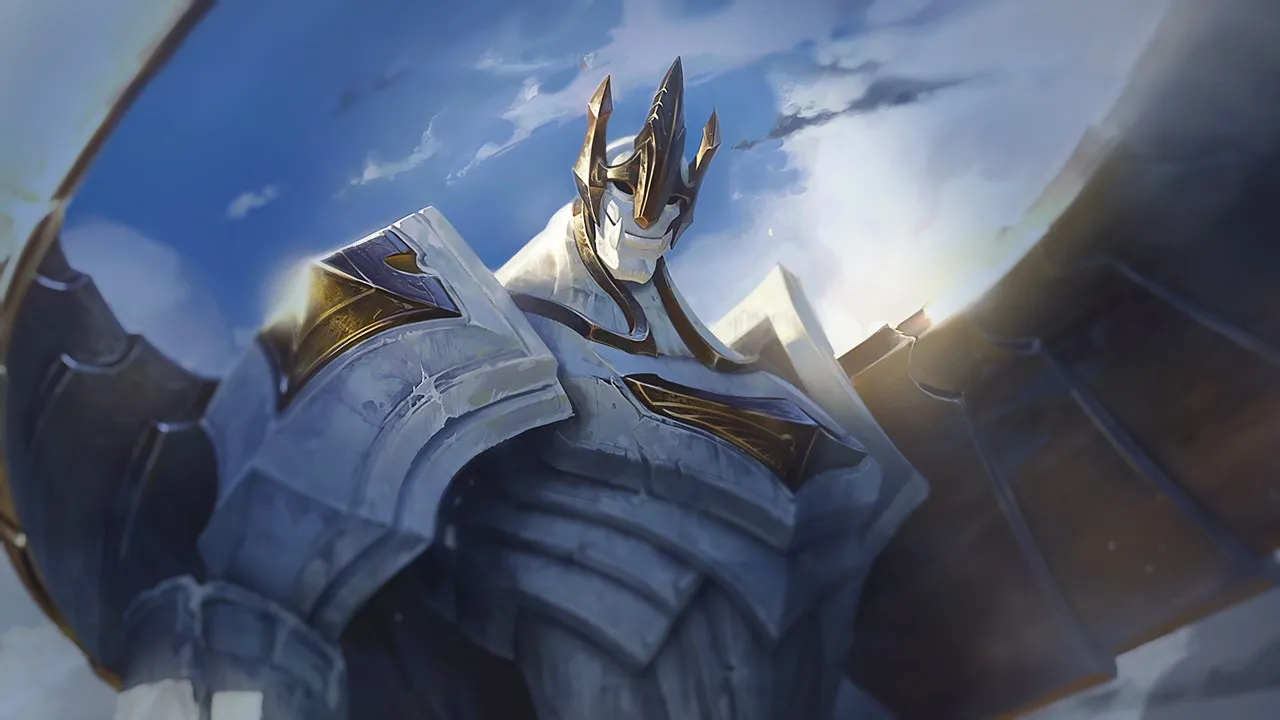
The Melee vs. Ranged Duel: Dominating Lane Without Fighting
The melee vs. ranged matchup isn't an inevitability; it's a strategic puzzle. In Wild Rift, melee champions like Darius or Garen are often perceived as being at a disadvantage against ranged threats such as Ezreal or Caitlyn. However, this perception masks a fundamental truth: most players approach these duels with the wrong mentality, losing the lane before the real fight even begins. This guide will provide you with the keys to turn the tide.



Quick Answer
Dominating a melee vs. ranged matchup in the early game requires abandoning direct trades. Focus on wave management, reaching level 2 quickly, and well-timed recalls. Don't try to win a duel you can't, and prioritize survival and resource optimization for the mid/late game.
The problem is simple: the majority of melee players attempt to exchange blows with their ranged opponent from the very start. This is a costly mistake and a deadly trap. Every auto-attack received without effective retaliation, every ability taken while trying to approach, erodes your health bar and forces you to spend potions, or worse, to recall prematurely. This initial disadvantage quickly spirals into an infernal cycle: you lose farm, experience, and lane priority, opening windows for enemy ganks or objective takes like the Rift Herald. A champion like Lee Sin, with a winrate of 45.9% in Master+ (patch 20260731, Nexus Core data), perfectly illustrates how a poor early game approach can cripple even a high-potential champion. You hand the enemy an advantage on a silver platter, transforming a manageable challenge into an inevitable defeat.

The concrete cost of this error is the loss of wave control, exposing you to ganks and preventing you from taking objectives. You cannot afford to give free resources to a Caitlyn or an Ezreal, who will capitalize on every mistake. Every point of health lost unnecessarily is an investment in your opponent's victory. Understanding that direct trading is not an option is the first step towards dominating these matchups.
Structural Strengths and Weaknesses of Melee Champions
A melee champion cannot win a basic trade against a ranged champion in the early game. Period. What they can do is dominate all-ins thanks to their crowd control and explosive damage abilities, survive through natural sustain or shields, and excel in later game phases due to their scaling or their ability to initiate decisive team fights.
Champions like Garen, with his passive sustain allowing him to recover quickly after poke, or Darius, with his devastating all-in potential once in melee range and his ability to stack bleeds, are perfect examples. Their strength lies in their capacity to absorb damage or force prolonged fights where their kit shines, not in ranged poke. Trying to retaliate blow-for-blow against an Ezreal or a Jhin, who can safely harass you, is a suicidal strategy that ignores the very nature of your champion and their intrinsic strengths.

The true strength of melee champions lies in their ability to transform an apparent disadvantage into an opportunity for total engagement, but only when conditions are optimal and the opponent is within range of their gap-closing abilities and damage.
- Accept the weakness of your early trades.
- Precisely identify your all-in windows.
- Prioritize survival and farming under tower.
- Use terrain and bushes to close the distance.
The Core Decision: When to Engage, When to Be Patient
The central decision for a melee player in a ranged matchup is to arbitrate between passive wave management, seeking all-in opportunities, and timing a good recall, all while minimizing damage taken and maintaining mental pressure on the opponent.
Every game is a complex calculation. Should I let the wave push under my turret to farm safely, even if it means losing a bit of CS, but guaranteeing my survival? Or does my level 2 or 3, with the arrival of key abilities, give me a window for a devastating all-in on a Sett or a Volibear against an overextended opponent who mismanaged their cooldowns? Against an Ezreal who pokes relentlessly, patience is key, and every step forward must be justified. Against a more fragile ranged champion without an escape, calculated aggression can pay off big. You must constantly evaluate the enemy's positioning, the wave state, your own resources (mana, health, cooldowns), and the presence of your jungler.


The melee player must master the art of patience and opportunism, transforming the lane phase into a chess match where every move counts and aggression is reserved for situations of assured victory, not desperate attempts.
- Evaluate your champion's kill potential at each level.
- Constantly monitor the opponent's positioning.
- Manage your health and mana bars as precious resources.
- Prepare decisive all-ins with your abilities and Flash.
The Systemic Error: The Trap of Early Aggression
The systemic error, committed by an overwhelming majority of players, is believing that one must "play aggressive" from level 1 and try to contest every CS, which inevitably leads to losing the lane, falling behind in resources, and becoming a burden for your team.
Nexus Core data is unequivocal: melee champions who attempt to force early game trades against ranged opponents have a significantly lower win rate. Aatrox, for example, shows a win rate of 48.84% in Master+ (patch 20260731, Nexus Core data), which is -2.58 percentage points lower than his global win rate, often due to an overly ambitious lane phase and a lack of respect for the enemy's range. Approximately 80% of players fall into this trap of misplaced aggression, seeking a direct duel when the game demands a more nuanced approach, macro wave management, and ironclad patience. They forget that the goal is not to "win the 1v1" at all costs, but to emerge from the early game in a strong position.
The key to breaking this cycle of defeats is to understand that aggression must be calculated, not reactive, waiting for the right moment to engage rather than constantly enduring the opponent's poke and losing vital resources.
- Resist the temptation of useless and losing trades.
- Focus on safe farming under the turret.
- Avoid free poke from the opponent at all costs.
- Wait for ganks from your jungler to reverse the pressure.
Game Phase and Positioning Strategies
In the early game, prioritize defensive positioning, let the wave push, and focus on farming under your turret. In the mid-game, once you've acquired your key abilities and a level advantage, look for all-in opportunities or roams to impact other parts of the map.
From level 1, position yourself to avoid taking free poke. Use bushes to hide and only reveal your position at the last moment to last hit a minion. Let enemy minions advance and farm under your tower, even if it means losing some CS initially. A champion like Nasus excels in this strategy, safely accumulating his stacks before becoming an unstoppable threat in the mid-late game. Yasuo, on the other hand, can use his abilities to dash through minions and engage, but only if he has a level advantage or if the enemy is poorly positioned and has their escape abilities on cooldown. Itemization should first focus on survival (resistances, health regeneration) to hold the lane, before transitioning to pure damage.

Success in melee vs. ranged matchups depends on a fluid transition between a passive lane phase and an aggressive game phase, dictated by resource acquisition, your champion's power spikes, and reading opportunities on the map.
- Adapt your build for initial survival against enemy damage.
- Use bushes aggressively to surprise the enemy.
- Communicate clearly with your jungler for a coordinated gank.
- Look for rotations to other lanes as soon as possible.
How to Play AGAINST the Melee Archetype as a Ranged Champion
To play against a melee archetype as a ranged champion, you must abuse your range, maintain constant pressure on the opponent's farming, and punish them for every attempt to approach, all while remaining vigilant for all-in windows and enemy ganks.
Your objective is to frustrate the melee champion, deprive them of resources, and force them to recall or stay under their tower, thereby losing experience and gold. Champions like Jhin, with his win rate of 50.9% in Master+ (patch 20260731, Nexus Core data), or Miss Fortune, at 51.72% in the same tier, excel at zoning and punishing with their area-of-effect abilities and auto-attacks. Never put yourself within easy all-in range. Use your abilities to push the wave under their tower, forcing them to choose between farming and taking damage. Maintain constant vision around your lane to anticipate ganks that could break your range advantage.

A smart ranged player maximizes their range advantage to create an insurmountable resource gap, turning the lane phase into a nightmare for the melee opponent and ensuring a decisive snowball.
- Maintain a constant and optimal safe distance.
- Harass the enemy with every last hit attempt.
- Push the wave to pressure them and deny farm.
- Anticipate engagement attempts and keep your escapes ready.
Scenario: Darius vs. Caitlyn, The Moment of Truth
Imagine: you are Darius, level 3, in the top lane at 2:30 into the game. Your opponent is Caitlyn, also level 3. The wave is balanced in the middle of the lane. Caitlyn has just spent her area-of-effect ability to clear minions and is positioned slightly forward to auto-attack.
This is your window! Caitlyn has her trap and dash on cooldown. Advance aggressively, use your ability to slow her and pull her in. If she tries to flee, activate your pull ability to bring her back into melee range and follow up with your auto-attacks and spinning ability. The goal is to force her to use her Flash or to kill her. Don't let her breathe once you've initiated.
This precise timing, where the opponent has expended their defensive tools and you have your engagement abilities ready, is the critical moment to reverse the pressure and gain an advantage. Do not miss these opportunities; they are rare.
Enough talk, here's what you need to remember to crush these matchups consistently and effectively:
- Accept: Your early game is defensive, not aggressive.
- Prioritize: Farm and experience are more important than futile poke exchanges.
- Manage: The wave is your best ally for both safety and calculated aggression.
- Observe: Enemy cooldowns and positioning are your windows of opportunity.
- Engage: Only when you have a clear advantage and a kill is highly probable.
- Adapt: Your build must support your survival before focusing on raw damage.
"Victory doesn't await those who fight foolishly, but those who strike intelligently. Now, go break some faces and dominate your lane!"
Frequently asked questions
How can a melee champion manage the constant poke from a ranged champion in the early game?
The best strategy is to let the wave push under your turret. Focus on last-hitting minions and use bushes to break the opponent's line of sight. Avoid unnecessary trades and wait until level 2 or 3 for all-in opportunities, such as with a Yasuo.
Is it always better to let the wave push as a melee champion?
Not always, but very often in the early game. Letting the wave push provides a safe zone under your tower and makes ganks from your jungler more effective. It also allows you to avoid free poke from an Ezreal. Once you have a level advantage, you can consider pushing yourself.
When should a melee champion look for an all-in against a ranged opponent?
An all-in should be sought when the ranged opponent has used their escape or poke abilities, is poorly positioned, or when you reach a significant power spike (level 2, 3, or a key item). Champions like Darius or Sett can severely punish a positioning error.
What are common mistakes for a melee champion to avoid in these matchups?
The biggest mistake is attempting melee vs. ranged auto-attack trades. Avoid wasting your abilities trying to poke, as they are valuable for engagement. Do not push the wave without vision or knowing where the enemy jungler is, as this exposes you to ganks.
How can Lulu, a ranged support, help her ADC against an aggressive melee champion?
Lulu can use her shields and speed boosts to protect her ADC from the melee champion. Her slow and polymorph can stop an aggression dead in its tracks. She should position herself behind her ADC to support and peel effectively, while poking the melee when they try to approach.