
Anti-Heal in Wild Rift: Anticipate Rather Than React
Anti-heal is a fundamental game mechanic that reduces the effectiveness of enemy healing and regeneration. It's not an improvised response to sustain champions, but an itemization strategy that must be planned from the champion select phase. Ignoring this anticipation costs objectives and games, as demonstrated by Vladimir's low win rate of 46.11% in Master+, patch 20260808 (Nexus Core data), often due to a delayed response.

Many players make the mistake of buying anti-heal only after witnessing the devastating impact of enemy sustain mid-fight. This reactive approach is inherently flawed. By the time you realize Dr. Mundo or Aatrox are unstoppable due to their regeneration, it's often too late for your anti-heal purchase to change the course of the game.


The tangible cost of this error is significant: fights are lost, objectives like Dragons or Barons are conceded, and the enemy economy develops unchecked. An Aatrox with a win rate of 49.76% in Master+, patch 20260808 (Nexus Core data), despite his power, can become an insurmountable threat if his sustain isn't countered from the beginning of the game. The inertia of late itemization allows these champions to capitalize on their sustain advantage, turning every trade in their favor.
Failing to prioritize anti-heal means letting the opponent dictate the pace of the game and forcing you into disadvantageous engagements, where your damage output is nullified by their regeneration.
Defining the Archetype: Sustain as the Primary Weapon
The archetype of champions requiring anti-heal is characterized by their innate or acquired ability to regenerate a significant amount of health, either through their abilities or their items. They can be Tanks, Bruisers, or Mages, but their common trait is prolonged resilience in combat, turning damage trades in their favor.
Champions like Warwick (Tank, JUNGLE, Melee, AD) with a win rate of 54.06% in Master+, patch 20260808 (Nexus Core data), or Soraka (Support, SUPPORT, Ranged, AP) with 51.29% in the same tier, perfectly illustrate this ability to turn fights around with their constant regeneration. Vladimir (Mage, MID, Ranged, AP) is another example, capable of draining life from his opponents to heal himself, making prolonged fights extremely difficult for the enemy team without anti-heal.


The effectiveness of these champions lies in their ability to prolong engagements, exhausting their opponents' resources while maintaining their own vitality at critical levels.
- Identify: Spot high-sustain champions in the enemy composition during champion select.
- Assess: Judge the potential impact of their regeneration on team fights and duels.
- Plan: Integrate the purchase of an anti-heal item into your primary itemization path.
- Communicate: Inform your team about the necessity of applying anti-heal against these threats.
The Central Decision: Balancing Early Damage and Utility
The most critical decision for a player facing a sustain archetype is to arbitrate between the early acquisition of an anti-heal item and pursuing their itemization path for damage or survival. This arbitration must be made based on the specific threat and the team's ability to compensate for temporary damage loss.
Against a Dr. Mundo (Tank, TOP, Melee, AD) with a win rate of 51.61% in Master+, patch 20260808 (Nexus Core data), or an Aatrox (Bruiser, TOP, Melee, AD) at 49.76%, delaying anti-heal for a pure damage item might seem appealing, but it prolongs their window of domination. Conversely, against a Soraka, anti-heal is vital to prevent her team from healing through your damage. The dilemma is knowing when to sacrifice some of your immediate power for long-term strategic utility.
The key to victory lies in the ability to identify the threshold where anti-heal becomes more impactful than any other item component in countering the enemy strategy.
- Prioritize: Purchase the anti-heal component (for example, an Exécuteur or an Orbe d'Annulation) as early as possible.
- Adapt: Modify your item purchase order to integrate anti-heal early in the game.
- Evaluate: Judge whether anti-heal is more relevant than your next damage or defense component.
- Compensate: Play more aggressively after purchase to maximize the impact of healing reduction.
The Systemic Error: Ignoring Impact Statistics
The most common mistake is underestimating the latent impact of enemy sustain and failing to consult data to inform itemization decisions. Approximately 80% of players, even at high tiers, do not optimally prioritize anti-heal, as suggested by Vladimir's relatively low win rate of 46.11% in Master+, patch 20260808 (Nexus Core data), despite his carry potential.
This oversight is often due to a poor read of the laning phase or an excessive focus on one's own champion. A Warwick (Tank, JUNGLE, Melee, AD) with a win rate of 54.06% in Master+, patch 20260808 (Nexus Core data), can become an uncontrollable force if not countered by early anti-heal. Data shows that games where anti-heal is purchased early have a significantly higher win rate against high-regeneration compositions.
Data confirms that inertia in purchasing anti-heal is a costly mistake that prolongs games and reduces the chances of victory against sustain-focused champions.
- Analyze: Study the enemy composition and identify primary healing sources before the game.
- Consult: Check itemization statistics against sustain champions to identify winning strategies.
- Educate: Share the importance of anti-heal with your teammates for a cohesive team strategy.
- Anticipate: Purchase an anti-heal component even if the opponent is not yet dominant.
Optimizing Anti-Heal: Timing, Itemization, and Positioning
The effectiveness of anti-heal lies not only in its purchase but in the precise timing and positioning to apply it. The goal is to have it online before enemy champions reach their power or sustain peaks. For ADs, is often the best option. For APs, . And for Tanks, is essential.



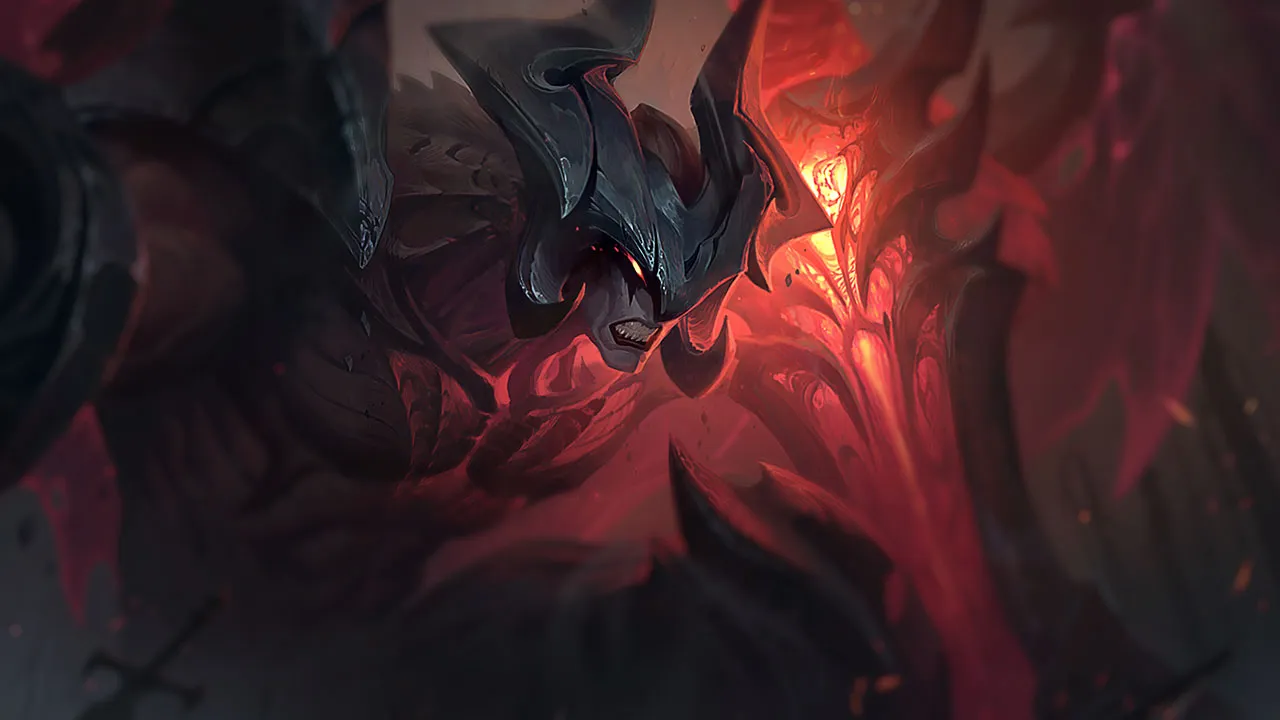
Against an Aatrox (Bruiser, TOP, Melee, AD), should be completed before his second or third major item to maximize its impact. Facing a Soraka (Support, SUPPORT, Ranged, AP), an early by the Midlaner or Support can significantly reduce the effectiveness of her area heals. Positioning is crucial: anti-heal must be applied to priority targets, often the hardest to kill without this effect. Aatrox's win rate statistic of 49.76% in Master+, patch 20260808 (Nexus Core data), can be reversed by rapid and targeted application of anti-heal.
Anti-heal is a strategic investment that requires precise tactical execution to maximize healing reduction on priority targets.
- Complete: Finish your anti-heal item (, , ) by your second or third item at the latest.
- Target: Prioritize applying anti-heal to enemy champions who heal the most.
- Engage: Force fights when your anti-heal is available and the opponent's is not.
- Position: Stay within range to consistently apply anti-heal during engagements.
Scenario: Countering a Mid-Game Vladimir
Imagine a game where your team faces a Vladimir (Mage, MID, Ranged, AP) who has managed to secure a few early game eliminations. By minute 12, Vladimir, level 10, already has his first major item and is about to complete his second. He is starting to become a serious threat in team fights thanks to his massive sustain and area damage.
In this scenario, if your AP Midlaner doesn't yet have a , it is imperative to acquire it immediately. During the next major objective, for example, a Dragon at minute 14, your Midlaner must position to hit Vladimir with abilities that apply anti-heal. The objective is not just to kill him, but to reduce his sustain so the rest of the team can effectively focus him. Without this anti-heal, Vladimir could easily survive multiple rotations of damage and even turn the fight around, as suggested by the difficulty in defeating him without this item, contributing to his win rate of 46.11% in Master+, patch 20260808 (Nexus Core data) when not countered.
Timing is everything: a purchased at minute 10 is far more impactful than a at minute 20, by which time Vladimir will have already accumulated too much power.
Anti-heal is not a luxury, but a strategic necessity against enemy compositions with high sustain. Your ability to anticipate and integrate this purchase into your game plan is a key indicator of your macro-strategic mastery.
- Anticipate: Identify sustain threats during champion select.
- Prioritize: Purchase anti-heal components early in the game, even at the cost of a slight delay to your core items.
- Communicate: Inform your team about the necessity of anti-heal and the target to prioritize.
- Execute: Apply anti-heal to high-sustain champions in combat to maximize its impact.
“Success does not lie in the action, but in the decision that precedes it.”
Frequently asked questions
When should anti-heal be purchased in Wild Rift?
Anti-heal should be purchased proactively, ideally as a first or second major item component, as soon as you identify a significant sustain threat in the enemy composition. Waiting until sustain becomes problematic, for example against a Dr. Mundo with a win rate of 51.61% in Master+, patch 20260808 (Nexus Core data), is often too late to turn the situation around.
Which champions require priority anti-heal?
Priority targets for anti-heal are champions whose sustain is central to their combat strategy. This includes Bruisers like Aatrox (49.76% WR Master+), Tanks like Warwick (54.06% WR Master+), Mages like Vladimir (46.11% WR Master+), and Supports like Soraka (51.29% WR Master+). Their ability to heal makes them extremely resilient without anti-heal.
What are the best anti-heal items per role?
For AD Carries and Bruisers, is essential. AP Mages and Supports will favor . Finally, for Tanks and some melee Bruisers, is the item of choice, applying anti-heal via incoming basic attacks. Each item must be chosen based on your champion's damage type and role.
Is anti-heal always cost-effective?
Yes, anti-heal is almost always cost-effective against a team with at least two significant healing sources. Even against a single high-sustain target like a fed Vladimir, the investment is justified. It helps reduce the duration of fights and prevents opponents from surviving lethal damage, thereby increasing your chances of victory.
How to maximize the effect of anti-heal in team fights?
To maximize the effect, ensure anti-heal is applied to the high-sustain target at the start of the fight. Focus your damage on this target while the effect is active. For example, if you have a , hit Soraka with an ability to reduce her healing, then focus her down. Coordination with your team is crucial for effective and targeted application.