
Mastering Draft: The Team Win Condition in Wild Rift
Drafting in Wild Rift is not merely selecting individual champions; it's the strategic foundation of your victory. It involves assembling a team whose strengths converge towards a single, coherent game plan, long before the first minion appears on the map.
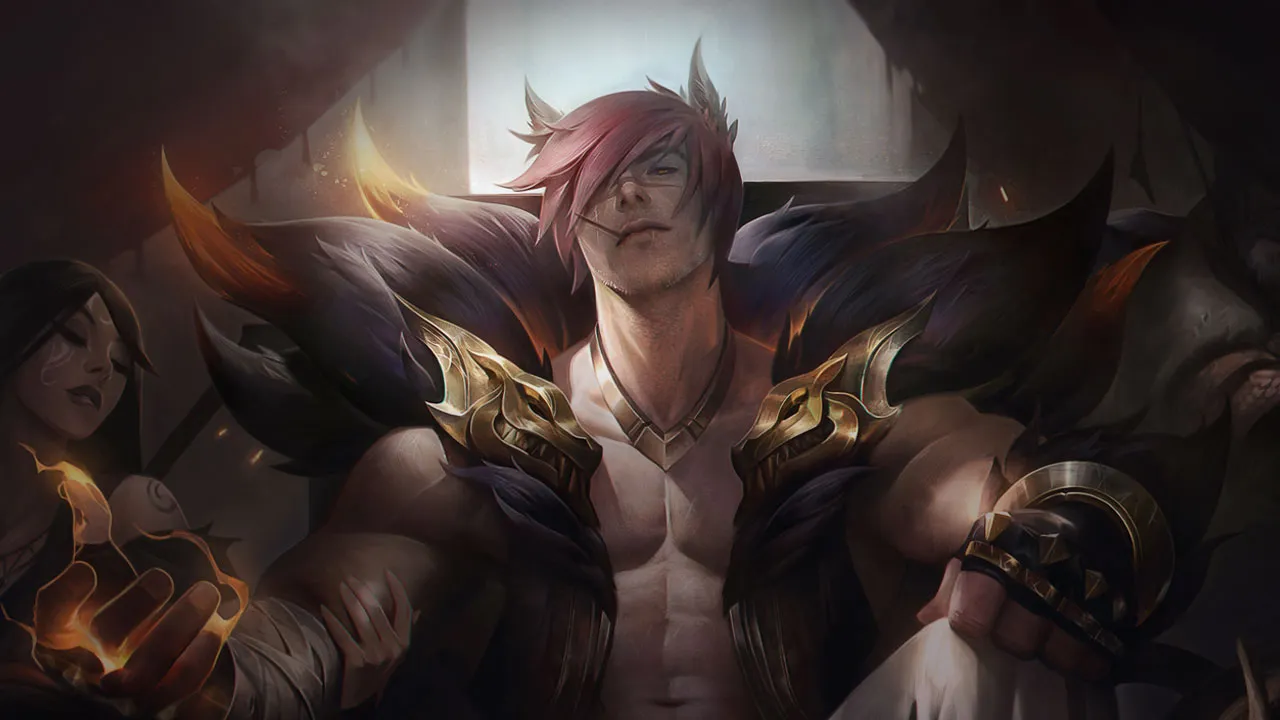
Too often, games are compromised from the selection screen, with compositions lacking synergy or clear direction. For instance, 49.32% of games involving Sett globally end in defeat, a figure that often masks a lack of team plan rather than an intrinsic weakness of the champion, as shown by Nexus Core data from patch 20260808.
The fundamental error lies in an individualistic approach to drafting. Players select champions they master or who are "strong" in the meta, without considering how these choices integrate into an overarching team strategy. This lack of collective vision transforms a potentially powerful team into a disjointed collection of individuals.
The tangible cost of this error is the loss of a major strategic advantage before the game even begins. A composition without a clear win condition often finds itself unable to execute major objectives, control the map, or manage enemy threats. For example, a team with three fragile carries and no real engage or protection will struggle immensely against a well-coordinated Jarvan IV or Rammus, regardless of individual player performance. This translates to frustrating losses and an inability to climb the ranks.
Defining Composition Archetypes
A composition archetype is a game philosophy that dictates how your team aims to win. It defines what your team can collectively achieve and, just as importantly, what it cannot do effectively. Each archetype relies on specific strengths related to the classes, range, and damage types of its champions.
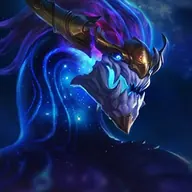
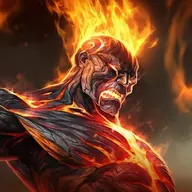
For example, a "poke" composition excels at weakening enemies from a distance before an engagement, with champions like Aurelion Sol or Brand, whereas a "dive" composition aims to isolate and quickly eliminate priority targets using initiators like Sett or Jarvan IV. Understanding these dynamics is crucial to avoid ending up with a team that can neither engage nor poke, such as a composition of five melee champions without sustained damage.
The synergy of archetypes is not limited to the addition of individual strengths, but to the creation of a battle plan where each role amplifies the abilities of others for a unified win condition.
- Identify your team's primary win condition during the draft.
- Select champions whose abilities support the chosen archetype.
- Adapt your playstyle to the inherent strengths and weaknesses of the composition.
- Communicate the team plan to your allies for coordinated execution.
The Strategic Trade-off in Every Game
The central decision of an archetype is the constant trade-off a player must make between executing their team's game plan and adapting to enemy actions. This involves knowing when to press an advantage according to your archetype and when to retreat to avoid unnecessary exposure. Each champion, even within an archetype, offers nuanced decision-making.
For a Jarvan IV in a "dive" composition, the crucial decision is the timing and target of his engage, seeking to isolate an enemy carry. Conversely, a Galio in a "protect-the-carry" composition will instead weigh the timing of his counter-engage or shield to protect his fragile allies. These choices, repeated every minute, define the success or failure of the collective plan.

The success of a composition lies in the players' ability to constantly re-evaluate whether their individual actions serve the collective win condition or if they deviate into isolated initiatives.
- Prioritize the team's objective over your personal gain.
- Observe your allies' positions before initiating a major action.
- Clearly communicate your intentions for engagement or disengagement.
- Adapt your map pressure based on the game phase and archetype.
The Trap of Unsupported Early Aggression
The most common systemic error is uncoordinated individual aggression, often observed in 80% of players who don't understand their role within their team's archetype. They initiate fights or attempt eliminations without the rest of the team being in a position to follow up, turning a potential advantage into a net loss of objectives or resources.
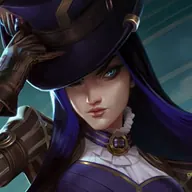
Nexus Core data from patch 20260808 reveals that Caitlyn, with a global pick rate of 17.75%, shows a Master+ win rate of only 48.49%. This suggests that despite her popularity and individual power, she is often selected in compositions that cannot protect her or capitalize on her long-range damage potential, leaving her vulnerable and ineffective. Players choose her for her carry potential, but the team doesn't play around her.
The failure to translate an individually strong pick into a collective strength results from a dissonance between player expectations and the reality of the team composition.
- Assess your team's ability to follow up before engaging in a fight.
- Do not initiate a duel if your allies are not in a position to assist you.
- Understand your composition's weaknesses and avoid unfavorable situations.
- Adapt your farming and roaming to support the overall game plan.
Adapting Your Playstyle to the Chosen Archetype
For each archetype, in-game priorities, itemization, and positioning are radically different. A "poke" team will focus on vision control around objectives and constant harassment to erode enemy health, while a "dive" team will seek opportunities for quick engagements on isolated targets.
For example, an Aurelion Sol in a "poke" composition will always position in the backline, maximizing his range to deal damage safely, and will prioritize items that increase his power and ability to maintain pressure. Conversely, a Sett in a "dive" composition will look to flank or initiate, building items that allow him to absorb damage while reaching priority targets. Miss Fortune's positioning in a "teamfight" composition will be area-focused, maximizing the impact of her area-of-effect abilities while Jarvan IV engages.

The effectiveness of an archetype is directly proportional to the team's discipline in adhering to its fundamental principles of positioning and target prioritization.
- Adapt your positioning to maximize your archetype's impact.
- Prioritize objectives that reinforce your composition's win condition.
- Build items that complement your team archetype's strengths.
- Communicate key timings for engagements or retreats.
Countering Enemy Archetypes
Playing against an enemy archetype requires a precise reading of its strengths and weaknesses. It's not just about knowing the champions, but understanding their collective game plan and disrupting it. This is an often-overlooked yet essential dimension for victory.
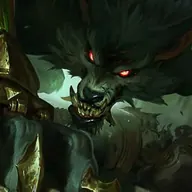
Against a "dive" composition with champions like Warwick or Jarvan IV, the strategy is to disengage, protect your carries with crowd control champions like Galio, and punish isolated initiators. Against a "poke" team centered on Brand or Aurelion Sol, the approach will be to initiate direct and quick fights to deny them time to erode your health, or to opt for champions with strong sustain or surprise engages.
Anticipating the enemy's game plan and countering it with a coherent strategy is a mark of mastery that transcends simple mechanical execution.
- Identify the enemy archetype during the draft phase.
- Select champions with tools to counter their main strengths.
- Adapt your positioning to avoid their win conditions.
- Force fights where the enemy archetype is at a disadvantage.
Scenario: Coordinated Dragon Dive
Imagine a game at the 8-minute mark. Your team consists of a Jarvan IV jungler, a Sett top, a Miss Fortune ADC, a Galio support, and a Brand mid. Your archetype is clearly a "dive" with heavy area-of-effect damage. The Dragon is about to spawn, and the enemy team, featuring an Ezreal and a Swain, attempts to contest it with poke.
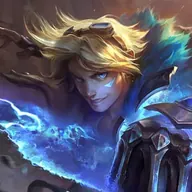
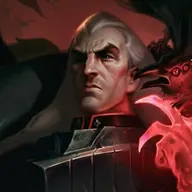
At this precise moment, the Level 7 Jarvan IV spots the enemy Ezreal stepping slightly forward to poke. This is the opportunity. Jarvan IV engages with his combo on Ezreal, Jarvan IV's Hammer immobilizes him. Sett immediately follows, using his abilities to isolate Ezreal and Swain. Brand and Miss Fortune unleash their ultimates into the area, maximizing damage on the grouped targets. Galio, positioned in the back, uses his ultimate to land on the grouped enemies, providing a shield and additional crowd control, securing the Dragon and a multi-kill. Without this coordinated plan, Ezreal could have escaped, and the Dragon would have been contested longer.
Mastering drafting and composition archetypes is the cornerstone of team victory. It's a skill that separates players who deeply understand the game from those who only see individual duels. Adopt a strategic mindset, and you will see your win rates significantly improve.
- Define: Clearly identify your team's win condition from the draft.
- Communicate: Share this plan with your allies for unified execution.
- Adapt: Adjust your playstyle, positioning, and priorities to the archetype's needs.
- Counter: Analyze the enemy archetype and devise a strategy to outplay it.
- Practice: Train yourself to recognize and play different archetypes to become a versatile player.
« Victory is not a matter of chance, but the consequence of a strategy conceived and executed with precision. »
Frequently asked questions
How can I quickly identify my composition's archetype during draft?
Observe the dominant strengths of your champions. Do you have a lot of crowd control and engage (Jarvan IV, Sett)? That's a dive. Lots of long-range damage (Aurelion Sol, Brand)? That's poke. Protectors and a powerful carry (Galio, Caitlyn)? That's a protect-the-carry. The key is ability synergy.
What should I do if my team doesn't adhere to the chosen archetype in-game?
Try to communicate the game plan concisely and positively. If that doesn't work, adapt by prioritizing survival and looking for opportunities your allies create, even unintentionally. An imperfect plan executed together is better than no plan at all.
Is it possible to change archetypes mid-game?
No, the archetype is defined by the draft. However, you can adjust your tactics. A 'poke' team can sometimes transition into a 'pick-off' if a Brand or a Aurelion Sol manages to isolate a target. But a 'poke' will never become an effective 'dive' without the appropriate champions.
What are the most common archetypes in Master+?
Dominant archetypes include 'dive' (Jarvan IV, Sett), 'poke' (Aurelion Sol, Brand), 'protect-the-carry' (Caitlyn, Xayah with protective supports like Galio), and 'teamfight' compositions based on area control. The meta often favors the ability to contest objectives quickly.
How does a 'protect-the-carry' composition stand out?
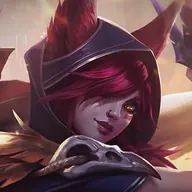
A 'protect-the-carry' composition focuses on the survival and amplification of a champion dealing massive late-game damage, such as Caitlyn or Xayah. It typically includes supports or tanks (Galio) with shields, heals, or crowd control to prevent access to the carry, allowing the latter to decimate the enemy team.
Does a high pick rate for a champion like Sett guarantee a good draft?
Not necessarily. Sett has a global pick rate of 14.66% and a Master+ win rate of 50%. While he is an excellent engager, if he is chosen in a composition without follow-up damage or the ability to protect him after his initiation, his impact will be limited. A high pick rate does not replace team synergy.