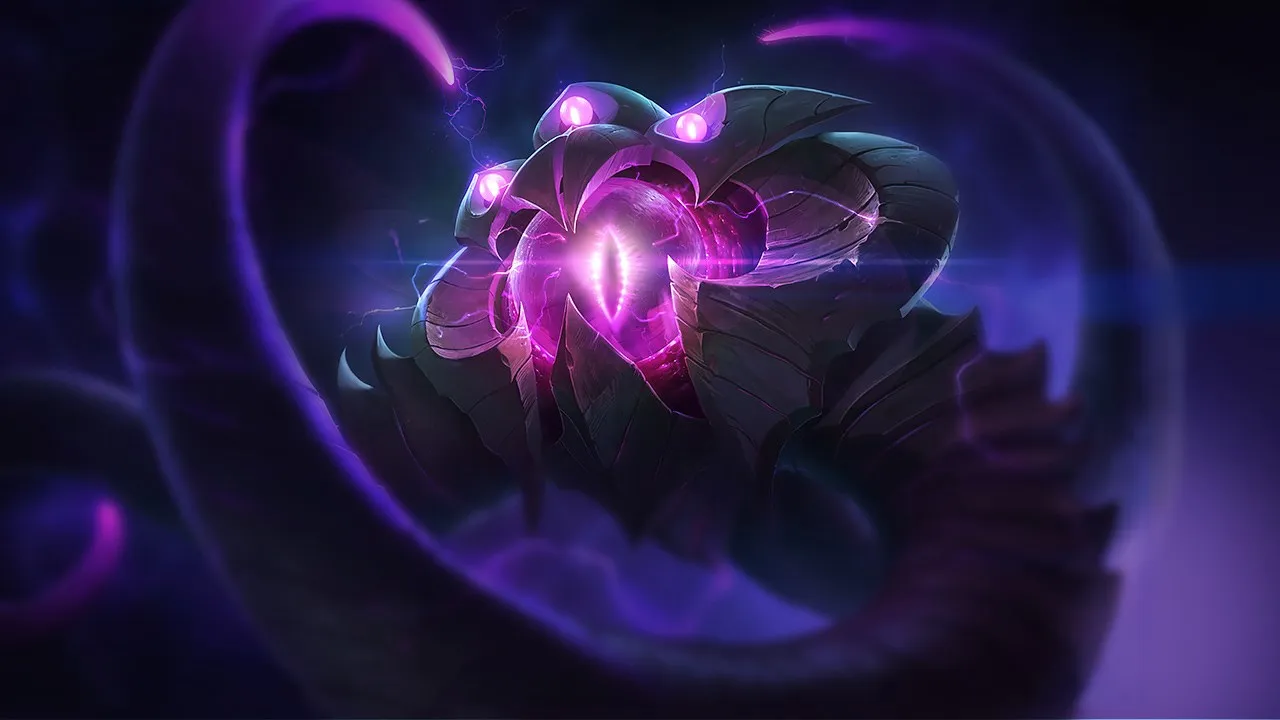
Vel'Koz
Counters
Vel'Koz is exposed against assassins and dive compositions that approach before he places skill shots. His low mobility makes him vulnerable to sudden engage. High-mobility champions easily dodge his slow projectiles.
Vel'Koz Counters
Why
Zed is a structural hard counter because your kit relies on a clean plan: keep range, land skillshots, then channel your ultimate on a controlled or already weakened target. Zed breaks that plan in two ways: he bypasses your zones with shadows and he hard-threatens you the moment you commit to a channel. Even if you play safe, he can keep you on the back foot, which lowers your real damage output and prevents you from setting up poke patterns.
Lane impact
In lane, the danger isn’t only the all-in—it’s his ability to control the wave and force you to farm under threat. From level 5 onward, every step forward for a last-hit becomes a decision point where a small spacing mistake turns into a kill or a forced Flash. If you lose tempo, you also lose roam/vision windows, and you become a very gankable target.
How to play
Positioning: stand slightly off-center so his shadow angles are more readable, and keep enough space to step back instantly without walking through your whole wave. Timing: treat his level 5 ultimate as a hard breakpoint—don’t give him a clean lane state unless you have protection (Flash up + one-side vision + neutral wave). Decision: if you’re losing pressure, switch to a macro plan—fast clear, reset, and use spells to secure river vision instead of fishing poke; your win condition becomes arriving alive to objective fights where you can play second line.
Why
Akali makes this matchup very hard because she doesn’t have to play your skillshot game. Her shroud breaks your targeting and spacing reference points, then she forces close-range fights where your value drops sharply. Your ultimate wants visible, held targets; Akali loves to disappear at the exact moment you want to convert damage.
Lane impact
In lane, she can eat some poke as long as she manages resources, then turns on kill threat once she hits level 5. You often end up choosing between wave control and safety: pushing exposes you to dash angles, while low tempo hands her priority and roam freedom you can’t safely mirror.
How to play
Positioning: always keep a retreat line toward your warded side (not into fog), and avoid hugging walls that remove your escape routes when she commits. Timing: hard-respect her level 5 and shroud windows—if shroud is up, your goal isn’t to force, it’s to stabilize the wave. Decision: if she starts roaming, ping early and prefer “clear + reset” over chasing; Vel’Koz wins by punishing Akali’s entry in teamfights, not by following her into river chaos.
Why
Fizz is hard because he has the exact tool that ruins your pattern: an untargetable window that dodges your control and burst, then instantly re-engages. You want “poke + finisher”; he wants you to miss a rotation and then delete you. As an immobile mage, you don’t get to make many mistakes once he has full kit.
Lane impact
In lane, you can contain him before level 5 with disciplined spacing and wave management, but the matchup flips once he has ult + mobility: one successful approach and you’re forced to burn Flash. Fizz also loves mid/river wave states where your skillshots are harder to place cleanly.
How to play
Positioning: play diagonally behind your minions and keep enough space to back up without getting stuck to him after his hop, especially when the wave is thin. Timing: treat level 5 as an alarm—if Flash is down, lower risk and accept some lost CS rather than giving a kill. Decision: prioritize clean resets and deep one-side vision (with your jungler when possible); if Fizz leaves lane, your call must be instant (ping + safe shove) because denying surprise is your best counter.
Why
Kassadin is hard because he’s designed to reduce the value of long-range AP mages: he mitigates your magic damage, doesn’t panic under poke, then becomes extremely slippery post-5 with repeated blinks. Vel’Koz wants the lane to be a skillshot corridor; Kassadin turns it into a countdown where you must build a big lead—or you lose initiative.
Lane impact
Pre-5 you can harass and gain priority, but if you don’t convert that into real value (plates, vision, meaningful roams), he hits his spike and the lane becomes hard to hold. After that spike, your channel ultimate often becomes a window where he can reach you, disrupt conversion, and exit.
How to play
Positioning: avoid predictable, fixed lane spots—Kassadin quickly reads habits and plans his jump angles. Timing: your key timing is BEFORE his level 5—push with purpose, crash waves on his weak moments, and take a reset/roam that creates tangible advantage. Decision: if you can’t kill him, switch plans: play wave control and vision to deny him side kills; you win by making his scaling slow and expensive.
Why
Katarina is hard because she turns lane into a zone trap: daggers create no-go areas where stepping wrong means you get burst. Your kit rewards setting up and channeling; she loves punishing that immobile moment with explosive entry. Even if you land skillshots, she can still find resets once fights get chaotic.
Lane impact
In lane, you can lose wave control if you play too far back: she shoves/roams while you hesitate to follow. At level 5 she can all-in off a spacing error and snowball sides. In fights, she punishes teams lacking reliable control or clean spacing discipline.
How to play
Positioning: always keep an exit line that moves you out of dagger zones without walking through them, and avoid staying low HP within reset range. Timing: respect her level 5 and early reset windows—if she leaves lane with a neutral wave, ping instantly and execute a safe shove. Decision: your job isn’t to chase, it’s to break her first all-in; hold peel/control to stop conversion and turn fights into front-to-back where your long-range DPS outvalues her.
Why
Galio is unfavorable because he absorbs a large part of your natural threat: strong into AP, comfortable under poke, then he forces respect with engage/taunt. Vel’Koz punishes fragile champs who retreat in a straight line; Galio steps forward, tanks, and punishes you if you play too static.
Lane impact
In lane, he can deny your harass plan by holding wave and contesting space. Even if you land spells, he often keeps enough resources to stay. Once he has ultimate, he can convert priority into global impact while you’re stuck managing mid wave.
How to play
Positioning: keep enough distance to sidestep taunt without getting trapped by wave, and avoid narrow corridors where his engage becomes free. Timing: track his level 5 and roam timings (shove + disappear)—your reflex should be fast shove then vision/pings. Decision: if you can’t break him 1v1, treat lane as control duty: deny roams through wave management, and win objective fights by playing behind your frontline.
Why
Diana is unfavorable because she combines two things you dislike: reliable gapclose and a commit all-in that forces melee contact. Even if you poke her first, she can often find a window to stick, pull you in, and make your ultimate a trap (you channel while she kills you).
Lane impact
In lane you can survive with disciplined wave states and denying a clean approach line, but once she hits level 5, spacing mistakes get punished hard. In river skirmishes she naturally thrives—tight fights make your skillshots harder to line up cleanly.
How to play
Positioning: play wider, not glued to your wave, so her dash isn’t a simple “through minions onto you” line. Timing: respect level 5 and her first major item spike—if she bases and returns stronger, play safer waves and save Flash for objectives. Decision: if Diana wants to force fights, your best answer is often cross-map tempo: shove, reset, and arrive early to the objective instead of fighting on her river timing.
Why
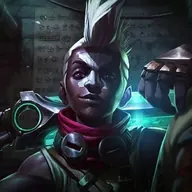
Ekko is unfavorable because he forces you to invest resources without guaranteed payoff. You land spells, get him low, try to convert—then he resets with ult or in-and-outs with mobility, making your skillshots unreliable. Vel’Koz loves predictable paths; Ekko breaks reads and makes lane volatile.
Lane impact
In lane he can play quiet then threaten an all-in off a good W zone, forcing you into reactive play. Midgame, he punishes mages who stand too linearly behind frontline—he finds a backline angle and escapes.
How to play
Positioning: don’t stand in a single-file corridor where his W cuts exits; keep a diagonal escape line open. Timing: respect W setups and especially level 5—while his ult is up, don’t over-invest your own ultimate into uncertain kills. Decision: play windows: when his ult is down, you can pressure; otherwise shove, ward one side, and avoid messy fights where he farms resets.
Why
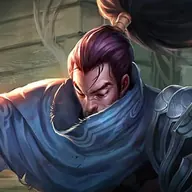
Yasuo is unfavorable because one ability can erase a large chunk of your value: Wind Wall. Your identity is long-range projectile pressure; he can neutralize an entire cycle, then force closer fights where your angles are worse. If he gains tempo, his wave-based mobility makes skillshots harder to land.
Lane impact
In lane, if you cast spells on autopilot, he can wall at the right moment and take priority. Once ahead, he threatens every wave by dashing through minions. In fights, bad ultimate channels can be punished or forced to cancel.
How to play
Positioning: play off the direct wave axis to reduce his straight-line dash ease, and keep a retreat buffer so you don’t get trapped in extended trades. Timing: bait Wind Wall with a lower-value spell, then hold your real spike (ult/combo) for the window when it’s down. Decision: if lane becomes too hard, shift to waveclear + rotations—Vel’Koz often wins by arriving first to objectives rather than trying to out-duel a tempo Yasuo.
Why
Irelia is unfavorable because the wave becomes her playground: as long as there are low-HP minions, she gets unpredictable dash paths that make your skillshots unreliable. Vel’Koz wants clean lines and time to aim; Irelia removes that time by keeping constant gapclose threat.
Lane impact
In lane, you can get punished on simple last-hits if the wave is poorly managed, and she can stick without giving you breathing room. After level 5, she can convert a good engage into kills even without a gank. Midgame, she threatens your backline if she finds a flank.
How to play
Positioning: prioritize a thin wave—fewer low-HP minions means fewer dash angles. Timing: your key window is when the wave is cleared or she already used dashes to push; that’s when you can poke and reclaim space. Decision: if you can’t hold 1v1, the smart choice is often fast shove then safe reposition (vision + reset) rather than staying in a lane where she has ten routes to reach you.
Why
Ahri is a skill matchup because everything revolves around one spell: Charm. If she hits it, being immobile is instantly punishable. But if you manage distance well, you can set a lane rhythm where she must constantly dodge and you can chip her down before she finds an all-in window.
Lane impact
In lane, you often have range advantage, but you can’t be predictable. At level 5 she gains dash angles that make setups deadlier, while you also gain ultimate conversion if you land a slow/control first. Priority swings with wave management and jungle vision.
How to play
Positioning: don’t stand at a fixed distance directly behind minions—that’s the ideal charm line; rotate angles and play diagonals. Timing: respect her level 5 and ult charges; trade harder after she spends a charge to clear or escape. Decision: if you lack jungle info, controlled shove then back off—missing one poke chance is better than giving her charm + gank that breaks the lane.
Why
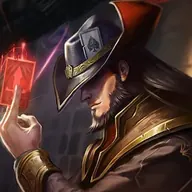
TF is a macro skill matchup: he doesn’t need to kill you in lane, he wants to win via the map. You can punish him at range, but you must also deny free Destiny plays. The lane becomes a race between your waveclear/poke and his ability to create numbers elsewhere.
Lane impact
In lane, Gold Card punishes overstepping—especially with jungler nearby. But TF is also squishier than many mids: if you land poke, you can force a reset and break his roam timings. From level 5 onward, every wave crash can become a TF roam if vision is unmanaged.
How to play
Positioning: keep enough distance so Gold Card isn’t a free setup, and don’t step up during a crash without one-side vision. Timing: your key timing is pre/post level 5—chunk him and force a reset to delay his first Destinies. Decision: when TF ults, you don’t always follow; often it’s instant shove + plate/vision + ping the target—your win is making his roams expensive.
Why
Zoe is a skill matchup because it’s an artillery duel: first hit often decides the lane. She has one-shot potential through bubble, while you have steadier DPS and an ultimate that can punish predictable portal positions. The matchup is largely about spacing discipline and trajectory anticipation.

Lane impact
In lane, getting bubbled near a wall or tight angle can cost you instantly. But Zoe must expose herself to poke effectively, and you can punish her when she uses portal in a readable way. Wave state and vision determine whether you can pressure or must simply clear.
How to play
Positioning: avoid wall-lined lanes where bubble becomes easy; play the open center lane when possible and keep diagonal exits. Timing: her key window is bubble up + portal setup; yours is after she misses bubble or uses portal offensively—then you can step forward and trade. Decision: without vision priority, don’t force constant skillshot coinflips—shove, reset, and return with a stable plan rather than living in 50/50s.
Why
Jayce is skill because he can play pure poke and chunk you before you get a clean conversion window, but he doesn’t match your long-term zone control. If you manage wave and avoid getting lined up by Shock Blasts, you can stabilize and then win in grouped fights where your ultimate has higher impact.
Lane impact
In lane, he tries to keep you low to control your recall timings. If you lose too much HP, you can’t step up to clear and he takes priority. But Jayce must also expose himself when he wants real punishment through autos/hammer commits—those are the moments your slows and burst can answer.
How to play
Positioning: break his firing lines—don’t sit on the wave axis, and swap sides when you see acceleration gate setups. Timing: your key window is after a missed blast or when he switches to hammer to commit—prepare a short trade with slow + reposition. Decision: if lane becomes an attrition war, pick the safe plan: shove when possible, reset often, and invest in vision to avoid the “poke + gank” trap that stops you from playing.


Why
Lux is often favorable because you play a similar lane archetype but with steadier pressure and harder-to-read poke angles. She relies heavily on landing a clean bind to convert; you can wear her down through repeated hits without needing a single decisive coinflip.
Lane impact
In lane, disciplined spacing denies her priority and forces her to last-hit under threat. She can still punish a positioning mistake, but over time your waveclear keeps the lane stable and prevents her from taking control through free push.
How to play
Positioning: stay off obvious bind lines (don’t stand glued to a lone minion) and keep a side-step ready at each window. Timing: your key timing is right after she misses bind—step up, poke, sometimes force a reset before her level 5. Decision: if you get an HP lead, convert it into vision priority/controlled roams rather than greedy all-ins; your plan is securing map tempo for objectives.
Why
Orianna tends to be favorable when you respect and leverage range. She wants to set up ball zones and win incremental trades; you can punish from farther and force her to choose between safety and wave control. If she has to back off, her ball loses space value.
Lane impact
In lane, you can often keep her at a distance where her harass is less efficient. She’s still dangerous if she gains priority and can set up jungle plays, but with neutral wave states and consistent hits you can force resets and break her timings.
How to play
Positioning: play angles—don’t stand on the direct “ball to you” line, and move between casts to avoid free chip. Timing: your key window is after she spends spells on the wave; her immediate threat is lower and you can poke. Decision: if you gain priority, convert into one-side vision and deny river shockwave setups; your goal is a clean lane and arriving to fights with range advantage.
Why
Veigar can be favorable because as long as you don’t get trapped by his cage, you usually control tempo: you have range, waveclear, and you can deny free stacking. Veigar wants a slow lane to accumulate; you can accelerate and force defensive play.
Lane impact
In lane, you can shove him under tower and force choices between proper stacking and survival. His danger increases once he has enough damage and cage becomes a kill setup with jungler. But before that, you often have room to deny CS and take priority.
How to play
Positioning: keep a cage exit angle (don’t hug walls), and respect spots where he can box you in without sidestep room. Timing: your key timing is before heavy stacks + level 5—constant pressure, wave crashes, clean resets. Decision: if enemy jungle is hovering mid, slow down: shove only with vision; otherwise keep wave neutral and punish Veigar on last-hits instead of exposing yourself to cage + gank.
Why
Annie is favorable if you play range with discipline: she wants a short stun + burst window, while you can hit her outside that zone. As long as you don’t give her a free “Flash stun” angle, she struggles to convert and ends up eating poke lane pressure.
Lane impact
In lane, you can keep her at a distance where she must choose between last-hitting and holding stun threat. Post level 5 she becomes more explosive with Tibbers, but she still depends on a clean engage. With stable waves and vision, you can often avoid surprise scenarios.
How to play
Positioning: maintain a distance buffer that forces Annie to step up to reach you, and track her stun stacks to read her intent. Timing: key timings are her Flash cooldown and your level 5—without Flash you can poke harder; with Flash you play wider. Decision: don’t channel ult blindly: if Annie can Flash, your plan is to zone, deny priority, then convert via roam/objectives rather than forcing a risky all-in.