Yasuo Counters
Why
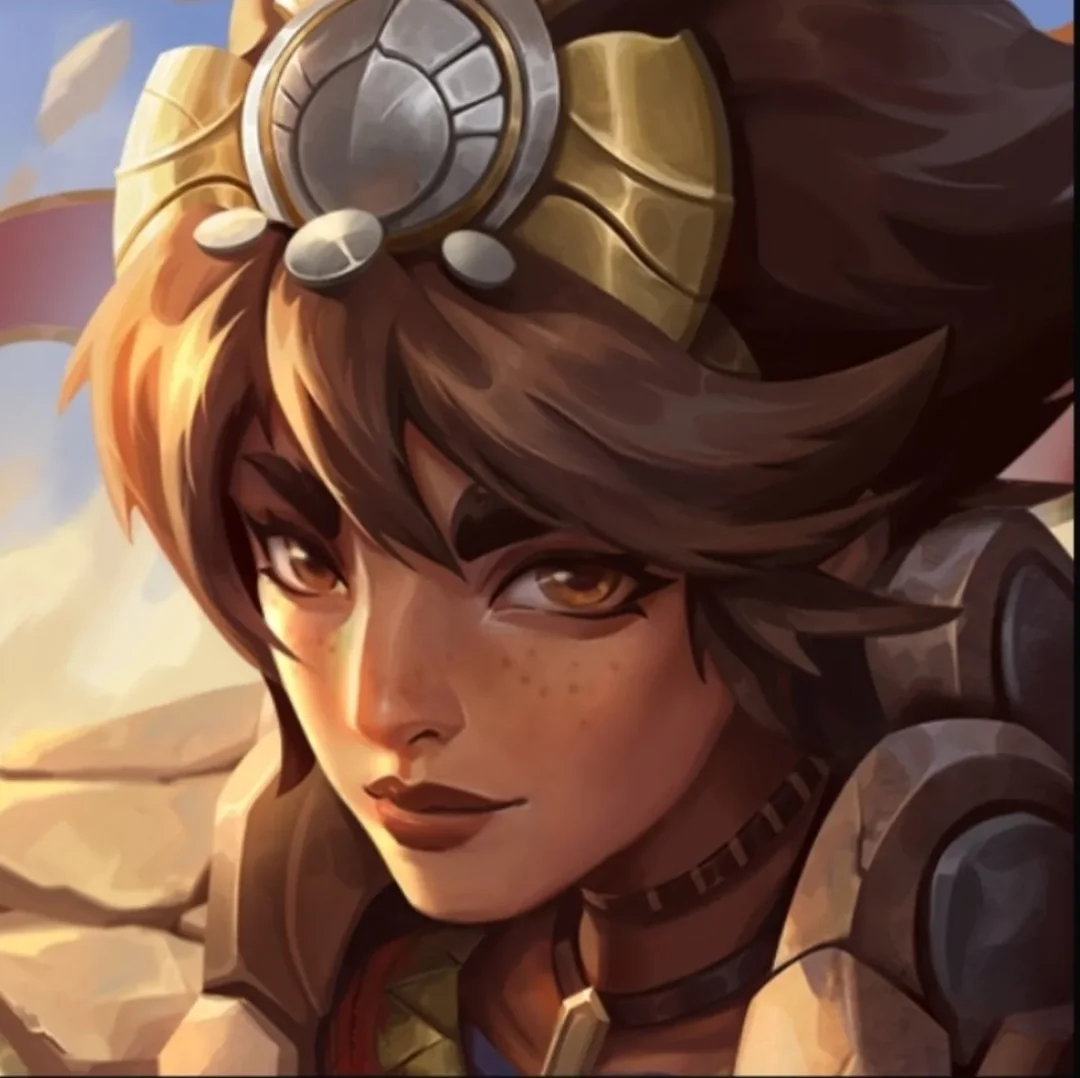
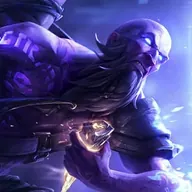
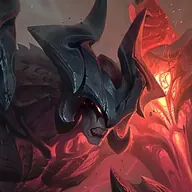
Renekton is a hard counter to mid Yasuo because he can punish you without relying on a skillshot: dash + stun + burst, then disengage. Wind Wall doesn’t stop his control, and your usual plan (stack wave to dash, then all-in) becomes a trap—the further you step, the easier you are to lock down.
Lane impact
In lane, he denies extended trades: when you step up to stack Q or take a risky last-hit, he can force a clean exchange where you lose more. He can also freeze and threaten under his tower, reducing your roam windows. In skirmishes, his short-range frontline presence cuts off your entry before you reach squishies.
How to play
Treat lane as timing discipline: trade only after he’s used his dash (E) or when his Fury is low; otherwise reset and let the wave come back. Key timing is level 5—if you don’t have a clear lead, avoid front-to-front 1v1s and roam off a fast push instead. Concrete decision: if Renekton is holding engage, don’t force all-ins; take controlled priority, set deep vision, and convert elsewhere rather than gifting a free stun window.
Why
Pantheon is hard for mid Yasuo because he removes your room to play: point-and-click stun, fast burst, and spear poke that makes wave play uncomfortable. Wind Wall doesn’t cancel his engage, and his kit forces you to respect his timers instead of setting your own.
Lane impact
You bleed HP on last-hits and lose the ability to contest priority. With a small lead he can threaten dives with his jungler, and after level 5 his ult punishes missed roams—he can match and turn your move into a net loss.
How to play
Discipline wave control: keep the wave near you and refuse trades when his stun is up and his resources are healthy. Key timing: when his stun is down, you get a window to fast-push and reset/roam. Decision: if Pantheon has ult and the map is volatile, don’t roam randomly—secure river vision first, then choose a move with guaranteed value (dragon setup, 3-man dive) instead of a 50/50.
Why
Lissandra is hard into mid Yasuo because she answers your all-in with reliable CC and a “stop button.” You want trades where you can dash and stick; she wants to root you on entry, then either burst or self-ult to negate. Even if you block projectiles, you don’t block her kit’s logic—she breaks your momentum.
Lane impact
In lane, she can play safe while punishing straight-line dashes. She also amplifies gank threat: one root can kill you if you have no minion escape path. In teamfights, your entry becomes predictable and she can target you as you step up, making engages expensive.
How to play
Don’t give her a simple angle: vary dashes, keep an escape minion line, and never enter without tracking the jungler. Key timing is her CC cooldowns—after she uses root + E, she’s more vulnerable and you can push/roam. Decision: rather than forcing all-in on her, often take wave priority and look for skirmishes elsewhere; Lissandra is better at canceling your plan than chasing you around the map.
Why
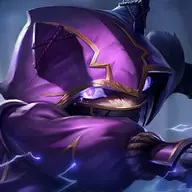
Malzahar is hard for Yasuo because he turns you into a marked target: his ult suppresses you, and your aggressive entry style becomes punishable. You can Wind Wall some poke, but you can’t Wind Wall suppression. He also imposes an itemization tax—until you have an answer, you play with a handbrake on.
Lane impact
In lane, his passive shield breaks your tempo: you must remove it before real trades. He shoves fast, forcing you to either defend mid or roam while sacrificing plates. And with any jungler nearby, his R becomes a death sentence if you step up without a plan.
How to play
Don’t treat the matchup like a sprint: early goal is survival, wave control, and clean roams when his R isn’t an immediate free click. Key timing: level 5—treat R as constant danger and adjust positioning (always an exit, always vision). Decision: if you can’t realistically kill him, go macro—push, reset, then play sides with your team for fights where Malzahar can’t freely point-and-click you.
Why
Annie is hard for mid Yasuo because she doesn’t need long aiming: if her stun is ready, your entry becomes a gamble. You can block some projectiles, but the real issue is instant CC plus burst. Yasuo wins by setting tempo; Annie makes you ask permission.
Lane impact
Lane becomes an information war: you must track whether stun is up. Engage at the wrong time and you lose trades or die to ganks. Midgame, Annie punishes dash champions in corridors—one choke stun and you don’t get time to stack anything.

How to play
Read her stun indicator and play around it: when it’s ready, play lower and farm safe; after she spends it, take space and push. Key timing: level 5—she can kill in a short window, so don’t dash without a minion escape line. Decision: if Annie is holding stun and you lack jungle info, shift to push & reset instead of forcing all-ins.
Why
Akali is unfavorable because she disrupts your trade windows: shroud denies clean conversion, and she chooses when the duel happens. Yasuo wants to stick and force honest play; Akali refuses that and makes you chase a threat that disappears.
Lane impact
In lane, you may shove without being able to punish, then get punished yourself on wave bounce or ganks. She can waste your time: you engage, she shrouds, you get nothing, and you lose HP/tempo. Midgame, she loves scattered fights while you prefer structured front-to-back.
How to play
Don’t overcommit your kit into shroud: if she drops it, back off, reset, and return to wave. Key timing: when shroud is down she’s much more hittable—play aggressively then. Decision: convert priority into roams/dragons instead of chasing Akali under shroud; your impact is more consistent on the map than in a duel she controls.
Why
Orianna is unfavorable because she plays range with persistent zone control: the ball. Wind Wall helps versus some projectiles, but she can poke, slow, and control the space you want to dash through. Yasuo needs angles; Orianna slowly closes them.
Lane impact
Lane can feel suffocating if you eat autos + Q on every last-hit. She shoves cleanly and holds priority, making your roams expensive. In teamfights, if you enter too early you can get shockwaved or simply zoned away from your intended target.
How to play
Play more reset than all-in: secure CS, preserve HP, and look for windows when the ball is misplaced or after she spends spells. Key timing: level 5—she punishes straight entries, so enter through wave angles rather than center. Decision: if she holds mid prio, coordinate a precise jungle timing (scuttle/dragon) instead of forcing losing trades under poke.
Why
Twisted Fate is unfavorable because he doesn’t need to win lane to win the game. Gold Card punishes straight dashes, and his ult turns mid into a control hub: if you lack prio he plays sides; even if you gain prio, he can waveclear and still leave.
Lane impact
Even if you trade well, a disciplined TF can just hold and wait for level 5. Then you’re forced to chase the map: you might win 1v1 but lose bot. In skirmishes, his point-and-click stun enables ganks and breaks your entry rhythm.
How to play
Your plan is priority and punishment: shove when you can, pressure him under tower, and keep deep vision to read exits. Key timing: level 5—anticipate roams before they happen, not after. Decision: when TF disappears, don’t follow blind; ping, push to punish, then take guaranteed value (plates, vision, dragon setup) instead of a late chase.
Why
Galio is unfavorable because he combines two answers that hurt you: taunt on entry and global follow-up to skirmishes. Even though Yasuo isn’t a mage, the issue isn’t magic resist—it’s reliable CC plus the ability to break fight dynamics by arriving on your engage.
Lane impact
In lane, he can play safe, waveclear, and deny you snowball. The real danger is midgame: you engage a 2v2 near bot river, and Galio drops in to flip your play. Your kit likes short fights; Galio likes fights that buy time for allies to arrive.
How to play
Think macro: play for priority, but track his ult more than your own all-in. Key timing: after he uses R, you get a window where your roams are far freer. Decision: if you want a skirmish, first force information (push mid, fake move, ward), then engage only when you know he can’t arrive for free.
Why
Ahri is a skill matchup: charm can ruin your entry, but you have tools to create angles and Wind Wall can neutralize parts of her pattern if you anticipate. It’s about reading—does she hold charm for your dash, or spend it to push/poke?
Lane impact
In lane, you can win trades when she wastes charm, but you can also lose fast if you dash with no escape line. Midgame, Ahri excels at catching isolated targets; you prefer denser fights where you can ult off ally knockups.
How to play
Use patience and bait: make her reveal charm before committing by threatening positions then backing off. Key timing: level 5—she has dashes to reposition, so plan your all-in with a favorable wave and vision. Decision: if Ahri plays very safe, take priority and make a safe move with your jungler (scuttle/vision/dragon setup) instead of waiting for a perfect 1v1.
Why
Zed is skill because he can blow you up if you don’t anticipate burst, yet you can punish him if he commits without an exit. Wind Wall doesn’t solve everything, but it can reduce parts of his damage and help you survive his finishing window. It’s a cooldown mindgame—who all-ins on the better timing.

Lane impact
In lane, respect his poke and the windows where he can chunk you before an all-in. Midgame, Zed wants picks; Yasuo wants structured fights off knockups. If you’re alone in side lane without vision, you give him exactly what he wants.
How to play
Hold resources for the critical moment: if Zed has ult, don’t spend everything on a mediocre trade. Key timing: level 5—set up your plan (wards, wave, retreat option). Decision: if Zed goes missing, ping and punish by pushing, but don’t follow without info; your goal is keeping game structure, not chasing an assassin.
Why
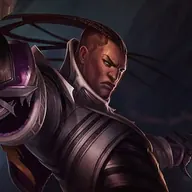
Katarina is skill because it’s a fight-structure battle: she wants chaos to reset, and you also benefit from messy fights, but Yasuo can hold a front better if the team plays correctly. The matchup depends on who controls tempo and who gets the first reset.
Lane impact
In lane, she can farm and wait for a roam. If you let her leave for free, you lose the game elsewhere even if lane stays neutral. In fights, if you enter too early and die you gift her resets; if you wait and stop her at the right moment, she becomes far less threatening.
How to play
Your job is keeping fights readable: ward sides, ping her exits, and don’t offer an isolated backline. Key timing: level 5—she can flip fights through resets, so anticipate her moves before she arrives. Decision: when she roams, either follow with priority/vision or punish mid with plates + shove—but don’t stand still hoping she fails.

Why
Veigar is often favorable for Yasuo because you can pressure his comfort zone: he’s immobile, relies on spells to stay safe, and many patterns become less reliable if you use Wind Wall well and keep a dashable minion line. As long as you respect cage, you can force a tempo he hates.
Lane impact
In lane, you can pressure him under tower and deny priority. He can punish you if you get trapped in cage, but if you play around minions and don’t dash without an exit, you can win trades. Midgame, he wants front fights; you can angle in and delete him before he scales too far.
How to play
Key timing: bait his cage—if he uses it defensively, you get a clear window to shove, roam, or all-in on the next wave. Positioning: always keep a dash path out of cage. Decision: when you gain mid priority, convert it into vision/objectives rather than endless trading; Veigar gets harder to kill as he stacks and the map closes.
Why
Ziggs can be favorable because you have tools to reduce poke pressure: Wind Wall breaks trajectories and your dash threatens a champion who wants to stay far. Ziggs loves lanes where the enemy can’t reach him; Yasuo is one of the midlaners who can force respect.
Lane impact
In lane, avoid getting chipped for free, but with wave control you can shove and make him play defensive. Midgame, Ziggs wants sieges; you can create side fights and punish him when he positions too close to turrets to poke.
How to play
Key timing: after he uses his zoning/reposition tool (depending on sequence), you get a window to enter. Positioning: stay behind minions to reduce poke and keep a dash path. Decision: instead of waiting under tower eating siege, look for a short flank with your jungler or trade cross-map objectives—Ziggs is less comfortable when the map opens.
Why
Aurelion Sol is often favorable if you play lane proactively, because he needs time and space to scale and roam. Yasuo can force him defensive early, and Wind Wall can reduce parts of his ranged trading. The goal isn’t a level-2 one-shot—it’s denying him a comfortable lane.
Lane impact
With priority, you limit his roams and control river. The danger is letting him freely shove and leave—Aurelion wins games by playing the map. In teamfights, he becomes more oppressive the longer the game goes, so you want to speed tempo before he’s fully online.
How to play
Key timing: punish his waveclear/scaling windows—when he spends spells on wave, take a short trade and disengage. Positioning: keep a dash path to avoid getting zoned mid-lane. Decision: use priority to secure early objectives (scuttle/dragon) and force fights before his zoning value dominates.