

Miss Fortune Wild Rift Counters Guide
Unfavorable
8These champions have tools that generally give them the edge in a fight, without making the matchup unwinnable. They might have more range, a better ability to soak up your offense, or more ways to answer your engages. You'll need to adapt your approach and carefully pick your moments to accept a fight.

Akshan+1
Akshan dominates this lane because your ultimate, Bullet Time, forces you to stand completely still, making you an easy target for his Heroic Swing. While you channel your cone of bullets, Akshan can easily anchor his grapple to a nearby wall, swinging completely out of your firing angle while unloading massive physical damage. This mobility mismatch turns your strongest teamfight tool into a self-inflicted trap.
Akshan build →
See details
The interaction that decides it
Miss Fortune is highly vulnerable to Heroic Swing all-ins when she channels Bullet Time, as she cannot move to dodge his damage.
Why
Akshan dominates this lane because your ultimate, Bullet Time, forces you to stand completely still, making you an easy target for his Heroic Swing. While you channel your cone of bullets, Akshan can easily anchor his grapple to a nearby wall, swinging completely out of your firing angle while unloading massive physical damage. This mobility mismatch turns your strongest teamfight tool into a self-inflicted trap.
Lane impact
During the laning phase, Akshan uses Avengerang to push waves while poking you, which threatens to trigger Dirty Fighting's shield if you try to retaliate. Because of his constant threat of a Heroic Swing all-in, you cannot freely step up to use Double Up on low-health minions. If you lose your passive Strut movement speed to his poke, you are forced to play defensively under tower, sacrificing priority and letting him roam.
How to play
To survive, never channel Bullet Time unless Akshan has already committed his Heroic Swing or is completely CC'd by your support. Keep your distance from walls to limit his grapple angles, and use Make It Rain to slow his movement, making it harder for him to find a clean swing path. If he tries to lock you down with Comeuppance, position yourself behind a minion wave or your support so the bullets hit them instead of you.

Ashe+1
This matchup is dictated by how easily Ashe shuts down your ultimate. The moment you channel Bullet Time, you become a stationary target, making you incredibly vulnerable to Enchanted Crystal Arrow. Ashe can react from a safe distance, firing her arrow to stun you and instantly cancel your primary teamfight damage. Furthermore, her constant application of Frost Shot via basic attacks and Volley permanently strips away your bonus movement speed from Strut.
Ashe build →
See details
The interaction that decides it
Enchanted Crystal Arrow is a perfect counter to Miss Fortune's Bullet Time, allowing you to instantly cancel her massive area-of-effect ultimate from safety.
Why
This matchup is dictated by how easily Ashe shuts down your ultimate. The moment you channel Bullet Time, you become a stationary target, making you incredibly vulnerable to Enchanted Crystal Arrow. Ashe can react from a safe distance, firing her arrow to stun you and instantly cancel your primary teamfight damage. Furthermore, her constant application of Frost Shot via basic attacks and Volley permanently strips away your bonus movement speed from Strut.
Lane impact
Laning is oppressive because Volley constantly chips away at your health while disabling Strut's passive speed, preventing you from safely stepping up to bounce Double Up off minions. If you attempt extended trades, Ashe's Ranger's Focus will quickly overwhelm you. Once ultimates are unlocked, you lose any aggressive lane pressure; you cannot cast Bullet Time to clear waves or secure kills without risking an immediate Enchanted Crystal Arrow response that leaves you stunned and dead.
How to play
To survive, you must play with immense patience and treat your ultimate as a secondary tool. Never initiate a fight with Bullet Time. Instead, bait out Enchanted Crystal Arrow first by positioning defensively behind your minion wave to block her straight-line skillshots. Use Make It Rain to slow Ashe down when she attempts to chase you with Ranger's Focus active. Only channel your ultimate once you see her giant arrow flying towards another target or if she is already CC'd.

Kai'Sa+1
This matchup hinges on the threat of your ultimate. While Miss Fortune excels at zoning, Kai'Sa possesses a direct hard-counter to your main damage tool. The moment you channel Bullet Time, Kai'Sa can instantly activate Killer Instinct to dash completely out of the cone of fire, gaining a shield and placing herself directly behind you. This turns your strongest offensive window into an immediate death sentence.
Kai'Sa build →
See details
The interaction that decides it
Kai'Sa can use Killer Instinct to dash out of the area-of-effect of Bullet Time and reposition behind Miss Fortune for an easy kill.
Why
This matchup hinges on the threat of your ultimate. While Miss Fortune excels at zoning, Kai'Sa possesses a direct hard-counter to your main damage tool. The moment you channel Bullet Time, Kai'Sa can instantly activate Killer Instinct to dash completely out of the cone of fire, gaining a shield and placing herself directly behind you. This turns your strongest offensive window into an immediate death sentence.
Lane impact
During the early levels, you can bully Kai'Sa with Double Up bounces off dying minions, using Strut to dodge her Void Seeker. However, once both of you reach level five, the dynamic shifts drastically. You can no longer freely cast Bullet Time to clear waves or force her back under tower. If you try, she will bypass your Make It Rain slow and dive you, forcing you to play defensively.
How to play
To survive, alter how you trigger your ultimate. Never initiate with Bullet Time while Kai'Sa has her plasma marks active on you, as this enables her Killer Instinct. Instead, focus on short, quick trades using Love Tap and Double Up. Only channel your ultimate if Kai'Sa has already used her dash, or when she is heavily crowd-controlled by your team. If she activates Supercharge to close the distance, immediately retreat using the passive movement speed from Strut.

Tristana+1
This lane is heavily dictated by Tristana's ability to completely bypass your spacing with Rocket Jump. The moment she leaps directly onto you, the slow and damage instantly deactivate the passive movement speed from Strut. Without this mobility, you cannot disengage from her high-burst combo, especially when she activates Rapid Fire and stacks Explosive Charge, leaving you completely vulnerable to an unfavorable face-to-face duel.
Tristana build →
See details
The interaction that decides it
Tristana can jump directly onto Miss Fortune with Rocket Jump, disabling her Strut movement speed and forcing an unfavorable all-in.
Why
This lane is heavily dictated by Tristana's ability to completely bypass your spacing with Rocket Jump. The moment she leaps directly onto you, the slow and damage instantly deactivate the passive movement speed from Strut. Without this mobility, you cannot disengage from her high-burst combo, especially when she activates Rapid Fire and stacks Explosive Charge, leaving you completely vulnerable to an unfavorable face-to-face duel.
Lane impact
Because of this jump threat, you must forfeit aggressive posturing in the wave. If you step too far forward to bounce Double Up off dying minions, Tristana will punish you by jumping forward. Her Explosive Charge passive on Draw a Bead also makes farming under tower stressful, as she naturally pushes the wave and can chip away at your health bar or tower while keeping you pinned down.
How to play
To survive, you must maintain a strict safety zone. Use Make It Rain from maximum range to slow her down and deter her forward movement. Never activate Strut defensively until you see the animation of Rocket Jump begin; this active speed boost is your only tool to manual-dodge her landing circle. If she successfully lands and plants Explosive Charge, immediately trade back with Love Tap and a quick Double Up bounce instead of running blindly.

Yunara+1
This matchup is dictated by Yunara's mobility countering your zone control. Your primary trading tool, Make It Rain, is meant to trap opponents for heavy follow-up. However, Yunara easily nullifies this slow by activating Kanmei's Steps / Untouchable Shadow to surge or dash out of the rain. By escaping the zone instantly, she completely avoids your poke and prevents you from setting up clean Double Up bounces.
Yunara build →
See details
The interaction that decides it
Yunara can use Kanmei's Steps / Untouchable Shadow to quickly reposition out of Make It Rain and avoid Miss Fortune's follow-up poke.
Why
This matchup is dictated by Yunara's mobility countering your zone control. Your primary trading tool, Make It Rain, is meant to trap opponents for heavy follow-up. However, Yunara easily nullifies this slow by activating Kanmei's Steps / Untouchable Shadow to surge or dash out of the rain. By escaping the zone instantly, she completely avoids your poke and prevents you from setting up clean Double Up bounces.
Lane impact
Because your main zone tool is easily baited, you struggle to secure wave priority. Yunara uses Cultivation of Spirit to match your clear, while her Arc of Judgment / Arc of Ruin keeps you at a distance. Whittling down her health becomes highly inefficient. If you continuously expend mana on failed slows, she will force you under turret, compromising your recall timings and leaving you vulnerable to heavy hybrid damage.
How to play
To survive this lane, conserve your mana and stop fishing with Make It Rain. Instead, leverage the passive speed of Strut to bait her Arc of Judgment / Arc of Ruin and farm safely using Love Tap resets. Only unleash Make It Rain after she commits Kanmei's Steps / Untouchable Shadow to clear or trade. If she activates her ultimate, Transcend One's Self, play defensively and hold Bullet Time until her enhanced dash is fully spent.

Varus+1
Varus heavily disrupts your combat pattern because your ultimate, Bullet Time, forces you to stand completely still. This stationary channel makes you an incredibly easy target for his long-range Chain of Corruption, which will instantly interrupt your ultimate and root you in place. Outside of ultimates, his Piercing Arrow matched with Blighted Quiver stacks outranges your Double Up bounce potential, giving him the upper hand in raw poke distance.
Varus build →
See details
The interaction that decides it
Varus can interrupt or punish Miss Fortune's stationary Bullet Time channel from long range using Chain of Corruption.
Why
Varus heavily disrupts your combat pattern because your ultimate, Bullet Time, forces you to stand completely still. This stationary channel makes you an incredibly easy target for his long-range Chain of Corruption, which will instantly interrupt your ultimate and root you in place. Outside of ultimates, his Piercing Arrow matched with Blighted Quiver stacks outranges your Double Up bounce potential, giving him the upper hand in raw poke distance.
Lane impact
This matchup turns the lane into a grueling poke war where you cannot afford to drop Strut's passive movement speed. If Varus clips you with Hail of Arrows, the slow and healing reduction prevent you from trading back effectively. You are constantly forced to dance behind your minions to avoid Piercing Arrow, which weakens your wave control and limits your ability to set up clean recalls without losing turret plating.
How to play
To survive, never cast Bullet Time unless Varus has already wasted Chain of Corruption, or you have a clear line of sight where his ultimate cannot reach you. Use Make It Rain from maximum distance to slow his approach, making it harder for him to land Piercing Arrow. If he misses his projectile, immediately step forward to punish him with a Double Up bounce on a dying minion. If you get rooted, immediately retreat using Strut to avoid his follow-up burst.

Samira+1
This matchup revolves entirely around the devastating interaction between your ultimate and Samira's defensive tool. While Miss Fortune relies on Bullet Time to dominate teamfights, Samira can instantly delete every single wave of your channel using her Blade Whirl. Because her projectile-blocking barrier completely nullifies your main damage source, you cannot freely press your ultimate whenever she has this ability ready.
Samira build →
See details
The interaction that decides it
Samira can use Blade Whirl to completely destroy Miss Fortune's Bullet Time ultimate channel.
Why
This matchup revolves entirely around the devastating interaction between your ultimate and Samira's defensive tool. While Miss Fortune relies on Bullet Time to dominate teamfights, Samira can instantly delete every single wave of your channel using her Blade Whirl. Because her projectile-blocking barrier completely nullifies your main damage source, you cannot freely press your ultimate whenever she has this ability ready.
Lane impact
During the laning phase, this interaction strips away your zoning power. You cannot safely lock Samira under her tower with Make It Rain and Bullet Time because she will simply block the ultimate and engage with Wild Rush. Trades are highly volatile; if you try to poke with Double Up, she can react with Blade Whirl to absorb the projectile and deny Love Tap.
How to play
To survive and win, you must bait out Blade Whirl before committing to any major fight. Force her to waste it by casting Make It Rain to slow her down, or rely on your support to trigger her defensive spin. Once her barrier is on cooldown, you have a brief window to safely channel Bullet Time. If she initiates with Wild Rush while her block is up, activate Strut to reposition immediately.
Other matchups

Skill Matchups
8These matchups are above all duels of execution: both champions have credible ways to gain the upper hand. Dodging one key ability, anticipating an engage correctly, or a single positioning mistake can be enough to tip the duel one way or the other. Knowing the matchup and recognizing the right windows to act are especially important here.

Caitlyn±0
This lane is a pure test of spacing and micro-positioning. Caitlyn aims to abuse her superior basic attack range and clear waves with Piltover Peacemaker, but she is highly vulnerable to Double Up. If she stands directly behind a low-health minion to secure a last hit, Miss Fortune can instantly punish her with a critical bounce. This threat keeps Caitlyn from freely zoning you despite her range advantage.
Caitlyn build →
See details
The interaction that decides it
Caitlyn must avoid standing directly behind low-health minions to prevent Miss Fortune from landing critical Double Up bounces.
Why
This lane is a pure test of spacing and micro-positioning. Caitlyn aims to abuse her superior basic attack range and clear waves with Piltover Peacemaker, but she is highly vulnerable to Double Up. If she stands directly behind a low-health minion to secure a last hit, Miss Fortune can instantly punish her with a critical bounce. This threat keeps Caitlyn from freely zoning you despite her range advantage.
Lane impact
The wave dynamic shifts constantly based on who lands their primary poke. If Caitlyn successfully avoids your minion line, she can push you under tower and deploy Yordle Snap Trap to restrict your movement. However, landing a single critical Double Up heavily chunks her health pool, instantly stopping her aggression and forcing her to play safely, which neutralizes her siege potential and secures you priority.
How to play
To win this positioning battle, constantly maintain your Strut passive to dodge her Piltover Peacemaker skillshots. Watch your own minion health bars like a hawk; the moment a caster minion is one hit from dying, align yourself to fire Double Up. If she plays defensively and avoids the bounce angle, use Make It Rain to slow her down and reposition. Never channel Bullet Time while her 90 Caliber Net is available to easily escape.

Corki±0
This lane is a relentless long-range shootout where your ultimate can easily backfire. While you aim to lock Corki down with Make It Rain to set up Bullet Time, his Valkyrie allows him to slide right out of your cone of fire. Worse, because you are rooted during your ultimate, he can immediately turn and shred you from safety with Missile Barrage rockets.
Corki build →
See details
The interaction that decides it
Corki can easily escape the area of Miss Fortune's Bullet Time using Valkyrie while immediately retaliating with his own Missile Barrage.
Why
This lane is a relentless long-range shootout where your ultimate can easily backfire. While you aim to lock Corki down with Make It Rain to set up Bullet Time, his Valkyrie allows him to slide right out of your cone of fire. Worse, because you are rooted during your ultimate, he can immediately turn and shred you from safety with Missile Barrage rockets.
Lane impact
The lane revolves around constant attrition. You must use Double Up bounces to pressure Corki through minion waves while keeping Strut active to dodge his Phosphorus Bomb. If he gets his Special Delivery upgrade, you lose all lane priority; his enhanced dash can force you off the wave entirely or cancel your movement speed, turning the poke war heavily in his favor.
How to play
To win this matchup, never activate Bullet Time unless you have forced Corki to burn Valkyrie first, or he is hard CC'd by your support. Stand diagonally behind your minions to line up Double Up angles while avoiding his straight-line Gatling Gun. If he dashes forward aggressively with Valkyrie, drop Make It Rain directly on yourself to slow his pursuit and use the Strut active to safely disengage.

Sivir±0
This lane is a pure test of execution centered on Sivir's ability to react. Her Spell Shield easily absorbs the bounce of your Double Up, denying your poke while restoring her health and triggering Fleet of Foot. However, her shield is useless against the channelled onslaught of Bullet Time, which only loses a single wave to her barrier before the remaining waves shred her health bar.
Sivir build →
See details
The interaction that decides it
Sivir can easily block a Double Up bounce with Spell Shield for free mana, but she cannot block the multi-wave damage of Bullet Time.
Why
This lane is a pure test of execution centered on Sivir's ability to react. Her Spell Shield easily absorbs the bounce of your Double Up, denying your poke while restoring her health and triggering Fleet of Foot. However, her shield is useless against the channelled onslaught of Bullet Time, which only loses a single wave to her barrier before the remaining waves shred her health bar.
Lane impact
Expect a relentless wave clear battle where Sivir uses Ricochet and Boomerang Blade to shove you under turret. If you waste Double Up into her shield, you give her free resources, losing the mana war and the lane priority needed to keep the wave centered. Health trades are decided by whether she successfully baits your poke or if you catch her with Make It Rain.
How to play
Stop blindly throwing Double Up at dying minions; instead, hold the ability to threaten her. Only fire it when she steps up to use Ricochet, forcing her to choose between losing CS or burning her Spell Shield. If she wastes her shield to block Make It Rain's slow, immediately channel Bullet Time to trap her in place. Force her to farm under her own tower where she cannot easily dodge your ultimate.

Draven±0
Draven relies heavily on Spinning Axe to dominate trades, creating predictable movement patterns when catching them. Miss Fortune can exploit this with Double Up. This skill matchup hinges on whether Draven can execute his high-damage all-in using Blood Rush, or if Miss Fortune can chip him down from afar before he closes the distance, utilizing Love Tap to secure quick, painful trades.
Draven build →
See details
The interaction that decides it
Draven must avoid standing directly behind low-health minions to prevent Miss Fortune from landing a critical Double Up bounce.
Why
Draven relies heavily on Spinning Axe to dominate trades, creating predictable movement patterns when catching them. Miss Fortune can exploit this with Double Up. This skill matchup hinges on whether Draven can execute his high-damage all-in using Blood Rush, or if Miss Fortune can chip him down from afar before he closes the distance, utilizing Love Tap to secure quick, painful trades.
Lane impact
The lane revolves around minion health. Draven wants to crash waves to cash in his League of Draven stacks, but doing so forces him near dying minions. If he steps behind low-health minions to catch a Spinning Axe, Miss Fortune's Double Up bounce can instantly chunk him. This threat delays his aggression, turning the lane into a tense zoning war where a single misstep decides who gets forced to recall.
How to play
Keep a constant eye on the health of your own front-line minions. When one is about to die, position yourself to align a Double Up bounce directly toward the landing indicator of Draven's Spinning Axe. If he backs away to avoid the bounce, punish his dropped axe with Love Tap. If he uses Stand Aside to close the gap, immediately cast Make It Rain to slow his advance, then retreat with Strut's passive movement speed before he can stack his axes on you.
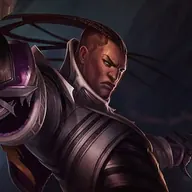
Lucian±0
This even matchup centers on a lethal positioning game. Your primary threat is punishing Lucian's positioning behind dying minions with high-damage Double Up bounces. However, Lucian's raw skirmishing power through Lightslinger double-taps and Piercing Light can easily overwhelm you if you misstep. The entire lane dynamic hinges on his Relentless Pursuit; if he holds it, he can escape your Bullet Time, but if he wastes it, he becomes a sitting duck.
Lucian build →
See details
The interaction that decides it
Lucian must avoid standing directly behind low-health minions to prevent Miss Fortune's Double Up bounce, while saving Relentless Pursuit to escape her Bullet Time.
Why
This even matchup centers on a lethal positioning game. Your primary threat is punishing Lucian's positioning behind dying minions with high-damage Double Up bounces. However, Lucian's raw skirmishing power through Lightslinger double-taps and Piercing Light can easily overwhelm you if you misstep. The entire lane dynamic hinges on his Relentless Pursuit; if he holds it, he can escape your Bullet Time, but if he wastes it, he becomes a sitting duck.
Lane impact
The wave state constantly fluctuates as Lucian tries to align Piercing Light through the wave to poke you down. To counter this, you must manipulate minion health to set up threatening Double Up angles. This constant pressure prevents Lucian from using Relentless Pursuit aggressively to force trades, turning the lane into a tense stand-off where a single missed bounce or a premature dash dictates who is forced to recall first.
How to play
To win this lane, actively monitor the health of your own front-line minions and fire Double Up the instant Lucian steps behind a low-health target. Never channel Bullet Time while his Relentless Pursuit is off cooldown; instead, use Make It Rain to slow his movement, baiting out his dash. Once he expends his mobility to escape the slow or to engage, immediately lock him down with your ultimate to secure the kill.

Ezreal±0
This matchup is a pure skill-based poke war governed by positioning around the minion wave. Your primary threat is landing a lethal bounce of Double Up off a dying minion, which Ezreal must actively dodge. However, Ezreal has the ultimate safety tool: his Arcane Shift allows him to instantly blink out of your Bullet Time zone, meaning you can rarely secure a solo kill with your ultimate if his mobility is available.
Ezreal build →
See details
The interaction that decides it
Ezreal can instantly escape Miss Fortune's Bullet Time using Arcane Shift, but must avoid standing directly behind low-health minions to prevent Double Up bounces.
Why
This matchup is a pure skill-based poke war governed by positioning around the minion wave. Your primary threat is landing a lethal bounce of Double Up off a dying minion, which Ezreal must actively dodge. However, Ezreal has the ultimate safety tool: his Arcane Shift allows him to instantly blink out of your Bullet Time zone, meaning you can rarely secure a solo kill with your ultimate if his mobility is available.
Lane impact
The lane revolves around a constant dance of angles. You want to keep the wave near the center to force Ezreal to step up, exposing him to Double Up angles while using Strut to dodge his Mystic Shot and Essence Flux line-of-sight harrass. If you push too hard, he safely farms under turret with his low-cooldown Mystic Shot. Trading health remains even unless someone mispositions, keeping dragon priority completely neutral.
How to play
Always hold Bullet Time until you force Ezreal to burn Arcane Shift defensively, or coordinate with crowd control to lock him down first. Position yourself diagonally to the minion wave; this lets you threaten Double Up bounces while keeping a minion between you and his Mystic Shot. If he plays too passively, use Make It Rain to slow him down and secure easy Love Tap procs on the wave to maintain tempo.
Other matchups


Favorable
9These champions generally struggle to answer your main strengths, which lets you approach the matchup with more freedom. You often have several ways to pressure them and force trades that go in your favor. Use this advantage to dictate the pace rather than giving them time to get back into a comfortable position.

Kog'Maw−1
Miss Fortune dominates this matchup by capitalizing on Kog'Maw's complete lack of defensive mobility. When you drop Make It Rain on him, the severe slow strips away his ability to dodge. This setup leaves him entirely defenseless against a channeled Bullet Time, turning his lack of escape tools into a lethal liability since he cannot walk out of the cone before melting.
Kog'Maw build →
See details
The interaction that decides it
Miss Fortune's Make It Rain slows Kog'Maw, making it incredibly easy for her to land a full-duration Bullet Time on him due to his lack of mobility.
Why
Miss Fortune dominates this matchup by capitalizing on Kog'Maw's complete lack of defensive mobility. When you drop Make It Rain on him, the severe slow strips away his ability to dodge. This setup leaves him entirely defenseless against a channeled Bullet Time, turning his lack of escape tools into a lethal liability since he cannot walk out of the cone before melting.
Lane impact
During the laning phase, Kog'Maw is forced to play extremely defensively, fearing your zoning potential. He cannot safely step up to use Bio-Arcane Barrage for farming without risking a devastating trade. By forcing him under his tower with Double Up bounces on dying minions, you constantly chip away at his health bar, delaying his scaling and securing an early lead.
How to play
To execute this perfectly, stand just behind your caster minions, ready to punish his farming attempts. Never initiate with Bullet Time raw; instead, hold it until Kog'Maw steps up to retaliate with Bio-Arcane Barrage or Void Ooze. The moment his animation locks him in place, drop Make It Rain directly centered on him, then immediately unleash your ultimate. If he flashes away, simply cancel the channel and resume farming with Love Tap.

Jinx−1
Miss Fortune dominates this matchup by capitalizing on Jinx's desire to farm from a distance using Switcheroo!. Because Jinx lacks immediate mobility, she must position predictably behind her minion wave. This directly exposes her to a lethal Double Up bounce. If you time this ability when a front minion is low, the critical bounce transfers massive damage, completely neutralizing Jinx's ability to trade back safely.
Jinx build →
See details
The interaction that decides it
Jinx must avoid standing directly behind low-health friendly minions to prevent Miss Fortune from landing a critical Double Up bounce.
Why
Miss Fortune dominates this matchup by capitalizing on Jinx's desire to farm from a distance using Switcheroo!. Because Jinx lacks immediate mobility, she must position predictably behind her minion wave. This directly exposes her to a lethal Double Up bounce. If you time this ability when a front minion is low, the critical bounce transfers massive damage, completely neutralizing Jinx's ability to trade back safely.
Lane impact
This constant threat of a critical bounce forces Jinx into a defensive posture, ruining her wave control. She is forced to deactivate Switcheroo! or lose gold by backing away. As her health bar chips away under Make It Rain and Double Up pressure, she cannot secure priority. This leaves her isolated under tower, unable to assist her team or safely scale toward her passive, Get Excited!.
How to play
Position yourself aggressively in a diagonal line from low-health enemy minions to constantly threaten the angle of Double Up. Do not blindly push; instead, let the wave slow-push so Jinx is forced to step up to farm. If she steps too far sideways to dodge your angle, drop Make It Rain to slow her down, then immediately channel Bullet Time to trap her, especially since she cannot interrupt your channel without Flame Chompers! reaching you.

Xayah−1
Miss Fortune dominates this matchup early because her Double Up bounces inflict heavy damage from outside Xayah's effective range. While Xayah can easily negate your Bullet Time channel by utilizing the brief untargetability of her Featherstorm, she has no reliable response to your constant poke. Her Double Daggers and Clean Cuts require predictable positioning, letting you safely abuse your superior range to chip her health down.
Xayah build →
See details
The interaction that decides it
Xayah can use Featherstorm to become untargetable and escape Bullet Time, but she struggles to match Miss Fortune's early poke from Double Up.
Why
Miss Fortune dominates this matchup early because her Double Up bounces inflict heavy damage from outside Xayah's effective range. While Xayah can easily negate your Bullet Time channel by utilizing the brief untargetability of her Featherstorm, she has no reliable response to your constant poke. Her Double Daggers and Clean Cuts require predictable positioning, letting you safely abuse your superior range to chip her health down.
Lane impact
This range advantage dictates the wave's state, allowing you to establish absolute control over the lane's tempo. By holding the minions near your side, you force Xayah to walk up to farm, exposing her to Double Up bounces and the slow from Make It Rain. Kept constantly low on health, she cannot utilize Deadly Plumage for extended trades, destroying her lane pressure and forcing her to take bad recall timings.
How to play
To secure your advantage, never initiate a fight with Bullet Time while Xayah still has Featherstorm available. Instead, rely on Make It Rain to slow her down and chip her health away with Love Tap resets on low minions. Watch the ground constantly; stay spaced away from her straight-line feathers left by Clean Cuts so she can never root you with Bladecaller. If she panics and uses her ultimate defensively, immediately unleash your full combo.

Twitch−2
Twitch relies on the stealth of Ambush to reposition or escape your harass, but your Make It Rain completely shuts this down. Because Make It Rain applies a massive, instant area-of-effect slow that ticks frequently, it renders his Ambush useless by revealing his position or delaying his stealth. This leaves the plague rat exposed to your heavy physical damage from Double Up and Love Tap before he can even retaliate with Contaminate.
Twitch build →
See details
The interaction that decides it
Miss Fortune's Make It Rain easily reveals or slows Twitch if he tries to use Ambush to escape or engage in lane.
Why
Twitch relies on the stealth of Ambush to reposition or escape your harass, but your Make It Rain completely shuts this down. Because Make It Rain applies a massive, instant area-of-effect slow that ticks frequently, it renders his Ambush useless by revealing his position or delaying his stealth. This leaves the plague rat exposed to your heavy physical damage from Double Up and Love Tap before he can even retaliate with Contaminate.
Lane impact
You command complete control over the wave state from the very first level. By securing a push advantage with Love Tap, you force Twitch to farm under tower where your Double Up bounces off dying minions to chunk his health. He cannot walk up to thin the wave because a well-placed Make It Rain will leave him slowed and vulnerable to a devastating Bullet Time channel if he steps out of line.
How to play
Never cast Make It Rain mindlessly for simple wave clear. Keep this ability ready as your primary tool to respond to Twitch's displacement. If you see the poison indicator from Venom Cask or suspect he is preparing Ambush, drop your rain on his escape path. Once he is slowed and revealed, activate Strut to quickly close the gap and land an empowered auto-attack, forcing him to waste his summoner spells or die under a fully channeled Bullet Time.

Vayne−2
Vayne's notoriously short basic attack range forces her to walk directly into your threat zone to secure minion gold. This predictable movement path allows you to easily line up Double Up bounces off dying minions directly onto her. Since she lacks any long-range tools to retaliate, dropping Make It Rain whenever she steps up guarantees she either absorbs heavy magic damage and slow, or misses crucial gold.
Vayne build →
See details
The interaction that decides it
Vayne's short range forces her to step up for last hits, making her highly vulnerable to Double Up bounces and Make It Rain slow zones.
Why
Vayne's notoriously short basic attack range forces her to walk directly into your threat zone to secure minion gold. This predictable movement path allows you to easily line up Double Up bounces off dying minions directly onto her. Since she lacks any long-range tools to retaliate, dropping Make It Rain whenever she steps up guarantees she either absorbs heavy magic damage and slow, or misses crucial gold.
Lane impact
By constantly threatening these bounces, you dictate the minion waves. Vayne is forced to use Tumble defensively just to dodge your poke, stripping away her early threat. You will easily build a massive minion lead, pushing her under her tower where she struggles to farm. This constant health attrition prevents her from seeking trades, giving you free recalls and uncontested tower plating while she is trapped under turret.
How to play
Position yourself constantly behind your low-health minions to bait her forward. Always hold Double Up until she commits to her last-hit animation, ensuring she cannot reactively dodge with Tumble. If she activates Final Hour to engage, immediately drop Make It Rain on your own feet to slow her advance and disrupt Night Hunter, then retreat using your Strut passive speed. Only channel Bullet Time once she has wasted Condemn, preventing her from interrupting your ultimate.

Zeri−1
This matchup is dictated by your ability to constantly outmaneuver Zeri's linear threat. The passive movement speed from Strut gives you a massive advantage, allowing you to easily sidestep Zeri's Burst Fire basic attacks. Because her primary DPS relies entirely on landing these skillshot-style bursts, your natural swiftness makes her struggle to establish any consistent trade pattern, leaving her vulnerable every time she misses.
Zeri build →
See details
The interaction that decides it
The passive movement speed from Strut allows Miss Fortune to easily weave around Zeri's Burst Fire basic attacks in lane.
Why
This matchup is dictated by your ability to constantly outmaneuver Zeri's linear threat. The passive movement speed from Strut gives you a massive advantage, allowing you to easily sidestep Zeri's Burst Fire basic attacks. Because her primary DPS relies entirely on landing these skillshot-style bursts, your natural swiftness makes her struggle to establish any consistent trade pattern, leaving her vulnerable every time she misses.
Lane impact
In the lane, this mobility gap translates to total wave control. As Zeri struggles to land Burst Fire through the minion wave, you can position aggressively to clip her with Double Up bounces off dying minions. This constant poke quickly forces her to burn Spark Surge defensively rather than using it to slide over walls for creative angles, keeping her pinned under tower and bleeding gold.
How to play
To secure this lead, prioritize keeping your Strut passive active by avoiding unnecessary minion aggro. If Zeri attempts to close the distance using Spark Surge or activates Lightning Crash, immediately drop Make It Rain directly on her path to decay her momentum. Once she is slowed and her dash is spent, lock her down and channel Bullet Time to shred her health bar. If she manages to jump on you, swap targets between her and a minion to maximize Love Tap damage.
Other matchups



Items to Counter Miss Fortune
Buy these items to reduce this champion's effectiveness in your games.

| Matchup | Verdict | Edge | Win rate | Pick rate |
|---|---|---|---|---|
| Ashe | Unfavorable | +1 | 53.2% | 9.6% |
| Samira | Unfavorable | +1 | 51.2% | 11.9% |
| Varus | Unfavorable | +1 | 51.0% | 6.2% |
| Kai'Sa | Unfavorable | +1 | 50.2% | 16.1% |
| Yunara | Unfavorable | +1 | 49.1% | 6.3% |
| Tristana | Unfavorable | +1 | 49.0% | 11.6% |
| Akshan | Unfavorable | +1 | — | — |
| Ziggs | Unfavorable | +1 | — | — |
| Sivir | Skill Matchups | ±0 | 50.0% | 3.9% |
| Caitlyn | Skill Matchups | ±0 | 50.0% | 16.1% |
| Jhin | Skill Matchups | ±0 | 49.7% | 15.9% |
| Ezreal | Skill Matchups | ±0 | 49.6% | 7.8% |
| Lucian | Skill Matchups | ±0 | 47.0% | 3.1% |
| Draven | Skill Matchups | ±0 | 46.5% | 5.3% |
| Corki | Skill Matchups | ±0 | — | — |
| Nilah | Skill Matchups | ±0 | — | — |
| Kog'Maw | Favorable | −1 | 53.0% | 2.7% |
| Smolder | Favorable | −1 | 52.8% | 9.1% |
| Xayah | Favorable | −1 | 50.9% | 5.2% |
| Jinx | Favorable | −1 | 50.5% | 13.5% |
| Kalista | Favorable | −1 | 50.4% | 7.1% |
| Zeri | Favorable | −1 | 49.5% | 1.1% |
| Senna | Favorable | −1 | — | — |
| Twitch | Favorable | −2 | 50.0% | 9.8% |
| Vayne | Favorable | −2 | 48.7% | 6.3% |
Edge: Wild Rift Core canonical verdict (−3 to +3), shown from the point of view of the champion named in the row. Win rate and pick rate: the opponent's own rate in this role — Wild Rift CN · Challenger, Patch 7.3c. Not a head-to-head win rate.