










































Counter angle
Talon jungle counters are champions that break his first tempo, hold targeted lockdown for his exit, or make his physical burst insufficient.

Talon is exposed against instant CC compositions that interrupt him during approaches or combos. Ranged champions or dense vision reduce his roam opportunities. Compositions offering dense peel around carries limit his assassination potential.
These champions have a build and playstyle that directly overpower yours, which can make controlling the lane and farming extremely difficult. Their kit can neutralize your core strengths or punish you the moment you try to play your usual game plan. In these matchups, the goal is often to minimize mistakes and look for ways to win outside of direct confrontation.

Rumble's high base durability and shield make him impossible for Talon to burst, while his constant flame damage forces Talon off the wave.
Rumble's inherent tankiness and scrap shield completely negate your quick burst combos. Whenever you try to stack Blade's End using Rake and Noxian Diplomacy, his shield absorbs the initial impact, while his persistent flames shred your health bar in return. Since you are both melee, you cannot avoid his close-range fire while trying to farm, making any attempt to trade a losing battle.
This matchup forces you under your turret early. Rumble constantly pushes the wave with his flames, forcing you to use Rake defensively just to secure last hits. You will hemorrhage health if you step up to melee minions, leading to forced, unfavorable recall timings. Consequently, you lose all mid-lane priority, allowing Rumble to secure vision or pressure your jungler while you are trapped clearing waves.
Give up cs to keep your health high. Once you hit level three, use Assassin's Path over the raptor or river walls to completely bypass Rumble's lane pressure. Don't waste Shadow Assault trying to kill him; instead, save your ultimate to dive the side lanes. If Rumble freezes the wave, stop trying to break it. Immediately walk bot or top to force a skirmish, relying on your superior map mobility to outscale his lane dominance.

Zilean's Chronoshift completely negates Talon's single-target burst, forcing Talon to either find flanks on other targets or bait out the ultimate.
Your entire identity relies on a swift execution using Blade's End and Shadow Assault to delete a priority target. However, Zilean completely neutralizes this pressure with Chronoshift, which resurrects whoever you burst down. Because your kit is heavily committed to single-target burst, having your full rotation undone by his ultimate leaves you incredibly vulnerable with no follow-up damage while his Time Bomb zones you out.
In lane, Zilean safely farms and pokes you from afar using Time Bomb and Twisted Timeflow to double-bomb your minion waves. You cannot easily trade with Noxian Diplomacy without taking massive counter-poke. Once he unlocks his ultimate, any aggressive dive you attempt becomes a waste of resources. This structural disadvantage denies you any solo kill pressure in the mid lane and locks you under your turret.
To bypass this deadlock, use Rake to quickly shove waves and immediately disappear into the jungle using Assassin's Path. Look for skirmishes where Zilean is too far to cast Chronoshift on his allies. If you must fight him directly, hold Shadow Assault and try to bait his ultimate with basic attacks and Noxian Diplomacy first. If he panics and casts it early, swap targets or disengage until the golden glow fades.

Vex's Doom 'n Gloom passive marks Talon whenever he uses Noxian Diplomacy or Assassin's Path, allowing her to interrupt his engage with a fear.
Vex is designed to shut down high-mobility assassins, making this lane exceptionally difficult. Whenever you attempt to close the distance with Noxian Diplomacy or escape using Assassin's Path, her passive Doom 'n Gloom marks you. This allows her to instantly interrupt your jump mid-air with a fear-infused Personal Space or Mistral Bolt, nullifying your burst before you can apply Blade's End.
You cannot contest the wave directly without taking massive damage. If you try to clear minions with Rake, she will punish you with Looming Darkness and Mistral Bolt. Any aggressive forward movement is met with a shield from Personal Space that absorbs your damage while fearing you. This constant threat forces you under tower, bleeding gold while she maintains priority and scales safely.
Survival depends on ignoring Vex entirely and using your superior map mobility. Let her push you in, use Rake to secure what farm you can safely, and watch her passive bar. The moment she wastes her Doom bar on a wave-clear spell, immediately use Assassin's Path to jump a side wall and roam. Your goal is to snowball other lanes or assist your jungler, bypassing her defensive zone to find targets who lack her anti-dash tools.
Talon's Assassin's Path (E) and Noxian Diplomacy (Q) are completely countered by Unraveled Earth (E), which stuns him mid-dash and prevents his escape or engage.
Taliyah acts as a hard counter to your high-mobility kit. Whenever you attempt to close the gap using Noxian Diplomacy or execute a wall-hop with Assassin's Path, she can instantly react with Unraveled Earth. This minefield immediately interrupts your dashes, triggering a devastating stun mid-flight and leaving you completely defenseless, turning your primary mobility tools into fatal liabilities.
This dynamic forces you into a strictly defensive posture under your own tower. Taliyah easily shoves waves from afar with Threaded Volley. Stepping up to poke with Rake puts you in danger of being tossed by her Seismic Shove into a deadly combo. You will bleed gold and priority, while her Rock Surfing and Weaver's Wall allow her to map-control and out-roam you effortlessly.
To survive this lane, conserve your dashes and never use Noxian Diplomacy aggressively unless her Unraveled Earth is down. Farm safely from a distance using Rake. When looking for roams, take wider, unwarded paths so your Assassin's Path over walls isn't predicted and punished. If she traps you, activate Shadow Assault immediately to gain invisibility and reposition, rather than trying to dash away through her active stone field.
These champions have tools that generally give them the edge in a fight, without making the matchup unwinnable. They might have more range, a better ability to soak up your offense, or more ways to answer your engages. You'll need to adapt your approach and carefully pick your moments to accept a fight.

Using Defiant Dance to block Talon's Rake and Noxian Diplomacy combo denies him the passive bleed stacks from Blade's End.
Irelia's kit is designed to shut down your quick assassination patterns. When you try to burst her, she can channel Defiant Dance to absorb the physical damage of both Rake and Noxian Diplomacy. By mitigating this initial damage, she completely prevents you from applying the third stack of Blade's End. Without your passive bleed, your trade power evaporates while she stacks Ionian Fervor on your head.
This interaction forces you into a passive posture during wave states. If she freezes near her tower, you cannot walk up to clear because any attempt to use Rake risks her dashing in with Bladesurge. She can easily dodge your return blades, land Flawless Duet, and run you down. You are constantly forced to concede priority, delaying your recall timings and limiting your ability to use Assassin's Path to impact the river.
To survive, you must play the wave game defensively. Never initiate with Noxian Diplomacy unless her Defiant Dance is on cooldown. Instead, use Rake strictly to thin incoming minions from a safe distance, preventing her from stacking Ionian Fervor easily. If she misses Flawless Duet, that is your cue to crash the wave and immediately look for an escape route using Assassin's Path to impact side lanes before she can match your push.

Ahri can interrupt Talon's Noxian Diplomacy leap with a well-timed Charm, stopping his burst before it starts.
Your kill threat is severely bottlenecked because Ahri can effortlessly react to your Noxian Diplomacy dash. The moment you leap forward to trigger Blade's End, she can throw Charm directly into your linear path, interrupting your dash mid-air and leaving you CC'd and defenseless. Since she can negate your primary gap-closer and burst setup on reaction, you cannot reliably win direct, head-on duels.
This interaction forces you to play defensively under tower. Ahri will freely clear waves using Orb of Deception and poke with Fox-Fire, knowing you cannot safely engage. If you get chunked trying to force trades, you lose the health required to roam. This transforms the lane into a race to influence the side lanes, where her Spirit Rush enables her to match or beat your map rotations if you do not time your departures perfectly.
Never use Noxian Diplomacy as an initiator while Charm is up; instead, use Rake from a distance to thin out waves. Let her push, then look for roam opportunities the exact second she uses Orb of Deception on the minions. If she holds her crowd control, immediately activate Assassin's Path to leap over a side wall and create a flank angle. This forces her to choose between chasing you blindly with Spirit Rush or losing her side lanes.

Karma can shove waves with Inner Flame (Q) to lock Talon under tower, preventing him from using Assassin's Path (E) to roam to side lanes.
Karma systematically shuts down your primary map-state advantage. By spamming Inner Flame, often empowered by Transcendent Embrace, she keeps the wave crashed. This constant pressure denies you the freedom to activate Assassin's Path across river walls. If you try to force a trade with Noxian Diplomacy, she simply absorbs the burst with Inspire and retaliates with Focused Resolve, keeping you trapped in lane.
You are forced into a defensive posture under your own turret, burning mana on Rake just to secure last hits. Every wave crashed is a window where your side lanes are vulnerable, yet you cannot respond without losing massive tower plating. Attempting to contest her shove results in heavy chip damage from her ranged attacks, putting you too low to safely look for skirmishes.
Prioritize your health bar over perfect farm before your first major back. Let her push, and wait for her to waste Inspire on herself before attempting any short trade with Rake. When you decide to roam, prep the wave early, then use Shadow Assault to break her vision and clean up the wave, giving you a precious ten-second window to leap over the raptor wall with Assassin's Path and strike the side lanes.

Lissandra can match Talon's waveclear with Ice Shard and use Ring of Frost to stop his Noxian Diplomacy mid-dash, preventing him from proc'ing Blade's End.
Lissandra dominates this matchup because she completely neutralizes your engage potential. When you attempt to gap-close with Noxian Diplomacy to stack your passive, she can instantly interrupt you mid-dash with Ring of Frost. This root prevents you from applying the final stack of Blade's End. Furthermore, she easily matches your lane pressure by safely shattering waves from a distance using Ice Shard.
You will constantly find yourself pushed under turret, as her Ice Shard spam outpaces your Rake. Any direct trade becomes a trap; if you get rooted by Ring of Frost, she will chip away your health with ranged attacks while you cannot retaliate. Once she unlocks Frozen Tomb, executing an all-in becomes virtually impossible, forcing you to forfeit mid priority and limiting your early map rotations.
To survive, focus on using Rake to clear waves from safety rather than trading. Never initiate with Noxian Diplomacy unless you see her waste Ring of Frost on minion waves. When she pushes you in, use Assassin's Path to hop over your jungle walls and look for side-lane skirmishes, bypassing her mid-lane control entirely. If she attempts to lock you down with Frozen Tomb during a team fight, activate Shadow Assault immediately to gain invisibility and reposition.

Yasuo's Wind Wall can completely block both parts of Talon's Rake and the returning blades of Shadow Assault, neutralizing his passive bleed setup.
This matchup hinges on Yasuo's ability to completely negate your burst pattern. A well-timed Wind Wall intercepts both the initial throw and return of Rake, while also swallowing the returning daggers of Shadow Assault. Because these projectiles are erased, you cannot apply the three stacks of Blade's End required for your crucial bleed damage, leaving you with only the single-target damage of Noxian Diplomacy.
Because you cannot reliably clear waves with Rake without risking Yasuo blocking it, you will constantly find yourself pushed under turret. If you try to trade, Yasuo can dash through your minions using Sweeping Blade, pop his Way of the Wanderer shield to absorb Noxian Diplomacy, and block your counter-poke. This forces you into defensive farming, delaying your roaming windows via Assassin's Path.
To survive, you must bait out Wind Wall before committing any major cooldowns. Use a single basic attack or a max-range Noxian Diplomacy to pop his Way of the Wanderer shield first. If he holds his wall, rely on Assassin's Path to completely bypass him and gank sidelanes instead of fighting him head-on. Never use Shadow Assault while his defensive wall is active; wait until he uses Steel Tempest's third cast, then flank from the jungle.

Vladimir can use Sanguine Pool to dodge the damage and bleed application of Talon's Shadow Assault, rendering Talon's all-in useless.
This matchup hinges on Vladimir's ability to completely negate your burst. Whenever you commit to an all-in with Shadow Assault, Vladimir can activate Sanguine Pool to become untargetable. This single move avoids both the convergence damage of your blades and prevents you from stacking Blade's End for the crucial bleed effect. Since he sustains through Transfusion, failing this assassination leaves you entirely defenceless.
You cannot win a war of attrition against Vladimir's constant Transfusion healing. As he chips away at your health bar, your lack of sustain forces early recalls or passive play under tower. Because Sanguine Pool makes him virtually immune to solo dives, trying to force kills in Mid is a waste of resources. This safety allows him to scale freely while keeping you pinned to your turret.
To bypass this frustrating stalemate, focus entirely on wave clearance and map movement. Push the minions hard using Rake, then immediately leverage Assassin's Path to hop over walls and roam to the side lanes. Never commit your Noxian Diplomacy directly onto him unless you have already baited out his Sanguine Pool. If he holds his pool defensively, ignore him completely and use your superior mobility to impact the map before his scaling kicks in.

Yone can use Soul Unbound to trade safely from distance and dodge Rake, while his Spirit Cleave shield mitigates Talon's burst.
Yone counters Talon's main poke and burst tools. He can activate Soul Unbound to dash forward, cleanly dodging Rake's return slice while striking from safety. Even if Talon tries to retaliate with a quick trade, Yone's Spirit Cleave provides a timely shield that absorbs a massive portion of the physical burst from Noxian Diplomacy and Blade's End, leaving Talon with depleted resources and no passive proc.
Since Yone can trade with impunity, the lane pressure quickly shifts. Every time you step up to secure minions with Rake, Yone can punish you by snapping forward. This forces you to drop back, conceding wave priority and slowly bleeding health. Consequently, you are often pinned under tower, making it extremely difficult to find windows to use Assassin's Path to roam.
To survive, you must bait out Yone's tools before committing. Never throw Rake when his Soul Unbound is off cooldown unless you are positioned near a wall to immediately escape with Assassin's Path. If he initiates with his spirit form, walk perpendicular to his line of fire to dodge Mortal Steel, and delay your Noxian Diplomacy until his Spirit Cleave shield decays. If you get low, abandon the wave and look for a flank using Shadow Assault.
Other matchups
These matchups are above all duels of execution: both champions have credible ways to gain the upper hand. Dodging one key ability, anticipating an engage correctly, or a single positioning mistake can be enough to tip the duel one way or the other. Knowing the matchup and recognizing the right windows to act are especially important here.

Talon will look to roam with Assassin's Path (E), which Galio can punish by shoving waves and matching with Hero's Entrance (R).
This matchup is a pure race of global influence. You cannot easily burst Galio due to his magic shield and the damage reduction on Shield of Durand. Instead, your objective is to bypass him using Assassin's Path to create numbers advantages. However, Galio excels at neutralizing this strategy; if he spots your rotation, he can instantly answer your flank by launching Hero's Entrance onto his threatened allies.
In the mid lane, the wave state dictates everything. Galio will constantly use Winds of War and Colossal Smash to force you under turret, trying to lock you down or chip your tower if you roam. Trading directly is risky; if he catches your Noxian Diplomacy jump with Justice Punch, his crowd control chain prevents you from proc'ing Blade's End, forcing early bases that ruin your roaming windows.
To win this strategic battle, use Rake to thin the waves so you aren't permanently trapped under turret. Never jump over a wall with Assassin's Path while Galio is postured to immediately follow with Hero's Entrance. Instead, fake your roam direction in the fog of war to force him into a guessing game. If he initiates a fight with Justice Punch, immediately activate Shadow Assault to break his targeting and escape his taunt.

Aurora can use Across the Veil (W) to drop target lock and stealth away when Talon initiates with Shadow Assault (R).
This matchup revolves around a high-stakes stealth duel. When you initiate with *Shadow Assault* to burst her down, Aurora can instantly react with *Across the Veil*. This brief invisibility and leap breaks your target lock, preventing you from landing your auto-attack to trigger *Blade's End* or directing your converging blades. Her *The Weirding* also slows your approach, turning your primary engage into a guessing game.
Aurora's ranged status allows her to poke you with *Twofold Hex* while you try to clear waves with *Rake*. Since killing her solo is incredibly difficult due to her slippery defenses, the mid lane often becomes a push war. You cannot afford to get poked out under turret; instead, this gridlock forces you to use *Assassin's Path* to find map pressure elsewhere rather than coin-flipping mid-lane skirmishes.
Never open with your ultimate. Instead, force her defensive options first by throwing *Rake* to slow her and threaten a *Noxian Diplomacy* leap. Hold *Shadow Assault* until you see her cast *Across the Veil*. If she uses her leap to dodge your initial poke, that is your green light to all-in. If she plays passively and holds it, use *Assassin's Path* to jump a wall and execute a fast roam to the side lanes where targets cannot vanish from your blades.

Corki can use Valkyrie to escape Talon's Noxian Diplomacy range, but must use Special Delivery to match Talon's Assassin's Path roams.
This lane is a high-speed chess match centered around map mobility. While you have the raw burst to threaten Corki, his Valkyrie allows him to instantly slide out of your Noxian Diplomacy range, neutralizing solo kill attempts in lane. However, his ability to match your map-wide rotations via Assassin's Path is entirely gated by the acquisition and timing of his Special Delivery package, turning side-lane skirmishes into a race of pure anticipation.
Corki will constantly chip your health pool using Phosphorus Bomb and Missile Barrage to prevent you from finding healthy roam windows. You cannot afford to get poked down. Use Rake to quickly counter his wave clear. If you can force him to use his Valkyrie defensively under his turret, you buy yourself a free window to leap over walls, forcing him to waste his Special Delivery package just to respond.
Never initiate with Noxian Diplomacy when Corki has his escape ready; instead, walk up to poke with Rake and wait for him to panic-cast Valkyrie. If he has the package active, track his icon on the minimap. Do not jump over walls blindly with Assassin's Path if you suspect he is pathing with Special Delivery to cut you off. If a roam fails because he matched you, immediately pivot to jungle camps or dive the side lane before his package expires.
Other matchups
These champions generally struggle to answer your main strengths, which lets you approach the matchup with more freedom. You often have several ways to pressure them and force trades that go in your favor. Use this advantage to dictate the pace rather than giving them time to get back into a comfortable position.

Ziggs must rely on Satchel Charge to escape Talon's Noxian Diplomacy, but Talon can easily flank using Assassin's Path to bypass his minefields.
Ziggs relies entirely on Satchel Charge to knock you back and disrupt your Noxian Diplomacy. However, his defensive perimeter of Hexplosive Minefield is completely useless against your mobility. By using Assassin's Path over the mid-lane walls, you can completely bypass his minefields and flank him from angles he cannot cover with Bouncing Bomb, forcing out his displacement early and leaving him defenseless.
While Ziggs can easily push waves from afar using Bouncing Bomb and Short Fuse to pressure your tower, he cannot safely step up to execute structures with Satchel Charge. Every wave he shoves is an invitation for you to clear with Rake and disappear. His constant need to play safely under tower limits his map presence, allowing you to dominate the river and find easy roam timings before his Mega Inferno Bomb can impact other lanes.
Do not walk directly through his Hexplosive Minefield to engage. Instead, shove the wave with Rake, then slip into the jungle to use Assassin's Path over the raptor or river walls. Wait for him to waste Bouncing Bomb on minions, then flank him from behind. If he uses Satchel Charge to escape, immediately abort the chase and use your mobility to roam to the side lanes, transforming your lane pressure into cross-map kills while he is stuck clearing.

While Event Horizon can stop Talon's Noxian Diplomacy mid-dash, Talon can use Assassin's Path over walls to flank Veigar and avoid the cage entirely.
Talon dominates this matchup by rendering Veigar's primary self-peel useless. While Event Horizon can intercept the forward dash of Noxian Diplomacy, it cannot guard against flanks. By utilizing Assassin's Path over the mid-lane river walls, you can bypass the cage's perimeter entirely. Without his stun to keep you at bay, Veigar cannot survive a swift Rake and Shadow Assault burst.
Veigar is forced to play extremely defensively, using Baleful Strike and Dark Matter to clear waves from afar rather than stacking his passive on you. This grants you permanent mid priority. If Veigar attempts to step up to use Event Horizon aggressively, he risks getting trapped in lane without mana, allowing you to easily setup dive opportunities with your jungler or roam freely.
Position yourself constantly near the side-lane ledges to keep Assassin's Path active as an escape or engage route. Never initiate a trade with Noxian Diplomacy if Veigar has Event Horizon ready; instead, throw Rake to bait out the cage. Once the boundary dissolves, you have a massive twenty-second window to leap a wall, close the distance, and trigger Blade's End before his stun returns. If you get trapped inside, immediately cast Shadow Assault to delay his Dark Matter.
Talon's physical burst from Blade's End passive bypasses Kassadin's magic shield, making early melee trades lethal for Kassadin.
Kassadin relies entirely on Void Stone to absorb mid-lane poke, but this magic shield does absolutely nothing against your physical damage. When you hit him with Rake and follow up with Noxian Diplomacy, the three stacks of Blade's End trigger a devastating physical bleed. Because he cannot mitigate this physical burst, any early-game trade in melee range is inherently lethal for him before he gets armor.
You dictate the pace of the lane from the very first wave. Kassadin is forced to use Null Sphere to last hit from a distance rather than poking you, leaving him vulnerable to zoning. If he approaches to strike minions with Nether Blade, you can immediately chunk his health bar. This extreme pressure forces him into terrible recall timings, allowing you to easily roam with Assassin's Path while he is stuck under tower.
Abuse your early advantage by holding Noxian Diplomacy until Kassadin steps up to trigger Force Pulse or farm. Do not blindly shove; instead, slow push the first two waves, then look for a flash-engage the moment you hit level two. If he safely farms using Null Sphere and plays too defensively to kill, use Assassin's Path to jump over the river walls and dive the side lanes, shifting your build path toward early physical penetration to snowball.

Talon can easily dodge Seraphine's skillshots using Assassin's Path over walls, allowing him to flank and burst her down with Shadow Assault.
Seraphine relies entirely on landing slow, linear skillshots to keep you at bay. By utilizing Assassin's Path over the river walls, you can effortlessly dodge her Beat Drop or Encore projection. This unique mobility lets you flank her defensive Surround Sound shield, closing the gap to instantly deploy Shadow Assault and Noxian Diplomacy to trigger your Blade's End bleed before she can react.
Because Seraphine must use her double High Note from Stage Presence to safely clear minions, she constantly pushes the wave toward you. This gives you safe farming under turret, but more importantly, it leaves her overextended. Once you clear with Rake, she is forced to retreat deep under her tower, giving you uncontested priority to roam and impact the side lanes while she struggles to follow.
Do not run directly at her in a straight line, as that makes you an easy target for Beat Drop. Instead, lurk in the side brush or behind the raptor wall. When she attempts to thin the wave, use Assassin's Path to jump over the ledge, immediately following up with Rake to slow her. If she panics and triggers Encore, immediately activate Shadow Assault for the invisibility, then close the distance with Noxian Diplomacy.
Other matchups
These champions have a build and playstyle that directly overpower yours, which can make controlling the lane and farming extremely difficult. Their kit can neutralize your core strengths or punish you the moment you try to play your usual game plan. In these matchups, the goal is often to minimize mistakes and look for ways to win outside of direct confrontation.

Talon's physical burst is completely absorbed by Defensive Ball Curl, and Rammus can interrupt his escape over walls with a well-timed Powerball.
Rammus is your ultimate counter in the jungle. Your entire physical burst sequence from Noxian Diplomacy and Shadow Assault is completely absorbed by his Defensive Ball Curl, which reflects your own damage back at you. Worse, your main escape tool, Assassin's Path, is highly vulnerable; a well-timed Powerball from Rammus can knock you out of your wall-leap animation, leaving you stranded and easily locked down by Frenzying Taunt.
This matchup strips away your aggressive jungle agency. You cannot safely contest Scuttle Crabs or invade his camps, as any direct duel ends in your self-destruction. Rammus outpaces your gank pressure with the sheer speed of Powerball, forcing you to play defensively. If you try to execute a standard flank, Rammus can easily peel you off his carries, turning your assassination attempts into deadly counter-ganks.
To survive, you must alter your movement patterns. Never attempt to leap over a wall with Assassin's Path if Rammus is rolling nearby in Powerball; wait for him to hit a minion or monster first. Use Rake to check brushes from safety before crossing the river. When teamfights erupt, do not dive immediately. Wait for Rammus to commit his Frenzying Taunt and Defensive Ball Curl on your frontline before you strike his backline.

Poppy's Steadfast Presence blocks both Talon's Noxian Diplomacy dash and his Assassin's Path wall-hops, grounding and stunning him.
Your entire identity as an agile jungler is completely shut down by Poppy's *Steadfast Presence*. Whenever you try to initiate with the dash of *Noxian Diplomacy* or escape over a wall using *Assassin's Path*, her defensive aura instantly stops your movement mid-air, grounding and stunning you. This interaction transforms your high-mobility skirmishing into a death trap, making you an easy target for her team to collapse on.
In the jungle, this interaction strips away your early-game pressure and safety. You cannot safely contest Scuttle Crabs or counter-jungle, because Poppy can trap you against any terrain if you attempt to use *Assassin's Path*. Her presence at neutral objectives means you cannot rely on quick steals or sudden exits, forcing your laners to play defensively as your map-wide ganking threat is severely diminished.
To survive, you must track Poppy's position constantly and never initiate a fight while *Steadfast Presence* is available. Use *Rake* from a safe distance to poke and stack *Blade's End* without committing your body. If she activates her aura, immediately walk away or activate *Shadow Assault* to gain invisibility, waiting out the barrier before attempting any wall-hops. Treat walls as danger zones rather than escape routes when she is nearby.

Warwick's Blood Hunt reveals Talon's low-health retreats through fog of war, neutralizing the safety of escaping over walls with Assassin's Path.
Warwick completely shuts down your escape routes because of Blood Hunt. When you drop low on health, this ability grants him global vision of your path, rendering the wall-hopping safety of your Assassin's Path useless. Even if you manage to strike first with Rake and Noxian Diplomacy, his innate healing from Eternal Hunger and Jaws of the Beast allows him to survive your initial burst and hunt you down relentlessly.
This matchup forces you out of your own jungle. You cannot contest direct duels at the Scuttle Crab or neutral camps because Warwick's Primal Howl mitigates your Blade's End damage while he claws back his health. If a skirmish leaves you wounded, you must immediately retreat to base; staying to farm makes you an easy target for Infinite Duress, which pierces through your Shadow Assault invisibility.
To survive, track Warwick's starting location and path to the opposite side of the map. Focus entirely on rapid camp clears with Rake to create windows where you can gank lanes before he can react. If you find yourself in an accidental skirmish, use Assassin's Path early to jump over a wall while you still have high health, rather than waiting until Blood Hunt triggers and gives away your exact escape route.

Skarner can suppress Talon with Impale if Talon attempts to dive the backline, completely halting his burst rotation.
Skarner serves as an absolute roadblock to your assassination attempts. Whenever you use Assassin's Path to flank and try to burst down priority targets with Shadow Assault, Skarner can reactively cast Impale. This suppression completely halts your burst rotation mid-air, leaving you exposed. Because your damage relies on stacking Blade's End, being locked down before you can trigger the bleed means you cannot secure clean kills.
This interaction forces you to play defensively during objective skirmishes. Since you cannot reliably dive their backline while Skarner is guarding them, your threat level drops significantly. If you attempt a direct flank, Skarner can use Ixtal's Impact to intercept you through walls or simply hover near his carries. This limits your map freedom, slows your snowball potential, and forces your team to fight without an active assassin.
To bypass this, you must adjust your entry timing in teamfights. Never initiate the combat; instead, wait in the fog of war using Assassin's Path and track Skarner's Impale. Only enter the fray with Noxian Diplomacy and Rake once he has wasted his ultimate on a teammate or is out of position. If he holds his suppression, focus on chipping his frontline or kiting with the slow from Rake instead of committing your full burst.
Other matchups
These champions have tools that generally give them the edge in a fight, without making the matchup unwinnable. They might have more range, a better ability to soak up your offense, or more ways to answer your engages. You'll need to adapt your approach and carefully pick your moments to accept a fight.
Darius can pull Talon with Apprehend mid-air during Assassin's Path to cancel his escape.
Darius thrives in jungle skirmishes where Hemorrhage outvalues your quick Blade's End burst. The matchup becomes highly unfavorable because your ultimate escape tool, Assassin's Path, is easily countered. A skilled Darius will reactively use Apprehend to pull you right out of your mid-air wall-jump animation, cancelling the dash, leaving you grounded, and setting up an easy outer-ring Decimate hit.
You cannot contest neutral objectives or Scuttle Crabs in direct duels, as Darius's sustain from Decimate and threat of Apprehend force you to yield territory. Invasions become lethal; if he catches you near a wall and cancels Assassin's Path, you are forced to use Shadow Assault defensively just to survive, stripping away your map pressure and delaying your gold spikes.
Never attempt to jump a wall with Assassin's Path if Darius is within range and has Apprehend available. Instead, bait his pull while on solid ground. If he initiates with Decimate, use the dash on Noxian Diplomacy to get inside the inner handle of his axe, denying his healing and extra damage. Only commit your full Blade's End and Shadow Assault burst if he wastes his pull on your teammates first.

Gragas can use Body Slam to interrupt Talon's Noxian Diplomacy dash, preventing him from proc'ing his passive.
This matchup hinges on Gragas's ability to deny your burst mid-flight. Whenever you attempt to close the gap with Noxian Diplomacy, Gragas can easily counter-engage with Body Slam. Because his knockup has priority, it interrupts your dash entirely. This prevents you from landing the crucial physical strike needed to trigger the three-stack bleed of Blade's End, leaving your primary damage source completely neutralized.
In the jungle, this interaction makes direct skirmishes and river contests highly dangerous for you. If Gragas invades or meets you at Scuttle, you cannot force a quick kill because Drunken Rage mitigates your initial Rake poke, and his threat of Body Slam keeps you from committing. A failed duel means losing map pressure, forcing you to use Assassin's Path defensively over walls.
To outplay this, never initiate with Noxian Diplomacy. Instead, use Rake to slow him and fish for stacks, or use Shadow Assault to force him to waste Body Slam blindly. Wait until he uses his charge to clear or initiate on an ally before you jump in. If he holds it, use Assassin's Path to bypass him entirely and assassinate his squishier carries.

Ekko can completely negate Talon's full Shadow Assault burst combo by timing Chronobreak right as the blades converge.
The core of this jungle matchup lies in Ekko's ability to completely negate your Shadow Assault burst. When you commit with Noxian Diplomacy, a skilled Ekko will activate Chronobreak exactly as your blades converge. This defensive reaction completely dodges your ultimate's damage, prevents your Blade's End passive from triggering, and heals him back.
This dynamic severely limits your ability to contest neutral objectives or invade his camps directly. Attempting to force a duel in the river often backfires, as a well-timed Chronobreak reverses the health lead and turns your engage into a disaster. It slows down your snowball potential and makes your ganks vulnerable to his Parallel Convergence counter-ganks.
To counter this, you must bait his ultimate before committing. Never open a skirmish with your full Shadow Assault. Instead, use Assassin's Path to flank, poke with Rake, and force him to reposition using Phase Dive. Hold your high-damage abilities and play the waiting game, only executing with Noxian Diplomacy once his Chronobreak is officially on cooldown.

Diana's Pale Cascade shield absorbs a significant portion of Talon's burst, allowing her to win the trade with her sustained passive damage.
Diana holds the upper hand in raw jungle duels because her Pale Cascade acts as a perfect counter to your burst. When you attempt to trigger Blade's End with Noxian Diplomacy, her shield absorbs your core physical damage. Once your initial burst is negated, she easily out-damages you in sustained combat thanks to the bonus attack speed and magic damage from Moonsilver Blade.
This defensive barrier makes direct river contests and counter-jungling incredibly risky for you. Meeting her near neutral objectives forces you to play defensively, as you cannot afford to trade health pools. Getting caught by her Crescent Strike means she can close the gap with Lunar Rush, forcing you to burn your escape tools early and losing map presence while you struggle to clear your remaining camps safely.
To survive and outplay, never commit your full combo while Pale Cascade is off cooldown. If she initiates with Lunar Rush, immediately disengage over a nearby wall using Assassin's Path to let her shield decay. Once her defensive barrier expires and she has wasted her spell rotations, you can re-engage with Noxian Diplomacy and apply Blade's End to burst her down while her primary defense is unavailable.

Thrill of the Hunt grants Rengar true sight of Talon even during Shadow Assault, preventing his escape over walls.
The ultimate hunter-versus-prey dynamic is defined by Rengar's ultimate. When Rengar activates Thrill of the Hunt, he gains true sight of you. This completely neutralizes the invisibility of your Shadow Assault. Without your stealth to buy time, you cannot safely line up Assassin's Path to escape over jungle walls, leaving you completely exposed to his Savagery burst before you can complete your Blade's End combo.
In the jungle, you cannot contest neutral camps or skuttle crabs blindly. If Rengar catches you in a bush via Unseen Predator, his immediate leap and Bola Strike slow will force your cooldowns defensively. Because he can track your rotations across the river, you lose the freedom to invade or counter-jungle, forcing you to play reactively and costing your lanes early pressure while you farm safely.
To survive, prioritize deep vision in the river to spot Rengar before he activates Thrill of the Hunt. Never use Assassin's Path aggressively if you don't know his location, as you need your wall-jumps off cooldown. If he leaps on you, use Rake to slow his approach and immediately retaliate with Noxian Diplomacy to stack Blade's End, forcing him to use Battle Roar defensively rather than chasing you down.
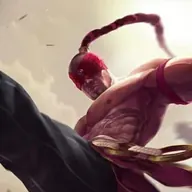
Lee Sin's Tempest grants true vision of Talon during Shadow Assault, preventing him from escaping or repositioning invisibly.
Lee Sin directly neutralizes your ultimate survival mechanism. The moment you activate Shadow Assault to escape or reposition, he can cast Tempest to instantly grant true vision of you. This negates your invisibility entirely, leaving you exposed to his high-damage follow-up. Without the stealth factor of your ultimate, executing your fast Blade's End burst becomes incredibly risky when he is nearby.
This interaction forces you to play defensively in the jungle. You cannot confidently contest Scuttle Crabs or initiate duels, as he can counter-engage and track you through walls if you try to flee using Assassin's Path after being revealed. If he counter-ganks, your usual escape routes are blocked, turning potential double kills for your team into disastrous shutdowns that hand over early map control.
To survive, never initiate with your ultimate if Lee Sin is in the area. Wait for your allies to force out his Tempest before you jump in. If you must fight him, use Rake and Noxian Diplomacy to stack Blade's End, holding Shadow Assault exclusively as a delayed finishing blow rather than an opener. If he misses Sonic Wave, that is your cue to strike, but always keep an Assassin's Path route open behind you.

Jax can block Talon's Noxian Diplomacy with Counter Strike, but must use Leap Strike wisely to follow Talon over walls.
Jax presents a major hurdle because his Counter Strike completely nullifies your Noxian Diplomacy physical damage and blocks the auto-attack needed to trigger Blade's End. This defense neutralizes your primary assassination sequence. While you can bypass terrain using Assassin's Path, Jax can use Leap Strike to stay on your tail if he preserves it, making direct jungle duels highly risky for you.
You cannot fight Jax head-on for neutral objectives or in deep jungle skirmishes. If you get caught, his Relentless Assault and Empower will melt you in extended trades. This forces you to concede direct contests, creating a deficit in early river control. However, your superior mobility allows you to pressure the side lanes faster than him, trading direct confrontation for map-wide skirmish advantages.
Prioritize tracking Jax's starting camp to path in the opposite direction. When executing ganks, rely on Rake to slow targets and accumulate passive stacks from afar rather than jumping in immediately. If Jax corners you, never activate Noxian Diplomacy; instead, immediately cross a wall with Assassin's Path. Force him to waste Leap Strike defensively, and only strike with Shadow Assault once his helicopter dodge is fully depleted.

Vi can interrupt Talon's Assassin's Path mid-air with a well-timed Vault Breaker, or lock him down entirely using Cease and Desist.
Vi counters your escape routes because her Vault Breaker can collide with you mid-air while you are parkouring over terrain with Assassin's Path, cancelling your movement entirely. Furthermore, once she unlocks Cease and Desist, her unstoppable tackle negates any attempt to slip away in stealth with Shadow Assault, leaving you completely exposed to her Denting Blows shred.
In the jungle, this interaction makes aggressive pathing highly risky. You cannot safely contest scuttle crabs or invade her camps if her Vault Breaker is available, as getting caught means taking a full Relentless Force burst with a massive Blast Shield absorbing your Noxian Diplomacy. If Vi counter-ganks you, she will lock you down under towers, turning your proactive skirmishes into disastrous double kills.
Track Vi's movement and never initiate a wall jump with Assassin's Path if she is within Vault Breaker range. Wait for her to waste this dash on a camp or an ally before attempting to apply your Blade's End passives. If she targets you with Cease and Desist, immediately cast Shadow Assault to position yourself near a thick wall, then use Noxian Diplomacy to dash to a minion or monster once her crowd control ends.
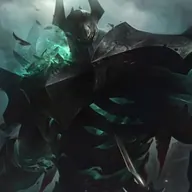
Trapping Talon in Realm of Death removes his ability to escape over walls with Assassin's Path, forcing a lethal 1v1.
Mordekaiser dominates this matchup by completely neutralizing your main safety net. If he catches you, Realm of Death transports you to a flat arena where all physical walls disappear. This entirely disables Assassin's Path, leaving you unable to escape. Without terrain to vault, you are trapped in a tight, inescapable duel where his passive Darkness Rise aura and isolated Obliterate damage will quickly shred your squishy health pool.
This constant threat of isolation severely restricts your freedom to invade or contest neutral monsters. You cannot confidently steal his camps or secure Scuttle Crabs, because a sudden Death's Grasp pull can drag you into his lethal range. If he corners you near an objective, you are forced to concede the area, meaning your team loses early map pressure and you must delay your skirmishes until he commits his ultimate elsewhere.
To survive, always track his ultimate and never engage him directly while Realm of Death is available. If you do get trapped inside his death dimension, do not panic-cast Assassin's Path toward the edges. Instead, immediately activate Shadow Assault to gain stealth, using the movement speed to run in unpredictable patterns and waste his precious seconds. Use Noxian Diplomacy on nearby minions or monsters to dodge his Death's Grasp grab, and keep him slowed with Rake to prevent Darkness Rise from sticking to you.
Other matchups
These matchups are above all duels of execution: both champions have credible ways to gain the upper hand. Dodging one key ability, anticipating an engage correctly, or a single positioning mistake can be enough to tip the duel one way or the other. Knowing the matchup and recognizing the right windows to act are especially important here.

Hecarim can use the massive movement speed from Devastating Charge to chase down Talon even after he escapes over walls with Assassin's Path.
This jungle duel revolves around unmatched map traversal. While Talon relies on Assassin's Path to vault terrain and escape dangerous situations, Hecarim counters this vertical safety. The massive movement speed Hecarim gains from Devastating Charge, amplified by Warpath, allows him to quickly run around the walls Talon just jumped, catching up to him on the other side.
Because Hecarim can match your rotations and chase you down, raw power farming is risky. Instead of blind invading, you must focus on counter-ganking. Tracking his route is vital; if he commits Devastating Charge or Onslaught of Shadows to engage your laners, you can drop down with Rake and Noxian Diplomacy to burst his squishy allies before his Spirit of Dread healing keeps him alive in extended fights.
Never use Assassin's Path aggressively if Hecarim is nearby with his cooldowns up; you need your wall-jump for post-burst disengages. When he charges at you with Devastating Charge, wait for the knockback to land before casting Shadow Assault. This invisibility breaks his tracking and lets you reposition. Apply Blade's End quickly with Rake and Noxian Diplomacy to force him to retreat before his Rampage stacks up and overwhelms you.

Talon can escape over walls with Assassin's Path, but Evelynn can secure the kill if she lands Allure before he can react.
This lethal game of hide-and-seek between two stealthy assassins comes down to reaction speed. Evelynn stalks the jungle unseen using Demon Shade, aiming to lock you down with Allure. If she triggers that charm, her subsequent Hate Spike and Whiplash will instantly delete you. Your survival hinges on using Assassin's Path to vault a wall the split-second her mark appears, escaping her initiation range before she can detonate it.
In the jungle, this constant threat forces highly defensive pathing and cautious skirmish choices. Once Evelynn unlocks Demon Shade, entering unwarded territory becomes an immense gamble. Catching each other out determines who controls the river. A single successful pick allows the survivor to freely pressure side lanes or secure objectives, while the loser is completely locked out of their own camps, starving their gold generation.
To outmaneuver her, prioritize placing control wards directly on her camps to spot her before her stealth activates. Never use Assassin's Path to speed up your camp clearing; keep it as your panic button. The moment the Allure indicator appears, leap over the nearest wall immediately to break her line of sight. If you catch her off-guard, burst her quickly with Rake and Noxian Diplomacy to trigger Blade's End, forcing an early, defensive Last Caress.

Talon cannot use Assassin's Path on the artificial walls of Cataclysm, trapping him unless he has flash or a nearby natural wall.
The matchup revolves around terrain control. While Talon relies on Assassin's Path to bypass jungle skirmishes, Jarvan IV can completely neutralize this mobility with Cataclysm. Crucially, the artificial ring created by Cataclysm does not count as valid terrain for Assassin's Path, leaving Talon physically trapped in the arena unless he can use Noxian Diplomacy to leap to an external target or burn Flash.
This interaction dictates jungle skirmishes and objective fights. If Jarvan IV forces an engagement in open areas like the river, Talon cannot easily disengage. Getting caught by Demacian Standard into Dragon Strike forces Talon to deploy Shadow Assault defensively. This shifts map pressure heavily toward the Demacian prince, who can force fights knowing Talon's escape routes are artificial traps.
To survive, you must fight near natural jungle terrain. Position yourself close to thick real walls so that if Jarvan IV drops Cataclysm, your Assassin's Path can target the natural wall overlapping the arena's edge to escape. Always track his Demacian Standard and Dragon Strike combo; do not commit with Noxian Diplomacy until he misses his knock-up, allowing you to retaliate with Rake and stack Blade's End safely.
Other matchups
These champions generally struggle to answer your main strengths, which lets you approach the matchup with more freedom. You often have several ways to pressure them and force trades that go in your favor. Use this advantage to dictate the pace rather than giving them time to get back into a comfortable position.
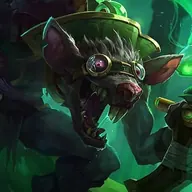
Talon can easily track Twitch's Ambush rotations and instantly delete him with a basic Noxian Diplomacy and Shadow Assault combo.
Twitch relies heavily on the stealth of Ambush to map out his jungle pathing and execute surprise ganks. However, your superior mobility through Assassin's Path lets you outpace his rotations. Once you spot him, his lack of reliable self-peel makes him incredibly vulnerable. You can instantly bypass his Venom Cask slow by jumping directly onto him with Noxian Diplomacy, triggering Shadow Assault to delete his fragile health pool before he can stack Deadly Venom.
This matchup completely strips Twitch of his early-game map pressure. Knowing you can track his Ambush routes forces him to clear his camps defensively, delaying his power spikes. Whenever he attempts to use Spray and Pray to turn a skirmish, your ability to flank from unexpected angles disrupts his positioning, rendering his long-range piercing bolts useless while protecting your laners from his signature invisible flanking maneuvers.
Actively invade his jungle whenever you spot him starting a camp. Wait for Twitch to activate Ambush or commit to a monster, then leap over the nearest wall using Assassin's Path. Immediately hit him with Rake to apply a slow, then follow up with Noxian Diplomacy and Shadow Assault to trigger Blade's End. If he manages to flash away, do not chase blindly into unwarded areas; instead, rotate back to secure the neutral objective he was forced to abandon.

Talon can cast Shadow Assault immediately after Zed uses Death Mark, entering invisibility to deny Zed the auto-attacks needed to pop the mark.
Talon holds the definitive upper hand in this jungle duel because Shadow Assault completely neutralizes Zed's primary kill threat. The moment Zed targets you with Death Mark, activating your ultimate grants instant invisibility. This simple reaction denies him the crucial window to land his Contempt for the Weak passive autos and precise Razor Shuriken strikes, leaving his mark's delayed pop with negligible, non-lethal damage.
This interaction shifts the entire jungle dynamic in your favor, turning Zed's camps into your personal hunting ground. Knowing you hold the ultimate counter-button, you can aggressively invade his territory, force high-stakes duels near the river, and secure objectives without fearing his burst. Zed is forced to play defensively, conceding map pressure and delaying his power spikes while you freely roam using Assassin's Path.
Never initiate a skirmish against Zed by opening with Shadow Assault. Instead, engage with Noxian Diplomacy and Rake to stack Blade's End. Force him to panic-cast Death Mark. The exact millisecond he reappears behind you, trigger your ultimate to vanish. If you accidentally waste your ultimate early, immediately jump over the nearest wall with Assassin's Path to disengage and wait out your cooldowns before fighting him again.
Other matchups
Buy these items to reduce this champion's effectiveness in your games.




| Matchup | Verdict | Edge | Win rate | Pick rate |
|---|---|---|---|---|
| Taliyah | Hard Counters | +2 | 50.6% | 1.9% |
| Vex | Hard Counters | +2 | 50.2% | 2.1% |
| Rumble | Hard Counters | +2 | — | — |
| Zilean | Hard Counters | +2 | — | — |
| Lissandra | Unfavorable | +1 | 51.9% | 4.6% |
| Vladimir | Unfavorable | +1 | 51.9% | 4.5% |
| Ahri | Unfavorable | +1 | 50.8% | 4.4% |
| Kennen | Unfavorable | +1 | 50.8% | 1.6% |
| Annie | Unfavorable | +1 | 50.5% | 2.2% |
| Ekko | Unfavorable | +1 | 50.2% | 5.2% |
| Yone | Unfavorable | +1 | 49.5% | 5.2% |
| Swain | Unfavorable | +1 | 49.4% | 2.6% |
| Heimerdinger | Unfavorable | +1 | 49.0% | 1.6% |
| Diana | Unfavorable | +1 | 47.9% | 1.0% |
| Akali | Unfavorable | +1 | 47.6% | 4.4% |
| Yasuo | Unfavorable | +1 | 46.9% | 8.3% |
| Irelia | Unfavorable | +1 | — | — |
| Karma | Unfavorable | +1 | — | — |
| Malphite | Unfavorable | +1 | — | — |
| Pantheon | Unfavorable | +1 | — | — |
| Galio | Skill Matchups | ±0 | 51.9% | 11.4% |
| Aurora | Skill Matchups | ±0 | 50.7% | 4.1% |
| Jayce | Skill Matchups | ±0 | 50.0% | 2.4% |
| Fizz | Skill Matchups | ±0 | 48.7% | 2.3% |
| Akshan | Skill Matchups | ±0 | — | — |
| Corki | Skill Matchups | ±0 | — | — |
| Teemo | Favorable | −1 | 52.7% | 2.3% |
| Morgana | Favorable | −1 | 52.4% | 6.4% |
| Zyra | Favorable | −1 | 52.2% | 3.3% |
| Hwei | Favorable | −1 | 52.1% | 6.3% |
| Brand | Favorable | −1 | 51.8% | 10.8% |
| Syndra | Favorable | −1 | 51.8% | 6.3% |
| Orianna | Favorable | −1 | 51.4% | 4.5% |
| Aurelion Sol | Favorable | −1 | 51.1% | 6.3% |
| Norra | Favorable | −1 | 50.9% | 1.4% |
| Twisted Fate | Favorable | −1 | 49.8% | 5.7% |
| Veigar | Favorable | −1 | 49.7% | 7.8% |
| Viktor | Favorable | −1 | 49.5% | 3.0% |
| Ziggs | Favorable | −1 | 48.6% | 5.5% |
| Lux | Favorable | −1 | 48.5% | 5.6% |
| Nasus | Favorable | −1 | 48.4% | 1.1% |
| Mel | Favorable | −1 | 46.4% | 8.4% |
| Kai'Sa | Favorable | −1 | — | — |
| Kayle | Favorable | −1 | — | — |
| Varus | Favorable | −1 | — | — |
| Vel'Koz | Favorable | −2 | 50.4% | 3.5% |
| Kassadin | Favorable | −2 | 50.4% | 1.8% |
| Seraphine | Favorable | −2 | — | — |
Edge: Wild Rift Core canonical verdict (−3 to +3), shown from the point of view of the champion named in the row. Win rate and pick rate: the opponent's own rate in this role — Wild Rift CN · Challenger, Patch 7.3c. Not a head-to-head win rate.
| Matchup | Verdict | Edge | Win rate | Pick rate |
|---|---|---|---|---|
| Poppy | Hard Counters | +3 | — | — |
| Amumu | Hard Counters | +2 | 56.4% | 2.8% |
| Rammus | Hard Counters | +2 | 55.7% | 4.6% |
| Skarner | Hard Counters | +2 | 54.6% | 1.6% |
| Warwick | Hard Counters | +2 | 50.5% | 2.0% |
| Taliyah | Hard Counters | +2 | — | — |
| Ambessa | Unfavorable | +1 | 53.8% | 1.2% |
| Shen | Unfavorable | +1 | 53.6% | 1.4% |
| Ekko | Unfavorable | +1 | 53.3% | 7.3% |
| Nocturne | Unfavorable | +1 | 52.6% | 6.5% |
| Nunu & Willump | Unfavorable | +1 | 52.4% | 2.0% |
| Dr. Mundo | Unfavorable | +1 | 51.6% | 1.7% |
| Pantheon | Unfavorable | +1 | 51.3% | 6.3% |
| Xin Zhao | Unfavorable | +1 | 50.9% | 8.9% |
| Diana | Unfavorable | +1 | 50.5% | 1.4% |
| Cho'Gath | Unfavorable | +1 | 50.5% | 8.2% |
| Darius | Unfavorable | +1 | 50.1% | 6.5% |
| Kha'Zix | Unfavorable | +1 | 49.8% | 5.2% |
| Wukong | Unfavorable | +1 | 49.7% | 3.5% |
| Vi | Unfavorable | +1 | 49.5% | 4.8% |
| Jax | Unfavorable | +1 | 49.2% | 1.9% |
| Fizz | Unfavorable | +1 | 49.2% | 1.8% |
| Tryndamere | Unfavorable | +1 | 49.1% | 8.6% |
| Riven | Unfavorable | +1 | 49.0% | 1.3% |
| Volibear | Unfavorable | +1 | 48.5% | 4.4% |
| Rengar | Unfavorable | +1 | 48.3% | 2.2% |
| Master Yi | Unfavorable | +1 | 48.0% | 9.8% |
| Lee Sin | Unfavorable | +1 | 46.5% | 12.4% |
| Camille | Unfavorable | +1 | — | — |
| Gragas | Unfavorable | +1 | — | — |
| Maokai | Unfavorable | +1 | — | — |
| Mordekaiser | Unfavorable | +1 | — | — |
| Nautilus | Unfavorable | +1 | — | — |
| Jarvan IV | Skill Matchups | ±0 | 51.9% | 7.3% |
| Kayn | Skill Matchups | ±0 | 51.5% | 7.2% |
| Olaf | Skill Matchups | ±0 | 51.0% | 1.8% |
| Hecarim | Skill Matchups | ±0 | 50.9% | 1.8% |
| Nidalee | Skill Matchups | ±0 | 50.8% | 2.3% |
| Evelynn | Skill Matchups | ±0 | 48.9% | 2.1% |
| Aatrox | Skill Matchups | ±0 | 44.3% | 1.1% |
| Gwen | Favorable | −1 | 53.0% | 2.5% |
| Lillia | Favorable | −1 | 52.5% | 3.1% |
| Kindred | Favorable | −1 | 51.1% | 2.4% |
| Zed | Favorable | −1 | 51.0% | 2.6% |
| Viego | Favorable | −1 | 47.3% | 4.2% |
| Shyvana | Favorable | −1 | 46.1% | 2.9% |
| Nilah | Favorable | −1 | — | — |
| Twitch | Favorable | −2 | 47.8% | 2.1% |
Edge: Wild Rift Core canonical verdict (−3 to +3), shown from the point of view of the champion named in the row. Win rate and pick rate: the opponent's own rate in this role — Wild Rift CN · Challenger, Patch 7.3c. Not a head-to-head win rate.
Talon jungle counters are champions that break his first tempo, hold targeted lockdown for his exit, or make his physical burst insufficient.
Talon does not only lose to tanks; he mainly loses when he cannot choose the fight timing. Early invade, camp vision, and crowd control held after Shadow Assault are the most reliable answers.
Talon needs a first AD buy and lanes respecting his angles; invade forces him to fight before his window.
How the champion adapts. Path with priority, ward second buff, and play cross-map instead of river dueling.
Talon can dodge many skillshots with Shadow Assault, but not a lock-on spell held for his reappearance.
How the champion adapts. Wait until the lockdown is used on an ally, or buy Edge of Night/Stasis before decisive fights.
Track his first clear, ping used walls, and force him to defend camps instead of choosing his ganks.
 Leona
Leona