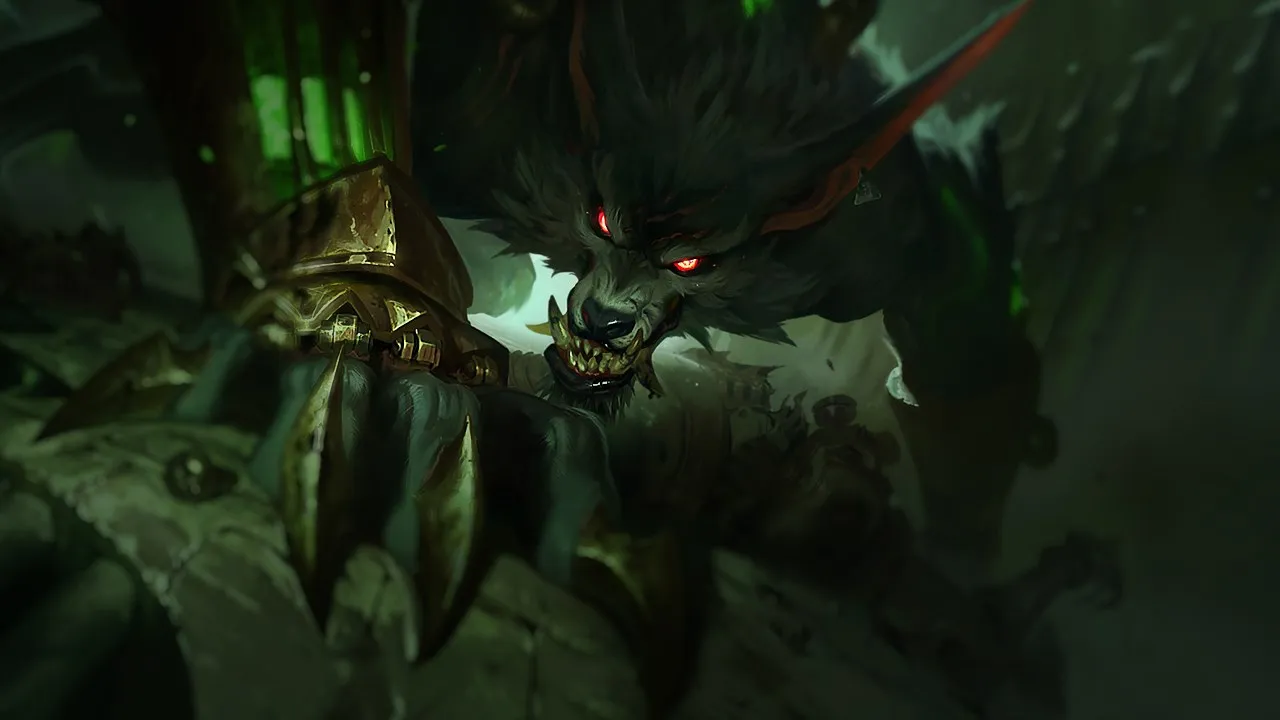
Warwick Counters
Why
Olaf is a structural hard counter to Warwick because he shuts down your identity: you want long duels with sustain and, most importantly, you want to lock a target with R suppression. Olaf flips that plan—his ultimate makes him immune to CC, so you can’t stop him when he commits. In extended fights he thrives, and his consistent DPS matches your healing patterns well.
Lane impact
In the jungle this becomes very direct: he can contest camps, meet you at scuttles, and force you off tempo even if you planned a gank. If you commit and he pops Ragnarok, your R becomes either useless or a disguised escape tool. He also gains huge value around objectives where your control should shine—he can run through frontlines and create chaos with little counterplay from you.
How to play
Switch logic: avoid direct duels while his ult is available and play for tempo instead. Key timing: level 5 (first Ragnarok) and objective fights; either make a play before he has R, or play cross-map when R is up. Concrete decision: if Olaf shows on one side and you don’t have clear numbers advantage, prefer cross-map value (reverse invade, dragon/herald depending side) rather than “testing” him in 1v1. Positioning: in fights, hold R for a target without CC immunity and use your kit to peel/zone instead of chasing Olaf.
Why
Morgana is a functional hard counter to Warwick jungle because she breaks your execution plan: your R is meant to be a “suppress and kill” button. Black Shield removes that certainty. Even with clean play, a well-timed shield can make your engage sterile, and her Q punishes you the moment you expose yourself on entry.
Lane impact
On bot/mid ganks your success window gets much tighter: you can arrive fast, but if the target is shielded your R doesn’t lock, and you end up stranded in lane without a kill. In teamfights she can also zone you mentally—you hesitate to ult because you expect shield or CC to break tempo, and Warwick loses his finisher/initiator role.
How to play
Prioritize Black Shield timings, not random targets. Key timing: track shield cooldown and force a first exchange to remove it, then commit R afterward. Concrete decision: if Morgana holds shield specifically for your ult, swap targets—grab the unprotected carry or force a fight elsewhere. Positioning: approach ganks from an angle that lets you disengage if you get Q’d, and keep E for damage reduction while you exit.
Why
Lee Sin is hard because he beats you where Warwick wants stability: early game and jungle tempo. Warwick shines when he can clear, take a prepared duel, and punish oversteps. Lee forces unprepared situations: early invades, fast skirmishes, and he has tools to escape even if you chase.
Lane impact
Practically, he can break your first cycle: stop you from finishing camps, steal a buff, or force a response when you wanted to gank. Even without dying, you lose time and arrive late to scuttle/objectives. In fights, his kick can also flip your value: you engage, he knocks you away or isolates an ally and reverses the trade.
How to play
Have an anti-invade plan from loading screen: early wards, read which lanes have prio, and choose a clear route that avoids being alone at the wrong timing. Key timing: first river/scuttle pass and levels 2–5 where he’s most threatening. Concrete decision: if you spot Lee on your side and your lanes lack prio, don’t “defend” a camp with your life—concede, take opposite camps, and return with information/vision. Positioning: in skirmishes, hold R to lock after he uses key mobility or to punish deep entry, not as your opener.
Why
Kindred is hard because she hits Warwick on two painful axes: kiting and denying your finish. You love targets that panic and stay in range; a good Kindred keeps you at distance with dashes and autos. Most importantly, her ultimate can erase your kill moment, so your R/chase pattern loses value at the critical second.
Lane impact
In the jungle she can also bait you around marks: she forces you to choose between contesting (risky, because she drags you into open ground where she kites) or conceding (and she scales). In teamfights, your “jump-kill-reset” pattern becomes unreliable because she can drop ult, stall, then re-engage with tempo advantage.
How to play
Key is terrain discipline: don’t chase Kindred in the open without allied CC. Key timing: level 5 and objective fights where Lamb’s Respite decides everything; hold R for after the ult or to catch Kindred after she has dashed. Concrete decision: when she casts ult, switch goals for a moment—reposition to the edge, prepare to punish the exit, and peel/zone whoever steps out first. Pathing: favor ganks on CC lanes and fights in corridors where Kindred has less space.
Why
Jarvan IV is hard because he forces a dictated fight. Warwick likes choosing targets and entering on timings where he can sustain and chase. Jarvan imposes engage, traps an area, and turns fights into fast executions: if you or your carry gets caught in Cataclysm, you must react instantly instead of running your plan.
Lane impact
Early, Jarvan has very reliable ganks and can snowball lanes before you create your own impact. Around objectives, his combo + ult creates a pocket where you can be burst before your healing matters. Even if you R a target, Jarvan can cut routes, trap you, or isolate an ally, lowering your classic chase value.
How to play
Shift your role: versus Jarvan you often play more counter-engage than initiator. Key timing: his early lane appearances (levels 2–5) and dragon/herald setups; place deep wards and be ready to respond rather than force. Concrete decision: if Jarvan shows top to gank, take value elsewhere immediately (dragon/counter-jungle) instead of arriving late. In fights, hold R to punish the isolated target after Cataclysm or to save your carry by suppressing the diver who commits.
Why
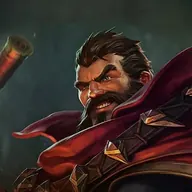
Graves is unfavorable because he denies the sticky duel you want. He has range, burst from fog, and tools to break your tracking (Smoke Screen) and create distance. Warwick can win 1v1s, but Graves often chooses when and where they happen.
Lane impact
In the jungle, he clears fast and can beat you to timings, then punish you when you arrive second. On invades, if you chase without clear vision you can lose massive tempo or get outplayed by simple repositioning. In teamfights, he isn’t always the best R target because he can kite and force you to overextend.
How to play
Don’t play blind chase. Key timing: his clear resets and early item spikes (when burst becomes real); if you spot him on a camp, judge whether you arrive first or second and decide accordingly. Concrete decision: if Graves has lane prio and an invade is likely losing, do the opposite—gank a CC lane, force Flash, then convert that Flash into dragon/herald. Positioning: keep E to absorb his initial burst and use R when he has no dash/flash or when your team can chain CC.
Why
Lillia is unfavorable because she turns your biggest strength (chasing) into a weakness. The more you follow, the more speed she stacks, pokes while running, then sleeps you right as you think you finally caught her. Warwick likes long contact fights; Lillia likes long ranged fights where you never truly connect.
Lane impact
In the jungle, she clears smoothly, takes space, and forces you to reveal. If you contest her in open ground, she kites you until you’re too low to chase. In teamfights, her R can break your entry: you engage, she stalls, and you wake up with no tempo.
How to play
Pick terrain: fight Lillia in corridors, not open space. Key timing: level 5 and objective fights—hold R to punish after she spends mobility/speed, or lock a different target before she sets up a sleep. Concrete decision: if you see her on a camp in open ground, don’t sprint after—take the opposite objective or gank a lane and force her to respond. Positioning: approach from angles that cut escape (behind via vision) rather than frontal lines that give her space.
Why
Elise is unfavorable because she beats you on action tempo: very early ganks, strong dives, and she can build a lead before Warwick truly imposes his style. Your champion needs baseline stability; Elise creates instability everywhere.
Lane impact
In the jungle, you can end up chasing her ganks. Even if you duel well, if you arrive after the dive there’s no target and you lose rhythm. In skirmishes, cocoon can also break your entry and force E defensively rather than aggressively.
How to play
Play pre-emptive response: ward dive paths, read which lanes are vulnerable (pushed without Flash), and be there before she arrives. Key timing: levels 2–5 and first dragon—this is where she wants to snowball. Concrete decision: if Elise shows bot and you’re top side, don’t over-rotate; take herald/top counter-jungle and convert information into value. Positioning: in counter-ganks, don’t be first into cocoon—let your laner soak initial threat, then engage once cocoon is down.
Why
Rammus is unfavorable because he makes you pay for how you win: hitting for a long time. Taunt forces bad autos, and his defensive reflect patterns reduce your trade value. You can beat him in the right context, but without help you can waste huge time trying to kill him.
Lane impact
In the jungle, he may not kill you outright, but he ruins your tempo: you meet, engage, then realize there’s no kill and you just lost 20 seconds. Around objectives, he’s also dangerous to your carries, and you may be forced to use R defensively to stop his engage rather than to pick a target.
How to play
Don’t make Rammus the objective—make him information. Key timing: his lane engages and objective fights—hold R to punish exposed carries or to stop his entry onto your ADC. Concrete decision: if you see him on a camp and he’s tanky, don’t tunnel; take the other side, secure vision, and force a play on a lane without taunt threat. Positioning: avoid being alone in his zone; if you contest him, do it with lane prio or with a mid that can follow.
Why
Kha'Zix is a skill matchup because he plays isolation and burst, while you play extended duels. If you survive his first damage cycle, you can often turn it with sustain and chase. But if you’re alone, low, or without E, he can delete you before you get to “play.”
Lane impact
In the jungle, vision reading is decisive: Kha wants to surprise you between camps or punish you on an objective when you have no help. In fights, he hunts isolated carries; you can act as anti-assassin, but only if you’re in range at the right moment.
How to play
Pathing: avoid isolated routes without vision when he’s missing, and play closer to lanes that can move. Key timing: level 5 and his first item resets—his burst becomes truly lethal then. Concrete decision: if you know he’s on your side, don’t start a solo objective; ward, ping, and force him into a fight where an ally is nearby, then use R to lock him when he commits onto a target.
Why
Vi is a skill matchup because it’s a contest of “who engages on whom.” She has reliable lock and can force early 2v2s, but Warwick can flip fights if Vi overcommits and you use E/R with discipline. It’s all about first target and cooldown order.
Lane impact
In the jungle, Vi can apply lane pressure early, especially into fragile lanes. In skirmishes, she wants to force your E defensively, then re-enter with a second wave. If you fall into that rhythm, you lose tempo.

How to play
Read her gank angles: if you see Vi leaning toward a lane, set up the counter-gank instead of doing one more camp. Key timing: level 5—her ult can decide objective fights. Concrete decision: when she ults your carry, your best play isn’t always to ignore it—use R on Vi or on the follow-up (mid/support) to break the chain, then chase once their engage tools are spent.
Why
Xin Zhao is skill because his early is strong and he can force fights you didn’t choose, but Warwick can turn duels if you hold E and don’t get burst too fast. It’s a spacing matchup: Xin wants to stick and knock-up; you want to stall and punish when his resources are spent.
Lane impact
In the jungle, he can contest early scuttle and river skirmishes. If your lanes have prio you can punish; if your lanes are stuck under turret you can get trapped in a bad 2v2. Midgame, his ultimate can also protect his backline, so your R usage must be deliberate.
How to play
Pathing: avoid meeting him at the worst time (low HP between camps) and plan river timings with a lane that can move. Key timing: levels 3–5 and first objectives; if he owns river prio, choose cross-map instead of stubbornly fighting. Concrete decision: if Xin forces a fight and you lack backup, use E to absorb the first burst and disengage; re-enter later with R once he has spent dash/knock-up.
Why
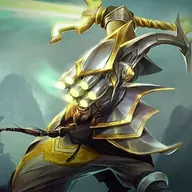
Master Yi is often favorable for Warwick because his plan is linear: run in and hit. You have the exact tools to punish that—damage reduction, fear to break DPS, and an R that locks him the moment he tries to enter. With clean play, you can stop Yi from getting resets in teamfights.
Lane impact
In the jungle, you can contest him early because he’s more fragile early. Around objectives, if Yi arrives late and tries to all-in your carry, you can remove him with clean control. The risk is letting him free-farm to his spike; but in pure duels before big items, you usually have the edge.
How to play
Key timing: watch his first item spikes and level 5; before he’s fully online, force plays on lanes and objectives. Concrete decision: if Yi shows opposite side, take an objective and cut his camps—Warwick converts pressure well. In fights, hold R for the moment he commits onto a valuable target, and use fear to break his auto timing right after his entry.
Why
Amumu is generally favorable because you win small duels and can convert short skirmishes into extended chases. Amumu wants grouped engages; you can catch him in transit, force him to fight before he finds a perfect ult angle, and win on tempo.
Lane impact
In the jungle, you can often meet him and waste his time, especially with lane prio support. Around objectives he remains dangerous, but your R can also prevent a perfect ult by suppressing him at the right moment or punishing an overeager follow-up.
How to play
Key timing: level 5—respect his ult in objective fights, but don’t give him a free approach. Concrete decision: when Amumu signals an objective, position ahead of his path and force a trade before he groups. Positioning: don’t stack tightly with your team; play a slight flank so you can R Amumu or a carry without getting caught by multi-target engage.
Why
Shyvana is often favorable because she wants time and objectives to become a threat, while Warwick excels at denying breathing room. You can meet her early, force her off camps, and convert pressure into dragons/tempo before she becomes permanently online in dragon form.
Lane impact
In the jungle, if you let her powerfarm uncontested she becomes hard to deal with later. But if you show up in her jungle and secure early objectives, you heavily reduce her win condition. She dislikes being forced into fights before spikes.
How to play
Key timing: before her level 5 and before she stacks too many items—this is when you play aggressively. Concrete decision: track her camps, invade when you have information and lanes can’t collapse, and prioritize first dragon with any support. In fights, your R can stop her from exiting safely or prevent her from reaching your backline when she commits in dragon form.