Xin Zhao Counters
Why
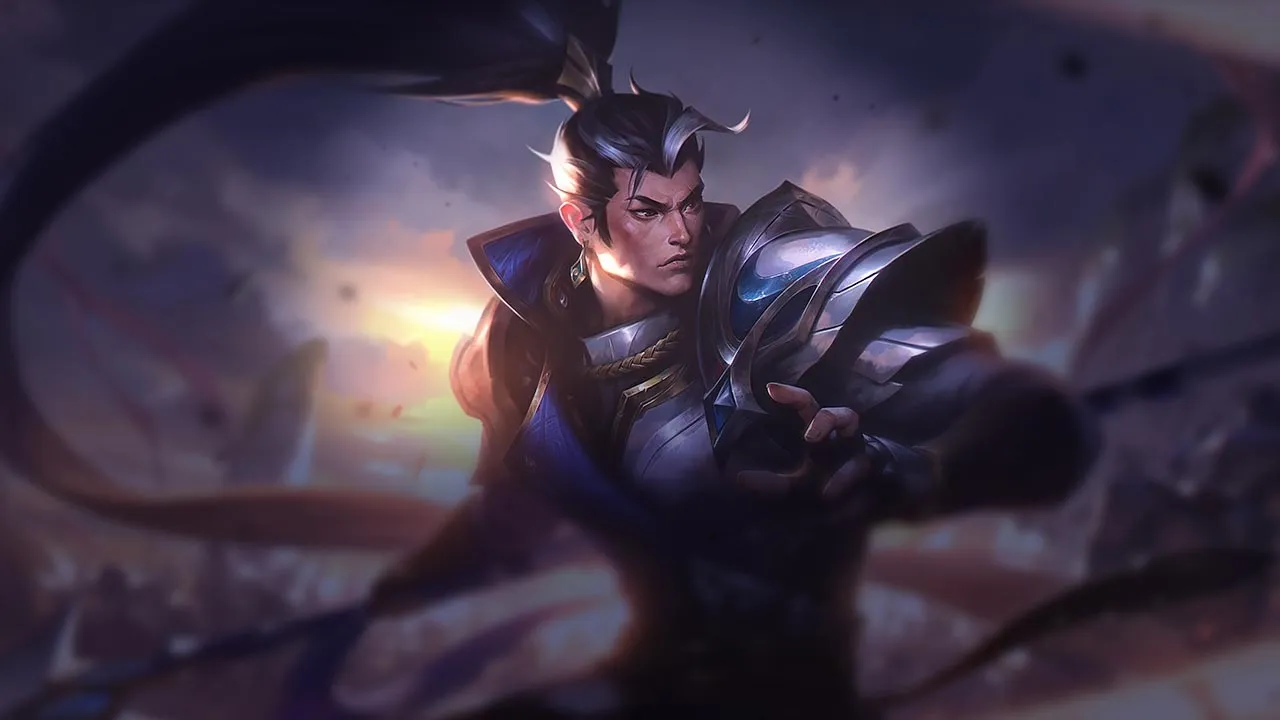
Graves is a hard counter to Xin Zhao because he denies the core of your kit: sticking to targets. Xin is a melee skirmisher who wins by chaining E + autos + Q knock-up in a short window, then continuing the chase. Graves plays range, disrupts your read with Smokescreen, and punishes straight-line approaches, turning your “simple engage” into an unwinnable pursuit.

Lane impact
In jungle pacing, he taxes your tempo: if your first move fails, he accelerates clear, secures scuttles, and forces you into bad trade-offs between ganking (losing camps) or farming (bleeding lanes). At objectives, his steady DPS and kite angles make 2v2/3v3 contests risky unless your lanes have priority.
How to play
Adjust pathing to attack through fog and short angles: behind-lane ganks, lane-to-lane collapses, or plays after clear information instead of walking through warded river. Key timing: fight around Smokescreen downtime or right after Graves uses dash aggressively. Decision: if you can’t realistically stick, stop chasing and convert cross-map (dragon/herald or opposite-side invade)—versus Graves, chasing is often how you lose the game.
Why
Olaf is hard into Xin because he breaks your “go in, control, finish” script. Your Q knock-up and R isolation make fights clean. With Ragnarok, he removes the constraint: he keeps walking, out-DPSes you in extended melee, and forces long duels where your ability to stall is limited.
Lane impact
Early/mid, he can contest river entries without fear, and if you engage expecting to create advantage, you often hand him the frontal brawl he wants. Around objectives, he can run through the fight and reach backline while you’re busy “holding the line.”
How to play
Positioning: avoid the head-on duel and look for the useful target (carry with no escape, mid with flash down) rather than Olaf himself. Key timing: force fights when Ragnarok is down or after Olaf has already used it to survive an earlier exchange. Decision: if Olaf is ahead and the duel is lost, pivot to macro—take information, play the other side, and deny him the chain of 2v2/3v3s that let him snowball.
Why
Rammus is hard for Xin Zhao because you trigger his best responses: you commit melee and your DPS is tied to repeated autos. He loves being hit, taunts you, reflects damage, and forces you to hit the wrong target while the real carry plays freely.
Lane impact
In river skirmishes, you can lose simply because your first seconds of DPS get absorbed and reflected back at you. At objectives, he can also force defensive cooldown usage, preventing you from threatening backline with your R afterward.
How to play
Pathing: avoid forcing contests if your team is full AD and can’t punish him—you’ll just burn yourself on the tank. Key timing: play after he has used Taunt on someone else or when he’s isolated with no follow-up. Decision: in fights, accept your job isn’t killing Rammus—you either create an angle onto carries, or protect your carry by isolating/denying the threat.
Why
Lillia is hard into Xin because she punishes straight-line all-ins. You need stable contact to stick and finish; she stacks move speed, circles you, and turns your commit into a spinning target. Sleep is the button that flips your entry: you go in, think you’ve got her, and suddenly the fight stops… not in your favor.
Lane impact
In jungle flow, if you allow a calm midgame, she becomes extremely hard to touch in open rivers and around camps where she kites perfectly. At objectives, she can force clumps and punish with sleep + follow-up, making contests unstable.
How to play
Positioning: attack from fog with angles that reduce her kite space (chokes, controlled river, lane entry), not from wide open ground. Key timing: fight when sleep is down or after she uses it on a different front. Decision: if the chase turns into circles, stop—take the objective, punish a lane, or reset vision, because chasing Lillia in open space is often giving her exactly the game she wants.
Why
Kindred is hard because she combines two things that hurt you: range and anti-execution. Xin wants to go in, force a short fight, and finish before it drags. Kindred can kite you, and when you think you’re closing, her ultimate removes your immediate win condition.
Lane impact
In jungle, mark pressure forces map decisions: if you let Kindred take marks for free, she scales and the matchup becomes even harder. At objectives, she can also turn contests into extended coinflips because her ult zone breaks smite timings and denies clean finishes.
How to play
Pathing: contest marks intelligently, not on ego—only with lane prio or a planned collapse. Key timing: force her ultimate early, then re-engage immediately after the zone ends, where Xin becomes lethal again. Decision: if Kindred holds R to protect her carry, switch targets—iso someone else, claim space control, and win the fight through position rather than execution.
Why
Lee Sin is unfavorable because he can play faster early and has tools to break your engage. Xin is strong in honest 2v2s, but Lee makes fights dishonest: he pokes, displaces, then decides who actually dies with kick.
Lane impact
If Lee controls river, you end up chasing his moves: late counterganks, invades that steal your camps, and objectives you reach without vision. In teamfights, even if your entry is good, a clean kick can remove your target or push you away from your team, ruining your sustained DPS.
How to play
Pathing: avoid predictable routes and respect lane priority before contesting scuttle/river. Key timing: level 5 is a real swing—look for a clean R play as soon as you have it instead of stacking micro-fights earlier. Decision: if Lee is tempo-driving, answer with efficiency—take opposite camps, place a key ward, and force action on a lane with clear setup rather than playing his permanent river game.
Why
Viego is unfavorable because he turns your brawl style into a liability. Xin likes extended melee fights where he sustains and controls space with R. Viego loves long fights: the longer it goes, the more likely he finds a reset—and one reset often flips the exchange.
Lane impact
In river 3v3s, if your team can’t finish quickly, Viego gets a soul and the script collapses: you thought you’d win attrition, and suddenly he returns with a fresh health bar and a different kit. At objectives, a messy first kill can grant him zone priority and push you off the pit.
How to play
Positioning: avoid entries that leave you alone in the middle—dying first is the easiest reset you can hand him. Key timing: engage only when you have a fast-fall target (flash down, no peel, key cooldown missing) to prevent the first reset. Decision: if the fight gets messy, swap roles—use R more as zoning/peel to protect your carry and deny Viego access to the first execution.
Why
Kayn is unfavorable because he doesn’t play the same geometry as you. Xin likes simple trajectories: enter, stick, hold space. Kayn crosses walls, changes angles, and can avoid the core of your kit by playing in-and-out rather than frontal duels.
Lane impact
Midgame, you can waste time responding to his appearances: he ganks, vanishes, reappears through another wall, while you arrive one second late. Once form is online, he either bursts you (assassin) or out-sustains you (Rhaast), making fights harder unless you’ve already built an advantage.
How to play
Pathing: cut the map instead of following; ward his likely exits and make fast decisions on which side you play. Key timing: pre-form is your best window to two-man invade with lane prio or punish his resets. Decision: if his form comes early, accept trades—secure a guaranteed objective and avoid fog chases where he thrives, because chasing him is helping him.
Why
Evelynn is unfavorable because she makes your map read unreliable. Xin gains a lot from initiative: you choose the fight and decide where the brawl starts. Evelynn forces incomplete information, which creates hesitation—and hesitation costs tempo.
Lane impact
Once she has camouflage, solo vision moves become dangerous: you can die or lose a carry instantly. Around objectives, she loves arriving after your engage, when your tools are already spent, then executing a backline with reduced protection.
How to play
Positioning: move with a partner to ward and avoid facechecks, especially in enemy jungle. Key timing: respect her level 5 and first item resets—this is when picks become consistent if the map is dark. Decision: without deep vision, don’t force the pit—setup first (prio + wards) or trade cross-map, because coinflipping into an invisible assassin is rarely worth it.
Why
Jarvan IV is a skill matchup because you’re both tempo junglers who want to dictate fights. The difference is shape: Jarvan traps and clumps, Xin pushes out and creates a zone. If you time R correctly, you can break his entry; if you mistime, Cataclysm pins you and you lose access to the real target.
Lane impact
At objectives it often comes down to one second: who engages first, who has prio, and where the carries are when ultimates land. A Jarvan with a clean angle onto your ADC can force a fight you don’t want, while a well-positioned Xin can deny follow-up and flip the brawl.
How to play
Positioning: stand at a distance where you can counter-engage (R to eject) or follow a pick without being trapped in pit geometry. Key timing: wait for flag+dash commit or Cataclysm animation before pressing R—too early and you lose your response. Decision: if your carry is the win condition, play peel/zone; otherwise, look for picks onto flashless carries after Jarvan shows position.
Why
Amumu is skill because he punishes clumped engages, but Xin doesn’t have to clump. You can win by controlling space and refusing to give a perfect AoE ult. This matchup is more about discipline than pure 1v1 power.
Lane impact
At objectives, Amumu wants you to enter a choke and have your team follow. If that happens, he presses R and the fight becomes hard. If you force isolated picks or a spread fight, Amumu loses value and becomes more predictable.
How to play
Positioning: create lateral offset before you engage so your backline isn’t inside the same AoE cone. Key timing: once he hits level 5, stop blind straight commits and prefer two-step setup (vision then engage). Decision: if he’s holding ult, don’t beg for it—either take the objective with prio or force a pick elsewhere, then return once his button is less threatening.
Why
Nunu is skill because he doesn’t necessarily beat you in duels—he beats you in routes. Snowball creates very early threats, and if you don’t read his pathing, lanes can collapse before you ever get a clean action window.
Lane impact
Early minutes, your influence depends on counterganking: Xin is great if you arrive during the gank, much worse if you arrive after. At objectives, Nunu can also make contests stressful with his presence and secure patterns in chaos.
How to play
Pathing: strictly track his first exits and favor a route that keeps you near gankable lanes rather than a greedy full clear. Key timing: once you see Snowball used, you have a window to strike elsewhere before he repeats. Decision: if one lane becomes impossible to protect, pivot to the other side—take dragon/herald or snowball another lane, because living in constant reaction is exactly what Nunu wants.
Why
Vi is a skill matchup because it’s a timing-and-angle war: you excel in frontal skirmishes, she excels in targeted picks. If you arrive first and force a clean brawl, Xin often has the edge. If Vi finds an ult angle onto your carry or onto you before you can zone, she imposes her script.
Lane impact
At objectives, it’s frequently a patience duel: step up too early and you become an ult target that gets removed from your zone; stand too far and you let Vi choose the target and engage on her terms. Early game, she can also punish Xin when his intentions are too visible.
How to play
Positioning: keep an angle to punish Vi after her commit rather than opening onto a low-priority target. Key timing: respect her level 5 and early ult cycles; once her R is down, you can force far more aggressive fights. Decision: if your team relies on a carry, your best answer is often peel—use R to eject her off the backline and turn her pick into a failed engage.
Why
Master Yi is favorable for Xin Zhao because you’re one of the junglers who can punish him early without needing fancy combos. Yi wants to farm into critical mass; Xin wants to fight early and has enough damage/control to force Yi defensive before he becomes unmanageable.
Lane impact
Early, you can contest river and threaten his routes, especially with lane priority. At objectives, your R helps control space and reduces Yi’s ability to enter late for cleanup because you can push him out or deny clean access to the right target.
How to play
Pathing: apply early pressure to his “easy” lanes so he can’t full clear in peace, but don’t coinflip invades without prio. Key timing: play assertive before he has two items and before fights turn into chained resets. Decision: if Yi gets fed, simplify—front-to-back, zone with R, and accept that beating him often means denying carry access, not chasing him everywhere.
Why
Shyvana is favorable for Xin when you play your identity: fight early, create skirmishes, and force the map to move before she stacks dragons. She prefers a stable game to accumulate value; you’re great at breaking that stability with fast brawls.
Lane impact
Early ganks and side-lane priority can remove her ability to take first dragon for free. At objectives, Xin is strong at entering the pit with team and holding space with R, especially before Shyvana reaches her scaling items.
How to play
Pathing: target a lane with setup to secure river prio before first dragon. Key timing: start objective setup 30–40 seconds early (vision + prio) instead of arriving late into a Shyvana already set up. Decision: if she commits to an objective and you lack prio, don’t coinflip—take the other side (herald/towers/camps) and return on a timing where you can force a clean fight.
Why
Fiddlesticks is favorable if you play vision and tempo because he heavily depends on surprise angles. Xin can arrive early, establish wards, and claim river space, breaking Fiddle’s condition: ulting from darkness onto clumped targets.
Lane impact
Around objectives, if you arrive first and hold space, Fiddle is often forced into a low-quality entry or to back off. In skirmishes, he also hates being forced into melee without setup—if you find him before ult, he loses a lot of value.
How to play
Positioning: prioritize controlling bushes/vision pivots instead of chasing minor camp optimizations. Key timing: track his level 5 and recall timings—this is when he often looks for an ult play. Decision: if you lack information, don’t force the pit—secure vision, bait out ult, then return; versus Fiddle, patience and information beat blind engages.
Why
Warwick is generally favorable because his plan is very frontal: he wants extended duels and to run at low targets. Xin can accept that plan better than many junglers, while still controlling space with R to deny Warwick access to the right target.
Lane impact
Early river, with lane prio, you can contest and punish greedy timings. At objectives, Warwick likes arriving for cleanup; if you hold zone and avoid split fights, he struggles to turn sustain into executions.
How to play
Pathing: don’t hand free isolated duels without lane prio, but don’t fear meeting him when you have nearby follow-up. Key timing: once his ultimate is down, you can play far more aggressively around river and objectives. Decision: if Warwick starts hunting your backline, your best play is often peel/zone—push him out and turn his all-in into an inefficient entry.