Zeri Counters
Why
Caitlyn is hard for Zeri because she combines range and space control, directly attacking what you need most: farming and scaling without bleeding HP. Your Q often forces you to step forward to last-hit, and Caitlyn turns every forward step into a losing trade, then locks zones with traps. It’s not that your kit is “bad” here—your error margin just becomes tiny against clean range-lane play.
Lane impact
In lane you’re likely to lose priority most of the time: she pushes faster, zones you off minions, and forces a constant choice between CS and health. Traps around the wave also make your E reposition riskier, because you can get punished right when you try to reset spacing. After first base, if she keeps tempo, she chains plates and dragon setup and you get dragged into a game pace where you’re chasing gold.
How to play
Shift goals: accept a low-variance lane. Keep the wave near your tower, last-hit with Q without overstepping, and hold E as a survival tool until river vision is secured. The key timing is your sustained-damage spike (often after 1–2 items): before that you’re not looking for duels, you’re looking to avoid chip damage. If you don’t have prio, plan ahead—ping dragon early and reset before the objective instead of showing up with a bad wave state.
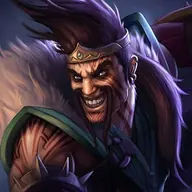
Why
Draven is hard because he beats you at the most critical timing: early levels, before Zeri truly comes online. Zeri likes extended fights and gradual repositioning, while Draven wants a short brutal window where his autos win instantly. Give him one opening and he converts into a snowball that makes lane oppressive.
Lane impact
In lane, one misstep can cost a lot: he doesn’t need to hold you long—just force you to stay in range for 2–3 autos at the wrong moment. If he gets ahead, he denies waves, pushes you under tower, and turns any bad reset into plates and dragon control. Even if you “survive,” you can exit lane too low on gold to matter at the first objective fight.
How to play
Your plan is to break his all-in angle: keep the wave close, avoid head-on trades, and take “one shot then back” patterns. Key timing: level 5 and first dragon—if Draven already has a lead, don’t play the 2v2, play cross-map: secure vision, avoid defending a far wave, and accept losing prio instead of giving a kill. Use E defensively (terrain escape) to exit his auto zone, not to chase—versus Draven, surviving is winning.
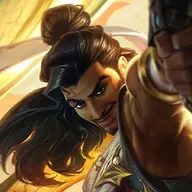
Why
Lucian is hard because he plays around short burst-and-tempo windows where Zeri doesn’t get time to set sustained DPS. He can dash to adjust spacing, force an instant trade, then disengage before you can extend the fight. In practice: he decides when trades start and end, and that’s exactly what Zeri hates in lane.
Lane impact
In lane you can lose HP on every last-hit attempt if your support doesn’t heavily deter him. His dash also makes your poke/return-trade angles less reliable: you think you’re safe, then he closes distance, drops combo, and leaves you forced to play too far back. With priority, he also frees his support to roam and denies you clean reset timings.
How to play
Your adjustment is to shrink his windows: keep an ‘uncomfortable’ distance (no free dash+combo), and don’t answer burst with all-in—answer with disciplined reset. Key timing: when his dash is down you get a short breathing window to reclaim space; otherwise, manage wave and accept dropping a few CS instead of losing 40% HP. Concrete decision: if Lucian is perma-aggressive, call for vision and set up a gank angle rather than trying to outtrade him in a straight duel.
Why
Varus is hard because he pressures with poke and zone control: you want progressive fights with repositioning, he puts you under constraint before fights even start. His poke makes you arrive to key moments already chipped, and his root turns mobility into risk—one bad step and you get punished hard.
Lane impact
In lane he controls pace without needing to all-in: he chips you down, then holds CC threat to deny your response. Outcome: worse farming, earlier recalls, and you show up to dragon with fewer resources. With priority, Varus forces you into a more linear lane, reducing safe E reposition angles.
How to play
Play ‘health first’: if you’re low, your kit can’t function. Key timing is objective setup—reset before you drop to ~60% HP or you enter a fight already losing. Positioning: stay behind the wave and don’t force trades without bush vision. Concrete decision: versus poke Varus, prioritize tempo plays (fast shove then reset) rather than sitting in lane getting worn down for free.
Why
Miss Fortune is hard because she pairs an easy-to-execute lane with very punishing misposition traps: she harasses around the wave, forces you back, then converts teamfights with an ultimate that limits your repositioning. Zeri loves moving during fights; MF loves fights staying in a corridor where R does the work.
Lane impact
In lane, her wave pressure makes your resets harder: being stuck under tower removes your ability to move or secure vision. If your support takes a bad trade, MF often gets a very clear all-in window. Midgame, any dragon fight where your team clumps becomes dangerous, because you’re forced to disengage instead of DPS.
How to play
The pivot is positioning: don’t stand on the natural line of her R, and hold E to break her firing line (use terrain/walls) rather than to move forward. Key timing: when her ultimate is up around dragon, slow down—wait for information (R used / threat removed) before committing. Concrete decision: if MF is holding R, force a wider fight angle (spread), or play poke/tempo and back off when your team stacks.
Why
Jhin is unfavorable because he doesn’t need to out-DPS you to make lane miserable—he wins via tempo control. His burst threat (4th shot) and traps force you to respect zones, and he punishes your forward steps from long range without exposing himself as much as you must.
Lane impact
In lane, small positioning mistakes cost big HP chunks, forcing you farther from the wave than you want. His trap + support root setups can also turn your trade attempt into a snare. Midgame, Jhin follows picks from very far away, shrinking your clean windows to ramp sustained damage.
How to play
Play around tempo: don’t trade when 4th shot is ready, and clear trapped zones instead of forcing straight lines. Key timing: after he spends 4th shot you get a short window to breathe—shove a bit and reset. Concrete decision: if your support can’t engage, play anti-pick (vision + wave close) and avoid risky rotations where Jhin’s long-range follow-up shines.
Why
Xayah is unfavorable because she makes your natural plan expensive: steadily stepping up and winning via kiting. Feathers create a zone where straight-line repositioning becomes dangerous, and her kit has a clear answer to commits—she punishes you when you chase too directly or stay too long in her space.
Lane impact
In lane you often have to drop trades because she can set feathers through the wave and threaten a root that breaks your tempo. Even without dying, you can lose priority and get stuck under tower. Midgame she’s also hard to finish: if you commit and she holds her defensive tool, your payoff can be low.
How to play
Read the geometry: don’t cross a feather line just for one CS. Key timing: after her control window (feathers placed / root threat) fades, you can take a short trade and reset. Concrete decision: if fights are forced into corridors (dragon pit), play wider and save E to break trajectory rather than insisting inside feather zones.
Why
Tristana is unfavorable because she threatens a very straightforward all-in whenever she sees an overstep, and she doesn’t need to win slowly—she wins on commitment. Zeri wants to control distance; Tristana breaks it with jump and forces you to respond under pressure.
Lane impact
In lane you can feel ‘fine’ until she finds one window (bad wave spot, support forward, no vision) and jumps. One kill accelerates her pace and you’re stuck in a lane with zero error margin. Midgame, she also punishes isolated fights because her plan stays the same: jump + burst + potential reset.
How to play
Core adjustment is avoiding ‘no-exit’ positions. Timing: track level 5 and item spikes where her all-in becomes easier; if she’s ahead, refuse trades and play waveclear/tempo. Positioning: keep a wall/terrain angle so your E is a real escape, not just a micro-dash. Concrete decision: if Tristana is perma-aggressive, ask your support to hold a defensive spell (exhaust/CC) for the jump moment instead of spending it on poke.
Why
Kai’Sa is unfavorable because she punishes Zeri at her most vulnerable moment: when you’re slightly chipped and think you can kite. She has strong finishing and skirmish follow-up, reducing your ability to ‘reset’ calmly after small poke exchanges.
Lane impact
In lane, if you allow an all-in window (you at ~70% HP, wave mid, your support already used key spell), she can force a very profitable commit. You don’t have to die to lose—sometimes you just lose wave control and arrive late to dragon. Midgame, when fights get messy, Kai’Sa is great at punishing a backline that splits.
How to play
Best defense is refusing ‘half-HP fights.’ Key timing: if you’re chipped before an objective, reset instead of staying and hoping to hold. Positioning: keep diagonal spacing, not straight lines, to reduce follow-up angles. Concrete decision: if Kai’Sa hits her all-in timing and your support has no peel, play cross-map—take the wave safely, ping danger, and don’t contest a trade that’s lost by structure.
Why
Sivir is unfavorable because she reduces the value of your clean windows: spellshield breaks many bot-lane setups (often through support), and her waveclear denies a key Zeri advantage—wave manipulation to create time. Even if you out-DPS later, she forces a more neutral lane, which is less profitable for your scaling plan.
Lane impact
In lane, waves get cleared fast and your poke/trade attempts often don’t generate favorable resets. That means fewer plates, less tempo for vision, and harder dragon setups. Midgame, her team mobility (ult) can speed rotations and force you to follow rather than dictate.
How to play
Pivot into timing over kills. Key timing: when spellshield is down you get a short threat window; otherwise, play ‘farm + vision.’ Positioning: don’t stand too close to the wave without payoff—Sivir loves punishing pointless trades by fast pushing and resetting. Concrete decision: versus Sivir, prioritize clean resets before objectives even if it means giving up a bit of lane pressure.
Why
Ezreal is a skill matchup because you both play around range, poke, and punishing bad trajectories. He can chip you and reset spacing with E, but you can punish if he use E without real reason. This lane is rarely decided by a single obvious all-in—it’s decided by reset quality and spacing discipline.
Lane impact
In lane, if you eat too much poke you lose the right to pressure and Ezreal becomes untouchable. If you keep HP high, you can contest wave and prevent him from living in comfortable skillshot patterns. Midgame often becomes: who arrives to fights with more resources, and who holds reposition at the correct moment.
How to play
Key timing: punish Ezreal’s E. If he E’s offensively without vision, you can extend a trade; otherwise, stay disciplined. Positioning: avoid predictable lines, play diagonals, and use the wave as a shield. Concrete decision: if you’re not landing poke while he is, stop ‘answering’ and shift into tempo mode (push when possible, reset, vision) so you don’t get chipped for free.
Why
Vayne is a skill matchup because it shifts with game state: early, you can control her with range and deny clean duels; later, she becomes a direct threat, especially if she finds a condemn angle or a flank. Zeri wants open-space kiting; Vayne wants to pin you near walls and force short-range fights.
Lane impact
In lane, if you keep distance and manage waves well, you can often deny her clean all-ins. But if you stand near a wall or take extended trades without support, she can flip the exchange. Midgame becomes a positioning battle—your E gives options, but one bad angle can end you instantly.
How to play
Key timing: respect level 5 and the moments she can force duels (ult up, item spike). Positioning: avoid walls during trades and keep an ‘open’ exit line so your E reaches safe terrain. Concrete decision: if Vayne starts claiming space in fights, don’t force tight front-to-back—play wider, let frontline absorb, and hit when she has already spent her reposition tool.
Why
Ashe is a skill matchup because she often wins through control rather than raw damage: constant slows, information, and pick threat. Zeri wants angles and re-acceleration; Ashe tries to glue you down and force linear fights. If you play clean, you can outscale in DPS and mobility, but you must respect her control timings.
Lane impact
In lane, slows make your mistakes more punishable, especially with enemy support follow-up. You can get caught on a wave or a poorly timed reset. Midgame, arrow can break your fight plan: you want to enter at the right moment, she wants to force you defensive before the fight even starts.
How to play
Key timing: play as if arrow exists whenever she’s off vision, especially around objectives. Positioning: stay behind the wave and hold E to break pick trajectories, not to greed for small damage. Concrete decision: if Ashe is playing heavy utility, don’t tunnel on her first—hit accessible targets, keep distance, and punish after her main control tool is used.
Why
Jinx is often favorable for Zeri because you play space more flexibly: you can reposition, dodge, and stretch fights, while Jinx heavily depends on a stable firing zone and protection. If you avoid getting caught for free, you can pressure her over time and deny comfortable DPS uptime.
Lane impact
In lane it’s not a free win—you must still respect traps and enemy support. But at equal resources, you have more options to dodge, reset spacing, and take repeated short trades. Midgame, if you find a clean angle without getting locked, you punish her low mobility and force her back before she chains resets.
How to play
Key timing: don’t force early all-ins—play repeated short trades and take over once your sustained damage stabilizes. Positioning: avoid obvious trap lines and use E to route around zones rather than through them. Concrete decision: if your team can protect a gradual entry, play patient front-to-back and hit Jinx as soon as she’s in safe range.
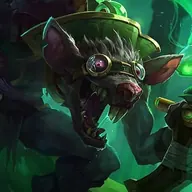
Why
Twitch can be favorable for Zeri because once he’s revealed, he dislikes extended fights where you keep moving and deny clean uptime. Twitch wants a surprise opening and dirty burst on a mispositioned target. Zeri can survive the entry, reset spacing, and punish once the fight becomes readable.
Lane impact
In lane, the main danger is stealth timings and roams: if you don’t respect his disappearance, you can get surprised. But with vision and a healthy wave, you limit his windows and force a more honest lane, which is less oppressive. Midgame, if you keep resources, you can often kite his R and win over time.
How to play
Key timing: the moment Twitch disappears, play as if an all-in is coming—back up, ping, ward, and wait for information. Positioning: keep a clear E escape line through terrain to break his spray angle. Concrete decision: when Twitch engages, don’t panic forward—kite back, extend the fight, and return to DPS after his immediate threat peak passes.
Why
This matchup can become favorable if you neutralize Jhin’s pick patterns, because in extended, equal fights Zeri often has more sustained DPS continuity and more reposition options. Jhin excels at opening fights, but he’s weaker at following fights that stretch and shift angles multiple times.
Lane impact
In lane, you still must survive his burst pressure and trap setups or you never reach your plan. But if you exit lane without heavy deficit, you can take over midgame objective fights where mobility and constant DPS matter more than a single burst window.
How to play
Key timing: play around 4th shot and root windows—deny these two tools and you simplify the matchup a lot. Positioning: stay out of obvious corridors and avoid trapped zones before the fight. Concrete decision: if you lack vision, don’t step forward just to ‘finish’ Jhin—be patient, force him back, and take space instead of running into a trap.