
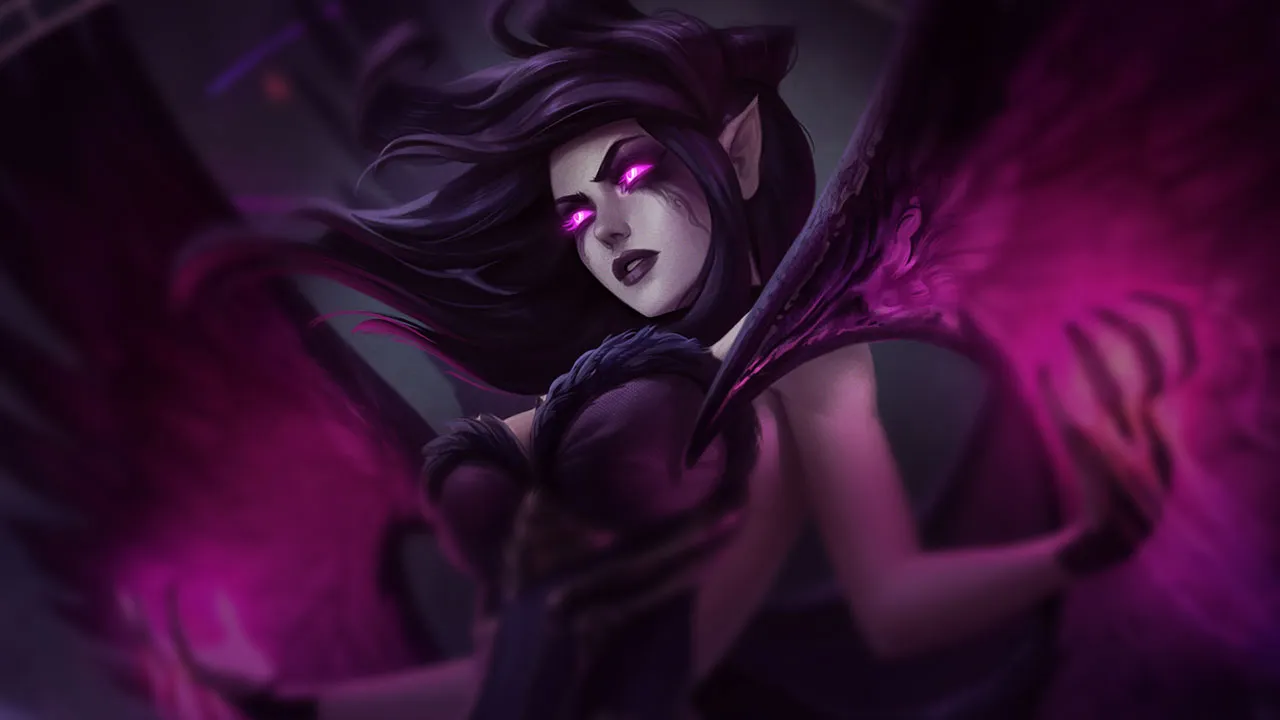
Morgana Wild Rift Counters Guide
Hard Counters
1These champions have a build and playstyle that directly overpower yours, which can make controlling the lane and farming extremely difficult. Their kit can neutralize your core strengths or punish you the moment you try to play your usual game plan. In these matchups, the goal is often to minimize mistakes and look for ways to win outside of direct confrontation.
Senna+2
Senna completely neutralizes your defensive utility because her heavy physical harass from basic attacks and Piercing Darkness entirely bypasses the magic damage absorption of Black Shield. While your Black Shield successfully prevents the root from Last Embrace, it absorbs zero damage from her trade patterns. This allows Senna to freely collect souls and scale her range while chipping your health bar down without any threat of a magic shield mitigation.
Senna build →
See details
The interaction that decides it
Senna deals physical damage that bypasses the magic damage absorption of Black Shield, though the shield still blocks Last Embrace's root.
Why
Senna completely neutralizes your defensive utility because her heavy physical harass from basic attacks and Piercing Darkness entirely bypasses the magic damage absorption of Black Shield. While your Black Shield successfully prevents the root from Last Embrace, it absorbs zero damage from her trade patterns. This allows Senna to freely collect souls and scale her range while chipping your health bar down without any threat of a magic shield mitigation.
Lane impact
You are constantly shoved under tower because Senna's Piercing Darkness easily heals back any chip damage from Tormented Shadow while poking you down. Trading becomes impossible; she outranges you over time, forcing early recalls and letting her stack passive mist unchecked. This continuous pressure locks you in lane, preventing any roam opportunities to help your jungler, while your ADC is forced to farm under constant threat of tower dives.
How to play
Shift your build priority entirely toward physical defense items to survive her heavy physical trades. Do not waste Dark Binding trying to fish for long-range catches through minion waves; hold it strictly as a defensive tool when she steps forward to harvest mist. If she misses Last Embrace, use that brief window to safely drop Tormented Shadow for wave control, staying positioned behind your minions to break her direct line of sight.
Unfavorable
5These champions have tools that generally give them the edge in a fight, without making the matchup unwinnable. They might have more range, a better ability to soak up your offense, or more ways to answer your engages. You'll need to adapt your approach and carefully pick your moments to accept a fight.

Soraka+1
Soraka completely shuts down your defensive utility due to an asymmetric casting window. Whenever you attempt to react with Black Shield or fish for a Dark Binding, Soraka can instantly drop Equinox under you. This instant silence prevents you from activating Black Shield in time to block incoming crowd control or damage for your ally, while she safely out-sustains any trade using Astral Infusion and Starcall.
Soraka build →
See details
The interaction that decides it
Equinox instantly silences Morgana, preventing her from casting Black Shield to protect herself or her ally during trades.
Why
Soraka completely shuts down your defensive utility due to an asymmetric casting window. Whenever you attempt to react with Black Shield or fish for a Dark Binding, Soraka can instantly drop Equinox under you. This instant silence prevents you from activating Black Shield in time to block incoming crowd control or damage for your ally, while she safely out-sustains any trade using Astral Infusion and Starcall.
Lane impact
This constant threat turns short trades heavily in her favor. Whenever your marksman takes damage, you cannot reliably protect them if Equinox is active. Soraka easily negates your Tormented Shadow poke by keeping her lane partner healthy with Astral Infusion and Wish, slowly draining your mana while forcing your duo to concede wave priority and take unfavorable early recalls.
How to play
To survive this lane, you must bait out Equinox without committing your own spells first. Walk forward to feign an incoming Dark Binding, then immediately step back to force Soraka to waste her silence. Once her silence zone disappears, you have a brief opening to safely protect your marksman with Black Shield and look for a Dark Binding catch. If she refuses to cast her zone first, refuse any aggressive trade.

Zyra+1
Zyra completely neutralizes your offensive threat because the plants she spawns with Rampant Growth act as active shields against your Dark Binding. Every time you attempt to fish for an immobilization, she can reactively block the projectile with a newly sprouted plant. This leaves you unable to initiate trades or secure picks, forcing you to play defensively as your main pick tool is constantly absorbed by her summons.
Zyra build →
See details
The interaction that decides it
Zyra's plants spawned by Rampant Growth can block Dark Binding, preventing Morgana from finding picks in lane.
Why
Zyra completely neutralizes your offensive threat because the plants she spawns with Rampant Growth act as active shields against your Dark Binding. Every time you attempt to fish for an immobilization, she can reactively block the projectile with a newly sprouted plant. This leaves you unable to initiate trades or secure picks, forcing you to play defensively as your main pick tool is constantly absorbed by her summons.
Lane impact
Because your primary catch tool is rendered useless, Zyra safely dictates the wave's position. She will constantly push you under tower using Deadly Spines and Grasping Roots to spawn ranged plants that chip away at your health. You are forced to use Tormented Shadow just to thin the waves rather than zoning, which keeps you pinned down, conceding all river priority and dragon pit control to the enemy team.
How to play
To survive, focus entirely on matching her push by placing Tormented Shadow directly on the caster minions. Never throw Dark Binding while her Rampant Growth seeds are active in your direct line of sight. Instead, hold your Black Shield to negate the roots from her Grasping Roots or the knock-up from Stranglethorns on your carry. If she wastes her seeds, only then can you look for a brief window to retaliate or set up Soul Shackles.

Sona+1
Sona's lane sustain completely shuts down your main trading pattern. Every time you drop Tormented Shadow to wear down her or her marksman, she immediately counters the damage with Aria of Perseverance. Because Soul Siphon only heals you when you inflict damage, her constant shielding denies your passive healing. This effortless negation allows Sona to safely accumulate gold and experience, reaching her powerhouse late-game scaling without ever facing real pressure.
Sona build →
See details
The interaction that decides it
Aria of Perseverance easily nullifies Tormented Shadow poke, allowing Sona to safely scale into her dominant late game.
Why
Sona's lane sustain completely shuts down your main trading pattern. Every time you drop Tormented Shadow to wear down her or her marksman, she immediately counters the damage with Aria of Perseverance. Because Soul Siphon only heals you when you inflict damage, her constant shielding denies your passive healing. This effortless negation allows Sona to safely accumulate gold and experience, reaching her powerhouse late-game scaling without ever facing real pressure.
Lane impact
You cannot win an attrition war, meaning mindless pushing only helps Sona farm safely under tower. If you waste mana on Tormented Shadow to clear waves, Sona will use Hymn of Valor and her Power Chord to punish you while you lack pressure. This lack of threat forces you into awkward recall timings and concedes priority, letting her team secure early drakes while you are stuck protecting your turret from her slow, relentless push.
How to play
To survive, stop using your pool for random damage and instead freeze the minions near your turret. Force Sona to overextend if she wants to poke. You must hold Dark Binding as a deterrent; never throw it unless her Song of Celerity is down and she is mispositioned. If she tries to initiate with Crescendo, react instantly with Black Shield on your carry to block the stun, then counter-engage using Soul Shackles to turn her scaling advantage against her.
Other matchups

Skill Matchups
6These matchups are above all duels of execution: both champions have credible ways to gain the upper hand. Dodging one key ability, anticipating an engage correctly, or a single positioning mistake can be enough to tip the duel one way or the other. Knowing the matchup and recognizing the right windows to act are especially important here.

Nami±0
This matchup is a pure test of reaction speeds and baiting. While your Black Shield completely nullifies Nami's Aqua Prison, a clever Nami will not throw her bubble immediately. Instead, she utilizes the bounce of Ebb and Flow to chip away at your shield's health or trigger your cast early. Because of this, the lane becomes a high-stakes duel centered around who forces the other's defensive tools first.
Nami build →
See details
The interaction that decides it
Black Shield can block Aqua Prison, but Nami can bait it out with Ebb and Flow bounces before committing her crowd control.
Why
This matchup is a pure test of reaction speeds and baiting. While your Black Shield completely nullifies Nami's Aqua Prison, a clever Nami will not throw her bubble immediately. Instead, she utilizes the bounce of Ebb and Flow to chip away at your shield's health or trigger your cast early. Because of this, the lane becomes a high-stakes duel centered around who forces the other's defensive tools first.
Lane impact
When Nami successfully baits your Black Shield using Ebb and Flow, her duo gains massive pressure. They can immediately push the wave with Tidecaller's Blessing, leaving you unable to contest without risking a devastating Aqua Prison. Conversely, if you hold your shield, Nami is forced to play passively, allowing your Dark Binding and Tormented Shadow to safely dictate the wave's positioning and push them under tower.
How to play
Never cast Black Shield merely to absorb the poke from Ebb and Flow; you must save it exclusively to block the airborne effect of Aqua Prison or Tidal Wave. If Nami imbues her carry with Tidecaller's Blessing, step back and let the slow expire. When you miss Dark Binding, immediately retreat to prevent Nami from capitalizing on your downtime, using Soul Shackles only when her wave-clearing bounces are depleted.

Janna±0
This lane is a pure contest of utility and reflexes. Your Black Shield is the ultimate counter to Janna's primary tools, completely absorbing the slow from Zephyr and preventing the knockup of Howling Gale. However, this safety is bidirectional. When you try to engage with Soul Shackles, Janna can easily disrupt your ultimate's tether range by activating Monsoon, pushing you back before the stun can trigger.
Janna build →
See details
The interaction that decides it
Morgana's Black Shield blocks the knockup from Howling Gale and slow from Zephyr, but Janna can still use Monsoon to push Morgana away during Soul Shackles.
Why
This lane is a pure contest of utility and reflexes. Your Black Shield is the ultimate counter to Janna's primary tools, completely absorbing the slow from Zephyr and preventing the knockup of Howling Gale. However, this safety is bidirectional. When you try to engage with Soul Shackles, Janna can easily disrupt your ultimate's tether range by activating Monsoon, pushing you back before the stun can trigger.
Lane impact
Trade dynamics revolve entirely around shield timings and positioning. Janna will shield her ADC with Eye of the Storm to win brief auto-attack trades, while you must use Tormented Shadow to match her wave clear. Neither of you can easily force a kill. A missed Dark Binding allows Janna to poke safely, whereas a wasted Black Shield leaves your carry vulnerable to a fast Howling Gale trade.
How to play
To break the stalemate, hold your Black Shield reactively rather than using it pre-emptively. Never cast Soul Shackles while Janna has Monsoon available unless you can bait her ultimate first or corner her against a wall. Position yourself parallel to your carry to split her Zephyr pressure. If she wastes her Howling Gale to poke, immediately step forward to fish for a Dark Binding, triggering your Soul Siphon healing to win the health trade.

Seraphine±0
This lane is a pure battle of distances. Your Black Shield is the perfect reactive answer to Seraphine's high-impact Encore, completely neutralizing her primary engagement tool. However, Seraphine's extreme range with Stage Presence and High Note allows her to poke you from absolute safety, making it incredibly difficult for you to step up and land a clean Dark Binding without getting chipped down first.
Seraphine build →
See details
The interaction that decides it
While Black Shield can block the charm from Encore, Seraphine's superior range makes it difficult for Morgana to land Dark Binding.
Why
This lane is a pure battle of distances. Your Black Shield is the perfect reactive answer to Seraphine's high-impact Encore, completely neutralizing her primary engagement tool. However, Seraphine's extreme range with Stage Presence and High Note allows her to poke you from absolute safety, making it incredibly difficult for you to step up and land a clean Dark Binding without getting chipped down first.
Lane impact
Because Seraphine easily outranges you, she can safely push the wave using High Note while keeping her distance. You cannot easily threaten her with Tormented Shadow without taking a retaliatory Beat Drop. Consequently, this lane becomes a slow war of attrition where Morgana is pushed under tower, forcing you to prioritize using Soul Siphon on the wave to sustain, while saving your mana for defensive shields rather than aggressive binds.
How to play
To survive and win this matchup, stand diagonally to your ADC to split Seraphine's poke, preventing her from hitting both of you with High Note. Never throw a raw Dark Binding unless she locks herself in place casting Encore; instead, hold your bind to threaten her if she steps forward to use Beat Drop. If she misses her double-cast, immediately walk up to zone her. If you get chunked, use Tormented Shadow on the caster minions to trigger Soul Siphon and recover health safely.
Other matchups


Favorable
25These champions generally struggle to answer your main strengths, which lets you approach the matchup with more freedom. You often have several ways to pressure them and force trades that go in your favor. Use this advantage to dictate the pace rather than giving them time to get back into a comfortable position.

Bard−1
Morgana holds a massive advantage because her Black Shield completely nullifies Bard's primary pick tool, Cosmic Binding. Since Bard relies on landing this stun against walls or minions to trigger fights, your reactive shield shuts down his entire offensive threat. He cannot safely use Magical Journey to portal in because you can simply react to the projectile, leaving him vulnerable and unable to follow up.
Bard build →
See details
The interaction that decides it
Morgana's Black Shield can block the stun from Cosmic Binding, requiring Bard to bait it out before committing to an engage.
Why
Morgana holds a massive advantage because her Black Shield completely nullifies Bard's primary pick tool, Cosmic Binding. Since Bard relies on landing this stun against walls or minions to trigger fights, your reactive shield shuts down his entire offensive threat. He cannot safely use Magical Journey to portal in because you can simply react to the projectile, leaving him vulnerable and unable to follow up.
Lane impact
This interaction heavily limits Bard's ability to pressure your ADC or trade near terrain. Whenever he roams to collect chimes for Traveler's Call, you can easily shove the wave using Tormented Shadow and lock his ADC under tower. If Bard attempts to set up a dive with Tempered Fate, your Black Shield can save your carry from being isolated or set up for a double stun.
How to play
Never throw your Black Shield preemptively; wait for the animation of Cosmic Binding to begin. If Bard wastes this projectile, immediately punish him by casting Dark Binding and dropping Tormented Shadow underneath him. When he attempts to escape through a wall with Magical Journey, angle your Dark Binding directly at the exit of his portal. If he ults with Tempered Fate, prepare Soul Shackles to counter-engage the moment your team exits stasis.

Braum−1
Your entire advantage in this matchup hinges on how Black Shield completely nullifies Braum's passive, Concussive Blows. By shielding your ADC when they are about to hit that fourth stack, you deny his primary stun and stop his aggressive engage dead in its tracks. Since Braum relies on Winter's Bite to start his combo, your reactive shield leaves him overextended without any follow-up crowd control.
Braum build →
See details
The interaction that decides it
Morgana's Black Shield completely negates Braum's Concussive Blows stun, making it difficult for him to peel or lock down targets.
Why
Your entire advantage in this matchup hinges on how Black Shield completely nullifies Braum's passive, Concussive Blows. By shielding your ADC when they are about to hit that fourth stack, you deny his primary stun and stop his aggressive engage dead in its tracks. Since Braum relies on Winter's Bite to start his combo, your reactive shield leaves him overextended without any follow-up crowd control.
Lane impact
This interaction neuters Braum's ability to peel for his carry, allowing you to shove waves with Tormented Shadow without fearing a counter-engage. When Braum attempts to block your Dark Binding with Unbreakable, he is forced to waste his main defensive cooldown. This creates massive pressure windows where your duo can safely poke him down under tower, securing early plate gold.
How to play
Never throw Dark Binding while Braum has Unbreakable active; wait for him to drop it or use Tormented Shadow to force his movement first. Save Black Shield strictly for when Concussive Blows reaches three stacks on your ally or when Braum winds up Glacial Fissure. If you miss your binding, immediately step back to avoid Winter's Bite, relying on your range advantage to reset and wait out his defensive buff durations.

Karma−1
This matchup swings heavily in your favor because Black Shield completely shuts down Karma's primary pick potential. When Karma tries to lock down your ADC with Focused Resolve, a timely Black Shield completely absorbs the magic damage and negates the impending root. This leaves Karma overextended without her primary crowd control tool, stripping her of the utility needed to force favorable skirmishes.
Karma build →
See details
The interaction that decides it
Morgana's Black Shield completely negates the root from Focused Resolve, allowing her ADC to walk away safely.
Why
This matchup swings heavily in your favor because Black Shield completely shuts down Karma's primary pick potential. When Karma tries to lock down your ADC with Focused Resolve, a timely Black Shield completely absorbs the magic damage and negates the impending root. This leaves Karma overextended without her primary crowd control tool, stripping her of the utility needed to force favorable skirmishes.
Lane impact
Knowing her tether is useless against your barrier, Karma is forced to play passively, relying solely on Inner Flame for poke. This allows your duo to easily control the bush line. If she tries to step up to charge her Mantra passive, she exposes herself to Dark Binding. You can constantly threaten her with a snare, forcing her to burn Inspire defensively rather than using it to speed up her AD carry.
How to play
Never waste Black Shield on Karma's initial Inner Flame poke; save it strictly to react to the Focused Resolve tether. Stand parallel to your ADC to quickly block the link, then immediately counter-attack with Dark Binding while she is stuck in her casting animation. If she activates Mantra, back off momentarily to let her empowered state expire before dropping Tormented Shadow to force her off the wave.

Lux−1
This matchup leans heavily in your favor because Black Shield completely neutralizes Lux's primary catch tool, Light Binding. Since Lux relies entirely on landing her root to setup Lucent Singularity and Final Spark, your ability to reactively shield your carry nullifies her entire burst rotation. Without that initial crowd control, Lux's offensive threat evaporates, leaving her vulnerable.
Lux build →
See details
The interaction that decides it
Morgana's Black Shield can reactively block Lux's Light Binding, completely denying her pick and burst potential.
Why
This matchup leans heavily in your favor because Black Shield completely neutralizes Lux's primary catch tool, Light Binding. Since Lux relies entirely on landing her root to setup Lucent Singularity and Final Spark, your ability to reactively shield your carry nullifies her entire burst rotation. Without that initial crowd control, Lux's offensive threat evaporates, leaving her vulnerable.
Lane impact
In lane, this interaction strips Lux of her zoning power. She cannot step up to threaten trades or poke with Lucent Singularity without risking a counter-engage. Whenever she wastes Light Binding on your Black Shield, you gain complete lane dominance. This allows you to safely push the wave with Tormented Shadow, force her under turret, and deny her adc comfortable farm while minimizing their recall options.
How to play
To execute this, hold Black Shield exclusively for Lux's Light Binding; never waste it preemptively on her Lucent Singularity poke. Position yourself slightly parallel to your ADC to quickly shield whichever target she aims for. If she misses her root or you block it, immediately retaliate with Dark Binding and Tormented Shadow. If you miss your own binding, fall back behind your minions until your cooldowns recover.
Thresh−1
Morgana holds a distinct advantage because Black Shield completely invalidates Thresh's primary engage tool, Death Sentence. Whenever Thresh attempts to hook your ADC, a well-timed shield absorbs the magic damage and prevents the stun, rendering his follow-up Flay or The Box completely useless. However, because Black Shield has a massive cooldown compared to Death Sentence, Thresh can exploit this window if he baits your shield early.
Thresh build →
See details
The interaction that decides it
Black Shield completely negates Death Sentence, but its long cooldown leaves a window of vulnerability if baited.
Why
Morgana holds a distinct advantage because Black Shield completely invalidates Thresh's primary engage tool, Death Sentence. Whenever Thresh attempts to hook your ADC, a well-timed shield absorbs the magic damage and prevents the stun, rendering his follow-up Flay or The Box completely useless. However, because Black Shield has a massive cooldown compared to Death Sentence, Thresh can exploit this window if he baits your shield early.
Lane impact
This interaction completely stifles Thresh's aggressive positioning. He cannot safely fish for hooks, allowing your lane to freely poke with Tormented Shadow and assert brush control. Since Thresh is forced to play defensively, you can easily push the wave to chip at their tower. However, if you waste your shield, the lane dynamic instantly flips, forcing you to retreat to avoid a devastating all-in.
How to play
Never cast Black Shield preemptively when Thresh just walks forward; wait until you actually see the animation of Death Sentence release. If he misses his hook, immediately punish him by fishing for a Dark Binding while his primary tool is down, pooling Tormented Shadow underneath him to trigger Soul Siphon healing. Should you accidentally burn your shield on a fake-out, immediately fall back behind your minion wave until your cooldown recovers.
Pyke−1
Morgana hard counters Pyke's primary catch tools in lane. A well-timed Black Shield completely negates both the pull from Bone Skewer and the trailing stun of Phantom Undertow, rendering his aggressive dives useless. Because his engage relies entirely on these predictable CC telegraphs, Pyke cannot easily find pick opportunities on you or your ADC, forcing him to rely on Ghostwater Dive to seek plays elsewhere.
Pyke build →
See details
The interaction that decides it
Black Shield blocks the pull from Bone Skewer and the stun from Phantom Undertow, but Pyke's high mobility allows him to easily roam.
Why
Morgana hard counters Pyke's primary catch tools in lane. A well-timed Black Shield completely negates both the pull from Bone Skewer and the trailing stun of Phantom Undertow, rendering his aggressive dives useless. Because his engage relies entirely on these predictable CC telegraphs, Pyke cannot easily find pick opportunities on you or your ADC, forcing him to rely on Ghostwater Dive to seek plays elsewhere.
Lane impact
During the laning phase, you hold absolute control over the trade pacing. Pyke is forced to play defensively, unable to threaten your ADC under threat of your Dark Binding punishing his missed hooks. However, since he cannot engage directly, he will quickly abandon the lane using Ghostwater Dive to roam. This shifts the pressure from your bot lane directly onto your midlaner or jungler.
How to play
Never waste Black Shield reactively on minor poke; hold it strictly for when Pyke charges Bone Skewer or dashes forward with Phantom Undertow. When he vanishes into Ghostwater Dive to look for roams, immediately deploy Tormented Shadow to shove the wave hard, punishing his absence by crashing minions. If you must follow his roam, keep your distance and prepare to cut him off with Dark Binding before he can reach his target.

Yuumi−1
Morgana scales incredibly well because Yuumi's attachment mechanic with You and Me! becomes a liability against Soul Shackles. When you trigger your ultimate, the host must drag Yuumi away or both get stunned, isolating them. Additionally, Black Shield completely negates Yuumi's slow from Prowling Projectile and the root from Final Chapter, shutting down her entire utility kit while Tormented Shadow constantly punishes their static positioning.
Yuumi build →
See details
The interaction that decides it
Soul Shackles forces Yuumi's attached ally to retreat or face a stun, exposing Yuumi if her host dies.
Why
Morgana scales incredibly well because Yuumi's attachment mechanic with You and Me! becomes a liability against Soul Shackles. When you trigger your ultimate, the host must drag Yuumi away or both get stunned, isolating them. Additionally, Black Shield completely negates Yuumi's slow from Prowling Projectile and the root from Final Chapter, shutting down her entire utility kit while Tormented Shadow constantly punishes their static positioning.
Lane impact
This interaction forces Yuumi's ADC into a defensive posture, fearing your forward positioning. You can easily control the wave with Tormented Shadow, pinning them under tower. Since Yuumi relies on Zoomies to sustain trades, forcing her host to constantly run from Dark Binding or Soul Shackles drains their mana rapidly. This pressure prevents Yuumi from safely detaching to trigger Bop 'n' Block, destroying their lane sustain.
How to play
Walk aggressively past the minion wave when Yuumi's host is isolated. Hold Dark Binding until they are forced to run in a straight line to escape your Soul Shackles. If Yuumi attempts to block your skillshots, cast Tormented Shadow directly under her to punish her low health pool. When Final Chapter is cast, immediately place Black Shield on your carry to allow them to keep chasing the host without getting rooted.

Rakan−1
Rakan relies entirely on diving forward to initiate skirmishes, but his predictable movement plays directly into your hands. Because Grand Entrance features a brief, highly visible delay before the knock-up triggers, you have more than enough time to react. You can either protect his target with Black Shield to completely absorb the crowd control or intercept his dash mid-air with Dark Binding, neutralizing his primary engage tool entirely.
Rakan build →
See details
The interaction that decides it
Grand Entrance has a brief delay, allowing Morgana to easily react with Black Shield or interrupt him with Dark Binding.
Why
Rakan relies entirely on diving forward to initiate skirmishes, but his predictable movement plays directly into your hands. Because Grand Entrance features a brief, highly visible delay before the knock-up triggers, you have more than enough time to react. You can either protect his target with Black Shield to completely absorb the crowd control or intercept his dash mid-air with Dark Binding, neutralizing his primary engage tool entirely.
Lane impact
This matchup turns Rakan into a passive protector rather than an active playmaker. Since he cannot safely cast Grand Entrance without being punished, your duo enjoys total control over the lane's pace. You can freely poke with Tormented Shadow to wear down his Fey Feathers shield and punish his ADC. Rakan is forced to waste Battle Dance defensively, draining his mana while you safely command the space around the minion waves.
How to play
Position yourself slightly parallel to your carry to ensure your Black Shield is always within casting range when Rakan steps up. Never throw Dark Binding blindly; hold it specifically to punish his Grand Entrance trajectory or to stop him when he rushes forward with The Quickness. If he tries to flank with his ultimate, trigger Soul Shackles immediately to stun him as he attempts to use Battle Dance to escape back to safety.

Galio−2
This matchup is heavily in your favor because Black Shield completely invalidates Galio's entire engage pattern. When Galio attempts to dive in with Justice Punch or charge up his Shield of Durand, a well-timed Black Shield on his target negates the knockup and the taunt entirely. Without his crowd control, Galio's threat is reduced to zero, leaving him vulnerable to a quick Dark Binding and Tormented Shadow counter-engage.
Galio build →
See details
The interaction that decides it
Morgana's Black Shield completely blocks the knockup from Justice Punch and the taunt from Shield of Durand, neutralizing Galio's entire kit.
Why
This matchup is heavily in your favor because Black Shield completely invalidates Galio's entire engage pattern. When Galio attempts to dive in with Justice Punch or charge up his Shield of Durand, a well-timed Black Shield on his target negates the knockup and the taunt entirely. Without his crowd control, Galio's threat is reduced to zero, leaving him vulnerable to a quick Dark Binding and Tormented Shadow counter-engage.
Lane impact
During the laning phase, Galio is forced into passive play, unable to step up to execute Colossal Smash or secure wave priority. Your carry can farm in complete safety while you punish Galio with Tormented Shadow every time he tries to use Winds of War on the wave. Trades are entirely one-sided; his failed engages drain his health pool, allowing you to establish absolute bush control and force early recalls.
How to play
To secure this advantage, never throw Black Shield blindly; hold it strictly to react to the start of Galio's Justice Punch animation or his Shield of Durand charge. Position yourself slightly behind your ADC to bait Galio into targeting them, making your shield target obvious. If you miss your Dark Binding, back off immediately until its cooldown returns, preventing him from utilizing Hero's Entrance to turn the tide of a skirmish.

Leona−2
Morgana holds a massive advantage because Black Shield completely negates Leona's primary engage tools. Reacting to Zenith Blade or Shield of Daybreak with Black Shield leaves Leona stranded in the middle of your minion wave with no follow-up crowd control. This interaction shifts the pressure entirely onto Leona, who cannot safely commit without first baiting out your defensive shield, allowing you to dictate the pace of every skirmish.
Leona build →
See details
The interaction that decides it
Morgana can reactively block Zenith Blade or Shield of Daybreak with Black Shield, forcing Leona to bait the shield before engaging.
Why
Morgana holds a massive advantage because Black Shield completely negates Leona's primary engage tools. Reacting to Zenith Blade or Shield of Daybreak with Black Shield leaves Leona stranded in the middle of your minion wave with no follow-up crowd control. This interaction shifts the pressure entirely onto Leona, who cannot safely commit without first baiting out your defensive shield, allowing you to dictate the pace of every skirmish.
Lane impact
Because Leona cannot engage reliably, you can safely walk up to harass her with Tormented Shadow and fish for Dark Binding. This pressure forces Leona and her carry under their turret, granting your lane priority for early drakes or scuttle crabs. Leona's health bar will constantly dwindle from your poke, making her too weak to find a proper engage window, which secures you easy recall timings and tower plate gold.
How to play
Hold your Black Shield strictly for Leona's Zenith Blade animation or an obvious Solar Flare. Never waste it preemptively, as its long cooldown is her only window of opportunity. Position yourself parallel to your carry to instantly shield whoever Leona targets. If she misses Zenith Blade, immediately punish her with Dark Binding followed by Tormented Shadow to trigger Soul Siphon healing, keeping your health pool too high for her to ever burst you down.
Malphite−2
Malphite's entire threat profile hinges on the sudden engage of Unstoppable Force, but Morgana completely neutralizes this with Black Shield. By casting her spell shield on the target of his dive, she absorbs the magic damage and entirely blocks the knockup. This leaves Malphite stranded deep in your lines, making him an easy target to lock down with Dark Binding.
Malphite build →
See details
The interaction that decides it
Morgana's Black Shield completely negates the knockup from Unstoppable Force, leaving Malphite stranded in the enemy team.
Why
Malphite's entire threat profile hinges on the sudden engage of Unstoppable Force, but Morgana completely neutralizes this with Black Shield. By casting her spell shield on the target of his dive, she absorbs the magic damage and entirely blocks the knockup. This leaves Malphite stranded deep in your lines, making him an easy target to lock down with Dark Binding.
Lane impact
This matchup strips Malphite of his lane pressure. Whenever he attempts to poke with Seismic Shard, you can easily deploy Tormented Shadow to melt his Granite Shield passive before he can engage. This constant pressure forces him to play under tower, preventing him from roaming. Once level five arrives, he cannot threaten a dive because Black Shield deters aggressive Unstoppable Force attempts.
How to play
Keep a safe distance to bait Malphite's Seismic Shard, but always hold your Black Shield specifically for his Unstoppable Force. Do not waste your spell shield on his poke. If he dashes forward, reactively shield his target, then immediately drop Tormented Shadow under him and chain it with Dark Binding. If your binding misses, immediately activate Soul Shackles to stun him and prevent his escape.

Nautilus−2
This matchup is heavily skewed in your favor because Black Shield completely shuts down Nautilus's primary threat tools. When Nautilus attempts to initiate with Dredge Line or lock down your carry using Depth Charge, your spell shield absorbs the crowd control, leaving him stranded in the middle of the lane. Without his signature displacement and knock-up, Nautilus cannot reliably peel or engage, turning his aggressive playstyle into a liability.
Nautilus build →
See details
The interaction that decides it
Black Shield negates both Dredge Line and Depth Charge, completely neutralizing Nautilus's ability to lock down your carry.
Why
This matchup is heavily skewed in your favor because Black Shield completely shuts down Nautilus's primary threat tools. When Nautilus attempts to initiate with Dredge Line or lock down your carry using Depth Charge, your spell shield absorbs the crowd control, leaving him stranded in the middle of the lane. Without his signature displacement and knock-up, Nautilus cannot reliably peel or engage, turning his aggressive playstyle into a liability.
Lane impact
Because Nautilus cannot freely fish for hooks, you and your marksman dictate the lane's pace. You can safely poke him down with Tormented Shadow whenever he steps up to execute minions. Since he cannot force favorable trades through Dredge Line, he is forced to play defensively, surrendering bush control and allowing you to safely push the wave under his tower while fishing for easy Dark Binding locks.
How to play
Position yourself parallel to your carry, ensuring you are always in range to cast Black Shield the instant Nautilus winds up Dredge Line. Never waste Black Shield preemptively; hold it specifically to react to his animations. If he gets close enough to trigger Staggering Blow, use Dark Binding to root him in place before he can auto-attack, then immediately follow up with Tormented Shadow and Soul Shackles to punish his failed engage.

Maokai−2
You completely dictate this lane because your Black Shield entirely neutralizes Maokai's primary threat. When he attempts to engage with Twisted Advance, your spell shield negates the root entirely, leaving him stranded deep in your territory. Deprived of his target lockdown, the treant becomes an easy target for a point-blank Dark Binding, turning his aggressive dive into a disastrous overextension for his bot lane.
Maokai build →
See details
The interaction that decides it
Morgana's Black Shield (E) negates the root from Twisted Advance (W), leaving Maokai stranded deep in enemy lines without securing the target.
Why
You completely dictate this lane because your Black Shield entirely neutralizes Maokai's primary threat. When he attempts to engage with Twisted Advance, your spell shield negates the root entirely, leaving him stranded deep in your territory. Deprived of his target lockdown, the treant becomes an easy target for a point-blank Dark Binding, turning his aggressive dive into a disastrous overextension for his bot lane.
Lane impact
This interaction strips Maokai of his bush control and zone pressure. Since he cannot safely commit with Twisted Advance, his Sapling Toss becomes a minor nuisance rather than a setup tool. You can freely harass him with Tormented Shadow whenever he approaches the wave, steadily chipping away at his health. This constant pressure forces his duo under tower, securing easy priority and neutral control for your team.
How to play
Never waste your Black Shield on his Sapling Toss poke ; save it exclusively to react to Twisted Advance. Stand parallel to your marksman so you can instantly shield whoever he targets. The moment Maokai's root fails, immediately chain Dark Binding on him while he is stuck in his animation. If he attempts to disengage using Nature's Grasp to cover his retreat, activate Soul Shackles to lock him down permanently and secure the kill.
Rell−2
Morgana completely shuts down Rell's aggressive playstyle because Rell relies on heavily telegraphed, slow-motion engage tools to start fights. The moment Rell leaps or charges forward, a reactive Black Shield absorbed by your ADC completely invalidates her crowd control. Without her initial knock-up landing, Rell is left stranded and highly vulnerable in the middle of your minion wave.
Rell build →
See details
The interaction that decides it
Rell's highly telegraphed engage tools are easily reacted to and neutralized by a well-timed Black Shield.
Why
Morgana completely shuts down Rell's aggressive playstyle because Rell relies on heavily telegraphed, slow-motion engage tools to start fights. The moment Rell leaps or charges forward, a reactive Black Shield absorbed by your ADC completely invalidates her crowd control. Without her initial knock-up landing, Rell is left stranded and highly vulnerable in the middle of your minion wave.
Lane impact
This interaction gives you absolute control over the lane's pace. Because Rell cannot safely engage, her ADC is forced to play defensively, allowing you to constantly push with Tormented Shadow. You can chip away at their tower and force them under pressure. If Rell ever whiffs her engage onto your Black Shield, she is stuck in melee range, allowing you to secure massive health advantages.
How to play
Never cast Black Shield preemptively; hold it specifically for the exact moment Rell commits her body forward. Stand parallel to your ADC to bait her into choosing a target, making her trajectory predictable. If she misses or gets blocked, immediately punish her with Dark Binding and pool Tormented Shadow underneath her slow, dismounted form. If she tries to disengage, trigger Soul Shackles to force a flash.

Alistar−3
This matchup is heavily in your favor because Black Shield completely neutralizes Alistar’s entire identity. When Alistar attempts his Headbutt into Pulverize initiator combo, a well-timed Black Shield on his target entirely absorbs the knock-up and knock-back. This leaves the massive minotaur sitting uselessly deep in your minion wave, having burned his primary crowd control tools while remaining completely exposed to your retaliation.
Alistar build →
See details
The interaction that decides it
Morgana's Black Shield completely absorbs the crowd control of Alistar's Headbutt-Pulverize combo, leaving him stranded in the enemy minion wave.
Why
This matchup is heavily in your favor because Black Shield completely neutralizes Alistar’s entire identity. When Alistar attempts his Headbutt into Pulverize initiator combo, a well-timed Black Shield on his target entirely absorbs the knock-up and knock-back. This leaves the massive minotaur sitting uselessly deep in your minion wave, having burned his primary crowd control tools while remaining completely exposed to your retaliation.
Lane impact
Because Alistar cannot reliably engage without risking a disastrous counter-attack, his lane partner is forced to play extremely defensively. You can safely position forward to poke with Tormented Shadow, slowly grinding down their health. Since Alistar’s Triumphant Roar only offers minor sustain, your constant pressure forces them under tower, allowing your duo to easily control the wave state and secure deep river vision with absolute safety.
How to play
Never cast Black Shield proactively; hold it specifically for the moment Alistar winds up his Headbutt. Stand slightly behind your ADC to bait his advance, then immediately react with your shield. Once Alistar’s combo fails and he is stranded, lock him down instantly with Dark Binding and drop Tormented Shadow underneath him. If he activates Unbreakable Will to survive, disengage immediately and wait out its duration before resuming your aggressive poke.

Blitzcrank−3
Morgana completely neutralizes Blitzcrank's primary threat through her reaction time. Whenever Blitzcrank attempts to pull an ally with Rocket Grab, Morgana can instantly cast Black Shield to absorb the magic damage and completely block the displacement. Without the threat of his hook, Blitzcrank is stripped of his lane presence, rendering his Power Fist and Static Field follow-ups completely useless before they can even be executed.
Blitzcrank build →
See details
The interaction that decides it
Morgana can reactively cast Black Shield to completely block Rocket Grab, neutralizing Blitzcrank's entire lane presence.
Why
Morgana completely neutralizes Blitzcrank's primary threat through her reaction time. Whenever Blitzcrank attempts to pull an ally with Rocket Grab, Morgana can instantly cast Black Shield to absorb the magic damage and completely block the displacement. Without the threat of his hook, Blitzcrank is stripped of his lane presence, rendering his Power Fist and Static Field follow-ups completely useless before they can even be executed.
Lane impact
Because Rocket Grab is neutralized, your duo can safely step past the minion wave to establish high lane pressure. Blitzcrank cannot step up with Overdrive to threaten trades, allowing you to poke him down using Tormented Shadow. This constant harass forces him under his tower, draining his Mana Barrier early. He is forced into bad recall timings, losing all roaming priority to help his jungler.
How to play
Never use Black Shield preemptively, as a smart Blitzcrank will bait it with Overdrive before using Rocket Grab. Keep your distance and hold your shield strictly for the hook's projectile animation. If you miss your shield timing and your ADC gets pulled, immediately throw Dark Binding at the enemy ADC to prevent them from following up on the crowd control, then place Tormented Shadow underneath them to force a retreat.
Other matchups





Unfavorable
8These champions have tools that generally give them the edge in a fight, without making the matchup unwinnable. They might have more range, a better ability to soak up your offense, or more ways to answer your engages. You'll need to adapt your approach and carefully pick your moments to accept a fight.

Yone+1
Yone's dual damage from Way of the Hunter and physical burst bypasses the magic-only damage absorption of Black Shield, leaving you vulnerable to his raw damage even if you block the knockup from Fate Sealed. Furthermore, his swift dashes via Mortal Steel and Soul Unbound make predicting his movement to land Dark Binding incredibly difficult, letting him close the distance and shred you before you can lock him down.
Yone build →
See details
The interaction that decides it
Black Shield (E) can block the knockup from Fate Sealed (R), but Yone's high physical damage and mobility make it difficult to land Dark Binding (Q).
Why
Yone's dual damage from Way of the Hunter and physical burst bypasses the magic-only damage absorption of Black Shield, leaving you vulnerable to his raw damage even if you block the knockup from Fate Sealed. Furthermore, his swift dashes via Mortal Steel and Soul Unbound make predicting his movement to land Dark Binding incredibly difficult, letting him close the distance and shred you before you can lock him down.
Lane impact
Yone will constantly threaten you with his third Mortal Steel cast, forcing you to play defensively under tower. When he initiates with Soul Unbound, you are forced to retreat, conceding mid-lane priority. This limits your ability to safely drop Tormented Shadow on the wave, resulting in early tower pressure and allowing Yone to roam freely into your jungle while you struggle to clear minions safely.
How to play
Never throw Dark Binding proactively while Yone has Soul Unbound available; save it exclusively to punish his return to his starting spirit clone or when he commits to a straight-line dash during Mortal Steel. Keep your distance when his wind queue is charged. If he initiates with Fate Sealed, instantly cast Black Shield on yourself to absorb the crowd control, then immediately drop Tormented Shadow under you and activate Soul Shackles to force him to retreat rather than completing his burst combo.
Vel'Koz+1
Vel'Koz dominates this lane from a distance that Morgana cannot easily close. His overwhelming range keeps you on the defensive, but the real danger lies in his passive true damage. While Black Shield absorbs his raw magic damage and successfully blocks his knockup's crowd control, it cannot mitigate the true damage burst that triggers when he lands three spells. This makes trading HP directly with him incredibly deceptive and dangerous.
Vel'Koz build →
See details
The interaction that decides it
Vel'Koz outranges Morgana significantly, and his passive true damage bypasses the magic shield of Black Shield (E), though it still blocks his knockup.
Why
Vel'Koz dominates this lane from a distance that Morgana cannot easily close. His overwhelming range keeps you on the defensive, but the real danger lies in his passive true damage. While Black Shield absorbs his raw magic damage and successfully blocks his knockup's crowd control, it cannot mitigate the true damage burst that triggers when he lands three spells. This makes trading HP directly with him incredibly deceptive and dangerous.
Lane impact
You are constantly forced under tower, using Tormented Shadow just to keep up with his relentless wave clear. Because Vel'Koz easily chips away at your health from absolute safety, you will find yourself forced into early, unfavorable recall timings. This keeps you pinned to your lane, completely sacrificing your ability to roam with Dark Binding or help your jungler secure the scuttle crabs, giving Vel'Koz free mid priority.
How to play
Stand diagonally from the minion wave to force Vel'Koz to choose between poking you or clearing minions. Never waste Black Shield proactively; hold it strictly to react to his knockup animation, ensuring you do not get disrupted. If he overextends to poke, try to catch him with a sudden Dark Binding from the brush. If you get poked down too low, abandon the turret plate, rely on Soul Siphon to safely regenerate health from afar, and wait for your jungler's gank.
Swain+1
This matchup is dictated by Swain's superior durability over time. While your Black Shield completely nullifies the root and pull of his Nevermove, preventing him from triggering Ravenous Flock on you, you cannot match his raw recovery once he unlocks Demonic Ascension. Your Soul Siphon healing relies on landing Tormented Shadow on immobilized targets, but Swain's ultimate provides constant, passive drain-tanking that easily outlasts your burst windows in extended mid-lane fights.
Swain build →
See details
The interaction that decides it
While Black Shield (E) blocks the pull from Nevermove (E), Swain's sustained healing during Demonic Ascension (R) outvalues Morgana in extended skirmishes.
Why
This matchup is dictated by Swain's superior durability over time. While your Black Shield completely nullifies the root and pull of his Nevermove, preventing him from triggering Ravenous Flock on you, you cannot match his raw recovery once he unlocks Demonic Ascension. Your Soul Siphon healing relies on landing Tormented Shadow on immobilized targets, but Swain's ultimate provides constant, passive drain-tanking that easily outlasts your burst windows in extended mid-lane fights.
Lane impact
During the early levels, you can easily match his wave clear by dropping Tormented Shadow on the wave. However, once Swain unlocks Demonic Ascension, the lane dynamic shifts. He will force extended trades where Death's Hand melts you at close range. Attempting to turn with Soul Shackles is futile because he heals through your burst, forcing you to play defensively and forfeit priority during his ultimate's duration.
How to play
To survive, you must play around his ultimate's cooldown. Save your Black Shield exclusively to block the return trajectory of Nevermove, denying his passive healing. Never commit your Dark Binding unless he has already wasted his crowd control, as you need it to disengage when he triggers Demonic Ascension. If he activates his ultimate, immediately break the tether using your movement, rather than trying to fight back with Soul Shackles, and wait for his form to expire before retaliating.

Yasuo+1
Yasuo holds all the cards in this matchup because his Wind Wall completely deletes your Dark Binding on reaction. Without the threat of your root, he can aggressively use Sweeping Blade to dash through minions and harass you. This forces you to play defensively, relying almost exclusively on Tormented Shadow to secure farm from afar while his Way of the Wanderer shield easily absorbs your passive healing attempts.
Yasuo build →
See details
The interaction that decides it
Wind Wall (W) can block Dark Binding (Q), forcing Morgana to rely on Tormented Shadow (W) for safe farming.
Why
Yasuo holds all the cards in this matchup because his Wind Wall completely deletes your Dark Binding on reaction. Without the threat of your root, he can aggressively use Sweeping Blade to dash through minions and harass you. This forces you to play defensively, relying almost exclusively on Tormented Shadow to secure farm from afar while his Way of the Wanderer shield easily absorbs your passive healing attempts.
Lane impact
You will find yourself constantly pushed under your turret, burning mana to match his waveclear with Tormented Shadow. Because your kill pressure is nonexistent while his wind barrier is up, Yasuo freely controls the wave tempo. You must constantly watch for his third Steel Tempest stack; although your Black Shield can negate the knockup and prevent his Last Breath, the physical damage from his basic attacks will still heavily dent your health.
How to play
To survive, use the ticking damage of Tormented Shadow to pop his Way of the Wanderer shield before looking for any trade. Never throw Dark Binding raw; instead, hold it to threaten him when he dashes close. If he misplays and wastes Wind Wall, you have a twenty-second opening to punish him. When he forces an all-in, activate Soul Shackles immediately, as the tether bypasses his barrier entirely and will force him to retreat or face an inevitable stun.
Zed+1
This matchup is highly volatile because your primary defensive tool, Black Shield, only absorbs magic damage. Zed’s entire burst kit is purely physical, meaning his Death Mark and physical combos completely bypass your shield's protection. Because you cannot block his raw damage, you are entirely reliant on landing Dark Binding the exact moment he reappears behind you from his ultimate to prevent his lethal follow-up.
Zed build →
See details
The interaction that decides it
Since Black Shield (E) only absorbs magic damage, it offers no protection against Zed's physical burst from Death Mark (R), requiring precise timing on Dark Binding (Q) when he reappears.
Why
This matchup is highly volatile because your primary defensive tool, Black Shield, only absorbs magic damage. Zed’s entire burst kit is purely physical, meaning his Death Mark and physical combos completely bypass your shield's protection. Because you cannot block his raw damage, you are entirely reliant on landing Dark Binding the exact moment he reappears behind you from his ultimate to prevent his lethal follow-up.
Lane impact
Zed’s Living Shadow allows him to poke you from safety with Razor Shuriken and Shadow Slash, forcing you to play defensively. You cannot contest deep waves easily; instead, you must rely on Tormented Shadow to clear minions safely from a distance. If you step up too far without Dark Binding ready, he will instantly trigger his Death Mark, threatening a solo kill that ruins your tower pressure and mid-priority.
How to play
Never throw Dark Binding proactively when Zed has his Living Shadow or Death Mark available, as missing it leaves you completely defenseless. When he targets you with Death Mark, stand still and prepare to cast Dark Binding directly behind your character model the instant he materializes. Follow up immediately with Tormented Shadow and Soul Shackles to lock him down, using Soul Siphon's passive healing to survive any lingering physical damage he managed to apply before your crowd control kicked in.
Talon+1
Morgana struggles because her defensive utility, Black Shield, only absorbs magic damage, leaving her completely vulnerable to Talon's physical burst from Noxian Diplomacy and Rake. Since you cannot block his AD scaling damage, your only defense is keeping him pinned. Using Tormented Shadow constantly to shove the minion waves forces him to clear under turret rather than jumping over walls with Assassin's Path.
Talon build →
See details
The interaction that decides it
Morgana must constantly shove the wave with Tormented Shadow (W) to pin Talon to his tower, as Black Shield (E) cannot absorb his physical damage.
Why
Morgana struggles because her defensive utility, Black Shield, only absorbs magic damage, leaving her completely vulnerable to Talon's physical burst from Noxian Diplomacy and Rake. Since you cannot block his AD scaling damage, your only defense is keeping him pinned. Using Tormented Shadow constantly to shove the minion waves forces him to clear under turret rather than jumping over walls with Assassin's Path.
Lane impact
This dynamic turns the lane into a non-interactive pushing war. If you fail to maintain wave priority, Talon will immediately use Assassin's Path to roam towards your side lanes, snowballing the game. You cannot trade directly; stepping up to land Dark Binding puts you in range of his Rake and Noxian Diplomacy combo. Keeping him busy defending his tower prevents his map-wide threat at the cost of your mana pool.
How to play
Place Tormented Shadow on the caster minions as soon as they arrive to secure priority. Never step past the halfway line of the lane, as an aggressive Noxian Diplomacy can trigger Blade's End. Hold Dark Binding exclusively to disengage if he dashes forward. If Talon activates Shadow Assault and disappears, immediately retreat towards your tower and ping missing, rather than trying to match his rotation through the unwarded jungle paths.

Jayce+1
This lane is highly unfavorable because your Black Shield only mitigates magic damage, leaving you completely exposed to physical threat. When Jayce swaps forms via Transform Mercury Cannon and jumps on you with To the Skies!, his heavy physical burst completely ignores your shield's protection. Additionally, his rapid-fire basic attacks from Lightning Field shred your health bar without your primary defensive tool offering any damage reduction.
Jayce build →
See details
The interaction that decides it
Morgana's Black Shield only absorbs magic damage, meaning Jayce's physical burst from To the Skies! and Hyper Charge completely bypasses its protection.
Why
This lane is highly unfavorable because your Black Shield only mitigates magic damage, leaving you completely exposed to physical threat. When Jayce swaps forms via Transform Mercury Cannon and jumps on you with To the Skies!, his heavy physical burst completely ignores your shield's protection. Additionally, his rapid-fire basic attacks from Lightning Field shred your health bar without your primary defensive tool offering any damage reduction.
Lane impact
You will constantly find yourself pushed under turret because his ranged waveclear easily matches your Tormented Shadow. Missing a single Dark Binding guarantees a swift counter-engage where he switches forms to leap on you. This forces you to bleed gold, lose your ability to roam for neutral skirmishes, and take heavy poke from his ranged form, leading to bad recall timings and lost turret plating.
How to play
Maintain a safe distance and rely exclusively on Tormented Shadow to farm waves from afar. Never use Dark Binding to poke; hold it strictly as a disengage tool to snare him mid-air when he attempts to jump in with To the Skies!. If he does manage to close the gap, cast Black Shield solely to negate the knockback from Thundering Blow, then retaliate with Soul Shackles to trigger your Soul Siphon healing.
Other matchups

Skill Matchups
14These matchups are above all duels of execution: both champions have credible ways to gain the upper hand. Dodging one key ability, anticipating an engage correctly, or a single positioning mistake can be enough to tip the duel one way or the other. Knowing the matchup and recognizing the right windows to act are especially important here.

Aurelion Sol±0
This even matchup revolves around how you deny Aurelion Sol's setup. While his Cosmic Creator stacks scale his threat, your Black Shield acts as a hard stopper to his primary zone control tools. Specifically, casting Black Shield completely negates both the gravitational pull of Singularity and the stun from Falling Star. This leaves Aurelion Sol vulnerable to your Dark Binding and Tormented Shadow counter-attacks since he cannot easily lock you down first.
Aurelion Sol build →
See details
The interaction that decides it
Morgana's Black Shield completely negates the pull of your Singularity and the stun of your Falling Star.
Why
This even matchup revolves around how you deny Aurelion Sol's setup. While his Cosmic Creator stacks scale his threat, your Black Shield acts as a hard stopper to his primary zone control tools. Specifically, casting Black Shield completely negates both the gravitational pull of Singularity and the stun from Falling Star. This leaves Aurelion Sol vulnerable to your Dark Binding and Tormented Shadow counter-attacks since he cannot easily lock you down first.
Lane impact
Because you can ignore his crowd control, the laning phase becomes a pure test of wave control. Aurelion Sol wants to drop Singularity to gather Stardust and clear waves, but you can match his push by dropping Tormented Shadow directly on the minions. If he tries to fly forward with Astral Flight to secure priority or pressure your tower, a well-timed Dark Binding can stop him mid-flight, turning his aggressive rotation into a lethal mistake.
How to play
To win this matchup, never waste Black Shield prematurely. Save this crucial spell specifically for when Aurelion Sol drops Singularity on top of you or casts Falling Star during a skirmish, allowing you to walk right out of his danger zones. When he begins to channel Breath of Light, immediately throw Dark Binding to lock him in place and drop Tormented Shadow underneath him. If he escapes with Astral Flight, immediately back off and focus on clearing the incoming wave.
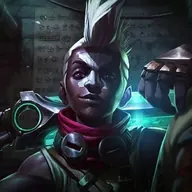
Ekko±0
This skill matchup revolves around your ability to nullify Ekko's setup. While your Black Shield completely negates the stun from his Parallel Convergence, it does not protect you from his rapid damage profile. If Ekko bypasses your shield's magic absorption with the raw physical and magic burst of his Phase Dive and Timewinder, his Z-Drive Resonance will still tear through your health bar.
Ekko build →
See details
The interaction that decides it
Morgana's Black Shield can completely negate the stun from Parallel Convergence, but she remains vulnerable to Ekko's raw physical and magic burst.
Why
This skill matchup revolves around your ability to nullify Ekko's setup. While your Black Shield completely negates the stun from his Parallel Convergence, it does not protect you from his rapid damage profile. If Ekko bypasses your shield's magic absorption with the raw physical and magic burst of his Phase Dive and Timewinder, his Z-Drive Resonance will still tear through your health bar.
Lane impact
Laning is a constant tug-of-war for priority. Ekko uses Timewinder to shove, forcing you to match with Tormented Shadow to avoid being pinned under tower. Trades are explosive; if Ekko fails to stun you inside his Parallel Convergence, he cannot easily escape your Dark Binding counter-attack. However, missing your root allows him to dive freely, forcing early recalls or securing him mid priority to roam.
How to play
Never cast Black Shield proactively just because you see Ekko's clone shadow-cast Parallel Convergence; hold it until the zone actually triggers to guarantee blocking the stun. Keep your distance to make dodging the return path of Timewinder easier. If Ekko engages with Phase Dive, immediately drop Tormented Shadow at your feet and prepare to cast Dark Binding point-blank. If you miss, immediately back off towards your tower to prevent his Chronobreak from turning the trade lethal.

Orianna±0
This matchup is a pure battle of ranges and reaction times where neither mage can easily push the other out. Orianna relies on repositioning her ball via Command: Attack and Command: Dissonance to zone you out. However, the entire lane hinges on how you use Black Shield. If you reactively cast it, you can completely absorb the magic damage and negate the massive knock-up from her Command: Shockwave, turning her ultimate into a wasted cooldown.
Orianna build →
See details
The interaction that decides it
Black Shield (E) can absorb the magic damage and block the displacement of Command: Shockwave (R) if timed reactively.
Why
This matchup is a pure battle of ranges and reaction times where neither mage can easily push the other out. Orianna relies on repositioning her ball via Command: Attack and Command: Dissonance to zone you out. However, the entire lane hinges on how you use Black Shield. If you reactively cast it, you can completely absorb the magic damage and negate the massive knock-up from her Command: Shockwave, turning her ultimate into a wasted cooldown.
Lane impact
Because both of you possess incredible wave clear, the mid lane becomes a high-stakes chess match of positioning. If Orianna positions her ball too aggressively with Command: Attack, she leaves herself open to a sudden Dark Binding. If you miss your binding, her Command: Protect and basic attacks from Clockwork Windup will punish you heavily during trades. Neither champion can easily force a recall without risking a swift tower push from the opponent.
How to play
To win this neutral struggle, keep your distance from the ball's current location to deny Orianna free poke. Never preemptively waste Black Shield; hold it specifically to react to the visual spin animation of Command: Shockwave. If she overextends to land her passive-empowered basic attacks from Clockwork Windup, immediately drop Tormented Shadow under her feet and fish for a Dark Binding. Use Soul Shackles only after her Command: Protect shield has been baited out.
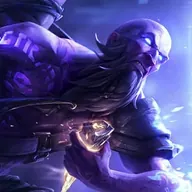
Ryze±0
This is a pure battle of tempo and spell execution. The entire matchup revolves around how you use Black Shield to negate Ryze's Rune Prison. If you reactively block his root, you strip away his ability to lock you down for his Spell Flux and Overload burst combos. However, Ryze's Arcane Mastery ensures his waveclear remains incredibly fast, forcing a constant push-and-pull.
Ryze build →
See details
The interaction that decides it
Black Shield (E) completely blocks the root from Rune Prison (W), preventing Ryze from executing his full spell flux combos.
Why
This is a pure battle of tempo and spell execution. The entire matchup revolves around how you use Black Shield to negate Ryze's Rune Prison. If you reactively block his root, you strip away his ability to lock you down for his Spell Flux and Overload burst combos. However, Ryze's Arcane Mastery ensures his waveclear remains incredibly fast, forcing a constant push-and-pull.
Lane impact
Because both of you possess elite waveclear, this lane rapidly devolves into a relentless push war. Failing to block Rune Prison means Ryze secures free Spell Flux spreads across your minions, forcing you under turret. Conversely, landing Dark Binding on him while his spells are on cooldown allows your Tormented Shadow to melt the wave while chipping his health pool, dictating when he can use Realm Warp to roam.
How to play
Never cast Black Shield proactively; hold it exclusively for the moment Ryze steps forward to cast Rune Prison. Position yourself slightly outside your minion wave to prevent his Spell Flux from bouncing from the dying minions to you. If he manages to shove you in and looks to roam with Realm Warp, immediately drop Tormented Shadow to force him back, or prepare Soul Shackles to lock him down if he attempts to channel his teleport nearby.
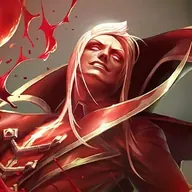
Vladimir±0
This matchup revolves around an unbreakable stalemate. Whenever you attempt to lock Vladimir down with Dark Binding or set up a stun with Soul Shackles, he can simply sink into Sanguine Pool to evade the crowd control entirely. Because his Transfusion heals back any minor poke you land, and your Soul Siphon keeps you healthy, neither of you can easily force a kill, resulting in a pure battle of attrition.
Vladimir build →
See details
The interaction that decides it
Vladimir can use Sanguine Pool (W) to dodge Dark Binding (Q) or escape Soul Shackles (R), turning the lane into a passive farm matchup.
Why
This matchup revolves around an unbreakable stalemate. Whenever you attempt to lock Vladimir down with Dark Binding or set up a stun with Soul Shackles, he can simply sink into Sanguine Pool to evade the crowd control entirely. Because his Transfusion heals back any minor poke you land, and your Soul Siphon keeps you healthy, neither of you can easily force a kill, resulting in a pure battle of attrition.
Lane impact
Because active trading is mostly ineffective, the lane shifts entirely to relentless wave pressure. You can easily shove Vladimir under his turret using Tormented Shadow, forcing him to spend his health pool on Tides of Blood to clear. However, you cannot easily punish his recalls or dive him. This neutralizes the mid lane, preventing both of you from roaming effectively, as leaving the wave unattended means losing valuable gold to passive farming.
How to play
To win this war of attrition, stop throwing Dark Binding blindly. Instead, drop Tormented Shadow directly on the caster minions to force Vladimir to use his abilities on the wave rather than trading. Save Black Shield exclusively to absorb his empowered Transfusion or the burst from Hemoplague. If he panics and wastes Sanguine Pool defensively, only then should you look to lock him down with Soul Shackles before his pool cooldown recovers.
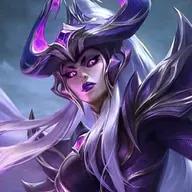
Syndra±0
This even matchup revolves entirely around Syndra's setup for her burst versus Morgana's defensive timing. Syndra relies on landing the stun from Scatter the Weak to safely position herself and unleash a devastating Unleashed Power. If Morgana can reactively cast Black Shield to absorb the stun of the flying Dark Sphere, Syndra's entire burst rotation falls apart, leaving her highly vulnerable during her long cooldowns.
Syndra build →
See details
The interaction that decides it
Timing Black Shield (E) to block the stun from Scatter the Weak (E) prevents Syndra from setting up her lethal Unleashed Power (R) burst.
Why
This even matchup revolves entirely around Syndra's setup for her burst versus Morgana's defensive timing. Syndra relies on landing the stun from Scatter the Weak to safely position herself and unleash a devastating Unleashed Power. If Morgana can reactively cast Black Shield to absorb the stun of the flying Dark Sphere, Syndra's entire burst rotation falls apart, leaving her highly vulnerable during her long cooldowns.
Lane impact
Laning is a constant dance of spell-shield chicken. Syndra will constantly attempt to poke you down with Dark Sphere and Force of Will to get you into execution range. If she misses or wastes Scatter the Weak, Morgana immediately gains the push advantage. You can safely drop Tormented Shadow to shove the wave or fish for a Dark Binding without fearing an immediate, lethal counter-engage under your own turret.
How to play
Never use Black Shield preemptively to block simple poke from Dark Sphere; save it exclusively for the moment Syndra casts Scatter the Weak. Watch the positioning of her ground spheres. If she misses her stun, immediately step forward to punish her with Dark Binding and Tormented Shadow. If you get caught without your shield, back off instantly and use Soul Siphon passive healing on the wave to recover your health before her next burst window opens.

Heimerdinger±0
This matchup is a pure battle of attrition determined by your reaction time. Heimerdinger relies on landing CH-2 Electron Storm Grenade to trigger his H-28G Evolution Turret laser beams and maximize Hextech Micro-Rockets damage. By shielding yourself with Black Shield, you completely negate the stun. Without this crowd control, Heimerdinger cannot reliably lock you down for his turrets to shred your health bar, neutralizing his primary kill threat.
Heimerdinger build →
See details
The interaction that decides it
Morgana's Black Shield (E) completely negates the stun from CH-2 Electron Storm Grenade (E), preventing Heimerdinger's burst setup.
Why
This matchup is a pure battle of attrition determined by your reaction time. Heimerdinger relies on landing CH-2 Electron Storm Grenade to trigger his H-28G Evolution Turret laser beams and maximize Hextech Micro-Rockets damage. By shielding yourself with Black Shield, you completely negate the stun. Without this crowd control, Heimerdinger cannot reliably lock you down for his turrets to shred your health bar, neutralizing his primary kill threat.
Lane impact
Because both of you possess incredible wave-clearing tools, the lane naturally stalls out into a passive farming simulator. Heimerdinger will constantly push with H-28G Evolution Turret, but you can match his pressure instantly by dropping Tormented Shadow under his machines. Neither champion can easily dive or force a solo kill under tower. This neutralizes active map pressure, locking both mid laners in place while testing who can maintain perfect CS under constant pressure.
How to play
Never waste Black Shield proactively; hold it exclusively for the moment you see his CH-2 Electron Storm Grenade in the air. Place Tormented Shadow directly on top of his H-28G Evolution Turret setups to drain their health from a safe distance, forcing him to waste mana replacing them. If he plays too far forward without his machines to protect him, throw Dark Binding to root him, then follow up with Soul Shackles to force his Flash or secure a kill.

Viktor±0
This matchup is a pure battle of push speed where neither mage can easily kill the other. Viktor tries to zone you and control the lane using Gravity Field to trap you while clearing. However, your Black Shield completely nullifies his stun mechanism. By denying his crowd control, you can safely drop Tormented Shadow to match his Hextech Ray waveclear without being forced into unfavorable trades or caught out of position.
Viktor build →
See details
The interaction that decides it
Morgana can ignore the stun from Gravity Field (W) using Black Shield (E), allowing her to match Viktor's waveclear without fear of disruption.
Why
This matchup is a pure battle of push speed where neither mage can easily kill the other. Viktor tries to zone you and control the lane using Gravity Field to trap you while clearing. However, your Black Shield completely nullifies his stun mechanism. By denying his crowd control, you can safely drop Tormented Shadow to match his Hextech Ray waveclear without being forced into unfavorable trades or caught out of position.
Lane impact
Because you can ignore his primary defensive disruption, the lane devolves into a constant push-and-shove dynamic. Viktor cannot easily pressure you under your turret, nor can he safely roam without losing plates. Your health pools remain relatively high because Black Shield absorbs his Hextech Ray poke during wave contests. This keeps both midlaners glued to the lane, turning the early game into a race for priority and base timings.
How to play
Never cast Black Shield reactively to his damage; hold it specifically for when Viktor drops Gravity Field on your path. Stand slightly to the side of the minion wave to force him to choose between hitting you or pushing with Hextech Ray. If he manages to trap you without your shield up, throw Dark Binding straight down his escape path to force a trade-back with Tormented Shadow, preventing him from capitalizing on his shield from Siphon Power.
Zyra±0
This matchup is a pure battle of area denial. Zyra relies on Garden of Thorns to grow plants that threaten your health from afar, but a well-placed Tormented Shadow instantly melts her saplings before they can poke you down. Meanwhile, her primary engage and self-peel via Grasping Roots or Stranglethorns are completely negated by your Black Shield, turning her high-control kit into a predictable trading pattern.
Zyra build →
See details
The interaction that decides it
Tormented Shadow (W) quickly clears Zyra's plants, while Black Shield (E) blocks the root from Grasping Roots (E) and the knockup from Stranglethorns (R).
Why
This matchup is a pure battle of area denial. Zyra relies on Garden of Thorns to grow plants that threaten your health from afar, but a well-placed Tormented Shadow instantly melts her saplings before they can poke you down. Meanwhile, her primary engage and self-peel via Grasping Roots or Stranglethorns are completely negated by your Black Shield, turning her high-control kit into a predictable trading pattern.
Lane impact
Because you can neutralise her plants so quickly, the lane state fluctuates based on wave control. If you drop Tormented Shadow on the wave and her seeds, you force Zyra under her tower, preventing her from establishing zone control. However, missing your Dark Binding leaves you vulnerable to her raw spell damage, turning a passive farming lane into a dangerous, high-pressure push-and-pull battle for mid lane priority.
How to play
Never waste Black Shield on minor poke; hold it strictly to react to the animation of Grasping Roots or to block the knockup of Stranglethorns when she attempts an all-in. Position yourself just behind your own minions to bait her into placing seeds, then punish her by deploying Tormented Shadow to clear both the wave and her plants simultaneously. If she traps you with an aggressive plant setup, retreat and fish for a Dark Binding from safety.
Other matchups



Favorable
32These champions generally struggle to answer your main strengths, which lets you approach the matchup with more freedom. You often have several ways to pressure them and force trades that go in your favor. Use this advantage to dictate the pace rather than giving them time to get back into a comfortable position.

Ahri−1
This matchup swings heavily in your favor because Black Shield completely nullifies Ahri's main threat. Ahri's entire assassination sequence relies on landing Charm to guarantee the return damage of Orb of Deception. By holding your spell shield and casting it reactively, you shut down her pick potential and leave her with only raw, avoidable damage, rendering her aggressive dashes useless.
Ahri build →
See details
The interaction that decides it
Morgana can reactively cast Black Shield to block Ahri's Charm, neutralizing Ahri's pick potential in skirmishes.
Why
This matchup swings heavily in your favor because Black Shield completely nullifies Ahri's main threat. Ahri's entire assassination sequence relies on landing Charm to guarantee the return damage of Orb of Deception. By holding your spell shield and casting it reactively, you shut down her pick potential and leave her with only raw, avoidable damage, rendering her aggressive dashes useless.
Lane impact
During the laning phase, Ahri's ability to threaten solo kills is completely paralyzed. If she uses Orb of Deception to match your waveclear from Tormented Shadow, she lacks the damage to break your Black Shield. You can comfortably shove her under turret, preventing her from using Spirit Rush to roam and impact other lanes, which starves her of the gold needed to snowball.
How to play
Never cast Black Shield preemptively to absorb simple poke from Orb of Deception; keep it strictly ready for when you see the heart of Charm flying. When Ahri tries to use Spirit Rush to position aggressively, stand your ground. Reactively shield her crowd control, then immediately retaliate with Dark Binding and Soul Shackles to lock her down under your Tormented Shadow while she has no escape charges left.

Aurora−1
Morgana dominates this matchup because her Black Shield completely invalidates Aurora's ultimate, Between Worlds. When Aurora attempts to lock you inside her spirit realm, activating Black Shield lets you walk straight through the boundary, ignoring both the slow and the trapping effect. Without this containment tool, Aurora's burst pattern falls apart, leaving her highly vulnerable to your own Soul Shackles counter-engage.
Aurora build →
See details
The interaction that decides it
Morgana's Black Shield (E) completely negates the trapping effect and slow of Between Worlds (R).
Why
Morgana dominates this matchup because her Black Shield completely invalidates Aurora's ultimate, Between Worlds. When Aurora attempts to lock you inside her spirit realm, activating Black Shield lets you walk straight through the boundary, ignoring both the slow and the trapping effect. Without this containment tool, Aurora's burst pattern falls apart, leaving her highly vulnerable to your own Soul Shackles counter-engage.
Lane impact
This interaction completely strips Aurora of her kill pressure. She cannot safely execute dive plays or setup ganks, as your Black Shield denies her initiation. This allows you to constantly shove waves using Tormented Shadow without fearing her retaliation. Since her Across the Veil has a long cooldown, forcing her to use it defensively to dodge your Dark Binding isolates her in mid, preventing her from roaming.
How to play
Never waste Black Shield on minor poke like Twofold Hex; keep it strictly to counter Between Worlds or the displacement from The Weirding. When Aurora uses Across the Veil to go invisible, step back slightly and prepare to drop Tormented Shadow where she reappears. If she attempts to ultimate you, activate your shield immediately to walk out of the zone, then immediately turn around with Soul Shackles to lock her down and secure the kill.
Brand−1
This matchup heavily favors you because your Black Shield completely neutralizes Brand's core offensive setup. Brand relies on landing Sear on a target already ablaze from Pillar of Flame or Conflagration to stun them and unleash his full burst. By shielding yourself reactively to block Sear's projectile, you entirely negate his crowd control, leaving him vulnerable with his main spells on cooldown while you heal back through Soul Siphon.
Brand build →
See details
The interaction that decides it
Morgana's Black Shield completely blocks the stun from Brand's Sear, preventing him from completing his full burst combo.
Why
This matchup heavily favors you because your Black Shield completely neutralizes Brand's core offensive setup. Brand relies on landing Sear on a target already ablaze from Pillar of Flame or Conflagration to stun them and unleash his full burst. By shielding yourself reactively to block Sear's projectile, you entirely negate his crowd control, leaving him vulnerable with his main spells on cooldown while you heal back through Soul Siphon.
Lane impact
Because Brand cannot execute his stun combo, he loses all trade pressure and is forced to use Pillar of Flame strictly on the minion wave. This allows you to easily match his push by placing Tormented Shadow under his feet and the wave. If he steps up too aggressively to spread Blaze, you can easily lock him down under your own terms, forcing him to play defensively or risk taking lethal damage.
How to play
To secure your advantage, never cast Black Shield preemptively, as Brand can simply bait it out and wait for its high cooldown to end. Instead, hold your shield until you see the projectile of Sear traveling toward you. Once you block his stun, immediately counter-attack with Dark Binding and place Tormented Shadow beneath him. If he tries to bounce Pyroclasm between you and your minions, trigger Soul Shackles to lock him down and finish him off.

Diana−1
Morgana hard-counters Diana's dive pattern because Black Shield completely absorbs the magic damage and negates the pulling displacement of Moonfall. Diana must commit with Crescent Strike and Lunar Rush to get close, leaving her completely exposed. If she attempts to burst you, a reactive Black Shield shuts down her entire ultimate, turning her high-risk engage into a failed dive.
Diana build →
See details
The interaction that decides it
Morgana's Black Shield can completely negate the pull and damage of your Moonfall ultimate.
Why
Morgana hard-counters Diana's dive pattern because Black Shield completely absorbs the magic damage and negates the pulling displacement of Moonfall. Diana must commit with Crescent Strike and Lunar Rush to get close, leaving her completely exposed. If she attempts to burst you, a reactive Black Shield shuts down her entire ultimate, turning her high-risk engage into a failed dive.
Lane impact
This interaction completely paralyzes Diana's lane pressure. She cannot safely step up to use Moonsilver Blade without taking constant damage from Tormented Shadow. Since she cannot threaten you with Moonfall, she is forced to use Crescent Strike to farm from a distance, losing all priority. This prevents her from roaming, locking the assassin under her turret.
How to play
Never waste Black Shield on her basic Crescent Strike poke; save it exclusively for the moment she casts Moonfall. When she steps forward to trigger Moonsilver Blade on minions, punish her instantly with Tormented Shadow. If she misses her crescent arc, capitalize on this cooldown window by throwing Dark Binding. Should she dive you anyway, pop Soul Shackles immediately to lock her down.
Galio−1
This matchup is highly favorable for Morgana because your Black Shield completely shuts down Galio's entire engage pattern. When Galio attempts to close the distance with Justice Punch or channel his Shield of Durand taunt, your spell shield negates the crowd control entirely. Since he relies on these mechanical triggers to trade, you leave him defenseless and unable to lock you down, turning his aggressive dives into failed, costly maneuvers.
Galio build →
See details
The interaction that decides it
Morgana's Black Shield (E) completely negates Galio's Justice Punch (E) and Shield of Durand (W) crowd control, rendering his engage useless.
Why
This matchup is highly favorable for Morgana because your Black Shield completely shuts down Galio's entire engage pattern. When Galio attempts to close the distance with Justice Punch or channel his Shield of Durand taunt, your spell shield negates the crowd control entirely. Since he relies on these mechanical triggers to trade, you leave him defenseless and unable to lock you down, turning his aggressive dives into failed, costly maneuvers.
Lane impact
Galio is forced to play passively, relying solely on Winds of War to clear waves from a distance. If he steps up to use Colossal Smash on minions, you can easily punish him with Tormented Shadow. This keeps him shoved under his turret, neutralizing his ability to roam with Hero's Entrance. You dictate the lane's pace, forcing him to choose between losing gold or taking heavy damage.
How to play
Never cast Black Shield proactively; hold it strictly to react when you see the animation of Justice Punch or the charging of Shield of Durand. Once you block his crowd control, immediately drop Tormented Shadow under him and throw a point-blank Dark Binding while he is recovering from his animation lock. If he ever misses his engage, abuse his long cooldown windows to aggressively poke him out of the lane.

Katarina−1
Katarina's damage relies entirely on her jumping to daggers dropped by Bouncing Blade or Preparation. Because her Shunpo landing spots are completely predictable, you can pre-aim Dark Binding directly onto her daggers. If she attempts to force an engage with Death Lotus, your Black Shield absorbs her magic burst, while Soul Shackles easily interrupts her ultimate channeling by locking her in place.
Katarina build →
See details
The interaction that decides it
Morgana's Black Shield can absorb your burst, while her Dark Binding easily punishes predictable Shunpo dagger placements.
Why
Katarina's damage relies entirely on her jumping to daggers dropped by Bouncing Blade or Preparation. Because her Shunpo landing spots are completely predictable, you can pre-aim Dark Binding directly onto her daggers. If she attempts to force an engage with Death Lotus, your Black Shield absorbs her magic burst, while Soul Shackles easily interrupts her ultimate channeling by locking her in place.
Lane impact
You completely control the mid lane tempo by constantly shoving waves with Tormented Shadow. Katarina is forced to farm under turret, neutralizing her Voracity roaming potential. She cannot safely trade with you, as any aggressive Shunpo forward puts her at risk of a lethal counter-engage, allowing you to secure early plates and lock her to her lane.
How to play
Never throw Dark Binding randomly to poke. Instead, keep it ready and stand near your minion wave. When Katarina drops a dagger via Bouncing Blade, immediately place Tormented Shadow over it to deter her. If she takes the bait and uses Shunpo onto the dagger, fire your Dark Binding directly at her landing frame, then channel Soul Shackles to guarantee the kill before she can escape.

Fizz−1
This matchup swings heavily in Morgana's favor because her Black Shield acts as a hard counter to Fizz's primary initiation tool, Chum the Waters. When Fizz launches his shark, a well-timed Black Shield entirely negates both the massive knock-up crowd control and the magical burst damage. Without the threat of his ultimate's disruption, Fizz cannot easily execute his assassination combo, leaving him vulnerable to counter-attacks.
Fizz build →
See details
The interaction that decides it
Morgana's Black Shield can completely negate the crowd control and damage of Chum the Waters.
Why
This matchup swings heavily in Morgana's favor because her Black Shield acts as a hard counter to Fizz's primary initiation tool, Chum the Waters. When Fizz launches his shark, a well-timed Black Shield entirely negates both the massive knock-up crowd control and the magical burst damage. Without the threat of his ultimate's disruption, Fizz cannot easily execute his assassination combo, leaving him vulnerable to counter-attacks.
Lane impact
Because Fizz is melee and fears your range, you can constantly push him under turret using Tormented Shadow. He is forced to use Playful defensively or to clear waves, draining his mana pool. Since he cannot safely engage you with Chum the Waters, you maintain lane priority, allowing you to secure deep vision in the river and prevent him from roaming to side lanes to collect easy kills.
How to play
Keep a cool head and hold your Black Shield specifically for Chum the Waters; never waste it on minor poke. When Fizz attempts to close the gap with Urchin Strike, drop Tormented Shadow directly under yourself and prepare to fire Dark Binding the moment his Playful animation ends. If you miss your root, immediately back off toward your tower and rely on Soul Siphon's passive healing on the wave to recover your health.
Mel−1
Morgana dominates Mel because her Black Shield completely negates Mel's magic-heavy zoning tools and crowd control. Whenever Mel attempts to lock you down or poke you out, activating Black Shield absorbs the magic damage and prevents her CC from landing. Combined with the passive healing from Soul Siphon when you dissolve waves with Tormented Shadow, Mel's poke becomes entirely irrelevant, allowing you to control the lane's pace effortlessly.
Mel build →
See details
The interaction that decides it
Morgana can easily shrug off Mel's zoning pressure by using Black Shield (E) to absorb magic damage and block incoming crowd control.
Why
Morgana dominates Mel because her Black Shield completely negates Mel's magic-heavy zoning tools and crowd control. Whenever Mel attempts to lock you down or poke you out, activating Black Shield absorbs the magic damage and prevents her CC from landing. Combined with the passive healing from Soul Siphon when you dissolve waves with Tormented Shadow, Mel's poke becomes entirely irrelevant, allowing you to control the lane's pace effortlessly.
Lane impact
This interaction forces Mel into an exhausting war of attrition she cannot win. While she burns through her mana trying to push, your Tormented Shadow keeps the wave permanently shoved under her turret. Because you constantly heal back any minor damage via Soul Siphon, you maintain superior health pools. You can delay your recalls indefinitely, securing early tower plate pressure and preventing Mel from ever roaming to side lanes.
How to play
Position yourself aggressively behind Mel's caster minions to zone her away from the wave. Hold your Black Shield strictly for her primary crowd control spell; do not waste it on minor chip damage. If she steps up too close to contest your push, cast Dark Binding through the wave to root her, then drop Tormented Shadow underneath her feet. If you miss your root, simply step back, let Soul Siphon heal you up, and restart the cycle.
Lux−1
Your laning advantage stems entirely from how Black Shield completely nullifies Lux's primary threat, Light Binding. Since Lux relies on locking you down to trigger Illumination and land a full Final Spark combo, reactive use of your magic shield shuts down her offensive pressure instantly. Without her root, her burst potential evaporates, leaving you free to dictate the pace.
Lux build →
See details
The interaction that decides it
Morgana's Black Shield completely negates the crowd control from Light Binding, rendering Lux's pick potential useless in direct trades.
Why
Your laning advantage stems entirely from how Black Shield completely nullifies Lux's primary threat, Light Binding. Since Lux relies on locking you down to trigger Illumination and land a full Final Spark combo, reactive use of your magic shield shuts down her offensive pressure instantly. Without her root, her burst potential evaporates, leaving you free to dictate the pace.
Lane impact
Because you can ignore her root, you can aggressively pool waves with Tormented Shadow without fearing a sudden burst trade. Lux is forced to use Lucent Singularity to match your push rather than poke you. When she wastes Light Binding, you gain a massive window to step up, fish for Dark Binding, and force her to hide behind Prismatic Barrier or yield tower priority.
How to play
Never cast Black Shield proactively; hold it specifically to react to her Light Binding projectile. Stand slightly outside your minion wave to force her to choose between shoving with Lucent Singularity or trying to poke you. If she misses her root, immediately step forward to drop Tormented Shadow under her and threaten Soul Shackles.

Ziggs−1
Ziggs thrives on shoving you under turret with Bouncing Bomb and threatening a tower execute, but your kit completely shuts down his-siege. Placing Tormented Shadow on the wave neutralizes his pushing power instantly. Furthermore, your Black Shield entirely negates the displacement from his Satchel Charge, meaning he cannot peel you off or disrupt your positioning when you decide to step forward.
Ziggs build →
See details
The interaction that decides it
Morgana easily neutralizes Ziggs's lane pressure by matching his waveclear with Tormented Shadow (W) and using Black Shield (E) to block Satchel Charge (W) displacements.
Why
Ziggs thrives on shoving you under turret with Bouncing Bomb and threatening a tower execute, but your kit completely shuts down his-siege. Placing Tormented Shadow on the wave neutralizes his pushing power instantly. Furthermore, your Black Shield entirely negates the displacement from his Satchel Charge, meaning he cannot peel you off or disrupt your positioning when you decide to step forward.
Lane impact
This interaction forces Ziggs to expend his mana pool on minion waves rather than poking you down. Because he cannot establish priority, his ability to secure early plates or assist his jungler vanishes. You dictate the pace of the lane, keeping him pinned under his own tower where he is highly vulnerable to a sudden Dark Binding catching him off guard.
How to play
Position yourself away from your minions so Ziggs must choose between targeting you with Bouncing Bomb or clearing the wave. Cast Tormented Shadow directly on the caster minions to match his push. Never waste Black Shield early; hold it to reactively block his Satchel Charge knockback. If he steps forward to trigger his Short Fuse passive on you, punish his lack of mobility by pinning him with Dark Binding and initiating Soul Shackles.
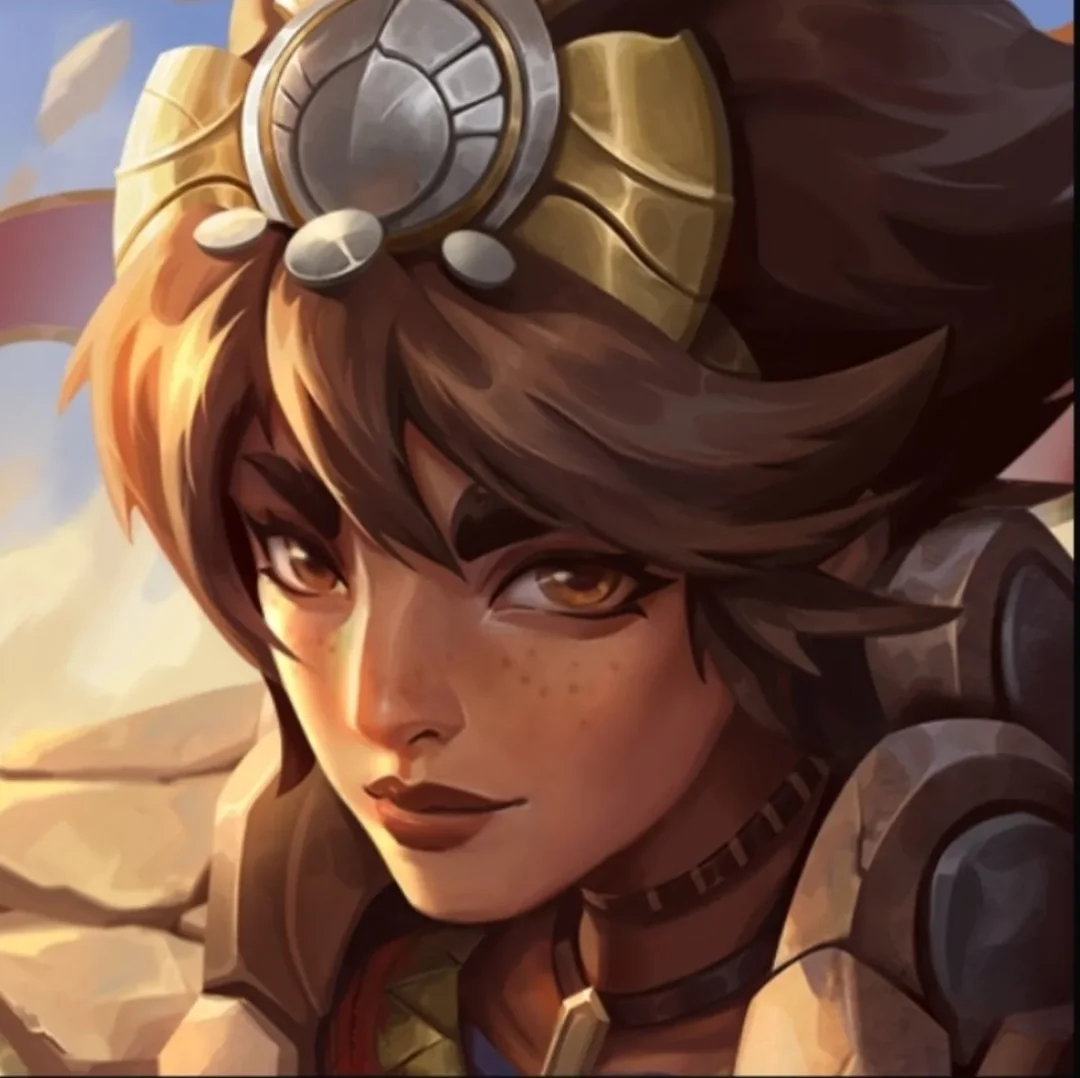
Taliyah−1
Your entire advantage in this matchup hinges on neutralizing Taliyah's main setup. By casting Black Shield, you completely block the knockback of her Seismic Shove. Without that displacement, she cannot drag you into the explosive minefield of Unraveled Earth, stripping away her primary burst threat and leaving her vulnerable while her core spell rotation is on cooldown.
Taliyah build →
See details
The interaction that decides it
Black Shield (E) negates the knockback from Seismic Shove (W), preventing Taliyah from pulling off her high-damage Unraveled Earth (E) combo.
Why
Your entire advantage in this matchup hinges on neutralizing Taliyah's main setup. By casting Black Shield, you completely block the knockback of her Seismic Shove. Without that displacement, she cannot drag you into the explosive minefield of Unraveled Earth, stripping away her primary burst threat and leaving her vulnerable while her core spell rotation is on cooldown.
Lane impact
Because Taliyah cannot easily threaten a lethal trade, she is forced to use Threaded Volley on the wave. This allows you to safely match her push using Tormented Shadow. Since her main pick potential is neutralized, she cannot force you out of lane or easily secure priority to roam with Rock Surfing. You command the center of the lane, punishing her whenever she steps up to farm.
How to play
Keep your distance and never waste Black Shield reactively to block Threaded Volley poke; hold it exclusively for Seismic Shove. Stand away from worked ground to force her into awkward angles. If she tries to roam with Weaver's Wall, use Tormented Shadow to quickly shove the wave, then fish for a Dark Binding to lock her down or interrupt her ride. If you miss your binding, retreat to your tower and ping her missing.
Pyke−1
Morgana completely shuts down Pyke's early-game identity because his melee waveclear cannot match her pool. By placing Tormented Shadow on the minions, you force him to farm under tower, preventing him from using Ghostwater Dive to roam. Furthermore, if he attempts to engage or pull you with Bone Skewer, your Black Shield completely nullifies the displacement, leaving him vulnerable and unable to start his deadly burst combo.
Pyke build →
See details
The interaction that decides it
Shoving Pyke under tower with Tormented Shadow (W) limits his roam timings, while Black Shield (E) blocks his Bone Skewer (Q) hook.
Why
Morgana completely shuts down Pyke's early-game identity because his melee waveclear cannot match her pool. By placing Tormented Shadow on the minions, you force him to farm under tower, preventing him from using Ghostwater Dive to roam. Furthermore, if he attempts to engage or pull you with Bone Skewer, your Black Shield completely nullifies the displacement, leaving him vulnerable and unable to start his deadly burst combo.
Lane impact
This matchup is won through relentless wave pressure. Pyke is forced to choose between taking heavy damage trying to clear or losing gold under his turret. This constant shoving keeps him anchored to his lane, protecting your side lanes from his deadly roams. He cannot easily setup ganks because your spell shield denies his primary crowd control, turning his aggressive lane presence into a passive, resource-starved struggle.
How to play
Always hold Black Shield until you see the charge animation of his Bone Skewer or the trailing shadow of Phantom Undertow. Never use it proactively. Position yourself behind your own minions while casting Tormented Shadow on the wave to secure priority. If he manages to slip away using Ghostwater Dive, immediately ping your teammates and push the wave hard into his tower to punish his roam by taking plates.

Vex−1
This matchup is heavily in your favor because Black Shield completely neutralizes Vex's crowd control. When Vex attempts to trigger Doom 'n Gloom to interrupt your spellcasts, a well-timed shield absorbs the magic damage and negates the fear entirely. Without this disruption, Vex cannot guarantee her full combo or safely execute you with Shadow Surge, leaving her vulnerable while her passive recharge window is down.
Vex build →
See details
The interaction that decides it
Black Shield (E) blocks Vex's passive fear, preventing her from interrupting Morgana's spellcasts or securing kills with Shadow Surge (R).
Why
This matchup is heavily in your favor because Black Shield completely neutralizes Vex's crowd control. When Vex attempts to trigger Doom 'n Gloom to interrupt your spellcasts, a well-timed shield absorbs the magic damage and negates the fear entirely. Without this disruption, Vex cannot guarantee her full combo or safely execute you with Shadow Surge, leaving her vulnerable while her passive recharge window is down.
Lane impact
You dictate the wave dynamic easily here. Since Vex cannot threaten to interrupt you, you can safely deploy Tormented Shadow to out-shove her. When she throws Looming Darkness to poke, you can walk forward, absorb it, and retaliate. This deprives Vex of her roam priority, locking her under her turret while you maintain full control over mid-lane rotations and punish her high cooldowns.
How to play
Never waste Black Shield on casual poke; save it specifically for when her Doom 'n Gloom is active or when she flies in with Shadow Surge. When Vex misses Looming Darkness or wastes Personal Space, aggressively fish for a trade. Land Dark Binding into Tormented Shadow to trap her, then follow up with Soul Shackles. If she tags you with her ultimate, shield yourself before she reactivates it to block the fear.

Annie−2
Your entire advantage stems from how Black Shield completely invalidates Annie's passive. When Annie builds up four charges of Pyromania, she relies on landing a stunned Disintegrate, Incinerate, or Summon: Tibbers to burst you down. By shielding yourself reactively to block that stun, you strip away her defensive self-peel and all her offensive threat, leaving her completely exposed to your counter-attack.
Annie build →
See details
The interaction that decides it
Morgana's Black Shield completely blocks Annie's Pyromania stun, rendering her primary engage and self-peel useless.
Why
Your entire advantage stems from how Black Shield completely invalidates Annie's passive. When Annie builds up four charges of Pyromania, she relies on landing a stunned Disintegrate, Incinerate, or Summon: Tibbers to burst you down. By shielding yourself reactively to block that stun, you strip away her defensive self-peel and all her offensive threat, leaving her completely exposed to your counter-attack.
Lane impact
Because Annie cannot threaten you with a stun while your Black Shield is available, you can safely drop Tormented Shadow to shove her under tower. She is forced to waste Disintegrate to farm under turret instead of poking you. This pressure prevents her from roaming with Summon: Tibbers to help her jungler, locking her in mid lane while you safely scale and heal back any minor poke with Soul Siphon.
How to play
Never cast Black Shield proactively; hold it until Annie actually casts her Pyromania-empowered spell. Watch her passive bar; when she has four stacks and moves forward, bait her throw, shield the impact, and immediately counter with Dark Binding and Tormented Shadow. If you miss your root or mistime the shield, quickly fall back using Soul Shackles to zone her and Tibbers away until your shield's cooldown recovers.
Seraphine−1
This matchup heavily favors you because Black Shield completely neutralizes Seraphine's primary teamfight tool, Encore. Since she relies on that long-range charm to dictate skirmishes, your ability to absorb the crowd control rendering her ultimate useless strips away her main win condition. Combined with her slow casting animations while preparing Stage Presence, she remains highly vulnerable to your Dark Binding.
Seraphine build →
See details
The interaction that decides it
Black Shield (E) completely blocks the charm from Encore (R), neutralizing Seraphine's primary teamfight initiation tool.
Why
This matchup heavily favors you because Black Shield completely neutralizes Seraphine's primary teamfight tool, Encore. Since she relies on that long-range charm to dictate skirmishes, your ability to absorb the crowd control rendering her ultimate useless strips away her main win condition. Combined with her slow casting animations while preparing Stage Presence, she remains highly vulnerable to your Dark Binding.
Lane impact
In the mid lane, you dictate the tempo by relentlessly shoving waves with Tormented Shadow. Seraphine is forced to constantly expend her High Note on clearing minions under her tower rather than poking you. Because her Beat Drop is highly predictable and easily reacted to, you command permanent lane priority, draining her mana pool and preventing her from roaming to aid her team.
How to play
Always hold your Black Shield to reactively block her Encore or a Beat Drop amplified by Stage Presence. Position yourself away from her bouncing projectiles, and the moment she steps forward to use Surround Sound, punish her lock-in animation with Dark Binding and Tormented Shadow. If your binding misses, play defensively and trigger Soul Siphon on the minion wave to quickly recover your health.
Kennen−2
Morgana shuts down Kennen's offensive threat because her Black Shield acts as an absolute barrier against his entire kit. Since all of Kennen's damage is magical and relies on stacking Mark of the Storm to stun, a single cast of Black Shield completely absorbs his burst and negates the stun trigger. This leaves Kennen entirely vulnerable, neutralizing his primary engage tool and rendering his aggressive dashes useless.
Kennen build →
See details
The interaction that decides it
Morgana's Black Shield completely absorbs Kennen's magic damage and blocks the stun from Mark of the Storm, ruining his engage.
Why
Morgana shuts down Kennen's offensive threat because her Black Shield acts as an absolute barrier against his entire kit. Since all of Kennen's damage is magical and relies on stacking Mark of the Storm to stun, a single cast of Black Shield completely absorbs his burst and negates the stun trigger. This leaves Kennen entirely vulnerable, neutralizing his primary engage tool and rendering his aggressive dashes useless.
Lane impact
Kennen cannot safely step up to use Lightning Rush for wave clear or trades, knowing you can easily retaliate. This allows you to constantly shove him under turret using Tormented Shadow, forcing him to waste Thundering Shuriken to last-hit rather than poke you. Without stun threat, his lane pressure evaporates, pinning him to his tower while you dictate map rotations and secure mid priority.
How to play
Never waste Black Shield proactively; hold it specifically for when Kennen activates Lightning Rush or commits with Slicing Maelstrom. Once he wastes his movement speed trying to apply a mark, punish his forward position by throwing Dark Binding directly in his path. Follow up immediately with Tormented Shadow under his feet. If he attempts to escape, trigger Soul Shackles to lock him down and force his flash.
Lissandra−2
This matchup heavily favors you because Black Shield completely shuts down Lissandra's entire offensive identity. Her primary engage relies on heavy lockdown, but your Black Shield absorbs both the root from Ring of Frost and the crucial stun from Frozen Tomb. Without her crowd control, Lissandra cannot lock you down for her burst, turning her aggressive dives into wasted cooldowns while you safely retaliate.
Lissandra build →
See details
The interaction that decides it
Morgana's Black Shield completely absorbs Lissandra's Ring of Frost root and Frozen Tomb stun, neutralizing her primary crowd control tools in teamfights.
Why
This matchup heavily favors you because Black Shield completely shuts down Lissandra's entire offensive identity. Her primary engage relies on heavy lockdown, but your Black Shield absorbs both the root from Ring of Frost and the crucial stun from Frozen Tomb. Without her crowd control, Lissandra cannot lock you down for her burst, turning her aggressive dives into wasted cooldowns while you safely retaliate.
Lane impact
Because she cannot safely lock you down, you dictate the wave's pace. Use Tormented Shadow to constantly shove Lissandra under her tower, forcing her to burn mana using Ice Shard on minions rather than poking you. When she tries to engage with Glacial Path, you can walk forward aggressively, knowing her follow-up is completely neutralized, securing easy health advantages.
How to play
Never cast Black Shield proactively; hold it until you see her teleport via Glacial Path or cast Frozen Tomb. If she baits your shield, immediately retreat toward your tower until it returns from cooldown. When she steps up to clear waves, align your Dark Binding with the path of her Ice Shard to catch her locked in her cast animation, then follow up with Tormented Shadow.
Malphite−2
Morgana completely dominates this matchup because her Black Shield acts as a hard counter to Malphite's ultimate threat. When Malphite attempts to initiate with Unstoppable Force, a well-timed Black Shield entirely negates the knockup. Without his ultimate's crowd control, Malphite loses his entire lane pressure, leaving him vulnerable to being locked down by Dark Binding and melted inside Tormented Shadow.
Malphite build →
See details
The interaction that decides it
Morgana's Black Shield completely negates the knockup from Unstoppable Force, rendering Malphite's primary engage tool useless.
Why
Morgana completely dominates this matchup because her Black Shield acts as a hard counter to Malphite's ultimate threat. When Malphite attempts to initiate with Unstoppable Force, a well-timed Black Shield entirely negates the knockup. Without his ultimate's crowd control, Malphite loses his entire lane pressure, leaving him vulnerable to being locked down by Dark Binding and melted inside Tormented Shadow.
Lane impact
In the lane, you can constantly push Malphite under his tower. By dropping Tormented Shadow whenever he approaches the wave, you easily pop his Granite Shield passive and deny his sustain. Malphite's Seismic Shard poke is useless if you absorb it with Black Shield. He cannot setup ganks for his jungler, freeing you to safely push and keep him pinned without risking a deadly dive.
How to play
Your primary rule is to never waste Black Shield on minor damage; hold it strictly to react to his Unstoppable Force animation or to block his Seismic Shard slow when fleeing. Keep your distance and harass him with Tormented Shadow. If Malphite misses his ultimate or hits your shield, immediately retaliate with Soul Shackles to tether him, then chain it into an easy Dark Binding once the stun triggers to guarantee a solo kill.
Veigar−2
This matchup heavily favors you because Veigar relies entirely on his Event Horizon to set up his burst. By casting Black Shield, you instantly negate his cage's stun, allowing you to walk right through the boundary unaffected. Without this crowd control, Veigar cannot reliably land Dark Matter or execute you with Primordial Burst, stripping away his entire lane threat and leaving him highly vulnerable to your counter-engage.
Veigar build →
See details
The interaction that decides it
Black Shield (E) allows Morgana or an ally to walk directly through Event Horizon (E) without being stunned, completely neutralizing Veigar's catch potential.
Why
This matchup heavily favors you because Veigar relies entirely on his Event Horizon to set up his burst. By casting Black Shield, you instantly negate his cage's stun, allowing you to walk right through the boundary unaffected. Without this crowd control, Veigar cannot reliably land Dark Matter or execute you with Primordial Burst, stripping away his entire lane threat and leaving him highly vulnerable to your counter-engage.
Lane impact
In practice, this interaction grants you total control over the wave state. You can aggressively drop Tormented Shadow to push Veigar under his tower, forcing him to spend mana securing minions rather than stacking Phenomenal Evil Power. Because his stun is useless against your shield, you can step up past his caster minions to deny him Baleful Strike angles, creating a significant gold and pressure lead.
How to play
To execute this plan, never waste Black Shield reactively on his Baleful Strike poke; save it exclusively for when he drops Event Horizon. Position yourself parallel to his minion wave to bait his cage, then shield yourself, walk straight through the barrier, and immediately throw Dark Binding to root him. Follow up with Tormented Shadow to trigger Soul Siphon healing, ensuring you win every trade while keeping him locked down.

Zoe−2
Zoe relies entirely on landing her Sleepy Trouble Bubble to guarantee her high-damage Paddle Star from long range. Because your Black Shield absorbs the magic damage and completely immunizes you against the drowsy and sleep effects, you render her entire burst setup useless. Without the crowd control setup, her star-throwing trajectory becomes highly predictable and easy to dodge, stripping away her primary lane pressure.
Zoe build →
See details
The interaction that decides it
Black Shield (E) completely negates Sleepy Trouble Bubble (E), preventing Zoe from setting up her long-range Paddle Star (Q) burst.
Why
Zoe relies entirely on landing her Sleepy Trouble Bubble to guarantee her high-damage Paddle Star from long range. Because your Black Shield absorbs the magic damage and completely immunizes you against the drowsy and sleep effects, you render her entire burst setup useless. Without the crowd control setup, her star-throwing trajectory becomes highly predictable and easy to dodge, stripping away her primary lane pressure.
Lane impact
This interaction completely shifts the wave dynamic in your favor. You can constantly shove the lane with Tormented Shadow without fearing her bubble harass from the side brush. Zoe is forced to use her Paddle Star to clear under her tower rather than poke you, draining her mana and locking her in lane, which prevents her from finding those dangerous roam angles with Portal Jump.
How to play
Keep your distance from walls where her Sleepy Trouble Bubble gains extra range, forcing her to throw it in a straight line. Never waste Black Shield on her basic attack trades; hold it exclusively for the moment her bubble is mid-air. Once she teleports forward using Portal Jump, immediately aim your Dark Binding at her original portal marker. She is guaranteed to return there, allowing you to lock her down and pool her with Tormented Shadow.
Twisted Fate−2
This matchup heavily favors you because Black Shield completely neutralizes Twisted Fate's primary offensive tool, Pick a Card. Whenever he locks in his Gold Card to stun you or set up a gank, your Black Shield absorbs the magic damage and denies the crowd control entirely. Without this reliable stun, he cannot safely trade, defend himself from your all-ins, or guarantee hits with Wild Cards.
Twisted Fate build →
See details
The interaction that decides it
Black Shield (E) completely negates the stun from Pick a Card's (W) Gold Card, stripping Twisted Fate of his primary setup and self-peel.
Why
This matchup heavily favors you because Black Shield completely neutralizes Twisted Fate's primary offensive tool, Pick a Card. Whenever he locks in his Gold Card to stun you or set up a gank, your Black Shield absorbs the magic damage and denies the crowd control entirely. Without this reliable stun, he cannot safely trade, defend himself from your all-ins, or guarantee hits with Wild Cards.
Lane impact
Since Twisted Fate cannot threaten you with his Gold Card, you dictate the lane's pace. You can easily match his waveclear by placing Tormented Shadow on the minions, forcing him to use Wild Cards on the wave rather than trading. This limits his ability to secure easy priority and use Destiny to impact other lanes, keeping him trapped under his turret while you safely secure roam timers.
How to play
Never waste Black Shield proactively; react only when you see him lock in the yellow Pick a Card. While he holds his card, play aggressively near his minion line. If he tries to walk up to auto-attack, throw Dark Binding to root him, then drop Tormented Shadow underneath. If he channels Destiny to roam, immediately shove the wave to punish his tower and follow him if your lane is pushed.
Other matchups





Items to Counter Morgana
Buy these items to reduce this champion's effectiveness in your games.




| Matchup | Verdict | Edge | Win rate | Pick rate |
|---|---|---|---|---|
| Senna | Hard Counters | +2 | 49.5% | 6.7% |
| Sona | Unfavorable | +1 | 52.1% | 4.0% |
| Zyra | Unfavorable | +1 | 51.1% | 5.2% |
| Soraka | Unfavorable | +1 | 51.1% | 4.9% |
| Vel'Koz | Unfavorable | +1 | 49.5% | 1.7% |
| Zilean | Unfavorable | +1 | 49.3% | 1.2% |
| Brand | Skill Matchups | ±0 | 52.6% | 2.8% |
| Janna | Skill Matchups | ±0 | 52.0% | 2.8% |
| Milio | Skill Matchups | ±0 | 49.7% | 4.3% |
| Nami | Skill Matchups | ±0 | 49.5% | 4.5% |
| Seraphine | Skill Matchups | ±0 | 49.4% | 6.1% |
| Lulu | Skill Matchups | ±0 | 49.2% | 10.0% |
| Braum | Favorable | −1 | 53.2% | 5.2% |
| Hwei | Favorable | −1 | 52.4% | 1.4% |
| Thresh | Favorable | −1 | 51.0% | 15.7% |
| Rakan | Favorable | −1 | 50.4% | 3.0% |
| Karma | Favorable | −1 | 49.7% | 5.1% |
| Pyke | Favorable | −1 | 49.6% | 3.8% |
| Lux | Favorable | −1 | 49.4% | 7.6% |
| Yuumi | Favorable | −1 | 48.1% | 9.4% |
| Ashe | Favorable | −1 | — | — |
| Bard | Favorable | −1 | — | — |
| Norra | Favorable | −1 | — | — |
| Malphite | Favorable | −2 | 51.7% | 9.0% |
| Leona | Favorable | −2 | 51.7% | 10.7% |
| Galio | Favorable | −2 | 51.4% | 2.7% |
| Rell | Favorable | −2 | 51.3% | 3.5% |
| Maokai | Favorable | −2 | 50.1% | 5.3% |
| Sett | Favorable | −2 | 49.7% | 1.6% |
| Ornn | Favorable | −2 | 49.2% | 1.3% |
| Nautilus | Favorable | −2 | 49.1% | 12.7% |
| Swain | Favorable | −2 | 46.2% | 3.1% |
| Cho'Gath | Favorable | −2 | — | — |
| Poppy | Favorable | −2 | — | — |
| Blitzcrank | Favorable | −3 | 49.2% | 6.9% |
| Alistar | Favorable | −3 | 49.0% | 4.4% |
| Veigar | Favorable | −3 | 47.9% | 2.6% |
Edge: Wild Rift Core canonical verdict (−3 to +3), shown from the point of view of the champion named in the row. Win rate and pick rate: the opponent's own rate in this role — Wild Rift CN · Challenger, Patch 7.3c. Not a head-to-head win rate.
| Matchup | Verdict | Edge | Win rate | Pick rate |
|---|---|---|---|---|
| Zed | Unfavorable | +1 | 51.3% | 4.5% |
| Vel'Koz | Unfavorable | +1 | 50.2% | 3.4% |
| Jayce | Unfavorable | +1 | 49.8% | 2.3% |
| Yone | Unfavorable | +1 | 49.0% | 5.2% |
| Swain | Unfavorable | +1 | 48.9% | 2.6% |
| Yasuo | Unfavorable | +1 | 47.6% | 8.3% |
| Irelia | Unfavorable | +1 | — | — |
| Talon | Unfavorable | +1 | — | — |
| Zyra | Skill Matchups | ±0 | 52.4% | 3.3% |
| Syndra | Skill Matchups | ±0 | 51.8% | 6.4% |
| Aurelion Sol | Skill Matchups | ±0 | 51.5% | 6.4% |
| Vladimir | Skill Matchups | ±0 | 51.5% | 4.3% |
| Orianna | Skill Matchups | ±0 | 50.8% | 4.6% |
| Ekko | Skill Matchups | ±0 | 50.8% | 5.2% |
| Kassadin | Skill Matchups | ±0 | 50.5% | 1.8% |
| Viktor | Skill Matchups | ±0 | 50.1% | 3.1% |
| Heimerdinger | Skill Matchups | ±0 | 49.8% | 1.6% |
| Ryze | Skill Matchups | ±0 | 47.3% | 2.9% |
| Corki | Skill Matchups | ±0 | — | — |
| Kayle | Skill Matchups | ±0 | — | — |
| Rumble | Skill Matchups | ±0 | — | — |
| Varus | Skill Matchups | ±0 | — | — |
| Teemo | Favorable | −1 | 52.8% | 2.3% |
| Brand | Favorable | −1 | 52.6% | 10.8% |
| Hwei | Favorable | −1 | 52.4% | 6.5% |
| Taliyah | Favorable | −1 | 51.5% | 1.9% |
| Galio | Favorable | −1 | 51.3% | 11.4% |
| Ahri | Favorable | −1 | 50.7% | 4.4% |
| Norra | Favorable | −1 | 50.4% | 1.3% |
| Aurora | Favorable | −1 | 50.4% | 4.0% |
| Vex | Favorable | −1 | 49.0% | 2.1% |
| Lux | Favorable | −1 | 48.8% | 5.6% |
| Ziggs | Favorable | −1 | 48.4% | 5.4% |
| Nasus | Favorable | −1 | 48.3% | 1.1% |
| Katarina | Favorable | −1 | 48.2% | 1.5% |
| Fizz | Favorable | −1 | 48.1% | 2.2% |
| Akali | Favorable | −1 | 47.6% | 4.4% |
| Diana | Favorable | −1 | 47.2% | 1.0% |
| Mel | Favorable | −1 | 46.0% | 8.5% |
| Akshan | Favorable | −1 | — | — |
| Cho'Gath | Favorable | −1 | — | — |
| Kai'Sa | Favorable | −1 | — | — |
| Karma | Favorable | −1 | — | — |
| Pantheon | Favorable | −1 | — | — |
| Pyke | Favorable | −1 | — | — |
| Seraphine | Favorable | −1 | — | — |
| Zilean | Favorable | −1 | — | — |
| Lissandra | Favorable | −2 | 52.1% | 4.6% |
| Kennen | Favorable | −2 | 51.9% | 1.6% |
| Annie | Favorable | −2 | 51.1% | 2.1% |
| Twisted Fate | Favorable | −2 | 50.4% | 5.7% |
| Veigar | Favorable | −2 | 49.4% | 7.7% |
| Malphite | Favorable | −2 | — | — |
| Zoe | Favorable | −2 | — | — |
Edge: Wild Rift Core canonical verdict (−3 to +3), shown from the point of view of the champion named in the row. Win rate and pick rate: the opponent's own rate in this role — Wild Rift CN · Challenger, Patch 7.3c. Not a head-to-head win rate.