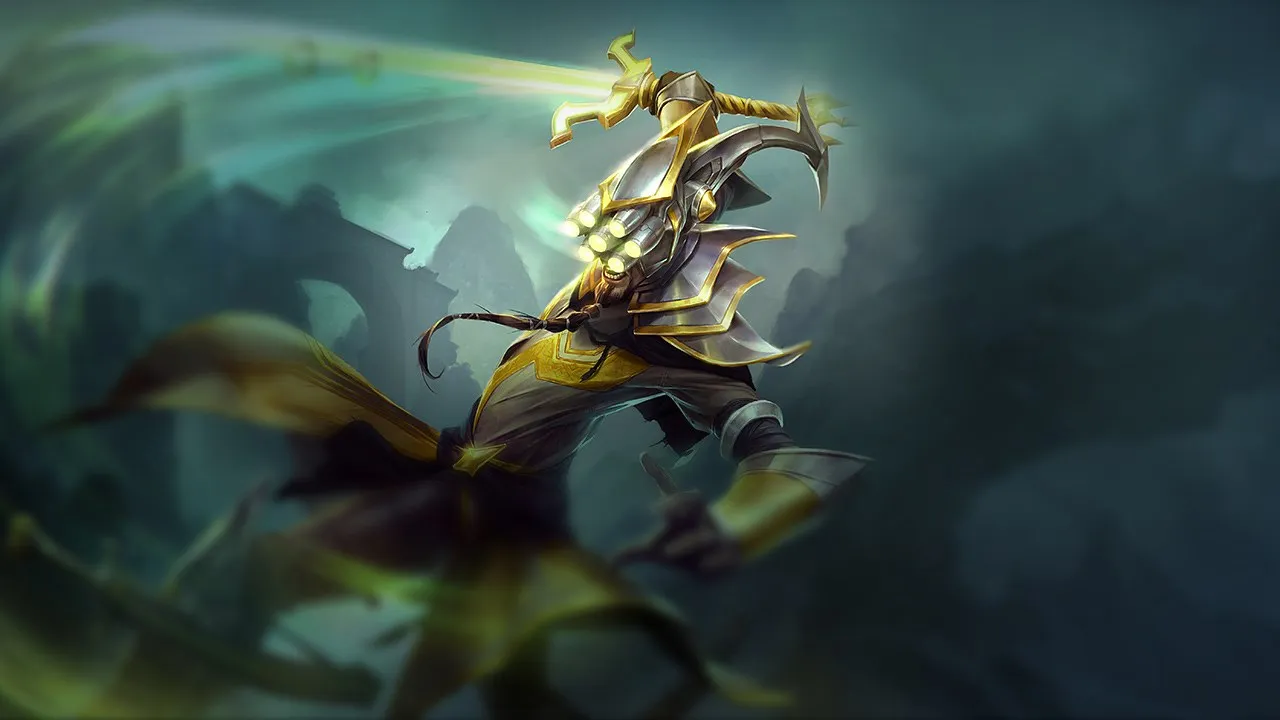









Counter angle
Master Yi is not countered by damage types, but by control patterns and tempo. Champions that stop him are not necessarily those who beat him in duels, but those who break his reset logic. Once Yi is denied resets, he loses all value.

Master Yi is heavily countered by chained CC compositions that interrupt his meditate and prevent him from advancing. Champions who can repeatedly slow or immobilize him neutralize his ultimate. Good vision and grouped play drastically reduce his pick opportunities.
These champions have a build and playstyle that directly overpower yours, which can make controlling the lane and farming extremely difficult. Their kit can neutralize your core strengths or punish you the moment you try to play your usual game plan. In these matchups, the goal is often to minimize mistakes and look for ways to win outside of direct confrontation.

Jax's Counter Strike completely blocks Master Yi's Double Strike and Wuju Style damage, leaving Yi defenseless unless he perfectly times Alpha Strike to dodge the stun.
Jax's Counter Strike completely shuts down your offensive threat by dodging all basic attacks, meaning both Double Strike and the true damage from Wuju Style are entirely wasted. Since you rely on auto-attacks to deal damage, you are left completely defenseless during this two-second window. Your only out is using Alpha Strike to dodge the final stun, but a skilled Jax can recast Counter Strike early to disrupt your timing.
This matchup strips away your dueling agency in the jungle, forcing you to play defensively. Jax can confidently invade your camps or contest river objectives because he wins any isolated duel. You are forced to cede early Scuttle Crabs and take suboptimal paths to avoid him, delaying your gold generation. A single poorly timed encounter in the river can snowball his gold and permanently lock you out of your own jungle.
You must never initiate a fight with Alpha Strike; instead, save it exclusively to dodge the stun from Counter Strike. The moment Jax activates his defensive helicopter spin, immediately channel Meditate to mitigate his incoming damage and stall out his evasion duration. Only activate Wuju Style and Highlander once his Counter Strike is completely on cooldown, allowing your basic attacks and Double Strike to actually land and shred his health bar.

Maokai can wait for Master Yi to exit Alpha Strike, then immediately lock him down with Twisted Advance and Nature's Grasp.
Maokai completely neutralizes your engage. When you use Alpha Strike, he doesn't need to panic. He simply waits for you to reappear, then immediately anchors you with Twisted Advance. This guaranteed root sets up his Nature's Grasp and Bramble Smash, leaving you completely immobilized and unable to stack Double Strike or sustain with Meditate while his team bursts you down.
This matchup cripples your early skirmishing and jungle invades. If you meet Maokai in the river, his Sapling Toss controls the bushes, preventing you from getting the jump on him. Any attempt to contest objectives becomes a nightmare because his Nature's Grasp blocks off narrow jungle corridors. You cannot force duels, as he easily disengages with Bramble Smash, forcing you into a passive, slow-clearing playstyle.
Never initiate with Alpha Strike. You must play front-to-back and wait out his primary crowd control. Watch for Maokai to burn Twisted Advance on an ally before you activate Highlander and enter the fray. If he holds his cooldowns specifically for you, focus on farming your camps and use Meditate to bait his Bramble Smash interrupt early, letting your team deal with him before you sweep up the remaining targets with Wuju Style.

Master Yi cannot dodge Terrify with Alpha Strike if cast reactively, leaving him vulnerable and unable to interrupt Bountiful Harvest.
This matchup is defined by how Terrify completely shuts down your engage. Because Terrify is an instant-cast fear, you cannot reliably react to dodge it using Alpha Strike. Once you are feared and running away, Fiddlesticks can freely channel Bountiful Harvest without any fear of interruption, as none of your abilities can cancel his drain. This leaves you taking massive damage while healing him back up.
In the jungle, this interaction makes direct dueling suicidal. Fiddlesticks will easily secure scuttle crabs and invade your camps if he has vision of you. During skirmishes, his Crowstorm can wipe your team while you are stuck waiting for his cooldowns. You cannot contest neutral objectives directly because his team-fighting presence dwarfs yours, forcing you to play defensively and concede early map pressure.
To survive, you must never initiate with Alpha Strike. Instead, wait for Fiddlesticks to waste Terrify on an ally before you commit with Highlander. If he starts channeling Bountiful Harvest and you cannot escape, immediately activate Meditate to mitigate the drain damage until the channel ends or your team disrupts him. Focus your pathing on the opposite side of the map to avoid direct skirmishes until you have backup.

Pantheon can easily interrupt Meditate with his point-and-click Shield Vault, while Aegis Assault completely blocks Yi's retaliatory damage.
Pantheon completely neutralizes your kit through raw shutdown. The moment you channel Meditate to survive his initial burst, he instantly cancels it with his point-and-click Shield Vault. If you try to fight back using Wuju Style and Double Strike, he deploys Aegis Assault to block all your frontal damage. This leaves you with zero defense and no way to trade back effectively.
Pantheon's presence paralyzes your jungle routing. You cannot contest Scuttle Crabs or secure objectives because he wins every duel. If he catches you, you cannot trade; using Alpha Strike early exposes you to a guaranteed Shield Vault upon landing. He will use Grand Starfall to collapse on your lanes, leaving you helpless in your own jungle while your lanes suffer from his map-wide pressure.
To survive, never initiate with Alpha Strike. You must hold it until Pantheon commits his Shield Vault on an ally, or use it to reposition behind him when he activates Aegis Assault to bypass his frontal damage block. If he targets you directly, delay using Meditate until his stun is on cooldown. Focus on counter-jungling only when you see him use Grand Starfall on the opposite side of the map.

Rammus's Defensive Ball Curl reflects Master Yi's rapid basic attacks back at him, while Frenzying Taunt forces Yi to kill himself on the armor.
Rammus is your ultimate counter because his kit turns your high attack speed into a self-destructive weapon. When you trigger Double Strike or activate Highlander, his Defensive Ball Curl reflects every single blow back at you. Worse, his Frenzying Taunt forces you to attack his spiked armor, meaning your own Wuju Style true damage and rapid strikes will shred your own health bar before you can even react.
This matchup completely paralyzes your jungle presence and skirmishing power. You cannot safely contest neutral camps or scuttle crabs because a simple encounter leads to a deadly lockdown. If Rammus initiates with Powerball and combos into Frenzying Taunt, you are forced to kill yourself on his spiked shell. This denies you any early-game pressure, forcing you to play passively while he ganks lanes with Soaring Slam.
To survive, you must drastically shift your itemization away from pure attack speed, which only accelerates your death, toward heavy armor penetration and defensive options. In fights, absolute patience is required: never engage first. Wait for Rammus to waste Frenzying Taunt and Defensive Ball Curl on your teammates. Use Alpha Strike to dodge his incoming Powerball charge, and if you ever get caught, activate Meditate immediately to mitigate the self-inflicted damage while his defensive buffs are active.

Nilah's Jubilant Veil makes her completely immune to basic attacks, entirely neutralizing Master Yi's damage output during her active window.
The core of this duel hinges on how Nilah can completely shut down your offensive pressure. Since almost all your damage stems from basic attacks amplified by Double Strike and Wuju Style, Nilah's Jubilant Veil leaves you entirely toothless. For its duration, your active buffs are wasted, and you cannot shred her health bar. She will simply wait out your Highlander speed and strike back when you are vulnerable.
In the jungle, this interaction strips away your early dueling power, forcing you to cede control of the Scuttle Crabs and neutral objectives. If you try to contest camps, Nilah uses Slipstream to close the distance or escape, and activates Apotheosis to drag you in while healing herself. This prevents you from securing early leads, putting immense pressure on your lanes as she ganks with impunity.
To survive this matchup, you must never initiate with Alpha Strike. Keep this ability ready to dodge her Apotheosis pull or to follow her if she uses Slipstream to disengage. When she activates Jubilant Veil, immediately channel Meditate to mitigate her incoming damage and stall out her dodge window. Once her defensive shroud expires, engage with Wuju Style to quickly burst her down while her primary defense is on its long cooldown.
Other matchups
These champions have tools that generally give them the edge in a fight, without making the matchup unwinnable. They might have more range, a better ability to soak up your offense, or more ways to answer your engages. You'll need to adapt your approach and carefully pick your moments to accept a fight.
Ambessa can bait Master Yi's Alpha Strike, then immediately lock him down with Public Execution once he reappears.
This duel hinges on your vulnerability right after reappearing. Ambessa excels at baiting your Alpha Strike using the threat of her Cunning Sweep or Lacerate. The moment you emerge from your untargetable state, she can immediately lock you down with Public Execution, suppressing you before you can trigger Meditate to reduce her execution damage. Her rapid dashes make it incredibly easy for her to dictate this crucial interaction.
In the jungle, this threat strips away your early skirmishing power. Contesting the Scuttle Crab or securing objectives becomes extremely risky because Ambessa can force a duel where you cannot use Highlander to escape once Public Execution connects. You are forced to concede direct river priority and must clear camps defensively, knowing that a single misplaced jump will result in your death and feed her resets.
To survive, you must absolutely hold Alpha Strike during skirmishes. Never initiate with it; instead, run at her using the bonus speed of Highlander and stack Double Strike with Wuju Style. Force her to choose between holding Public Execution or wasting it. If she misses her suppress, quickly channel Meditate to absorb the shockwave from her Repudiation and wait out her shield before resuming your basic attacks.

Amumu must wait for Master Yi to exit Alpha Strike before using Bandage Toss or Curse of the Sad Mummy to lock him down.
This jungle matchup centers entirely on a high-stakes waiting game. Amumu's massive crowd control from Bandage Toss and Curse of the Sad Mummy can easily shut down your skirmishing power, but he cannot land them while you are untargetable. A smart Amumu will intentionally hold these spells, knowing that if you activate Alpha Strike too early, you become an easy target to lock down and melt with Despair the moment you reappear.
Because of this interaction, early river skirmishes and objective contests are highly volatile. You cannot safely initiate fights against Amumu; doing so invites a swift counter-engage that leaves you vulnerable. If you are forced to use Meditate to survive his initial burst, you lose all offensive pressure, forcing your laners to play defensively as Amumu dictates the pace of early neutral objectives through sheer threat of his lockdown.
Your survival depends on extreme discipline with Alpha Strike. Never use it to close the gap or initiate; instead, walk up using the bonus movement speed from Highlander and use basic attacks enhanced by Wuju Style. Force Amumu to miss Bandage Toss first, or wait until he wastes Curse of the Sad Mummy on your teammates before you dive in. If he catches you off guard, immediately channel Meditate to mitigate his magic damage until his crowd control expires.

Smoke Screen is highly effective against Master Yi during Highlander, as it forces him to run blindly without being able to target Graves for Alpha Strike.
Graves can easily shut down Master Yi's sustained DPS and chase potential. When Master Yi activates Highlander to run down Graves, a well-placed Smoke Screen completely neutralizes him. Because Master Yi is blinded inside the smoke, he cannot target Graves with Alpha Strike or basic attacks, rendering Wuju Style useless. This forces Yi to run aimlessly while Graves uses Quickdraw to reposition and burst him down.
This dynamic shifts the jungle duel heavily in Graves's favor during skirmishes. If you bump into him in the river, he can initiate with End of the Line against a wall and drop Smoke Screen. You cannot contest scuttle crabs or neutral objectives directly if his utilities are up, because failing to land Double Strike means you cannot recharge your Alpha Strike. You are forced to concede early priority and farm defensively.
To survive, never activate Highlander first. Instead, bait out Smoke Screen by walking towards him or pretending to retreat. Once he wastes the smoke to zone you, immediately use Alpha Strike to close the distance and dodge his End of the Line rebound. If he keeps holding his smoke, use Meditate to absorb his Collateral Damage burst, then execute him once he has no Quickdraw armor stacks remaining.

Master Yi can dodge Evelynn's Allure pop with Alpha Strike, but if she waits it out, she can easily burst him down.
This matchup revolves around the deadly mind game between your Alpha Strike and Evelynn's Allure. While your sustained DPS with Wuju Style can shred her in a straight duel, her stealth from Demon Shade lets her dictate when the fight starts. If you use Alpha Strike to dodge her charm's completion, you survive. However, if she simply holds her burst, she can instantly vaporize you once you reappear.
Evelynn's map pressure after gaining Demon Shade forces you to play defensively. You cannot contest crabs or invade her camps blindly, as a sudden Allure heart appearing above you means death if she catches you out of position. This passivity delays your Highlander power spikes, giving her lanes free rein while you are stuck powerfarming your jungle.
Never initiate with Alpha Strike when skirmishing her. Keep your finger on it and wait for the precise moment her Allure heart fully charges, using the untargetability to negate the charm trigger. If she refuses to pop it and baits your jump, immediately channel Meditate upon landing to mitigate her incoming burst from Whiplash and Last Caress, keeping you alive long enough to retaliate with Double Strike and Wuju Style.

Master Yi can use Alpha Strike to dodge the knockup of Dragon Strike, but cannot escape Cataclysm without Flash.
Jarvan IV dictates the jungle skirmishes because his Cataclysm creates impassable terrain that entirely traps you, as Alpha Strike cannot bypass its walls. While you can reactively dodge his Demacian Standard and Dragon Strike knockup combo by timing Alpha Strike perfectly, a smart Jarvan IV will simply hold his ultimate until your untargetability ends, forcing your Flash or leaving you completely vulnerable.
During early river fights and counter-ganks, Jarvan IV exerts immense pressure with Golden Aegis slows and armor shred from Dragon Strike. If he traps you in Cataclysm near lanes, you are forced to activate Meditate to survive the burst, which halts your DPS and lets his team collapse. This restricts your freedom to contest Scuttle Crabs or initiate direct skirmishes without secure vision of him.
Never initiate with Alpha Strike. You must walk at Jarvan IV with Highlander and Wuju Style active, keeping your untargetability available specifically to dodge the incoming Demacian Standard and Dragon Strike knockup. If he traps you with Cataclysm while your Flash is on cooldown, immediately channel Meditate to mitigate the incoming burst from his arena, waiting for his teammates to waste their high-damage spells before you resume attacking.

Diana can pull Master Yi out of his Meditate channel using Moonfall, leaving him vulnerable to her burst.
Diana dominates this jungle duel because her ultimate, Moonfall, directly neutralizes your main survival tool, Meditate. When you try to channel your heal to absorb her high-burst rotation of Crescent Strike and Lunar Rush, she pulls you out of it instantly. Without that critical damage reduction, her subsequent Pale Cascade shield and rapid Moonsilver Blade strikes will shred your health bar.
This interaction strips away your early dueling confidence in the river and around neutral objectives. You cannot safely contest Scuttle Crabs or epic monsters if Diana is lurking nearby, as her Moonfall threat forces you to play defensively. If she catches you in your jungle, you are forced to burn Highlander just to escape, sacrificing your map pressure.
To survive her onslaught, never activate Meditate until you have seen Diana waste Moonfall to engage. When she initiates with Crescent Strike, use the brief untargetability of Alpha Strike to dodge the curving projectile, preventing her from getting the Lunar Rush reset. If she manages to land the mark anyway, immediately disengage using Highlander rather than trying to stand your ground with Wuju Style.

Ekko can place Parallel Convergence directly on himself when Master Yi casts Alpha Strike, guaranteeing a stun when Yi reappears.
The matchup revolves around Ekko exploiting the predictable landing zone of Alpha Strike. Because you reappear near your target, Ekko can cast Parallel Convergence on himself the moment you initiate with Alpha Strike. The delay on his shield zone perfectly matches your invulnerability window, ensuring that you land directly into an unavoidable stun, followed by his high-burst Z-Drive Resonance activation.
This reaction loop strips away your dueling advantage in the jungle. You cannot confidently contest Scuttle Crabs or invade Ekko because initiating with your main gap-closer results in a lethal counter-stun. Ekko can safely farm and scale, knowing he has a reliable self-defense mechanism that prevents you from forcing raw 1v1 fights unless his key zoning cooldown is already spent.
To survive and win skirmishes, you must never use Alpha Strike first. Walk up to Ekko or use your movement speed from Highlander to force him into using Phase Dive or throwing Timewinder. Only activate Alpha Strike to dodge his Chronobreak damage or to follow him after he has already wasted Parallel Convergence. If he holds his stun zone, activate Meditate to absorb his burst, then retaliate with Wuju Style once his shield decays.

Kha'Zix can use Void Assault stealth to stall out Master Yi's Highlander duration and prevent him from landing basic attacks.
Kha'Zix dominates this duel by exploiting your ultimate's reliance on continuous basic attacks. When you activate Highlander to chase or fight, he can immediately cast Void Assault. This temporary stealth completely stalls your combat window, rendering your Wuju Style active useless while your ultimate's timer ticks away without you being able to land a single Double Strike or trigger cooldown-reducing strikes with Alpha Strike.
This interaction strips away your ability to contest neutral skirmishes or secure crabs in isolated river duels. If Kha'Zix catches you alone, his Taste Their Fear deals massive isolated damage while you are forced to use Meditate defensively. You cannot pressure his jungle camps safely because any face-to-face confrontation leaves you vulnerable to being stalled out and burst down once your Highlander expires.
To survive, never activate Highlander as an opening tool. Instead, wait for Kha'Zix to initiate with Leap or commit his first Void Assault charge. When his initial burst lands, channel Meditate immediately to absorb the isolated Taste Their Fear damage. Only trigger your ultimate and Wuju Style once he is visible and out of stealth charges, keeping Alpha Strike ready to follow his Leap escape or to dodge his Void Spike.

Gragas can use Explosive Cask to knock Master Yi away during Highlander, wasting his ultimate's duration.
The core of this struggle lies in how easily Gragas neutralizes your ultimate. When you activate Highlander to chase or shred him with Wuju Style, he can instantly deploy Explosive Cask to blast you far away. Because Highlander relies on continuous resets and uptime, being physically separated from your targets entirely wastes your ultimate's duration, leaving you vulnerable and unable to secure crucial resets.
This interaction severely limits your ability to contest neutral objectives or force skirmishes. If you attempt to secure the river crabs or early dragons, Gragas can zone you out using Barrel Roll and threaten to disrupt your Meditate channel with Body Slam. You cannot safely dive his lanes because his defensive displacement tools turn your aggressive ganks into lethal counter-attacks under his towers.
To survive this matchup, you must never initiate a fight with Highlander active while his ultimate is available. Force Gragas to commit first by baiting out Body Slam. When he throws Explosive Cask, you must react instantly by casting Alpha Strike to become untargetable, dodging the knockback entirely. If you fail to dodge it, immediately channel Meditate to absorb the incoming burst from his Drunken Rage while you wait for your movement speed to recover.

Lee Sin can shut down Master Yi's Highlander chase by kicking him away with Dragon's Rage.
Lee Sin dominates this duel because his high-tempo early kit can shut down your offensive windows. While your goal is to ramp up with Double Strike and run him down using Highlander, his Dragon's Rage completely negates your ultimate's pressure. By kicking you away during your chase, he wastes your precious steroid duration while safety-dashing away, turning your main offensive tool into a useless sprint.
This matchup forces you onto the defensive in your own jungle, as Lee Sin will actively seek to invade you. His Sonic Wave combined with Tempest gives him superior early skirmishing, meaning you cannot contest him head-on at your camps. You will often have to give up early Scuttle Crabs, falling behind in tempo while he pressures your lanes and steals your monsters.
To survive, track his starting camp and path to the opposite side of the map to avoid early confrontations. During skirmishes, never activate Highlander immediately; wait until he commits Dragon's Rage on an ally or use your Alpha Strike to dodge his initial Sonic Wave. If he invades your red buff, use Meditate to absorb his execute burst and stall for your teammates to collapse.

Nocturne can block Alpha Strike with Shroud of Darkness, but Master Yi's Highlander makes him immune to the slow from Duskbringer.
Nocturne holds the upper hand because Shroud of Darkness completely nullifies your Alpha Strike if timed correctly, stripping away your primary tool for dodging his Unspeakable Horror. However, activating Highlander makes you entirely immune to the trailing slow of his Duskbringer, preventing him from kiting you out. This turns their duel into a direct test of baiting his spellshield before you commit your main damage.
In the jungle, this interaction forces you into a defensive posture whenever Paranoia is available, as you cannot safely contest crab or invade without knowing his cooldowns. A premature Alpha Strike into his Shroud of Darkness guarantees you get feared by Unspeakable Horror, costing you your life or forcing a flash. Consequently, Nocturne dictates early map pressure while you are forced to farm your Double Strike stacks safely.
To win these skirmishes, never initiate with Alpha Strike. Instead, run him down using the movement speed from Highlander to ignore his Duskbringer trail, and activate Wuju Style to shred him with basic attacks. Hold your Alpha Strike exclusively to dodge the tether of Unspeakable Horror or wait until his Shroud of Darkness expires. If he triggers his spellshield early, immediately channel Meditate to absorb his burst during the fear duration.

Master Yi can use Alpha Strike to dodge Vi's Vault Breaker, but he remains highly vulnerable to her point-and-click Cease and Desist.
Vi controls this matchup because her lockdown chain is too reliable for your squishy build. While you can reactively use Alpha Strike to phase through the dash of her Vault Breaker, you have no natural response to the unstoppable impact of Cease and Desist. Once she locks you down with her ultimate, she easily triggers Denting Blows and Blast Shield, melting your health bar before you can return any damage.
In the jungle, this dynamic prevents you from contesting Scuttle Crabs or securing objective control early on. Since Vi clears camps quickly and ganks with massive burst, you are forced into a defensive, reactive routing. If she invades your territory with her Cease and Desist ready, you must concede the camp, which slows down your gold generation and delays your Highlander power spikes.
To survive, never initiate skirmishes; instead, wait for Vi to waste Vault Breaker on an ally before you engage. Hold your Alpha Strike exclusively to dodge her secondary crowd control or to follow her flash. If she targets you directly with Cease and Desist, immediately channel Meditate the moment you land to mitigate her burst from Denting Blows and Relentless Force, surviving the initial lockdown until her shield decays.

Volibear's Thundering Smash provides an easy stun to interrupt Meditate, while Frenzied Maul allows him to out-sustain Yi in early-game skirmishes.
Volibear dominates the early skirmishes because his kit directly counters your defensive options. Whenever you attempt to heal or reduce incoming damage with Meditate, he can immediately cancel it using the stun from Thundering Smash. Additionally, his Frenzied Maul provides him with continuous healing and bite damage that outmatches your early physical output, meaning you cannot win straight face-to-face duels in the river or your own jungle.
This matchup forces you into a defensive farming race where you must concede early crab control and scuttle duels. If Volibear invades, his Sky Splitter shield combined with Frenzied Maul makes contesting your own camps extremely risky. You will often have to give up early vision, delay your power spikes, and accept that your lanes will face heavier early gank pressure while you safely clear your camps.
To survive this matchup, use Alpha Strike to dodge the lightning from Sky Splitter rather than using it to initiate. Never activate Meditate until Volibear has already spent Thundering Smash, or use it only after you have blinked away. Prioritize full clearing your jungle on the opposite side of his pathing to avoid early skirmishes, and wait for Highlander to secure clean clean-up kills on overextended laners instead of forcing 1v1s in the river.

Wukong can bait out Master Yi's Alpha Strike using Warrior Trickster, then knock him up twice with Cyclone to disrupt his Highlander duration.
Wukong dominates this duel by exploiting your ultimate's timer. When you activate Highlander and engage, he can immediately cast Warrior Trickster to leave a clone, tricking you into wasting Alpha Strike on a decoy. Once you reappear, he activates Cyclone, using its double knock-up rotation to run down your Highlander duration while you are airborne and helpless, completely neutralizing your primary DPS window.
This matchup forces you into defensive farming because contesting early Scuttle Crabs or skirmishes in the river is highly risky. Since Nimbus Strike and Golden Staff give him superior short trades, Wukong can invade your camps with impunity. If he steals your monsters and delays your level spikes, you lose all priority, allowing him to easily secure early dragons while you are stuck trying to catch up in experience.
To survive, you must never initiate with Alpha Strike. Force Wukong to make the first move by running at him with Highlander active. When he deploys Warrior Trickster, immediately channel Meditate to absorb his clone's attacks and reduce incoming damage while waiting for his stealth to expire. Once the real monkey reappears and commits his first Cyclone knock-up, use your Alpha Strike to dodge the second rotation, allowing you to turn the fight with Wuju Style and Double Strike.

Nautilus can lock Master Yi down with Depth Charge and Staggering Blow, preventing Yi from resetting his Highlander duration in teamfights.
Nautilus presents a massive wall for your skirmishes because his crowd control is completely unavoidable. The moment you activate Highlander to sweep through a skirmish, he will target you with Depth Charge. Even if you try to dodge other threats, that ultimate follows you, setting up an easy Staggering Blow auto-attack. This chain prevents you from getting the takedowns needed to extend your ultimate.
During early bot lane ganks or neutral objective fights, Nautilus's presence strips away your aggressive diving power. Attempting to dive near his tower is suicide because Dredge Line can pull you under, while Titan's Wrath shields him from your Wuju Style true damage. This forces you into passive farming, giving the enemy team free priority over early dragons and restricting your map pressure.
To survive teamfights, you must never be the initiator. Wait in the flanks and let your allies draw out Depth Charge first. If Nautilus holds his ultimate specifically for you, delay entering the fray. When you finally commit, use Alpha Strike only after he misses Dredge Line, and if you do get locked down by his Staggering Blow, immediately channel Meditate to reduce the incoming focus damage before trying to stack Double Strike.

Warwick's Infinite Duress provides a suppression that Master Yi cannot escape, while Primal Howl grants Warwick enough damage reduction to survive Yi's initial burst.
Warwick heavily counters your dueling potential because his Infinite Duress suppresses you entirely, preventing you from using Alpha Strike or Meditate to escape or survive. Even if you activate Highlander and Wuju Style to burst him down, his Primal Howl grants him massive damage reduction that easily absorbs your initial onslaught, leaving you vulnerable to his passive healing.
This interaction forces you into a highly defensive jungle path, as Warwick's Blood Hunt tracks your low health and exposes you to lethal counter-jungling. You cannot contest neutral objectives in direct duels, since his Jaws of the Beast out-sustains your damage early on. This delays your gold spikes, forcing you to clear camps safely with Meditate rather than seeking skirmishes.
To survive, never initiate fights with Alpha Strike. Save this utility to dodge the leap of Infinite Duress or to follow him when he clings with Jaws of the Beast. If he activates Primal Howl, immediately channel Meditate to stall out his damage reduction. Only trigger Wuju Style and unleash Double Strike once his fear effect is spent, bypassing his defensive window.
Other matchups
These matchups are above all duels of execution: both champions have credible ways to gain the upper hand. Dodging one key ability, anticipating an engage correctly, or a single positioning mistake can be enough to tip the duel one way or the other. Knowing the matchup and recognizing the right windows to act are especially important here.

Master Yi can use Alpha Strike to dodge the outer ring of Darius's Decimate, turning the duel in his favor.
This jungle duel hinges entirely on how you time your untargetability against Darius's main healing tool. When Darius swings his axe for Decimate, he relies on hitting you with the outer blade to heal and stack Hemorrhage. If you instantly disappear with Alpha Strike right as he swings, you deny both his healing and his stack progress, leaving him extremely vulnerable to your raw physical damage.
Because you both fight heavily in the river and around neutral camps, missing this dodge timing means Darius gets his passive Noxian Might and easily executes you with Noxian Guillotine. If you successfully pull off the dodge, you win the skirmish, allowing you to secure the scuttle crab or invade his camps. A single failed interaction swings the jungle control entirely, forcing you to farm defensively.
Never initiate a fight by blinking in with Alpha Strike. Instead, run at Darius using the speed from Highlander and activate Wuju Style to start slicing him with basic attacks. Keep your finger ready on your dodge tool and press it only when you see the circular indicator of Decimate appear. If he pulls you first with Apprehend, do not panic; immediately channel Meditate to absorb his Crippling Strike before resuming your chase.

Master Yi can mitigate Rengar's initial burst from Thrill of the Hunt by immediately channeling Meditate, turning the fight in his favor once the burst is absorbed.
This jungle matchup revolves around Rengar's sudden leap from Thrill of the Hunt and Master Yi's reaction speed. Rengar attempts to instantly delete you using Savagery empowered by Unseen Predator. However, if you immediately channel Meditate upon his impact, you neutralize his entire initial burst. Once his primary burst is absorbed, his threat drops, enabling you to shred him with Wuju Style during the extended duel.
The jungle becomes a high-stakes psychological game around brush control. Rengar will use Unseen Predator to secure early scuttle crabs and invade your camps. A single failed reaction to his leap means giving up early neutral objectives and losing jungle pressure. Conversely, surviving his ambush allows you to chase him down, secure priority in his jungle, and neutralise his map-wide snowball potential.
Avoid pathing near unwarded bushes where Rengar can abuse Unseen Predator. When the screen darkens from Thrill of the Hunt, stop moving and prepare to press Meditate the instant he lands on you. Never waste Alpha Strike to initiate the fight; instead, hold it to dodge his Bola Strike or to follow him if he tries to escape. Activate Highlander and Wuju Style only after his initial burst has been safely absorbed.

Master Yi can use Alpha Strike to dodge Kayn's Blade's Reach, but Kayn can stall out Yi's Highlander using Umbral Trespass.
This jungle duel is a high-stakes guessing game centered on two crucial evasion tools. Your ability to negate the knock-up or slow from Kayn's Blade's Reach using a well-timed Alpha Strike dictates who wins early skirmishes. However, once you activate Highlander, Kayn can completely stall your offensive momentum by retreating into your body with Umbral Trespass, bleeding out your ultimate's duration while he remains untargetable.
Kayn's ability to slip through terrain with Shadow Step forces you to guard your jungle entrances actively rather than relying on standard river wards. When you meet in the river, neither of you can commit blindly. If Kayn misses his Blade's Reach or uses it to clear, you immediately dominate the duel. But if he baits your Alpha Strike first, he secures the crab and easily escapes over the nearest wall.
Never initiate a fight with Alpha Strike; instead, run at Kayn with Wuju Style active to force him into a panicked Blade's Reach, which you then dodge with your untargetability. If Kayn infects you with Umbral Trespass to waste your Highlander duration, do not panic. Immediately channel Meditate the moment he is about to emerge. This mitigates his exit burst and keeps you healthy enough to finish him with Double Strike once he reappears.

Master Yi can stall out Tryndamere's Undying Rage by channeling Meditate for damage reduction or using Alpha Strike to become untargetable.
This jungle matchup is a direct DPS race governed by how you handle Tryndamere's ultimate. While his Battle Fury grants him lethal critical strikes, the duel is decided during his Undying Rage. Master Yi possesses the perfect tools to stall this invulnerability window. By channeling Meditate to absorb his high-damage strikes or using Alpha Strike to disappear from the map, you can waste his immortal seconds and strike him down the moment his buff expires.
Because both of you clear camps incredibly fast, this jungle matchup becomes a high-speed race to out-farm each other. Neither champion has hard crowd control, making early skirmishes purely about raw damage. If Tryndamere uses Spinning Slash to invade your camps, you can force a fight, but his high Battle Fury makes him dangerous. Your jungle safety directly depends on having your defensive cooldowns ready to mitigate his surprise invades.
When dueling Tryndamere, never initiate the fight with Alpha Strike. Instead, engage using your Double Strike and Wuju Style to force him to trigger Undying Rage. The exact millisecond he activates his ultimate, immediately start channeling Meditate to absorb his critical strikes. If he tries to escape through a wall using Spinning Slash as his invincibility expires, use Alpha Strike to follow his dash and secure the kill the moment his buff fades.

Xin Zhao dominates the early game with Three Talon Strike, but Master Yi heavily outscales him and can dodge Crescent Guard knockback using Alpha Strike.
This matchup is a race between Xin Zhao's immediate early-game dominance and Master Yi's inevitable late-game scaling. In early skirmishes, Xin Zhao wins duels easily using the healing from Determination and the fast knockup from Three Talon Strike. However, as the game progresses, Master Yi's Double Strike and Wuju Style shred him, while a well-timed Alpha Strike completely negates the defensive knockback of Crescent Guard.
Xin Zhao will actively seek early skirmishes, using Audacious Charge to invade your jungle and contest early Scuttle Crabs. If you fight him before gaining some items, his Three Talon Strike will shut you down, giving him map priority and early dragon control. You must accept losing some early river pressure, prioritizing safe farming to reach your scaling spikes where your DPS outvalues his early-game strength.
Never initiate a fight with Alpha Strike. Instead, run at him with Highlander and save Alpha Strike specifically to dodge the knockback of his Crescent Guard or to avoid his Wind Becomes Lightning poke. If he catches you with Three Talon Strike, activate Meditate immediately to reduce the damage of his third strike before retaliating with Wuju Style. Track his pathing early and secure opposite side objectives to avoid early duels.
Other matchups
These champions generally struggle to answer your main strengths, which lets you approach the matchup with more freedom. You often have several ways to pressure them and force trades that go in your favor. Use this advantage to dictate the pace rather than giving them time to get back into a comfortable position.

Master Yi can use Alpha Strike to dodge the third-strike execute of Mounting Dread while ignoring its slow with Highlander.
This scaling duel heavily favors you because Highlander completely nullifies the slow from Mounting Dread. When Kindred tries to proc the third-strike execution damage, you can time Alpha Strike to become untargetable, dodging the burst entirely. This interaction turns Kindred's primary self-peeling tool into a wasted cooldown, leaving them defenseless against your high DPS.
This dominance allows you to aggressively contest every Mark of the Kindred that spawns in the river or jungle. Kindred cannot easily kite you down because Highlander ignores their Wolf's Frenzy setups and outpaces Dance of Arrows. Forcing Kindred off these marks delays their passive scaling while securing you total control over early neutral objectives.
Never initiate a duel with Alpha Strike. Use the raw speed of Highlander to run Kindred down and force them to panic-cast Mounting Dread. Keep auto-attacking through their Dance of Arrows dashes. Press Alpha Strike only when you see the third stack of Mounting Dread about to pop. If they drop Lamb's Respite, use Meditate inside the boundary to stall out the duration.

Master Yi can use Alpha Strike to dodge the center true-damage sweet spot of Gwen's Snip Snip! while ignoring her Needlework slows with Highlander.
Master Yi wins the pure DPS duel because his kit naturally nullifies Gwen's primary combat threats. When Gwen casts Needlework, the immunity to slows from Highlander allows you to stick to her effortlessly. More importantly, you can perfectly time Alpha Strike to become untargetable right as she unleashes her fully stacked Snip Snip!, completely wasting her burst and true damage.
In the jungle, this advantage dictates the pace of early skirmishes and crab contests. Since Gwen cannot zone you out with Hallowed Mist—as you are a melee fighter who fights inside her circle—she is extremely vulnerable to direct counter-jungling. You can force direct 1v1 fights in her territory, securing camp leads and early neutral objectives knowing she cannot escape your ultimate.
Do not initiate your engage with Alpha Strike. Run Gwen down using Highlander and activate Wuju Style to shred her. Save Alpha Strike exclusively to dodge her fully stacked Snip Snip! sweet spot. If you misstime this dodge and face her ultimate needle waves, immediately channel Meditate to absorb the burst damage before finishing her off with your Double Strike passive.

Master Yi's Highlander makes him completely immune to the slow from Hecarim's items, and Alpha Strike can dodge the knockback of Devastating Charge.
Master Yi naturally outscales Hecarim in isolated skirmishes. When Hecarim attempts to initiate with his massive movement speed, your Highlander negates the slows from his utility items entirely, stripping away his control. Furthermore, a timed Alpha Strike allows you to blink through the impact of Devastating Charge, completely canceling his displacement and leaving him vulnerable to your sustained true damage.
This interaction shifts jungle pressure heavily in your favor once ultimates are unlocked. Hecarim cannot safely contest you at neutral camps because he cannot disengage once you activate Highlander. He is forced to path away from your jungle entries, meaning you can secure deep vision and counter-jungle his camps. His gank pressure diminishes because you can easily shadow him and turn counter-ganks into double kills.
During skirmishes, never initiate with Alpha Strike. Walk up or use Highlander to close the gap, then activate Wuju Style to shred his health. Save your Alpha Strike specifically for the moment he reaches maximum speed with Devastating Charge to dodge the knockback, or to bypass the fear of Onslaught of Shadows. If he attempts to heal through Spirit of Dread, use Meditate to stall out his defensive zone.

Master Yi can dodge Viego's Spectral Maw stun or Heartbreaker execute with a well-timed Alpha Strike, securing the 1v1 victory.
Master Yi dominates this jungle matchup because his raw DPS from Double Strike and Wuju Style naturally melts Viego in direct duels. The confrontation hinges entirely on Viego's key skill shots; if you use Alpha Strike to vanish just as he releases Spectral Maw or launches Heartbreaker, he loses his only burst and CC windows. Without his stun or execute, Viego cannot trigger Sovereign's Domination and is easily run down.
This dueling superiority forces Viego to play defensively, preventing him from freely using Harrowed Path to invade your territory. You can aggressively contest the Scuttle Crabs and secure early neutral objectives knowing that any direct 1v1 favors you. If Viego tries to gank, your counter-gank potential is massive, as you can easily shred him before he can secure a reset to possess your allies.
To secure these kills, never initiate a fight with Alpha Strike. Instead, run Viego down using the bonus movement speed from Highlander and activate Wuju Style for immediate true damage. Save Alpha Strike exclusively to react to the audio-visual cue of his charging Spectral Maw or the leap of Heartbreaker. If he tries to turn the fight, channel Meditate to easily absorb his Blade of the Ruined King burst until your cooldowns return.

Master Yi can use Alpha Strike to dodge the returning blades of Talon's Rake or the burst of Shadow Assault, out-dueling him once the burst is avoided.
Talon relies entirely on bursting you down by stacking Blade's End with Rake and Shadow Assault. Because Master Yi can use Alpha Strike to become untargetable, you can consistently dodge the returning blades of Rake or the convergence of Shadow Assault. Without his burst, Talon is forced into a basic auto-attack battle where your Double Strike and Wuju Style will completely shred him.
This matchup dynamic shifts the jungle control heavily in your favor. Talon cannot safely invade your camps or contest Epic Monsters because a direct duel is suicidal for him. You can confidently secure scuttle crabs and pressure his jungle camps, knowing that his Assassin's Path over walls is his only way to survive if you catch him. He is forced to play defensively or seek sidelane ganks.
When fighting Talon, never initiate the duel with Alpha Strike. Instead, activate Highlander and run him down with basic attacks empowered by Wuju Style. Force him to panic-cast Rake or activate Shadow Assault. The moment you see his blades fan out or him going invisible, press Alpha Strike to dodge the burst. If he tries to escape over a wall with Assassin's Path, immediately pivot to taking his nearby jungle camps.

Master Yi easily shreds Shyvana in sustained duels using Wuju Style, and can dodge her high-damage Flame Breath with Alpha Strike.
In a pure duel of basic attacks, you hold the upper hand because Shyvana relies heavily on marking you with Flame Breath to melt your health bar. By timing Alpha Strike to vanish just as she throws her fireball, you negate her primary damage source. Once her mark is avoided, activating Wuju Style lets you slice through her natural tankiness with true damage that she simply cannot match with Burnout or Twin Bite.
This matchup turns the jungle into a high-speed farming competition. Since Shyvana needs to collect stacks for Fury of the Dragonborn by securing large monsters and drakes, you can dictate the game's pace. Your faster single-target clearing allows you to invade her camps safely. If she attempts to contest neutral objectives with Dragon's Descent, your superior scaling ensures you win the resulting isolated skirmishes, forcing her to play defensively.
Never initiate a fight with Alpha Strike; instead, run at her with Highlander active and strike her directly. Save your Alpha Strike specifically to dodge her Flame Breath when she turns to face you in dragon form. If she manages to land the mark anyway, immediately channel Meditate to absorb the incoming burst from her Twin Bite combination. If she avoids you to farm her passive, focus on stealing her raptors and krugs to starve her of draconic stacks.

Master Yi can use Alpha Strike to dodge Lillia's Watch Out! Eep! or the sleep trigger of Lilting Lullaby.
Master Yi naturally outscales Lillia in raw dueling power, but the matchup is defined by how you exploit her cooldowns. While her passive Dream-Laden Bough and Blooming Blows allow her to kite, you hold the ultimate trump card. By timing Alpha Strike perfectly, you can completely dodge the heavy center damage of her Watch Out! Eep! or phase out of existence right as the sleep from Lilting Lullaby triggers.
In the jungle, this interaction shifts all pressure onto Lillia. She cannot contest scuttle crabs or invade your camps safely because she risks a fatal skirmish. If she attempts to gank, you can counter-gank with Highlander to run down her stacks. Since her primary defensive tool, the sleep from Lilting Lullaby, can be nullified, she is forced to play passively, yielding early neutral objectives to your superior clearing speed.
Never initiate a fight with Alpha Strike. Instead, run Lillia down using the raw movement speed of Highlander and activate Wuju Style for true damage. Watch the drowsy circular indicator around your character from Lilting Lullaby; press Alpha Strike just before it closes to completely cancel the sleep effect. If she tries to turn with Watch Out! Eep!, jump onto her to dodge the epicenter. If you misstime it, immediately channel Meditate to absorb her incoming burst.

Master Yi's Highlander makes him completely immune to the massive slow of Absolute Zero, allowing him to easily run down Nunu.
This matchup heavily favors you because your Highlander completely nullifies Nunu & Willump's primary zone-control tool, Absolute Zero. When they channel their ultimate to slow and damage you, activating your ultimate makes you immune to the slow, allowing you to easily run them down. Since they cannot slow you with Snowball Barrage either, they lose their main defensive peeling mechanism, leaving them extremely vulnerable to your true damage.
In the jungle, this interaction shifts the focus toward neutral objective control. While Nunu & Willump boast excellent securing power with Consume, they cannot contest camps or epic monsters if you force a direct duel. Your ability to ignore their slows means they must forfeit scuttle crabs and dragons unless their laners rotate. You dictate the pace of the map, constantly threatening to counter-jungle and kill them in their own territory.
To execute this flawlessly, always hold Alpha Strike until Nunu & Willump launch their Biggest Snowball Ever! or try to trigger the root from Snowball Barrage. By using your untargetability to dodge their knock-up or crowd control, you guarantee a free kill. If they channel Absolute Zero, activate Highlander immediately and shred them with Wuju Style. Never initiate with your gap-closer; walk up, let them panic-cast their crowd control, and punish their failed engage.
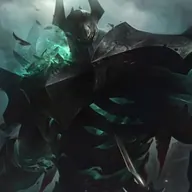
Master Yi can easily dodge Mordekaiser's Obliterate with Alpha Strike and melt him inside Realm of Death using the true damage from Wuju Style.
Your dueling potential scaling far outpaces Mordekaiser's tankiness in direct jungle skirmishes. When he attempts to isolate you, his main damage source Obliterate can be entirely avoided by timing your Alpha Strike. Even if he drags you into his Realm of Death, his stolen stats cannot protect him against the raw true damage shred of your Wuju Style, turning his ultimate into a trap for him.
Since you easily win the 1v1, Mordekaiser cannot safely contest Scuttle Crabs or invade your camps. You hold absolute priority in the river. If he attempts to contest neutral objectives, your threat of entering the fight means he must hold his abilities. Any forced duel in the jungle ends in his death, forcing him to play defensively and giving your lanes complete map security.
Do not initiate fights with Alpha Strike. Instead, run at him with Highlander and use normal attacks enhanced by Double Strike to force his hand. Wait for him to cast Obliterate or try to pull you with Death's Grasp, then activate Alpha Strike to dodge either spell. If he traps you in Realm of Death, immediately activate Wuju Style and use Meditate to stall if he somehow gets the jump on you first.

Master Yi can completely dodge the damage pop of Zed's Death Mark or his Razor Shuriken by timing Alpha Strike as Zed reappears.
Master Yi dominates this duel because his Alpha Strike completely neutralizes Zed's high-damage threats. When Zed commits with Death Mark, his entire burst relies on landing multiple Razor Shuriken strikes. By timing Alpha Strike precisely as Zed emerges from his shadow, you can dodge his shurikens and completely avoid the final death mark explosion. Without this burst, Zed cannot match the raw sustained damage of Wuju Style.
In the jungle, this interaction strips Zed of his invading power and pressure. He cannot safely contest objectives or camps when Highlander is active, as he risks getting run down without being able to burst you. You can confidently invade his jungle camps, forcing him to use Living Shadow defensively to flee rather than using it to clear camps or look for aggressive skirmishes.
To execute this flawlessly, never open a duel with Alpha Strike; instead, activate Highlander and run him down with basic attacks empowered by Wuju Style. Force him to panic-cast Death Mark. The instant he reappears behind you, press Alpha Strike to vanish, dodging his immediate Razor Shuriken slash. If you misstime it and get marked, immediately channel Meditate to drastically reduce the incoming burst before the mark detonates.

Olaf's Ragnarok renders him immune to CC, which is useless against Master Yi, allowing Yi to simply out-DPS him with Wuju Style.
Olaf's signature ultimate, Ragnarok, grants him complete immunity to crowd control, which is entirely wasted against Master Yi's pure damage kit. Because you do not rely on stuns or slows, you bypass his primary defensive utility. Instead, you can simply activate Highlander and Wuju Style to melt his health pool with true damage, easily winning the raw DPS duel even when his Berserker Rage triggers.
In the jungle, this matchup becomes a direct farm race where your superior scaling puts immense pressure on Olaf. While Olaf clears quickly using Undertow, he cannot easily invade you because he risks getting collapsed on and out-dueled once you secure your core skills. As the game progresses, you naturally outscale him, forcing Olaf to make desperate, risky plays to secure early map priority before your Double Strike damage becomes completely overwhelming.
When fighting Olaf, do not panic when he uses Reckless Swing or low-HP Vicious Strikes. Use Meditate to stall out his initial burst or to wait out his axes. Crucially, save Alpha Strike to dodge his Undertow slow or to follow him if he tries to escape with Ragnarok's movement speed. If a fight looks bad early on, focus heavily on securing your camps to accelerate towards your mid-game power spikes.
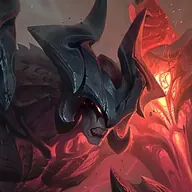
Master Yi uses Alpha Strike to dodge your third The Darkin Blade cast and avoid the pull of Infernal Chains.
Master Yi naturally outpaces Aatrox as the match progresses, turning this jungle matchup into a ticking clock for the Darkin. Your sustained true damage from Wuju Style easily bypasses his defensive stats, while Highlander completely negates the slow from Infernal Chains. Because Aatrox relies on landing precise, slow-paced sweetspots with The Darkin Blade to heal, your superior attack velocity eventually forces him into desperate, losing skirmishes.
This matchup heavily skews river skirmishes and jungle invades in your favor once you secure your ultimate. Aatrox cannot safely contest neutral objectives or defend his own camps alone because he lacks the burst to execute you before you shred him. He is forced to rely on lane assistance, meaning you can pressure his jungle paths, steal camps, and force him to watch his jungle quadrant shrink.
To dominate, never initiate with Alpha Strike. Instead, run Aatrox down with Highlander and strike him directly. Save Alpha Strike exclusively to vanish during his third The Darkin Blade swing or to completely bypass the drag effect of Infernal Chains. If he activates World Ender to turn the tide, use Meditate to absorb his empowered strikes, then activate Wuju Style to melt his remaining health bar once his key cooldowns are spent.
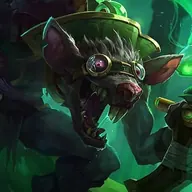
Twitch has no reliable escape once Master Yi activates Highlander, and Yi can use Alpha Strike to close the distance and dodge Twitch's Spray and Pray piercing bolts.
Twitch relies on stealth to escape or reposition, but once you activate Highlander, his slow from Venom Cask is completely negated. The plague rat has zero mobility to outrun your ultimate speed. When he tries to retaliate by activating Spray and Pray, you can easily time your Alpha Strike to dodge his high-damage piercing bolts while closing the gap, leaving him completely exposed with only physical attacks.
This absolute advantage turns the river and jungle into your personal hunting ground. Twitch cannot safely secure Scuttle Crabs or invade, as any face-to-face encounter ends in his death. He is forced to rely on Ambush for desperate lane ganks, which you can easily counter-gank. Because he cannot contest you directly, you will secure faster jungle clears and early neutral objectives without fearing his duel potential.
When hunting the rat, never open the fight with Alpha Strike. Run at him using the massive movement speed of Highlander to force his panic response. The moment he activates Spray and Pray to fight back or tries to escape, that is your cue to unleash Alpha Strike to bypass his ultimate's projectile path. Once you land, immediately activate Wuju Style and Double Strike to shred his fragile health pool before he can stack Deadly Venom.

Master Yi's Highlander makes him immune to the slow from Infected Bonesaw, while Wuju Style's true damage shreds Mundo's health pool.
Dr. Mundo relies on the slowing cleavers of Infected Bonesaw to kite and keep distance, but activating Highlander completely immunizes you against this slow, allowing you to run him down. Once you close the gap, Wuju Style inflicts pure true damage that ignores his massive health scaling, rendering his passive regeneration useless during direct duels. He cannot escape or out-tank your raw DPS.
This matchup dynamic turns the river into a danger zone for Dr. Mundo. Since he cannot safely peel you off, you can aggressively invade his camps and secure Scuttle Crabs with impunity. If he attempts to contest neutral objectives, your superior dueling power forces him to yield territory or die, giving your lanes constant priority and pressure.
When initiating a duel, do not lead with Alpha Strike. Save it to follow him if he tries to escape or to dodge Infected Bonesaw when your ultimate is down. Activate Highlander and Wuju Style the moment he commits to a fight, and if he uses Maximum Dosage to heal, keep landing Double Strike attacks to outpace his regeneration. If a fight goes poorly, channel Meditate to stall his physical damage from Blunt Force Trauma.
Other matchups
Buy these items to reduce this champion's effectiveness in your games.



| Matchup | Verdict | Edge | Win rate | Pick rate |
|---|---|---|---|---|
| Rammus | Hard Counters | +3 | 55.7% | 4.6% |
| Fiddlesticks | Hard Counters | +2 | 51.6% | 1.8% |
| Pantheon | Hard Counters | +2 | 51.3% | 6.3% |
| Jax | Hard Counters | +2 | 49.2% | 1.9% |
| Maokai | Hard Counters | +2 | — | — |
| Nilah | Hard Counters | +2 | — | — |
| Poppy | Hard Counters | +2 | — | — |
| Amumu | Unfavorable | +1 | 56.4% | 2.8% |
| Skarner | Unfavorable | +1 | 54.6% | 1.6% |
| Ambessa | Unfavorable | +1 | 53.8% | 1.2% |
| Shen | Unfavorable | +1 | 53.6% | 1.4% |
| Ekko | Unfavorable | +1 | 53.3% | 7.3% |
| Nocturne | Unfavorable | +1 | 52.6% | 6.5% |
| Jarvan IV | Unfavorable | +1 | 51.9% | 7.3% |
| Diana | Unfavorable | +1 | 50.5% | 1.4% |
| Warwick | Unfavorable | +1 | 50.5% | 2.0% |
| Kha'Zix | Unfavorable | +1 | 49.8% | 5.2% |
| Wukong | Unfavorable | +1 | 49.7% | 3.5% |
| Vi | Unfavorable | +1 | 49.5% | 4.8% |
| Riven | Unfavorable | +1 | 49.0% | 1.3% |
| Evelynn | Unfavorable | +1 | 48.9% | 2.1% |
| Volibear | Unfavorable | +1 | 48.5% | 4.4% |
| Yone | Unfavorable | +1 | 48.4% | 2.7% |
| Graves | Unfavorable | +1 | 47.6% | 7.4% |
| Lee Sin | Unfavorable | +1 | 46.5% | 12.4% |
| Gragas | Unfavorable | +1 | — | — |
| Nautilus | Unfavorable | +1 | — | — |
| Kayn | Skill Matchups | ±0 | 51.5% | 7.2% |
| Xin Zhao | Skill Matchups | ±0 | 50.9% | 8.9% |
| Nidalee | Skill Matchups | ±0 | 50.8% | 2.3% |
| Darius | Skill Matchups | ±0 | 50.1% | 6.5% |
| Fizz | Skill Matchups | ±0 | 49.2% | 1.8% |
| Tryndamere | Skill Matchups | ±0 | 49.1% | 8.6% |
| Rengar | Skill Matchups | ±0 | 48.3% | 2.2% |
| Camille | Skill Matchups | ±0 | — | — |
| Gwen | Favorable | −1 | 53.0% | 2.5% |
| Lillia | Favorable | −1 | 52.5% | 3.1% |
| Nunu & Willump | Favorable | −1 | 52.4% | 2.0% |
| Kindred | Favorable | −1 | 51.1% | 2.4% |
| Zed | Favorable | −1 | 51.0% | 2.6% |
| Olaf | Favorable | −1 | 51.0% | 1.8% |
| Hecarim | Favorable | −1 | 50.9% | 1.8% |
| Talon | Favorable | −1 | 50.9% | 3.0% |
| Cho'Gath | Favorable | −1 | 50.5% | 8.2% |
| Viego | Favorable | −1 | 47.3% | 4.2% |
| Shyvana | Favorable | −1 | 46.1% | 2.9% |
| Mordekaiser | Favorable | −1 | — | — |
| Taliyah | Favorable | −1 | — | — |
| Dr. Mundo | Favorable | −2 | 51.6% | 1.7% |
| Twitch | Favorable | −2 | 47.8% | 2.1% |
| Aatrox | Favorable | −2 | 44.3% | 1.1% |
| Morgana | Favorable | −2 | — | — |
Edge: Wild Rift Core canonical verdict (−3 to +3), shown from the point of view of the champion named in the row. Win rate and pick rate: the opponent's own rate in this role — Wild Rift CN · Challenger, Patch 7.3c. Not a head-to-head win rate.
Master Yi is not countered by damage types, but by control patterns and tempo. Champions that stop him are not necessarily those who beat him in duels, but those who break his reset logic. Once Yi is denied resets, he loses all value.
Effective counters are those who can either lock him down or survive long enough to break his tempo. Jax and Rammus perfectly illustrate this logic by denying him clean execution windows.
These champions prevent Yi from playing. Their CC is reliable and hard to dodge even with Alpha Strike. They force Yi to use QSS early or die instantly.
How the champion adapts. Wait even longer before entering and play around cooldowns.
These champions can nullify his DPS and win extended trades, breaking his burst pattern.
How the champion adapts. Avoid direct duels and look for weaker targets.
They absorb his burst and prevent quick resets, slowing Yi down entirely.
How the champion adapts. Ignore these targets and play on flanks.
Jax is a structural counter: he can completely shut down Yi’s DPS and turn fights.
Because he relies entirely on timing. Proper CC management shuts him down.
Yes, but only if they misplay their timing.
Champions with reliable targeted CC.
Don’t focus them, look for isolated targets.