













































Nunu & Willump Counters
Why
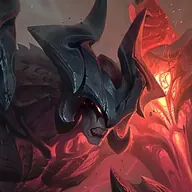
Olaf is hard into Nunu because he reduces your control value: you want to engage, slow, zone, and hold space while securing with Smite + consume. Olaf denies that plan—he can run at you, ignore parts of team control, and turn objective fights into extended brawls where you lack the same kill pressure.
Lane impact
Around dragon/herald he forces you off your zoning role. Step up to hold space and he threatens you; play too far and you can’t deny enemy entry. You lose control of fight tempo, which is normally your playground.
How to play
Positioning: don’t give him a free chase corridor; play open space with exits and keep your team close enough to punish oversteps. Key timing: don’t force objectives at Olaf power timings when your backline can’t support—sometimes you must stall, get vision, and wait out a cooldown/rotation. Decision-making: if Olaf tries to force a fight, make him pay with cross-map/tempo (opposite camps, vision reset, safer objective) rather than accepting the brawl he wants.
Why
Kindred is hard because she hits both your strengths: your telegraphed engage (snowball) and your ability to finish plays with burst + consume. She kites extremely well, refusing your entry, and her ultimate can break the key moment where you expected to secure a kill or win an objective fight.
Lane impact
Early she contests river and marks, and every contest costs you time. At objectives, she disrupts your plan: you want a clean smite/consume scenario; she wants chaos where R creates a zone that changes everything.
How to play
Pathing: don’t chase in a straight line—read the map (where marks will be) and arrive first with vision. Key timing: track her level 5 ult—if it’s up, your goal shifts from ‘finish fast’ to ‘force R then replay’. Decision-making: if you can’t catch her, don’t tunnel—use map control to gain value elsewhere (gank, opposite objective) and reduce her kite windows.
Why
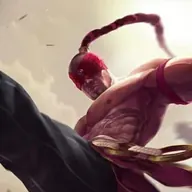
Lee Sin is hard because he pressures you before you’re set: invades, early duels, and playmaking that pushes you out of comfort. Nunu wants structured objectives—hold entrances, dictate a clean fight. Lee breaks structure: finds an angle, displaces you, and turns the fight into chaos where your snowball is less reliable.
Lane impact
Early he contests Scuttle and punishes predictable pathing. At objectives, his kit makes channeling/holding positions risky: you can get interrupted, zoned, or isolated, losing zone control.
How to play
Pathing: vary routes and don’t give free reads; play toward lane priority or you end up alone versus Lee. Key timing: level 3–5, respect invade windows and set early vision. Decision-making: if Lee controls river, don’t force the objective anyway—take vision, reset, and create tempo elsewhere before returning.
Why
Graves is hard because he withstands your pressure: you engage and control, yet he stays standing, pushes you out, and forces skirmishes where your burst isn’t enough. Your entries are often linear (snowball corridors), and Graves loves spacing to make you miss or punish the approach.
Lane impact
He contests camps/river without dying easily, making it harder to establish vision. At objectives he forces a choice: hold space and eat damage, or back off and lose entrance pressure—your objective control becomes less stable.
How to play
Positioning: don’t snowball on autopilot; wait for a truly favorable entry (allies nearby, corridor not controlled). Key timing: play windows when Graves is on the opposite side or after he used a key tool (smokescreen/dash). Decision-making: if he refuses a fight, that’s not failure—take vision, secure a clean objective, and force him to enter your zone rather than fighting in his.
Why
Vi is unfavorable because she makes your approaches less comfortable: you want to hold the front of an objective zone and threaten engage. Vi can break that with targeted initiation onto you or your carry, shifting the fight before your snowball gains value.
Lane impact
In skirmishes, stepping up to zone can get you locked, and your team loses the time needed to convert your control. Macro-wise, you lose the right to ‘face tank’ river—you must invest more into vision and safer angles.
How to play
Positioning: don’t be a free target; play slightly offset and keep an exit if you step up. Key timing: track Vi’s location before starting objectives—starting dragon blind into Vi often means accepting forced engage. Decision-making: if she engages, don’t panic-smite; stabilize the fight first, then return to smite/consume once it’s readable.
Why
Xin Zhao is unfavorable because he loves early river fights where Nunu prefers setup and choice. If you get contested too early, you lose tempo, arrive late to objectives, and your ‘objective controller’ identity becomes less credible.
Lane impact
He can stop clean snowball plays on sides if you must protect your jungle. On first objectives, he can force a fight at timings where your team lacks tools, making your engage risky.
How to play
Pathing: play toward lane priority and sometimes trade Scuttles instead of donating a head-on duel. Key timing: level 5 improves your impact only if you arrive with vision and position—don’t allow surprise fights. Decision-making: if Xin tries to drag you into river, answer with a clear play elsewhere (gank, opposite invade) to regain tempo.
Why
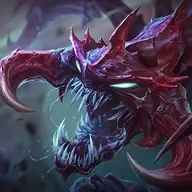
Kha’Zix is unfavorable because he punishes your setup phases: you step up to ward, hold an entrance, position forward—and he looks for that isolated moment to chunk or kill a carry. Your kit excels at engaging, but it’s less suited to handling a fog assassin playing picks.
Lane impact
You can lose vision priority if you can’t face-check. And if you must stay grouped constantly, you lose some natural tempo (fast snowball plays) because you must play more cautiously.
How to play
Positioning: never ward alone when Kha’Zix is missing; use support/laners to escort dark zones. Key timing: secure entrances early before objectives or you’ll face-check at the worst moment. Decision-making: if you can’t control vision, flip the plan—gank a lane to force Kha’Zix to show, then take the objective.
Why
Evelynn is skill because you can punish her structurally (vision + objectives), but she punishes ignorance (stealth + picks). Nunu wins by setting objective space; Eve wins by cutting lines and getting a kill before the fight.
Lane impact
After level 5 she turns river dangerous: arrive late and you must face-check, losing your role. Arrive early with a vision net and you can suffocate her and force defensive play.
How to play
Vision: make river your territory 20–30 seconds before objective, not when it starts. Key timing: respect her level 5 and resets; start objectives when she has shown position (gank/side). Decision-making: if Eve is missing, don’t ‘start anyway’—bait information first (gank, push, vision) then secure once info returns.
Why
Wukong is skill because your kit can start fights well—but his kit can flip them if your team clumps. Engage while donating multi-ult value and you lose; engage while holding space and forcing Wukong into a prepared zone and you control tempo.
Lane impact
At objectives it’s formation warfare: Nunu wants stable space, Wukong wants chaos. If your team stacks in pit, you lose; if you keep split lines and exits, your control becomes far more effective.
How to play
Positioning: enforce a wide formation before engaging even if it slows action. Key timing: punish after he spends dash/reposition; then your control and AoE burst are more reliable. Decision-making: if formation is bad, don’t engage—back off, reset vision, and replay setup rather than accepting a fight that maximizes his ult.
Why
Rengar is skill because he mainly punishes discipline: you can control an objective well, but if you leave a dark brush, he can win the fight before it starts. Snowball and tankiness don’t matter if your team gets picked on entry.
Lane impact
Around objectives he forces brush vision investment or you lose the right to hold front space. If you secure key brushes, you massively reduce his value and return to your plan: zone, engage, secure.
How to play
Vision: prioritize river/entrance brushes even if it costs clear time. Key timing: arrive earlier than usual to ‘clean’ brushes; arriving late into Rengar is a common, punishable mistake. Decision-making: if you lack vision, don’t force—take an easier play (lane gank) to make Rengar show, then return to objective.
Why
Amumu is favorable because he often gives you initiative: slower clear, readable routes, and engage dependency. Nunu loves arriving early, placing vision, controlling entrances, then securing with consume + smite.
Lane impact
You can often be first to river and impose setup. If Amumu arrives late, he must face-check for an angle—exactly what you want: push him out, keep space, and take the objective cleanly.
How to play
Vision: secure entrances early and force Amumu to walk into you. Key timing: start objectives when you already own the zone, not while you’re fighting to get it. Decision-making: if Amumu forces grouped fights, don’t clump—play wide, keep your secure plan, and punish entry rather than scattering.
Why
Master Yi is generally favorable because you can speed the game up while he wants time. Nunu excels at tempo through fast ganks and objective control; Yi wants to farm and arrive later, giving you a natural window to dictate the map.
Lane impact
If you land one or two early moves (gank + dragon, or gank + invade), Yi must choose: farm and lose the map, or respond and slow scaling. With strong objective secure, you convert river presence into real wins.
How to play
Pathing: prioritize gankable lanes early instead of matching an ‘equal’ clear. Key timing: first objectives are the pivot; if you secure first dragon/herald cleanly, you force Yi into a delayed game. Decision-making: don’t chase Yi blindly in his jungle—take the objective and make him come to a zone where your control is stronger.