Teemo Counters
Why
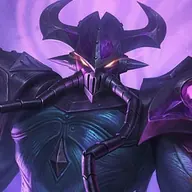
Malphite is a structural hard counter to Teemo because he refuses your game. You want chip damage, space control, and forcing opponents to walk on your terms. He can soak enough early pressure and, more importantly, has a decisive engage button that turns your “range comfort” into a trap. Blind and light mobility don’t save you when he commits to a real all-in.
Lane impact
In lane you can harass him early, but you rarely break him: his kit lets him stabilize and regain leverage as soon as key timings come online. From level 5 onward, the threat of a clean engage forces you to stand farther back, which costs CS, priority, and sometimes wave control entirely.
How to play
Treat the lane as a danger zone: position off-center (not in the middle of the lane) to reduce engage angles, and don’t push without deep vision. Key timing: before vs after level 5—before, poke and controlled slow pushes; after, keep a wider safety buffer and place defensive shrooms on approach paths. Decision: if pressure isn’t sustainable without dying, pivot to macro—crash + reset, then play objectives/vision instead of chasing an unlikely solo kill.
Why
Pantheon is hard for Teemo because he converts a tiny positioning mistake into an immediate execution. Your plan is short trades where you leave before retaliation. He locks you in: point-and-click stun, burst, and enough stickiness that your kiting doesn’t matter unless you’re already ahead.
Lane impact
In lane you may feel ‘fine’ while he’s at range, but one extra step (or greedy warding) turns the lane into a no-play scenario. Once he hits level 5, the threat spikes again: he can force timings and create kill windows even if you were stabilizing.
How to play
Be strict with positioning: always keep a clean retreat line to your tower and avoid side exposure without shrooms/vision. Key timing: track his commit windows (pre-level 5 vs post-level 5 when his tempo becomes more lethal). Decision: if the wave is neutral and you lack jungle info, drop 1–2 minions instead of donating an all-in—your win condition is staying alive and later choking the map with control shrooms.
Why
Renekton is hard because he has exactly what Teemo hates: reliable access to melee range, burst, and CC that breaks your rhythm. Blind reduces some of his damage, but not his right to enter—if he finds his window, your poke lane becomes a survival lane.
Lane impact
In lane you can chip him, but he only needs one or two winning trades to flip the matchup. Poor wave control (pushing too far) becomes a trap: he dashes, stuns, and you no longer have the space to kite. From level 5 onward, a bad recall timing is heavily punished because his pressure can snowball the lane.
How to play
Start with wave management: keep the wave near you and don’t let it stack on the enemy side without vision (you’ll cage yourself). Key timing: respect his power spikes (first clean all-in, then post-level 5 when he can repeat patterns more often) and bait out dashes with short feints before backing off. Decision: if you don’t have safe poke windows, play the economy—controlled farming, defensive shrooms in bushes/river, and call for a jungler timing on a freeze wave instead of forcing a duel.

Why
Olaf is hard into Teemo because he’s designed to ignore the ‘kite and chip’ logic. He wants to run straight at you, extend the fight, and punish champions without real escape. Blind helps, but it doesn’t solve the core issue: once Olaf is on top of you, the duel duration becomes unfavorable.
Lane impact
In lane his plan is simple: threaten a chase every wave and tax your CS through constant pressure. If you get tagged by axes repeatedly, your spacing collapses and you’re forced into bad recalls. Midgame, if you side lane without vision, he can run you down and invalidate your split plan.
How to play
Positioning means avoiding straight lines: move diagonally, always keep an angle toward a shroomed bush or your tower, and never cross ‘empty’ zones without information. Key timing: at level 5, shrooms become your real defensive kit—plant them on chase paths (river/tri-bush/lane entrances) before you push. Decision: if Olaf holds the wave and threatens you, favor cross-map value—short push + reset, then group for dragon/herald instead of insisting in side lane against the exact fight he wants.
Why
Kennen is hard for Teemo not because he hard-wins pure duels, but because he removes a key advantage: range. When both champions operate at similar distance, the one with better trade burst and teamfight all-in threat tends to dictate the lane. Kennen can harass while keeping stun/escape options, and he usually brings more value to grouped fights.
Lane impact
In lane you rarely kill him if he plays respectfully. It can feel like ‘even trades’ while you still lose priority because he clears cleaner and punishes every step forward. From level 5 onward, you must also respect how he converts one good timing into chained stuns.
How to play
Positioning: use brush angles and force trades where you exit before retaliation, instead of line-dueling. Key timing: when Kennen spends his mobility/engage window, that’s your moment to take 1–2 extra autos then back out; otherwise play conservative. Decision: if you don’t have prio, don’t fight for the wave with your HP—set vision control with shrooms, accept a stable lane, and aim for objective rotations where your zoning can deny enemy entries.
Why
Jayce is unfavorable because he beats you at your preferred battlefield: ranged trading. He can poke with less exposure, control lane tempo, and has burst that punishes any overstep. Teemo likes small repeated wins; Jayce can make every window expensive.
Lane impact
In lane you can lose priority early, which reduces your ability to place proactive shrooms once you hit level 5. If you bleed too much, you’re farming under tower while still getting poked. Midgame, he can also disrupt your split by forcing you back before you can even set up space control.
How to play
Positioning: play behind minions to reduce direct poke value and use brush angles to break his read. Key timing: from level 5, invest in defensive shrooms on approach routes rather than ‘offensive’ traps if you lack prio. Decision: if you can’t maintain lane HP, don’t insist on trading—aim for smart resets (crash when possible, short recall), then shift to map phases where shrooms create value through vision and objective control.
Why
Jax is unfavorable because he has a tool that directly attacks your identity: much of your value is autos + poison, and Counter Strike heavily reduces that at the critical moment. He also scales hard in duels, so if you don’t build a real early lead, you gradually lose side-lane control.
Lane impact
In lane you can harass him, but every time he finds an engage with E available, you risk losing far more than you gained. After level 5, your shrooms slow him down, but he can still learn to force through if your traps are poorly placed or the wave is too far up.
How to play
Positioning: treat his E like a red light—back off as soon as it’s active, then re-apply pressure when it’s down. Key timing: play around cooldowns and use shrooms to cut his engage path (not just for damage). Decision: if Jax starts outgrowing your side control, stop ego 1v1s—short push, vision, then group on objective fights where your zoning and blind protect your carries.
Why
Nasus is unfavorable in a ‘quiet’ way: you can bully with poke, but if you don’t meaningfully deny stacks, you end up playing against a timer. And once Wither hits you at the right moment, your kiting collapses—Teemo without real escape becomes a target that gets run down.
Lane impact
In lane you must choose: harass him off the wave, or freeze to deny stacks. If you push too far, you gift farm under tower and expose yourself to ganks. Mid/late, if he’s stacked, your split becomes dangerous: he can force you back and you lose room to set offensive shrooms.
How to play
Positioning: stay close to the wave and avoid deep lane positions so you don’t get Withered with no exit. Key timing: at level 5, place shrooms deliberately on choke points that protect your retreat (river/tri/lane entrances) to survive chases. Decision: if Nasus reaches a threshold where you can’t keep him at arm’s length, switch roles—be vision control and objective support with your team rather than insisting on a losing side lane.
Why
Urgot is unfavorable because he combines two annoying things for Teemo: ranged trade pressure that isn’t free to punish, and an execute threat that changes your error thresholds. Even if you blind some of his autos, he can force respect on timings and punish one extra step with an engage/flip.
Lane impact
In lane you can lose trades if you get caught during a last-hit animation or position too close to walls/flip angles. Once you’re chunked, his ‘kill lane’ threat forces you to play lower, costing priority and shroom setup. Midgame, he’s also strong at converting picks into objectives.
How to play
Positioning: play wider and avoid lines where a flip drops you directly into his DPS zone. Key timing: at level 5, prioritize defensive shrooms on approach angles and river shrooms to spot setups early. Decision: if you don’t have the HP advantage, stop forcing extra autos—take safe CS, set up a clean recall, then return with vision and a more stable lane state.
Why
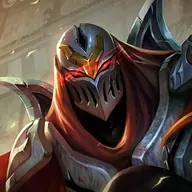
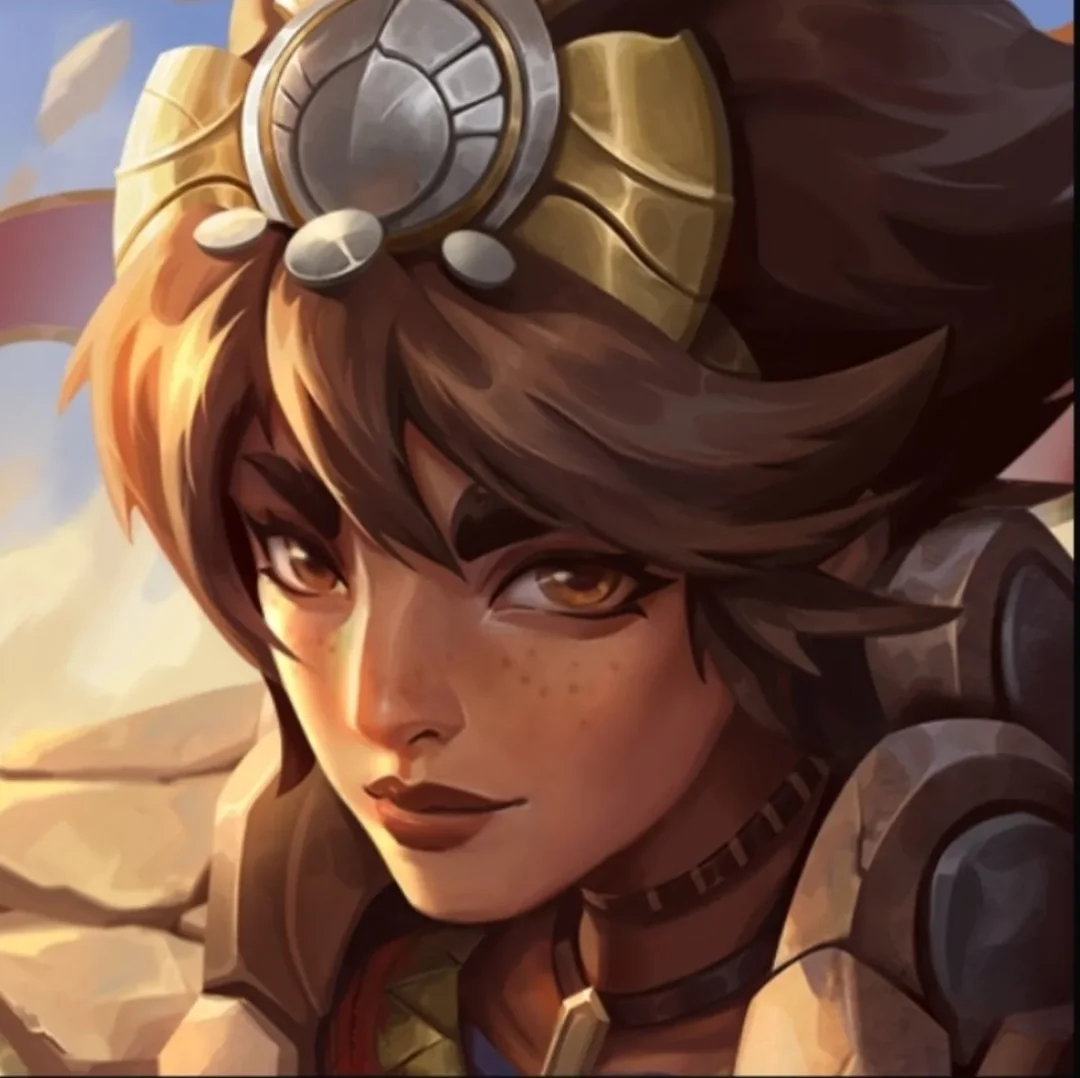
Camille is a skill matchup because it’s all about reading windows. If you play too far up, she finds Hookshot and converts into an all-in. But if you control space well, she’s forced into risky entries, and your shrooms punish predictable paths extremely well.
Lane impact
In lane you can keep her honest with poke, but you must accept she can flip a trade if you overestimate safety. After level 5, your ability to lock brushes and wall angles becomes decisive—this is where you win or get surprised.
How to play
Positioning: don’t hug walls without vision, and keep a retreat line that doesn’t go through an unshroomed choke. Key timing: track her commit availability and plant shrooms on likely latch points before you push. Decision: if Camille holds spells and plays patiently, don’t force trades—manage the wave, set vision, and instead group for objectives where your zoning reduces her impact.
Why
Riven is skill because she can kill you if she reads you, but you can also make her feel useless if you deny her timings. She relies on dash + burst sequences; you must break the rhythm: blind at the right moment, strict spacing, and never give her a long lane where she can chain freely.
Lane impact
In lane, a Riven who catches you on an extended wave can force a losing trade or your flash. On the flip side, if you keep wave controlled and make her dash through shrooms after level 5, she loses tempo and starts hesitating to engage.
How to play
Positioning: keep the wave near you and kite diagonally rather than straight-line retreat. Key timing: use blind on the real commit (not a test dash), then immediately back out to shorten the duel. Decision: if she holds cooldowns fishing for a mistake, play low risk—your plan becomes vision + objective control with shrooms, punishing only when she overcommits.
Why
Irelia is skill because she needs the wave to reach you, and you need space to survive. If you allow a minion-rich wave full of low HP targets, she gets free ‘steps’ to jump onto you. If you manage minion state well, she’s forced into predictable entries and your shrooms/spacing punish her.
Lane impact
In lane you can bully her as long as wave is controlled, but a bad reset or a big wave pushing toward you can give her an all-in timing. After level 5, shrooms add defense, but only if placed on access routes—not randomly behind the wave.
How to play
Positioning: don’t stand glued to a wave full of dashable targets; play slightly back and to the side. Key timing: before she can chain dashes, thin low HP minions, then place shrooms on pivot points (brush/river/lane entry) once you hit level 5. Decision: if wave state is dangerous, don’t fight for prio—crash if possible, reset, and return to a healthier wave rather than donating an all-in.
Why
Garen is skill because it’s a tug-of-war over time: you want to keep him low, he wants to ‘reset’ with passive and pick an all-in timing. He doesn’t need many hits; he just needs one good silence + spin window when you’re extended or already chunked.
Lane impact
In lane you can poke him, but if you let him step out and regen for free, you end up repeating the same work without progress. After level 5, execute threat changes the read: a Garen who gets you to half HP can convert one positioning mistake into a kill.

How to play
Positioning: keep trades short and only take them when you can retreat without getting caught by silence. Key timing: punish his moments outside the wave (when he wants to regen) and use level 5 shrooms to deny clean engage routes. Decision: if you can’t keep him pressured, manage priority in waves—short push, reset, return—your goal is never giving him a free all-in on a long lane.

Why
Shen is often favorable for Teemo because you can wear him down without giving profitable trades. His kit looks for short windows and impact timings via ultimate; you can chip his HP, reduce his ability to hold lane, and make his movements expensive with shrooms.
Lane impact
In lane you can pressure his last hits and force defensive resources just to survive. From level 5, shrooms turn the lane into a control zone: if he wants to roam or reset, he crosses terrain that slows him and costs tempo.
How to play
Positioning: stay outside his engage angles and prioritize safe harass when the wave is neutral. Key timing: at level 5, place shrooms on rotation paths (river/tri/entries) to punish ult/roams and secure lane. Decision: if Shen leaves lane, don’t blindly follow—take plates/priority, place vision, and convert his move into lost resources.
Why
Sion is favorable for Teemo because he’s slow and predictable: you can kite, punish his animations, and control space around him. Even if tanky, your poison and shrooms win over time, and you can often avoid the full trades he wants.
Lane impact
In lane you can prevent him from building comfortable wave states and force him to choose between eating poke or losing CS. After level 5, shrooms make his entries even harder: he must walk through chokes and loses speed, breaking his timings.
How to play
Positioning: stay mobile, orbit the wave, and avoid lining up with telegraphed abilities. Key timing: at level 5, place shrooms in brushes and on return paths to punish recalls and secure your push. Decision: if Sion perma-pushes and plays tower, convert it into tempo—push, reset, then take an objective while he’s stuck on the lane.
Why
Dr. Mundo can be favorable for Teemo if you play attrition correctly: he wants to soak and walk forward, you want to make the lane ‘dirty’ where every step costs him. Blind isn’t the centerpiece here; it’s your zoning, poison, and denying Mundo the ability to choose timings freely.
Lane impact
In lane you can keep him pressured as long as you don’t get dragged into long trades. After level 5, shrooms punish his pushing routes and complicate resets. The main danger is overconfidence: Mundo loves long lanes where he can chase without constraints.
How to play
Positioning: harass while staying close to your escape line, and never chase too far after a winning trade. Key timing: at level 5, place shrooms on push routes and around brushes to break his pathing patterns. Decision: if Mundo doesn’t die but backs off, it’s already value—take priority, place vision, and convert pressure into objective control rather than a chase.