Counter angle
Viego’s counters are not just about stats or duels, but about denying his reset. All effective counters share one trait: they control the fight tempo or burst before he can act.
Counters
Viego loses effectiveness against tight peel compositions that prevent possessions, or against teams whose possessed champions have little value for him. Instant burst profiles neutralize him before possession. CC interrupts his possession transitions.
Lee Sin is brutal for Viego because he targets Viego’s weakest window: the early tempo game. Viego wants a clean first clear and a controlled first fight where he can secure a takedown and trigger possession resets. Lee Sin does the opposite: he drags you into forced skirmishes before you have items, before you’re stable, and before you can reliably convert a close fight into a reset chain.
In the jungle, this becomes relentless pressure around invades, early duels, and scuttle control. If he disrupts your first clear even once, you fall behind on everything: objective fights, counterganks, and especially level 5. And without your ultimate, your finishing angle is weaker and your ability to ‘turn’ a fight into a reset sequence drops significantly.
Adjust your pathing to reduce contestable zones and be willing to give up a scuttle if your lanes don’t have priority. The key timing is pre/post level 5: before 5, play to avoid collapse (don’t die, protect your camps); after 5, look for fights already started where you can secure the first takedown and reset. Concrete decision: if Lee shows top to invade, don’t mirror the duel — take cross-map value (opposite camps + vision + Drake/Herald setup) and turn his aggression into a favorable trade.
Xin Zhao punishes Viego because he turns the game into direct, front-charged duels. Viego prefers skirmishes where he finishes rather than starts, but Xin sticks to you, forces extended melee trades, and generally wins early/mid 1v1s without giving you room to play patiently. His ultimate can also isolate you at the exact moment you’re trying to secure a clean execution into possession resets.
Practically, Xin can walk into your jungle, pressure you off camps, and threaten every river fight. While Viego wants to arrive after the engage and collect the first takedown, Xin can act like a bouncer that denies your entry and breaks your tempo. Your ganks get riskier if Xin is ready to countergank because he spikes earlier and controls the pace.
Your positioning must avoid facechecks and narrow corridors until you have level 5 plus a meaningful buy. Key timing: track his first recall—if he returns with a combat spike, skip 2v2 contests. Concrete decision: if Xin claims river space, don’t auto-contest—take the information and play the response (gank the opposite side, secure deep camps, or force a dive with lane priority). In fights, let him spend his entry tools first before you commit; your job is to collect the finish, not donate a duel.
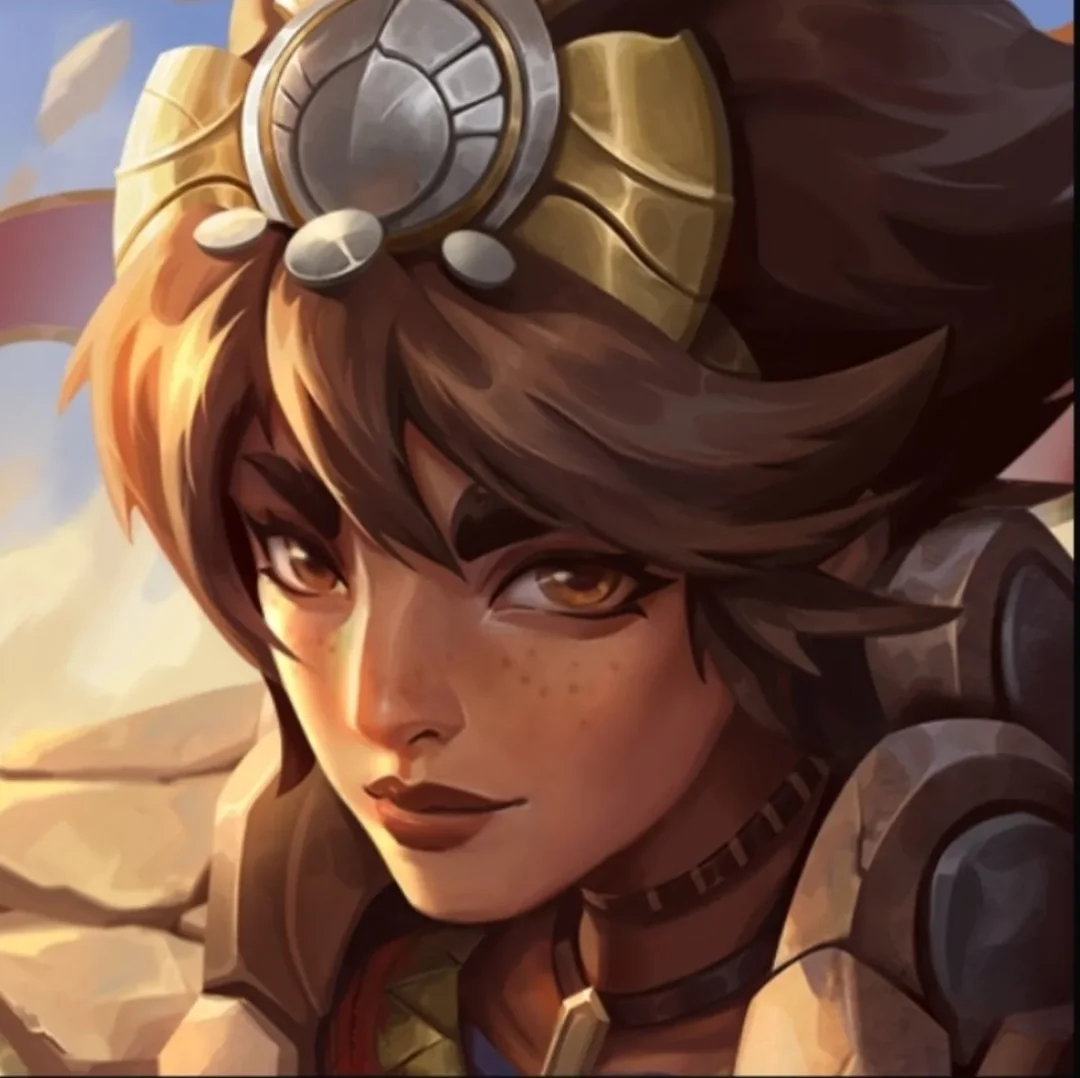
Vi is a very practical hard counter: she doesn’t need fancy outplays to stop you from playing. Viego hates being locked down right as he wants to enter second wave and secure the first takedown. Vi’s reliable engage forces you to show early or punishes you the moment you step up, breaking your tempo—instead of choosing timing, you inherit hers.
In the jungle, Vi creates constant lane pressure because her ganks are straightforward but hard to avoid when targets lack Flash. You typically want opportunistic fights and reset-driven cleanups. If Vi is the first engager, she can delete your backline before you reset, or force you into defensive posture. The game speeds up and you’re stuck chasing it.
Path to cover the most gankable lane and call out her level 5 timing—this is her big action spike. Key positioning: keep a flank entry, never a straight-line approach into her. Concrete decision: if Vi shows on a gank, don’t arrive late to ‘fix’ it; instantly take cross-map value (opposite objective, invade, or mirrored gank) so her play has a price. In teamfights, wait until her ultimate is used or she’s committed onto a non-critical target, then enter for cleanup.
Rengar blocks your simplest win condition: staying alive long enough to secure the first reset. Viego shines when he can linger in a fight, chip damage, then finish for possession. Rengar instead looks for explosive picks that remove someone before the real fight even starts. If you’re the target, you often don’t get to ‘set up’ your reset flow.
In the jungle this becomes a vision and pathing war. Rengar thrives in fog-of-war and short routes. If you cross river without information, you can lose Flash or die, and then you’re forced to play timid for minutes. Even during ganks, his countergank can flip your play into a trap, and your team may hesitate to follow when someone can be deleted instantly.
Adopt anti-pick positioning: don’t enter first, and never traverse unwarded zones when Rengar’s location is unknown. Key timing: his level 5 ultimate is the big switch—anticipate it and invest in vision. Concrete decision: if he’s playing bot side and you lack info, don’t force a shaky fight; take guaranteed value (opposite camps + objective with priority) and plan your retaliation when his ultimate is down. In teamfights, let an ally absorb the first burst window, then enter for cleanup.
Graves puts you in an awkward spot: you must reach and stick to him, but he has the tools to kite, stall, and punish you on approach. Viego doesn’t enjoy chasing a retreating target while getting shot, because you bleed the one resource you need most—health that lets you stay long enough to secure a takedown.
In the jungle, Graves often dictates a clean tempo: fast clears, camp control, and early river presence. If you trade with him in open space, you get chipped down before the real fight begins. Since he can invade safely, you may end up defending camps instead of creating gank angles. The matchup becomes a tempo contest: who controls the map.
Path to avoid open-field meetings—favor areas where you can enter through short angles (brush, walls, tight corridors). Key timing: your level 5 is your first real pivot; look for a decisive play then rather than an early duel. Concrete decision: if Graves gains camp control, don’t stubbornly ‘take it back’ immediately—play the opposite objective or punish a no-Flash lane, because that’s where Viego converts best. In fights, secure a more reachable first reset, then revisit Graves with a fresh kit.

Jarvan doesn’t always beat you through raw dueling; he counters you through how he starts fights. Viego prefers messy skirmishes with an accessible first kill. Jarvan starts clean, fast engages and locks someone in Cataclysm, shrinking your freedom—you either enter too early or watch your team get trapped without a reset angle.

In the jungle, his gank pressure is also very direct. Even if you read it, good timing with lane priority can put you behind: you cover, lose camps, and don’t get a kill. In river fights, his kit makes repositioning harder; if you get caught, the fight becomes binary, while Viego thrives in elastic, shifting fights.
Positioning: don’t stand in the main line—play off-angle so you have an exit if Cataclysm drops. Key timing: Jarvan level 5 is when engages become reliable, so pre-ward before he moves. Concrete decision: if Jarvan forces an engage on a priority lane, immediately trade cross-map (camp + mirrored gank, or opposite objective) instead of arriving just to witness it. In teamfights, wait until his E-Q + ult are spent, then enter onto an already damaged target.
Wukong disrupts you because he turns fights into controlled chaos—but not the kind you want. Viego loves chaos when he can exploit it for executions. Wukong brings AoE knockups that ruin your timing: you try to enter on a low target, but you get interrupted right when you need the takedown. Your reset moment becomes much harder to secure.
In the jungle, once he has ultimate, his gank and objective fight timings are scary. He can force 5v5s and even if you position well, a well-timed cyclone can erase your window. The issue isn’t only dying—it’s failing to finish the right target at the right time.
Pathing: avoid head-on objective fights if your team lacks priority and Wukong’s ultimate is available. Key timing: level 5 and first Drake/Herald rotations. Concrete decision: if you expect a contested objective and Wukong is ready, play patience—let the engage happen, pick off an isolated carry from the side, then re-enter. In teamfights, stay on the outside and enter after the first cyclone, not during it.
Nunu pressures you because he plays a different game: he wants to speed up the map, spam ganks, and lock objectives with very strong smite pressure. Viego needs time to turn one action into reset chains; Nunu forces you to respond everywhere, and every response costs camps or timing.
In the jungle that creates two problems: your lanes can get snowballed early, reducing safe gank angles, and on Drake/Herald, Nunu can secure quickly, forcing you into blind contests or trades. A Viego who falls behind in levels and items loses a lot of threat.
Path to cover the most gank-vulnerable lane even if it ruins your perfect clear. Key timing: first objective fights—decide in advance whether you contest or trade. Concrete decision: if Nunu has lane priority and vision control, don’t coinflip; immediately take a trade (opposite objective, invade, or dive your strong lane) and keep your level 5/9 spikes on schedule. In fights, don’t clump—use a side angle to avoid his zoning.
Evelynn makes the game uncomfortable for Viego because she changes your priorities: instead of hunting skirmish angles, you must protect your backline and your routes. Viego wants to choose when to enter; Evelynn forces you to respect pick threat. If she gets a free kill, she accelerates and your comeback windows shrink.
In the jungle, everything feels foggy: if you don’t see her, you must assume she’s ready to punish an overextended lane or a lone warding support. That can tether you to lanes instead of collecting map value. Around objectives, she can also threaten the backline, forcing defensive play when you’d rather focus on cleanup.
Pathing/vision: invest early in real information—deep wards on likely routes, not cosmetic wards. Key timing: post level 5, every river move without info is risk. Concrete decision: if you can’t track her, simplify—take the objective with priority or concede and take a safe trade instead of scattering. In teamfights, stay outside her entry range, wait for her reveal/commit, then cleanup the target she already damaged.
Kha’Zix is unfavorable because he forces you into grouped play while Viego often wants to work angles. His isolation burst can remove too much health before you can execute, and if you’re the target you lose initiative—you’re playing to survive, not to reset.
In the jungle, he threatens your rotations and river entries. A Viego moving alone for a ward or a forward camp can get caught. In skirmishes, Kha can secure the first execution quickly and disengage, making your ‘finish to reset’ plan harder because he takes the first takedown.
Positioning: avoid solo routes when Kha is off-map and favor entries with an ally or with lane priority. Key timing: his first major item spike plus level 5 is when pick threat becomes real. Concrete decision: if Kha plays for picks, answer with density—group and force fights around objectives where isolation is harder. In skirmishes, don’t chase him; secure a simple execution on an accessible target, then use the reset to regain control.
Against Diana, the matchup is about entry timing. She can hard-engage and drop multiple health bars at once, which can benefit you if you arrive just after—or destroy you if you enter too early and get caught in her burst. It’s less a damage duel and more a reading duel: who enters at the right moment.
In the jungle, Diana can accelerate into objective fights and force 5v5s where her AoE is decisive. Viego wants to collect after the engage. If your team can absorb the first wave, you can convert into resets; if you must be first in, you often lose before you get to play.
Positioning: keep a flank angle and refuse straight-front entry. Key timing: level 5 and the first big Drake/Herald fight. Concrete decision: if Diana has initiative, commit to second-wave play—let her combo land, then execute a damaged target for reset. If you have initiative (priority + vision), force a pick before the objective to remove one of Diana’s tools and make her engage less threatening.
Lillia is a skill matchup because she doesn’t always kill you instantly, but she punishes every spacing mistake. She kites, applies damage-over-time, and can flip fights with a well-timed sleep. If you get impatient and force a bad entry, you give her exactly what she wants: time.
In the jungle, Lillia loves stretched objective fights where she can circle, stack movement speed, and wear your team down. Viego prefers a clean execution: first takedown, then the chain. Against Lillia, the issue is that the first execution doesn’t come fast unless you have reliable engage/lockdown from allies.
Pathing: prioritize short, decisive ganks, not long chases. Key timing: Lillia’s level 5 sleep—after that, respect her fight angles. Concrete decision: if your comp lacks reliable CC, avoid ‘war of attrition’ objective contests; look for a pick or take a trade instead. In teamfights, don’t enter until her sleep is used or you have a guaranteed execution.
Fiddlesticks is a skill matchup because it’s all about information. If you see his ultimate angle, you can avoid the wipe and cleanup afterward—excellent for Viego. If you get surprised, the fight is over before it starts and there are no bodies to possess. Your ceiling depends on vision discipline.
In the jungle, Fiddle can steal tempo with a single good ult at an objective. You can be ahead in camps and levels and still lose the game to one bad bush check. Viego can shine if your team survives the first shock; otherwise you’re forced out of the zone.
Pathing/vision: take routes that give you priority over fog areas and place vision before the objective, not during. Key timing: his level 5 and the first Drake/Herald fight. Concrete decision: if you lack info and Fiddle is off-map, don’t force entry—trade (opposite objective, deep camps) and return after his ult is used. If he engages, your job is to quickly finish an isolated edge target to start your reset chain.
Ekko is a skill matchup because he can steal your resets by refusing to die when you think you’ve secured the finish. His ultimate turns executions into traps: you commit, he rewinds, and you’re left without cooldowns in the wrong spot. On the flip side, you can punish him if he misuses ult or oversteps without escape.
In the jungle, Ekko plays around arrival timings and flanks. He can join a fight, burst, then reset with R. You want the first takedown into possession. If you fight him too early, you risk getting baited and losing objective tempo.
Positioning: keep an angle that prevents hard-committing onto him while his ultimate is available. Key timing: post level 5, always check whether his R exists before deciding. Concrete decision: secure your first reset on another target, then come back to Ekko with a different kit. If you want to kill him, force a defensive R with short, threatening trades, then re-engage when that window closes.
Against Master Yi, Viego feels comfortable because Yi is very linear: he wants to go in, auto, and snowball. If your team has even basic control tools and you play second wave correctly, Yi often becomes an executable target. Once he drops, possession gives you a powerful cleanup kit to extend the chain.
In the jungle, Yi can farm and look for picks, but his ganks are less reliable without setup. That gives you space to control tempo: you can create the first plays and then force fights where Yi must commit. If your team survives his first window, you inherit the fight.
Pathing: prioritize lanes with some CC to lock Yi on a gank timing. Key timing: before he reaches multi-item status, force objective fights where he must show. Concrete decision: if Yi is power-farming, punish with objectives and grouping—don’t chase him through fog. In fights, hold your entry until after his first commit; execute, possess, and chain.
Amumu is favorable for Viego because his plan is readable: he must engage and often exposes himself to do it. If you stay patient, you can let him start, absorb the first CC wave, then execute a target hit by the engage. Once there’s a body to possess, Viego thrives in cascading fights.
In the jungle, Amumu relies heavily on lanes to create good situations. If he engages without follow-up, he gifts a counter window. You can play the counter: arrive after engage, finish a target, then flip the fight. Around objectives, he wants the 5v5; Viego can punish sloppy entries.
Positioning: don’t be the first target of his ultimate; keep slight distance and a side angle. Key timing: his level 5 reliable engage—respect it without panicking. Concrete decision: if Amumu forces Drake/Herald, plan second-wave play: let the first spell rotation land, then engage the lowest target to start resets. If you know he’s elsewhere, take tempo and camps—his clear is slower.
Rammus is often favorable because he’s highly telegraphed: he rolls in, taunts, and hopes your team impales itself. Viego can play around it—you don’t need to hit Rammus first. You can wait out the taunt, target a squishier enemy, then use possession to regain mobility and clean up.
In the jungle, Rammus leans on ganks. If those ganks don’t generate a lead, his damage can be too low to convert. In fights he brings CC but not always the ability to delete someone alone. Viego is happy as soon as there’s an executable target; the fight doesn’t need to be pretty, just winnable.
Positioning: don’t eat taunt head-on—keep an angle to back off and re-enter. Key timing: his early ganks and first objective rotations. Concrete decision: if Rammus spam ganks, take his camps and force objective tempo—you punish his time investment. In teamfights, ignore him initially, secure a takedown elsewhere, then return with resets to finish what’s left.
Shyvana is favorable for Viego when you play the game correctly: she wants farm and dragons to scale. Viego can create skirmishes and convert a kill into resets before Shyvana is truly online. If you leave her alone, she becomes a monster; if you force her to respond, you break her plan.
In the jungle, Shyvana can be stable in clear, but her ganks are often less explosive than action junglers. That gives you a window to impact lanes and prepare objectives before she does. In fights, Shyvana likes long combats; Viego prefers quick executions into chains, which can counter her slow burn if you secure the first takedown.
Pathing: prioritize lane tempo and first objective setup, especially with bot priority. Key timing: first Drake—either secure it or force a trade that doesn’t feed her scaling. Concrete decision: if you can’t take Drake cleanly, don’t coinflip; take Herald/camps and pressure towers so her scaling has a cost. In fights, target carries first—if you reset, Shyvana loses her advantage in extended battles.
Viego’s counters are not just about stats or duels, but about denying his reset. All effective counters share one trait: they control the fight tempo or burst before he can act.
Viego struggles against champions that disrupt his timing. Early junglers like Lee Sin or Vi break his scaling, while picks like Olaf or Rammus neutralize him in duels or through resistance to burst.
These champions take control of tempo early. They invade, contest camps, and force Viego into a defensive position. Without scaling and items, he cannot reach his critical threshold.
How the champion adapts. Play safe, avoid early fights, and wait for mid-game opportunities.
Olaf is a direct counter as he ignores CC and forces duels. Viego cannot play for resets against a champion that doesn’t fall easily and forces front fights.
Deny his reset. Focus your CC on him when he enters fights and don’t allow free kills.
Each reset gives him a new kit and repositioning. One kill can flip an entire fight.
His reliance on resets. Without a quick kill, he lacks impact.
Yes, especially when he enters the fight. Controlling him then breaks his entire mechanic.