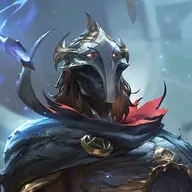
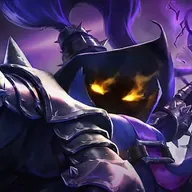
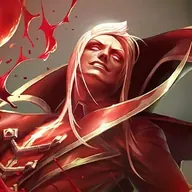
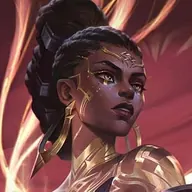
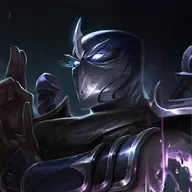
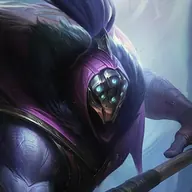
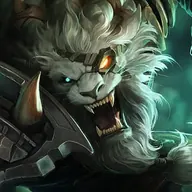
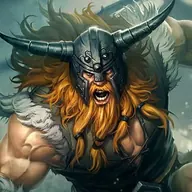
Yone Counters
Why
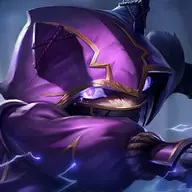
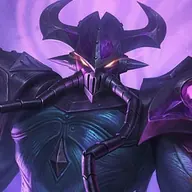
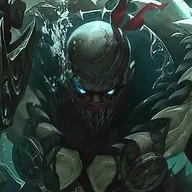
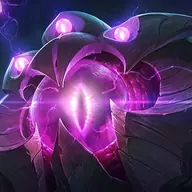
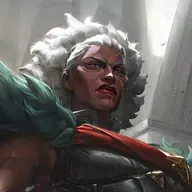
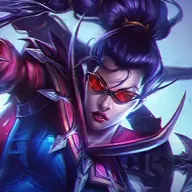
Vex is a natural hard counter to Yone because your game plan relies on repeated, readable entries: step up, take a trade through E, snap back, and repeat until an all-in appears. Vex loves that pattern. Her fear turns your dashes and commits into losing trades, and she can punish you exactly when you think you’re “safe” because E will return you.
Lane impact
In lane, you can’t spam entries just to chip—each attempt can cost a huge HP chunk or force an early bad recall. From level 5 onward, she doesn’t even need to kill you to win; denying you priority and putting you under pressure delays your items and limits your roams.
How to play
Break autopilot: instead of entering whenever E is up, play wave first and look for a window where her fear tool isn’t available. Key timing: if she spent fear to push or poke, you can take a very short trade and instantly snap back. Positioning: avoid straight-on angles and prefer diagonal entries to make skillshots harder. Decision: if you can’t win lane, shift to “farm + clean resets” and invest your impact into an objective fight where your R creates real value instead of forcing a losing 1v1.
Why
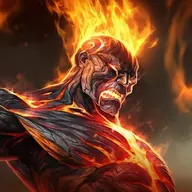
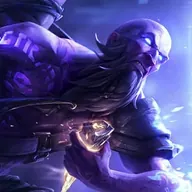
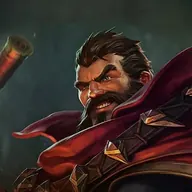
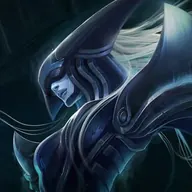
Lissandra is hard for Yone because she doesn’t play your “micro-outplay” game. You want all-in threat and E-based trades; she answers with immediate lockdown and punishment when you commit. The critical point is predictability: you must step in, and she can lock you before you earn the right to reset.
Lane impact
In lane, every aggressive E risks getting pinned and losing more than you gained. Even if you live, you often lose priority because you’re forced to play farther back and respect her control zone. Midgame gets worse: the R that should start fights becomes a ticket to get counter-engaged and deleted before your second damage cycle.
How to play
The pivot is patience and setup. Key timing: only enter when you know her direct answer isn’t available, or when jungle cover lets you convert. Positioning: play outside her control angles and prefer trades where you tag with Q/autos without committing into her range. Decision: if you want to force a fight, look for an angle on a carry without self-peel instead of engaging on/near Lissandra; skew the fight rather than diving the champion designed to stop you.
Why
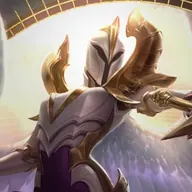
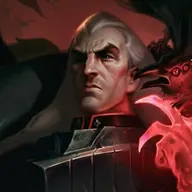
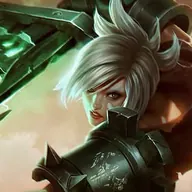
Malzahar is hard for Yone because he turns you from a champion who chooses when to go in into one who needs permission. His suppression directly answers your E and R: you commit, he stops you, and your team loses the chaos window you’re meant to create. Even before that, his shove and shield reduce the value of your trades.

Lane impact
In lane, he can force a flat, low-interaction lane: fast clear, hard to chip, and if you get impatient and force, you expose yourself to easy ganks through his setup. Post-5, suppression threat makes you hesitate, removing your best lever—creating a decisive midgame kill/priority swing.
How to play
Accept a strategic cost: either play for side and avoid frontal engages, or itemize anti-CC to enable entry and choose targets away from him. Key timing: when suppression is up, your role is often “wave pressure + fast movement,” not “mid all-in.” Positioning: don’t commit in a line where he can freely target you; force him to choose between suppressing you or protecting his carry. Decision: prefer split/skewed fights (flanks) where you enter from the side and exit, rather than a straight front engage where he clicks you out of the game.
Why
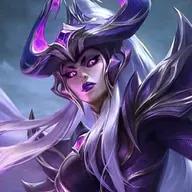
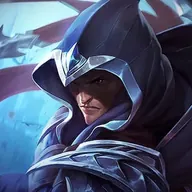
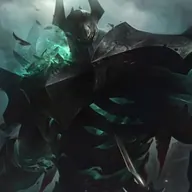
Kennen is hard because he plays range and has a simple punishment for every entry: stun you, kite, and send you back to your E return point with HP lost. Yone wants sticky fights with repeated autos/Q; Kennen refuses that scenario, chips you, keeps defensive answers, and flips your engage into a losing trade unless you already have a clear advantage.

Lane impact
In lane, he can take a lot of “free” HP while you farm, lowering your engage threshold. At level 5, your R may look like a solution, but if he has flash or times stun correctly, you end up engaging for nothing, losing prio and donating roam timings.
How to play
Treat your HP bar as a green light: high HP means you can threaten; if chipped, play wave and reset. Key timing: look for engages after his kite/stun tool is spent or when he’s overextended without flash. Positioning: use bushes/diagonals to reduce direct poke. Decision: if you can’t kill him, shift win condition to the map—fast shove, move to a skirmish where your R creates numbers, instead of bleeding in a sterile 1v1.
Why
Pantheon is hard for Yone because he combines two things that hurt you most: brutal early pressure and a point-and-click stun that breaks your trade rhythm. Yone can survive tough lanes by playing poke + E trades; Pantheon doesn’t let you breathe—he jumps, stuns, and forces defensive E usage, removing your threat.
Lane impact
He can deny waves if you lose too much HP in early trades. Once you’re stuck under turret, he’s free to roam while you’re forced to clear. At level 5, his map pressure gets worse: even if mid is stable, he can create fights elsewhere and win through macro.
How to play
Be pragmatic: avoid pride trades early and preserve the wave. Key timing: after his burst and stun are down, take a very short trade and instantly reset to avoid re-stick. Positioning: play behind minions and avoid angles where he can jump without being punished. Decision: when Pantheon disappears, don’t chase late—push, ping, and take the trade (plates/tempo) so you don’t eat his plan for free.
Why
Ahri is unfavorable because she blends control and mobility in a way that’s annoying for Yone. Your entries are often linear; she can charm to break the trade or dash out of your damage zone, then punish you as you snap back. Not a hard counter, but you must play cleaner than she does.
Lane impact
You can lose trades without realizing it: you E in, get some hits, she kites, then you snap back and eat return damage. Post-5, a mistimed engage can get you charmed into a gank or chunked enough that you can’t threaten the next wave.
How to play
Mix patterns: don’t E on cooldown, and don’t enter when you’re in a clean charm line. Key timing: when she misses charm, you have a clear window to take a stronger trade or shove for prio. Positioning: play diagonally and use the wave to break lines. Decision: if she starts moving, often shove and take tempo rather than chasing a champion who can flip you with one CC.
Why
Orianna is unfavorable because she controls space with stable range and makes you pay for wave access with HP. Yone needs to reach first item with a lane that isn’t broken to become truly threatening. Orianna can deny that: poke, shield, wave control that limits angles, and constant pressure.
Lane impact
You often choose between good farm and acceptable HP. If you get too low, E stops being offensive and becomes a bandage. Midgame, if she holds mid prio, she unlocks jungle/river control while you’re pinned because you can’t freely move.
How to play
Reduce attrition: take short trades only when you can actually connect and avoid sitting in her free range. Key timing: after she spends tools on the wave, step up, shove, and take a clean reset. Positioning: don’t stand in the ball line and look for later entries when fights are already started elsewhere. Decision: if lane is rough, prioritize stability and impact objectives as second wave with R rather than forcing prio at all costs.
Why
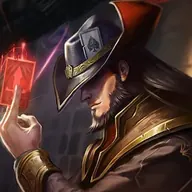
TF is unfavorable for Yone because he denies all-ins with a simple answer (gold card) and then turns the game into a map race. You want direct lane pressure into snowball; he wants to survive and create numbers elsewhere. If you don’t punish hard enough, you end up useful but not decisive.
Lane impact
You may feel mechanically stronger, but forcing too hard gets you stunned and loses windows. The real issue starts at level 5: he can leave, get a bot kill, and your mid advantage means little if you didn’t take anything in return.
How to play
Answer with tempo discipline: shove before roam windows, take plates, and impose a cost. Key timing: once level 5 exists, every wave asks: can you crash and punish, or do you need to back off and ward? Positioning: don’t commit without jungle info—gold card plus gank kills you. Decision: if TF leaves, don’t follow late; instantly take a plate, a deep ward, or an objective with your jungler to turn his move into a trade.
Why
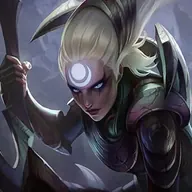
Diana is unfavorable because she answers your fight style well: she accepts the duel, has reliable burst, and punishes you when you engage without properly set waves and windows. Yone often wants a first cycle then a second; Diana can catch you mid-plan and flip the exchange through a clean all-in.
Lane impact
In lane, once you’re chipped under a threshold, you lose the right to project forward because she can punish instantly. Midgame objective fights are rough—she loves tight spaces where you can’t kite or choose entry angles.
How to play
Save E for truly winning trades, not “tests.” Key timing: when she misses entry or spends spells on the wave, you can reclaim prio and take aggression windows. Positioning: avoid corridors and look for longer flanks so you don’t give her a straight engage. Decision: if you can’t kill her quickly, play the fight as temporary peel then re-engage after her tools are down rather than donating yourself into her first cycle.
Why
Akali is unfavorable because she makes target access unreliable. Yone wants to stick and stack autos/Q; Akali breaks contact with shroud and chooses when to reappear. If you engage too early, you dump your kit into nothing, then get punished while cooldowns are down.
Lane impact
In lane, you can lose prio because you can’t force respect while shroud is up. At level 5 she becomes far more threatening on sides; if you’re pinned mid without prio, you play into her skirmish tempo.
How to play
Play by windows: when shroud is down, take a stronger trade; when it’s up, play wave and avoid committing. Key timing: after she uses shroud aggressively, there’s a punish window if you stay calm. Positioning: don’t fight where shroud covers everything—prefer opening on a wider wave state. Decision: if she leaves, shove and ping, and arrive as second wave rather than late-following into terrain she controls.
Why
Yasuo is skill because both of you play similar cycle + wave logic. He has windwall and minion-anchored dashes; you have E to choose trade timing and reset. The matchup often comes down to windows: engage when the other lacks a defensive tool, and don’t fight in a wave state that favors Yasuo.
Lane impact
If you allow a big wave, he becomes harder to control because he can dance around you. With a thin wave, you punish more cleanly and reduce his outplay. Midgame, chaos fights are the danger—enter without setup and he can flip with a good ult.
How to play
Prioritize wave management: thin to remove dash angles. Key timing: after windwall, you can take a stronger trade, but keep it short then reset. Positioning: avoid straight lines and always keep an exit in mind—this matchup punishes all-in engages with no plan. Decision: if 1v1 isn’t winning, play teamfights—your R can create better collective engage than his solo conversion.
Why
Zed is skill because you can survive and even flip, but only if you respect windows. E gives you a reset tool; use it too early and you lack an answer when he commits. Hold E, accept some poke, and you can sometimes outlast his burst through longer damage cycles.
Lane impact
The risk is overconfidence: E in, eat shurikens, snap back low. At level 5 he can convert if you’re already chipped. But if you keep HP stable, you can pressure waves because you punish him when shadows are down.
How to play
Play like a metronome: track cooldowns and punish the window where he has no shadow. Key timing: after his rotation, if shadow is down you can take a short trade and exit or shove aggressively. Positioning: don’t line up with the wave to avoid free skillshots. Decision: if Zed disappears, ping and take mid prio—deny him free map plays rather than late-following.
Why
Katarina is skill because you can punish her if you catch her at the wrong time, but she can also flip you if you engage without setup. Yone can stick and limit her freedom; Katarina lives on resets—if fights go chaotic, she can snowball while you’re snapping back on E or still searching for your angle.
Lane impact
In lane, respect dagger zones and especially roam timings. If you let her leave mid for free, she creates side advantages. If you over-force without vision, she can bait a gank and punish you.
How to play
Control the wave and keep simple vision on river entries. Key timing: once she spent burst or missed an important dagger, you can force her back with a short trade. Positioning: don’t blind-chase into corridors where she can dance around you. Decision: if she leaves, shove and take something concrete (plate, reset, deep ward)—every roam must have a price.
Why
Veigar is generally favorable for Yone because you can deny his comfortable lane. He wants stacks and cage control; you can threaten him once your E cycle is online and push him off the wave. If he must use cage defensively, he loses a big part of his tempo control.
Lane impact
You can often take priority by pressuring him—he chooses between stacks and safety. At level 5, your engage becomes real threat if he lacks flash or already spent cage. Midgame, as long as you don’t get trapped with no exit, you can fight on tempo.
How to play
Respect cage without letting it freeze you: play wave, force defensive cage, then take a short trade. Key timing: after cage, you have a clear window to hit or shove. Decision: with prio, place vision and set up a flank—Veigar hates playing without info and gets punished harder from side angles.
Why
Galio is generally favorable because he struggles to kill you 1v1 if he doesn’t surprise you, and you can choose trades through E. He wants a short combo then exit; you can absorb, snap back, and re-enter when his tools are down, giving you better trade continuity.
Lane impact
With good wave management you can farm steadily and deny clean engages. His real lever is map impact through ult, so the matchup is also about punishing his movement by taking mid tempo.
How to play
Don’t donate free angles: respect taunt/engage lines, then punish when he spent spells on the wave. Key timing: if his defensive kit is down, take a stronger trade and push him back. Decision: when he leaves, shove fast and take something mid so roams have a real cost.
Why
Aurelion Sol is generally favorable for Yone because you can disrupt his comfort. He wants to set a wave rhythm and use channels to control space; you can directly threaten him, break setups through all-in pressure, and force him to play farther back than he wants.
Lane impact
If you keep a decent wave and don’t get chipped too low, you can often push him off his timings. He becomes dangerous when allowed to free scale and exit lane on perfect resets; your goal is to prevent the lane from being too clean.
How to play
Take short, repeatable trades whenever you can connect without overexposing. Key timing: when he channels to clear, step up and threaten engage. Decision: with prio, invest into vision and objective moves—Aurelion hates being forced to react.