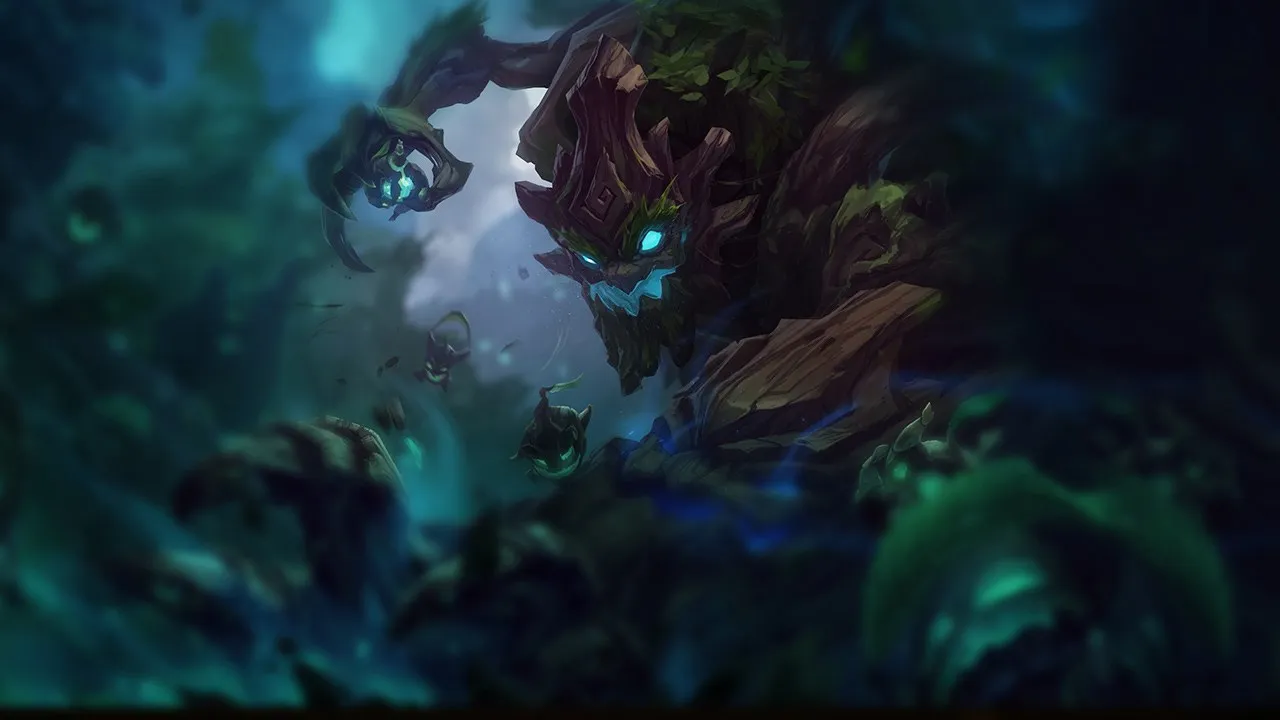
Maokai Wild Rift Counters Guide ★ Counter Sheet
| Matchup | Verdict | Edge | Win rate | Pick rate |
|---|---|---|---|---|
| Morgana | Hard Counters | +2 | 51.6% | 6.0% |
| Zilean | Hard Counters | +2 | 51.5% | 1.3% |
| Senna | Hard Counters | +2 | 51.1% | 4.8% |
| Milio | Hard Counters | +2 | 49.7% | 5.0% |
| Sona | Unfavorable | +1 | 52.3% | 6.0% |
| Braum | Unfavorable | +1 | 51.1% | 4.1% |
| Zyra | Unfavorable | +1 | 51.0% | 4.7% |
| Sett | Unfavorable | +1 | 50.9% | 2.1% |
| Pyke | Unfavorable | +1 | 50.9% | 5.5% |
| Nami | Unfavorable | +1 | 50.9% | 6.0% |
| Poppy | Unfavorable | +1 | — | — |
| Galio | Skill Matchups | ±0 | 52.1% | 2.8% |
| Janna | Skill Matchups | ±0 | 51.3% | 2.9% |
| Leona | Skill Matchups | ±0 | 50.0% | 8.6% |
| Soraka | Skill Matchups | ±0 | 49.9% | 5.2% |
| Thresh | Skill Matchups | ±0 | 49.4% | 13.5% |
| Lulu | Skill Matchups | ±0 | 48.7% | 10.5% |
| Swain | Skill Matchups | ±0 | 46.9% | 2.9% |
| Malphite | Favorable | −1 | 52.3% | 9.4% |
| Rell | Favorable | −1 | 51.5% | 3.2% |
| Karma | Favorable | −1 | 51.4% | 6.3% |
| Rakan | Favorable | −1 | 50.4% | 2.9% |
| Nautilus | Favorable | −1 | 50.0% | 14.2% |
| Seraphine | Favorable | −1 | 49.9% | 6.4% |
| Bard | Favorable | −1 | 49.8% | 1.1% |
| Blitzcrank | Favorable | −1 | 49.6% | 7.1% |
| Alistar | Favorable | −1 | 49.5% | 4.3% |
| Veigar | Favorable | −1 | 47.4% | 2.7% |
| Vel'Koz | Favorable | −2 | 50.9% | 1.7% |
| Lux | Favorable | −2 | 49.6% | 7.6% |
| Yuumi | Favorable | −2 | 46.3% | 10.4% |
Edge: Wild Rift Core canonical verdict (−3 to +3), shown from the point of view of the champion named in the row. Win rate and pick rate: the opponent's own rate in this role — Wild Rift CN · Challenger, Patch 7.2e. Not a head-to-head win rate.
Hard Counters
4These champions have a build and playstyle that directly overpower yours, which can make controlling the lane and farming extremely difficult. Their kit can neutralize your core strengths or punish you the moment you try to play your usual game plan. In these matchups, the goal is often to minimize mistakes and look for ways to win outside of direct confrontation.
Milio+2
Milio completely shuts down your entire teamfight presence because his Breath of Life immediately cleanses the roots from your Nature's Grasp, rendering your ultimate useless. During the laning phase, whenever you try to engage with Twisted Advance, Milio can interrupt your follow-up with Ultra Mega Fire Kick or mitigate your trade with Warm Hugs and Cozy Campfire, keeping his ADC safe and healthy while you absorb poke.
Milio build →
See details
The interaction that decides it
Milio's Breath of Life (R) instantly cleanses the root from Nature's Grasp (R), nullifying Maokai's primary teamfight engage tool.
Why
Milio completely shuts down your entire teamfight presence because his Breath of Life immediately cleanses the roots from your Nature's Grasp, rendering your ultimate useless. During the laning phase, whenever you try to engage with Twisted Advance, Milio can interrupt your follow-up with Ultra Mega Fire Kick or mitigate your trade with Warm Hugs and Cozy Campfire, keeping his ADC safe and healthy while you absorb poke.
Lane impact
This matchup forces you into an extremely passive defensive stance. Milio's Fired Up! allows his ADC to poke you down relentlessly whenever you walk up to step on the wave or trigger Sap Magic. You cannot sustain through their constant ranged harassment, meaning you will lose lane priority, get pushed under tower, and be unable to assist your jungler because you are stuck conserving health.
How to play
To survive, you must play around Milio's cooldowns instead of blindly engaging. Use Sapling Toss exclusively from the bushes to scout and chip away at their health without exposing yourself. Never initiate with Nature's Grasp unless you have seen Milio waste Breath of Life first. If your bot lane gets pushed in, focus on using Bramble Smash to peel their aggressive trades under your tower rather than looking for deep, risky plays.
Senna+2
Senna completely neutralizes your engage tools by exploiting her superior range. Whenever you attempt to step up to lock her down with Twisted Advance, she can easily react with Last Embrace to root you before you enter your targeting circle. This allows her to constantly harvest souls from your large hit box using her basic attacks and Piercing Darkness, keeping you low while staying perfectly safe.
Senna build →
See details
The interaction that decides it
Senna can safely farm souls and poke Maokai from range, using Last Embrace (W) to stop him in his tracks if he tries to walk up for a Twisted Advance (W).
Why
Senna completely neutralizes your engage tools by exploiting her superior range. Whenever you attempt to step up to lock her down with Twisted Advance, she can easily react with Last Embrace to root you before you enter your targeting circle. This allows her to constantly harvest souls from your large hit box using her basic attacks and Piercing Darkness, keeping you low while staying perfectly safe.
Lane impact
This range disparity forces you under your turret, as throwing Sapling Toss into bushes does little to deter her when she can heal the damage with Piercing Darkness. Your health bar is constantly chipped away, preventing you from safely using Sap Magic on minions. Consequently, you lose all priority, making it impossible to assist your jungler near the river or contest vision without risking a swift death.
How to play
To survive, you must abandon any hopes of aggressive lane engages. Stay out of her basic attack range and only step forward when Last Embrace is on cooldown. Use Sapling Toss to scout lane bushes rather than to poke, preventing her from using Curse of the Black Mist to ambush you. If you get chunked, wait for her to push, then look for a flash-cast Twisted Advance followed by Bramble Smash to shove her under your turret.
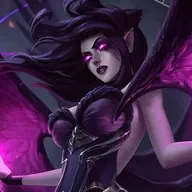
Morgana+2
Your entire engage pattern is structurally countered by Morgana. The moment you cast Twisted Advance to initiate, she can instantly react with Black Shield on your target. This entirely absorbs the magic damage and negates your root, leaving you stranded deep in enemy range. With no crowd control applied, you become an easy, immobile target for her Dark Binding and Tormented Shadow follow-up.
Morgana build →
See details
The interaction that decides it
Morgana's Black Shield (E) negates the root from Twisted Advance (W), leaving Maokai stranded deep in enemy lines without securing the target.
Why
Your entire engage pattern is structurally countered by Morgana. The moment you cast Twisted Advance to initiate, she can instantly react with Black Shield on your target. This entirely absorbs the magic damage and negates your root, leaving you stranded deep in enemy range. With no crowd control applied, you become an easy, immobile target for her Dark Binding and Tormented Shadow follow-up.
Lane impact
This interaction forces you into a passive state, giving Morgana free reign to poke you down with Tormented Shadow. You cannot contest brush control because casting Sapling Toss in bushes is easily bypassed. If you attempt to step up to trigger Sap Magic on minions, you risk getting locked down by Dark Binding, allowing her to push you under tower and secure easy plate damage.
How to play
Never initiate with Twisted Advance while Black Shield is available. Instead, throw Sapling Toss into her path to force an early, panicked shield. Once her long cooldown is active, you have a brief window to engage. If you get caught by Dark Binding, immediately use Bramble Smash to push away their follow-up, and focus on hitting minions to proc Sap Magic to survive the poke.
Other matchups

Unfavorable
7These champions have tools that generally give them the edge in a fight, without making the matchup unwinnable. They might have more range, a better ability to soak up your offense, or more ways to answer your engages. You'll need to adapt your approach and carefully pick your moments to accept a fight.

Braum+1
Braum hard-counters your primary teamfight tool. When you cast Nature's Grasp, Braum can immediately raise Unbreakable in the direction of the oncoming roots, absorbing the projectile entirely and shielding his allies behind him. Furthermore, if you attempt to lock down his ADC with Twisted Advance, Braum can quickly jump to them using Stand Behind Me and counter-engage with Winter's Bite, leading to rapid Concussive Blows stuns on you.
Braum build →
See details
The interaction that decides it
Braum's Unbreakable can block the roots from Maokai's Nature's Grasp ultimate, protecting his entire team behind him.
Why
Braum hard-counters your primary teamfight tool. When you cast Nature's Grasp, Braum can immediately raise Unbreakable in the direction of the oncoming roots, absorbing the projectile entirely and shielding his allies behind him. Furthermore, if you attempt to lock down his ADC with Twisted Advance, Braum can quickly jump to them using Stand Behind Me and counter-engage with Winter's Bite, leading to rapid Concussive Blows stuns on you.
Lane impact
This defensive synergy makes aggressive tower dives or forward engages highly risky. You cannot easily pressure their ADC because any trade you start allows Braum to stack Concussive Blows with his basic attacks and Winter's Bite, turning your engage into a self-stun. Consequently, you are forced to play defensively, losing control over the lane bushes where your Sapling Toss would normally establish vision and zoning pressure.
How to play
To survive and thrive, shift your focus to peeling rather than initiating. Hold Nature's Grasp until Braum has already committed his Unbreakable in a skirmish, or flank from an angle where his shield cannot cover his entire backline. If he jumps forward with Stand Behind Me, use Bramble Smash to knock him away before he can apply Concussive Blows. Keep using Sap Magic to sustain through his poke, staying safely behind your minions to dodge his slow.

Sona+1
Sona naturally dominates this matchup over time because her Aria of Perseverance easily nullifies your Sap Magic sustain while her Hymn of Valor chips away at your health bar from safety. You cannot afford a passive lane where she scales freely. Your only window to shift the balance is capitalizing on an early all-in using Twisted Advance before her constant defensive auras make her carry unkillable.
Sona build →
See details
The interaction that decides it
Maokai must find an all-in with Twisted Advance (W) before Sona pokes him down with Hymn of Valor (Q) and out-sustains with Aria of Perseverance (W).
Why
Sona naturally dominates this matchup over time because her Aria of Perseverance easily nullifies your Sap Magic sustain while her Hymn of Valor chips away at your health bar from safety. You cannot afford a passive lane where she scales freely. Your only window to shift the balance is capitalizing on an early all-in using Twisted Advance before her constant defensive auras make her carry unkillable.
Lane impact
This dynamic forces you into a defensive stance near your turret, bleeding health whenever you try to walk up. Sona will constantly pressure your ADC with Hymn of Valor and use Song of Celerity to escape your slow-moving Sapling Toss. If you fail to trigger a decisive fight early, you will be forced to recall prematurely, losing tower plating and giving Sona free reign to scale.
How to play
Use the lane bushes to hide your approach, tossing a high-damage Sapling Toss inside them to deter her from warding. The moment Sona steps forward to trigger her Power Chord with Hymn of Valor, instantly lock her down with Twisted Advance, then immediately follow up with Bramble Smash to push her back toward your ally. If she reaches level five, do not engage blindly; wait for her to waste Crescendo or use Nature's Grasp to lock her down from afar first.
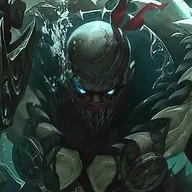
Pyke+1
Pyke dominates this matchup through high mobility and lethal crowd control, but you possess a precise counter-measure. While Pyke relies on Ghostwater Dive and Phantom Undertow to slip behind your ADC and setup stuns, your Bramble Smash can knock him back mid-dash. Properly reacting to Phantom Undertow completely cancels his stun trajectory, turning his aggressive dive into an overextended disaster before he can execute with Death from Below.
Pyke build →
See details
The interaction that decides it
Maokai can use Bramble Smash (Q) to interrupt Pyke's Phantom Undertow (E) dash, preventing the stun on his ADC.
Why
Pyke dominates this matchup through high mobility and lethal crowd control, but you possess a precise counter-measure. While Pyke relies on Ghostwater Dive and Phantom Undertow to slip behind your ADC and setup stuns, your Bramble Smash can knock him back mid-dash. Properly reacting to Phantom Undertow completely cancels his stun trajectory, turning his aggressive dive into an overextended disaster before he can execute with Death from Below.
Lane impact
Pyke's constant threat forces your ADC to play defensively near your tower, giving Pyke's team lane priority. If Pyke lands Bone Skewer, you must immediately peel rather than engaging his ADC. Because Pyke heals back poke with Gift of the Drowned Ones, trading health is highly inefficient for you. Missing your Bramble Smash timing gives Pyke a free lane to roam and snowball other lanes.
How to play
Stand slightly ahead of your carry to intercept Bone Skewer with Sap Magic's healing, but never initiate with Twisted Advance while Pyke's dash is up. Hold Bramble Smash specifically to disrupt Phantom Undertow when Pyke dashes inward. If Pyke successfully slips past you and triggers the stun, immediately throw Sapling Toss into the nearest brush to track his Ghostwater Dive escape route, preventing him from cleanly resetting his health.

Nami+1
Your main engage tool, Twisted Advance, becomes a trap against a skilled Nami. Because its travel path is completely predictable, Nami can easily pre-cast Aqua Prison directly onto her ally as soon as you launch yourself. The moment you arrive to root them, you are immediately bubbled, preventing you from following up with Bramble Smash and leaving you isolated under heavy counter-fire.
Nami build →
See details
The interaction that decides it
Nami can easily pre-cast Aqua Prison (Q) on her ally when she sees Maokai flying in with Twisted Advance (W).
Why
Your main engage tool, Twisted Advance, becomes a trap against a skilled Nami. Because its travel path is completely predictable, Nami can easily pre-cast Aqua Prison directly onto her ally as soon as you launch yourself. The moment you arrive to root them, you are immediately bubbled, preventing you from following up with Bramble Smash and leaving you isolated under heavy counter-fire.
Lane impact
This defensive safety net allows Nami to dictate the lane's pace. She can freely step forward to poke you and your marksman with Ebb and Flow and Tidecaller's Blessing without fearing a sudden engage. You are forced to play defensively near your turret, bleeding minion control and giving up river priority because stepping up to contest space invites an easy, punishing bubble.
How to play
To survive, shift your focus to bush control using Sapling Toss to zone Nami and limit her poke angles. Never initiate with Twisted Advance unless you have clearly seen her waste Aqua Prison. Instead, walk up threateningly to bait her bubble, then sidestep it. If you must engage, lead with Nature's Grasp from the fog of war to force her Tidal Wave first, ensuring she cannot easily coordinate her crowd control.
Other matchups

Skill Matchups
7These matchups are above all duels of execution: both champions have credible ways to gain the upper hand. Dodging one key ability, anticipating an engage correctly, or a single positioning mistake can be enough to tip the duel one way or the other. Knowing the matchup and recognizing the right windows to act are especially important here.

Galio±0
This matchup revolves around the timing of your primary engage. When you lock onto the enemy marksman with Twisted Advance, you become predictable. Galio can pre-buffer Justice Punch directly toward his ally. The moment you emerge from your roots, his charge collides with you, interrupting your planned follow-up with Bramble Smash and leaving you exposed to a devastating Shield of Durand taunt instead of securing the trade.
Galio build →
See details
The interaction that decides it
If Maokai uses Twisted Advance on Galio's ADC, Galio can time Justice Punch to knock Maokai up as soon as he emerges.
Why
This matchup revolves around the timing of your primary engage. When you lock onto the enemy marksman with Twisted Advance, you become predictable. Galio can pre-buffer Justice Punch directly toward his ally. The moment you emerge from your roots, his charge collides with you, interrupting your planned follow-up with Bramble Smash and leaving you exposed to a devastating Shield of Durand taunt instead of securing the trade.
Lane impact
Because of this threat, blind aggression is heavily punished, turning the lane into a tense stand-off. You cannot simply force fights, meaning the wave state remains neutral unless Galio wastes his crowd control. If you initiate poorly, your marksman cannot follow up, leading to chunks of health lost to Winds of War. Conversely, securing bush control with Sapling Toss keeps Galio's engage at bay, stabilizing the lane's pressure.
How to play
To win this mental game, position yourself near the lane bushes to toss enhanced Sapling Toss seeds, forcing Galio to choose between taking damage or using Shield of Durand to absorb it. Never lead with Twisted Advance on the carry unless you see Galio waste Justice Punch first. Instead, fish for a peel opportunity: wait for Galio to slide forward, interrupt his charge with a well-timed Bramble Smash, and then counter-engage with Nature's Grasp once his defensive options are exhausted.

Leona±0
This matchup is a pure battle of reaction times centered hits on the engage. When Leona throws her Zenith Blade to lock onto your ADC, you can activate Twisted Advance on a minion or Leona herself. Because Maokai becomes untargetable during his dash, you can completely negate her root and jump directly onto her instead, neutralizing her Shield of Daybreak threat before she can lock down your carry.
Leona build →
See details
The interaction that decides it
Maokai can use the untargetability of Twisted Advance to dodge Zenith Blade, turning the engage back on Leona.
Why
This matchup is a pure battle of reaction times centered hits on the engage. When Leona throws her Zenith Blade to lock onto your ADC, you can activate Twisted Advance on a minion or Leona herself. Because Maokai becomes untargetable during his dash, you can completely negate her root and jump directly onto her instead, neutralizing her Shield of Daybreak threat before she can lock down your carry.
Lane impact
Laning phase turns into a tense stand-off where neither support wants to trigger their primary engage tool first. If Leona misses Zenith Blade, she is left vulnerable with only Eclipse for defense, allowing you to push the wave with Sapling Toss and poke her down. Conversely, if you waste Bramble Smash prematurely, Leona will immediately jump in, using Shield of Daybreak to secure a deadly trade under your tower.
How to play
Position yourself parallel to your carry to bait Leona's Zenith Blade, but keep Twisted Advance ready to dodge it. If she successfully initiates on your ADC, use Bramble Smash instantly to knock her away before she can apply Shield of Daybreak. Should you fall behind, throw Sapling Toss into the lane brushes to track her movements and zone her out, reserving Nature's Grasp to disengage her Solar Flare lock-downs.
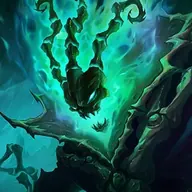
Thresh±0
This matchup is a pure test of reflexes centered hits on your initiation tools. The entire lane revolves around how you respond to Death Sentence. Because Twisted Advance grants a brief window of untargetability, you can buffer it to completely dodge the stun of Thresh's hook mid-air while diving his AD carry. If you mistime this, Flay easily interrupts your follow-up, leaving you trapped inside The Box.
Thresh build →
See details
The interaction that decides it
Maokai can use the brief untargetability of Twisted Advance (W) to dodge Thresh's Death Sentence (Q) during an engage.
Why
This matchup is a pure test of reflexes centered hits on your initiation tools. The entire lane revolves around how you respond to Death Sentence. Because Twisted Advance grants a brief window of untargetability, you can buffer it to completely dodge the stun of Thresh's hook mid-air while diving his AD carry. If you mistime this, Flay easily interrupts your follow-up, leaving you trapped inside The Box.
Lane impact
Bush control dictates the pace here. Thresh wants to fish for hooks from the lane bushes, but your Sapling Toss denies this vision completely. When Death Sentence is on cooldown, you gain a twenty-second window to pressure with Bramble Smash trades. However, a well-placed Dark Passage can instantly rescue his ADC from your Nature's Grasp, turning potential kills into neutral disengages.
How to play
Never initiate with Twisted Advance if Thresh is holding both Death Sentence and Flay, as he will easily peel you off. Instead, bait his hook by walking near the wave, and activate Twisted Advance the moment you see the chain wind up to bypass the CC. If you get hooked first, immediately use Bramble Smash to push Thresh away, preventing him from flaying your ADC into his lane partner.

Janna±0
This matchup is a pure battle of reaction times centered hits on your engage. When you cast Twisted Advance, you become untargetable, briefly dodging Janna's self-peel. However, a skilled Janna will pre-cast Howling Gale and release the whirlwind the exact millisecond you reappear to knock you up, preventing you from securing the knockback with Bramble Smash. This delicate interaction dictates whether your lane-initiations succeed or fail.
Janna build →
See details
The interaction that decides it
Maokai's Twisted Advance makes him untargetable, meaning Janna must time Howling Gale to release right as he emerges to prevent his Bramble Smash follow-up.
Why
This matchup is a pure battle of reaction times centered hits on your engage. When you cast Twisted Advance, you become untargetable, briefly dodging Janna's self-peel. However, a skilled Janna will pre-cast Howling Gale and release the whirlwind the exact millisecond you reappear to knock you up, preventing you from securing the knockback with Bramble Smash. This delicate interaction dictates whether your lane-initiations succeed or fail.
Lane impact
Because of this tight mechanical loop, early skirmishes are incredibly tense. If Janna misses her Howling Gale timing, her ADC takes a full crowd-control chain under your brush-charged Sapling Toss, leading to heavy health loss or a forced recall. Conversely, if she denies your Twisted Advance entry, you are left stranded deep in enemy territory, exposed to poke from Zephyr and basic attacks without any way to quickly disengage.
How to play
Do not mindlessly buffer your Twisted Advance from plain sight. Instead, use the bush to throw Sapling Toss, forcing Janna to either waste her Eye of the Storm shield or position defensively. Watch for her to release Howling Gale to poke or clear; the moment that whirlwind is on cooldown, you have a guaranteed window to engage. If she holds her tornado, fake an approach to bait her reaction, then use Nature's Grasp from fog of war to force her Monsoon early.

Soraka±0
This even matchup revolves entirely around how you initiate trades. Whenever you attempt to lock down Soraka's carry with Twisted Advance, she will instantly drop Equinox beneath them. This silences you the moment you arrive, preventing you from chaining Bramble Smash to shove the target back. Left helpless inside her zone, you will inevitably trigger her root, turning your aggressive engage into a deadly trap.
Soraka build →
See details
The interaction that decides it
Soraka can drop Equinox (E) directly under her ally to silence and root Maokai immediately after he lands his Twisted Advance (W).
Why
This even matchup revolves entirely around how you initiate trades. Whenever you attempt to lock down Soraka's carry with Twisted Advance, she will instantly drop Equinox beneath them. This silences you the moment you arrive, preventing you from chaining Bramble Smash to shove the target back. Left helpless inside her zone, you will inevitably trigger her root, turning your aggressive engage into a deadly trap.
Lane impact
Because of this interaction, blind aggression leads to disaster. You cannot simply dive in whenever your cooldowns are up, as Soraka will negate your burst and heal her partner back up with Astral Infusion. This neutralizes your early lane pressure, forcing passive posturing. The lane becomes a tense waiting game where premature engages bleed your health pool, while successful baits allow you to secure crucial summoner spells or kills.
How to play
To bypass this counter-engage, adjust your target selection. Instead of targeting her marksman, look to lock down Soraka herself with Twisted Advance. If she uses Equinox defensively on herself, she cannot protect her carry. Alternatively, throw Sapling Toss into bushes to zone her out, forcing her to misposition or waste Starcall. Only commit your full Nature's Grasp once her silence zone is down, ensuring your team can follow up without being immediately interrupted.
Other matchups
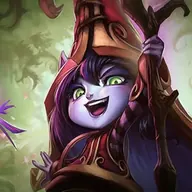
Favorable
13These champions generally struggle to answer your main strengths, which lets you approach the matchup with more freedom. You often have several ways to pressure them and force trades that go in your favor. Use this advantage to dictate the pace rather than giving them time to get back into a comfortable position.

Bard−1
This matchup is heavily in your favor because Bard relies on Cosmic Binding to peel himself or punish aggressive steps. By timing Twisted Advance, you become completely untargetable, effortlessly dodging his only hard crowd control while flying straight to him. Once you bypass his stun, you can easily reposition behind him to cast Bramble Smash, knocking him back into your ADC for an inescapable lock-down sequence.
Bard build →
See details
The interaction that decides it
Maokai's Twisted Advance makes him untargetable, allowing him to dodge Cosmic Binding and lock Bard down easily.
Why
This matchup is heavily in your favor because Bard relies on Cosmic Binding to peel himself or punish aggressive steps. By timing Twisted Advance, you become completely untargetable, effortlessly dodging his only hard crowd control while flying straight to him. Once you bypass his stun, you can easily reposition behind him to cast Bramble Smash, knocking him back into your ADC for an inescapable lock-down sequence.
Lane impact
Bard's ranged harassment with Traveler’s Call and his lane sustain from Caretaker’s Shrine become irrelevant when he cannot step up to poke. Because your engage is guaranteed, the enemy duo must concede wave control, allowing you to crash waves and dive them or secure deep vision. Bard is forced to abandon his roaming plans, as leaving his ADC alone means an instant dive under their own tower.
How to play
Position yourself constantly in the lane bushes to boost the damage of Sapling Toss and deny Bard's vision. Never initiate with Twisted Advance if Bard is hugging a wall, as he might bait you into an easy stun. Instead, walk up threateningly to force his Cosmic Binding, reactively dodge it with your untargetability, and then disrupt his retreat path. If he attempts to escape through a Magical Journey, throw a sapling inside and wait at the exit to catch him.
Alistar−1
Maokai dominates this matchup because a well-timed Bramble Smash completely shuts down Alistar's primary engage by knocking him back mid-Headbutt. Even when Alistar manages to trigger a trade, Maokai's Sap Magic out-sustains the healing from Triumphant Roar. This interaction neutralizes Alistar's threat, forcing him into passive play where he cannot easily peel or initiate.
Alistar build →
See details
The interaction that decides it
Maokai's Bramble Smash can knock Alistar back mid-Headbutt, and his Sap Magic passive keeps him sustained against Alistar's burst trades.
Why
Maokai dominates this matchup because a well-timed Bramble Smash completely shuts down Alistar's primary engage by knocking him back mid-Headbutt. Even when Alistar manages to trigger a trade, Maokai's Sap Magic out-sustains the healing from Triumphant Roar. This interaction neutralizes Alistar's threat, forcing him into passive play where he cannot easily peel or initiate.
Lane impact
This shutdown potential shifts the lane momentum entirely in your favor. Alistar is forced to play defensively, meaning your AD carry can push waves safely without fear of sudden combos. Since Alistar cannot easily disengage without taking heavy damage, your health lead translates into early tower pressure. You can freely control the lane bushes using Sapling Toss, forcing Alistar and his carry into awkward, exposed positions.
How to play
Position yourself slightly ahead of your carry, baiting Alistar to cast Headbutt. Keep your finger on Bramble Smash to reactively interrupt his leap. If Alistar activates Unbreakable Will, do not waste Twisted Advance or Nature's Grasp on him; instead, redirect your crowd control onto his carry. Only use Sapling Toss in the lane bushes to scout his positioning and prevent him from finding a flanking angle.
Blitzcrank−1
Maokai completely neutralizes Blitzcrank's primary threat because of how Twisted Advance interacts with Rocket Grab. By timing Twisted Advance right as the hook is about to connect, you become briefly untargetable, causing Rocket Grab to completely whiff while you seamlessly root the enemy AD carry or Blitzcrank himself. Even if you get pulled, Sap Magic and Bramble Smash allow you to instantly turn the pull into a favorable close-range brawl.
Blitzcrank build →
See details
The interaction that decides it
Maokai can use the brief untargetability of Twisted Advance to completely dodge Rocket Grab if timed perfectly.
Why
Maokai completely neutralizes Blitzcrank's primary threat because of how Twisted Advance interacts with Rocket Grab. By timing Twisted Advance right as the hook is about to connect, you become briefly untargetable, causing Rocket Grab to completely whiff while you seamlessly root the enemy AD carry or Blitzcrank himself. Even if you get pulled, Sap Magic and Bramble Smash allow you to instantly turn the pull into a favorable close-range brawl.
Lane impact
This interaction shifts lane pressure entirely in your favor, stripping Blitzcrank of his zoning power. Since you do not fear Rocket Grab, you can control the bush line using Sapling Toss to spot his movements. Your presence prevents the enemy duo from freezing the wave or zoning your marksman, because any hook attempt from Blitzcrank risks pulling an angry, self-healing tank directly into their faces or getting him counter-engaged.
How to play
To execute this flawlessly, always stand slightly ahead of your carry to bait Rocket Grab. If Blitzcrank activates Overdrive to run you down, do not panic. Hold Twisted Advance until his arm actually fires to dodge it in mid-air, then immediately follow up with Bramble Smash to push him away from your marksman or knock his carry closer to yours. If you miss the timing and get grabbed, immediately retaliate with Bramble Smash to disrupt Power Fist, then trigger Sap Magic to sustain through their burst.

Karma−1
Karma relies heavily on the sudden burst of speed from Inspire to kite and space her opponents. However, your Twisted Advance is a guaranteed, point-and-click engage that she cannot dodge or outrun. The moment she steps up to poke with Inner Flame, you can instantly lock her down, rendering her defensive shield speed-boost useless and opening her up for a devastating follow-up.
Karma build →
See details
The interaction that decides it
Maokai's Twisted Advance is a point-and-click engage that Karma cannot dodge with Inspire, making it easy for him to lock her down.
Why
Karma relies heavily on the sudden burst of speed from Inspire to kite and space her opponents. However, your Twisted Advance is a guaranteed, point-and-click engage that she cannot dodge or outrun. The moment she steps up to poke with Inner Flame, you can instantly lock her down, rendering her defensive shield speed-boost useless and opening her up for a devastating follow-up.
Lane impact
This interaction completely shifts the lane pressure. Karma is forced to play extremely defensively, fearing the threat of your crowd control. She cannot safely step forward to poke with Inner Flame or charge her Mantra passive. This concedes bush control entirely to your Sapling Toss, allowing your duo to dictate the wave state, zone her out, and crash waves to secure early plate damage.
How to play
To execute this, occupy the lane bushes and use Sapling Toss to deny her the vision she needs to poke safely. Wait for her to walk up to cast Inner Flame before launching yourself with Twisted Advance. If she attempts to tether you with Focused Resolve, immediately follow up with Bramble Smash to knock her away and break the link, while using Sap Magic on your next basic attack to heal off any residual damage.
Rakan−1
Maokai commands this matchup because his Bramble Smash acts as a hard stop to Rakan's entire initiation kit. Whenever Rakan attempts to jump in with Grand Entrance, a well-timed Bramble Smash knocks him out of the air before his knock-up can land. This leaves Rakan isolated deep in your territory, unable to protect his carry or easily escape with Battle Dance.
Rakan build →
See details
The interaction that decides it
Maokai's Bramble Smash (Q) can knock Rakan out of his Grand Entrance (W) dash before the knock-up triggers.
Why
Maokai commands this matchup because his Bramble Smash acts as a hard stop to Rakan's entire initiation kit. Whenever Rakan attempts to jump in with Grand Entrance, a well-timed Bramble Smash knocks him out of the air before his knock-up can land. This leaves Rakan isolated deep in your territory, unable to protect his carry or easily escape with Battle Dance.
Lane impact
This interaction completely shifts the trading dynamic in your favor. Rakan cannot safely walk up to poke with Gleaming Quill or look for aggressive skirmishes, forcing him to play passively behind his minion wave. You can freely control the lane bushes with Sapling Toss, denying them vision and safety, while forcing early recalls from the enemy duo who can no longer pressure your tower.
How to play
To execute this flawlessly, never throw out Bramble Smash proactively for poke. Stand parallel to your ADC and react exclusively to Rakan's forward dash. If he manages to activate The Quickness, do not panic; lock him down immediately with Twisted Advance to burn his ultimate's duration, then follow up with Nature's Grasp to prevent his Battle Dance retreat. Keep a Sapling Toss in the lane brush to spot his flank angles.

Lux−2
Maokai completely dictates the pace here because Twisted Advance provides a reliable bypass to Lux's primary defense. When Lux throws out Light Binding to zone or peel, you can activate Twisted Advance to become untargetable, phasing right through her root. This completely neutralizes her safety, delivering you directly onto her fragile hitbox where Bramble Smash ensures she cannot escape.
Lux build →
See details
The interaction that decides it
Maokai can use Twisted Advance to become untargetable, easily dodging Light Binding and locking Lux down for his team.
Why
Maokai completely dictates the pace here because Twisted Advance provides a reliable bypass to Lux's primary defense. When Lux throws out Light Binding to zone or peel, you can activate Twisted Advance to become untargetable, phasing right through her root. This completely neutralizes her safety, delivering you directly onto her fragile hitbox where Bramble Smash ensures she cannot escape.
Lane impact
This interaction forces Lux to play extremely defensively, neutralizing her usual aggressive Lucent Singularity poke. She cannot step forward to pressure your wave or shield her marksman with Prismatic Barrier without risking an instant, fatal engage. If she wastes her root, you immediately walk up and zone her out of experience range, securing complete control over the bush line.
How to play
Position yourself inside the lane brushes to launch Sapling Toss, forcing Lux to choose between face-checking or wasting her Lucent Singularity for vision. Never initiate with Twisted Advance at long range while her Light Binding is ready, allowing you to reactively dodge it during its travel time. If you get caught by her root first, immediately use Nature's Grasp to block her Final Spark combo.
Rell−1
This matchup is highly advantageous for you because Rell's primary engage relies entirely on her telegraphed jump. By reacting quickly, you can use Bramble Smash to knock her back mid-air, completely canceling her jump and preventing her crowd control from hitting your carry. This disruption leaves Rell stranded in her dismounted, slowed form, turning her aggressive attempt into an easy target for your AD carry to punish.
Rell build →
See details
The interaction that decides it
Maokai can use Bramble Smash (Q) to knock Rell back mid-air during her jump engage, completely canceling her crowd control.
Why
This matchup is highly advantageous for you because Rell's primary engage relies entirely on her telegraphed jump. By reacting quickly, you can use Bramble Smash to knock her back mid-air, completely canceling her jump and preventing her crowd control from hitting your carry. This disruption leaves Rell stranded in her dismounted, slowed form, turning her aggressive attempt into an easy target for your AD carry to punish.
Lane impact
Knowing you can cancel her jump neutralizes Rell's lane presence entirely. She cannot safely step up to contest the wave, allowing you to secure brush control using Sapling Toss. Because she is forced to play defensively, your carry can safely farm or freeze the wave, while Rell is starved of her support item stacks and bleed health trying to walk up for relic shield executes.
How to play
Your primary rule is to hold Bramble Smash exclusively to counter her jump; never use it to poke or clear waves. Position yourself slightly ahead of your carry to intercept her trajectory. If Rell hesitates and plays passively, use Sapling Toss to scout and control the side bushes, then lock down her partner with Twisted Advance once Rell's jump is on cooldown. If you miss your timing, immediately cast Nature's Grasp to disengage.
Nautilus−1
This lane favors you because you can completely neutralize Nautilus's primary engage tool. Whenever he lands Dredge Line on your marksman, he relies on pulling himself in to chain Staggering Blow and Riptide. By timing Bramble Smash as he travels, you knock him back and break his combo, leaving him stranded. This turn of events lets you easily turn the fight while your Sap Magic keeps you healthy.
Nautilus build →
See details
The interaction that decides it
Maokai can interrupt Nautilus's follow-up after a Dredge Line (Q) hook by using Bramble Smash (Q) to knock him back.
Why
This lane favors you because you can completely neutralize Nautilus's primary engage tool. Whenever he lands Dredge Line on your marksman, he relies on pulling himself in to chain Staggering Blow and Riptide. By timing Bramble Smash as he travels, you knock him back and break his combo, leaving him stranded. This turn of events lets you easily turn the fight while your Sap Magic keeps you healthy.
Lane impact
Nautilus's threat of a flash-engage is minimized, giving your duo full control over the lane brushes. You can safely toss Sapling Toss into the bushes to scout his positioning and chip away at his shield, Titan's Wrath. Because he cannot safely walk up to secure minions without risking a counter-engage via Twisted Advance, you can force his duo under tower and delay his crucial recall timings.
How to play
Position yourself slightly offset from your carry, inviting Nautilus to throw Dredge Line. Never waste Bramble Smash offensively; keep it ready solely to disrupt him mid-flight. If he targets you instead, welcome the hook, trigger Sap Magic to absorb the burst, and immediately cast Twisted Advance on his carry to shut down their damage follow-up. When they try to retreat, lock the lane down with Nature's Grasp to guarantee the kill.

Yuumi−2
Yuumi relies on You and Me! to stay safe, but Maokai bypasses this safety entirely. Because she is bound to an ally, targeting her anchor with Twisted Advance guarantees a point-and-click root on the host. This locks down her entire platform, rendering her inability to be targeted useless since she cannot safely detach to trigger Bop 'n' Block or reposition without running straight into a follow-up Bramble Smash.
Yuumi build →
See details
The interaction that decides it
Twisted Advance (W) provides a guaranteed root on Yuumi's anchor, preventing her from safely detaching or repositioning.
Why
Yuumi relies on You and Me! to stay safe, but Maokai bypasses this safety entirely. Because she is bound to an ally, targeting her anchor with Twisted Advance guarantees a point-and-click root on the host. This locks down her entire platform, rendering her inability to be targeted useless since she cannot safely detach to trigger Bop 'n' Block or reposition without running straight into a follow-up Bramble Smash.
Lane impact
The threat of Maokai's engage completely stifles Yuumi's lane presence. She cannot step out to poke with basic attacks for mana, and her host must play incredibly far back. This grants Maokai free bush control, allowing him to endlessly zone with Sapling Toss. The enemy duo is forced to concede lane priority and hemorrhage gold under tower, unable to trade effectively against your sustain.
How to play
Position yourself aggressively in the lane bushes to deny Yuumi any opportunity to land Prowling Projectile. Hold Twisted Advance specifically for when her host steps up to last-hit, or immediately when she attempts to detach for Bop 'n' Block. Once you root her anchor, use Bramble Smash to knock them back into your bushes, where your pre-placed Sapling Toss will do maximum damage. If she casts Final Chapter, use Nature's Grasp to disengage or lock them down completely.
Other matchups

| Matchup | Verdict | Edge | Win rate | Pick rate |
|---|---|---|---|---|
| Olaf | Hard Counters | +3 | 52.7% | 2.4% |
| Gwen | Hard Counters | +2 | 52.5% | 1.7% |
| Mordekaiser | Hard Counters | +2 | — | — |
| Warwick | Unfavorable | +1 | 52.8% | 2.7% |
| Ambessa | Unfavorable | +1 | 52.1% | 1.2% |
| Pantheon | Unfavorable | +1 | 51.5% | 5.6% |
| Xin Zhao | Unfavorable | +1 | 50.9% | 9.7% |
| Darius | Unfavorable | +1 | 50.4% | 8.1% |
| Volibear | Unfavorable | +1 | 49.7% | 3.3% |
| Dr. Mundo | Unfavorable | +1 | 49.0% | 1.2% |
| Nidalee | Unfavorable | +1 | 48.7% | 2.3% |
| Amumu | Skill Matchups | ±0 | 55.6% | 2.9% |
| Rammus | Skill Matchups | ±0 | 54.6% | 4.5% |
| Nunu & Willump | Skill Matchups | ±0 | 54.4% | 1.8% |
| Jarvan IV | Skill Matchups | ±0 | 52.9% | 8.9% |
| Vi | Skill Matchups | ±0 | 51.6% | 6.7% |
| Wukong | Skill Matchups | ±0 | 51.5% | 3.7% |
| Skarner | Skill Matchups | ±0 | 51.4% | 1.2% |
| Kayn | Skill Matchups | ±0 | 51.3% | 9.1% |
| Poppy | Skill Matchups | ±0 | 50.6% | 1.0% |
| Fiddlesticks | Skill Matchups | ±0 | 50.5% | 2.6% |
| Kindred | Skill Matchups | ±0 | 50.3% | 2.7% |
| Riven | Skill Matchups | ±0 | 48.5% | 1.2% |
| Graves | Skill Matchups | ±0 | 48.4% | 7.9% |
| Zed | Skill Matchups | ±0 | 48.4% | 1.8% |
| Jax | Skill Matchups | ±0 | 48.1% | 2.3% |
| Cho'Gath | Skill Matchups | ±0 | 48.1% | 5.4% |
| Yone | Skill Matchups | ±0 | 47.6% | 2.1% |
| Viego | Skill Matchups | ±0 | 46.0% | 3.1% |
| Nautilus | Skill Matchups | ±0 | 40.3% | 1.6% |
| Gragas | Skill Matchups | ±0 | — | — |
| Nilah | Skill Matchups | ±0 | — | — |
| Ekko | Favorable | −1 | 52.3% | 4.4% |
| Diana | Favorable | −1 | 52.0% | 2.8% |
| Nocturne | Favorable | −1 | 51.3% | 5.5% |
| Tryndamere | Favorable | −1 | 51.0% | 7.3% |
| Shyvana | Favorable | −1 | 50.9% | 7.2% |
| Lillia | Favorable | −1 | 50.4% | 3.3% |
| Talon | Favorable | −1 | 49.9% | 2.8% |
| Kha'Zix | Favorable | −1 | 49.7% | 5.0% |
| Camille | Favorable | −1 | 48.6% | 1.1% |
| Lee Sin | Favorable | −1 | 47.5% | 11.8% |
| Fizz | Favorable | −1 | 47.5% | 2.1% |
| Hecarim | Favorable | −1 | 47.4% | 2.5% |
| Aatrox | Favorable | −1 | — | — |
| Twitch | Favorable | −1 | — | — |
| Evelynn | Favorable | −2 | 49.1% | 2.3% |
| Rengar | Favorable | −2 | 48.7% | 1.6% |
| Master Yi | Favorable | −2 | 48.1% | 9.5% |
Edge: Wild Rift Core canonical verdict (−3 to +3), shown from the point of view of the champion named in the row. Win rate and pick rate: the opponent's own rate in this role — Wild Rift CN · Challenger, Patch 7.2e. Not a head-to-head win rate.
Hard Counters
3These champions have a build and playstyle that directly overpower yours, which can make controlling the lane and farming extremely difficult. Their kit can neutralize your core strengths or punish you the moment you try to play your usual game plan. In these matchups, the goal is often to minimize mistakes and look for ways to win outside of direct confrontation.

Gwen+2
Gwen is a nightmare for Maokai because her passive A Thousand Cuts melts through your high health pool. To make matters worse, her Hallowed Mist completely negates your ranged tools, allowing her to ignore Sapling Toss and shrug off Nature's Grasp if cast from outside her circle. This neutralizes your crowd control threat before you can even close the gap.
Gwen build →
See details
The interaction that decides it
Maokai's high-health tank build is easily shredded by A Thousand Cuts, and Gwen can use Hallowed Mist to block his saplings and ultimate from distance.
Why
Gwen is a nightmare for Maokai because her passive A Thousand Cuts melts through your high health pool. To make matters worse, her Hallowed Mist completely negates your ranged tools, allowing her to ignore Sapling Toss and shrug off Nature's Grasp if cast from outside her circle. This neutralizes your crowd control threat before you can even close the gap.
Lane impact
In the jungle, you cannot contest Gwen in direct skirmishes. If she finds you in the river, her Skip 'n Slash and Snip Snip! will quickly force you off your camps. Because Hallowed Mist grants her immunity to your long-range setups, securing objectives becomes extremely difficult as she can block your Nature's Grasp, stripping your team of your signature teamfight utility.
How to play
To survive, never initiate with Nature's Grasp from afar if her Hallowed Mist is active. Instead, bait her mist out first, or bypass it entirely by using Twisted Advance to root her directly inside her protective zone. Once inside, immediately use Bramble Smash to knock her away from her own center of safety or to interrupt her Needlework casts.

Olaf+3
Olaf represents a massive structural hurdle because his *Ragnarok* completely nullifies your entire utility kit. Once he activates his ultimate, your *Twisted Advance* cannot root him, your *Bramble Smash* fails to peel him away, and his immunity lets him ignore the slow and root of *Nature's Grasp* entirely. He can freely run you down while utilizing *Berserker Rage* to out-dps you as his health drops.
Olaf build →
See details
The interaction that decides it
Olaf's Ragnarok renders him completely immune to Maokai's Twisted Advance, Bramble Smash, and Nature's Grasp, allowing him to run Maokai down freely.
Why
Olaf represents a massive structural hurdle because his *Ragnarok* completely nullifies your entire utility kit. Once he activates his ultimate, your *Twisted Advance* cannot root him, your *Bramble Smash* fails to peel him away, and his immunity lets him ignore the slow and root of *Nature's Grasp* entirely. He can freely run you down while utilizing *Berserker Rage* to out-dps you as his health drops.
Lane impact
This matchup strips away your ability to contest active neutral objectives or defend your camps. If Olaf catches you in the river, you cannot peel him off, making invades incredibly deadly. You are forced to cede scuttle crab priority and must drop *Sapling Toss* into bushes to scout his positioning rather than using them to speed up your clear, severely delaying your level power spikes.
How to play
Your survival relies entirely on tracking the cooldown of *Ragnarok*. In skirmishes, never commit your primary spells like *Nature's Grasp* or *Twisted Advance* until his ultimate is depleted. If he activates it, immediately retreat, using *Sapling Toss* to slow his approaching teammates. Only turn back to peel with *Bramble Smash* once his ultimate expires and his vulnerability to your crowd control returns.
Mordekaiser+2
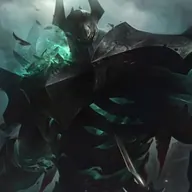
Mordekaiser completely neutralizes your team-oriented crowd control by using Realm of Death to banish you from the fight. While Maokai excels at using Twisted Advance and Nature's Grasp to protect allies, this isolation forces a direct duel. Inside his arena, you cannot withstand his Darkness Rise aura or dodge Obliterate, turning your utility into a useless kit while your carries are left completely unprotected.
Mordekaiser build →
See details
The interaction that decides it
Mordekaiser's Realm of Death isolates Maokai, preventing him from peeling for his carries and forcing a 1v1 that Maokai cannot win.
Why
Mordekaiser completely neutralizes your team-oriented crowd control by using Realm of Death to banish you from the fight. While Maokai excels at using Twisted Advance and Nature's Grasp to protect allies, this isolation forces a direct duel. Inside his arena, you cannot withstand his Darkness Rise aura or dodge Obliterate, turning your utility into a useless kit while your carries are left completely unprotected.
Lane impact
During jungle skirmishes and neutral objective contests, Mordekaiser's threat of isolation dictates the map tempo. If you try to secure the river with Sapling Toss, he can simply walk through with Indestructible and pull you with Death's Grasp. This constant threat forces you to cede early Rift Scuttlers and neutral objectives, as any direct engagement near the pits results in you being dragged away, leaving your team vulnerable.
How to play
To survive this matchup, never initiate with Twisted Advance if Mordekaiser has Realm of Death available, as this puts you directly in his ultimate range. Instead, stay back and use Sapling Toss to scout bushes. If he pulls you with Death's Grasp, immediately use Bramble Smash to push him away and disengage. If you do get trapped in his ultimate, focus purely on survival by using Sap Magic heals and stalling with Twisted Advance to dodge his Obliterate.
Unfavorable
8These champions have tools that generally give them the edge in a fight, without making the matchup unwinnable. They might have more range, a better ability to soak up your offense, or more ways to answer your engages. You'll need to adapt your approach and carefully pick your moments to accept a fight.
Pantheon+1
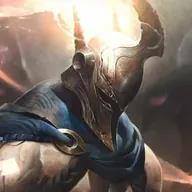
Pantheon dominates the early map tempo with the semi-global threat of Grand Starfall and aggressive jungle skirmishes fueled by Mortal Will. While he easily out-bursts you, your strength lies in matching his high-impact rotations. If you track him correctly, you can use the untargetability of Twisted Advance to follow him through his landing or lock him down immediately when he engages on your allies with Shield Vault.
Pantheon build →
See details
The interaction that decides it
Maokai can use Twisted Advance to follow Pantheon's Grand Starfall landing or lock him down when he initiates with Shield Vault.
Why
Pantheon dominates the early map tempo with the semi-global threat of Grand Starfall and aggressive jungle skirmishes fueled by Mortal Will. While he easily out-bursts you, your strength lies in matching his high-impact rotations. If you track him correctly, you can use the untargetability of Twisted Advance to follow him through his landing or lock him down immediately when he engages on your allies with Shield Vault.
Lane impact
This matchup turns the jungle into a race against the clock. Pantheon will secure early priority to setup ganks, forcing you to use Sapling Toss defensively to track his river movements. If he finds successful roams with his ultimate while you are clearing camps, the map pressure becomes overwhelming. Every objective fight is decided by how quickly you can respond to his aggressive dives before he can deploy Aegis Assault.
How to play
Never initiate blindly. Save Twisted Advance specifically for the moment Pantheon commits his jump. If he attempts to dive a lane with Grand Starfall, path toward the crash zone and buffer Twisted Advance onto him the instant he appears, following up with Bramble Smash to push him under tower or away from your carry. Should he block your damage with Aegis Assault, reposition behind him to disrupt his channel with Nature's Grasp.

Nidalee+1
Nidalee outpaces Maokai in clearing speed, exerting heavy pressure across the map. However, you possess the specific tools to neutralize her assassination attempts. By placing Sapling Toss in her path, you can block incoming Javelin Toss spears, while a perfectly timed Twisted Advance makes you untargetable, completely dodging her follow-up Pounce engage when she tries to execute you in cougar form.
Nidalee build →
See details
The interaction that decides it
Maokai can block Nidalee's Javelin Toss with Sapling Toss or use Twisted Advance to dodge her Pounce engage.
Why
Nidalee outpaces Maokai in clearing speed, exerting heavy pressure across the map. However, you possess the specific tools to neutralize her assassination attempts. By placing Sapling Toss in her path, you can block incoming Javelin Toss spears, while a perfectly timed Twisted Advance makes you untargetable, completely dodging her follow-up Pounce engage when she tries to execute you in cougar form.
Lane impact
This speed disparity means Nidalee will often secure double scuttle crabs or invade your camps while you are still clearing. If she lands a spear from fog of war, you are forced to retreat, giving up neutral objectives. However, if you keep her spotted, your team can safely collapse on her, turning her aggressive counter-jungling into a death trap.
How to play
Prioritize throwing Sapling Toss into choke points and bushes near your jungle entrances to spot her early and block Javelin Toss mid-flight. Never use Twisted Advance to initiate a fight on her unless you know her Pounce is on cooldown; instead, hold it as a defensive tool to follow her mobility or dodge her jump entirely. If she invades, ping your laners and use Bramble Smash to peel her away from you.
Dr. Mundo+1
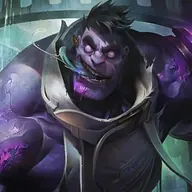
Your entire jungle identity relies on locking down targets, but Dr. Mundo completely neutralizes your engage. His passive, Goes Where He Pleases, absorbs the root from Twisted Advance or the snare of Nature's Grasp, turning your primary tools into a self-inflicted health loss. Without reliable crowd control to halt his advance, Mundo can shrug off your initial lockdown and charge straight into your vulnerable backline.
Dr. Mundo build →
See details
The interaction that decides it
Maokai's heavy crowd control kit is severely hindered by Mundo's passive, allowing Mundo to freely run down Maokai's backline.
Why
Your entire jungle identity relies on locking down targets, but Dr. Mundo completely neutralizes your engage. His passive, Goes Where He Pleases, absorbs the root from Twisted Advance or the snare of Nature's Grasp, turning your primary tools into a self-inflicted health loss. Without reliable crowd control to halt his advance, Mundo can shrug off your initial lockdown and charge straight into your vulnerable backline.
Lane impact
In jungle skirmishes and river fights, this interaction shifts the power balance entirely. You cannot easily peel Mundo off your allies during early crab contests or dragon fights. When you try to secure objectives, his Infected Bonesaw poke combined with his immunity means he can safely contest your camp clears or disrupt your team's setup. If you attempt to fight him 1v1 in the river, his Maximum Dosage outlasts your Sap Magic healing.
How to play
To survive this matchup, you must coordinate with your laners to pop Goes Where He Pleases before committing your main crowd control. Use the knockback from Bramble Smash to break his spell shield from a safe distance, then actively step on his dropped canister to prevent him from recovering health and reducing his cooldown. Save Twisted Advance strictly for following up after his passive is down, or bypass Mundo entirely to dive his backline while your teammates distract him.

Volibear+1
Volibear wins raw skirmishes through The Relentless Storm and Frenzied Maul healing, making direct jungle duels unfavorable. However, Maokai can disrupt his tempo. By timing Twisted Advance perfectly, you can become untargetable to dodge the high-impact burst and shield of Sky Splitter, or use Bramble Smash to knock Volibear back right as he charges with Thundering Smash, neutralizing his engage.
Volibear build →
See details
The interaction that decides it
Maokai can use Twisted Advance to dodge Volibear's Sky Splitter damage and shield, or use Bramble Smash to interrupt Thundering Smash.
Why
Volibear wins raw skirmishes through The Relentless Storm and Frenzied Maul healing, making direct jungle duels unfavorable. However, Maokai can disrupt his tempo. By timing Twisted Advance perfectly, you can become untargetable to dodge the high-impact burst and shield of Sky Splitter, or use Bramble Smash to knock Volibear back right as he charges with Thundering Smash, neutralizing his engage.
Lane impact
This interaction shapes jungle skirmishes and crab contests. If Volibear lands his full combo, his Stormbringer dive threat forces you off your camps and neutral objectives. When you successfully deny his Thundering Smash stun or dodge Sky Splitter, you prevent him from marking you with Frenzied Maul. This keeps your health high enough to contest objectives and prevents him from invading and snowballing the early game.
How to play
Never initiate with Twisted Advance when Volibear has his cooldowns up. Instead, bait his Thundering Smash run, and react instantly with Bramble Smash to peel him off. If he casts Sky Splitter to shield himself and slow you, immediately use Twisted Advance on a nearby monster or Volibear himself to bypass the lightning strike. If you misplay this cycle and get marked by Frenzied Maul, immediately retreat using Sapling Toss to slow his pursuit.
Warwick+1
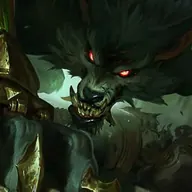
Warwick dominates direct jungle duels because his Eternal Hunger and Jaws of the Beast grant him massive, continuous healing that easily outlasts your own Sap Magic passive. However, you possess the perfect tools to disrupt his ultimate. If Warwick targets an ally with Infinite Duress, you can immediately cancel the suppression using Bramble Smash. Alternatively, timing your Twisted Advance perfectly allows you to completely dodge his incoming leap.
Warwick build →
See details
The interaction that decides it
Maokai can interrupt Warwick's Infinite Duress suppress with Bramble Smash if Warwick targets an ally, or use Twisted Advance to dodge the leap entirely.
Why
Warwick dominates direct jungle duels because his Eternal Hunger and Jaws of the Beast grant him massive, continuous healing that easily outlasts your own Sap Magic passive. However, you possess the perfect tools to disrupt his ultimate. If Warwick targets an ally with Infinite Duress, you can immediately cancel the suppression using Bramble Smash. Alternatively, timing your Twisted Advance perfectly allows you to completely dodge his incoming leap.
Lane impact
You cannot match Warwick in early river skirmishes, as his Blood Hunt makes tracking low-health allies dangerous and grants him map priority. He will attempt to invade your camps, relying on Primal Howl to shrug off your damage while healing back up. This forces you to play defensively, using Sapling Toss to secure brush vision, conceding early crab contests to prevent giving away cheap kills.
How to play
Prioritize early anti-healing items to directly reduce the massive regeneration Warwick gets from Eternal Hunger. During skirmishes, never waste your crowd control. Hold Bramble Smash specifically to peel teammates the moment they are suppressed by Infinite Duress. If Warwick targets you instead, react instantly with Twisted Advance during his leap animation to become untargetable, causing his ultimate to fail completely while positioning you perfectly to counter-engage with Nature's Grasp.
Xin Zhao+1
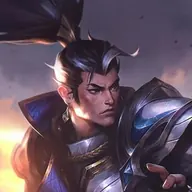
Xin Zhao dominates the early skirmishes because of his superior dueling power, but you have the perfect tool to disrupt his rhythm. When he engages with Audacious Charge and activates Three Talon Strike to knock you up, your Bramble Smash can push him away right before his third strike lands. This interaction denies his crowd control and wastes his main damage window, though his passive healing from Determination still gives him the edge in prolonged fights.
Xin Zhao build →
See details
The interaction that decides it
Maokai can use Bramble Smash to knock Xin Zhao back when he attempts to trigger the third strike of Three Talon Strike.
Why
Xin Zhao dominates the early skirmishes because of his superior dueling power, but you have the perfect tool to disrupt his rhythm. When he engages with Audacious Charge and activates Three Talon Strike to knock you up, your Bramble Smash can push him away right before his third strike lands. This interaction denies his crowd control and wastes his main damage window, though his passive healing from Determination still gives him the edge in prolonged fights.
Lane impact
This dynamic makes early Scuttle Crab contests highly risky for you, as Xin Zhao can easily force fights in the river. If you fail to interrupt Three Talon Strike, he will secure first blood or force your Flash, leaving your lanes vulnerable to his aggressive ganks. Your clear is slower, meaning you will often find yourself reacting to his moves rather than setting the pace of the map.
How to play
Do not contest the river blindly; instead, track his starting camp and path to the opposite side to secure a safe farm. When you must clash, hold Bramble Smash strictly for his third strike of Three Talon Strike, rather than using it to clear camps or start the fight. If he activates Crescent Guard to block your allies' damage, use Twisted Advance to dive inside his arena and lock him down for your team.
Other matchups
Skill Matchups
21These matchups are above all duels of execution: both champions have credible ways to gain the upper hand. Dodging one key ability, anticipating an engage correctly, or a single positioning mistake can be enough to tip the duel one way or the other. Knowing the matchup and recognizing the right windows to act are especially important here.
Jarvan IV±0
This jungle duel is a pure utility clash centered hits around teamfight impact. The outcome depends entirely on how Maokai's Twisted Advance interacts with Jarvan IV's Demacian Standard and Dragon Strike combo. Since Twisted Advance grants Maokai brief untargetability, he can completely negate Jarvan's main engage and knockup, leaving the Demacian prince vulnerable without his primary mobility tool and armor shred.
Jarvan IV build →
See details
The interaction that decides it
Maokai can use Twisted Advance to become untargetable and dodge Jarvan's E-Q knockup combo.
Why
This jungle duel is a pure utility clash centered hits around teamfight impact. The outcome depends entirely on how Maokai's Twisted Advance interacts with Jarvan IV's Demacian Standard and Dragon Strike combo. Since Twisted Advance grants Maokai brief untargetability, he can completely negate Jarvan's main engage and knockup, leaving the Demacian prince vulnerable without his primary mobility tool and armor shred.
Lane impact
In the jungle, this interaction dictates who secures early crabs and neutralizes gank pressure. If you successfully dodge his flag-and-drag, Jarvan IV loses his escape route and armor reduction, turning his aggressive invade into a death trap. However, if he baits out Twisted Advance with Golden Aegis and catches you afterward, his Cataclysm will trap you, forcing you to use Nature's Grasp defensively rather than to secure objectives.
How to play
Never initiate fights with Twisted Advance when Jarvan IV has his flag up. Instead, throw Sapling Toss into bushes to track his movement, and walk forward to bait his engage. Keep your finger on Twisted Advance and react only when you see the animation of Demacian Standard dropping. Once you successfully dodge his knockup, immediately follow up with Bramble Smash to shove him away from his flag or lock him down for your team, then drop Nature's Grasp to seal his escape routes.
Kayn±0
This jungle duel is a battle of pacing and transformation. Your ability to lock Kayn down mid-dash using Twisted Advance can completely disrupt his skirmishing, especially when he tries to slip away with Shadow Step. However, once The Darkin Scythe allows him to unlock Rhaast, the dynamic shifts. Rhaast excels in prolonged team fights, turning Maokai's high maximum health into a massive healing source.
Kayn build →
See details
The interaction that decides it
Maokai's Twisted Advance can lock Kayn down mid-dash, but Rhaast thrives in extended fights against Maokai's high health pool.
Why
This jungle duel is a battle of pacing and transformation. Your ability to lock Kayn down mid-dash using Twisted Advance can completely disrupt his skirmishing, especially when he tries to slip away with Shadow Step. However, once The Darkin Scythe allows him to unlock Rhaast, the dynamic shifts. Rhaast excels in prolonged team fights, turning Maokai's high maximum health into a massive healing source.
Lane impact
In the early game, utilizing Sapling Toss near walls limits his creative ganking angles and tracks his movement. But as the match progresses toward major neutral objectives, Kayn will aggressively hunt for red orbs. If you allow him to freely stack his passive off you, his rapid transformation will dominate the mid-game map pressure and objective control.
How to play
During team fights, never initiate on Rhaast directly, as your massive health bar only feeds his healing. Instead, hold Twisted Advance to interrupt him immediately when he uses Reaping Slash to dive your backline. Follow up with Bramble Smash to knock him backwards, preventing him from activating Umbral Trespass on your squishy allies. If he infects a teammate, position to peel the moment he exits.
Wukong±0
This jungle matchup is a pure battle of disruption and positioning during team skirmishes. Wukong wants to dive your backline with Nimbus Strike and disrupt everyone with Cyclone. However, Maokai has the perfect tools to neutralize this threat. Your Bramble Smash can push the spinning monkey away, saving your allies, while Sapling Toss acts as an excellent scouting tool to reveal Wukong when he tries to escape or ambush using Warrior Trickster.
Wukong build →
See details
The interaction that decides it
Maokai can use Bramble Smash to push Wukong away during his Cyclone, or use Sapling Toss to check bushes for his Warrior Trickster clone.
Why
This jungle matchup is a pure battle of disruption and positioning during team skirmishes. Wukong wants to dive your backline with Nimbus Strike and disrupt everyone with Cyclone. However, Maokai has the perfect tools to neutralize this threat. Your Bramble Smash can push the spinning monkey away, saving your allies, while Sapling Toss acts as an excellent scouting tool to reveal Wukong when he tries to escape or ambush using Warrior Trickster.
Lane impact
Because both junglers excel at team fighting, early skirmishes around Rift Herald and Dragon are incredibly tense. Wukong leverages Stone Skin to thrive in multi-target fights, meaning you cannot easily burst him down. If you fail to track him, his flank with Warrior Trickster can decimate your laners. This forces a slower, more defensive jungle tempo where objective control depends heavily on who secures superior vision and positioning first.
How to play
To win this clash, never initiate with Twisted Advance on Wukong if he has his team behind him. Instead, stay near your primary damage dealers. Hold Bramble Smash exclusively to interrupt the momentum of his Cyclone the moment he engages. If he attempts to escape or bait you with his clone, throw Sapling Toss into the adjacent brush to gain vision. If you get caught out of position, use Nature's Grasp to zone his team and disengage.
Kindred±0
This jungle matchup is a direct contest between Kindred's slippery mobility and your absolute lockdown. Kindred thrives by using *Dance of Arrows* within *Wolf's Frenzy* to kite you indefinitely. However, your *Twisted Advance* completely neutralizes this playstyle. This point-and-click root stops her in her tracks, preventing her from dancing away and opening a perfect window for your team to burst her down.
Kindred build →
See details
The interaction that decides it
Maokai's Twisted Advance provides a point-and-click root that stops Kindred's kiting, setting up his team to burst her down.
Why
This jungle matchup is a direct contest between Kindred's slippery mobility and your absolute lockdown. Kindred thrives by using *Dance of Arrows* within *Wolf's Frenzy* to kite you indefinitely. However, your *Twisted Advance* completely neutralizes this playstyle. This point-and-click root stops her in her tracks, preventing her from dancing away and opening a perfect window for your team to burst her down.
Lane impact
This dynamic shapes the entire map pressure, particularly around hunts for the *Mark of the Kindred*. You must secure brush vision using *Sapling Toss* to spot her invades early. In skirmishes, her fear of your *Twisted Advance* limits her aggressive positioning. If you lock her down before she sets up, her jungle pressure collapses; if she kites you, she secures the river.
How to play
In teamfights, focus entirely on your positioning relative to her marksman range. Do not blindly engage; instead, wait for Kindred to commit her *Dance of Arrows* forward. Once she does, immediately lock her down with *Twisted Advance*. Follow up with *Bramble Smash* to knock her back, ideally pushing her out of her own *Lamb's Respite* safety circle. Use *Sapling Toss* in bushes to prevent her from resetting her cooldowns out of sight.
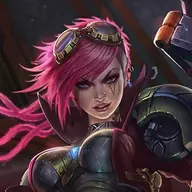
Vi±0
This matchup is a pure contest of reaction times and spell timing. Vi relies heavily on Vault Breaker to initiate her burst and trigger Denting Blows. As Maokai, you hold the tools to negate her primary entry; a perfectly timed Bramble Smash can knock her out of her dash mid-air, while a reactive Twisted Advance makes you temporarily untargetable, causing her punch to whiff entirely and leaving her vulnerable.
Vi build →
See details
The interaction that decides it
Maokai can interrupt Vi's Vault Breaker charge with a well-timed Bramble Smash or use Twisted Advance to become untargetable and dodge her initial burst.
Why
This matchup is a pure contest of reaction times and spell timing. Vi relies heavily on Vault Breaker to initiate her burst and trigger Denting Blows. As Maokai, you hold the tools to negate her primary entry; a perfectly timed Bramble Smash can knock her out of her dash mid-air, while a reactive Twisted Advance makes you temporarily untargetable, causing her punch to whiff entirely and leaving her vulnerable.
Lane impact
In the jungle, this interaction dictates who controls the river and early objectives. If Vi misses her Vault Breaker or gets interrupted, she cannot easily stack Blast Shield or trigger Denting Blows, neutering her dueling power. This allows you to secure Scuttle Crabs and contest her camps. However, if she successfully lands her punch, her burst will force you to retreat, giving her full priority.
How to play
Never waste Bramble Smash while clearing camps near Vi; keep it ready for her inevitable approach. When you see her charging Vault Breaker, stand your ground and time your Bramble Smash to knock her back at the exact moment she dashes. Alternatively, hover your finger over Twisted Advance to dodge her charge. If she targets you with Cease and Desist, prepare Nature's Grasp behind you to root her the instant she lands.

Viego±0
This jungle matchup hinges entirely on Viego's ability to trigger Sovereign's Domination. While Viego tries to weave through skirmishes using Harrowed Path to ambush your allies, Maokai holds the perfect tool to shut down his resets. Nature's Grasp acts as a massive wall that halts Viego's advance, preventing him from reaching wounded teammates. If Viego cannot land Heartbreaker on a low-health target because of your roots, his assassination potential crumbles.
Viego build →
See details
The interaction that decides it
Maokai must use Nature's Grasp to zone Viego and prevent him from reaching low-HP targets to trigger Sovereign's Domination.
Why
This jungle matchup hinges entirely on Viego's ability to trigger Sovereign's Domination. While Viego tries to weave through skirmishes using Harrowed Path to ambush your allies, Maokai holds the perfect tool to shut down his resets. Nature's Grasp acts as a massive wall that halts Viego's advance, preventing him from reaching wounded teammates. If Viego cannot land Heartbreaker on a low-health target because of your roots, his assassination potential crumbles.
Lane impact
Around objectives, Viego's presence forces you to monitor his positioning near walls where Harrowed Path grants him camouflage. Since this is an even matchup, neutral fights are decided by who strikes first. If you waste Twisted Advance on their frontline, Viego will bypass you to execute your backline. Failing to block his entrance means your team gets wiped by cascading Sovereign's Domination resets, sacrificing map control.
How to play
To win this, never launch Nature's Grasp blindly at the start of a teamfight. Instead, stand between Viego's camouflaged Harrowed Path zone and your lowest-HP ally. Hold Twisted Advance specifically to lock him down the moment he charges Spectral Maw. If Viego manages to bypass your crowd control and triggers Sovereign's Domination, immediately use Bramble Smash to knock him back during his brief vulnerability window.
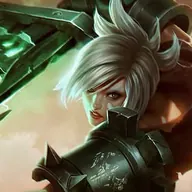
Riven±0
This jungle matchup hinges entirely on timing your crowd control against her mobility. Riven relies on chaining her Broken Wings to stack Runic Blade and trigger her knockup. However, Maokai holds the perfect tool to break this flow. By buffering Bramble Smash exactly during the animation of her third Broken Wings strike, you cancel her knockup entirely, leaving her vulnerable with her main damage source on cooldown.
Riven build →
See details
The interaction that decides it
Maokai can use Bramble Smash to interrupt Riven's third Broken Wings cast, preventing her knockup and disrupting her combo flow.
Why
This jungle matchup hinges entirely on timing your crowd control against her mobility. Riven relies on chaining her Broken Wings to stack Runic Blade and trigger her knockup. However, Maokai holds the perfect tool to break this flow. By buffering Bramble Smash exactly during the animation of her third Broken Wings strike, you cancel her knockup entirely, leaving her vulnerable with her main damage source on cooldown.
Lane impact
Successfully disrupting this combo completely dictates who wins early river skirmishes and objective contests. If you deny her third strike, Riven loses her primary engagement tool, forcing her to rely on Ki Burst or Valor to escape. This allows you to secure the Scuttle Crab or transition into a counter-gank. Missing this timing, however, lets her shred your health pool and dominate the jungle quadrant.
How to play
Never initiate a duel with Bramble Smash; always save it as a reactive tool. When contesting camps, lead with Twisted Advance to lock her down, then throw a Sapling Toss into the nearby brush to secure vision. Watch her swing count carefully. The moment you see her flip for the final cast of Broken Wings, immediately trigger Bramble Smash to knock her back. If she activates Blade of the Exile, back off using Nature's Grasp to disengage and waste her ultimate's duration.

Nunu & Willump±0
This jungle duel is a pure contest of objective execution and disruption. Nunu & Willump rely heavily on the momentum of Biggest Snowball Ever! to initiate skirmishes, alongside Consume to instantly secure neutral monsters. However, Maokai holds the tools to shut down this movement. By timing Bramble Smash perfectly, you can collapse his snowball before impact, or utilize the untargetability of Twisted Advance to completely bypass the knockup.
Nunu & Willump build →
See details
The interaction that decides it
Maokai can use Bramble Smash to interrupt Nunu's Biggest Snowball Ever! or use Twisted Advance to dodge the knockup.
Why
This jungle duel is a pure contest of objective execution and disruption. Nunu & Willump rely heavily on the momentum of Biggest Snowball Ever! to initiate skirmishes, alongside Consume to instantly secure neutral monsters. However, Maokai holds the tools to shut down this movement. By timing Bramble Smash perfectly, you can collapse his snowball before impact, or utilize the untargetability of Twisted Advance to completely bypass the knockup.
Lane impact
The jungle phase revolves around a high-stakes race to secure epic monsters. Nunu & Willump's Consume gives them a massive advantage in raw securing power, forcing you to play around vision rather than raw damage races. If you fail to track his pathing, his ganking speed will overwhelm your lanes. However, your ability to deny his entry into pits neutralizes his objective threat, turning teamfights into chaotic standoffs.
How to play
Prioritize throwing Sapling Toss deep into the river brush to spot Biggest Snowball Ever! before it gains maximum speed. Never commit Bramble Smash early in a skirmish; save it exclusively to interrupt his rolling charge or to knock him away from the epic monster pit. If Nunu & Willump begin channeling Absolute Zero, immediately cast Twisted Advance to root them in place, allowing your team to escape the blast zone while you shrug off the damage.
Other matchups



Favorable
17These champions generally struggle to answer your main strengths, which lets you approach the matchup with more freedom. You often have several ways to pressure them and force trades that go in your favor. Use this advantage to dictate the pace rather than giving them time to get back into a comfortable position.
Hecarim−1
Maokai completely shut downs Hecarim's high-speed initiations. When Hecarim charges with Devastating Charge, a well-timed Bramble Smash knocks him back mid-dash, instantly killing his momentum and damage. Furthermore, you can use Twisted Advance to become untargetable, perfectly dodging the fear and damage of Onslaught of Shadows. This makes Hecarim's aggressive dives useless, shifting the control of skirmishes heavily in your favor.
Hecarim build →
See details
The interaction that decides it
Maokai's Bramble Smash can knock Hecarim back mid-dash, while Twisted Advance makes Maokai untargetable to dodge Onslaught of Shadows.
Why
Maokai completely shut downs Hecarim's high-speed initiations. When Hecarim charges with Devastating Charge, a well-timed Bramble Smash knocks him back mid-dash, instantly killing his momentum and damage. Furthermore, you can use Twisted Advance to become untargetable, perfectly dodging the fear and damage of Onslaught of Shadows. This makes Hecarim's aggressive dives useless, shifting the control of skirmishes heavily in your favor.
Lane impact
In the jungle, this matchup changes how teamfights and river skirmishes play out. Hecarim cannot freely flank or dive your backline because your presence alone threatens to halt his charge. By placing Sapling Toss in bushes near objectives, you reveal his approach and chip his health down before he can stack Warpath. Your ability to lock him down prevents him from healing continuously with Spirit of Dread.
How to play
To win, never waste Bramble Smash during teamfights; hold it specifically for the moment Hecarim activates Devastating Charge and runs at your team. If he targets you with Onslaught of Shadows, react quickly with Twisted Advance on a nearby enemy or Hecarim himself to bypass the crowd control. If he avoids you to dive elsewhere, use Nature's Grasp across the lane to block his escape routes and force him into your crowd control.
Kha'Zix−1
Maokai dictates the jungle's pace because Sapling Toss completely neutralizes Kha'Zix's reliance on brush play. By tossing your explosive saplings into crucial choke points, you constantly reveal him and deny his ability to reset Unseen Threat. Without this passive damage injection, his burst potential drops significantly, preventing him from securing the quick kills he needs to snowball.
Kha'Zix build →
See details
The interaction that decides it
Maokai's Sapling Toss controls brush vision, preventing Kha'Zix from easily resetting his Unseen Threat passive.
Why
Maokai dictates the jungle's pace because Sapling Toss completely neutralizes Kha'Zix's reliance on brush play. By tossing your explosive saplings into crucial choke points, you constantly reveal him and deny his ability to reset Unseen Threat. Without this passive damage injection, his burst potential drops significantly, preventing him from securing the quick kills he needs to snowball.
Lane impact
This vision dominance shifts the jungle dynamic entirely. Kha'Zix cannot safely ambush you or invade your camps, as your saplings turn every brush into a hazard. Since he cannot easily isolate you, his Taste Their Fear loses its lethal edge. You easily stall his early pressure, securing neutral objectives safely behind a wall of zone control, forcing him to take desperate, sub-optimal paths.
How to play
Do not seek direct 1v1 duels in the open jungle. Instead, focus on controlling key river brushes with Sapling Toss before objectives spawn. If Kha'Zix attempts a desperate Leap onto your squishy allies, immediately lock him down with Twisted Advance, then use Bramble Smash to push him away from them. Save Nature's Grasp to zone him out of teamfights entirely, leaving him starved of isolation resets.
Lee Sin−1
You hold a massive advantage in the jungle because your crowd control completely shuts down Lee Sin's high-mobility assassination attempts. The defining interaction occurs when he connects with Sonic Wave. Instead of panicking, you can time Twisted Advance to become untargetable right as he dashes toward you. This entirely negates his main damage source while root-locking him in place, leaving him incredibly vulnerable.
Lee Sin build →
See details
The interaction that decides it
Maokai can use the untargetability of Twisted Advance to dodge Lee Sin's Sonic Wave dash and lock him down.
Why
You hold a massive advantage in the jungle because your crowd control completely shuts down Lee Sin's high-mobility assassination attempts. The defining interaction occurs when he connects with Sonic Wave. Instead of panicking, you can time Twisted Advance to become untargetable right as he dashes toward you. This entirely negates his main damage source while root-locking him in place, leaving him incredibly vulnerable.
Lane impact
This matchup dynamic strips Lee Sin of his early-game invading power, forcing him to play defensively in his own jungle. Whenever he tries to force a skirmish near the river or during neutral objectives, your ability to cancel his mobility prevents him from executing his signature Dragon's Rage plays. He cannot snowball, which drastically reduces his team's early map pressure.
How to play
When contesting scuttle crabs or objectives, always position yourself at the front of your team and throw Sapling Toss into bushes to scout Lee Sin's approach. Never initiate with Twisted Advance; instead, hold it specifically to react to his Sonic Wave dash. Once you root him mid-dash, immediately follow up with Bramble Smash to knock him back into your allies, preventing him from escaping with Safeguard.

Lillia−1
Lillia relies on stacking movement speed from Blooming Blows to dance around fights and apply Dream-Laden Bough. However, Maokai completely shuts down this skirmishing style. Since Twisted Advance is a guaranteed, point-and-click root, Lillia cannot use her high velocity to dodge it. This inevitable lockdown completely stops her momentum, leaving her highly vulnerable to a follow-up Nature's Grasp and quick burst.
Lillia build →
See details
The interaction that decides it
Maokai's Twisted Advance provides guaranteed point-and-click lockdown that stops Lillia's movement, setting up Nature's Grasp.
Why
Lillia relies on stacking movement speed from Blooming Blows to dance around fights and apply Dream-Laden Bough. However, Maokai completely shuts down this skirmishing style. Since Twisted Advance is a guaranteed, point-and-click root, Lillia cannot use her high velocity to dodge it. This inevitable lockdown completely stops her momentum, leaving her highly vulnerable to a follow-up Nature's Grasp and quick burst.
Lane impact
During jungle skirmishes and neutral objective contests, Lillia's ability to safely poke with Swirlseed and run away is severely restricted. Your presence alone forces her to position defensively, preventing her from freely stacking Blooming Blows on camps or teammates. If she attempts to contest scuttle crabs or invades, your point-and-click target acquisition ensures she cannot escape once she steps past her frontline, shifting river control heavily in your favor.
How to play
Position yourself in narrow jungle corridors where Lillia has less room to maneuver. Do not waste Twisted Advance early; wait for her to approach to hit Blooming Blows or Watch Out! Eep!. The moment she commits to her dash, lock her down with Twisted Advance, then immediately cast Nature's Grasp behind her to block her escape route. Use Bramble Smash to knock her back into your ultimate's roots if she tries to cleanse or run.
Nocturne−1
Maokai naturally blunts Nocturne's high-tempo assassination attempts. Even when Paranoia shrouds the map in darkness, Maokai's Sapling Toss provides crucial vision of nearby bushes to spot incoming flanks. Once Nocturne commits to his dive, Twisted Advance offers point-and-click crowd control that bypasses his mobility, while Bramble Smash can immediately knock him back to prevent his fear tether from connecting.
Nocturne build →
See details
The interaction that decides it
Maokai can drop Sapling Toss in bushes to maintain vision during Paranoia, and use Twisted Advance to lock down Nocturne when he dives.
Why
Maokai naturally blunts Nocturne's high-tempo assassination attempts. Even when Paranoia shrouds the map in darkness, Maokai's Sapling Toss provides crucial vision of nearby bushes to spot incoming flanks. Once Nocturne commits to his dive, Twisted Advance offers point-and-click crowd control that bypasses his mobility, while Bramble Smash can immediately knock him back to prevent his fear tether from connecting.
Lane impact
This matchup shifts the jungle dynamic heavily toward defensive counter-ganking. Nocturne cannot freely dive your laners because your presence in the river denies his execution threshold. Whenever he attempts to lock onto an ally, your ability to quickly peel him off completely ruins his tempo. Furthermore, his Shroud of Darkness is easily popped by your low-cooldown spells, leaving him highly vulnerable to counter-engages during early skirmishes.
How to play
Position yourself constantly between Nocturne's expected angle of approach and your squishiest carry. When navigating near objectives, throw Sapling Toss into choke-point bushes to maintain vision boundaries before Paranoia begins. Never initiate with Twisted Advance; instead, hold it specifically to react to his ultimate flight. If he activates Shroud of Darkness, trigger your passive Sap Magic with basic attacks to outsustain him while waiting for his spell shield to expire.

Shyvana−1
Maokai naturally stifles Shyvana's primary teamfight entry because his Bramble Smash can directly interrupt and knock her back mid-flight during Dragon's Descent. Since her ultimate is her only reliable tool to close the gap and initiate fights, denying this initial impact completely stalls her dive potential, leaving her vulnerable to your team's follow-up while her Burnout and Flame Breath fail to reach their high-value targets.
Shyvana build →
See details
The interaction that decides it
Maokai's Bramble Smash can knock Shyvana back mid-flight during Dragon's Descent, neutralizing her primary engage tool.
Why
Maokai naturally stifles Shyvana's primary teamfight entry because his Bramble Smash can directly interrupt and knock her back mid-flight during Dragon's Descent. Since her ultimate is her only reliable tool to close the gap and initiate fights, denying this initial impact completely stalls her dive potential, leaving her vulnerable to your team's follow-up while her Burnout and Flame Breath fail to reach their high-value targets.
Lane impact
This interaction shifts the power balance heavily around Epic Monsters, where Shyvana desperately wants to stack her Fury of the Dragonborn. By controlling the choke points with Sapling Toss, you force her to reveal her position or commit Dragon's Descent prematurely. If she attempts to force a steal, your ability to deny her landing zone completely shuts down her objective contest, giving your team free neutrals.
How to play
Position yourself as a physical wall between Shyvana and your backline during objective dances. Never waste Bramble Smash on her human form; hold this specific ability and react to her ultimate animation. The moment she casts Dragon's Descent, use your knockback to swat her away mid-air, then immediately follow up with Twisted Advance to root her in place, ensuring she cannot stick to your allies with Burnout.
Talon−1
Talon's jungle dominance relies on using Assassin's Path to ignore terrain and escape bad situations. However, Maokai holds a massive advantage because Twisted Advance is an unavoidable, point-and-click root. This completely shuts down Talon's ability to hop over walls, locking him in place mid-cast or forcing him to fight a tanky opponent he cannot burst down, especially when Sap Magic constantly keeps your health bar high.
Talon build →
See details
The interaction that decides it
Maokai's Twisted Advance is a point-and-click root that prevents Talon from escaping over walls with Assassin's Path.
Why
Talon's jungle dominance relies on using Assassin's Path to ignore terrain and escape bad situations. However, Maokai holds a massive advantage because Twisted Advance is an unavoidable, point-and-click root. This completely shuts down Talon's ability to hop over walls, locking him in place mid-cast or forcing him to fight a tanky opponent he cannot burst down, especially when Sap Magic constantly keeps your health bar high.
Lane impact
This interaction completely shifts the jungle pressure. Talon cannot safely counter-jungle or flank your laners because any face-to-face encounter near walls becomes lethal for him. If he attempts a risky gank, your counter-gank with Nature's Grasp and Sapling Toss traps him in the river corridors. He loses his map-wide snowball potential, transforming his aggressive rotations into highly risky maneuvers where any mistake leads to his death.
How to play
To exploit this, always scout jungle choke points by throwing Sapling Toss into bushes where Talon might prepare a flank. Never initiate a fight with Twisted Advance if he is near an unbroken wall; instead, walk up, use Bramble Smash to knock him away from the terrain, and only trigger your point-and-click root when he attempts to cast Assassin's Path. If he uses Shadow Assault to go invisible, patient positioning allows you to lock him down the moment he reappears.
Twitch−1
Twitch relies entirely on the stealth of Ambush to secure early map pressure and surprise ganks, but your kit completely neutralizes this tool. By tossing Sapling Toss into common choke points and brush, you reveal him before he can reposition. Once exposed, Twitch lacks any natural mobility or dashes, leaving him extremely vulnerable to your point-and-click Twisted Advance which immediately shuts down any attempt at kiting.
Twitch build →
See details
The interaction that decides it
Maokai's Sapling Toss can be thrown into paths to detect Twitch during Ambush, and Twisted Advance locks him down instantly if he reveals himself.
Why
Twitch relies entirely on the stealth of Ambush to secure early map pressure and surprise ganks, but your kit completely neutralizes this tool. By tossing Sapling Toss into common choke points and brush, you reveal him before he can reposition. Once exposed, Twitch lacks any natural mobility or dashes, leaving him extremely vulnerable to your point-and-click Twisted Advance which immediately shuts down any attempt at kiting.
Lane impact
This interaction strips Twitch of his primary weapon: the terror of invisible ganks. Because you can scout river entrances with Sapling Toss, your laners can play aggressively without fear. Twitch is forced to farm his camps slowly, unable to snowball through Ambush. This delay in his scaling allows you to secure early neutral objectives with Nature's Grasp, suffocating his jungle presence.
How to play
When contesting camps or objectives, always seed the surrounding bushes with Sapling Toss to intercept Twitch's approach. Never initiate a fight with Twisted Advance if Twitch is missing from the map; hold it specifically to lock him down the moment Ambush ends. If he activates Spray and Pray, immediately use Bramble Smash to push him back, disrupting his ultimate's piercing trajectory and saving your teammates.
Master Yi−2
Master Yi relies entirely on Alpha Strike to dodge crowd control and shred targets. As Maokai, you hold the ultimate counter: your Twisted Advance is a point-and-click root that cannot miss once he reappears. By waiting out his initial jump, you can instantly chain Twisted Advance into Nature's Grasp, stripping away his Highlander mobility and leaving him completely exposed before he can stack Double Strike.
Master Yi build →
See details
The interaction that decides it
Maokai can wait for Master Yi to exit Alpha Strike, then immediately lock him down with Twisted Advance and Nature's Grasp.
Why
Master Yi relies entirely on Alpha Strike to dodge crowd control and shred targets. As Maokai, you hold the ultimate counter: your Twisted Advance is a point-and-click root that cannot miss once he reappears. By waiting out his initial jump, you can instantly chain Twisted Advance into Nature's Grasp, stripping away his Highlander mobility and leaving him completely exposed before he can stack Double Strike.
Lane impact
This dynamic completely shifts control of neutral objectives and river skirmishes in your favor. Master Yi cannot safely contest Epic Monsters or secure Scuttle Crabs because your crowd control shuts down his dueling potential. Whenever he tries to power-farm or force a gank, your ability to lock him down in skirmishes prevents him from getting the resets required to extend Highlander, neutralizing his presence across the map.
How to play
During skirmishes, never initiate with Twisted Advance while Master Yi still has Alpha Strike available. Instead, throw Sapling Toss into nearby brush to slow him or secure vision, and bait him into committing. The moment his Alpha Strike animation finishes and he reappears, immediately lock him down with Twisted Advance, then follow up with Bramble Smash to disrupt any attempt to channel Meditate, finishing with Nature's Grasp to secure the kill.
Rengar−2
This jungle matchup favors you heavily because your Sapling Toss completely shuts down Rengar's Unseen Predator. By throwing saplings into the brush, you reveal him and trigger early damage, preventing him from leaping out to ambush you or your laners. Without the element of surprise from the bushes, his Savagery-driven burst is severely mitigated, turning his primary hunting grounds into a hazard zone.
Rengar build →
See details
The interaction that decides it
Maokai's Sapling Toss reveals and damages Rengar inside bushes, denying him the ability to leap with Unseen Predator.
Why
This jungle matchup favors you heavily because your Sapling Toss completely shuts down Rengar's Unseen Predator. By throwing saplings into the brush, you reveal him and trigger early damage, preventing him from leaping out to ambush you or your laners. Without the element of surprise from the bushes, his Savagery-driven burst is severely mitigated, turning his primary hunting grounds into a hazard zone.
Lane impact
In the river and around neutral pits, your control is absolute. Rengar cannot safely contest scuttle crabs or set up counter-ganks when you constantly zone him out of the bushes. If he tries to force an engage with Thrill of the Hunt, your Nature's Grasp covers the entire corridor, trapping him mid-leap or forcing him to waste a empowered Battle Roar just to cleanse the root.
How to play
Always secure brush priority by tossing Sapling Toss ahead of your path, especially near the red buff and river bushes. If Rengar jumps onto you, immediately use Bramble Smash to knock him away and interrupt his auto-attack reset, then follow up with Twisted Advance to lock him down. Never face-check without an active sapling; instead, force him to initiate fights on your terms where his Unseen Predator is entirely useless.
Tryndamere−1
Maokai naturally neutralizes Tryndamere's jungle threat because his crowd control directly counters the barbarian's ultimate safety net. When Tryndamere triggers Undying Rage to survive fatal damage, Maokai can immediately lock him down. By chaining Twisted Advance into Nature's Grasp, you deny him any ability to auto-attack or heal with Bloodlust, rendering his five seconds of immortality entirely useless while your team safely kites him out.
Tryndamere build →
See details
The interaction that decides it
Maokai can chain Twisted Advance and Nature's Grasp to waste the entire duration of Tryndamere's Undying Rage.
Why
Maokai naturally neutralizes Tryndamere's jungle threat because his crowd control directly counters the barbarian's ultimate safety net. When Tryndamere triggers Undying Rage to survive fatal damage, Maokai can immediately lock him down. By chaining Twisted Advance into Nature's Grasp, you deny him any ability to auto-attack or heal with Bloodlust, rendering his five seconds of immortality entirely useless while your team safely kites him out.
Lane impact
In the jungle, this interaction shifts all skirmish priority to you. Tryndamere cannot safely invade your camps or dive your laners because your peeling tools shut down his aggressive Spinning Slash entries. During major objective fights, his pressure is completely neutralized; he is forced to play passively or risk getting locked down and killed the moment his ultimate expires, giving your team free reign over the neutral objectives.
How to play
To execute this perfectly, never waste your primary crowd control early in a fight. When Tryndamere engages with Spinning Slash, use Bramble Smash to knock him back and check his fury bar. Once he drops low and activates Undying Rage, immediately cast Twisted Advance followed by Nature's Grasp. This precise sequence keeps him rooted for the entire duration of his ultimate, ensuring he dies immediately as his invincibility fades without having dealt any damage.
Other matchups


| Matchup | Verdict | Edge | Win rate | Pick rate |
|---|---|---|---|---|
| Olaf | Hard Counters | +3 | 51.2% | 1.1% |
| Vayne | Hard Counters | +2 | 52.3% | 2.0% |
| Gwen | Hard Counters | +2 | 51.9% | 3.1% |
| Volibear | Hard Counters | +2 | 51.0% | 6.8% |
| Mordekaiser | Hard Counters | +2 | 50.2% | 11.1% |
| Darius | Hard Counters | +2 | 49.6% | 15.6% |
| Fiora | Hard Counters | +2 | 48.8% | 4.4% |
| Dr. Mundo | Hard Counters | +2 | 48.8% | 5.5% |
| Ryze | Hard Counters | +2 | — | — |
| Yone | Unfavorable | +1 | 51.8% | 6.6% |
| Ambessa | Unfavorable | +1 | 50.9% | 2.0% |
| Irelia | Unfavorable | +1 | 50.8% | 1.9% |
| Cho'Gath | Unfavorable | +1 | 50.8% | 11.6% |
| Jax | Unfavorable | +1 | 50.3% | 3.9% |
| Rumble | Unfavorable | +1 | 50.2% | 2.4% |
| Aatrox | Unfavorable | +1 | 49.9% | 5.9% |
| Garen | Unfavorable | +1 | 49.8% | 14.7% |
| K'Santé | Unfavorable | +1 | 49.4% | 5.7% |
| Sett | Unfavorable | +1 | 49.2% | 10.8% |
| Poppy | Unfavorable | +1 | 49.2% | 2.2% |
| Nasus | Unfavorable | +1 | 48.8% | 6.6% |
| Vladimir | Unfavorable | +1 | 46.8% | 1.1% |
| Graves | Unfavorable | +1 | — | — |
| Heimerdinger | Unfavorable | +1 | — | — |
| Swain | Unfavorable | +1 | — | — |
| Warwick | Unfavorable | +1 | — | — |
| Malphite | Skill Matchups | ±0 | 54.1% | 8.7% |
| Wukong | Skill Matchups | ±0 | 52.8% | 2.1% |
| Singed | Skill Matchups | ±0 | 51.8% | 1.5% |
| Gnar | Skill Matchups | ±0 | 50.7% | 3.6% |
| Camille | Skill Matchups | ±0 | 50.4% | 3.7% |
| Kayle | Skill Matchups | ±0 | 50.4% | 1.8% |
| Ornn | Skill Matchups | ±0 | 49.7% | 1.9% |
| Kennen | Skill Matchups | ±0 | 48.9% | 1.3% |
| Urgot | Skill Matchups | ±0 | 48.9% | 3.9% |
| Riven | Skill Matchups | ±0 | 48.8% | 1.3% |
| Skarner | Skill Matchups | ±0 | 46.9% | 1.2% |
| Renekton | Skill Matchups | ±0 | 46.9% | 3.5% |
| Yasuo | Skill Matchups | ±0 | 46.2% | 3.0% |
| Gragas | Skill Matchups | ±0 | — | — |
| Jarvan IV | Skill Matchups | ±0 | — | — |
| Shen | Favorable | −1 | 53.2% | 1.4% |
| Sion | Favorable | −1 | 51.6% | 3.7% |
| Teemo | Favorable | −1 | 51.0% | 3.2% |
| Tryndamere | Favorable | −1 | 49.0% | 2.1% |
| Jayce | Favorable | −1 | 48.0% | 2.6% |
| Akali | Favorable | −1 | — | — |
| Pantheon | Favorable | −1 | — | — |
Edge: Wild Rift Core canonical verdict (−3 to +3), shown from the point of view of the champion named in the row. Win rate and pick rate: the opponent's own rate in this role — Wild Rift CN · Challenger, Patch 7.2e. Not a head-to-head win rate.
Hard Counters
9These champions have a build and playstyle that directly overpower yours, which can make controlling the lane and farming extremely difficult. Their kit can neutralize your core strengths or punish you the moment you try to play your usual game plan. In these matchups, the goal is often to minimize mistakes and look for ways to win outside of direct confrontation.
Olaf+3
Olaf completely neutralizes your defensive toolkit once he reaches level 5. The moment he activates Ragnarok, he becomes entirely immune to the crowd control from Twisted Advance, Bramble Smash, and Nature's Grasp. Without your roots and knockbacks to keep him at bay, Olaf can easily run you down using the slow from Undertow and the unstoppable true damage of Reckless Swing.
Olaf build →
See details
The interaction that decides it
Olaf's Ragnarok makes him completely immune to all of Maokai's crowd control, allowing Olaf to run him down with Undertow and Reckless Swing.
Why
Olaf completely neutralizes your defensive toolkit once he reaches level 5. The moment he activates Ragnarok, he becomes entirely immune to the crowd control from Twisted Advance, Bramble Smash, and Nature's Grasp. Without your roots and knockbacks to keep him at bay, Olaf can easily run you down using the slow from Undertow and the unstoppable true damage of Reckless Swing.
Lane impact
This interaction forces you into a permanent defensive posture where stepping past the river is extremely dangerous. If the wave crashes near Olaf's tower, he can easily run you down the entire length of the lane. You cannot contest short trades because his Berserker Rage and Vicious Strikes will out-heal your passive Sap Magic sustain, slowly forcing you into unfavorable recalls.
How to play
To survive, you must keep the minion wave frozen right outside your turret range. Use Sapling Toss inside the bushes to thin the wave safely from afar without pushing it. If Olaf activates Ragnarok, do not waste Twisted Advance or Nature's Grasp defensively; instead, immediately walk backward and use Bramble Smash only after his ultimate expires to push him under your tower.
Mordekaiser+2
Mordekaiser completely shuts down your defensive setup once he unlocks his ultimate. When he drags you into the Realm of Death, you are instantly cut off from any pre-placed bushes containing your Sapling Toss. Inside this isolated arena, his Darkness Rise aura will inevitably activate, constantly melting your health pool while you lack the raw damage to break through his Indestructible shield.
Mordekaiser build →
See details
The interaction that decides it
Mordekaiser's Realm of Death isolates Maokai away from his saplings and team, where Darkness Rise will quickly melt Maokai's health bar.
Why
Mordekaiser completely shuts down your defensive setup once he unlocks his ultimate. When he drags you into the Realm of Death, you are instantly cut off from any pre-placed bushes containing your Sapling Toss. Inside this isolated arena, his Darkness Rise aura will inevitably activate, constantly melting your health pool while you lack the raw damage to break through his Indestructible shield.
Lane impact
This matchup forces you into an extremely passive defensive posture under your own turret. You cannot contest wave control because a single Death's Grasp pull sets up an easy Obliterate that chunks your health. Once he gets his ultimate, stepping past the river is a death sentence, as he will trap you in his death realm, leaving your turret vulnerable to heavy plate pressure.
How to play
To survive, rush magic resistance immediately to blunt his passive aura. During trades, never use Twisted Advance offensively; instead, hold it to dodge his Obliterate slam by timing your untargetability perfectly. If he pulls you with Death's Grasp, immediately use Bramble Smash to push him away and disengage. When trapped in Realm of Death, focus solely on running in circles and using Sap Magic to heal, stalling until the arena fades.
Vayne+2
Vayne completely neutralizes your engage potential in the Top lane. Whenever you try to lock her down with Twisted Advance, she can instantly react with Condemn, pushing you back before you can follow up with Bramble Smash. This failed approach leaves you completely exposed to her ranged harassment, allowing her to easily trigger Silver Bolts true damage through basic attacks and Tumble, bypassing your innate tankiness.
Vayne build →
See details
The interaction that decides it
Vayne can easily push Maokai away with Condemn if he tries to engage with Twisted Advance, while shredding him with Silver Bolts.
Why
Vayne completely neutralizes your engage potential in the Top lane. Whenever you try to lock her down with Twisted Advance, she can instantly react with Condemn, pushing you back before you can follow up with Bramble Smash. This failed approach leaves you completely exposed to her ranged harassment, allowing her to easily trigger Silver Bolts true damage through basic attacks and Tumble, bypassing your innate tankiness.
Lane impact
Because you cannot threaten her, Vayne dictates the wave's state from level one. You will find yourself pinned under your own turret, struggling to secure last hits while taking constant poke from her ranged attacks. This constant harassment forces early recalls, bleeding your gold income and letting her chip away at your tower plates. You lose all priority, meaning you cannot assist with early River skirmishes without sacrificing your entire lane.
How to play
Survival means giving up unnecessary gold to preserve your health bar. Stand far back from the wave, using Sapling Toss in the lane bushes to safely farm or slow her advance. Never initiate with Twisted Advance unless your jungler is physically in the lane to bait her Condemn first. Position yourself strictly in the center of the lane, avoiding the walls so she cannot stun you, and use Bramble Smash defensively to shove her away when she attempts to Tumble forward.
Volibear+2
Volibear completely dominates prolonged trades because Frenzied Maul applies a mark making subsequent bites heal him while dealing massive damage. Since Maokai relies on slower, spell-triggered healing from Sap Magic, you cannot match this repetitive brawling power. If he charges with Thundering Smash, your only reliable response is disrupting his momentum immediately with Bramble Smash to prevent him from stacking The Relentless Storm and sustaining the fight.
Volibear build →
See details
The interaction that decides it
Volibear's Frenzied Maul allows him to win extended trades easily, forcing Maokai to rely on Bramble Smash to disengage and farm under tower.
Why
Volibear completely dominates prolonged trades because Frenzied Maul applies a mark making subsequent bites heal him while dealing massive damage. Since Maokai relies on slower, spell-triggered healing from Sap Magic, you cannot match this repetitive brawling power. If he charges with Thundering Smash, your only reliable response is disrupting his momentum immediately with Bramble Smash to prevent him from stacking The Relentless Storm and sustaining the fight.
Lane impact
This matchup forces you into a permanent defensive posture where you must surrender lane priority. You cannot contest the wave directly, as Volibear will use Sky Splitter to shield himself while trading, pushing you back. You are forced to let the minions crash and rely on Bramble Smash to secure last hits under your turret. This leaves you vulnerable to dives once he unlocks Stormbringer, while preventing you from assisting your jungler.
How to play
To survive, never use Twisted Advance offensively unless your jungler is actively ganking. Instead, hold your Bramble Smash specifically to knock Volibear away the moment he activates Thundering Smash to stun you. Use Sapling Toss in the river brush to spot dives early. If he freezes the wave or threatens you under tower with Stormbringer, use Nature's Grasp defensively to clear the minions quickly and root him mid-leap, preserving your turret and your life.
Other matchups

Unfavorable
17These champions have tools that generally give them the edge in a fight, without making the matchup unwinnable. They might have more range, a better ability to soak up your offense, or more ways to answer your engages. You'll need to adapt your approach and carefully pick your moments to accept a fight.
Sett+1
Sett excels at continuous brawling thanks to his Pit Grit sustain and heavy punches from Knuckle Down. Maokai struggles to match this raw DPS, making direct trades highly unfavorable. However, Maokai's passive Sap Magic allows him to heal back some damage, turning the lane into a battle of attrition. The core dynamic relies on Maokai using Bramble Smash to actively disrupt Sett's combo, specifically interrupting Facebreaker or pushing Sett away to dodge the center of Haymaker.
Sett build →
See details
The interaction that decides it
Maokai can use Bramble Smash to interrupt Sett's Facebreaker pull or push him away during Haymaker to avoid the true damage center.
Why
Sett excels at continuous brawling thanks to his Pit Grit sustain and heavy punches from Knuckle Down. Maokai struggles to match this raw DPS, making direct trades highly unfavorable. However, Maokai's passive Sap Magic allows him to heal back some damage, turning the lane into a battle of attrition. The core dynamic relies on Maokai using Bramble Smash to actively disrupt Sett's combo, specifically interrupting Facebreaker or pushing Sett away to dodge the center of Haymaker.
Lane impact
Because Sett constantly threatens to pull you in with Facebreaker and slam you with The Show Stopper, you will find yourself pushed under tower frequently. Trading health is dangerous because Sett's Haymaker shield negates your counter-burst. If you waste Bramble Smash, Sett will immediately zone you from the minion wave. You must accept losing minor gold to keep your health bar high enough to prevent easy dives.
How to play
Never use Bramble Smash offensively; hold it strictly to react to Sett's animations. When you see Sett charging Haymaker, immediately cast Bramble Smash to shove him away, ensuring you step out of the central true-damage zone. If he grabs you with Facebreaker, use Twisted Advance to root him and reposition behind him, or throw Sapling Toss into the lane bushes to slow his pursuit. If Sett manages to execute The Show Stopper, immediately disengage until his grit bar decays.

Nasus+1
This matchup is a race against time. You lack the raw damage to stop Nasus from endlessly stacking Siphoning Strike on minions, and his passive Soul Eater easily shrugs off your poke from Sapling Toss. However, Nasus has no natural escape tools. This makes him highly susceptible to your point-and-click Twisted Advance, which serves as an inescapable anchor to set up clean, lethal ganks with your jungler before he outscales you.
Nasus build →
See details
The interaction that decides it
Maokai cannot stop Nasus from stacking Siphoning Strike, but can easily set up ganks with Twisted Advance due to Nasus's lack of mobility.
Why
This matchup is a race against time. You lack the raw damage to stop Nasus from endlessly stacking Siphoning Strike on minions, and his passive Soul Eater easily shrugs off your poke from Sapling Toss. However, Nasus has no natural escape tools. This makes him highly susceptible to your point-and-click Twisted Advance, which serves as an inescapable anchor to set up clean, lethal ganks with your jungler before he outscales you.
Lane impact
The lane naturally slows down as Nasus focuses solely on last-hitting. If you push blindly, he will freeze near his turret, using Spirit Fire to match your wave clear when needed. Since you cannot kill him solo once he gets Fury of the Sands, staying top too long yields diminishing returns. Your real impact is decided by how quickly you can abandon this lane to secure map objectives while Nasus remains isolated.
How to play
Let the wave bounce toward your side of the map to stretch the lane. When your jungler approaches, initiate with Twisted Advance to lock Nasus down, then immediately reposition with Bramble Smash to knock him back toward your ally, bypassing his Wither slow. If you are left alone, do not force trades. Instead, use Nature's Grasp from the river to lock down the mid lane or secure neutral objectives while Nasus is busy stacking his Q.
Yone+1
While Maokai excels at early control, Yone's dual-damage scaling from Way of the Hunter and low-cooldown Mortal Steel inevitably outpaces your tankiness. However, the matchup pivots on a precise interaction: when Yone projects himself with Soul Unbound, you can time Twisted Advance to ride his snapback animation. This guarantees you follow him all the way to his anchor point, securing a deep, inescapable root.
Yone build →
See details
The interaction that decides it
Maokai can time Twisted Advance to follow Yone back to his original body when Soul Unbound expires, securing a guaranteed root.
Why
While Maokai excels at early control, Yone's dual-damage scaling from Way of the Hunter and low-cooldown Mortal Steel inevitably outpaces your tankiness. However, the matchup pivots on a precise interaction: when Yone projects himself with Soul Unbound, you can time Twisted Advance to ride his snapback animation. This guarantees you follow him all the way to his anchor point, securing a deep, inescapable root.
Lane impact
Because Yone's Spirit Cleave chips away your health while shielding him, you cannot contest his push early on. You will find yourself trapped under tower, farming with Bramble Smash to keep the wave from crashing too fast. Failing to manage your Sap Magic heals during his Soul Unbound trades means giving up turret plates, letting him accelerate his items and take over the sidelane.
How to play
Position yourself strictly near your tower's edge, forcing Yone to dive if he wants to trade with Mortal Steel. Always hold Twisted Advance when his Soul Unbound is active; do not panic-cast it. Wait for the tether duration to nearly end, then cast it to lock him down under your turret. If he freezes the wave out of reach, use Sapling Toss in the bushes to safely secure minions.

Rumble+1
Rumble's relentless magic damage over time constantly threatens your health bar, making traditional trading highly risky. However, his high-frequency spell casting acts as a double-edged sword. Every button Rumble presses directly accelerates the cooldown of Sap Magic. This constant charging allows you to frequently trigger your empowered basic attacks, turning his aggressive pressure into a reliable engine for your own lane survival.
Rumble build →
See details
The interaction that decides it
Maokai struggles against Rumble's constant magic damage pressure, but can use Sap Magic's healing triggered by Rumble's frequent spell casts to survive the lane.
Why
Rumble's relentless magic damage over time constantly threatens your health bar, making traditional trading highly risky. However, his high-frequency spell casting acts as a double-edged sword. Every button Rumble presses directly accelerates the cooldown of Sap Magic. This constant charging allows you to frequently trigger your empowered basic attacks, turning his aggressive pressure into a reliable engine for your own lane survival.
Lane impact
This matchup forces you to play defensively under your turret, as you will constantly be pushed in. Initiating trades with Twisted Advance is dangerous because you cannot match his sustained output. Instead, expect to bleed some minion gold while using Bramble Smash to keep him from trapping you against the wall. The lane becomes a battle of attrition where your main goal is staying healthy enough to prevent dives.
How to play
Delay your armor purchases to rush early magic resistance, prioritizing pure survival over utility. When Rumble approaches to harass, do not panic; walk up to land your Sap Magic attack on a minion or on him to recover, then immediately disengage using Bramble Smash to push him away. Toss your Sapling Toss into the lane bushes to scout his positioning and slow his advances, keeping Nature's Grasp ready to lock him down if your jungler rotates.
Vladimir+1
Vladimir's kit makes him a frustrating wall for Maokai. Whenever you attempt to lock him down using Twisted Advance or catch him from afar with Nature's Grasp, he can easily dissolve into Sanguine Pool to completely negate your crowd control. Because his Transfusion consistently restores his health, any chip damage you manage to sneak in with Bramble Smash is quickly erased, allowing him to outscale you effortlessly.
Vladimir build →
See details
The interaction that decides it
Vladimir can use Sanguine Pool to dodge Maokai's Twisted Advance or Nature's Grasp, while sustaining through any short-trade damage Maokai inflicts.
Why
Vladimir's kit makes him a frustrating wall for Maokai. Whenever you attempt to lock him down using Twisted Advance or catch him from afar with Nature's Grasp, he can easily dissolve into Sanguine Pool to completely negate your crowd control. Because his Transfusion consistently restores his health, any chip damage you manage to sneak in with Bramble Smash is quickly erased, allowing him to outscale you effortlessly.
Lane impact
You cannot threaten Vladimir with solo kills, which gives him free rein to slow-push waves or harass you under tower. While Sapling Toss can help you check bushes or secure some farm, you will find yourself bled out of resources if you stay in lane too long. Eventually, his scaling advantage forces you to abandon the top lane to find value elsewhere before he becomes completely unkillable.
How to play
Stop trying to fight him directly. Instead, use Bramble Smash to quickly clear waves and look for roam opportunities. Hold your Twisted Advance specifically to peel for yourself if he attempts an aggressive dive under your turret. When the wave is pushed, immediately leave the lane to assist your team with Nature's Grasp in river skirmishes, leveraging your superior teamfighting utility while Vladimir is busy farming his lane.

Poppy+1
This matchup is dictated by how Poppy's anti-dash barrier hard-counters Twisted Advance. Whenever you attempt to initiate a trade or lock her down, activating your root will trigger her defensive zone, knocking you out of the air and leaving you grounded. Because your primary engage tool is neutralized instantly, you cannot easily trigger Sap Magic on her or reposition her with Bramble Smash without taking heavy counter-damage.
Poppy build →
See details
The interaction that decides it
Poppy can block Maokai's Twisted Advance dash with her anti-dash barrier, neutralizing his primary engage tool.
Why
This matchup is dictated by how Poppy's anti-dash barrier hard-counters Twisted Advance. Whenever you attempt to initiate a trade or lock her down, activating your root will trigger her defensive zone, knocking you out of the air and leaving you grounded. Because your primary engage tool is neutralized instantly, you cannot easily trigger Sap Magic on her or reposition her with Bramble Smash without taking heavy counter-damage.
Lane impact
In the lane, this interaction strips away your offensive pressure, forcing you to play defensively near your turret. Trying to force trades results in lost health bars and premature recalls, giving Poppy free reign over wave manipulation. You will find yourself trapped under your own tower, forced to use Sapling Toss to secure distant minions, which rapidly drains your mana pool and concedes top-side river priority to her team.
How to play
To survive, maintain a strict positioning rule: stay in the middle of the lane, far from walls to deny her stun. Never initiate with Twisted Advance unless you see her anti-dash circle on cooldown. Instead, walk up to farm, and use Bramble Smash defensively to push her away if she charges. If she dives you under turret, cast Nature's Grasp to lock her down, then immediately follow up with Twisted Advance only after her barrier fades.
Other matchups




Skill Matchups
15These matchups are above all duels of execution: both champions have credible ways to gain the upper hand. Dodging one key ability, anticipating an engage correctly, or a single positioning mistake can be enough to tip the duel one way or the other. Knowing the matchup and recognizing the right windows to act are especially important here.

Gnar±0
This matchup revolves around Gnar's ability to poke you down from range in his Mini form. The turning point lies in the timing of Gnar's Boomerang Throw. If you cast Twisted Advance right as his projectile leaves his hand, you completely dodge the slow and the damage of the boomerang while closing the gap to root him. This leaves Mini Gnar extremely vulnerable to your follow-up crowd control.
Gnar build →
See details
The interaction that decides it
Maokai can use Twisted Advance to dodge Gnar's Boomerang Throw and root him, setting up easy ganks.
Why
This matchup revolves around Gnar's ability to poke you down from range in his Mini form. The turning point lies in the timing of Gnar's Boomerang Throw. If you cast Twisted Advance right as his projectile leaves his hand, you completely dodge the slow and the damage of the boomerang while closing the gap to root him. This leaves Mini Gnar extremely vulnerable to your follow-up crowd control.
Lane impact
Because Mini Gnar wants to constantly harass you, he will naturally push the lane with his basic attacks. By keeping the wave frozen near your turret, you force Gnar to overextend to farm. If he steps up to poke, your ability to jump on him with Twisted Advance makes him an easy target for your jungler. If you fail to control the wave, you will get poked down under your own tower.
How to play
Stand near your caster minions to lure Gnar into using Boomerang Throw to farm and poke. The moment you see him throw it, react instantly with Twisted Advance to bypass the projectile, then follow up with Bramble Smash to knock him backward into your wave. If Gnar is about to transform via Rage Gene into Mega Gnar, disengage immediately and use Sapling Toss to slow his advance, holding your engage tools until he shrinks back to his fragile Mini form.
Renekton±0
This lane is an intense battle of reaction times centered hits on Renekton's mobility. Renekton wants to use Slice and Dice to gap-close and immediately lock you down with a fury-infused Ruthless Predator. However, if you react quickly, your Bramble Smash can interrupt his dash mid-air or push him away before he can apply his stun, completely neutralizing his trade potential and leaving him vulnerable.
Renekton build →
See details
The interaction that decides it
Maokai can react to Renekton's Slice and Dice with Bramble Smash to knock him back before he can land Ruthless Predator.
Why
This lane is an intense battle of reaction times centered hits on Renekton's mobility. Renekton wants to use Slice and Dice to gap-close and immediately lock you down with a fury-infused Ruthless Predator. However, if you react quickly, your Bramble Smash can interrupt his dash mid-air or push him away before he can apply his stun, completely neutralizing his trade potential and leaving him vulnerable.
Lane impact
When you successfully deny his engage, Renekton loses control over the wave as his main escape is on cooldown. You can then use Sapling Toss to secure the brush and prevent him from building Reign of Anger on minions. Failing this reaction, however, means taking a heavy Cull the Meek combo, forcing you to play defensively under tower while he builds a massive health advantage.
How to play
Always hover near your caster minions and keep your finger on Bramble Smash. Never waste this ability to clear waves; only use it when Renekton commits his first Slice and Dice forward. If you miss the timing and get stunned by Ruthless Predator, do not panic. Wait out the stun, then immediately use Twisted Advance to root him as he tries to dash back, allowing your Sap Magic to heal back the lost health during the trade.
Urgot±0
This matchup is a pure contest of execution centered hits around Urgot's attempt to engage with Disdain and Maokai's response. While Urgot wants to land his flip to trigger Echoing Flames and melt you with Purge, Maokai possesses the perfect counter. By timing Twisted Advance correctly, you become untargetable, completely dodging the projection and putting yourself in a prime position to disrupt him.
Urgot build →
See details
The interaction that decides it
Maokai can use the untargetability of Twisted Advance to dodge Urgot's Disdain flip, turning the trade in his favor.
Why
This matchup is a pure contest of execution centered hits around Urgot's attempt to engage with Disdain and Maokai's response. While Urgot wants to land his flip to trigger Echoing Flames and melt you with Purge, Maokai possesses the perfect counter. By timing Twisted Advance correctly, you become untargetable, completely dodging the projection and putting yourself in a prime position to disrupt him.
Lane impact
Urgot's ranged advantage with Echoing Flames allows him to slowly push and poke, forcing you to play around your tower. However, if he misses Disdain because you buffered Twisted Advance, his safety vanishes. A successful dodge lets you lock him down with Bramble Smash, neutralizing his Purge damage. This prevents him from establishing a freeze and allows you to crash waves safely without getting executed by Fear Beyond Death.
How to play
Position yourself just outside Urgot's auto-attack range, baiting his forward dash. Never use Twisted Advance proactively to close the distance; hold it strictly to react when you see the startup animation of Disdain. If you misstime it and get flipped, immediately use Bramble Smash to push him away, preventing him from circling you to proc his passive legs, then retreat to heal up using Sap Magic on the incoming minion wave.
Jarvan IV±0
This Top lane matchup is a pure test of reaction speed, turning into a war of attrition. Jarvan IV relies heavily on landing his Demacian Standard and Dragon Strike combo to shred your armor and win short trades. However, Maokai has the perfect tool to neutralize this threat: timing Twisted Advance right as he jumps allows you to bypass the knockup entirely, leaving him vulnerable while you heal with Sap Magic.
Jarvan IV build →
See details
The interaction that decides it
Maokai can use Twisted Advance to become untargetable and dodge Jarvan's E-Q knockup combo entirely.
Why
This Top lane matchup is a pure test of reaction speed, turning into a war of attrition. Jarvan IV relies heavily on landing his Demacian Standard and Dragon Strike combo to shred your armor and win short trades. However, Maokai has the perfect tool to neutralize this threat: timing Twisted Advance right as he jumps allows you to bypass the knockup entirely, leaving him vulnerable while you heal with Sap Magic.
Lane impact
Because both of you possess high sustain and defensive tools, neither champion can easily force a direct dive or quick kill. If Jarvan IV misses his knockup, his armor shred from Dragon Strike is wasted, allowing you to lock him down with Bramble Smash and control the wave. However, if he baits out your Twisted Advance first, his Cataclysm can easily trap you without an escape, forcing an early recall and giving him massive turret pressure.
How to play
Never initiate trades with Twisted Advance; you must hold it exclusively as a defensive reaction to his Demacian Standard drop. When Jarvan IV positions aggressively to combo, press your root to dodge the knockup, then immediately follow up with Bramble Smash to push him away before his Martial Cadence passive can strike you. If he traps you inside Cataclysm, use Nature's Grasp to zone him out of his own arena, keeping yourself alive until your Sap Magic passive is ready to restore your health.
Ornn±0
Ornn wants to dictate fights with Call of the Forge God, but Maokai has the perfect counter. By timing Twisted Advance onto Ornn right as the ram returns, Maokai becomes untargetable and completely evades the massive second knock-up. Without this crucial crowd control, Ornn's trade potential falls flat. However, if Maokai wastes Twisted Advance too early, Ornn easily triggers Brittle with Bellows Breath and wins the duel.
Ornn build →
See details
The interaction that decides it
Maokai can use the brief untargetability of Twisted Advance to completely dodge the second activation of Ornn's Call of the Forge God.
Why
Ornn wants to dictate fights with Call of the Forge God, but Maokai has the perfect counter. By timing Twisted Advance onto Ornn right as the ram returns, Maokai becomes untargetable and completely evades the massive second knock-up. Without this crucial crowd control, Ornn's trade potential falls flat. However, if Maokai wastes Twisted Advance too early, Ornn easily triggers Brittle with Bellows Breath and wins the duel.
Lane impact
This interaction turns post-level five skirmishes into a tense game of patience. Neither tank can easily burst down the other, leading to long sustain battles where Maokai uses Sap Magic to offset Ornn's Bellows Breath poke. If Ornn misses his Searing Charge knock-up against a wall, Maokai can punish him near the turret. However, mismanaging your cooldowns allows Ornn to safely scale and forge items.
How to play
Position yourself away from the Volcanic Rupture pillar to deny Ornn an easy Searing Charge angle. During his ultimate, do not panic: track the incoming ram and press Twisted Advance directly onto Ornn just as he prepares to headbutt it. If you misstime this and get knocked up, immediately use Bramble Smash to push him away and disengage. Save Sapling Toss to scout the river brush.
Yasuo±0
Yasuo relies on his mobility through Sweeping Blade and his Wind Wall to nullify your ranged tools. While his Wind Wall easily deletes your Sapling Toss and can completely negate Nature's Grasp if he reacts quickly, he cannot dodge Twisted Advance. This point-and-click root bypasses his wind barrier entirely, allowing you to lock him down and setup a guaranteed Bramble Smash to peel him off or trade back.
Yasuo build →
See details
The interaction that decides it
Yasuo's Wind Wall can block Maokai's Nature's Grasp and Sapling Toss, but Maokai can still lock him down with the point-and-click Twisted Advance.
Why
Yasuo relies on his mobility through Sweeping Blade and his Wind Wall to nullify your ranged tools. While his Wind Wall easily deletes your Sapling Toss and can completely negate Nature's Grasp if he reacts quickly, he cannot dodge Twisted Advance. This point-and-click root bypasses his wind barrier entirely, allowing you to lock him down and setup a guaranteed Bramble Smash to peel him off or trade back.
Lane impact
Yasuo will constantly dash through minions using Sweeping Blade to stack Steel Tempest and poke you under your tower. Because your Sapling Toss is easily blocked in lane, your wave clear is slower, leaving you vulnerable to heavy push. Trades are highly dynamic: if you let him break your Sap Magic passive shield without trading back, he slowly chips away at your health bar while maintaining lane priority.
How to play
Position yourself near your own dying minions to bait his Sweeping Blade, but never cast Sapling Toss while his Wind Wall is off cooldown. Hold Twisted Advance until he attempts to throw a Steel Tempest tornado; using your dash during his cast animation dodges the knockup entirely. Once you root him behind his barrier, use Bramble Smash to push him under your turret or disrupt his pathing back to safety.
Riven±0
This matchup is a pure test of reflexes centered hits on Riven's third cast of Broken Wings. Her entire trade pattern relies on landing that final knockup to chain into Ki Burst. By timing your Bramble Smash exactly as she leaps, you can swat her out of the air. Canceling this third strike completely neutralizes her burst, leaving her without her primary damage tool while your Sap Magic keeps you healthy.
Riven build →
See details
The interaction that decides it
Maokai can interrupt Riven's third Q, Broken Wings, mid-air with Bramble Smash, disrupting her combo and preventing her knockup.
Why
This matchup is a pure test of reflexes centered hits on Riven's third cast of Broken Wings. Her entire trade pattern relies on landing that final knockup to chain into Ki Burst. By timing your Bramble Smash exactly as she leaps, you can swat her out of the air. Canceling this third strike completely neutralizes her burst, leaving her without her primary damage tool while your Sap Magic keeps you healthy.
Lane impact
Missing your interrupt timing means Riven will chunk your health bar, force you under tower, and easily dictate the wave state with her superior mobility. However, successfully stopping her combo flips the lane's pressure. Riven cannot safely contest minions once Broken Wings is on cooldown, allowing you to slow-push waves or secure safe recalls without fearing an all-in from her Blade of the Exile.
How to play
Never initiate trades with Bramble Smash; hold it exclusively to react to her third leap. When Riven initiates with Valor to close the gap, use Twisted Advance to root her through her initial strikes, then immediately prepare to time your knockback. If you mistime the interrupt and get chunked, retreat immediately using Sapling Toss in the river brush to secure your retreat path while waiting for your passive Sap Magic to heal you back up.
Singed±0
This lane is a pure contest of execution centered hits on how you handle Singed's attempts to displace you. While he relies on Poison Trail to clear and proxy, his only way to punish you directly is with Fling. By timing your Bramble Smash perfectly as he runs at you, you can knock him back mid-animation. This denies his throw entirely, keeping you safe from his toxic trail.
Singed build →
See details
The interaction that decides it
Maokai can interrupt Singed's Fling with a well-timed Bramble Smash, preventing Singed from throwing him into the Poison Trail.
Why
This lane is a pure contest of execution centered hits on how you handle Singed's attempts to displace you. While he relies on Poison Trail to clear and proxy, his only way to punish you directly is with Fling. By timing your Bramble Smash perfectly as he runs at you, you can knock him back mid-animation. This denies his throw entirely, keeping you safe from his toxic trail.
Lane impact
Successfully executing this interrupt dictates who controls the minion waves. Missing your knockback means getting tossed behind Singed, taking massive damage, and losing all lane priority. Conversely, stopping his Fling allows you to match his wave clear safely. You can keep the lane frozen near your turret, utilizing Sap Magic to out-sustain his mana pool while preventing him from easily proxying behind your tower.
How to play
Never waste Bramble Smash on the minion wave; keep it exclusively to react when Singed activates Noxious Slipstream to rush you. When he pops Insanity Potion to force a trade, do not chase him into his toxic cloud. Instead, toss a Sapling Toss into the lane bushes to slow his approach, and use Twisted Advance only to root him under your own turret if he attempts an aggressive flip.
Other matchups
Favorable
7These champions generally struggle to answer your main strengths, which lets you approach the matchup with more freedom. You often have several ways to pressure them and force trades that go in your favor. Use this advantage to dictate the pace rather than giving them time to get back into a comfortable position.
Shen−1
This matchup revolves around neutralizing Shen's global presence. Since Shen relies heavily on Stand United to turn fights across the map, Maokai holds all the cards. With both Bramble Smash and Twisted Advance at your disposal, you can instantly cancel his ultimate channel. If he tries to teleport away right in front of you, your crowd control guarantees he stays stuck in the top lane while wasting his longest cooldown.
Shen build →
See details
The interaction that decides it
Maokai can interrupt Shen's Stand United channel from across the lane using either Bramble Smash or Twisted Advance.
Why
This matchup revolves around neutralizing Shen's global presence. Since Shen relies heavily on Stand United to turn fights across the map, Maokai holds all the cards. With both Bramble Smash and Twisted Advance at your disposal, you can instantly cancel his ultimate channel. If he tries to teleport away right in front of you, your crowd control guarantees he stays stuck in the top lane while wasting his longest cooldown.
Lane impact
Knowing you can cancel Stand United shifts the pressure entirely onto Shen. He cannot safely ultimate from his tower if you have wave priority. If he plays passively to protect his channel, you can easily stack waves, chip his tower, or use Sapling Toss to secure deep jungle vision. His inability to leave without losing his turret or his ultimate tempo gives you complete control over the map's objective fights.
How to play
Keep a constant eye on the map, but never lose focus on Shen's positioning. Always hold either Twisted Advance or Bramble Smash when you suspect an ally needs saving elsewhere; do not waste both on simple wave clearing. If Shen dashes away with Shadow Dash to channel Stand United from a distance, immediately use Twisted Advance to follow his escape and interrupt him. If he successfully teleports because you were out of range, immediately lock down his tower and take plates.

Teemo−1
Teemo relies on Toxic Shot to poke Maokai out, but Maokai's Sap Magic neutralizes this poison damage over time. Once Teemo steps up to apply Blinding Dart, Maokai can instantly close the gap with Twisted Advance. Because Teemo is exceptionally squishy and lacks hard escape tools outside of Move Quick, this targeted root leaves him completely exposed to a devastating Bramble Smash knockback.
Teemo build →
See details
The interaction that decides it
Maokai can easily lock down the squishy Teemo with Twisted Advance, setting up effortless ganks while using Sap Magic to sustain through early poison poke.
Why
Teemo relies on Toxic Shot to poke Maokai out, but Maokai's Sap Magic neutralizes this poison damage over time. Once Teemo steps up to apply Blinding Dart, Maokai can instantly close the gap with Twisted Advance. Because Teemo is exceptionally squishy and lacks hard escape tools outside of Move Quick, this targeted root leaves him completely exposed to a devastating Bramble Smash knockback.
Lane impact
Teemo cannot freely freeze or harass you under your turret. By keeping the minion wave close to your side, you force Teemo to overextend. Since he is highly vulnerable to ganks, holding the wave near your tower makes him terrified of your Twisted Advance engage. His Guerrilla Warfare becomes useless as your Sapling Toss can easily reveal and damage him in the lane bushes, stripping away his safety.
How to play
Let Teemo push the first wave while you absorb the initial Toxic Shot poke, immediately healing it back with Sap Magic autos. Never chase him blindly through the bushes; instead, toss a Sapling Toss into them to trigger his Noxious Trap or reveal his Guerrilla Warfare camouflage. Once your jungler approaches, lock him down with Twisted Advance, then position yourself to throw him backward using Bramble Smash. If he retreats, block his escape path using Nature's Grasp.
Sion−1
This matchup heavily favors you because you possess the perfect tool to shut down Sion's primary source of pressure. Whenever Sion channels Decimating Smash to clear the wave or trade, you can instantly cancel it with Bramble Smash. By denying his main damage tool and waveclear, you render his defensive Soul Furnace shield useless for retaliation, leaving him with no reliable way to contest your presence.
Sion build →
See details
The interaction that decides it
Maokai can easily interrupt Sion's Decimating Smash charge using Bramble Smash, completely neutralizing Sion's primary damage and waveclear tool.
Why
This matchup heavily favors you because you possess the perfect tool to shut down Sion's primary source of pressure. Whenever Sion channels Decimating Smash to clear the wave or trade, you can instantly cancel it with Bramble Smash. By denying his main damage tool and waveclear, you render his defensive Soul Furnace shield useless for retaliation, leaving him with no reliable way to contest your presence.
Lane impact
In practice, this interaction gives you absolute control over the wave state. Sion cannot safely execute his slow-push strategy, meaning you can easily freeze the lane near your turret or force him under his own. Since he cannot charge his primary skill, his health trades are consistently terrible, allowing you to force early recalls and delay his permanent health stacking from Glory in Death.
How to play
To execute this flawlessly, never use Bramble Smash proactively to poke. Always hold it specifically to react to his Decimating Smash channel. If he tries to step back and charge it from a distance, use Twisted Advance to close the gap and immediately follow up with the knockback. Keep Sapling Toss in the lane bushes to spot any sneaky charge attempts from out of vision, and use Sap Magic to heal back any minor damage from his Roar of the Slayer.
Tryndamere−1
This matchup is a battle of attrition where your passive healing rivals his Fury-fueled recovery. While Tryndamere relies on Battle Fury and Bloodlust to outsustain you, his entire offensive threat relies on sticking to you during Undying Rage. You hold the upper hand because your crowd control completely neutralizes his ultimate. By chaining Twisted Advance, Bramble Smash, and Nature's Grasp, you can effortlessly stall out his invulnerability window.
Tryndamere build →
See details
The interaction that decides it
Maokai can easily kite out Tryndamere's Undying Rage duration by chaining Twisted Advance, Bramble Smash, and Nature's Grasp.
Why
This matchup is a battle of attrition where your passive healing rivals his Fury-fueled recovery. While Tryndamere relies on Battle Fury and Bloodlust to outsustain you, his entire offensive threat relies on sticking to you during Undying Rage. You hold the upper hand because your crowd control completely neutralizes his ultimate. By chaining Twisted Advance, Bramble Smash, and Nature's Grasp, you can effortlessly stall out his invulnerability window.
Lane impact
Tryndamere cannot easily dive you or force you out of lane. Your Sap Magic keeps your health high during his short trades, meaning he must constantly use Bloodlust and deplete his critical strike chance just to stay healthy. This loss of Fury prevents him from building lane priority or threatening your tower. Consequently, you dictate the recall timings, forcing him to stay under tower while you easily secure river vision.
How to play
Never waste Twisted Advance or Bramble Smash when Tryndamere has high Fury and his dash available. Instead, let him initiate with Spinning Slash. When he commits and activates Undying Rage, immediately root him with Twisted Advance, walk behind him, and use Bramble Smash to push him backward. If he flashes or resets his dash, cast Nature's Grasp to seal his fate. Keep Sapling Toss in the river bushes to spot any incoming assistance.
Other matchups

Items to Counter Maokai
Buy these items to reduce this champion's effectiveness in your games.