






















Nautilus Counters
Why
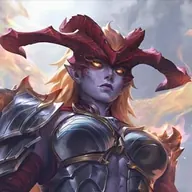
Morgana is a structural hard counter to support Nautilus because she attacks your identity: creating a clean pick via hook + auto root + follow-up. Black Shield removes the “inevitable” part of your engage: you can land hook, but if the shield is correctly placed on the priority target, your CC chain doesn’t convert into a kill. You become a tank committing forward without the control that justifies the risk.
Lane impact
In lane, she forces a frustrating style: either hook a non-shielded target (often less valuable) or wait for mistakes. If you commit too early, you open a counter window because your kit has long downtime after engage. In skirmishes, Morgana can protect a carry while you’re already in, breaking your tempo and ruining bot snowball plans.
How to play
Play the shield, not the target: bait Black Shield with a fake engage (threat, aggressive step, hook a secondary champ), then disengage and re-engage when it’s down. Key timing: after she spends shield, you get a short window where your ult + hook become lethal again. Concrete decision: if she permanently holds shield for ADC, shift win condition to roams mid/river and objectives instead of brute-forcing 2v2.
Why
Janna is hard because she doesn’t beat you with damage—she makes your engage meaningless. Nautilus wins by locking a target and forcing a short fight. Janna knocks back, interrupts, and resets fights: tornado to break entry, slow to kite you, ult to undo your ult, shield to absorb the first burst. Your kit is linear; hers is designed to derail it.
Lane impact
In lane, you may need to commit deep to connect, and that’s exactly where she punishes: she knocks you away, removes your angle, and your ADC is left exposed while you sit on cooldowns. In teamfights, if you engage a carry, Janna can simply reset the play and leave you stranded, killing your ability to chain picks.
How to play
Build engages in two steps: first bait a disengage spell (tornado/ult), then use your ultimate for real conversion. Key timing: Janna without ult is far more vulnerable—look for fights/picks in the minute after she spends it. Concrete decision: if bot lane is sterile, play aggressively for vision (bush control + roams) to catch mid/jungle rather than throwing hooks into a disengage wall.
Why
Alistar is hard because he mirrors and beats your plan: you want to engage, he can engage/peel even better. His kit breaks trajectories: he can knock you back on arrival, interrupt follow-up, or even split you from your ADC. Nautilus loves pinning one target; Alistar excels at unpinning and breaking CC chains.
Lane impact
In lane, the first all-in often sets the tempo: if you hook, Alistar can counter-engage and flip the trade, especially if your ADC isn’t ready to burst. The classic mistake is assuming hook = kill, when it becomes a tank-support duel where the better-positioned ADC wins. In teamfights, he can neutralize your backline threat by knocking you away or CC’ing you while your team loses the window.
How to play
Be deliberate with targets: don’t default-hook Alistar unless your jungler is nearby or you specifically want to bait his combo. Key timing: after he uses W+Q, there’s a big downtime where he can’t knock you off—this is when your ult becomes far more reliable. Concrete decision: if he holds spells for peel, shift plan and engage the opposite side first, then use R second-wave once his answer is already spent.
Why
Lulu is hard because she makes your pick non-lethal: you engage to kill fast, she turns it into a longer fight where your team loses tempo. Polymorph stops you at the exact moment you want to chain (or your ADC wants to burst), and her ult adds HP + knock-up that makes the kill timing miss. Nautilus has no real plan B once he commits—he’s already in.
Lane impact
In lane, you can land a perfect hook and still get nothing: shield + polymorph + ult, target lives long enough for you to get kited. She also enables her ADC to play aggressively without dying, forcing you into ultra-precise engage timings. Midgame, she protects the primary carry and makes front-to-back engages far less profitable.
How to play
Goal: force her tools on a secondary target or in a mini-fight, then re-engage when polymorph/ult are down. Key timing: Lulu without polymorph is dramatically more punishable—often the real window more than her shield. Concrete decision: if their comp is built around a Lulu hypercarry, stop forcing straight hooks and prioritize flank angles + R either onto Lulu herself or the secondary carry.
Why
Karma is hard because she answers your engage with the best defense versus Nautilus: speed + shield + poke. She doesn’t aim to CC you; she aims to make you miss your window. Your hook needs targets to remain catchable; Karma accelerates her ADC and makes you arrive half a beat late.
Lane impact
In lane, she chips you constantly and forces you to engage when you no longer have enough HP to sustain an extended all-in. Even if you land hook, Mantra shield can absorb initial burst and make the all-in inconclusive, putting you at risk on exit. Midgame, she makes vision fights hard by poking you before you can find a hook angle.
How to play
Reduce her tempo control: use vision and bushes to hide hook rather than walking up front. Key timing: after she spends Mantra on shield or poke, there’s a window where targets are more catchable and her speed spikes are weaker. Concrete decision: if you’re getting poked out with no angle, stop bleeding—smart recall, return with vision, and look for an ult roam mid instead of losing 2v2 to attrition.
Why
Thresh is unfavorable because he can neutralize your picks without fighting you head-on. Your hook wants a kill; his lantern removes punishment: you land it, the ADC escapes. On top of that, flay can disrupt your entry and follow-up, making engages less reliable and more costly.
Lane impact
Lane becomes a cooldown patience war: engage while lantern is up and you may convert into… nothing. If you miss hook, Thresh can punish by taking initiative with his own hook when you have no exit. In skirmishes, his ability to save targets and initiate from range complicates your decisions.
How to play
Play around lantern: force it to be used on poke or a mini-trade before committing your main engage. Key timing: the window after lantern where your ult becomes truly threatening because the target can’t be “extracted” easily. Concrete decision: if Thresh holds you in lane, take vision priority and become a roam threat—your R onto mid/jungle often matters more than a hook duel bot.
Why
Rakan is unfavorable because he plays faster than you: engage, exit, re-engage, forcing you to commit into a target that is never truly pinned. Nautilus wants linear fights: grab → lock → kill. Rakan breaks that linearity by constantly changing fight state, and he can also dive your ADC while you’re fishing for hook.
Lane impact
In lane, if you engage Rakan, he can escape and leave you overextended. If you engage the ADC, Rakan can counter-engage and punish because you’ve spent peel tools. Midgame, his explosive entries make river fights dangerous if your team can’t respond instantly.
How to play
Anticipate rather than react: hold hook/ult for the moment Rakan truly commits onto your carry, not for feints. Key timing: after he spends dashes, there’s a window where he’s finally catchable—this is when your engage becomes profitable. Concrete decision: if your ADC is the target, play more peel than pick: your job is often to stop his entry, then punish his exit.
Why
Senna is unfavorable because she taxes you for simply trying to engage. She plays long range, pokes, slows, and forces you to walk through damage to create a hook angle. Nautilus isn’t a chip support—he needs a commit moment. Senna reduces the frequency and quality of those moments by wearing you down before you can press Q.
Lane impact
In lane, if you get poked too low, you can’t all-in without risking death during your own engage. She can also hide behind the wave, making hooks more telegraphed. Midgame, if she’s ahead, she turns corridors into no-go zones: you lack HP to contest vision angles and lose river control.
How to play
Answer: distance management + bush control—Senna hates when you disappear from her line of sight. Key timing: when she steps up to auto/harass without cover, punish immediately; she’s fragile if you connect. Concrete decision: if you don’t have bot prio, stop forcing hooks at 30% HP—reset, return with wards, and create a play through vision rather than raw lane brawling.
Why
Leona is a skill matchup because it’s a logic mirror: both want to lock a target, and whoever engages at the wrong time gives a counter-fight. It’s not about “who hooks better,” it’s about reading wave state, ADC positioning, and cooldowns. Nautilus has range catch; Leona has prolonged melee lockdown.
Lane impact
In lane, if you engage when your ADC lacks wave or mana, you end up tanking alone and Leona can flip the play. Conversely, if Leona engages too early, your hook can serve as anti-engage and you win the trade. In teamfights, priority is often the same: protect your carry from her engage while keeping pick threat on theirs.
How to play
Don’t engage by reflex: confirm wave is good and your ADC can follow. Key timing: after she spends her main engage, punish the downtime with ult either onto her ADC or onto Leona if she’s overextended. Concrete decision: if both are level 5 with flashes up, choose safer engages via vision/bush setups rather than straight front engages.
Why
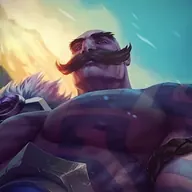
Braum is skill because he doesn’t always stop you from entering, but he can stop your team from converting. His shield heavily reduces post-hook DPS and his peel can slow you enough to kill tempo. However, he’s less explosive than hard engage tanks: if he’s forced to react, you can win by controlling fight rhythm.
Lane impact
In lane, if you hook a carry behind Braum, he can raise shield and cut most damage, making the target survive and wasting your cooldown. But if you isolate him or bait shield early, Braum struggles to stop a second engage. Midgame, vision matters: Braum protects well front-to-back but responds worse to fast flanks.
How to play
Bait shield before main commit: poke, threaten, mini-engage, then real engage. Key timing: once shield is down, you get a window where hook becomes real kill threat. Concrete decision: if Braum stays glued to his carry, consider ulting Braum first to break formation, then hook the target that gets exposed as he backs up.
Why
Pyke is skill because it’s a pick duel, but not symmetric: you’re a committing engage tank, he’s an assassin support with easier in/out. You punish him hard if you connect, but if you miss, he often has space to threaten the next rotation. It’s decided by accuracy, vision, and angle reads.
Lane impact
In lane, Pyke wants hooks from fog and wants you to reveal yourself. Walking up front plays into him. But with bush control, you force him into more honest lines and reduce opportunities. Midgame, Pyke loves messy fights and executes, while you want structured fights where you can hold a target.
How to play
Vision first: hold wards and play near controlled bushes so you don’t give free angles. Key timing: after Pyke misses hook or uses his dash defensively, you have the window to engage and kill before he escapes. Concrete decision: if the game becomes chaotic and Pyke snowballs, your job is to lock fights around an objective—force a 5v5 where your CC reliability beats his pick volatility.
Why
Yuumi is favorable because she reduces 2v2 complexity: there are fewer physical peel tools to break your engage. She can heal and buff, but she can’t bodyblock or knock you off like disengage supports. If you connect onto the ADC (or Yuumi’s host), you can often force a winning trade or kill, especially when her resources are low.
Lane impact
In lane, Yuumi often creates a more passive lane: with wave control, you can take space and threaten engage on every enemy step. She can keep her ADC alive, so you must be patient on conversion—too short of an all-in may not finish. Midgame, if Yuumi is attached to a fed carry, your job is forcing structured fights where your ult locks or isolates that carry before they take over.
How to play
Play around mana/heal timing: once Yuumi has spent resources, your all-in becomes far more profitable. Key timing: level 5—your ult gives reliable engage even without a perfect hook angle. Concrete decision: if Yuumi’s host is too strong, use your kit to force fights in tighter spaces (objective/river) where they can’t simply kite in a straight line.
Why
Sona is favorable because she lacks a true answer to your engage before her defensive timings, and she depends on staying at range. Nautilus punishes immobile targets: a connected hook quickly becomes a kill or burned summoners. Sona can sustain, but she can’t break your entry like pure disengage supports can.
Lane impact
In lane, if you control bushes, you remove her comfort zone and force her back, giving your ADC priority. She wants a slow scaling lane; you can make her play under constant threat and force bad recalls. Midgame, she becomes valuable in grouped fights; your job is hitting her before she provides that value.
How to play
Set an aggressive rhythm once vision is secured—Sona hates when you vanish into a bush. Key timing: level 5, your R lets you engage even if she stays far behind the wave. Concrete decision: if you get a bot lead, convert it into dragon/vision immediately rather than endless trading—Sona catches up well if you allow free scaling.
Why
Seraphine is favorable because she’s strong when she controls tempo and distance, but very punishable when you break that rhythm. She has no dash: if you land a hook from fog, she rarely survives a full CC chain. Her kit likes stretched fights; you force short, violent fights.
Lane impact
In lane, constant poke can make it annoying. But once you control bushes and break her straight-line skillshot pattern, her effectiveness drops: she must choose between hitting wave and saving spells to defend. Midgame, she loves grouping; you must punish before she “conducts” the teamfight.
How to play
Rule: don’t let lane be a straight line. Use bushes, change angles, and engage after she spends spells on wave. Key timing: after a major spell is used (poke/clear), there’s a window where hook becomes safer. Concrete decision: if Seraphine plays too safe bot, use your ult to roam mid—she’s slow to follow, and a winning mid play often matters more than allowing a passive bot lane.