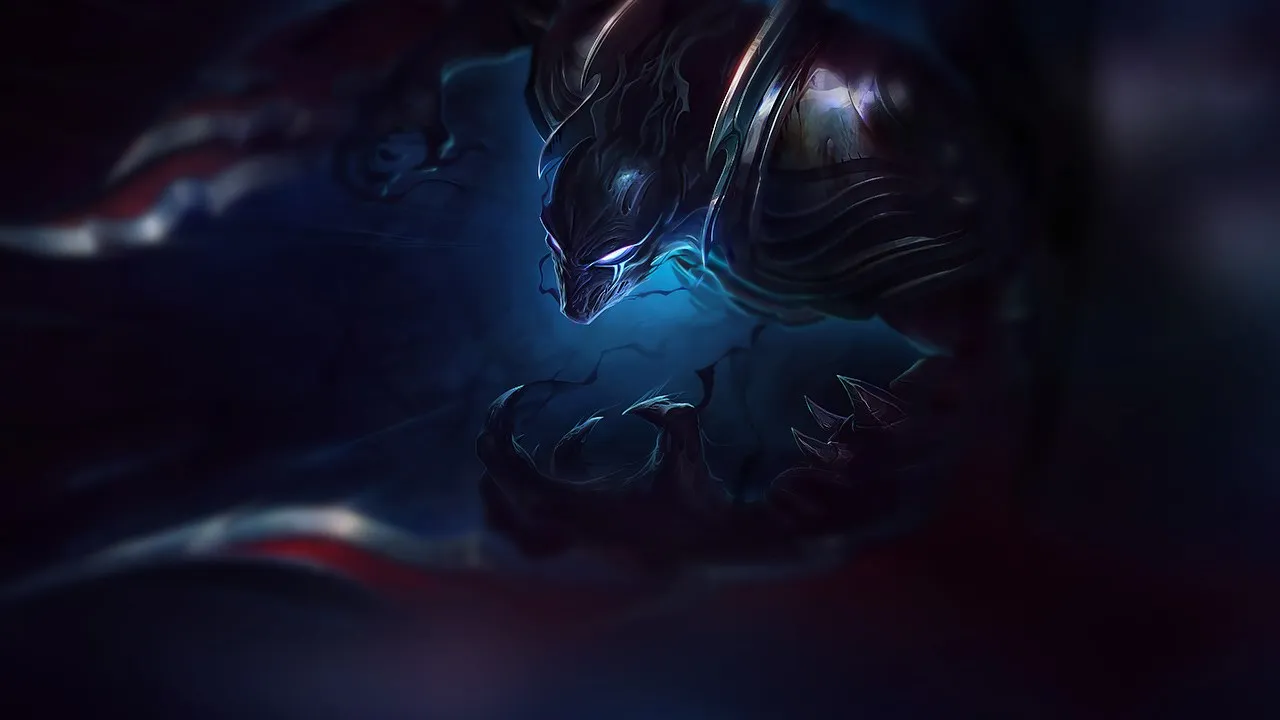
Nocturne Counters
Why
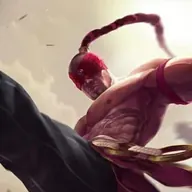
Lee Sin hard-counters Nocturne because he hits your weakest point: the early minutes where you want to full clear and set up level 5. Nocturne becomes oppressive once Paranoia turns the map into pick territory, but Lee Sin can deny that clean timing through invades, forcing unwanted duels, and owning early river tempo.
Lane impact
In the jungle, you can lose control of pace: scuttles, vision, and first lane movements. If he pushes you into a bad reset or steals a camp, your level 5 arrives late and your first ult doesn’t convert because lanes may already be broken by his ganks. Midgame, he can punish your entry—one good kick can nullify your dive plan and kill you before you exit.
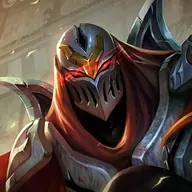
How to play
Pathing: prioritize a safe clear and concede scuttle if your lanes lack prio rather than forcing 2v2s Lee Sin thrives in. Key timing: your goal is fast, stable level 5—consistency (guaranteed camps) over contests. Concrete decision: if Lee owns river, shift to cross-map (opposite camps + action on the best setup lane) and save Paranoia for a target that’s already low/flashless, not a coinflip all-in.

Why
Xin Zhao is hard for Nocturne because he’s fight-ready before you are. Nocturne likes to choose moments: clear, then ult to punish a mispositioned lane. Xin Zhao forces early skirmishes and wins many 2v2/3v3 river fights, denying you the breathing room to hit your spike on time.
Lane impact
If Xin drags you into fights before level 5, you often play with a less decisive kit: he pushes you out, chases you, and secures vision + scuttles. Around objectives, his kit starts fights easily, so your Paranoia often arrives when your team is already under pressure.
How to play
Pathing: avoid direct early meet-ups when lanes lack prio; favor full clear and a clean reset. Key timing: at level 5, take a high-conversion action (gank a lane with CC on a target lacking dash/flash) to regain tempo. Concrete decision: if Xin forces river, don’t play his game—take info, trade the opposite side, and prepare a Paranoia that converts into kill + objective instead of a messy brawl.
Why
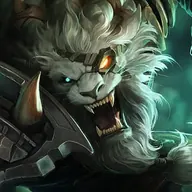
Olaf is hard because he removes a chunk of your natural fight safety. Nocturne wants to engage, fear, then exit with move speed and the advantage of chaos. Olaf embraces chaos and wins through duration. When he ults, he stops respecting control logic, and you’re left trying to kite someone who refuses to be kited.
Lane impact
Early/midgame, Olaf can deny small river skirmishes by forcing you off or chunking you before your ult timing. Around objectives, if he’s ahead in tempo he can run at you as you enter, turning Paranoia from a pick tool into a suicide engage unless your team follows instantly.
How to play
Positioning: avoid extended fights in open areas where he can chase uninterrupted; look for fast picks on his carries with your ult instead. Key timing: your best window is when his ult is down—force a trade, back off, then return to the objective once he lacks the button. Concrete decision: if Olaf is first on objective and you can’t burst an entry target, choose the cross-map trade rather than insisting into the long fight he’s built to win.
Why
Rengar is hard in an information-control sense. Nocturne loves denying enemy vision with Paranoia, but Rengar loves unwarded zones even more because they give him free burst angles. If you ult in without securing the area, you can get deleted on arrival or lose the fight before your fear even triggers.
Lane impact
In the jungle, every rotation near bushes becomes dangerous: warding, checking, transitions between camps. Rengar can pick you or your warding support and break your objective timing. Midgame, this is a matchup where your ult must create positional advantage, not a blind play into the unknown.
How to play
Positioning: never facecheck alone; move with a teammate and ward from safe angles. Key timing: if Rengar just showed ult elsewhere or failed a pick, you gain a window to establish vision and start an objective. Concrete decision: use Paranoia to lock down a confirmed isolated target rather than diving a suspicious area—against Rengar, vision discipline beats flashy engages.
Why
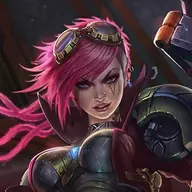
Vi is hard for Nocturne because she answers your “I choose my target” style with “I choose mine.” You want Paranoia to isolate a carry, fear, and convert. Vi can punish the moment you arrive: her R locks you down, prevents your exit, and turns your dive into a trade where you become the priority target.
Lane impact
Midgame, once she has ultimate, objective fights become riskier: engage too early and she pins you while her team bursts you. Early, she can also dictate simple ganks that put your lanes under pressure, reducing clean windows for your first Paranoia conversion.
How to play
Positioning: don’t be the first visible threat; ideally wait until Vi shows her engage stance before committing ult. Key timing: if Vi just used R on someone else, your Paranoia becomes far freer for the next minute. Concrete decision: prefer picks on lanes with setup and follow-up rather than deep backline dives when Vi is ready to instantly punish you.
Why
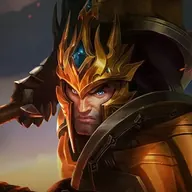
Jarvan IV is unfavorable because he can accelerate the game before your ultimate takes control. He enforces a gank + river + objective rhythm, while Nocturne prefers clear + level 5 + pick. Even with strong all-in, you dislike answering a burning map when your main tool isn’t online yet.
Lane impact
Early, he can shape lanes in ways that make your first Paranoia harder to convert. Around objectives, Cataclysm can trap you: you arrive, commit, and end up stuck without an exit, making your assassin role much riskier.
How to play
Pathing: read the map early and cross-map cleanly when Jarvan shows, instead of chasing late. Key timing: at level 5, take an initiative play (gank conversion + dragon/Herald) before he locks vision. Concrete decision: if your lanes can’t contest an objective, don’t force entry—trade the opposite side and keep Paranoia to punish rotations rather than fighting a 5v5 on his terms.
Why
Wukong is unfavorable because he makes your assassin job less clean. Nocturne wants to identify a target, deny vision, enter, fear, and exit. Wukong blurs identification with clone and controls chaos with his AoE ultimate—enter at the wrong moment and you get knocked up, losing your burst window.
Lane impact
Around objectives, Wukong punishes clustered entries: Paranoia reduces vision, but it doesn’t prevent you from being caught in an AoE ult. Midgame, he can also bodyguard carries by positioning on your path, making backline access harder.
How to play
Positioning: don’t be first in when Wukong has ult; let him commit, then look for a second-rotation entry. Key timing: when his R is down, your pick leverage spikes massively. Concrete decision: in contested objectives with Wukong ready, sometimes Paranoia should secure space/vision angles and force spreading rather than immediate dive.
Why
Graves is unfavorable because he forces you to walk into his space before you can create value. Nocturne loves accessible targets; Graves loves fights where he backs up, kites, and makes you pay for every step. If you engage without angle or vision advantage, he can neutralize you and waste your ult timing.
Lane impact
In the jungle, Graves can maintain high tempo and push you into defensive responses. In river, his zone control and burst make contests expensive. Midgame, if you Paranoia onto him while he’s set up, you may get pushed out and spend your main tool for minimal gain.
How to play
Pathing: avoid contests without prio/vision and target lanes where Graves can’t instantly respond. Key timing: Paranoia when Graves is committed elsewhere or after his defensive tools are used, not when he’s perfectly positioned. Concrete decision: instead of forcing a duel on Graves, convert ult on a sidelane—kill + tower often yields more than trying to crack him in skirmish.
Why
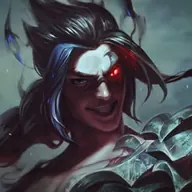
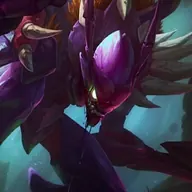
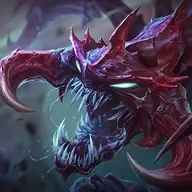
Kha’Zix is unfavorable because he wins the pick war on dark maps. Nocturne loves denying vision, but Kha’Zix loves you stepping up solo to set plays. If you move alone to ward, check a bush, or take an advanced camp, you hand him the isolation scenario he wants.
Lane impact
Midgame, you can be punished before you even cast Paranoia: getting burst in jungle forces a recall and you arrive late to objectives. Even when you ult, he can play edges and bait you into targeting the wrong person, breaking your snowball tempo.
How to play
Positioning: convert objective setup into grouped movement; Nocturne doesn’t need solo hero moves to be useful. Key timing: when you spot Kha on the opposite side lane, use that window to establish vision and lock the zone. Concrete decision: if the map is too dangerous, use Paranoia as a reveal/space-control tool (force rotations, secure objective), not as a blind dive into fog where he can punish you.
Why
Fiddlesticks is unfavorable because he flips your theme against you: you deny vision, he thrives when vision doesn’t exist. Nocturne wants a darkness moment to pick; Fiddle wants you to step up to check… then fears and flips the fight. Your ult doesn’t stop Crowstorm and can even bait you into dangerous areas if vision isn’t prepared.
Lane impact
Around objectives, it becomes discipline: without controlling angles, you can lose a fight off one ambush. In jungle, you can also lose tempo because you hesitate to move without info, delaying plays and making you predictable.
How to play
Positioning: maintain strict vision routines (walls, entrances, ult angles) and refuse solo checks. Key timing: respect his level 5 and ultimate windows; if he’s off-map then, assume ambush is ready. Concrete decision: instead of blind-starting an objective, use Paranoia to force a response (show enemies, isolate a target) and only start once the zone is controlled.
Why
Evelynn is a skill matchup because you both play information, but differently. Nocturne creates a darkness window at a specific timing (ult), while Eve lives in constant ambiguity after her spike. If you control vision and force structured objective fights, you deny free picks; if the map becomes chaotic, she becomes hard to punish.
Lane impact
Midgame often hinges on who gets the first pick before dragon or a fight. If Evelynn deletes someone pre-objective, your Paranoia arrives too late. If you can instead force clean 5v5 structure, Eve loses value because she hates grouped positions and controlled entries.
How to play
Positioning: ward in pairs and protect objective corridors, especially when Evelynn is off map. Key timing: once you see her show on a lane or spend ult elsewhere, you gain a window to start a fast action (objective or pick) before she fades again. Concrete decision: if your team is scattered, don’t force offensive Paranoia—use it to secure rotations, regroup, and force structured fights where she has fewer angles.
Why
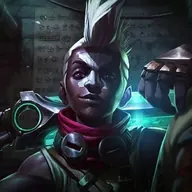
Ekko is skill because he can survive your plan if you aren’t precise with fear timing. Nocturne wants simple execution: ult, burst, fear, reset. Ekko can soak part of burst, stall, then erase the trade with his ultimate, turning your all-in into tempo loss if you didn’t plan the second rotation.
Lane impact
In river skirmishes, Ekko loves stretched fights and wall angles. Engage too early and he baits cooldowns and returns. Midgame, this affects pick choices—you must choose targets that can’t simply undo your work with a button.
How to play
Positioning: take angles where your team can follow instantly, forcing Ekko to spend ult defensively. Key timing: if his ult is down, you have a massive Paranoia window; if it’s up, target a squishier carry or play fights where you have a second engage ready. Concrete decision: when conversion isn’t guaranteed, use Paranoia to isolate/zone (force spreading) rather than solo diving onto Ekko.
Why
Kayn is skill because the game is about tempo and target selection before his transformation. Nocturne punishes isolated lanes; Kayn can too, but his mobility and reset potential spike massively after form. If you let Kayn reach his spike without building an advantage, picks become harder because he can respond, wall-traverse, and flip plays.
Lane impact
In the jungle, Kayn can dodge bad fights and play the map, forcing you to be very intentional with Paranoia timings. Midgame, if Kayn arrives first to a sidelane, he can break your pressure by threatening fast counterganks and 2v2 flips.
How to play
Pathing: identify early where Kayn wants to stack form and protect your easy-to-punish lanes (perma-pushing without vision). Key timing: your first and second Paranoia ideally convert before he’s comfortably transformed. Concrete decision: if he plays safe to stack, don’t chase—speed up the map (objectives, picks on support/ADC) and force Kayn into defensive responses instead of free farming.
Why
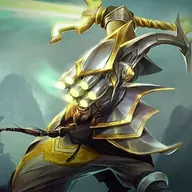
Master Yi is often favorable for Nocturne because his plan is readable: farm, then enter for resets. Nocturne punishes linear paths: you deny vision, force hesitation, and fear breaks Yi’s critical auto timing. As long as you avoid long duels without backup, you can control his access to fights.
Lane impact
Midgame, Yi struggles when fights are structured around objectives with vision: he must enter a zone where he can be feared and burst. Paranoia also lets you decide when to start fights—if Yi is farming a side, you can force the opposite side and make him arrive late.
How to play
Pathing: use level 5 as an objective lever (dragon/herald) rather than pointless chasing; Yi hates arriving to an already-set setup. Key timing: track his item/ult spike—be present with vision and a clear target then. Concrete decision: if Yi split-farms, punish the opposite zone immediately; the best anti-Yi plan is denying him the right to choose his fights.
Why
Amumu is often favorable because he’s readable and relies on front-on entries. Nocturne loves readable plans: you can anticipate timings, secure vision early, and use Paranoia to create a pick on a lane before he gets a clean 5v5 ultimate window.
Lane impact
Midgame, if you take initiative around objectives, Amumu must walk into controlled space, lowering the quality of his engage. When he’s forced to ult reactively, he gains less because your team can spread and punish his low mobility.
How to play
Pathing: speed up tempo on gankable lanes and avoid gifting him a grouped choke fight. Key timing: your level 5 is often a stronger pick threat than his—use it first. Concrete decision: if Amumu wants to force dragon, use Paranoia to secure vision/angle or kill someone before the objective; you rarely need a straight 5v5 into his ult in a corridor.
Why
Jungle Tryndamere is often favorable for Nocturne because your kit controls the quality of his entry. Trynd wants simple access to carries and a long duel where his ultimate pays off. Nocturne can force an early ult (fear + burst), then disengage, massively reducing his value.
Lane impact
Around objectives, Trynd is most comfortable entering from the side onto isolated targets. Paranoia reduces that clarity and forces him to commit in riskier contexts. Midgame, you can punish his side rotations: if he split-farms or overchases, your ult converts quickly onto targets lacking control.
How to play
Positioning: don’t chase Trynd during his ultimate; your goal is to force it, then stall it out. Key timing: once his ult is down, the next encounter becomes a very clean kill window. Concrete decision: use Paranoia to secure picks on squishier targets or punish oversteps rather than tunneling Trynd while his invulnerability button is still available.