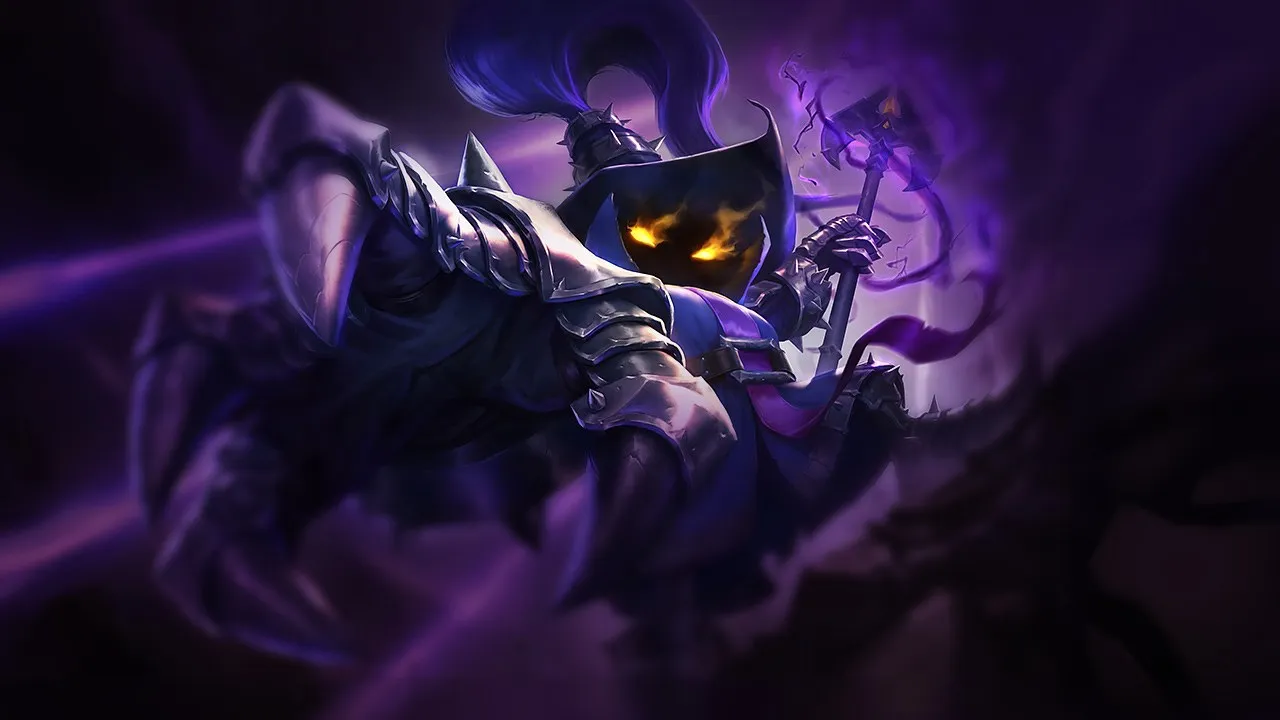
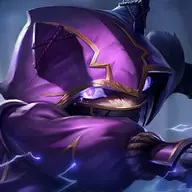
Veigar Counters
Why
Fizz is a structural hard counter because he targets your core weakness: an immobile mage who needs a controlled zone (E cage) to breathe. His kit gives him a “deny your key moment” button (untargetable) that breaks your patterns: you drop cage to stabilize, he stalls it out, then he commits when your E is already spent. On top of that, he turns any small positioning mistake into an execution threat once ult is online.
Lane impact
In lane, he can give up a few CS as long as he preserves cooldowns to threaten all-in. If you use E just to zone or trade, you instantly open a window where he forces an exchange you cannot extend. From level 5 onward, the lane flips: you play lower, often lose prio, and your river/vision timings get pressured.
How to play
Golden rule: E is not a poke tool, it’s your anti-death button. Position slightly off your minion line (don’t hug the wave) to reduce his angles, and keep spacing that forces him to expose himself if he wants to engage. Key timing: from level 5, respect his R—if it’s up, play safe-map and drop a wave rather than give a kill. Concrete decision: when you lose mid prio, compensate with a cross-map call (trade the opposite objective instead of blindly contesting river).
Why
Kassadin is hard in a “unfair” way for Veigar: you want to stack and scale safely, and so does he… except he’s built to reduce mage value and increasingly threaten you with mobility. Your cage is great versus dashers, but Kassadin doesn’t just contest space—he contests the game’s pace, forcing you to accelerate or suffer.
Lane impact
In lane, you may have early windows to hit him, but he rarely needs to take real risk. Once level 5 arrives, he chooses his trades, and as the game goes on your error margin shrinks: you can’t “lane” normally against a champ that turns the map into a hunt for isolated mages.
How to play
Pathing/positioning: play near lane center, closer to your warded river side, and avoid corner positions where he can cut your retreat. Key timing: level 5 and especially his item spikes—after each base, reassess whether you’re allowed to play forward. Concrete decision: if you don’t control mid/river vision, stop perma-shoving; keep the wave neutral, stack safely, and answer roams with pings rather than following into darkness.
Why
Zed is hard because he doesn’t “walk into” your cage like a bruiser: he manufactures angles with shadows, baits your E early, then executes when your zone is gone. Veigar loves enemies who must pass through a gate; Zed sidesteps it and turns lane into a discipline test—panic equals loss.
Lane impact
In lane, he can poke and—more importantly—force you away from minions, slowing your scaling stacks and wave control. Once level 5 hits, his R makes every mistake expensive: even surviving can mean getting forced out and losing multiple waves, which is nearly as punishing as dying on a scaler.
How to play
Positioning: play diagonally to his shadows (avoid you + shadow + wave alignment), and don’t hug walls without vision (he loves short angles). Key timing: once R is up, your goal isn’t winning trades, it’s denying clean all-ins—hold E for the moment he reappears after R, not before. Concrete decision: if jungle info is missing, refuse overextended waves and choose reset/rotation over getting trapped into a dive.
Why
Ziggs is hard because he puts you in a game where cage alone doesn’t win space. He outranges, shoves without exposing himself, and turns every minute you lack prio into tower damage. Veigar likes mids who must walk up to clear; Ziggs taxes you at range over time.
Lane impact
In lane, you can get trapped under tower early, slowing your stacking tempo (last-hitting under pressure) and making you gank-predictable. Midgame, if he controls waves, he dictates resets and objective fights—you often arrive late with less mana and less map control.
How to play
Positioning: stand off the direct poke line (don’t sit on the same axis as your caster minions), and take CS in windows instead of staying exposed constantly. Key timing: at level 5 your ult creates kill threat, but only if you can close distance—use the spike mainly to force respect and secure a clean reset. Concrete decision: if you can’t contest prio, shift macro—call your jungler to play the opposite side objective while Ziggs is locked mid shoving.
Why
Akali is hard because she makes your “cage + burst” plan far less reliable: shroud disrupts targeting and breaks tempo. Veigar needs to read entries to place meaningful cage; Akali thrives on unreadable in-and-out timings where you realize too late what’s happening.
Lane impact
In lane, you can hit her when she goes for CS, but if you waste spells on the wave she finds windows to chunk you and disappear. From level 5, she can dive more easily than many assassins because she can stall under shroud, forcing you to choose between backing off (lose wave) or staying (risk death).
How to play
Positioning: always keep a retreat corridor—don’t stand between Akali and your turret when cage is down. Key timing: at level 5, use E to cut her exit line (she commits, you zone the escape), not necessarily to instantly stun. Concrete decision: when she shrouds, don’t panic—step back, place cage on the most logical exit zone, and be patient; losing 2 minions is better than giving the kill that unlocks her snowball.
Why
Diana is unfavorable because her engage is straightforward and she can punish you even if you’re only ‘slightly’ unsafe. Where others need to craft an angle, she can force trades off minimal openings and convert into AoE burst. Cage still matters, but it doesn’t always prevent impact if you’re too far up.
Lane impact
In lane, she pressures wave and forces a choice between stacking and safety. Midgame, she threatens grouped fights: if you drop cage late, she already hit your carries, and you’re reacting instead of controlling.
How to play
Positioning: respect her engage range, especially without flash. Key timing: level 5 and first objectives—assume she wants the perfect R moment; hold E to cut space after her dash (deny follow-up). Concrete decision: if she has prio and your jungler isn’t on your side, don’t be first into river—arrive second with vision and cage ready, you’ll contribute more.
Why
Ekko is unfavorable because he forces you to ‘waste’ your best moment. Veigar wants cage, burst, finish. Ekko can soak part of the burst then reset with ult, making your commits less rewarding. With mobility, he also makes cage harder to land or forces you into constant defensive E usage.
Lane impact
In lane, he can push-and-roam: you stack under turret but lose side influence. In skirmishes, he can bait cooldowns then re-enter when your E is down, making you vulnerable to second-wave engage.
How to play
Positioning: stand where you can cage the likely landing point, not where he is ‘right now’. Key timing: at level 5 you threaten, but don’t full-commit if his R is available; aim to force his ult, back off, then play the cooldown window. Concrete decision: if Ekko leaves mid, ping hard and play anti-roam (clear safely, guard river) rather than following blind.
Why
Ahri is unfavorable because she plays both pick and dodge: if charm hits, you take a clean losing trade; if she misses, she often has dashes to exit your cage or dodge burst. She forces disciplined positioning—you don’t get a ‘test hit’ for free.
Lane impact
In lane, she can deny prio by holding charm threat whenever you step up to stack. Midgame, she punishes mages crossing river without vision—you can die before placing a meaningful cage.
How to play
Positioning: stay behind minions to reduce charm angles, and avoid predictable sidesteps. Key timing: at level 5, track her dash charges; your E often should be placed after the first dash when she has committed. Concrete decision: without vision, don’t face-check with your body—play through waves, ping, and let support/jungle secure entrances.
Why
Twisted Fate is unfavorable mainly because of map tempo, not pure 1v1. Veigar wants the game to slow down to stack; TF wants to speed it up, create numbers on sides, and punish you while you ‘farm lane’. Even if you can cage him, he often chooses timings and exploits your lack of mobility.
Lane impact
In lane, he can shove and disappear. If you follow without vision, you die; if you don’t follow, your sides can collapse. That’s exactly the pressure pattern that makes scalers uncomfortable—you’re always one step late.
How to play
Pathing: keep wave in a zone where you can clear without exposure (not too centered hits), and place early river vision. Key timing: from level 5 onward, assume he can leave any second; prep fast pings and check minimap before every ‘risky’ last-hit. Concrete decision: don’t chase TF into fog—punish by taking plates if possible, shove + reset, or call your jungler to trade the opposite objective while he roams.
Why
Katarina is a skill matchup because you have a powerful answer (E cage) to her plan… but only if you place it on the correct zone. She doesn’t fight ‘into you’, she fights around daggers. Cage too early or too centered hits and she plays the edge, waits, then resets. Cage too late and she already started snowballing the trade.
Lane impact
In lane, you can contain her, but one wave mistake can grant her free roams. In fights, you can deny entry, but if E goes on a false angle, she finds a reset on a low target and the fight collapses fast.
How to play
Positioning: stand so you can track both the dagger and Katarina (the dagger is your key info). Key timing: hold E for the real commit/channel, especially around level 5 and early river skirmishes. Concrete decision: if she disappears and your wave is bad, don’t chase—shove fast, ping, and guard river entrances rather than arriving late to a side.
Why
Orianna is a chess-like skill matchup: you both play zone control, but differently. You create a discrete barrier (cage) to force missteps; she creates continuous threat via ball positioning and punishes repetitive movement. The lane is decided by who earns prio without exposing themselves.
Lane impact
In lane, if you concede too much, you stack but lose tempo control, and Orianna can work with jungler to pin you under turret. Midgame, her objective zoning can deny your cage angles if you arrive without vision.
How to play
Positioning: vary your CS paths (don’t walk the same line every wave) and trade when her ball is poorly positioned. Key timing: level 5 and around objectives, anticipate her zone—your E often should cut an entry corridor rather than ‘catching’ Orianna. Concrete decision: if you can’t claim prio, take a clean reset and return with vision—your value comes from structured control, not forced duels.
Why
Jayce is skill because he can make lane miserable with poke, yet he’s punishable when he overuses pressure: he must step up to maximize it. Your kit can lock him if he overcommits, but if you play passive without a plan, you simply get chipped into a forced recall.
Lane impact
In lane, you can lose HP every wave and lose clean recall timings (you base when you don’t want to). Midgame, if he holds prio he dictates rotations; but if he mispositions, a well-placed cage can force flash or secure a kill.
How to play
Positioning: don’t sit in free poke range—play off-axis, and step up only when your spells are ready to punish. Key timing: level 5 raises your kill threat; make Jayce respect by showing a ‘danger cage’ when he walks too far. Concrete decision: when low HP, don’t stubbornly stack—reset clean, return full resources, and chase scaling instead of gifting a dive kill.
Why
Yasuo is often favorable because your E cage turns his strength (dash mobility) into risk. He loves dancing through minions; you can lock the space he wants to play in and force a choice: respect and lose pressure, or dash and risk stun/burst.
Lane impact
In lane, if you stay calm, you can stack safely: he struggles to force clean all-ins while your cage is available. In fights, your job is straightforward—deny backline access by caging his routes.
How to play
Positioning: keep distance from low HP minions (his highway), and stand where one cage cuts multiple routes. Key timing: level 5—your ult makes Yasuo mistakes very costly; if cage lands, you can convert to a kill. Concrete decision: if you don’t need cage to survive, use it to secure a wave reset and clean recall—often more valuable than chasing.
Why
Annie is favorable because her plan is readable and short-ranged: stun + burst. You control space with cage and play just outside her threat zone while stacking. If she must walk up to reach you, she exposes herself to cage and loses her window.
Lane impact
In lane, you can keep her at distance and prevent clean trades. In fights, cage is excellent at cutting her access to your carries—she hates having to route around zones, especially with stun ready.

How to play
Positioning: play one step behind your wave when her stun is up, then step forward only with cage available. Key timing: level 5—respect flash plays; keep cage to punish aggressive flash or secure disengage. Concrete decision: if she has flash + stun, don’t force objectives without vision; wait until she shows, then cage the entrance.
Why
Galio is relatively favorable mid-lane because, despite being anti-mage, he often struggles to kill you if you respect his engage. He wants clean combo trades; you can play range, stack, and punish forward steps with cage + poke. It becomes a patience matchup—he has windows, you have consistency.
Lane impact
In lane, you can keep wave stable and scale. Midgame, be mindful: his value is not 1v1, it’s joining fights. But if you hold mid intelligently and manage prio, you limit his roams and force Galio into reactive play.
How to play
Positioning: stay outside his direct engage zone and keep cage ready when he steps up. Key timing: at level 5, watch for roam intent—if he disappears, shove and ping rather than following blind. Concrete decision: deny ‘free fights’: if your team starts fights without vision, ping them back; you want structured fights where cage can zone.
Why
Vladimir is relatively favorable in many mid contexts because he lacks early pressure to stop your stacking. He wants time and extended fights; you also scale, but you bring control that can deny clean access to key targets. The matchup is often won through discipline: stack, don’t give free all-ins, and reach fights with stronger control.
Lane impact
In lane, he sustains so you don’t kill him easily, but he also doesn’t kill you easily if you respect. The real advantage comes from tempo: with a stable wave you can get clean resets and keep mana for objectives.

How to play
Positioning: don’t stand too close when pool is available (he can dodge a key spell), but stay close enough to threaten cage if he steps up. Key timing: level 5—your ult lets you punish low HP Vladimir after he uses pool; that’s when a ‘neutral’ trade turns into execution. Concrete decision: if you can’t kill him, don’t tunnel—use your timings to secure vision and arrive first to fights; your kit shines when the team plays around your zone.