Zoe Counters
Why
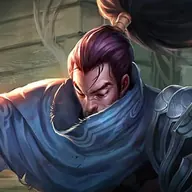
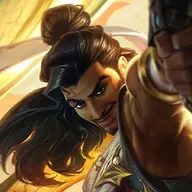
Yasuo breaks a core part of Zoe’s identity: turning one hit into an execution. Wind Wall can delete your Q on the return, and his dashes give him huge room to dodge Sleepy Bubble Trouble (E) or punish misses. You want a clean window; he forces you to win twice—hit, then still convert through his defense.
Lane impact
In lane he can take prio by pushing while staying protected behind the wave, which reduces your E angles through walls. If you do an “auto” pattern (E -> Q), he can answer with Wind Wall + dash-in and you’re suddenly out of tools to disengage. Midgame, he also shuts down your picks: once you miss bubble, he can force an all-in on you or your support.
How to play
Adjust your pattern: bait Wind Wall before going for the real kill. Positioning: stand slightly off your wave so his dashes don’t deliver him onto you for free. Key timing: from level 5 onward, respect how fast he can convert one error into a kill; keep a summoner (Flash/Barrier) for bubble-down windows. Decision-making: if the lane becomes too volatile, prioritize cross-map plays (roam after pushing) instead of insisting on a 1v1 where his defense nullifies your best attempts.
Why
Fizz is a natural hard counter to Zoe because he has the exact tool that destroys your plan: untargetability. When your game is “E hits = kill threat”, he can nullify bubble or Q with E, then jump on you while your cooldowns are down. Your standard trades stop being safe.
Lane impact
In lane you can poke early, but from level 5 onward pressure flips: one missed bubble or one step too far and he has a real all-in. Your wall-bubble angles are less threatening because he can stall and wait for the moment you have no escape. In skirmishes he loves punishing Zoe when she goes for isolated picks.
How to play
Positioning: play farther back than usual and don’t step up just to grab a spell shard if you lack jungle vision. Key timing: before your level 5, build HP and wave advantage; after 5, shift to control (safe wave + missing pings) rather than repeated trades. Decision-making: if his E is up, refuse the coin-flip; create plays when he’s used it (on wave/roam) and look for picks on side lanes, not on him.
Why
Zed is hard because he flips your comfort range: you want to play at distance, he wants to erase distance instantly and force Flash or a death. Even if you land bubble, converting isn’t guaranteed if you must survive his burst first. You’re also vulnerable to timings where your R steps forward and gives him clean shuriken angles.
Lane impact
In lane he threatens as soon as he has a clean W+E+Q rotation, and level 5 turns every mistake into a potential execution. You can get zoned off the wave if you don’t have a defensive option ready. Midgame, he targets backline, but he also targets you the moment you step up to angle E through a wall.
How to play
Positioning: always keep a retreat plan (vision side + spacing from your wave) and avoid aggressive R when his W is available. Key timing: level 5 and objective fights (dragon/herald) — that’s where he looks for chaos angles; arrive early, set vision, and play behind frontline. Decision-making: your job isn’t to duel-kill Zed; it’s to force him into structured fights where you can bubble his entry or punish his exit.
Why
Kassadin is hard for Zoe because he soaks your damage profile and scales into a state where your skillshots become far less reliable. While he’s weak you can punish, but his kit is built to survive then hunt you. Past his spikes, your pick-based style loses consistency.
Lane impact
In lane you must win early, otherwise you’re playing a game where he gains more and more options: safe farm, then a mobile assassin that slips through your zones. At level 9 his movement frequency becomes so high that bubble/Q must be perfect to land. Midgame, he can also match your roams by arriving faster and punishing your reset.
How to play
Tempo plan: pressure before level 5 when safe, then convert prio into the first objective. Positioning: don’t stand alone in river without vision—he punishes Zoe who thinks she’s “far enough”. Key timing: secure a tangible lead before his spike (items + level 9); if you can’t, switch win condition—pick his teammates, not Kassadin. Decision-making: favor fast rotations (push -> roam) over staying mid trying to poke a champion who is happy to scale.
Why
Galio is hard because he answers everything you want to do: he shrugs off AP poke, clears fast, and can turn your forward step (often tied to R) into instant punishment with taunt + burst. Zoe wants long-range kill threat; Galio forces disciplined spacing and respect for his control radius.
Lane impact
In lane he heavily reduces your snowball: you can land spells without lethal conversion, while he can still push and move. From level 5 onward he threatens side lanes with his ult, so even a neutral lane can become bad if you can’t match prio. In teamfights he also breaks your picks by arriving on the target you tried to one-shot.
How to play
Positioning: avoid R-ing toward him without tracking his taunt, and play more on diagonals (not straight lines) to complicate his engages. Key timing: level 5—if you lack prio, ping his moves and accept losing a wave rather than following blind. Decision-making: instead of hunting a mid kill, convert pressure into vision + jungle entry control and picks on rotations, where Galio can’t always be in the right place.
Why
Akali is unfavorable because she scrambles your reads: you live on precision and conversion, she lives on chaos. Shroud makes your bubble harder to convert, and multiple dashes punish Zoe when she steps too close to secure Q damage. You can hit her, but the hard part is turning that hit into lasting advantage.
Lane impact
In lane she can soak some poke then threaten as soon as her tools come online. From level 5 she becomes much more dangerous on wave timings when you step up to push. In skirmishes she loves flanking and forcing defensive R, reducing your pick power.
How to play
Positioning: keep distance and treat R as a reposition tool, not an auto-aggression button. Key timing: around early objectives, play near your team and avoid unwarded corridors where she can surprise you. Decision-making: if Akali goes missing, accept slowing your pace (don’t greed for shards) and use safe push before moving, rather than exposing yourself for a bubble attempt.
Why
Katarina is unfavorable because one spacing mistake can turn into a reset chain. Zoe likes structured fights and isolated targets; Katarina wants messy fights where everyone drops low. If you miss bubble, you often give her the green light to go in.
Lane impact
In lane you can keep her at range, but she doesn’t need to win lane to be useful—she needs a roam timing or a dragon fight to get a reset. Your trades must respect dagger zones: one bad step during your R and you eat unexpected burst. Midgame, she punishes teamfights without CC available.
How to play
Positioning: stay outside dagger zones even if it means losing some poke opportunities. Key timing: level 5 and early objective fights—save bubble to interrupt her entry or force defensive timing rather than for poke. Decision-making: if your team lacks CC, your job is to slow the fight and avoid a chaotic 5v5; look for a pick before the objective or reset after pressuring mid.
Why
Orianna is unfavorable in many “clean” games because she denies easy openings: she shields your poke, controls the wave, and maintains constant threat around the ball. Zoe wants unpredictable angles; Orianna wants a readable lane, which is harder to exploit.
Lane impact
In lane she can hold the wave mid or under your tower, reducing wall-bubble angles and limiting your ability to pick side lanes. If you force too hard, you take steady return damage and end up low on mana/HP before objective fights. In teamfights, her zoning limits your freedom to position for backline bubbles.
How to play
Positioning: avoid lining up with the ball and accept fewer but cleaner trades. Key timing: before dragon/herald, shove a wave quickly then move out of her vision—often more valuable than poking mid. Decision-making: if she neutralizes lane, win through tempo: roams, deep vision, and punishing rotations rather than insisting on a mid kill that won’t happen.
Why
Ahri is unfavorable because she plays a similar game with higher safety: she can sidestep your angles after level 5 and threatens instant pick with Charm. Zoe relies on landing the first hit; Ahri can punish even neutral play by catching one overstep.
Lane impact
In lane you can poke before her ult, but you must respect Charm windows when you R forward. Once she has dashes, your bubbles become harder to convert because she can reposition and break Q lines. Midgame, she can match roams and turn your pick attempt onto you.
How to play
Positioning: keep R more defensive while Charm is up and avoid straight-line positioning. Key timing: level 5—your goal is river vision and avoiding fog fights where Ahri excels. Decision-making: if she holds you, play anti-roam: shove, ward deep, and punish her movement by taking plates or forcing the opposite objective.
Why
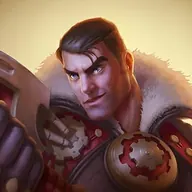
Jayce is unfavorable because he plays at a range that makes it hard for you to set your rhythm. Constant chip forces defensive spending before you ever get a real kill window. Zoe hates being worn down: your burst only matters if you stay healthy enough to threaten all-ins.
Lane impact
In lane he can take prio and force a bad-timed recall, breaking your roam windows. Wall-bubble angles are harder when you’re low and can’t step up to create them. Midgame, his poke also makes objectives awkward—you arrive already chunked.
How to play
Positioning: play more behind your wave and don’t hesitate to drop a few CS to avoid losing 40% HP. Key timing: before the first objective, reset on a clean timing to arrive full HP/mana rather than being forced to stay. Decision-making: if lane is rough, go for short roams off vision (warded river) or use mid pressure to open the map—your impact must come from rotation, not a poke duel.
Why
Twisted Fate is a skill matchup because the game isn’t won only in lane, but through tempo. You can threaten him with poke and all-in if bubble lands, yet he can win the game in 30 seconds with a good ultimate. You must play both the duel and the map read.
Lane impact
In lane, if you let him push for free, he’ll prep level 5 and disappear while you’re staring at the wave. If you shove too hard without vision, you expose yourself to ganks while hunting bubble angles. Midgame, every reset is risky: TF can punish your recall timing with Destiny.
How to play
Positioning: play toward your vision side and ward river early—it’s your insurance against his plan. Key timing: level 5—once he has Destiny, aim for prio or keep him low so roaming is costly. Decision-making: if you can’t follow, ping instantly and take a clear trade (mid plates, vision invade, opposite objective) instead of chasing a roam that already happened.
Why
Sylas is skill because he has the perfect profile to punish a squishy mage, but he must reach you to do it. If you hold correct spacing and pick your windows, you can control and punish his forced engages. If you hand him an entry angle, his sustain and burst make you regret the trade fast.
Lane impact
In lane he can survive poke and wait for bubble-down moments to engage. Your R is double-edged: it helps line Q, but can also step you into his zone. Midgame, his skirmish is strong; if you arrive first with vision, you can defuse him.
How to play
Positioning: play wide, and don’t R toward him unless you have real cooldown info. Key timing: level 5—objective fights get dangerous if you’re the first target; position behind an ally who can peel. Decision-making: if there’s no kill window, manage wave and look for a pick elsewhere; Sylas is far less comfortable chasing you than ambushing you.
Why
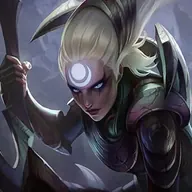
Diana is skill because she punishes you if you stand too close, but you also have the exact tool to punish her commit: a well-placed bubble can turn her dash into suicide. The catch is that if you miss, she doesn’t need a second invitation. It’s all about reading: is she truly committing now?
Lane impact
In lane she can farm and wait for level/item timings, then threaten all-in on a bad recall timing or an overextended wave. Midgame, she loves objective fights where teams group; your bubble should be used as anti-engage, not poke.
How to play
Positioning: hold a distance where her dash can’t reach you for free, and set up E angles behind terrain when she steps up. Key timing: dragon/herald fights from level 5 onward—you must be ready to sleep Diana on entry or the fight happens without you. Decision-making: if you spot a strong flank, back off and play defensive; buying 3 seconds of tempo is better than a risky Q that hands her the perfect entry.
Why
Corki is skill because it’s a range-and-tempo duel. He pokes and scales, you hunt burst windows. If you create a bubble angle outside his poke line, you can win; if not, he wears you down and forces defensive play. The difference often comes from wave control and who dictates roams.
Lane impact
In lane he can chip you consistently and make recalls awkward. Midgame, his package changes the map: he can force action elsewhere while you prefer slower, controlled picks. If you don’t anticipate that timing, you’re always late to the play.
How to play
Positioning: avoid his poke axis and look for lateral bubble angles (terrain -> E). Key timing: track package and start moving 20–30 seconds before the objective, not when he’s already gone. Decision-making: if you can’t kill him mid, play tempo—fast shove, place vision, and pick his rotations rather than fighting his range head-on.
Why
Veigar is often favorable for Zoe because he lacks mobility and must expose himself to stack. Your kit loves predictable targets: a bubble on an immobile mage converts very consistently into a big chunk or kill. Keeping him under pressure also slows his scaling.
Lane impact
In lane you can force him to choose between last-hits and safety, especially using wall angles. His cage is dangerous, but it doesn’t change that he must stand in readable zones to farm. Midgame, he’s also a pick target on rotations: if he moves without vision, you can punish hard.
How to play
Positioning: respect cage by keeping an exit path, but stay close enough to threaten E when he steps up. Key timing: before he stacks too much (and before his first big spike), convert pressure into plates or roams. Decision-making: when bubble hits, don’t overcommit by stepping into cage—take the free advantage (chunk + wave + vision) and repeat; that’s how you break his scaling.
Why
Brand is favorable because he has huge DPS but very limited ways to deny your pick: no dash and no reliable tool to avoid a well-angled bubble. To hit you, he must step into your threat zone—and Zoe excels at punishing linear steps.

Lane impact
In lane you can wear him down with short trades: bubble hits, Q, then disengage before he unloads his full kit. If he pokes you, it often means he stepped up, giving you a clean burst answer. Midgame, respect his grouped fights, but on rotations and small skirmishes, your pick advantage shines.
How to play
Positioning: keep spacing to dodge his key skillshot, then punish his forward step with an angled bubble. Key timing: from level 5 onward, play around terrain to land sleeps on his pathing toward objectives. Decision-making: don’t try to out-DPS Brand in a straight fight; play pick -> back off -> reset, and let your team finish while he’s asleep.
Why
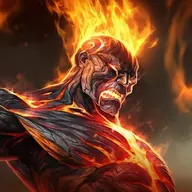
Lux is often favorable because her patterns are readable and she has no mobility to fix a bad position. She can shield and poke, but if you find a bubble angle from the side or terrain, she has no panic button. Zoe turns positioning mistakes into immediate punishment, and Lux makes mistakes when she tries to poke the wave.
Lane impact
In lane it becomes a precision duel: if she misses root, you get a clear window to step up and threaten. Your bubble is great into Lux who hides behind the wave because you can route it through terrain. Midgame, the difference is vision: Lux wants long-range poke; you want surprise picks.
How to play
Positioning: play angles, not the center of lane, so E comes from unexpected lines. Key timing: right after she uses root (or burns shield offensively), your burst becomes most reliable. Decision-making: when bubble lands, secure the area first (vision, wave), then force the objective—Lux hates playing without information, and that’s where you maximize advantage.
Why
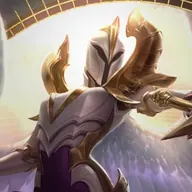
Annie is generally favorable for Zoe because you play at a range she dislikes. She wants short-range stun + burst; you can force her to walk into your threat zone, and bubble often lands before she reaches. As long as you respect flash-stun, you control the pace.
Lane impact
In lane she can last-hit safely, but she must step up to threaten, especially before level 5. If you track her passive (stun), you know exactly when she becomes dangerous. Midgame, she can flip fights with flash-Tibbers, but that plan gets harder if you keep distance and play vision well.
How to play
Positioning: maintain anti-flash spacing and swap lane sides so you’re not aligned with her entry path. Key timing: level 5 and objective fights—if stun is ready, your job is to sleep Annie or the target she wants to protect on entry. Decision-making: if you don’t have info on her, don’t chase; shove, take vision, and force her to show before committing to a pick.