
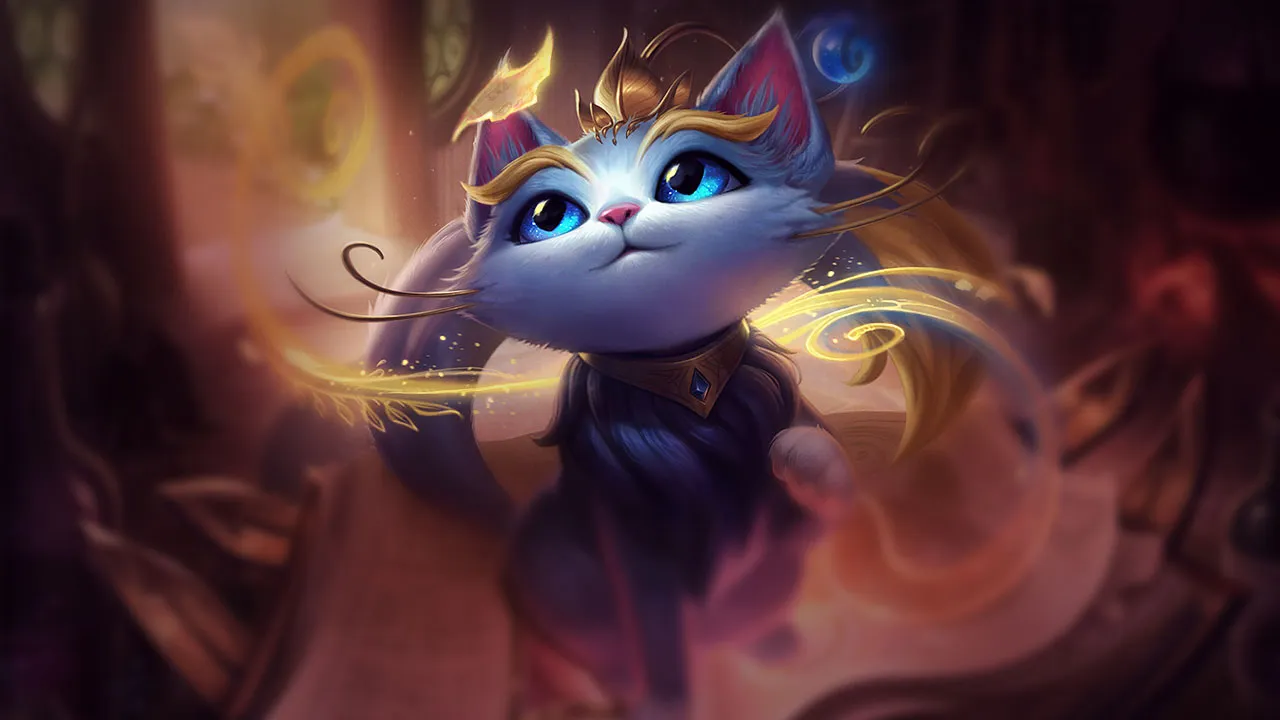
Mastering the Enchanter: Your Carry's Survival, Not Yours.
An enchanter serves as a catalyst of power, an amplifier that transforms an ally into an unstoppable threat. Your primary mission isn't to survive yourself, but to ensure your carry survives and unleashes their maximum potential. This is a pure support role, where every ability you possess acts as an extension of your team's will, not your own. Disregard this fundamental principle, and you're merely a secondary health bar for the enemy to chew through, failing your core purpose.
The gravest error enchanters make is believing they are tanks or initiators. You are neither. Rushing forward, mispositioning yourself, or prematurely expending your protective spells at the first sign of damage is a death sentence for both your carry and yourself. You squander vital resources that should have been reserved for the critical moment.
The cost is brutal: an Ezreal or a Jinx dying because your shield is on cooldown means a lost teamfight, a conceded objective, and often the game slipping away. You find yourself powerless, watching your team get decimated. It's not just your KDA that suffers; it's your team's economy and your allies' morale. An enchanter who fails to protect is dead weight. This is why champions like Yuumi exhibit a Master+ winrate of only 42.71% on patch 20260731 (Nexus Core data), when one might expect better for a champion that appears so simple to play.



Understand this clearly: your role is not to absorb damage, but to negate damage on the correct target at the precise moment. Every misused spell creates a window of opportunity for the enemy. Do not be that window.
Defining the Enchanter: What You Can and Cannot Do
Enchanters are ranged (Ranged) supports, primarily AP-based, specializing in empowering and protecting their allies. You can provide massive shields, sustained healing, statistical buffs, and targeted crowd control. Your objective is to render your carry untouchable and lethal, transforming a mere marksman into an unstoppable war machine.
Conversely, you cannot absorb damage, initiate fights, or deal significant damage on your own. Attempting to do so with champions like Sona or Lulu is a fundamental mistake. These champions excel at amplification, not at operating on the front line. For instance, Soraka, with a Master+ winrate of 52.03% on patch 20260731 (Nexus Core data), demonstrates that focusing on pure healing and ally survival is the key to her effectiveness.


An enchanter's power doesn't lie in their ability to survive, but in their disciplined commitment to keeping their primary ally alive and maximizing their impact, thereby turning the tide of battle.
- Amplify: Focus your empowerment spells on your team's most impactful target.
- Protect: Use your shields and heals to counter lethal damage, not just poke.
- Position: Always remain behind your primary threats, within range of their actions.
- Avoid: Never expose yourself unnecessarily; your life is intrinsically linked to your carry's survival.
The Central Decision: Who and When to Protect
In every game as an enchanter, you must arbitrate a crucial decision: which target is the highest priority to protect, and at what precise moment should you use your abilities? It's not always your ADC. Sometimes, a jungler mid-dive or a midlaner engaging needs your immediate support to complete their action.
Anticipation is key. You must read the enemy's game plan and identify the most threatening source of damage for your primary ally. Is it an assassin poised for a burst, or a mage looking to poke? Champions like Nami or Milio are masters of this decision-making. A well-played Milio will know when their shield and CC cleanse are more valuable on a Jhin channeling his ultimate than on themselves. This is the very essence of your role: a split-second decision that can change the entire game.


The timing of your protective spells is more critical than their raw value, because a 200 health shield at the right moment can negate a lethal 1000 damage blow.
- Identify: Determine the ally most likely to carry and the greatest enemy threat.
- Anticipate: Predict enemy burst and save your defensive spells for the critical moment.
- Prioritize: Focus your resources on the target that can turn the fight, even if it's not your ADC.
- React: Be ready to unleash your ultimate or shield in a fraction of a second to save a life.
The Systemic Error: Wasting Defensive Resources
80% of enchanters commit the same fatal error: they expend all their defensive resources (shields, heals, crowd control) on the first instance of damage an ally takes, or worse, on themselves. This is a monumental waste. Enemy poke is designed to deplete your resources, not to kill you directly. If you respond to every minor attack, you'll have nothing left when the real danger arrives.
This error is substantiated by data. Champions like Yuumi, despite her ability to remain safe, exhibit a Master+ winrate of 42.71% on patch 20260731 (Nexus Core data), indicating that even experienced players struggle with the timing of her protections. A Lulu shield used on an ally taking 50 poke damage is a shield that won't be available when a Samira dives onto them for the burst. You must learn to differentiate between harmless poke and lethal threats.
An elite enchanter understands that the true power of their spells lies in their ability to negate the fatal blow, not merely to mitigate every scratch.
- Conserve: Save your key spells for damage that can genuinely kill.
- Evaluate: Distinguish between innocuous poke and lethal burst.
- Ignore: Do not react to every minor attack; conserve your mana and cooldowns.
- Punish: Use your crowd control to halt enemy threats approaching your carry.
Positioning and Anticipation: The Enchanter's Core
Your positioning is your most powerful weapon and your strongest defense. You must always remain in the backline, behind your primary threats, yet close enough to reach them with your spells. It's a delicate balance: too far, and you can't help; too close, and you become an easy target. Think of yourself as your carry's shadow, always present, but never on the front line.
Anticipation is the key to success. You must read enemy intentions even before they manifest. If a Lucian starts advancing aggressively, prepare your shield or crowd control for his ally. If an enemy assassin is missing from the map, position yourself to protect the most vulnerable target. This is what distinguishes a good enchanter from an excellent one. A Janna, for example, with her Master+ winrate of 49.89% on patch 20260731 (Nexus Core data), excels when she anticipates engagements and repels threats before they can reach her target.
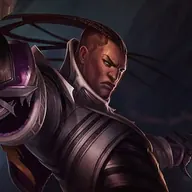

An effective enchanter doesn't react to threats; they nullify them before they can even impact their team.
- Retreat: Maintain maximum safe distance while remaining within spell range.
- Observe: Constantly scan the map and enemy movements to anticipate threats.
- Flank: Utilize terrain to hide and surprise assailants with your crowd control.
- Adapt: Adjust your positioning based on the most pressing threat.
How to Play Against an Enchanter: The Reverse Read
To dominate as an enchanter, you must also understand how enemies attempt to counter you. The best way to play against an enchanter is to ignore them and focus on their carry. An enchanter alone is an easy target, but a protected carry is a fortress. The enemy will seek to bypass you, bait you, or burst down your ally before you even have time to react.
Enemies will try to force you to expend your spells prematurely, or to target your carry with such rapid burst that you won't be able to save them. A well-coordinated Ezreal with an assassin can eliminate a Jhin before Sona even has time to heal him. The key for the enemy is to create a numerical imbalance or to focus the priority target. This is why, as an enchanter, you must be aware of these strategies and thwart them.
The best defense against an enchanter is relentless and coordinated offense on their carry, forcing the support to waste their resources or die in vain.
- Disengage: Use your spells to repel enemy initiations targeting your carry.
- Protect: Position yourself to intercept threats that bypass your frontline.
- Communicate: Signal imminent dangers to your carry for better coordination.
- Bait: Force the enemy to waste their spells on less prioritized targets.
Scenario: The 8-Minute Dragon with Lulu and Jhin
Imagine this: 8 minutes into the game, the first Dragon is contested. Your team, with a Jhin as ADC and you on Lulu, positions around the objective. The enemy team attempts a flank with their jungler. Your Jhin, level 7, is poking the Dragon. Suddenly, an enemy assassin emerges from the bush, directly targeting Jhin, who is at 60% HP. The enemy jungler arrives simultaneously to engage.
Your reflex must be immediate. Do not use your shield on Jhin at the assassin's first strike. Wait for the moment Jhin is about to take the most significant burst, or when the assassin uses their ultimate. Cast your polymorph on the assassin to nullify their burst and engage, then your shield on Jhin just before the jungler's fatal blow. Simultaneously, use your ultimate on Jhin to knock up and heal him, giving him time to reposition and finish the Dragon. It is this precise sequence and timing that makes the difference between a won teamfight and a crushing defeat, allowing Jhin to survive and continue dealing damage.
You hold the cards. It's time to stop playing like a generic support and embrace the enchanter role with the precision of a surgeon and the ferocity of a general. Every decision counts; every spell cast is an affirmation of your team's survival. Don't be a victim; be the shield that shatters enemy offensives.
- Understand: Your role is to protect and amplify, not to tank or carry.
- Master: The timing of your shields and heals is more crucial than their raw value.
- Position: Always remain in the backline, within range of your carry, but out of danger.
- Anticipate: Predict enemy movements and thwart their plans before they materialize.
"Play with your head, not your heart. Your carry's survival is your victory." – Blade, Mechanics & Gameplay Specialist.
Frequently asked questions
What is the primary role of an enchanter in Wild Rift?
An enchanter's primary role is to protect and empower their allies, especially carries, through shields, heals, and statistical buffs. It's not about dealing damage or initiating fights, but about optimizing their team's offensive and defensive potential. An enchanter like Sona excels at this constant amplification.
How should an enchanter position themselves in a teamfight?
An enchanter should always position themselves in the backline, behind their carries and frontline. The objective is to remain out of range of enemy threats while still being within spell range to protect and buff allies. Good positioning allows champions like Lulu to maximize the impact of their abilities without putting themselves in unnecessary danger.
When should an enchanter use their protective spells?
Protective spells should be used reactively, to counter lethal damage or crucial crowd control, rather than to absorb minor poke. You must anticipate enemy burst and save your abilities for the moment they will make the biggest difference, often just before the fatal blow. Nami is an excellent example of this critical timing.
What is the most common mistake enchanter players make?
The most common mistake is wasting protective spells on the first damage taken or positioning too aggressively. This leaves the team vulnerable when true threats emerge. Champions like Yuumi suffer from this poor management, as evidenced by her Master+ winrate of 42.71% on patch 20260731 (Nexus Core data).
How can an enchanter influence the course of a game?
An enchanter influences the game by enabling their carries to survive and deal continuous damage. By nullifying enemy burst, healing priority targets, and providing well-placed crowd control, they can transform lost teamfights into decisive victories. Soraka, with her massive heals, is an excellent example of this influence.