
Guía de counters de Jhin Wild Rift
Desfavorables
13Estos campeones tienen herramientas que generalmente les dan ventaja en el enfrentamiento, sin llegar a hacer el matchup injugable. Pueden tener más alcance, mejor capacidad para aguantar tu ofensiva o más formas de responder a tus engagements. Tendrás que adaptar tu enfoque y elegir con cuidado los momentos en los que aceptas el combate.

Draven+1
Draven domina este matchup porque su Blood Rush le da el estallido repentino de movilidad necesario para esquivar fácilmente tu Deadly Flourish. Sin ese root, no puedes hacer disengage con seguridad. Una vez que entras en tu animación de recarga de Whisper, Draven puede perseguirte con facilidad gracias a su DPS bruto superior de Spinning Axe, convirtiendo cualquier trade prolongado en una persecución letal.
Build de Draven →
Ver detalles
Por qué
Draven domina este matchup porque su Blood Rush le da el estallido repentino de movilidad necesario para esquivar fácilmente tu Deadly Flourish. Sin ese root, no puedes hacer disengage con seguridad. Una vez que entras en tu animación de recarga de Whisper, Draven puede perseguirte con facilidad gracias a su DPS bruto superior de Spinning Axe, convirtiendo cualquier trade prolongado en una persecución letal.
Impacto en la línea
Esta interacción te obliga a jugar a la defensiva bajo tu torre, cediendo el control temprano de la wave. Cada vez que te adelantas para last-hit, Draven amenaza con un all-in al atrapar Spinning Axe para mantener activo su Blood Rush. Si pierdes la mitad de tu vida por un solo error, te verás forzado a hacer recalls en mal momento, lo que le permite acumular oro de League of Draven.
Cómo jugar
Nunca lances Deadly Flourish de forma reactiva mientras Draven tenga Blood Rush disponible; guárdalo hasta que se comprometa a atrapar un Spinning Axe, ya que su indicador de aterrizaje te dice exactamente adónde debe caminar. Colócate siempre detrás de tus minions de caster, usando Dancing Grenade para farmear desde un lugar seguro. Si activa su estallido de velocidad, retírate de inmediato hacia una trampa de Captive Audience colocada de antemano.

Corki+1
Este matchup es muy desfavorable porque Corki neutraliza fácilmente el potencial de captura a larga distancia de Jhin. Cada vez que intentas inmovilizarlo con Deadly Flourish o abrir fuego con Curtain Call, Corki puede usar al instante Valkyrie para salir de tus skillshots lineales o escapar del cono de disparo de tu definitiva. Además, su daño mixto de Hextech Munitions supera el valor de tus trades cortos.
Build de Corki →
Ver detalles
Por qué
Este matchup es muy desfavorable porque Corki neutraliza fácilmente el potencial de captura a larga distancia de Jhin. Cada vez que intentas inmovilizarlo con Deadly Flourish o abrir fuego con Curtain Call, Corki puede usar al instante Valkyrie para salir de tus skillshots lineales o escapar del cono de disparo de tu definitiva. Además, su daño mixto de Hextech Munitions supera el valor de tus trades cortos.
Impacto en la línea
La capacidad de Corki para limpiar waves con seguridad desde lejos con Phosphorus Bomb te obliga a adoptar una postura defensiva. Iguala con facilidad tu push de Dancing Grenade y, una vez que desbloquea Missile Barrage, te va quitando vida constantemente desde una posición muy segura. Esta ventaja de alcance te impide adelantarte para acertar tu cuarta bala de Whisper, cediendo la prioridad temprana a su equipo.
Cómo jugar
Para sobrevivir en esta lane, nunca inicies trades con Deadly Flourish mientras su herramienta de movilidad esté disponible. En su lugar, limpia minions con Dancing Grenade y coloca trampas de Captive Audience en los arbustos de la lane para asegurar tus flancos. Obliga a Corki a usar Valkyrie a la defensiva antes de comprometerte a canalizar Curtain Call. Si recoge su paquete para lanzar Special Delivery, juega con seguridad bajo tu torre hasta que el peligro se disipe.
Lucian+1
Lucian domina este matchup aprovechando la cadencia de ataque fija de Jhin. Cada vez que intentas inmovilizarlo con Deadly Flourish, puede reaccionar al instante y deslizarse con Relentless Pursuit. Este dash defensivo lo coloca de inmediato en posición de contraatacar con los disparos dobles de Lightslinger, dejándote completamente indefenso mientras Whisper se ve obligado a su lenta animación de recarga de cuatro segundos.
Build de Lucian →
Ver detalles
Por qué
Lucian domina este matchup aprovechando la cadencia de ataque fija de Jhin. Cada vez que intentas inmovilizarlo con Deadly Flourish, puede reaccionar al instante y deslizarse con Relentless Pursuit. Este dash defensivo lo coloca de inmediato en posición de contraatacar con los disparos dobles de Lightslinger, dejándote completamente indefenso mientras Whisper se ve obligado a su lenta animación de recarga de cuatro segundos.
Impacto en la línea
Esto crea una presión constante en la que Lucian puede pasar por delante de tus minions para forzar trades cortos y explosivos. Si te posicionas mal, su Piercing Light te hará poke a través de la wave, obligándote a farmear de forma pasiva bajo la torre. Pierdes el control del estado de la wave, lo que te impide colocar Captive Audience con seguridad. Esta pérdida de prioridad obliga a tu jungla a jugar alrededor del lado opuesto del mapa.
Cómo jugar
Nunca lances Deadly Flourish a menos que Lucian ya haya malgastado Relentless Pursuit para limpiar minions o hacer trade. Mantén la distancia y concéntrate en hacer rebotar Dancing Grenade entre minions con poca vida para hacerle poke desde un lugar seguro. Si se lanza hacia delante de forma agresiva para empezar una pelea, suelta de inmediato un Captive Audience a tu espalda y retírate hacia tu torre. Guarda Curtain Call estrictamente para asegurar kills a larga distancia después de que tu support acierte primero un CC fuerte.

Akshan+1
La alta movilidad de Akshan neutraliza por completo la preparación a larga distancia de Jhin. Cada vez que intentas inmovilizarlo con Deadly Flourish o abrir con Curtain Call, puede activar de inmediato Heroic Swing para columpiarse desde una pared, esquivando el proyectil por completo. Una vez que evade tu CC, usa ese impulso para cerrar la distancia y soltar su alto daño de burst, dejando a Jhin sin herramientas de escape.
Build de Akshan →
Ver detalles
Por qué
La alta movilidad de Akshan neutraliza por completo la preparación a larga distancia de Jhin. Cada vez que intentas inmovilizarlo con Deadly Flourish o abrir con Curtain Call, puede activar de inmediato Heroic Swing para columpiarse desde una pared, esquivando el proyectil por completo. Una vez que evade tu CC, usa ese impulso para cerrar la distancia y soltar su alto daño de burst, dejando a Jhin sin herramientas de escape.
Impacto en la línea
Esta interacción te obliga a una postura muy defensiva bajo tu propia torre. Como Akshan puede usar Going Rogue para acercarse con sigilo y Heroic Swing para iniciar desde ángulos impredecibles, no puedes empujar la wave con seguridad usando Dancing Grenade. Si cruzas el río, un solo mal trade significa que puede hacerte dive o ejecutarte con Comeuppance si intentas retirarte con poca vida.
Cómo jugar
Para sobrevivir, debes guardar Deadly Flourish como una herramienta de pura autodefensa y no como una apertura ofensiva. Lánzalo solo si Akshan ya ha usado su Heroic Swing y su trayectoria está fijada. Colócate estrictamente en el centro de la lane, lejos de las paredes, para limitar sus ángulos de gancho. Si intenta hacerte dive, oblígalo a columpiarse hacia una trampa de Captive Audience colocada de antemano para frenar su impulso e interrumpir su burst.

Samira+1
Este matchup está dictado por cómo el Blade Whirl de Samira contrarresta tus ventanas de burst predecibles. Toda tu presión ofensiva depende del cuarto disparo crítico de Whisper o del fuerte daño de Curtain Call. Como Blade Whirl elimina por completo estos proyectiles clave, Samira puede neutralizar sin esfuerzo tus herramientas para cerrar trades, dejándote bloqueado en la recarga y vulnerable a sus rápidos stacks de Daredevil Impulse y a sus agresivos seguimientos con Wild Rush.
Build de Samira →
Ver detalles
Por qué
Este matchup está dictado por cómo el Blade Whirl de Samira contrarresta tus ventanas de burst predecibles. Toda tu presión ofensiva depende del cuarto disparo crítico de Whisper o del fuerte daño de Curtain Call. Como Blade Whirl elimina por completo estos proyectiles clave, Samira puede neutralizar sin esfuerzo tus herramientas para cerrar trades, dejándote bloqueado en la recarga y vulnerable a sus rápidos stacks de Daredevil Impulse y a sus agresivos seguimientos con Wild Rush.
Impacto en la línea
Durante la fase de lane, no puedes adelantarte con seguridad para hacer harass con tu cuarto disparo de Whisper. Si ella guarda su Blade Whirl, te ves obligado a jugar a la defensiva, cediendo el control de la wave y la prioridad. Fallar un root de Deadly Flourish significa que puede cerrar la distancia al instante con Wild Rush y activar Inferno Trigger, obligándote a farmear bajo la torre e impidiendo que ayudes a tu jungla.
Cómo jugar
Para sobrevivir, debes jugar con paciencia alrededor de sus cooldowns. Nunca dispares tu cuarto tiro de Whisper ni actives Curtain Call mientras su Blade Whirl esté disponible; en su lugar, usa Dancing Grenade para provocar su giro defensivo o reducir la wave. Mantén trampas de Captive Audience cerca de tus pies para frenarla cuando intente iniciar con Wild Rush, y usa Deadly Flourish solo de forma defensiva para impedir que acumule Daredevil Impulse.

Sivir+1
Sivir tiene una gran ventaja en este matchup porque su Spell Shield anula por completo la principal herramienta de pick de Jhin, Deadly Flourish. Como Deadly Flourish tiene un indicador lineal muy visible, Sivir tiene tiempo de sobra para reaccionar, absorbiendo el root para curarse y ganar un estallido de velocidad de movimiento con Fleet of Foot. Esta interacción deja inútiles tus preparaciones a larga distancia y convierte tu principal herramienta de jugadas en un generador de recursos gratuito para ella.
Build de Sivir →
Ver detalles
Por qué
Sivir tiene una gran ventaja en este matchup porque su Spell Shield anula por completo la principal herramienta de pick de Jhin, Deadly Flourish. Como Deadly Flourish tiene un indicador lineal muy visible, Sivir tiene tiempo de sobra para reaccionar, absorbiendo el root para curarse y ganar un estallido de velocidad de movimiento con Fleet of Foot. Esta interacción deja inútiles tus preparaciones a larga distancia y convierte tu principal herramienta de jugadas en un generador de recursos gratuito para ella.
Impacto en la línea
En la lane, Sivir te empujará constantemente bajo la torre usando Ricochet y Boomerang Blade para quitarte vida. Normalmente castigarías este push agresivo con un rápido Deadly Flourish para inmovilizarla, pero su escudo defensivo lo hace imposible. Si intentas igualar su waveclear con Dancing Grenade, te quedas sin fuerzas, mientras ella escala con seguridad bajo la protección de On the Hunt.
Cómo jugar
Para sobrevivir, debes provocar el uso de Spell Shield antes de comprometer tus habilidades de mayor valor. Nunca abras un trade con Deadly Flourish; en su lugar, fuérzala a activar su escudo por pánico colocando trampas de Captive Audience en su camino o acertando un cuarto disparo de Whisper. Una vez que su barrera defensiva esté en cooldown, tienes una breve ventana de dieciséis segundos para lanzar Curtain Call o coordinarte con tu support para asegurar un root. Si ella guarda su escudo, concéntrate estrictamente en asegurar el farmeo con Dancing Grenade.
Ezreal+1
Ezreal tiene una clara ventaja porque Arcane Shift sirve como un botón de emergencia fiable para evitar todo tu potencial de pick. Cada vez que intentas inmovilizarlo con Deadly Flourish, puede hacer blink al instante fuera de la trayectoria del proyectil. Esta movilidad también lo hace extremadamente escurridizo cuando canalizas Curtain Call, permitiéndole escapar con facilidad de tu sector de disparo antes de que tu cuarto disparo de Whisper pueda alcanzarlo.
Build de Ezreal →
Ver detalles
Por qué
Ezreal tiene una clara ventaja porque Arcane Shift sirve como un botón de emergencia fiable para evitar todo tu potencial de pick. Cada vez que intentas inmovilizarlo con Deadly Flourish, puede hacer blink al instante fuera de la trayectoria del proyectil. Esta movilidad también lo hace extremadamente escurridizo cuando canalizas Curtain Call, permitiéndole escapar con facilidad de tu sector de disparo antes de que tu cuarto disparo de Whisper pueda alcanzarlo.
Impacto en la línea
Esta interacción neutraliza tu potencial de trade agresivo y fuerza una fase de lane más lenta y defensiva. Como no puedes acertar Deadly Flourish de forma fiable, pierdes la amenaza de all-ins repentinos. Ezreal te hará poke libremente con Mystic Shot manteniendo la distancia, quitándote vida poco a poco. Esto limita tu prioridad, te empuja a farmear bajo la torre y reduce tu capacidad para ayudar en las escaramuzas del río.
Cómo jugar
Para sobrevivir, debes jugar alrededor de sus cooldowns. Nunca inicies con Deadly Flourish; guárdalo hasta que haya usado Arcane Shift, ya sea de forma agresiva o defensiva. Confía en los rebotes de Dancing Grenade sobre minions moribundos para hacerle poke con seguridad detrás de tu wave. Si decides abrir Curtain Call, espera a que tu support lo obligue a hacer blink, o apunta a su support para forzar una ventaja numérica favorable mientras su herramienta de movilidad no está disponible.

Ashe+1
Ashe anula por completo tu estilo de juego cinético. El estallido de velocidad de movimiento en el que confías gracias a Whisper queda neutralizado al instante por sus constantes ralentizaciones de Frost Shot, lo que te deja muy fácil de perseguir. Además, activar tu Curtain Call te convierte en un blanco fácil, el objetivo ideal para su Enchanted Crystal Arrow, que te aturdirá y cancelará tu definitiva al instante desde lejos.
Build de Ashe →
Ver detalles
Por qué
Ashe anula por completo tu estilo de juego cinético. El estallido de velocidad de movimiento en el que confías gracias a Whisper queda neutralizado al instante por sus constantes ralentizaciones de Frost Shot, lo que te deja muy fácil de perseguir. Además, activar tu Curtain Call te convierte en un blanco fácil, el objetivo ideal para su Enchanted Crystal Arrow, que te aturdirá y cancelará tu definitiva al instante desde lejos.
Impacto en la línea
Como su Volley supera con facilidad el alcance de tus ataques básicos, tendrás problemas constantes para mantener la prioridad. Si dejas que te empuje bajo la torre, su mayor alcance le permite hacerte poke sin descanso mientras intentas hacer last-hit. Esto te obliga a malgastar tu Dancing Grenade de forma defensiva sobre la wave de minions en lugar de buscar rebotes agresivos, cediendo toda la presión en el lado inferior del mapa.
Cómo jugar
Mantén la wave de minions congelada cerca de tu torre usando Captive Audience en los arbustos de la lane para frenar sus pushes rápidos. Nunca actives Curtain Call a la vista de ella a menos que hayas confirmado que su Enchanted Crystal Arrow está en cooldown. Cuando active Ranger's Focus, retírate de inmediato para romper el trade y busca contraatacar con Deadly Flourish solo cuando su potenciador de velocidad de ataque haya terminado.

Kalista+1
Los saltos constantes de Martial Poise de Kalista neutralizan por completo tus skillshots telegrafiados. Cada auto-ataque le permite reposicionarse sin esfuerzo, lo que hace casi imposible inmovilizarla con Deadly Flourish incluso si activa Captive Audience. Cuando abres Curtain Call, sus saltos de alta frecuencia le permiten esquivar con facilidad tus balas finales críticas, convirtiendo tu definitiva en una trampa estática mientras ella cierra la distancia.
Build de Kalista →
Ver detalles
Por qué
Los saltos constantes de Martial Poise de Kalista neutralizan por completo tus skillshots telegrafiados. Cada auto-ataque le permite reposicionarse sin esfuerzo, lo que hace casi imposible inmovilizarla con Deadly Flourish incluso si activa Captive Audience. Cuando abres Curtain Call, sus saltos de alta frecuencia le permiten esquivar con facilidad tus balas finales críticas, convirtiendo tu definitiva en una trampa estática mientras ella cierra la distancia.
Impacto en la línea
Como no puedes inmovilizarla de forma fiable, Kalista domina los trades cortos. Puede acumular lanzas de forma agresiva con Pierce y arrancarlas con Rend antes de que puedas contraatacar con el cuarto disparo de Whisper. Este déficit de movilidad te obliga a jugar a la defensiva bajo la torre, cediendo el control de las waves de minions. Si su support usa Fate's Call para lanzarte por los aires, no tienes herramientas de escape directas para sobrevivir a su rápida ejecución.
Cómo jugar
Para sobrevivir, debes guardar Deadly Flourish estrictamente para cuando Kalista esté bloqueada en su animación de Pierce o justo después de que haya usado Rend, limitando su potencial de esquiva. Colócate muy atrás, detrás de tus minions de caster, confiando en los rebotes de Dancing Grenade para farmear con seguridad a distancia. Si debes usar Curtain Call, dispara solo desde la niebla de guerra profunda, donde ella no pueda predecir visualmente la trayectoria de tus disparos antes de que salgan.

Tristana+1
Tristana interrumpe por completo el ritmo metódico de Jhin al forzar enfrentamientos a gran velocidad. Como Jhin está atado a la velocidad de ataque fija de Whisper, no puede igualar el burst bruto del Explosive Charge de Tristana combinado con Rapid Fire en un duelo directo. Si ella usa Rocket Jump para cerrar la distancia, puede acumular por completo su bomba y detonarla antes de que Jhin siquiera pueda cargar su cuarto disparo crítico.
Build de Tristana →
Ver detalles
Por qué
Tristana interrumpe por completo el ritmo metódico de Jhin al forzar enfrentamientos a gran velocidad. Como Jhin está atado a la velocidad de ataque fija de Whisper, no puede igualar el burst bruto del Explosive Charge de Tristana combinado con Rapid Fire en un duelo directo. Si ella usa Rocket Jump para cerrar la distancia, puede acumular por completo su bomba y detonarla antes de que Jhin siquiera pueda cargar su cuarto disparo crítico.
Impacto en la línea
Este matchup pone a Jhin a la defensiva, ya que estar demasiado cerca de minions moribundos lo expone al daño en área de la pasiva Draw a Bead. Tristana empuja las waves con facilidad usando Explosive Charge en torres o en los minions delanteros, amenazando con hacer dive a Jhin si está debilitado. Te encontrarás constantemente acorralado bajo la torre, sacrificando la prioridad temprana y dejando a tu jungla sin apoyo en el lado inferior durante las primeras escaramuzas.
Cómo jugar
Para sobrevivir, debes mantener un margen de seguridad estricto, quedándote justo fuera del alcance de su Rocket Jump. Mantén la distancia y concéntrate en farmear con Dancing Grenade. Nunca malgastes Deadly Flourish a ciegas; guárdalo específicamente para inmovilizar a Tristana en el aire si intenta saltar hacia delante, o para hacer peel y quitártela de encima después de que inicie. Si consigue saltar sobre ti, coloca una trampa de Captive Audience justo debajo de ti para frenarla mientras te retiras hacia tu torre.
Otros emparejamientos

Matchups de Habilidad
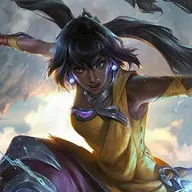
6Estos enfrentamientos son sobre todo duelos de ejecución: ambos campeones tienen formas reales de tomar la ventaja. Esquivar una habilidad clave, anticipar bien un engagement o un simple error de posicionamiento puede inclinar el duelo hacia un lado. Conocer el matchup y reconocer las ventanas de acción correctas es especialmente importante aquí.

Yunara±0
Esta lane es una pura prueba de spacing, que equilibra el lento y contundente Whisper de Jhin contra el DPS híbrido continuo de Yunara con Vow of the First Lands. Mientras Jhin quiere trades cortos usando Dancing Grenade, Yunara puede perseguirlo con facilidad con Cultivation of Spirit una vez que su velocidad de movimiento está activa. Toda la dinámica gira en torno a Deadly Flourish; si ella tiene Kanmei's Steps disponible, se escapará fácilmente del root y le dará la vuelta al trade.
Build de Yunara →
Ver detalles
Por qué
Esta lane es una pura prueba de spacing, que equilibra el lento y contundente Whisper de Jhin contra el DPS híbrido continuo de Yunara con Vow of the First Lands. Mientras Jhin quiere trades cortos usando Dancing Grenade, Yunara puede perseguirlo con facilidad con Cultivation of Spirit una vez que su velocidad de movimiento está activa. Toda la dinámica gira en torno a Deadly Flourish; si ella tiene Kanmei's Steps disponible, se escapará fácilmente del root y le dará la vuelta al trade.
Impacto en la línea
Fallar tu snare permite a Yunara empujar la wave al instante con sus ataques rebotantes de Cultivation of Spirit, atrapándote bajo la torre con mucha presión. Los trades de vida tempranos son muy volátiles; un root acertado asegura un cuarto disparo seguro de Whisper, mientras que uno fallado le permite activar Arc of Judgment para ralentizarte y quitarte buena parte de la vida, forzando un recall temprano que entrega la prioridad del dragón.
Cómo jugar
Nunca lances Deadly Flourish de forma preventiva. En su lugar, avanza de forma amenazante con tu cuarto disparo cargado para provocar que active Kanmei's Steps a la defensiva. Una vez que use este aumento de velocidad de movimiento y termine, tienes una ventana clara para atacar. Si inicia con Transcend One's Self, coloca Captive Audience directamente en tus pies para frenar su avance y usa el final explosivo de Curtain Call solo después de que el cooldown de su dash se haya agotado por completo.

Caitlyn±0
La dinámica gira en torno al temporizador de recarga de Whisper de Jhin y al alcance de Caitlyn. Caitlyn buscará activamente hacerte poke con ataques básicos o Headshot cuando estés bloqueado en tu animación de recarga. Sin embargo, si se sobreextiende para acertar esos ataques básicos, se convierte en un blanco fácil para tu Deadly Flourish, sobre todo si acaba de recibir un impacto de tu Dancing Grenade o de un ataque de un aliado.
Build de Caitlyn →
Ver detalles
Por qué
La dinámica gira en torno al temporizador de recarga de Whisper de Jhin y al alcance de Caitlyn. Caitlyn buscará activamente hacerte poke con ataques básicos o Headshot cuando estés bloqueado en tu animación de recarga. Sin embargo, si se sobreextiende para acertar esos ataques básicos, se convierte en un blanco fácil para tu Deadly Flourish, sobre todo si acaba de recibir un impacto de tu Dancing Grenade o de un ataque de un aliado.
Impacto en la línea
Caitlyn busca empujarte bajo la torre usando Piltover Peacemaker, preparando Yordle Snap Trap para restringir tu movimiento. Para evitar este asedio opresivo, debes igualar su push. Usar Dancing Grenade para rebotar entre minions y reducir la wave mantiene la línea de choque en el centro de la lane, negándole el espacio para hacerte poke libremente mientras farmeas bajo tu propia torre.
Cómo jugar
Nunca avances sin pensar cuando Whisper esté en su última bala, a menos que puedas garantizar un trade. Usa el rebote de Dancing Grenade para farmear desde una distancia segura cuando Caitlyn intente alejarte. Guarda siempre Deadly Flourish hasta que Caitlyn se bloquee en su animación de ataque básico para hacerte poke; esta es tu mejor ventana absoluta para inmovilizarla e iniciar un contra-burst.

Varus±0
Esta lane es un puro duelo a larga distancia en el que tu movilidad contrarresta directamente su burst más fuerte. Varus quiere cargar Piercing Arrow para detonar los stacks de Blighted Quiver. Sin embargo, la velocidad de movimiento que ganas con los golpes críticos de Whisper es tu herramienta perfecta para esquivar esta amenaza. Si esquivas su flecha, obtienes de inmediato la ventaja, pero si te alcanza el disparo, pierdes el trade de vida por completo.
Build de Varus →
Ver detalles
Por qué
Esta lane es un puro duelo a larga distancia en el que tu movilidad contrarresta directamente su burst más fuerte. Varus quiere cargar Piercing Arrow para detonar los stacks de Blighted Quiver. Sin embargo, la velocidad de movimiento que ganas con los golpes críticos de Whisper es tu herramienta perfecta para esquivar esta amenaza. Si esquivas su flecha, obtienes de inmediato la ventaja, pero si te alcanza el disparo, pierdes el trade de vida por completo.
Impacto en la línea
Cada wave de minions se convierte en una tensa danza de posicionamiento. Si Varus acierta Hail of Arrows para ralentizarte, prepara un Piercing Arrow fácil que te obliga a hacer recall pronto. Por el contrario, cuando consigues provocar y esquivar su disparo de francotirador, creas al instante una ventana para inmovilizarlo con Deadly Flourish y empujarlo bajo su propia torre, neutralizando su waveclear.
Cómo jugar
Para ganar este duelo, prepara siempre tu cuarto disparo de Whisper sobre un minion y luego adelántate de forma agresiva para provocar que Varus cargue Piercing Arrow. En cuanto dispares y obtengas tu aumento de velocidad, da un paso lateral para esquivar su línea de fuego y remata de inmediato con Deadly Flourish mientras está inmóvil durante su canalización. Si te inmoviliza con Chain of Corruption, retírate de inmediato para evitar la propagación.
Otros emparejamientos


Favorables
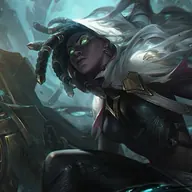
6Estos campeones suelen tener problemas para responder a tus principales fortalezas, lo que te permite afrontar el enfrentamiento con más libertad. Normalmente tienes varias formas de presionarlos y forzar intercambios a tu favor. Aprovecha esta ventaja para imponer tu ritmo en lugar de darles tiempo para volver a una posición cómoda.

Jinx−1
Jinx depende por completo del alcance de los cohetes de Switcheroo! para farmear con seguridad, ya que no tiene dashes naturales. Jhin explota fácilmente esta inmovilidad. Al colocar Captive Audience en sus estrechos caminos de la lane, la obligas a pisar la zona de ralentización. Esto prepara un Deadly Flourish sin esfuerzo para inmovilizarla en el sitio, lo que te permite rematar con el contundente cuarto disparo de Whisper antes de que pueda activar Get Excited! para huir.
Build de Jinx →
Ver detalles
Por qué
Jinx depende por completo del alcance de los cohetes de Switcheroo! para farmear con seguridad, ya que no tiene dashes naturales. Jhin explota fácilmente esta inmovilidad. Al colocar Captive Audience en sus estrechos caminos de la lane, la obligas a pisar la zona de ralentización. Esto prepara un Deadly Flourish sin esfuerzo para inmovilizarla en el sitio, lo que te permite rematar con el contundente cuarto disparo de Whisper antes de que pueda activar Get Excited! para huir.
Impacto en la línea
Controlas el ritmo de la wave desde la primera wave. Al hacer rebotar Dancing Grenade entre minions moribundos, empujas constantemente a Jinx bajo su torre mientras le vas quitando vida. Esta presión constante le niega la libertad de acumular velocidad de ataque con su minigun. Se ve obligada a gastar maná con los cohetes de Switcheroo! para limpiar, lo que provoca recalls tempranos y grandes ventajas locales en placas de torre para ti.
Cómo jugar
Mantén una trampa de Captive Audience activa en los arbustos de la lane para alejar a Jinx. Guarda tu Deadly Flourish hasta que se bloquee en el sitio para lanzar Zap! o tirar Flame Chompers!, convirtiéndola en un blanco fácil. Si fallas tu root y ella intenta contraatacar con Super Mega Death Rocket!, rompe de inmediato su línea de visión y retrocede para preparar tu Curtain Call desde una distancia segura y rematarla.

Zeri−1
Jhin domina por completo los primeros niveles porque Zeri no puede igualar su burst. Mientras ella depende de acertar varios skillshots de Burst Fire para farmear y hacer poke, Jhin puede preparar un minion con poca vida con Dancing Grenade para hacer rebotar un daño enorme sobre ella. Combinar este rebote con el cuarto disparo de Whisper obliga a Zeri a salir del rango de trade antes de que pueda aumentar su daño sostenido.
Build de Zeri →
Ver detalles
Por qué
Jhin domina por completo los primeros niveles porque Zeri no puede igualar su burst. Mientras ella depende de acertar varios skillshots de Burst Fire para farmear y hacer poke, Jhin puede preparar un minion con poca vida con Dancing Grenade para hacer rebotar un daño enorme sobre ella. Combinar este rebote con el cuarto disparo de Whisper obliga a Zeri a salir del rango de trade antes de que pueda aumentar su daño sostenido.
Impacto en la línea
Al amenazar constantemente con este burst, marcas el ritmo de la wave desde el primer minuto. Puedes hacer slow-push de las waves con facilidad, obligando a Zeri a usar Burst Fire bajo su torre, donde le cuesta hacer last-hit al inicio. Esta presión constante se traduce en oro temprano de placas, control profundo de visión en el río y momentos de recall cómodos que le niegan cualquier posibilidad de escalar con seguridad hacia sus picos de poder de mid game.
Cómo jugar
Colócate detrás de tu propia wave de minions para bloquear sus disparos de Burst Fire en línea recta mientras buscas rebotes. Mantén cargado tu cuarto disparo de Whisper para alejarla de los minions moribundos. Guarda Deadly Flourish específicamente para atraparla si intenta escapar o iniciar con Spark Surge. Si un trade sale mal y consigue acumular el escudo de su pasiva, retírate de inmediato, resetea la wave y espera tu siguiente cuarto disparo para restablecer el dominio.
Twitch−1
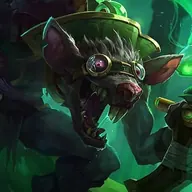
Twitch carece de un waveclear significativo al inicio, y depende solo de ataques básicos y de la lenta preparación de Deadly Venom. Puedes explotarlo fácilmente haciendo rebotar Dancing Grenade en minions con poca vida para quitarle vida mientras fuerzas la wave bajo su torre. Una vez que Twitch está atrapado farmeando bajo la torre, colocar minas de Captive Audience detrás de sus minions de caster ahoga por completo su movimiento y lo obliga a tomar malas posiciones.
Build de Twitch →
Ver detalles
Por qué
Twitch carece de un waveclear significativo al inicio, y depende solo de ataques básicos y de la lenta preparación de Deadly Venom. Puedes explotarlo fácilmente haciendo rebotar Dancing Grenade en minions con poca vida para quitarle vida mientras fuerzas la wave bajo su torre. Una vez que Twitch está atrapado farmeando bajo la torre, colocar minas de Captive Audience detrás de sus minions de caster ahoga por completo su movimiento y lo obliga a tomar malas posiciones.
Impacto en la línea
Al empujar la wave constantemente, le niegas a Twitch la posibilidad de usar Ambush con seguridad desde la niebla de guerra. Queda inmovilizado, sacrificando vida para asegurar last-hits mientras tus rebotes de Dancing Grenade mantienen su barra de vida demasiado baja para disputar. Esta enorme prioridad de lane se traduce en una ventaja temprana de oro local, permitiéndote asegurar placas y controlar el río inferior sin temer ninguna represalia basada en el sigilo.
Cómo jugar
Empieza haciendo rebotar Dancing Grenade de forma agresiva para asegurar la prioridad del nivel dos. Mantén al menos una carga de Captive Audience activa cerca de los arbustos de la lane para impedir que Twitch use Ambush para flanquear o soltar el aggro. Guarda Deadly Flourish específicamente para cuando Twitch se adelante para activar stacks de Contaminate, inmovilizándolo bajo tus minions. Si pierdes el control y se vuelve invisible, retírate de inmediato hacia tu torre y espera a que se revele.

Xayah−1
Jhin manda en esta lane porque su rango base superior le permite abusar de Whisper para hacer chip a Xayah sin entrar en su zona letal. Aunque Xayah puede anular con fiabilidad tu Curtain Call activando la imposibilidad de ser seleccionada de Featherstorm, le cuesta cerrar la distancia en el juego neutral. Como depende de Clean Cuts y Double Daggers para preparar las plumas, puedes superarla fácilmente en spacing y castigar su corto alcance.
Build de Xayah →
Ver detalles
Por qué
Jhin manda en esta lane porque su rango base superior le permite abusar de Whisper para hacer chip a Xayah sin entrar en su zona letal. Aunque Xayah puede anular con fiabilidad tu Curtain Call activando la imposibilidad de ser seleccionada de Featherstorm, le cuesta cerrar la distancia en el juego neutral. Como depende de Clean Cuts y Double Daggers para preparar las plumas, puedes superarla fácilmente en spacing y castigar su corto alcance.
Impacto en la línea
Esta diferencia de alcance dicta la dinámica de la wave, permitiéndote hacer push con Dancing Grenade mientras mantienes a Xayah acorralada bajo su torre. Como debe adelantarse para recoger minions, arriesga constantemente recibir un cuarto disparo de Whisper o quedar inmovilizada por Deadly Flourish. Esta presión la obliga a guardar Bladecaller a la defensiva, impidiéndole establecer una prioridad de lane real.
Cómo jugar
Para convertir esta ventaja, nunca te pongas directamente detrás de tus propios minions, para evitar el paso en línea recta de Clean Cuts y Double Daggers. Al iniciar, guarda tu Curtain Call hasta que Xayah se vea obligada a usar Featherstorm a la defensiva durante una escaramuza caótica, o usa la amenaza de tu definitiva para provocar su imposibilidad de ser seleccionada. Si intenta hacer trade con Deadly Plumage, retírate de inmediato y luego vuelve con Deadly Flourish una vez que su efecto expire.
Vayne−1
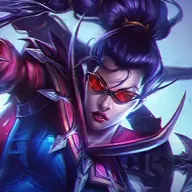
Tu enorme ventaja de alcance dicta este matchup. Vayne es una cazadora de corto alcance que debe adelantarse para hacer last-hit, lo que la hace extremadamente vulnerable a los rebotes de tu Dancing Grenade. Mientras intenta farmear bajo presión, tu cuarto disparo de Whisper le inflige un daño considerable que no puede devolver. Su Tumble es simplemente demasiado corto para cerrar la distancia sin recibir mucho daño.
Build de Vayne →
Ver detalles
Por qué
Tu enorme ventaja de alcance dicta este matchup. Vayne es una cazadora de corto alcance que debe adelantarse para hacer last-hit, lo que la hace extremadamente vulnerable a los rebotes de tu Dancing Grenade. Mientras intenta farmear bajo presión, tu cuarto disparo de Whisper le inflige un daño considerable que no puede devolver. Su Tumble es simplemente demasiado corto para cerrar la distancia sin recibir mucho daño.
Impacto en la línea
Este matchup se traduce en un control total de la wave para ti. Al empujar constantemente las waves hacia su torre con Dancing Grenade, obligas a Vayne a concentrarse en el difícil last-hit bajo la torre. Esta presión le niega la libertad de activar Silver Bolts sobre ti. Asegurarás fácilmente las placas de torre tempranas y la mantendrás acorralada, impidiendo que use Night Hunter para perseguirte.
Cómo jugar
Empuja la wave de forma agresiva usando Dancing Grenade sobre minions moribundos para maximizar el daño de rebote sobre Vayne. Colócate cerca del centro de la lane para no darle un ángulo fácil para aturdirte contra las paredes con Condemn. Si intenta farmear bajo su torre, prepara un Deadly Flourish para inmovilizarla cuando se detenga a atacar. Una vez que esté débil y acorralada, retrocede un poco para soltar Curtain Call con seguridad.
Otros emparejamientos

Objetos contra Jhin
Compra estos objetos para reducir la eficacia de este campeón en tus partidas.

| Emparejamiento | Veredicto | Ventaja | Tasa de victorias | Tasa de selección |
|---|---|---|---|---|
| Ashe | Desfavorables | +1 | 53.6% | 9.1% |
| Kog'Maw | Desfavorables | +1 | 52.9% | 2.6% |
| Samira | Desfavorables | +1 | 50.8% | 11.7% |
| Kalista | Desfavorables | +1 | 49.9% | 7.5% |
| Ezreal | Desfavorables | +1 | 49.6% | 7.7% |
| Sivir | Desfavorables | +1 | 49.4% | 3.9% |
| Tristana | Desfavorables | +1 | 49.0% | 11.3% |
| Lucian | Desfavorables | +1 | 47.2% | 3.1% |
| Draven | Desfavorables | +1 | 47.0% | 5.3% |
| Akshan | Desfavorables | +1 | — | — |
| Corki | Desfavorables | +1 | — | — |
| Nilah | Desfavorables | +1 | — | — |
| Ziggs | Desfavorables | +1 | — | — |
| Varus | Matchups de Habilidad | ±0 | 51.5% | 6.2% |
| Kai'Sa | Matchups de Habilidad | ±0 | 50.2% | 16.4% |
| Caitlyn | Matchups de Habilidad | ±0 | 49.7% | 15.6% |
| Yunara | Matchups de Habilidad | ±0 | 49.3% | 6.9% |
| Miss Fortune | Matchups de Habilidad | ±0 | 48.4% | 12.5% |
| Senna | Matchups de Habilidad | ±0 | — | — |
| Smolder | Favorables | −1 | 52.5% | 9.1% |
| Xayah | Favorables | −1 | 51.3% | 5.1% |
| Jinx | Favorables | −1 | 50.7% | 13.3% |
| Twitch | Favorables | −1 | 49.6% | 10.0% |
| Zeri | Favorables | −1 | 49.4% | 1.3% |
| Vayne | Favorables | −1 | 48.4% | 6.6% |
Ventaja: veredicto canónico de Wild Rift Core (−3 a +3), desde el punto de vista del campeón nombrado en la fila. Tasa de victorias y de selección: las del propio rival en este rol — Wild Rift CN · Challenger, Patch 7.3b. No es la tasa de victorias del enfrentamiento directo.