July 2026 · Patch 7.2a
Marksman · ADC

Guía de counters de Smolder Wild Rift

Smolder es un ADC ADC que domina mediante su alcance superior y su daño físico constante. Esto lo hace particularmente vulnerable a bruisers o tanks que ganan naturalmente por desgaste. En cambio, destaca frente a campeones cuyo scaling tardío no puede manifestarse.

★ ADC Tier A
DAÑO
UTIL
TANK
DIFF
Win 52.1% #28 · ↓1pt
Pick 14.2% #7
Ban 6.6% #20

Guía de counters de Smolder Wild Rift ★ Counter Sheet

Contras Difíciles 4
Desfavorables 4
Matchups de Habilidad 4
Favorables 4

Cómo contrarrestar a este campeón

Ángulo de contra

Countering Smolder is less about beating him through one lane stat and more about breaking his game timeline. He wants clean waves, steady stacks, proper recalls, and objectives where he can arrive before the fight starts. The champions already present in his unfavorable matchups show two major ways to punish him: either deny him breathing room in lane with immediate pressure, or reach him directly before he can turn his scaling into real damage. Smolder hates games where he must use defensive tools just to survive instead of saving them to reposition after the engage. If you force him to react, miss waves, or arrive late to objectives, his plan becomes much more fragile.

Contexto del parche

Smolder is vulnerable when the enemy denies the slow rhythm he needs. Lanes that force him to choose between stacking and losing health already create an invisible advantage. Mobile or explosive threats punish the next phase: even if Smolder has farmed, he cannot convert his damage if the fight starts directly on top of him. Good counterplay therefore attacks his windows, not just his health bar. You want to force bad recalls, push him away from waves, or make him arrive at objectives without setup.

Lectura rápida

  • Punishing Smolder early does not always mean killing him: making him miss stacks, a wave, or a clean recall is already enough to delay his plan.
  • Threats that can reach him directly greatly reduce his value, because he must survive before he can even apply damage.
  • The faster you accelerate the game around objectives, the less time Smolder has to turn his scaling into a real win condition.

Arquetipos de contra

Mobile burst that reaches the backline

This profile works against Smolder because it bypasses part of his natural game plan. Smolder wants to prepare fights from range, poke gradually, and finish targets that are already weakened. A threat like Zed changes the question: instead of asking whether Smolder can deal enough damage, it asks whether he can survive the first seconds. If he must spend all his attention on the assassin, his positioning moves backward, his spells become defensive, and his team loses a large part of its objective pressure.

Cómo se adapta el campeón. Smolder must play earlier around vision and keep strict distance before the fight even starts. He cannot wait to see the assassin appear before respecting the threat: his positioning must already account for the possible entry angle.

Lane pressure and short trades

Direct pressure champions punish Smolder before his scaling becomes comfortable. They force him to play every wave under tension: if he steps up to stack, he can lose too much health; if he backs away, his progression slows down. This type of lane does not win only through kills, but through accumulated small losses: bad recall, missed wave, support forced to cover, dragon contested with lower health. Smolder handles this poorly because his plan relies on steady growth rather than immediate explosive recovery.

Cómo se adapta el campeón. Smolder must accept giving up some trades and protect his important waves. The priority becomes stability: keep enough health for clean recalls and avoid turning every stack into an excessive risk.

All-in or unpredictable access

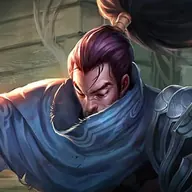
Smolder likes fights where distance remains clear. Champions who can quickly alter spacing, enter in waves, or turn one positioning mistake into an immediate all-in break that safety. Yasuo illustrates this issue well: lane and fights become less linear, poke windows are riskier, and Smolder must constantly check whether he can truly step up to stack or hit. This mental pressure alone can reduce his impact, because he plays farther back, slower, and lets opportunities pass that would be free against a more predictable composition.

Cómo se adapta el campeón. Smolder must avoid relying only on perceived range. He should wait until engage tools are used or poorly positioned before stepping forward, especially near waves and tight objective areas.

Emparejamientos prioritarios

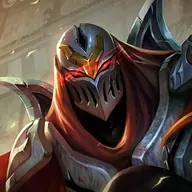
Zed

Zed is a priority matchup because he attacks Smolder’s biggest condition: the time needed to apply damage. Even if Smolder has farmed correctly, Zed can turn the fight into an immediate survival test. The key is not just to “stay far,” but to never enter an area without knowing where Zed can appear from. If Smolder keeps Flash, respects flanks, and forces Zed to cross his team, the matchup becomes playable. If he stands alone before an objective, his scaling stops mattering.

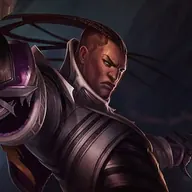
Lucian

Lucian matters because he punishes Smolder before the game becomes comfortable. He can take short trades, impose lane tempo, and force Smolder to choose between stacking and health. The matchup often depends on the quality of the first waves: if Smolder keeps the lane stable and avoids forced recalls, his plan remains intact. If he accepts too many useless trades, Lucian does not even need to kill him to delay his mid game.

Errores comunes en su contra

Errores comunes en su contra

  • Letting Smolder farm for free because he seems weak, while his lack of immediate pressure hides real scaling.
  • Engaging too late after letting him poke around an objective, giving Smolder the long fight he wants.
  • Only looking for the lane kill instead of denying him waves, stacks, and clean recalls.
  • Using every engage tool on the frontline, then letting Smolder play freely from behind during the second half of the fight.
  • Forgetting flanks and vision: Smolder is much easier to punish before the fight is organized than once he is already protected.

Notas del coach

  • Against Smolder, do not confuse no kill with no advantage. If you force a bad recall, make him miss a wave, or arrive late to dragon, you have already damaged his plan.
  • The best time to punish him is often before the fight, not during it. Once he is positioned behind his team and your access tools are visible, he plays much more comfortably.

FAQ

How do you stop Smolder from scaling?

You need to attack his rhythm rather than only chasing kills. Forcing a bad recall, contesting waves, pushing him away from the wave, or accelerating objectives before he is well positioned are often more effective than a failed all-in. Smolder becomes dangerous when the game stays clean for him. If you break that cleanliness, his scaling arrives later and with less impact.

Should you always dive Smolder early?

No. A poorly prepared dive can give him exactly what he wants: time, a recoverable wave, and sometimes return kills. The right plan is to dive only if the wave, vision, and cooldowns make the play reliable. Otherwise, it is better to maintain pressure, prevent clean recalls, and arrive before him at objectives. Against Smolder, clean punishment is better than flashy punishment.

Why are assassins dangerous against Smolder?

Because they reduce the time between the start of the fight and the real threat on Smolder. He wants to play behind his team, poke, and finish weakened targets. An assassin forces a different logic: Smolder must first survive, keep distance, and sometimes spend Flash before contributing. If the assassin forces Smolder to play too far back, even without killing him, his impact drops sharply.

What is the most common mistake against Smolder?

The biggest mistake is letting him play a neutral game without making him lose anything. Many players see Smolder as weak in lane and assume they can deal with him later. The problem is that later is exactly what he is waiting for. Even without kills, you need to take tempo from him: wave pressure, vision, objectives, bad recalls. Otherwise, he reaches mid game with too much comfort.