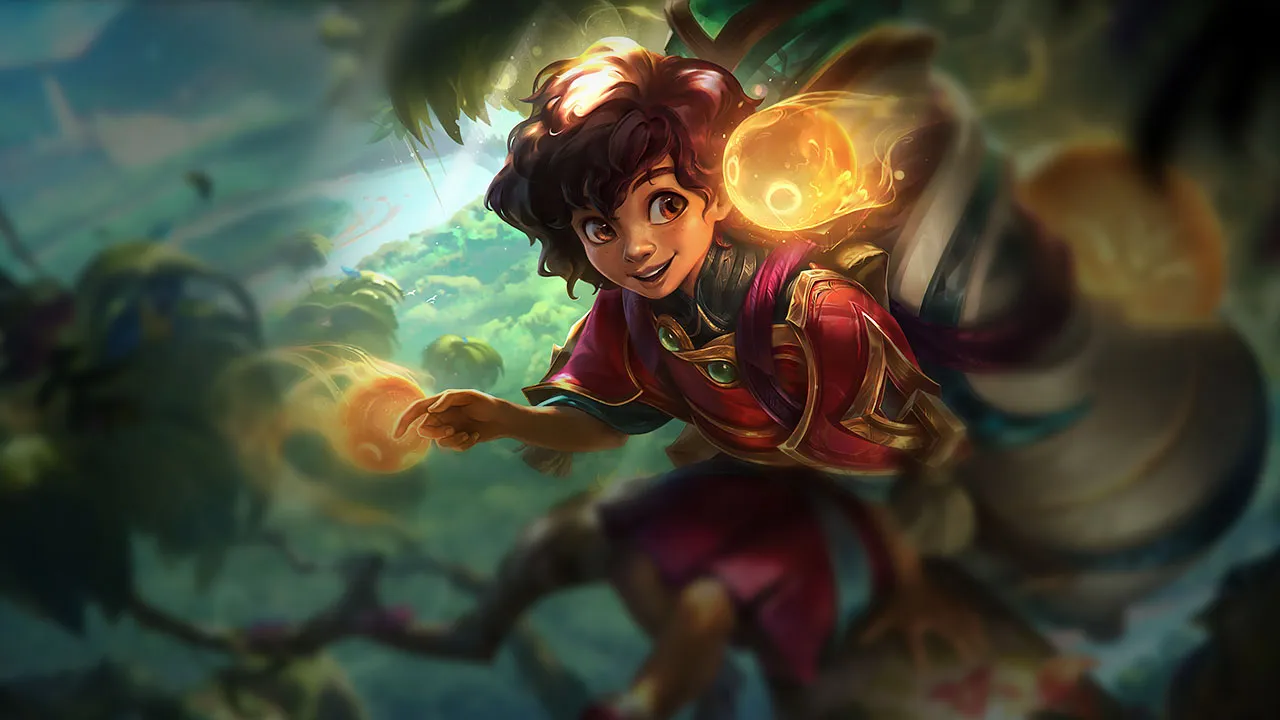
Milio is vulnerable against instant engage compositions that target him first before he can react with healing. His defensive nature makes him less effective against aggressive engage compositions that force short fights. Champions bypassing his shields through true damage reduce his utility.
Edge: Wild Rift Core canonical verdict (−3 to +3), shown from the point of view of the champion named in the row. Win rate and pick rate: the opponent's own rate in this role — Wild Rift CN · Challenger, Patch 7.2e. Not a head-to-head win rate.
Hard Counters
1
These champions have a build and playstyle that directly overpower yours, which can make controlling the lane and farming extremely difficult. Their kit can neutralize your core strengths or punish you the moment you try to play your usual game plan. In these matchups, the goal is often to minimize mistakes and look for ways to win outside of direct confrontation.
scaling gappoke pressureThe core of this matchup lies in Senna's infinite scaling from her Basic Attack passive. While your Cozy Campfire is designed to grant your ADC a temporary range advantage to trade safely, Senna eventually gathers enough Mist to permanently out-range this zone. This neutralizes your main zoning tool, allowing her to poke your duo down without ever stepping into your trading pocket.Senna build →See details
Senna
The interaction that decides it
Senna's infinite scaling on her passive allows her to eventually out-range Cozy Campfire, making it hard for Milio's ADC to trade back.
Why
The core of this matchup lies in Senna's infinite scaling from her Basic Attack passive. While your Cozy Campfire is designed to grant your ADC a temporary range advantage to trade safely, Senna eventually gathers enough Mist to permanently out-range this zone. This neutralizes your main zoning tool, allowing her to poke your duo down without ever stepping into your trading pocket.
Lane impact
Early on, you can mitigate her poke with Warm Hugs, but as she collects souls, she easily secures wave priority. Her Piercing Darkness heals her while damaging you through the minion wave, forcing early recalls. Because you cannot safely contest her growing range, your ADC is constantly pushed under turret, bleeding plates while you struggle to find safe angles for Ultra Mega Fire Kick.
How to play
You must position yourself strictly parallel to or slightly behind your ADC to avoid giving her easy double-hits with Piercing Darkness. Hold Ultra Mega Fire Kick exclusively to disengage if she lands Last Embrace. If your turret is pressured, stop trying to trade with Cozy Campfire and save Breath of Life solely to cleanse her roots during enemy dive attempts.
These champions have tools that generally give them the edge in a fight, without making the matchup unwinnable. They might have more range, a better ability to soak up your offense, or more ways to answer your engages. You'll need to adapt your approach and carefully pick your moments to accept a fight.
enchanter matchupall inBlitzcrank completely dictates the pace of this lane because his Rocket Grab represents a fatal threat that Milio cannot easily counter early on. If your ADC is pulled, casting Warm Hugs can buffer the initial burst with shields, but you lack the hard displacement to peel Blitzcrank off them once he follows up with Power Fist. Until you unlock Breath of Life to cleanse the crowd control, any hook results in a deadly chase.Blitzcrank build →See details
Blitzcrank
The interaction that decides it
Milio can mitigate the burst of a hook with Warm Hugs, but cannot easily peel Blitzcrank off his ADC without his ultimate.
Why
Blitzcrank completely dictates the pace of this lane because his Rocket Grab represents a fatal threat that Milio cannot easily counter early on. If your ADC is pulled, casting Warm Hugs can buffer the initial burst with shields, but you lack the hard displacement to peel Blitzcrank off them once he follows up with Power Fist. Until you unlock Breath of Life to cleanse the crowd control, any hook results in a deadly chase.
Lane impact
This matchup forces a very passive posture where you must respect Blitzcrank's positioning whenever his Rocket Grab is available. You cannot easily step up to poke with Fired Up! or use Cozy Campfire to extend trades, as standing still makes you an easy target. If your carry gets hooked under tower pressure, you will lose wave control, forcing you to bleed gold while defending under your own turret.
How to play
Your entire laning phase revolves around tracking the cooldown of Rocket Grab. When Blitzcrank misses his hook, you have a fifteen-second window to play aggressively, using Cozy Campfire and Fired Up! to punish his lack of range. If he activates Overdrive to run at you, use Ultra Mega Fire Kick to interrupt his charge before he can land Power Fist. Always hold one charge of Warm Hugs solely to shield the target of his hook.
anti engageexecute threatThis matchup is highly dangerous because Pyke's Death from Below entirely bypasses the shielding provided by Warm Hugs. If your ADC falls low, relying on your shield to block his execute threshold will result in instant death and an ultimate reset. You are forced to react with raw healing from Cozy Campfire or your ultimate Breath of Life to physically push their health bar back above the lethal mark.Pyke build →See details
Pyke
The interaction that decides it
Pyke's Death from Below ignores the shield from Warm Hugs, requiring Milio to use Cozy Campfire or Breath of Life to keep allies above the execution threshold.
Why
This matchup is highly dangerous because Pyke's Death from Below entirely bypasses the shielding provided by Warm Hugs. If your ADC falls low, relying on your shield to block his execute threshold will result in instant death and an ultimate reset. You are forced to react with raw healing from Cozy Campfire or your ultimate Breath of Life to physically push their health bar back above the lethal mark.
Lane impact
Pyke's constant threat of Bone Skewer forces you to play defensively behind minions, preventing you from aggressively poking with Fired Up!. If he finds a hook or lands Phantom Undertow, the sudden burst easily triggers his execute range. This denies you lane priority, forcing your duo to concede wave control and play under turret, knowing a single positioning error leads to a double kill and catastrophic gold sharing.
How to play
To survive, prioritize extreme distance and keep minions between you and Pyke's Bone Skewer. Never use Cozy Campfire casually for poke; hold it to counteract his engage and restore health immediately during trades. If he dives with Phantom Undertow, use Ultra Mega Fire Kick to interrupt his dash mid-air. Save Breath of Life exclusively to cleanse his stun or to instantly heal your ally above the red threshold right before Death from Below strikes.
sustain warsilence threatSoraka dominates this matchup because her Equinox creates an instant silence zone. If your ADC gets focused, you want to cast Breath of Life to cleanse and heal them, but Soraka can drop Equinox directly on you, locking you out of your ultimate entirely. This turns the lane into a grueling war of attrition where her spammable Astral Infusion out-values your Cozy Campfire.Soraka build →See details
Soraka
The interaction that decides it
Soraka's Equinox can silence Milio, preventing him from casting Breath of Life to save a low-health ally.
Why
Soraka dominates this matchup because her Equinox creates an instant silence zone. If your ADC gets focused, you want to cast Breath of Life to cleanse and heal them, but Soraka can drop Equinox directly on you, locking you out of your ultimate entirely. This turns the lane into a grueling war of attrition where her spammable Astral Infusion out-values your Cozy Campfire.
Lane impact
Laning against Soraka forces a passive stance where aggressive trades backfire. Every time you try to poke with Fired Up! enhanced attacks, Soraka heals the damage back with Astral Infusion. If you get too close to use Ultra Mega Fire Kick, you risk getting rooted by Equinox. This constant healing pressure slowly pushes you under tower, giving her duo complete control over the wave and forcing early recalls.
How to play
To survive, you must track the cooldown of Equinox meticulously. When she wastes this zone, you have a brief window to trade safely using Cozy Campfire to out-range her. Always position yourself slightly behind your ADC so you are never caught in the same silence zone, ensuring you can cast Breath of Life if they get CC'd. Keep Ultra Mega Fire Kick ready to peel her aggressive ADC away rather than trying to poke.
sustain warteamfight impactSona eventually outpaces you because her basic ability rotation scales into an unstoppable engine. While your Breath of Life perfectly negates her Crescendo in skirmishes, you cannot match her attrition. The short cooldowns of Hymn of Valor and Aria of Perseverance provide constant damage and shields that easily overwhelm the healing output of your Cozy Campfire during extended trades, slowly starving your ADC of health.Sona build →See details
Sona
The interaction that decides it
While Breath of Life can cleanse Crescendo, Sona's lower cooldowns on Hymn of Valor and Aria of Perseverance out-sustain Milio's Cozy Campfire in prolonged fights.
Why
Sona eventually outpaces you because her basic ability rotation scales into an unstoppable engine. While your Breath of Life perfectly negates her Crescendo in skirmishes, you cannot match her attrition. The short cooldowns of Hymn of Valor and Aria of Perseverance provide constant damage and shields that easily overwhelm the healing output of your Cozy Campfire during extended trades, slowly starving your ADC of health.
Lane impact
You cannot win war of attrition lanes against her. Early on, her Hymn of Valor poke chip damages your carry, and any attempt to trade back is nullified by Aria of Perseverance. Because Cozy Campfire has a massive cooldown, Sona forces early recalls or pins you under turret. If you fail to establish an early advantage before she gets her ultimate, the lane becomes heavily one-sided.
How to play
Focus on short, aggressive bursts utilizing Fired Up! to punish her when she steps up to poke. Never use Cozy Campfire unless your ADC is actively trading; wasting it leaves you defenseless against her poke cycle for over twenty seconds. Keep Ultra Mega Fire Kick to disengage if she tries to use Song of Celerity to run you down. Finally, always hold Breath of Life exclusively to instantly cleanse her Crescendo during teamfights.
poke pressuredisengage checkZyra dominates this lane because her Garden of Thorns and Rampant Growth create a physical barrier of plants that completely blocks the trajectory of your Ultra Mega Fire Kick. When Zyra moves forward to fish for an engage with Grasping Roots, any attempt to interrupt her or peel her marksman is easily absorbed by her spawned plants, rendering your primary defensive tool useless before it can reach its target.Zyra build →See details
Zyra
The interaction that decides it
Zyra's plants spawned by Rampant Growth can block the trajectory of Ultra Mega Fire Kick, preventing Milio from peeling her engage.
Why
Zyra dominates this lane because her Garden of Thorns and Rampant Growth create a physical barrier of plants that completely blocks the trajectory of your Ultra Mega Fire Kick. When Zyra moves forward to fish for an engage with Grasping Roots, any attempt to interrupt her or peel her marksman is easily absorbed by her spawned plants, rendering your primary defensive tool useless before it can reach its target.
Lane impact
This block interaction forces you into a passive defensive posture under your turret. Since you cannot reliably disengage with Ultra Mega Fire Kick, Zyra freely zones you out, using Deadly Spines to chip away at your health. Trades using Cozy Campfire become highly risky, as standing still to heal or gain range invites an easy Grasping Roots and Stranglethorns combo, costing you massive pressure and early recalls.
How to play
To survive, you must hold Ultra Mega Fire Kick and never fire it directly through a cluster of seeds or active plants. Instead, use the movement speed from Warm Hugs to actively bait and dodge Grasping Roots without using your kick. If Zyra commits her plants elsewhere, quickly retaliate with Fired Up! empowered attacks. Finally, save Breath of Life exclusively to cleanse the knock-up of Stranglethorns when your ADC gets caught in the center.
These matchups are above all duels of execution: both champions have credible ways to gain the upper hand. Dodging one key ability, anticipating an engage correctly, or a single positioning mistake can be enough to tip the duel one way or the other. Knowing the matchup and recognizing the right windows to act are especially important here.
sustaindisengageMilio and Bard trade healing and utility constantly. The core interaction lies in how Milio's ultimate handles Bard's crowd control. Breath of Life immediately cleanses the stun from Cosmic Binding, restoring momentum. However, it cannot interact with or free allies from the stasis of Tempered Fate. This split utility defines the matchup, turning it into a fight of healing efficiency and precise timing.Bard build →See details
Bard
The interaction that decides it
Milio's Breath of Life can cleanse the stun from Cosmic Binding, but it cannot cleanse the stasis from Tempered Fate.
Why
Milio and Bard trade healing and utility constantly. The core interaction lies in how Milio's ultimate handles Bard's crowd control. Breath of Life immediately cleanses the stun from Cosmic Binding, restoring momentum. However, it cannot interact with or free allies from the stasis of Tempered Fate. This split utility defines the matchup, turning it into a fight of healing efficiency and precise timing.
Lane impact
This creates a continuous war of attrition. Bard plants Caretaker's Shrine to keep his marksman healthy, while Milio counters with Cozy Campfire to out-sustain trades. Because of Magical Journey, Bard has superior map presence, but leaving lane gives Milio's lane partner free pressure under the tower. Trades are slow but punishing; whoever wastes their primary defensive spell first loses all lane priority.
How to play
When Bard wanders for Traveler's Call chimes, use Warm Hugs and Fired Up! to aggressively poke down the lonely enemy marksman. Never pre-cast Breath of Life during Tempered Fate; instead, wait out the gold stasis and prepare Ultra Mega Fire Kick to peel the moment it ends. Hold your shield to absorb Cosmic Binding damage, and only trade when Caretaker's Shrine is uncharged or just placed, exploiting Bard's high recovery cooldowns.
enchanter dueldisengageneutral laneThis matchup is a pure battle of spacing and utility. Your Cozy Campfire is the ultimate tool to neutralize Janna's laning presence, as the bonus attack range allows your shooter to damage her before she can glide in for a Zephyr slow. However, Janna commands the disengage game; any attempt to initiate or peel using Ultra Mega Fire Kick is easily negated by a well-timed Howling Gale.Janna build →See details
Janna
The interaction that decides it
Milio's Cozy Campfire gives his ADC extra range to bypass Janna's Zephyr poke, but Janna can negate his Ultra Mega Fire Kick engages with Howling Gale.
Why
This matchup is a pure battle of spacing and utility. Your Cozy Campfire is the ultimate tool to neutralize Janna's laning presence, as the bonus attack range allows your shooter to damage her before she can glide in for a Zephyr slow. However, Janna commands the disengage game; any attempt to initiate or peel using Ultra Mega Fire Kick is easily negated by a well-timed Howling Gale.
Lane impact
The lane revolves entirely around trading efficiency and health maintenance. When Cozy Campfire is active, you can force Janna's duo under their tower or bleed them of mana as they try to shield with Eye of the Storm. But if you mismanage this range window, Janna's Zephyr poke will slowly chip away at your ADC's health, forcing early recalls and losing crucial dragon priority.
How to play
To win this duel, you must master your spacing. Only deploy Cozy Campfire when Janna steps forward, enabling your marksman to punish her and bypass her Zephyr completely. Never initiate with Ultra Mega Fire Kick; instead, hold it as a defensive tool to match her Howling Gale or to peel during skirmishes. If Janna shields her ally with Eye of the Storm, wait out the duration before committing your Warm Hugs shields to win the trade.
anti ccrange denialThis matchup is a pure battle of cooldown pacing and spell-matching. While Seraphine tries to poke you out using double-cast High Note and setup CC with Beat Drop, the lane's true pivot is the ultimate interaction. Her teamfight potential hinges on landing a massive Encore. By saving Breath of Life, you can negate her entire ultimate charm instantly, preventing her from easily landing an Echoed Beat Drop to lock down your team.Seraphine build →See details
Seraphine
The interaction that decides it
Holding Breath of Life to instantly cleanse Encore prevents Seraphine from chain-CCing Milio's team with Beat Drop.
Why
This matchup is a pure battle of cooldown pacing and spell-matching. While Seraphine tries to poke you out using double-cast High Note and setup CC with Beat Drop, the lane's true pivot is the ultimate interaction. Her teamfight potential hinges on landing a massive Encore. By saving Breath of Life, you can negate her entire ultimate charm instantly, preventing her from easily landing an Echoed Beat Drop to lock down your team.
Lane impact
In the early lane, Seraphine will attempt to shove the wave using High Note and Stage Presence notes to secure tower pressure. You must match this tempo using Cozy Campfire to extend your ADC's range for safe farming and trading. Because both of you have long cooldowns on your defensive tools, Warm Hugs and Surround Sound, a wasted shield immediately invites heavy poke or a gank that forces a bad recall.
How to play
Position yourself slightly behind your ADC to avoid both getting caught by a single Encore trajectory. Never use Breath of Life for simple healing; keep it strictly to cleanse her ultimate charm before she can follow up with Beat Drop. If your ADC is poked low by High Note, rely solely on Warm Hugs and Cozy Campfire to sustain them, and use Ultra Mega Fire Kick to disengage if she tries to play aggressively forward.
trade patternsanti ccThis enchanter duel hinges on neutralizing Nami's crowd control while surviving her trading power. While Nami relies on Ebb and Flow to simultaneously damage you and heal her carry, you hold the ultimate counter to her primary engage. Your Breath of Life completely cleanses the massive knock-up from Tidal Wave, turning her teamfight-altering ultimate into a harmless visual effect if your reaction time is on point.Nami build →See details
Nami
The interaction that decides it
Milio can use Breath of Life to neutralize the knock-up from Tidal Wave, but must watch out for Nami's Ebb and Flow bounce trades in lane.
Why
This enchanter duel hinges on neutralizing Nami's crowd control while surviving her trading power. While Nami relies on Ebb and Flow to simultaneously damage you and heal her carry, you hold the ultimate counter to her primary engage. Your Breath of Life completely cleanses the massive knock-up from Tidal Wave, turning her teamfight-altering ultimate into a harmless visual effect if your reaction time is on point.
Lane impact
The laning phase becomes a war of attrition where health bars constantly bounce. If you stand too close to your marksman, Nami easily wins trades by bouncing Ebb and Flow between you both. This forces a defensive posture where you must rely on Cozy Campfire to let your partner farm safely from a distance, preventing Nami from securing early lane priority or tower pressure.
How to play
To win this war of resources, always position parallel to your carry rather than directly behind or on top of them, denying Nami her Ebb and Flow bounces. Never use Breath of Life proactively; keep your eyes on her animation and save it exclusively to cleanse Tidal Wave or a fatal Aqua Prison. If she empowers her partner with Tidecaller's Blessing, immediately buffer the incoming slow with Warm Hugs to safely retreat.
enchanterpokeThis matchup is a pure battle of reaction times. Karma relies on her Mantra infused Inner Flame to establish early lane dominance through heavy splash damage. However, you can completely nullify this pressure by reacting with Warm Hugs. Because your dual-charge shield matches her poke cadence, the lane quickly stagnates into an even trade of mana and shields, preventing either side from securing a decisive health lead.Karma build →See details
Karma
The interaction that decides it
Milio's Warm Hugs shields can negate Karma's Inner Flame poke, turning the lane into a passive farm war.
Why
This matchup is a pure battle of reaction times. Karma relies on her Mantra infused Inner Flame to establish early lane dominance through heavy splash damage. However, you can completely nullify this pressure by reacting with Warm Hugs. Because your dual-charge shield matches her poke cadence, the lane quickly stagnates into an even trade of mana and shields, preventing either side from securing a decisive health lead.
Lane impact
With poke damage constantly mitigated, the laning phase devolves into a passive farm war. Neither AD carry can easily find dive opportunities, keeping the minion waves balanced near the center. Because you both possess excellent disengage via Ultra Mega Fire Kick and Inspire, skirmishes rarely result in kills. Recall timings are highly predictable, meaning lane priority is traded back and forth without real turret pressure.
How to play
To win this war of attrition, never waste your charges of Warm Hugs on random minion damage; save them strictly for when Karma steps up to cast Inner Flame. If she attempts to force a root with Focused Resolve, immediately use Ultra Mega Fire Kick to disrupt her link and cancel the tether. Keep Cozy Campfire active only when your marksman can safely abuse their range advantage, forcing her to burn mana on Inspire defensively.
These champions generally struggle to answer your main strengths, which lets you approach the matchup with more freedom. You often have several ways to pressure them and force trades that go in your favor. Use this advantage to dictate the pace rather than giving them time to get back into a comfortable position.
teamfight utilitycc denialMilio holds a massive advantage because Breath of Life completely shuts down Lux's primary pick potential. Whenever Lux tries to initiate a burst sequence with Light Binding, your ultimate instantly cleanses the root from your ADC, wasting her setup. Since her entire threat relies on hitting this skillshot to chain Lucent Singularity and Final Spark, your ability to negate this crowd control leaves her and her carry highly vulnerable.Lux build →See details
Lux
The interaction that decides it
Milio's Breath of Life can instantly cleanse Lux's Light Binding on his carry, neutralizing her primary pick tool during skirmishes.
Why
Milio holds a massive advantage because Breath of Life completely shuts down Lux's primary pick potential. Whenever Lux tries to initiate a burst sequence with Light Binding, your ultimate instantly cleanses the root from your ADC, wasting her setup. Since her entire threat relies on hitting this skillshot to chain Lucent Singularity and Final Spark, your ability to negate this crowd control leaves her and her carry highly vulnerable.
Lane impact
During the laning phase, Lux will constantly try to poke with Lucent Singularity to wear down your health. You can easily nullify this damage by shielding your ally with Warm Hugs. Because Lux lacks consistent sustain and relies on Prismatic Barrier to mitigate trades, your Cozy Campfire allows your ADC to safely out-range her and retaliate, forcing Lux under her turret and bleeding her mana.
How to play
Position yourself slightly behind your ADC to avoid both of you getting caught by a single Light Binding. Never cast Breath of Life pre-emptively; hold it exclusively for the moment Lux's root connects. If she misses Light Binding, immediately activate Cozy Campfire and apply Warm Hugs to trigger Fired Up!. This gives your partner the extra range and burning damage needed to aggressively chase her down while her key cooldown is offline.
disengage disruptioncleanse peelYou completely shut down Leona's aggressive playstyle because your kit acts as the ultimate counter-engage tool. By timing Ultra Mega Fire Kick perfectly, you can knock Leona out of her Zenith Blade dash mid-air, leaving her stranded and vulnerable. Furthermore, if she attempts to lock down your carry with Solar Flare, Breath of Life instantly cleanses the stun while healing back the burst, neutralizing her entire primary engage.Leona build →See details
Leona
The interaction that decides it
Milio can interrupt Zenith Blade with Ultra Mega Fire Kick and completely negate Solar Flare with Breath of Life.
Why
You completely shut down Leona's aggressive playstyle because your kit acts as the ultimate counter-engage tool. By timing Ultra Mega Fire Kick perfectly, you can knock Leona out of her Zenith Blade dash mid-air, leaving her stranded and vulnerable. Furthermore, if she attempts to lock down your carry with Solar Flare, Breath of Life instantly cleanses the stun while healing back the burst, neutralizing her entire primary engage.
Lane impact
This interaction strips Leona of her lane pressure, forcing her to play passively or risk taking heavy damage. Because she cannot reliably engage, you can safely use Cozy Campfire and Fired Up! to poke her down and secure easy health trades. This constant poke forces early recalls for her duo, allowing you to control the wave, secure plates, and prevent Leona from roaming to help her jungler.
How to play
Never throw out Ultra Mega Fire Kick preemptively for poke; keep it strictly reserved to interrupt Zenith Blade when Leona steps forward. Stand slightly behind your ADC to bait her target selection, and react immediately with Warm Hugs for the movement speed to help them dodge. If you fail the interrupt and she lands Solar Flare, press Breath of Life instantly to turn the fight around, then activate Cozy Campfire to chase her down during her long cooldowns.
cleansedisengageMilio dominates this matchup because his defensive utility perfectly shuts down Galio's primary engage tools. When Galio attempts to dash forward with Justice Punch, a well-timed Ultra Mega Fire Kick completely interrupts his momentum, leaving him stranded. Even if Galio bypasses this with a flash-engage, Milio's Breath of Life instantly purges the taunt from Shield of Durand, neutralizing Galio's entire crowd control chain and leaving him vulnerable.Galio build →See details
Galio
The interaction that decides it
Milio can use Ultra Mega Fire Kick to knock Galio back during Justice Punch, and his Breath of Life completely cleanses Galio's Shield of Durand taunt.
Why
Milio dominates this matchup because his defensive utility perfectly shuts down Galio's primary engage tools. When Galio attempts to dash forward with Justice Punch, a well-timed Ultra Mega Fire Kick completely interrupts his momentum, leaving him stranded. Even if Galio bypasses this with a flash-engage, Milio's Breath of Life instantly purges the taunt from Shield of Durand, neutralizing Galio's entire crowd control chain and leaving him vulnerable.
Lane impact
This shutdown capability forces Galio into a passive state, giving you total control over the minion waves. Since he cannot safely execute Justice Punch, your carry can freely poke him down using Cozy Campfire and Fired Up!. When Galio's engage tools are on cooldown, you can aggressively pressure his tower, starve him of gold, and secure easy dragon priority while his team lacks his Hero's Entrance support.
How to play
Never cast Ultra Mega Fire Kick proactively; hold it strictly as a counter-reaction to the start of Galio's Justice Punch animation. Position yourself slightly behind your marksman so you avoid getting caught in the same Shield of Durand taunt, ensuring you are free to cast Breath of Life to cleanse them. If Galio prepares to use Hero's Entrance to impact another lane, immediately shield your ally with Warm Hugs and aggressively pressure his tower.
enchanter duelutilityMilio dictates this matchup because his ultimate, Breath of Life, completely nullifies Lulu's primary defensive tool, Whimsy. When Lulu attempts to shut down your carry with her polymorph during a trade, your instant cleanse turns her key utility spell into wasted mana. Additionally, your Cozy Campfire extends your ADC's attack range, allowing them to safely poke her down while staying completely outside the reach of her Glitterlance.Lulu build →See details
Lulu
The interaction that decides it
Milio's Breath of Life instantly cleanses Whimsy's polymorph, neutralizing Lulu's primary defensive tool during skirmishes.
Why
Milio dictates this matchup because his ultimate, Breath of Life, completely nullifies Lulu's primary defensive tool, Whimsy. When Lulu attempts to shut down your carry with her polymorph during a trade, your instant cleanse turns her key utility spell into wasted mana. Additionally, your Cozy Campfire extends your ADC's attack range, allowing them to safely poke her down while staying completely outside the reach of her Glitterlance.
Lane impact
This interaction forces Lulu into a defensive posture, stripping away her ability to play aggressively with Help, Pix!. Since your carry can farm and trade from a safe distance using Cozy Campfire, Lulu is forced to use Whimsy defensively. The moment she wastes this ability on self-buffing or a missed poke, you can aggressively push the wave and force trades under her tower, bleeding her health pool dry.
How to play
Position yourself slightly behind your carry, holding Breath of Life exclusively to react to Whimsy during all-ins. Never use your ultimate preemptively or just for the heal unless the polymorph has already been cast. When Lulu steps forward to trigger Pix, Faerie Companion with auto-attacks, immediately shield your ally with Warm Hugs to absorb the burst, and use Ultra Mega Fire Kick to disengage if she commits her Wild Growth to turn the fight.
anti engagepeel focusThis matchup heavily favors you because Thresh relies entirely on isolating a target with Death Sentence to trigger his engage. By holding Breath of Life, you can instantly cleanse the hook's stun on yourself or your carry. This completely neutralizes his pick potential, rendering his subsequent follow-up with Flay or The Box useless, as your team can freely walk away or turn the fight.Thresh build →See details
Thresh
The interaction that decides it
Milio's Breath of Life instantly cleanses the stun from Death Sentence, neutralizing Thresh's primary pick potential.
Why
This matchup heavily favors you because Thresh relies entirely on isolating a target with Death Sentence to trigger his engage. By holding Breath of Life, you can instantly cleanse the hook's stun on yourself or your carry. This completely neutralizes his pick potential, rendering his subsequent follow-up with Flay or The Box useless, as your team can freely walk away or turn the fight.
Lane impact
Because Thresh's primary threat is neutralized, he is forced to play defensively, allowing your ADC to dominate the wave. You can safely poke him down using Cozy Campfire to extend attack ranges while applying Fired Up! burns. Thresh cannot easily walk up to collect souls from Damnation without taking heavy damage, giving your duo complete control over health pools and recall timings.
How to play
Position yourself slightly behind your carry to avoid getting caught simultaneously by The Box. Never waste Breath of Life on minor damage; save it strictly to cleanse a landed Death Sentence. If Thresh reactivates his hook to fly in, immediately cast Ultra Mega Fire Kick to interrupt his dash mid-air. Keep Warm Hugs ready to shield the follow-up damage if your reaction time on the cleanse is slightly delayed.
disengagesustain warThis matchup is highly advantageous because your kit completely neutralizes Alistar's primary initiation tools. A well-timed Ultra Mega Fire Kick can stop Alistar mid-dash during his Headbutt, completely ruining his engage. Even if he manages to land his combo, your Breath of Life instantly cleanses the knockup from Pulverize, rendering his hard crowd control useless and leaving him stranded deep in your territory.Alistar build →See details
Alistar
The interaction that decides it
Milio's Ultra Mega Fire Kick can knock Alistar back during his Headbutt dash, while Breath of Life instantly cleanses Alistar's knockup.
Why
This matchup is highly advantageous because your kit completely neutralizes Alistar's primary initiation tools. A well-timed Ultra Mega Fire Kick can stop Alistar mid-dash during his Headbutt, completely ruining his engage. Even if he manages to land his combo, your Breath of Life instantly cleanses the knockup from Pulverize, rendering his hard crowd control useless and leaving him stranded deep in your territory.
Lane impact
Because Alistar cannot reliably engage without being interrupted, his lane presence is completely stifled. He cannot contest the wave or secure bushes, allowing you to establish easy lane priority. Any attempt he makes to step up results in free ranged poke, forcing him to rely on Triumphant Roar for passive healing while his carry is slowly bled out of resources under their own tower.
How to play
To dominate, never use Ultra Mega Fire Kick for poke; keep it strictly to react to his Headbutt. Position yourself slightly behind your carry, using Warm Hugs to shield against any stray damage while enabling Fired Up! burns. Activate Cozy Campfire to safely abuse your range advantage whenever Alistar walks up to trigger Trample. If he activates Unbreakable Will to survive, simply back off and wait out its duration before resuming your aggressive poke.
cleanse counterpoke rangeThis matchup heavily favors you because Braum's entire crowd control kit is systematically countered by your ultimate. Whenever Braum attempts to lock down your marksman using the stun from Concussive Blows or the massive knockup of Glacial Fissure, your Breath of Life instantly purges the effects. By removing his primary initiation tools, you render Braum's aggressive dives completely useless.Braum build →See details
Braum
The interaction that decides it
Milio's Breath of Life cleanses Braum's Concussive Blows stun and Glacial Fissure knockup, neutralizing Braum's primary crowd control.
Why
This matchup heavily favors you because Braum's entire crowd control kit is systematically countered by your ultimate. Whenever Braum attempts to lock down your marksman using the stun from Concussive Blows or the massive knockup of Glacial Fissure, your Breath of Life instantly purges the effects. By removing his primary initiation tools, you render Braum's aggressive dives completely useless.
Lane impact
In lane, this interaction strips Braum of his offensive threat, allowing your duo to dominate trades. Since his engage is easily neutralized, Braum is forced to play defensively, wasting Unbreakable just to survive your poke. You can safely deploy Cozy Campfire to extend your attack range, chipping away at his health bar while he struggles to find an opening to retaliate or secure active wave control.
How to play
Position yourself safely behind your minion wave to avoid getting clipped by Winter's Bite. Your golden rule is to never cast Breath of Life preemptively; hold it exclusively for the exact moment Glacial Fissure hits or when Concussive Blows triggers. If Braum uses Stand Behind Me to close the gap, immediately cast Ultra Mega Fire Kick to push him back, keeping him from applying his passive altogether.
cleanse interactionsustain peelMilio completely neutralizes Malphite's main threat because Breath of Life can instantly cleanse the knockup from Unstoppable Force while healing your entire team. Malphite relies entirely on that explosive initiation to win fights. Once his ultimate is nullified, he becomes a walking meat shield with low utility, allowing your marksman to safely shred his Granite Shield from a distance.Malphite build →See details
Malphite
The interaction that decides it
Milio can use Breath of Life to instantly cleanse the knockup from Unstoppable Force and heal his allies.
Why
Milio completely neutralizes Malphite's main threat because Breath of Life can instantly cleanse the knockup from Unstoppable Force while healing your entire team. Malphite relies entirely on that explosive initiation to win fights. Once his ultimate is nullified, he becomes a walking meat shield with low utility, allowing your marksman to safely shred his Granite Shield from a distance.
Lane impact
In the early laning phase, Malphite's poke with Seismic Shard is easily absorbed by your Warm Hugs shields and healed back by Cozy Campfire. You can constantly harass him with ranged basic attacks to prevent his Granite Shield from regenerating. This forces Malphite to play passively under tower, draining his mana pool while you maintain complete control over the wave state and health advantages.
How to play
Position yourself strictly behind your carry to ensure you never get caught in Unstoppable Force alongside them; you must stay free to cast Breath of Life. Save this ultimate exclusively for his engage, never wasting it on the slow from Seismic Shard. If Malphite tries to walk up to use Thunderclap or Ground Slam, repel him immediately with Ultra Mega Fire Kick while keeping your Fired Up! passive active to shred his armor.
cleanse ultanti engageMilio completely shuts down Maokai's teamfight presence because Breath of Life acts as a perfect counter to Nature's Grasp. When Maokai unleashes his massive root wave to lock down your team, your ultimate instantly cleanses the crowd control and heals your allies. This makes Maokai's primary initiation tool useless, while your Ultra Mega Fire Kick easily knocks him back if he tries to follow up with Twisted Advance on your carry.Maokai build →See details
Maokai
The interaction that decides it
Milio's Breath of Life (R) instantly cleanses the root from Nature's Grasp (R), nullifying Maokai's primary teamfight engage tool.
Why
Milio completely shuts down Maokai's teamfight presence because Breath of Life acts as a perfect counter to Nature's Grasp. When Maokai unleashes his massive root wave to lock down your team, your ultimate instantly cleanses the crowd control and heals your allies. This makes Maokai's primary initiation tool useless, while your Ultra Mega Fire Kick easily knocks him back if he tries to follow up with Twisted Advance on your carry.
Lane impact
During the laning phase, Maokai's brush-nesting with Sapling Toss is easily neutralized by shielding your ADC with Warm Hugs. Because Maokai cannot force favorable trades with Twisted Advance without risking an immediate Ultra Mega Fire Kick disrupt, he is forced to play defensively. This allows your carry to safely farm and poke Maokai down from a distance using the extended range provided by your Cozy Campfire.
How to play
Position yourself slightly behind your carry to ensure Maokai cannot target you both with a single Twisted Advance. Keep your finger off Breath of Life until you see the massive roots of Nature's Grasp cover your team; using your ultimate too early leaves your allies vulnerable. Always hold Ultra Mega Fire Kick as a reactive tool to interrupt Maokai when he approaches, rather than using it to poke, ensuring he can never reach his target.
anti engagepeel focusThis lane heavily favors you because you hold a complete shutdown tool against his primary engage. Whenever Nautilus throws out Dredge Line, you can reactively cast Ultra Mega Fire Kick to knock him back mid-dash. This clean disruption completely cancels his forward momentum, preventing him from reaching your ADC and applying the root from Staggering Blow, turning his aggressive hook into a wasted cooldown.Nautilus build →See details
Nautilus
The interaction that decides it
Milio's Ultra Mega Fire Kick can knock back Nautilus mid-dash during Dredge Line, preventing him from applying Staggering Blow.
Why
This lane heavily favors you because you hold a complete shutdown tool against his primary engage. Whenever Nautilus throws out Dredge Line, you can reactively cast Ultra Mega Fire Kick to knock him back mid-dash. This clean disruption completely cancels his forward momentum, preventing him from reaching your ADC and applying the root from Staggering Blow, turning his aggressive hook into a wasted cooldown.
Lane impact
Nautilus is forced into a passive stance since his engage is rendered useless. This allows your duo to safely pressure the minion wave and poke him down. If he attempts to trade back using Titan's Wrath and Riptide, utilizing Cozy Campfire extends your ADC's reach, securing free health advantages and dominant lane priority that forces him to recall early.
How to play
Position yourself slightly behind your ADC, keeping a clear line of sight to react instantly. Never throw out Ultra Mega Fire Kick for simple poke; you must hold it exclusively to interrupt Dredge Line. When Nautilus targets your ally with Depth Charge, immediately cast Warm Hugs for the shield, then prepare to activate Breath of Life the moment the knockup lands to cleanse the crowd control.
sustain warrange advantageMilio naturally outscales Yuumi by neutralizing her main poke tool. By deploying Cozy Campfire, Milio gives his ADC extra attack range, allowing them to shoot Yuumi's anchor from a distance where Yuumi's Prowling Projectile cannot reach. This range advantage makes Yuumi's primary laning threat completely useless, while Milio's Warm Hugs easily absorbs any residual chip damage.Yuumi build →See details
Yuumi
The interaction that decides it
Cozy Campfire allows Milio's ADC to safely poke Yuumi's host from outside the range of Prowling Projectile.
Why
Milio naturally outscales Yuumi by neutralizing her main poke tool. By deploying Cozy Campfire, Milio gives his ADC extra attack range, allowing them to shoot Yuumi's anchor from a distance where Yuumi's Prowling Projectile cannot reach. This range advantage makes Yuumi's primary laning threat completely useless, while Milio's Warm Hugs easily absorbs any residual chip damage.
Lane impact
This completely warps the health trades in your favor. Because your ADC can farm and poke safely from afar, Yuumi is forced to spam Zoomies, quickly draining her mana pool and forcing early recalls. You easily secure wave priority, allowing you to push the enemy duo under their turret. The opponent cannot contest the wave without taking free damage, ensuring a massive gold lead before the first major map skirmishes.
How to play
Position yourself slightly behind your ADC to safely drop Cozy Campfire right as they step up to attack. Always save Ultra Mega Fire Kick to disrupt Yuumi if she ever detaches to trigger Bop 'n' Block; knocking her back prevents her from reattaching with You and Me! and leaves her highly vulnerable. If the enemy jungler collapses, immediately cast Breath of Life to cleanse any slow or root from Final Chapter and escape.
anti engagepeel focusThis matchup is heavily tilted in your favor because you hold the ultimate disengage tool against Rell's primary threat. Whenever Rell attempts her signature jump engage, a well-timed Ultra Mega Fire Kick completely aborts her mid-air trajectory. Because her jump is interrupted, she fails to trigger her knock-up, landing awkwardly in front of you without her mounting speed, making her an incredibly easy target for your ADC.Rell build →See details
Rell
The interaction that decides it
Milio can easily interrupt Rell's jump engage with Ultra Mega Fire Kick, leaving her stranded and vulnerable without her armor.
Why
This matchup is heavily tilted in your favor because you hold the ultimate disengage tool against Rell's primary threat. Whenever Rell attempts her signature jump engage, a well-timed Ultra Mega Fire Kick completely aborts her mid-air trajectory. Because her jump is interrupted, she fails to trigger her knock-up, landing awkwardly in front of you without her mounting speed, making her an incredibly easy target for your ADC.
Lane impact
Rell's inability to safely engage strips her of lane presence, allowing you to establish total wave control. If she attempts a desperate crash down and gets countered, she is stuck in her slow dismounted form. You can immediately drop Cozy Campfire to extend your ADC's attack range, abusing her with Fired Up! burns. This constant harassment forces her to recall early, preventing her from roaming to support her jungler.
How to play
Your absolute golden rule is to never use Ultra Mega Fire Kick for poke or wave clear; keep it exclusively to react to her jump. Position yourself slightly behind your ADC to bait her forward, keeping your finger ready to interrupt her leap. If she surprises you with a flash engage before you can react, immediately cast Breath of Life to cleanse the stun from your team, then apply Warm Hugs to safely reposition and turn the fight.
Buy these items to reduce this champion's effectiveness in your games.
Serpent's FangReduces the impact of your shields.
MorellonomiconAnti-heal that reduces your R/W healing.
Mortal ReminderAD anti-heal version.
Stasis EnchantCancels an all-in you set up with buffs.
How to counter this champion
Counter angle
Understanding Milio counters isn’t just about listing champions, but identifying what breaks his core pattern: protecting a carry from distance. Whenever an enemy can quickly reach the backline or force engage without punishment, Milio loses control of the fight. Hooks, fast engages, and mobile supports are especially effective as they reduce reaction time and make his ultimate harder to optimize.
Patch context
Milio’s main issue against counters is tempo control. He relies on reacting, while his opponents dictate the pace. Champions that can instantly engage or isolate targets neutralize his ability to buff effectively. His ultimate remains strong, but if forced early, it no longer protects against follow-up engages.
Quick read
Hooks break his positioning.
Fast engages reduce his R value.
Mobile supports force him into bad positioning.
Counter archetypes
Hook supports
Hooks are especially effective against Milio because they completely bypass his defensive game plan. Instead of extended fights, the fight is forced instantly with an isolated target. Milio lacks mobility or tools to quickly reposition his carry. Even with his ultimate, once a hook lands, pressure is already established and the fight becomes unfavorable.
How the champion adapts. Play much further back, prioritize vision, and accept losing lane pressure to avoid picks.
Fast engage supports
These champions impose a pace Milio cannot match. Their ability to quickly engage or reposition fights makes optimal use of his ultimate difficult. They can force an initial engage, bait the R, then re-engage afterward. This creates constant pressure Milio cannot sustain.
How the champion adapts. Hold R for the critical moment and avoid reacting to the first engage when possible.
Aggressive early pressure
Milio is weak in early lane as he lacks engage and burst. Champions able to force extended trades or control the wave can punish him before he reaches his spikes. This pressure prevents his ADC from playing comfortably and drastically reduces his scaling potential.
How the champion adapts. Accept a defensive lane and play around recall timings and vision.
Blitzcrank represents the worst-case scenario for Milio as he turns every positioning mistake into instant punishment. Unlike other matchups, there’s no trading phase—one successful hook is enough. Milio must constantly stay out of range, heavily limiting his ability to buff effectively.
Nautilus combines reliable engage and extended crowd control, making R timing extremely difficult. Even if Milio cleanses part of the CC, the chain continues afterward. This forces Milio to anticipate multiple stages of the fight, not just the initial impact.
Common mistakes against him
Common mistakes against him
Underestimating hook range.
Using R too early against engage.
Staying too close to the carry without spacing.
Ignoring enemy engage timings.
Trying to trade aggressively in lane.
Coach notes
Against hooks, your survival = your ADC’s survival.
Don’t play the fight, play the timing of the fight.
FAQ
How do you play against Blitzcrank as Milio?
The matchup is entirely about positioning. You must stay out of hook range at all times and use vision to anticipate movements. Accept losing lane pressure—survival matters more than trading. One mistake can decide the fight.
Why are fast engages difficult?
Because they reduce your reaction time. Milio works reactively, but instant engages leave no time to optimize R or shields, forcing imperfect decisions.
Should you play aggressive in lane against counters?
No. Milio doesn’t win lanes through pressure but through scaling. Playing aggressive against engage or hook supports increases the risk of punishment. It’s better to secure the lane and wait for spikes.
Is R enough to counter engage?
Not always. Against chained CC or multiple engages, R can be baited or insufficient. It must be used with proper fight reading, not as an automatic solution.