Yuumi Counters
Why
Blitzcrank is a structural hard counter to Yuumi because he turns your biggest comfort (being attached) into a trap: you don’t control positioning, and your ADC becomes the only real target. One good hook forces an immediate all-in, and your heals/shields won’t save someone who dies before you can stabilize. Your poke is also too light to stop him from fishing angles in brushes.
Lane impact
In lane, you’re under constant threat: your ADC can’t step up to last-hit freely, and wave control becomes hard without losing HP. Even if Blitz misses one hook, he can simply reset pressure and try again once cooldowns are back. As soon as the enemy jungler can path bot, hook + gank becomes lethal because you don’t have a true instant disengage tool.
How to play
Survival plan: ward brushes early and play behind the wave so minions block hook lines. Avoid pointless extended trades—keep mana/charges for the hook moment, not for small chip. Key timing: from level 5 onward, respect dragon rotations and refuse tight corridors without info; if Blitz goes missing, ping and play cross-map (fast push then reset) instead of sitting in hook fog.
Why
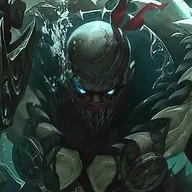
Pyke is hard for Yuumi because he doesn’t let you play the “poke + sustain” rhythm. He looks for explosive picks, then converts any lead into real kills through execute. Your heals shine versus gradual chip, but they’re far weaker into burst + chained CC where the ADC dies before your value stacks.
Lane impact
In lane, Pyke can alternate pressure and disappearing: if he leaves, you can’t follow effectively and must rely on pings/vision. Bot, one positioning mistake by your ADC gets punished instantly—dash, hook, stun, and your carry gets finished. Midgame, he punishes teams that group around objectives without vision.
How to play
Positioning: keep minions between Pyke and your ADC and avoid playing in the open when his cooldowns are up. Key timing: even pre-5, respect all-in; post-5, treat low-HP fights as a red zone because of his ult—favor resets and tempo over “healing through it.” Decision-making: if Pyke roams, don’t chase—push wave, place a deep ward, then reset so you don’t get hooked during rotations.
Why
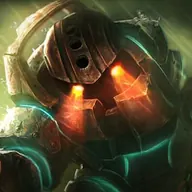
Nautilus is hard into Yuumi because he has layered engage that doesn’t require heavy outplay: hook, root, targeted ult. Your kit shines when you can “set up” trades, but Nautilus forces you into purely reactive defense on every window. And since you don’t have an instant knockback-style peel, you must endure the full engage chain.
Lane impact
In lane, he can force all-ins even without perfect wave states, especially when your ADC must step up to last-hit. If one hook lands, the sequence is almost automatic and your spells become “catch-up” tools rather than proactive advantage. Midgame, his ult makes dragon fights easy to execute: press R, your carry is tagged, and you’re forced to save instead of attack.
How to play
Wave management: keep the wave closer to your side to reduce hook angles and avoid unwarded brushes. Key timing: when Nautilus R is up (often around first objectives), play more front-to-back and commit to a survival-first plan—if the target is marked, your job is to live and break follow-up, not keep walking forward. Decision-making: if your ADC has no flash, slow lane tempo and concede a few CS rather than gifting an engage window.
Why
Leona is hard because she punishes what Yuumi often enables: a bot lane that stays “attached” and plays passively. Leona doesn’t want fair trades—she wants a window, then stacks CC. Against that, your heals come too late if the ADC gets locked down.
Lane impact
In lane, if your ADC doesn’t control the wave, Leona can engage from brush or on a last-hit and you lose the exchange from the first second. Even when you survive, you end up low, lose prio, and then surrender dragon setup. In fights, she can “deliver” a target to her team; your kit doesn’t stop the initial contact.
How to play
Positioning and vision: never give Leona a free brush and manage wave to reduce E angles. Key timing: respect level 2 and level 5 (ult) as kill spikes—be willing to reset rather than “heal through” too long. Decision-making: if your ADC has no dash/flash, your lane plan is to absorb and wait for allied ganks, not to force trades.
Why
Morgana is hard because she attacks two axes: she punishes your ADC with binding on any misstep, and she breaks your strongest teamfight moments with Black Shield. Yuumi often wants an ult that locks a zone so your team follows; Morgana can make the key target “untouchable” at the critical moment, killing the value of your commit.
Lane impact
In lane, one landed Q often forces summoners or a recall because you can’t reposition the target—you must eat the full root duration. Even if you heal/shield, you lose the wave and prio. Midgame, Morgana makes your picks unreliable: you can ult, but the enemy won’t panic if the magic shield is timed well.
How to play
Positioning: play behind minions and avoid diagonal angles where Q slips through the wave. Key timing: track Black Shield cooldown before committing R—if it’s up, use ult more for zoning/slow than for a hard force. Decision-making: under pressure, embrace “farm + reset” and invest in vision so you don’t get caught rotating to dragon.
Why
Thresh is unfavorable because he has too many ways to create picks without committing like a pure engager. He can threaten hook, punish a step forward, and reposition the target with flay in ways that desync your shield/heal timing. Into Yuumi, he also loves “flash tax”: you survive once, but you lose resources and lane turns into a tunnel.
Lane impact
In lane, you must respect his zones: brush, lane corners, and hook lines around minions. If your ADC gets caught, follow-up depends on lantern and jungle—you don’t control the exit distance. Midgame, Thresh makes every rotation risky: a hook onto the host often equals a kill.
How to play
Positioning: keep your lane pathing simple and avoid wall-adjacent turns where flay + hook are easier. Key timing: from level 5, prioritize river vision because Thresh thrives on off-lane angles. Decision-making: if you’ve lost flash/heal, slow down, accept farming under tower, and reset on clean timings instead of sitting in hook range.
Why
Rakan is unfavorable because he can engage too fast and too far: rapid entry, chained CC, and he can exit if things go wrong. Yuumi gains value by smoothing and extending fights; Rakan wants instant impact on an isolated target, shrinking your reaction window.
Lane impact
In lane, he threatens the moments your ADC must step up: dash + knock-up and you’re instantly in “save mode.” Since Rakan can reset back to his ADC, punishing his engage is rarely clean without help. In teamfights, his charm-speed entry forces more defensive ults—you use R to survive rather than to claim space.
How to play
Positioning: play tighter around your wave and respect anti-flash engage distance when Rakan has ult. Key timing: level 5 is a major spike for him, so avoid chaotic river fights then—prioritize vision setup and arriving first. Decision-making: if Rakan roams, ping and push; don’t follow blind—take tempo (wave + plate + reset) while he hunts picks.
Why
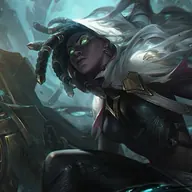
Senna is unfavorable because she can play you at range while scaling, and your answers are limited: you can’t threaten her directly, and your ADC must tank constant autos/Q chip. Yuumi likes slow lanes where sustain makes the difference; Senna creates steady attrition that also wins prio.
Lane impact
In lane, you can get pinned under tower with no way to contest the wave, making dragon setup harder. If your ADC tries to trade, they expose themselves to roots/peel, and you can’t “flip” exchanges without jungle commitment. The longer lane lasts, the more Senna stacks range and the rarer your windows become.
How to play
Wave plan: sometimes concede prio and focus on clean resets so you don’t get bled out forever. Key timing: aim for an efficient first recall (utility/heal) before Senna snowballs on items/souls; after that, play around objectives with vision, because you generate more value in structured teamfights than in a poke duel. Decision-making: if lane is unplayable, call for a clear gank timing on an overextended wave instead of “suffering without a plan.”
Why
Karma is unfavorable because she wins lane on tempo: strong poke, speed shields, and the ability to force trades on her terms. Yuumi prefers to answer and stabilize; Karma pressures you before your value stacks and makes your ADC vulnerable to an all-in after chip.
Lane impact
In lane, you often lose prio, meaning less control over brushes and river. Karma can also shield her ADC to take plates while you’re stuck healing. Midgame, her shields/speeds can prevent your ult from “sticking”—the enemy exits your zone and your R becomes a mediocre slow.
How to play
Positioning: minimize poke lines (stay behind minions, avoid open corridors). Key timing: track her Mantra—after she uses it, you get a brief window to breathe and take a fairer trade. Decision-making: if Karma owns prio, don’t facecheck river—reset, return with vision, and play objectives by arriving first instead of chasing late.
Why
Seraphine is unfavorable because she brings area-based value: waveclear, AoE poke, and multi-target CC. Yuumi excels at amplifying one target, but when fights are decided by AoE, you lose part of your edge. Seraphine also plays far back and forces you to defend without offering a clean target.
Lane impact
In lane, she can clear waves and take prio, making your vision/roam timings harder. If your ADC gets slowed/CC’d, you spend resources repairing instead of threatening. In teamfights, her ult can flip a fight even after you stabilized because it travels through frontline into your backline.
How to play
Plan: avoid straight-line fights where her ult is perfect and take wider angles around objectives. Key timing: track her R—if it’s up, position so it can’t pass through three people at once. Decision-making: if lane turns into wave war, play defensively, take clean resets, and win via objectives where your amplification on a fed carry can outpace her AoE value.
Why
Lulu is a skill matchup because you both play a similar game (amplify a carry) with different tools: Lulu has instant control (polymorph) and a big anti-burst button (R), while Yuumi has constant attached presence and a zoning ult. The edge depends on who sets tempo and which carry becomes the real threat.
Lane impact
In lane, it often becomes an attrition war: small trades, shields, and timing windows when someone lacks spells. If Lulu holds polymorph to punish your ADC stepping up, you can lose prio. Midgame, fights hinge on engages: with clean initiation, your R zoning is huge; if the enemy dives your carry, Lulu can completely disrupt your plan.
How to play
Read the game: if your carry is the win condition, play protection and use ult to cut access (zoning) rather than chasing. Key timing: track Lulu polymorph and ult—once either is spent, you can call a fight or force an objective. Decision-making: commit to one plan (peel or chase) and don’t mix, or Lulu will punish you on tempo.
Why
Janna is skill because she can break your best moment (Yuumi ult zone lock) with disengage, yet she often lacks direct kill threat in lane. If you create a structured fight where enemies must stay, your R shines; if Janna times her tools well, your ult won’t convert into kills.
Lane impact
In lane, Janna can reduce your punishment: she shields, pokes, then backs off. You can still win over time if your ADC trades well, but you must accept kill pressure is low. Midgame, she’s excellent at protecting a carry from the engage your team wants to force.
How to play
Fight plan: bait out Janna’s tools first, then re-engage when she’s down. Key timing: watch objective rotations—Janna arriving first with vision makes initiation very hard. Decision-making: if she’s full disengage, play the objective more than the kill—your job becomes holding space and denying entry rather than chasing.
Why
Nami is skill because she has clean catch windows (bubble) and strong fight control (R), yet she’s punishable when she wastes cooldowns. Yuumi can stabilize trades, but if your ADC gets bubbled at the wrong time, you don’t have an instant button to erase the mistake.
Lane impact
In lane, exchanges often hinge on one spell: bubble hits = you lose the trade; bubble misses = you can breathe and reclaim space. Nami can also empower her ADC for a short all-in that outpaces your sustain. In teamfights, her ult can start fights before you establish zoning.
How to play
Positioning: move irregularly when detached and avoid predictable lines along the wave edge. Key timing: track bubble usage—if she just missed, you can call an aggressive window (dragon, trade, ward). Decision-making: if Nami is holding R, play slower entries and prioritize vision/zone control over a front-to-back forced engage.
Why
Lux is skill because the matchup is heavily about lane discipline: if you respect bindings, her poke is manageable and your sustain gains value; if you offer an angle, she can swing tempo with one catch and force recalls. Yuumi dislikes long-catch supports, but Lux lacks the reliable tank engage, so you do have answers.
Lane impact
In lane, the wave is your shield: more minions makes it harder for Lux to land a clean root. The danger appears when the wave is thin or your ADC steps up for an isolated last-hit—then Lux gets the perfect trade. Midgame, Lux can also pick in river; getting caught during rotations loses the objective before the fight starts.
How to play
Wave discipline: keep a thick wave between Lux and your duo and avoid side micro-paths that open a binding “through” the wave. Key timing: once Lux has ult, respect low-HP fights because a laser can finish a target you thought you saved. Decision-making: if you lack prio, don’t facecheck—ping, ward safely, then back off and reset rather than gifting a free pick.
Why
Soraka is often favorable for Yuumi because you play the same concept (sustain) but with superior safety and flexibility: while attached you reduce pick risk, and you can later move your value onto the most fed carry. Soraka must position and can be punished when she steps up for Q/heals.
Lane impact
In lane, if you avoid silly all-ins, you can slowly win the resource war: Soraka spends a lot to keep lanes stable, and if she misses Q, she drains out. You can also take repeated small trades that make her lane uncomfortable. Midgame, your R can control objective space better, while Soraka prefers a more spread fight.

How to play
Plan: play calm tempo, light repeated poke, and force Soraka to choose between self-sustain or saving her ADC. Key timing: around first dragon, your R zoning can deny Soraka safe positioning behind frontline. Decision-making: if another teammate is the real win condition (mid/jungle), swap hosts after first recall—Soraka loses value if you shift the fight to another map point.
Why
Sona is generally favorable because her early lane is fragile and she has few ways to punish Yuumi directly. You can tax tempo: she wants to scale quietly, but with steady chip and good ADC trading, Sona gets low and loses freedom to poke.
Lane impact
In lane, she struggles to force all-ins without an engage partner. With disciplined wave play, you can keep your ADC healthy and deny Sona free prio. Midgame, Sona’s aura scaling is strong, but you also scale well and can more easily “amplify the best player” on your team.
How to play
Don’t overcommit: your win condition is incremental advantage, not forced dives. Key timing: punish Sona’s bad resets (staying with low mana/HP) and use ult around objectives to cut her approach. Decision-making: if she’s holding ult, respect it in teamfights, but remember your edge is tempo control and survival, not burst.
Why
Braum is often favorable because his lane pressure is more “honest”: he protects well but engages less reliably than Nautilus/Leona and depends heavily on his ADC to threaten kills. Yuumi enjoys lanes where no one forces instant all-ins—you can scale, keep your ADC stable, and prepare midgame.
Lane impact
In lane, Braum can dampen trades, but he struggles to create kills without your big mistakes. With proper wave play, you can take clean recalls and arrive to objectives on time. In teamfights, Braum protects a carry well, but you can attach to the most relevant carry and play fights through R zoning.
How to play
Stay disciplined: don’t give free passive stacks by detaching in bad spots. Key timing: around level 5, respect his ult, but remember his plan is mostly defensive—you decide when to accelerate. Decision-making: if Braum is locked bot, keep your ADC healthy and shift your presence onto an aggressive jungler/mid around dragon.
Why
Alistar can be favorable in many drafts because his engage is more readable and more commit-heavy: if he misses, he often ends up in your team without enough damage to finish. Yuumi likes punishing predictable engages—you can stabilize your ADC after the entry, then turn it into a longer fight where sustain wins.
Lane impact
In lane, the real threat is flash combo; without flash, Alistar struggles to surprise you if you manage wave well. If he engages into a big wave, he also takes free damage. Midgame, Alistar wants to start fights for his team, but if you read the entry, you can hold R to cut follow-up and break the chain.
How to play
Summoner tracking: be precise about Alistar flash cooldown and play more assertively during that window. Key timing: around first dragon, if he has flash, respect the engage; if he doesn’t, you can stand higher and claim vision. Decision-making: if Alistar engages alone, don’t panic-back too early—stabilize, then counter once his kit is spent and he has no exit.