Seraphine Counters
Why
Blitzcrank is a hard counter to support Seraphine because he turns your lane into a brutal equation: one clean hook can erase your whole poke/tempo/sustain plan. Seraphine wants time—win through spacing, chip, and layered control. Blitz wants to delete time: a single positioning error becomes a kill, then a snowball.
Lane impact
In lane, you can’t step up for “free” poke: every forward step without minion cover or vision is a hook window. And since Seraphine lacks reliable built-in mobility, you’re tied to spacing and Flash. The lane becomes miserable if Blitz owns the bushes and forces you to play far behind the wave.
How to play
Positioning first: always keep a minion line between you and him, and never allow unwarded bush angles. Key timing: level 2–3 (full combo online) and the pre-first recall window—if your tempo is weak, play safe instead of forcing trades. Decision-wise, if Blitz controls bushes, accept losing a bit of poke and play the wave; your goal isn’t “win lane”, it’s “don’t donate the hook that flips the game.”
Why
Pyke is hard for Seraphine because he combines two things you hate: unseen angles (stealth + mobility) and binary HP punishment (execute). You can control space with spells, but Pyke won’t let you stabilize tempo—he looks for a window, forces a pick, then converts into ult resets.
Lane impact
In lane, you must respect entire zones: river, bushes, roam angles. Even if you poke, Pyke can “pay HP” as long as it buys a hook/stun angle. Midgame, if you’re the first pick target, your team often loses the right to contest vision, which feeds his opportunities even more.
How to play
Positioning: play slightly behind your ADC and keep distance whenever he disappears into fog. Key timing: level 5—once he has R, every “medium” trade becomes lethal because thresholds turn into kills. Decision-wise, if Pyke leaves lane, ping instantly and play slow (don’t push without vision); your best answer is denying snowball by refusing asymmetric fights and grouping earlier around objectives.
Why
Nautilus is hard because he won’t let you “play range” peacefully: his engage is reliable, his threat radius is huge, and his CC turns one positioning error into a winning all-in. Seraphine is strong when she chooses trade timing; Nautilus chooses it for you.
Lane impact
In lane, getting caught once often removes your right to step up for multiple waves, shrinking your poke and wave control. Around early objectives, Nautilus thrives in corridors: you’re forced to cast under pressure instead of placing spells to zone.
How to play
Positioning: keep a safe diagonal (don’t hug walls) to reduce hook angles, and play behind the wave when it’s stable. Key timing: level 3 then level 5—those are the “one mistake = commit” breakpoints. Decision-wise, if Nautilus walks forward in a straight line, don’t answer with greedy poke; back up, hold CC to cut follow-up, and choose a reset (recall) rather than defending a trade that’s already lost.
Why
Leona is hard because she denies your most valuable resource: space. Seraphine wins when she can pre-place spells and punish enemy entry. Leona wants to enter without negotiation, chain CC, and force you to cast reactively instead of proactively.
Lane impact
The danger is repetition: even if you survive one all-in, you lose summoners, lose prio, and then play under constant threat. Midgame, if Leona can flash onto you before you ult, you may lose the right to teamfight cleanly—especially if your ADC lacks peel.
How to play
Positioning: play farther back than you would versus poke supports, and always keep an exit path (don’t get pinned between wave and wall). Key timing: level 5—her engages become far harder to outplay without Flash. Decision-wise, when she signals engage (forward step + angle), don’t try to “win the trade,” try to break the sequence: use CC to interrupt follow-up, back off, and save R for counter-engage after she has already committed.
Why
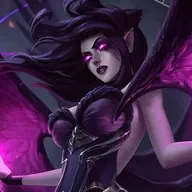
Morgana is hard because she neutralizes one of your most reliable values: converting CC into kills. Your kit wants to chain root/slow/ult to lock targets. Black Shield breaks that logic and forces you to over-invest (more spells, more tempo) for the same outcome.
Lane impact
In lane, a well-timed shield turns your trades into dust: you hit, but you can’t convert. Meanwhile her Q punishes your immobility—one root out of position removes your right to step up for multiple waves. In fights, she can also protect an assassin’s entry, pushing you defensive.
How to play
Positioning: keep enough space to sidestep Q and avoid straight-line river paths. Key timing: track Black Shield usage—once it’s down, you get a real conversion window. Decision-wise, don’t dump R into a fresh shield; bait shield first with a cheaper spell (poke/slow), then engage during the window where conversion is actually possible.
Why
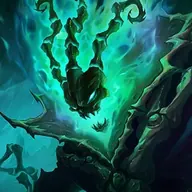
Thresh is unfavorable because he has more options than you within the same exchange: hook, flay, ult, lantern. Seraphine controls space, but Thresh forces you to play two layers at once: avoid the pick while respecting his ability to save the target you thought you locked.
Lane impact
In lane, a hook isn’t only kill threat—it’s tempo loss: you back up, lose wave control, and your poke loses room. Later, even when you land a good R, lantern can massively reduce conversion: the target exits, enemy buys time, and your “moment” evaporates.
How to play
Positioning: don’t stand where flay + hook overlap (keep a side angle, not straight in front). Key timing: track lantern—once it’s used for reposition, you get a real window to hard engage because the reset button is gone. Decision-wise, if Thresh is holding lantern, prioritize zoning value (ult to split fights) over pure picks; owning objective space can be worth more than tunneling one target.
Why
Alistar is unfavorable because he breaks your casting rhythm. Seraphine wants tempo: poke, slow, control, then ult at the right moment. Alistar wants impact: he interrupts, displaces, and forces you to cast in panic or too early.
Lane impact
In lane, he doesn’t need gradual wins—he waits for flash combo timing or a headbutt angle, then puts you in a spot where you can’t protect your ADC. Midgame, his ult makes your damage low-value on him, so if you auto-focus him, you often lose the fight while his team plays freely.
How to play
Positioning: keep enough distance that flash combo isn’t a free button, and maintain separation from your ADC (don’t stack). Key timing: when he has Flash + level 5—treat that window as constant danger. Decision-wise, if Alistar engages, the plan isn’t to kill him; it’s to survive the first shock, then punish his carries after he has spent his combo.
Why
Karma is unfavorable because she plays lane tempo better than you: strong poke, shields, speed, and she turns even trades into winning trades through movement. Seraphine likes slow, readable fights. Karma speeds everything up, reducing your ability to calmly set zoning.
Lane impact
In lane, you can lose prio and get pinned under tower, shrinking poke windows. On early rotations, Karma can also move with her jungler faster (movespeed) to secure vision advantages, making objectives harder for you.
How to play
Positioning: play behind your wave and minimize isolated trades because she often wins micro-rotations. Key timing: track her Mantra—when it’s used for shield/poke, you get a small window where lane pressure drops. Decision-wise, if you don’t have prio, don’t force dragon; secure vision earlier, then look for counter-engage fights where your R matters more than lane poke.
Why
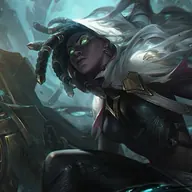
Senna is unfavorable because she can play at a range where your spells become expensive: you often must step up to truly threaten her, and that’s exactly what she wants to chip you. The longer lane lasts, the more her range/value grows, while you become more of a teamfight engine than a lane bully.
Lane impact
In lane, she pokes while staying relatively safe, and her hybrid harass/sustain makes trades messy. If you get worn down, you lose prio and arrive to objectives already chunked, which reduces your ult threat (you can’t afford front positioning).
How to play
Positioning: play angles instead of straight lines—threaten side space with spells so she can’t free-hit. Key timing: early recalls—if you reset without losing a big wave, you return with enough mana/tempo to reclaim space. Decision-wise, look for coordinated jungle engagements rather than pure 2v2 trades; Senna hates being forced to spend peel/mobility early because it removes her poke freedom.
Why
Nami is unfavorable because she answers your poke well: she has sustain and, more importantly, a punishment tool versus your relative immobility (bubble). Seraphine loves casting from stable positions. Nami forces constant movement—stand still and you eat bubble, flipping the trade.
Lane impact
In lane, small trades you’d normally win become neutral or losing because she heals and slows down your advantage. In skirmishes, if you get bubbled before you R, you often lose the perfect timing and your teamfight becomes sloppy.
How to play
Positioning: don’t stay planted after casting—build a habit of micro-stepping to break bubble timings. Key timing: level 5—her ult can also disrupt your cast line, so avoid clumped engages. Decision-wise, if Nami is holding bubble, lean into wave + poke trades instead of all-ins; your goal is long-term wear and forcing a reset, not donating a free stun.
Why
Lulu is a skill matchup because everything is timing: if she polymorphs the right target at the right moment, she breaks your engage and chain control. But if you force her cooldowns early or engage from an angle she can’t fully cover, your ult can win the fight instantly.
Lane impact
In lane, she may not have the raw threat of hard engage, but she makes conversion difficult: shields, speed, and a hard “no” tool that denies all-ins. Midgame becomes target-selection chess: can you hit multiple people with R without getting neutralized?
How to play
Positioning: look for ult angles that hit backline + frontline without walking directly into Lulu’s zone. Key timing: bait polymorph with a fake threat (a step up, a poke spell) before committing ult. Decision-wise, if Lulu holds everything to save carry, play the split-fight version: ult to disperse and secure objective space, then win through control rather than instant kills.
Why
Janna is skill because she can delete a huge chunk of your ult value if you go too early: knockback, peel, fight reset. But if you wait for the right moment, Seraphine can out-weight Janna in extended teamfights thanks to multi-CC and AoE follow-up.
Lane impact
In lane, it’s often prio and mana war: you poke, she shields and avoids all-in. The real matchup shows midgame: do you cast R after she has used a disengage tool, or do you get reset every time?
How to play
Positioning: avoid front-on engages; use diagonals that force Janna to choose which side to peel. Key timing: wait for tornado/ult/peel usage before committing R—otherwise you’re fighting her best tool. Decision-wise, if Janna holds everything to defend, turn the objective into a siege: poke, take vision, force reposition, then ult once the enemy formation is already messy.
Why
Rakan is skill because he can bait your control timing. Fast ins/outs, feints, re-entries—he wants you to burn spells before the real engage. But if he truly commits, Seraphine has what he hates: AoE control that can prevent a clean exit.
Lane impact
In lane, his engages are most dangerous when you lack vision or when the wave is advanced: he can go in, force you back, then leave with minimal cost. In teamfights, if you hit him as he crosses the team, you can turn the playmaker into a target and win off one strong R.
How to play
Positioning: keep a distance where his dash doesn’t instantly place you inside charm range, and hold CC for real commit. Key timing: level 5—his engage becomes far more explosive, so don’t be stingy with spells. Decision-wise, if Rakan goes in and out, don’t chase; punish the window where his tools are down by advancing vision and forcing the objective while his kit is on cooldown.
Why
Braum is skill because he can reduce value of certain sequences (block, protect), but he also has an exploitable weakness: he struggles into lanes that manage distance and wave well. Seraphine can punish that with disciplined spacing, but must avoid gifting melee trades where his passive becomes oppressive.
Lane impact
In lane, Braum wants to proc passive with his ADC and force you back. If you get tagged without response, you lose space. But if you hold distance and poke around his shield, he struggles to create the trade he wants, especially when the wave favors you.
How to play
Positioning: use diagonals and slightly change axis to play around his shield instead of firing everything straight. Key timing: when his shield is down—that’s your real poke/prio window. Decision-wise, if Braum steps up to stack passive, back up just enough to break the 4th stack, then reclaim space; beating him is often micro-positioning, not burst.
Why
Sona is favorable because she has limited ways to punish you early, and you can dictate lane tempo. Seraphine’s range plus wave/poke pressure can deny Sona “free” scaling. In teamfights, your ult often provides a stronger fight trigger than hers when it comes to creating an opening.
Lane impact
In lane, you can usually secure prio and keep Sona behind her wave, limiting her stacking and trading. If you consistently tag her, she spends resources on survival instead of accelerating scaling. Midgame she becomes strong, but she remains vulnerable to clean engages.
How to play
Positioning: maintain pressure without overexposing—you don’t need dives, just control. Key timing: before her level 5 and before her first sustain items—this is when your poke matters most. Decision-wise, if you have prio, convert it into vision/dragon rather than forcing a risky kill; the best conversion is often an objective secured while lane stays pressured.
Why
Yuumi is favorable because her lane presence depends heavily on her ADC’s freedom, and Seraphine can control that freedom through prio and zoning. You can push, poke, and force Yuumi into a backwards 2v2 where she heals instead of pressuring. And if Yuumi ever detaches for patterns, your control can punish it.
Lane impact
With prio, you limit the windows where Yuumi can safely detach, reducing her ability to create winning trades and preventing infinite sustain lanes. Midgame, your strength is structured zoning teamfights; Yuumi prefers chaotic fights around one hypercarry, while you can impose a zone fight.
How to play
Positioning: play in front of the wave, not behind it, so Yuumi has no safe detach pocket. Key timing: before the Yuumi ADC’s first major item—your poke/prio value is highest then. Decision-wise, if Yuumi leaves bot to attach elsewhere, punish instantly with objectives (dragon/vision) rather than chasing fog; you win by locking the map.
Why
Soraka is favorable because you can turn the matchup into what she hates: forced fights on a precise timing instead of an endless stretched lane. Seraphine has wave control and an ult that can start decisive exchanges. Soraka excels at repairing mistakes over time; she’s less comfortable when you impose a clean CC-driven fight.
Lane impact
In lane, proper pushing can limit her Q sustain windows and force her to heal “inefficiently” while the wave crashes. If you land control on her or her ADC, you can create a trade where healing isn’t enough because the target is immobilized and bursted during the window.
How to play
Positioning: aim pressure at Soraka herself, not only the ADC, because she lacks real mobility. Key timing: level 5 and dragon timing—group fights are often more profitable than living in a sustain lane. Decision-wise, if Soraka holds lane, don’t tunnel; convert prio into vision/objective and save R for a fight where she can’t heal everyone at once.

Why
Ashe support is often favorable because she brings utility, but she remains fragile and relatively immobile in extended exchanges. Seraphine can control wave, apply poke pressure with less risk, and punish Ashe whenever she must step up to auto/volley.

Lane impact
In lane, Ashe wants a slow-based harass rhythm. If you keep distance and play around the wave, you reduce her impact and force her into danger to connect. Midgame, her ult is pick; yours is teamfight—often you get to choose the better combat window.
How to play
Positioning: stay out of easy engage range after volley (don’t stand in a simple arrow line). Key timing: level 5—respect arrow, but don’t let her dictate tempo: group when she’s looking for picks. Decision-wise, if Ashe misses arrow, that’s your go signal: advance vision, force an objective, and use your R to lock the enemy entry while her best tool is on cooldown.