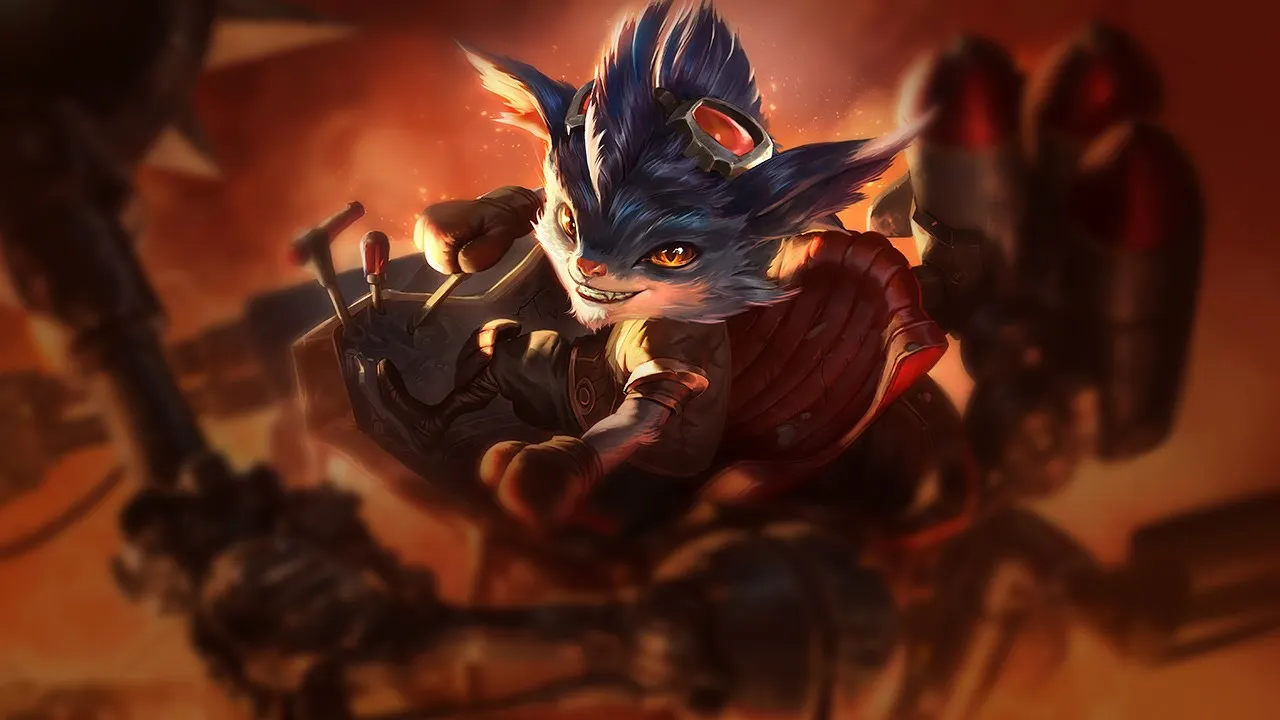
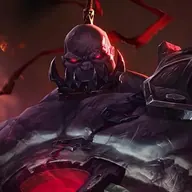
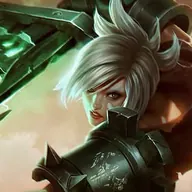
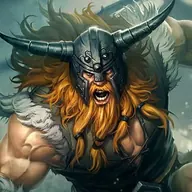
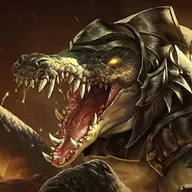
Rumble Counters
Why
Olaf is hard into Rumble because he can force a front-to-front duel when you want to control space. If you overcommit into Overheat, he chases and wins extended fights. Even when you try to kite, he has tools to stick.
Lane impact
In lane, he punishes you if you spend spells to push without keeping an exit. Bad wave timing traps you in a long lane where you can’t reset safely. In fights, he runs through your zone and forces you defensive.
How to play
Keep trades short and hold shield for his real commit. Poke while he last-hits, then back off before he can run you down. Without jungler info, don’t overpush—Olaf thrives in long lanes.
Why
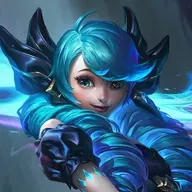
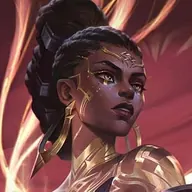
Gwen is hard because she loves extended fights—exactly where Rumble loses value after first rotation. You rely on burst + zone; she answers with sustain and damage that cuts through defenses. The longer it goes, the worse it gets.
Lane impact
You can annoy her early, but once levels/items come in, your all-ins get risky. Her zone can disrupt clean entries and force you back. Midgame, she often wins side duels if you’re not ahead.
How to play
Don’t turn lane into a long duel: poke, short trade, reset. Manage wave to avoid long chases. If she splits, go cross-map—grouped objectives where your ult matters more.
Why
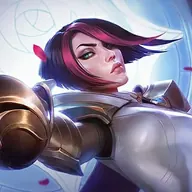
Fiora is hard because she can absorb/flip your burst and then win through true-damage duels. Rumble wants clean controlled trades; Fiora wants timing control. Miss a window and she punishes hard.
Lane impact
In lane, she can turn it into a mindgame—commit without a plan and you lose tempo. Mid/late, she drags you into side answers, reducing your objective presence. The later it goes, the worse the pressure.
How to play
Play poke + spacing and avoid gifting free all-ins. Save shield to blunt her trade-back and disengage early. If she splits, accelerate the opposite side instead of forcing a losing 1v1.
Why
Top Vayne is hard because she plays range and punishes your entry. Even if you connect, Condemn breaks your angle and you lose tempo. True damage makes every trade harder over time.
Lane impact
Lane becomes CS vs HP pressure. Overpush and she kites you down the long lane with no reset. In fights, she remains a threat if you can’t zone her. In practice it impacts wave priority, reset timing, and river/objective access. A single tempo mistake can lose initiative for the next sequence.
How to play
Keep wave near + control bushes to cut vision and kite angles. Commit only on real mistakes (Condemn down, overextend). Otherwise play gank setup and objectives—Rumble wins better in 5v5 than in chase.
Why
Jayce is hard because he controls distance and has a clean answer to your entry: knockback + reset. Rumble wants a stick window to burn; Jayce wants to chip you before you ever arrive. Lose prio and you lose lane tempo.
Lane impact
You get chipped on last-hits and lose reset timings. Engage too early and he knocks you back then repokes. Pre-objective, his poke can also reduce your ability to find a good ult.
How to play
Freeze when possible and don’t enter without a real angle. Track cooldowns—after knockback you get a small window. Otherwise, play map tempo: clean reset then move to herald/river.
Why
Kennen is hard because he keeps you out of range while holding stun threat. Your trade plan is sticking; he taxes every step forward. Force it and you may get stunned at the worst timing.
Lane impact
You can lose HP without ever getting a real trade. With bad wave placement, you get chipped into repeated retreats. In fights, Kennen also punishes clumps, complicating your ult setups.
How to play
Keep wave near and be patient: don’t overexpose for one CS. Look for windows after he use E or flash. If nothing opens, play the map and leverage your ult at objectives.
Why
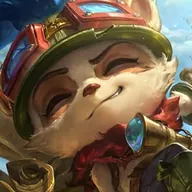
Teemo is hard because he forces you to walk through poison, then turns your chase into a trap with shrooms. You can threaten him, but he wins on attrition and pathing mistakes. Chase without info and you get punished.
Lane impact
He chips you and ruins recall timings. After level 5, every bush/corridor can be dangerous. Midgame, he also slows rotations to objectives. In practice it impacts wave priority, reset timing, and river/objective access. A single tempo mistake can lose initiative for the next sequence.
How to play
Don’t chase on vibes: manage wave, take a short trade, then reset. Control bushes and invest in vision. You win by forcing him defensive, not by sprinting into fog.
Why
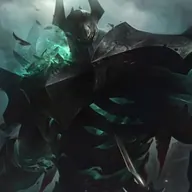
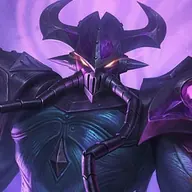
Mordekaiser is hard because he can force an extended duel where your kit loses value after first rotation. If isolated, you can’t play zone control for your team. Overheat at the wrong time and you’re stuck inside his DPS.
Lane impact
He can wear you down and force bad recalls, breaking timings. In fights, his isolation at objectives can remove you at the key moment. Your ult becomes harder to place under isolation threat.
How to play
Don’t gift long duels: poke, disengage, hold shield for real entries. At objectives, position so your team can survive if you get isolated. Often your job is winning the fight before the realm—or zoning after.
Why
Sett is hard because he wants the same thing you do: contact. But he can flip trades with W true damage exactly when you think you win. Stick too long and you’re playing his game.
Lane impact
A bad wave trade can turn disastrous. In fights, he can also open angles by ulting frontline, forcing you to reposition your ult rather than freely commit. In practice it impacts wave priority, reset timing, and river/objective access. A single tempo mistake can lose initiative for the next sequence.
How to play
Respect grit: if it’s high, back off before W. Play hit-and-fade—burn, shield, then exit. Keep a peel plan if Sett looks for carry angles. Recommended plan: shorter trades, confirm key cooldowns before committing, then convert into prio/vision instead of forcing low-odds all-ins.
Why
Darius is hard because he can force you to stay in the trade while you want short rotation then reset. Pull + stacks punish your entry if you lack an exit. Overheat also reduces your reposition control.
Lane impact
One bad step can cost flash or death. He can deny wave when you’re low, killing your map timings. Midgame, he punishes messy fights where you enter with no follow-up.
How to play
Play around pull: spacing, wave, and don’t commit without a clean exit. Trade one rotation then back off. If no window, play stable + jungler rather than flipping.
Why
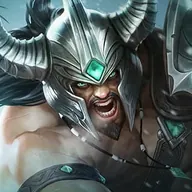
Tryndamere is hard because he doesn’t respect your kill plan: even if you burst him, ult refuses death and forces a timing game. Stay and risk getting turned; leave and you lose conversion. He also thrives in long lanes.
Lane impact
He can take risky trades knowing he has a safety net. Midgame he threatens side lanes and forces you to choose between defending and grouping. If you lack tempo, he drags you around.
How to play
Play around his ult: force it, back off, then reclaim space after. Don’t chase deep without vision. Save your ult for objective zones where he can’t simply split and exit.
Why
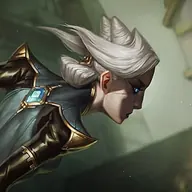
Camille is unfavorable if you let her choose timings: Q2 true damage and mobility punish imprecise entries. You can zone her, but she can also take a clean trade then reset. She often plays long lanes better than you.
Lane impact
Blocking Hookshot gives you tempo; missing the read costs a lot. Midgame, she threatens picks and side pressure, forcing you to keep resources to answer. In practice it impacts wave priority, reset timing, and river/objective access. A single tempo mistake can lose initiative for the next sequence.
How to play
Track Hookshot: if it’s down, you can step up. Otherwise hold shield to blunt her trade-back and disengage early. Macro-wise, your objective ult is worth more than chasing her side.
Why
Riven is unfavorable when played clean: she can dodge part of your DPS and punish when your cooldowns are down. Poor Heat management leaves you Overheating at the wrong time. She also loves multi-step trades.
Lane impact
She can bait your shield then re-enter. If you overpush, she gets more lane to chase. Midgame, she finds flanks and can force defensive ults. In practice it impacts wave priority, reset timing, and river/objective access. A single tempo mistake can lose initiative for the next sequence.
How to play
Don’t play one-track: manage wave and hold shield for her real entry. Zone her on last-hits, but don’t chase if you lose E trajectory. If she looks for flank, save ult to cut access to your backline.
Why
Irelia is unfavorable in big waves: too many dashes let her dodge your damage line. Miss timing and she sticks, turning it into an extended duel. Rumble hates chasing reset-based champs.
Lane impact
A big wave gives her initiative even if you’re stronger on paper. Midgame, she can backline-chaos if your zone isn’t pre-placed. She punishes messy fights. In practice it impacts wave priority, reset timing, and river/objective access. A single tempo mistake can lose initiative for the next sequence.
How to play
Thin the wave to reduce low-HP dash targets. Don’t commit when she has obvious reset paths. In fights, place ult first to cut her route, then take the fight on your terrain.
Why
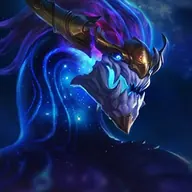
Aatrox is unfavorable without a lead: he trades at range, heals, and can survive your first rotation. If burst doesn’t kill, he often wins the next exchange. He also punishes you hard if you stand inside his Q zones.
Lane impact
He can take prio and force bad recalls. Midgame he loves extended river/jungle skirmishes. If you Overheat, you lose control and get caught. In practice it impacts wave priority, reset timing, and river/objective access. A single tempo mistake can lose initiative for the next sequence.
How to play
Respect his zones—don’t stand in the center of Q. Take a short trade, back off, then re-enter when he misses a rotation. If you can’t kill, play map tempo and save ult for objective fights.
Why
Jax is unfavorable because he chooses when to stick and he loves extended duels. Even if you burn him, if he survives your rotation, he often wins over time. The later it goes, the harder it gets.
Lane impact
Overpush and he gets a long chase lane. Midgame he becomes a real side threat that forces answers. Chasing him everywhere costs objective tempo. In practice it impacts wave priority, reset timing, and river/objective access. A single tempo mistake can lose initiative for the next sequence.
How to play
Refuse long duels: poke, disengage, don’t chase. Keep wave closer and make him expose if he wants to enter. If he splits, cross-map and play ult on objectives instead of feeding his 1v1.
Why
Darius is unfavorable when he can keep you in range: pull + stacks beat your short-trade logic. Your kit wants zoning; he wants to prevent exits. Overheat at the wrong timing and you lose control.
Lane impact
One misstep can cost a lot and lose prio. Midgame he punishes unstructured fights where you enter with no plan. He also loves tight corridors if you haven’t pre-placed ult.
How to play
Spacing—don’t commit while pull is up. Trade one rotation then back off even if you feel you can chase. At objectives, place ult to cut his path before he reaches your backline.
Why
Renekton is unfavorable because he wins early short trades and forces you to play back. Stun + burst breaks your tempo before you scale into stability. Lose early tempo and lane becomes rough.
Lane impact
He can deny wave when you’re low and mess up your resets. Midgame he punishes unsupported entries. It’s a matchup where mistakes cost fast. In practice it impacts wave priority, reset timing, and river/objective access. A single tempo mistake can lose initiative for the next sequence.
How to play
Don’t force front-to-front early: poke, shield, back off. Manage wave to avoid being far up without vision. Your value spikes at objectives—arrive with ult ready rather than flipping lane.
Why
Shen is unfavorable because he can break your trade and then win the game elsewhere. Your rotation may be fine, but a well-timed taunt kills your reset. Even if lane is stable, his global ult can outvalue you on map.
Lane impact
He can play safe and deny kills, especially if he holds taunt. Midgame you can lose objectives if you don’t anticipate his ult/roams. It becomes a macro test. In practice it impacts wave priority, reset timing, and river/objective access. A single tempo mistake can lose initiative for the next sequence.
How to play
Don’t play only for kills: play for prio and timings. Push clean, reset fast, and keep ult ready to answer moves. If Shen ults, punish instantly cross-map (plate, tower, objective).
Why
Malphite is unfavorable because he chooses when the fight starts, reducing your ult placement freedom. Even if you poke him, he can wait then engage. You may end up ulting to survive instead of to win.
Lane impact
He can hold lane and stack defense. Midgame his R onto carries is fight-defining, and you must be ready to answer. If you don’t anticipate, the fight is lost before you play.
How to play
Be more patient: save ult to cut the team after his engage or to protect your backline. Don’t waste cooldowns on a tank you can’t kill. Plan: control objective zones, not chase Malphite.
Why
Ornn is unfavorable if you don’t build a lead because he can hold lane and bring massive teamfight value. Your poke exists, but killing a stable tank is hard. If lane stays neutral, he wins later fights.
Lane impact
He can play safe, waveclear, and force you to push without reward. Midgame, his engages make your ult placement trickier. Your timings must be clean. In practice it impacts wave priority, reset timing, and river/objective access. A single tempo mistake can lose initiative for the next sequence.
How to play
Play for prio and resets: tempo lead, not necessarily kills. At objectives, place ult to cut backline or Ornn’s entry zone. If you can’t kill him, ignore him and play space.
Why
Diana is skill because everything hinges on the first engage: clean all-in can burst you, but if you time shield and burn her during commit, you can flip it. It’s a window matchup.
Lane impact
She looks to force around spikes. If you waste shield to push, you lose safety. Midgame, she likes tight fights where your ult can also be massive. In practice it impacts wave priority, reset timing, and river/objective access. A single tempo mistake can lose initiative for the next sequence.
How to play
Hold shield for her entry, not comfort. Take short trades pre-spike to chunk her. At objectives, place ult to cut her access to your backline. Recommended plan: shorter trades, confirm key cooldowns before committing, then convert into prio/vision instead of forcing low-odds all-ins.
Why
Camille is skill: if she lands a clean Hookshot, she wins the trade. If you force her into your zone, you can burn her and win tempo. Positioning decides everything.
Lane impact
Wave state matters: long lane lets her chase. Midgame she threatens picks, so vision is crucial. A good ult can cut her isolation angle. In practice it impacts wave priority, reset timing, and river/objective access. A single tempo mistake can lose initiative for the next sequence.
How to play
Play around your wave and don’t give free walls for Hookshot. Hold shield for real commit. Place ult to close her exit, not just for damage. Recommended plan: shorter trades, confirm key cooldowns before committing, then convert into prio/vision instead of forcing low-odds all-ins.
Why
Irelia is skill because wave state dictates her options: with resets she dodges DPS and sticks; with thin wave you can burn her before she exits. Your job is terrain control.
Lane impact
You win by thinning wave; otherwise you suffer. Midgame she threatens backline if you haven’t pre-zoned. She loves messy fights. In practice it impacts wave priority, reset timing, and river/objective access. A single tempo mistake can lose initiative for the next sequence.
How to play
Thin low-HP minions and refuse fighting into big waves. Pre-place ult to force her to dash through danger. If she enters, burn quickly then disengage. Recommended plan: shorter trades, confirm key cooldowns before committing, then convert into prio/vision instead of forcing low-odds all-ins.
Why
Riven is skill: she can dodge your damage cone, but if she stays too long in your zone she melts. It’s a read matchup—who forces at the right timing. Heat can betray you if you Overheat.
Lane impact
She can bait shield then re-enter. Midgame she looks for flanks: anticipate with vision and ult. Bad chasing gets punished. In practice it impacts wave priority, reset timing, and river/objective access. A single tempo mistake can lose initiative for the next sequence.
How to play
Don’t chase when you lose burn angle—reset and find a new window. Manage wave to limit long all-ins. Save ult to cut flanks rather than for poke. Recommended plan: shorter trades, confirm key cooldowns before committing, then convert into prio/vision instead of forcing low-odds all-ins.
Why
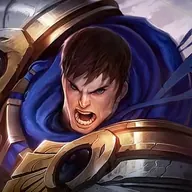
Garen is skill because silence can break your rotation if mistimed. But if you manage shield and burn him while he chases, you can win tempo. It’s discipline: who forces the bad timing.
Lane impact
He wants to run at you when your shield is down. Midgame he looks for quick executes and you must avoid no-vision zones. Your ult can force him back if you cut his path.
How to play
Don’t waste shield—hold it for real step-up. Short trade then reset before silence hits mid-rotation. Place ult like a wall between him and your backline. Recommended plan: shorter trades, confirm key cooldowns before committing, then convert into prio/vision instead of forcing low-odds all-ins.
Why
Jax is skill as long as you can deny extended duels: you can burn him on entry, but if he survives he chases you down. The read is his jump timing vs your shield. Shield too early and he waits then re-enters.
Lane impact
Wave position decides if you can reset. Midgame he splits and tests you side. Often it’s macro more than mechanics. In practice it impacts wave priority, reset timing, and river/objective access. A single tempo mistake can lose initiative for the next sequence.
How to play
Hold shield for real commit, not push. Take a short trade, back off, don’t chase. If he splits, punish cross-map instead of infinite dueling. Recommended plan: shorter trades, confirm key cooldowns before committing, then convert into prio/vision instead of forcing low-odds all-ins.
Why
Jayce is skill if you can bait knockback then re-enter on the window. If he holds cooldowns, you never touch him. Read timings well and you punish hard. This interaction is structural in TOP: Jayce creates response windows that reduce the value of your default pattern when you commit without setup.
Lane impact
You must survive poke without losing too much HP on last-hits. Midgame Jayce plays objectives through poke; you play zone through ult. It’s decided in setup. In practice it impacts wave priority, reset timing, and river/objective access. A single tempo mistake can lose initiative for the next sequence.
How to play
Freeze and play close to your side. Bait knockback with a light commit, disengage, then re-enter. Pre-objective, arrive early for vision and ult prep. Recommended plan: shorter trades, confirm key cooldowns before committing, then convert into prio/vision instead of forcing low-odds all-ins.
Why
Kennen becomes skill if you can create a real catch window. If he holds E, you chase air; if he wastes it, you punish. Key is not engaging into stun timing. This interaction is structural in TOP: Kennen creates response windows that reduce the value of your default pattern when you commit without setup.
Lane impact
Wave near gives you a chance; otherwise you get chipped. Midgame he wants grouped engages; you want to ult before he enters. It’s a placement race. In practice it impacts wave priority, reset timing, and river/objective access. A single tempo mistake can lose initiative for the next sequence.
How to play
Wait for E or flash to be used, then commit. Don’t chase too far if you lose wave. At objectives, ult first to break his entry angle. Recommended plan: shorter trades, confirm key cooldowns before committing, then convert into prio/vision instead of forcing low-odds all-ins.
Why
Malphite is skill because everything revolves around his R: if he surprises you, you lose offensive ult freedom. If you read him and stay out of angle, you can win via zone control. It’s anticipation.
Lane impact
He can hold lane and wait. Midgame, the goal is not giving him perfect engage. Your ult can slice his team if placed after his commit. In practice it impacts wave priority, reset timing, and river/objective access. A single tempo mistake can lose initiative for the next sequence.
How to play
Stay out of R range when vision is missing. Hold shield to absorb initial burst. When he engages, respond with ult that cuts follow-up, not just front. Recommended plan: shorter trades, confirm key cooldowns before committing, then convert into prio/vision instead of forcing low-odds all-ins.
Why
Shen is skill because he wins via timing, not damage: a good taunt can nullify your rotation. If you manage wave and force responses, you can take tempo. It’s a read matchup.
Lane impact
You can push him, but must respect taunt windows. Midgame, anticipate his global ult. Your ult can punish his moves if you zone before he groups enemies. In practice it impacts wave priority, reset timing, and river/objective access. A single tempo mistake can lose initiative for the next sequence.
How to play
Don’t dump all spells into taunt—keep room to reset. Push clean and reset early to not lose map. If Shen ults, punish cross-map instantly. Recommended plan: shorter trades, confirm key cooldowns before committing, then convert into prio/vision instead of forcing low-odds all-ins.
Why
Ornn is skill: you can poke him, but he punishes if you stay too close with CC. If you play spacing, you control; if you hug, you get locked. It’s patience and placement.
Lane impact
You can take prio, but killing Ornn isn’t guaranteed. Midgame it’s mostly objective fights. Your ult can outvalue his if you set up first. In practice it impacts wave priority, reset timing, and river/objective access. A single tempo mistake can lose initiative for the next sequence.
How to play
Poke then back off—don’t sit in CC range. Play for prio and resets, not kills. At objectives, arrive early and place the zone that cuts entry. Recommended plan: shorter trades, confirm key cooldowns before committing, then convert into prio/vision instead of forcing low-odds all-ins.
Why
Yasuo is often favorable for Rumble because he must walk in to get value. When he enters, you burn him inside your zone and can cut his route with ult. He hates fighting through a damage corridor.
Lane impact
Wave control reduces his dash oppression. In fights, you can force front-to-back instead of letting him traverse. Your ult can also separate him from follow-up.
How to play
Don’t fight inside thick waves that give him angles. Wait for commit, punish with constant DPS + separation ult. One good cut often wins tempo. Recommended plan: shorter trades, confirm key cooldowns before committing, then convert into prio/vision instead of forcing low-odds all-ins.
Why
Sion is favorable because you can burn him without chasing—he’s slow and must walk through your zone. Constant DPS and objective ult are brutal for a static frontline. You punish his pathing.
Lane impact
You can take prio and deny comfort. Midgame, a well-placed ult can cut his engages. The more structured the fight, the better for you. In practice it impacts wave priority, reset timing, and river/objective access. A single tempo mistake can lose initiative for the next sequence.
How to play
Poke when he tries to charge, then step back to avoid CC. At objectives, ult his entry route. Don’t tunnel on killing him—cut the team and take space. Recommended plan: shorter trades, confirm key cooldowns before committing, then convert into prio/vision instead of forcing low-odds all-ins.
Why
Garen can be favorable because he’s readable: he must run at you. If you manage shield and spacing, you make him walk through your DPS. You often win through repeated clean trades.
Lane impact
You can chip him and hold prio. The danger is sticking too long and getting executed. In fights, you can also zone him to protect carries. In practice it impacts wave priority, reset timing, and river/objective access. A single tempo mistake can lose initiative for the next sequence.
How to play
Short trade, shield, back off—repeat. Don’t drop low without a plan. Save ult to cut his route when he tries to reach backline. Recommended plan: shorter trades, confirm key cooldowns before committing, then convert into prio/vision instead of forcing low-odds all-ins.
Why
Singed can be favorable because you thrive in chaos: constant DPS and massive zone ult. If he runs through, he takes damage, and his routes are predictable for punishment.
Lane impact
He can proxy and waste your time if you chase mindlessly. But if you push clean and take plates, you win the race. Midgame, your choke ult is strong vs his engages.
How to play
Don’t perma-chase: take wave, take tower, keep tempo. Ult to cut his exit when he tries to go behind. Win via macro, not pursuit. Recommended plan: shorter trades, confirm key cooldowns before committing, then convert into prio/vision instead of forcing low-odds all-ins.
Why
Nasus can be favorable early because you punish every last-hit and deny free stacks. Constant DPS + prio makes lane uncomfortable. He becomes dangerous only if he scales for free.
Lane impact
You can force CS vs HP choices. With wave control, you slow him a lot. Midgame, convert prio into objectives before he’s too tanky. In practice it impacts wave priority, reset timing, and river/objective access. A single tempo mistake can lose initiative for the next sequence.
How to play
Deny stacks: poke, push when safe, take plates. If you don’t get a lead, switch plan: roams/Herald. Accelerate the game while you’re strong. Recommended plan: shorter trades, confirm key cooldowns before committing, then convert into prio/vision instead of forcing low-odds all-ins.
Why
Wukong is often favorable because he must go melee to get value. When he commits, you burn him and your ult can cut follow-up. Without a clean reset, he eats free damage.
Lane impact
You can punish his melee trades. Midgame, choke ult reduces his engages. He dislikes fights where he must cross a zone. In practice it impacts wave priority, reset timing, and river/objective access. A single tempo mistake can lose initiative for the next sequence.
How to play
Hold shield for his entry and trade when he lacks perfect angle. Ult to separate him from his team. Don’t chase the clone—play space. Recommended plan: shorter trades, confirm key cooldowns before committing, then convert into prio/vision instead of forcing low-odds all-ins.
Why
Sylas can be favorable if you play around his entries: he must go in, so you burn him. Shield blunts part of his burst and you win through constant DPS. Key is denying his preferred extended swing.
Lane impact
He looks for cooldown all-ins; if you hold shield, you can survive. Midgame he can steal ults, but yours is mainly a zone—you control terrain. In practice it impacts wave priority, reset timing, and river/objective access. A single tempo mistake can lose initiative for the next sequence.
How to play
Hold shield for his engage, not push. Poke then back off, forcing him to enter your zone to trade. At objectives, ult to separate him from resets. Recommended plan: shorter trades, confirm key cooldowns before committing, then convert into prio/vision instead of forcing low-odds all-ins.
Why
Tryndamere can be favorable in team context because you control space and deny free chasing. He hates crossing an ult zone to reach targets. You win when fights are grouped and structured.
Lane impact
Lane can be annoying if you give free trades. But at objectives, your zone is stronger than his dive threat. Often decided by macro. In practice it impacts wave priority, reset timing, and river/objective access. A single tempo mistake can lose initiative for the next sequence.
How to play
Don’t chase him in side lane without info—play objectives instead. Ult to cut his entry or exit. Force early ult, then disengage: you win on tempo. Recommended plan: shorter trades, confirm key cooldowns before committing, then convert into prio/vision instead of forcing low-odds all-ins.