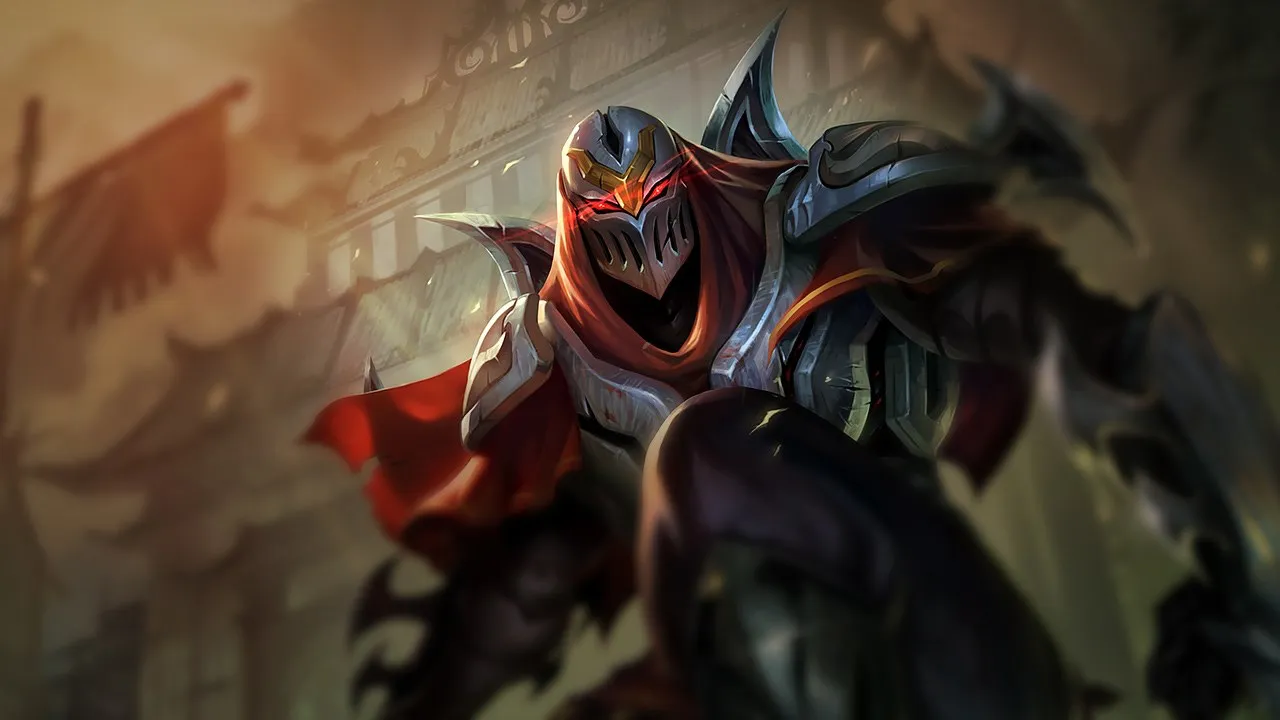
Zed Counters
Why
Lissandra breaks your “go in, burst, get out” identity because she has reliable lockdown that doesn’t require a perfect skillshot. Your power spike is a short window around your all-in, and she can erase it by freezing you exactly when you need to deal damage. On top of that, her kit thrives in grouped fights where your assassin role becomes risky, because she turns your entry into a clear engage signal for her team.
Lane impact
In lane, you may feel fine until level 5, but once her ultimate is online, every Death Mark attempt becomes a dangerous test: if she holds her tools, you’re the one exposing yourself. Even when you trade correctly, she can play safe, waveclear, then punish your next energy/cooldown window. And if you lose priority, your roams become more predictable and easier to cover.
How to play
Change the sequence: instead of forcing the kill, force the key cooldown first. Use short poke patterns (W-E-Q) to chip and, more importantly, to make her respond, then back off before the counter-trap happens. The decisive timing is her R availability: if she has it, lean into push+roam or shadowing sides; if she used it elsewhere, you have a real 60–90s window to threaten. Concrete decision: if you can’t kill without trading your life, convert mid pressure into an objective play and map advantage instead of spending your R into a control wall.
Why
Annie is hard because she doesn’t need extended aiming: a prepped stun is enough to punish you the moment you step up. Zed relies on a precise rhythm (poke → window → all-in), while Annie threatens you continuously as long as her passive is stacked. She turns your entries into a binary bet: get stunned and you lose the trade, sometimes the entire lane off one cycle.
Lane impact
In lane, you last-hit under constant threat, which forces you to use W defensively rather than offensively. If you spend W to poke while she holds stun, you become vulnerable to flash-stun + burst, or to a gank that converts easily. Midgame, flanks are harder too: an Annie who sees you can simply hold stun and invalidate your angle.
How to play
Play cooldown-first: your first win condition is to remove her stun value or her flash, not to instantly kill her. The key timing is level 5 and flash timers: when flash is up, respect a wider danger zone and lean into fast push + vision resets. Concrete positioning adjustment: don’t place W on a predictable straight line—offset it to keep an exit that doesn’t run through her stun space. If she’s holding stun, make the decision simple: take wave priority and influence a side lane instead of coin-flipping an all-in.
Why
Galio is tough for Zed because he brings two things you hate: the ability to survive your initial burst and an immediate response that stops you from exiting cleanly. Even if his kit is built to counter AP, his tank/control profile makes him great at absorbing your all-in and punishing with taunt + team follow-up. Your plan becomes less “solo kill mid” and more “create advantage elsewhere,” otherwise you slam into a wall.
Lane impact
In lane, he can play safe, waveclear, and deny kill pressure. If you all-in too early, you spend resources for low payoff and end up without tools when his jungler shows. In fights, he complicates picks: a marked target can be protected, and Galio can flip the play by forcing you into CC in the middle of the enemy team.
How to play
Shift your decision pathing: your target isn’t Galio, it’s the map around Galio. The key timing is level 5—use your ult threat to keep him mid while you create movement on river/side. Positioning-wise, avoid frontal entries: play diagonal angles where W gives you an exit that doesn’t run through Galio. Concrete decision: if you can’t kill the protected target without eating taunt/CC, swap to “poke + wave control” and wait for an isolated target instead of offering a disguised 1v2.
Why
Pantheon is hard because he forces respect for targeted CC that breaks your tempo. Zed wants to choose when the trade starts and end it with a clean exit; Pantheon can start on you, deny repositioning, then mitigate your burst with E. He essentially removes your “right to decide” and turns your all-in into a losing trade unless you already have a clear advantage.
Lane impact
In lane, you can get punished the moment you step up to last-hit: one well-timed stun can chunk you enough to ruin your next window. If you engage while he holds E, your ult becomes inefficient—you spend spells into a block and run out of energy afterward. Midgame, his ultimate lets him match your roams, so even your plan B (map) gets contested.
How to play
Don’t play it as a pure duel—play it as resource management. The key timing is his E availability: bait it with poke and back off, then only threaten a real execution when E is down. Positioning adjustment: keep shadows for lateral exits, not straight-back retreats, so you don’t get re-stuck by his stun. Concrete decision: if he has E + stun + flash available, push and reset instead of all-in; convert priority into vision/river and look for a side pick where Pantheon isn’t already positioned.
Why
Malphite becomes hard for Zed when he adopts an “armor + control” posture because he heavily reduces your AD burst value and threatens unstoppable engage. Your kill pattern needs a target that can’t simply absorb then flip the fight; Malphite does exactly that. Even if you hit him, he can stay stable and force you defensive with R.
Lane impact
In lane, you can sometimes harass before his first buys, but once he has armor your combo loses lethality and you become the one managing wave while dodging engage. If you roam, he can punish your turret or match with a simple play—he doesn’t need finesse, just one good ult angle. In teamfights, your flank becomes dangerous because you can be intercepted the moment you appear.
How to play
Your priority isn’t killing him—it’s preventing him from controlling tempo. Key timing: before level 5 you can force wave and create roam tempo; after, respect his R as a “stop assassin” button and lean more on fog-of-war. Concrete positioning: don’t show your body first—show threat through shadows and angles; if he ults you, the trade turns bad even if you live. Decision: if Malphite stacks armor and you don’t have a reachable fragile target, switch to side pressure and hunt carries elsewhere instead of insisting mid.
Why
Orianna is unfavorable because she can play disciplined spacing while protecting herself exactly when you want to convert. She doesn’t need to chase you—she chips, secures wave, and holds shield to make your all-in less clean. Zed loves clear windows; Orianna tries to blur them by forcing you to engage through controlled space.
Lane impact
In lane, you can lose priority under her push: you must choose between farming under pressure or spending tools to waveclear instead of poking. If you engage without softening her first, she can survive long enough to force your reset and you lose tempo. Midgame, her ability to sit behind frontline and punish grouping makes your flanks more demanding.
How to play
The right plan is stacking small wins: win wave, win vision, then win a side lane. Key timing: around levels 3–4 then level 5, alternate fast push with disappearing into river to force respect. Concrete positioning: look for angles where you can appear behind her, not from the front line—otherwise ball control pushes you out. Decision: if she keeps shield + flash, don’t force the 1v1; use even partial priority to move your jungler or threaten an objective.
Why
Karma is unfavorable because she makes trades expensive: long-range poke, self-protection, and movement speed to refuse your commit. Zed needs targets to be forced inside his damage zone; Karma makes you spend W just to reach her, then she exits and leaves you with a long cooldown.
Lane impact
In lane, she can push you under tower if she controls the wave, and every time you look for a trade you eat return poke that forces recalls. If you engage at the wrong moment, shield + speed breaks your burst and you lose tools to handle a counter-gank. In fights, she protects the carry you want to assassinate, so you must wait for a mistake instead of creating the play.
How to play
Key timing: track her Mantra cycle. Right after she uses it, her ability to refuse your all-in drops and you can threaten harder. Positioning adjustment: play from the sides to force her to choose between shielding herself or her carry, instead of letting comfortable front-to-back. Concrete decision: if Karma holds Mantra + flash, prioritize push+roam or a side pick; if she spends Mantra on wave/poke, you get a clear window to trade aggressively or set up a gank.
Why
Lux is unfavorable when played cleanly because she makes you pay for entries: one long-range root can break your rhythm and prevent you from resetting after a trade. Even when you only want to poke, you must show, and she can answer with a bind that puts you at risk of burst + laser. Zed hates being forced into predictable lines.
Lane impact
In lane, you can get zoned off certain last-hits if the wave isn’t close, and one bind can cost most of your HP or your flash. After level 5, she adds the “bind → R” threat that punishes one bad step. Midgame, her control and zone/vision make flanks harder because you can be revealed or rooted before reaching backline.
How to play
Key timing is her Q: if she misses, the vulnerability window is real and you can step up for a short trade or all-in if she’s already chipped. Concrete positioning: avoid straight lines, approach on diagonals and use shadows to test her reaction without committing your body. Decision: if she holds Q and hugs turret, don’t tunnel—push, reset vision, and hunt a more exposed side target instead of getting caught on a forced all-in.
Why
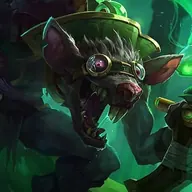
Twisted Fate is unfavorable in an “invisible” way: it’s not that he kills you 1v1, it’s that he forces you to choose between controlling mid and answering global pressure. Gold Card punishes exposed entries, and his ultimate turns any priority into side-lane threat. Zed wants to create map chaos, but TF is designed to respond to chaos.
Lane impact
In lane, if you let him breathe, he pushes and disappears and you end up chasing damage already done. If you engage carelessly, a Gold Card can pin you and enable an easy gank. After level 5, the game becomes tempo: without wave control you can’t follow, and he gains value without winning the duel.
How to play
Key timing is level 5—after that your plan must include “wave first.” Concrete positioning: keep W as a safety tool when you know he can stun you, and avoid entries without an immediate exit angle. Decision: if you can’t kill him quickly, turn the lane into a vision contest: push, deep ward, then shadow one side to punish his ult. The goal isn’t following everywhere, it’s making it costly—if TF ults, you take plates, dragon, or a cross-map kill.
Why
Gragas is unfavorable because he makes your timings miserable: sustain, waveclear, and the ability to break your entry right when you want to convert burst. Zed loves punishing targets without a “stop” button; Gragas has several: slow, bump, separation ultimate, plus enough durability to survive the first cycle.
Lane impact
In lane, your short trades can be absorbed, and if you commit too hard he can knock you away or force you to miss shurikens. After level 5, his ult can literally ruin your all-in by separating you from the target or throwing you under turret. Midgame, he protects carries well, so you must work harder to find truly isolated targets.
How to play
Key timing: his disengage cooldowns. You want him to spend a defensive tool on poke or a mini-trade, then threaten on the next cycle. Concrete positioning: avoid engaging on a line where his ult can scoop you into a bad spot; take angles where W repositions you behind a wall or to the side. Decision: if Gragas holds all cooldowns and your kill isn’t guaranteed, play wave and create action elsewhere—your champion wins by punishing mistakes, not by forcing into an anti-entry kit.
Why
Ahri is a skill matchup because both sides punish tiny mistakes. You can threaten when Charm is down and kill in a short window; she can break your all-in if she reads your angle and charms you as you reappear. The difference is often patience: who forces first and who keeps the key cooldown.
Lane impact
In lane, she can play safe with waveclear and poke, but must respect your W-E-Q patterns. If you waste W, she earns the right to step up and poke; if she misses Charm, you earn the right to threaten an all-in. Midgame, her ult gives repositioning to make you miss shurikens, so execution must be clean.
How to play
Key timing: Charm. You want to create a situation where she throws it at a fake entry or your shadow, then engage. Concrete positioning: don’t reappear in a straight line in front of her—offset the angle so Charm is harder and your shurikens cover her dash path. Decision: if you haven’t forced Charm or she still has R, lean poke + wave control; if Charm is down or she already dashed, you can convert into a clean all-in.
Why
Fizz is a skill matchup because his E (untargetable) directly answers your key moment: Death Mark detonation. If you ult too early and he times E well, your all-in loses its purpose. But the reverse is true: if Fizz use E to trade or wave, he has no safety and you can punish extremely hard.
Lane impact
In lane, both look for a level 5 window. He wants to surprise-burst you; you want to stop him from playing “free” with E. Wave matters: if you get pushed, you last-hit under combo threat. Midgame is an angle game: who flanks first, who forces the defensive cooldown, and who chooses a less protected target.
How to play
Key timing: Fizz E. Your goal is to bait it with poke (W-E-Q) or a fake all-in, then back off and engage on the next cycle. Concrete positioning: keep an exit shadow that doesn’t rely on a narrow corridor, otherwise he can stick to you with gap-close tools. Decision: if Fizz still has E, don’t commit your ult as a do-or-die; if E is used, you can play more aggressively and convert with jungler help or a quick roam.

Why
Yasuo is a skill matchup because he has situational answers: Wind Wall can block your shurikens and he can use minion waves to dodge your angles. On the other hand, if you manage wave and shadows well, you can punish wasted dashes or moments when he’s out of mobility. It becomes a micro-decision battle, not just stats.

Lane impact
In lane, wave size is key: more minions means more dash options and it’s harder to pin him. Trading into available Wind Wall can make you waste a full poke cycle. Midgame, Yasuo likes long fights and resets; you want pick-offs and quick bursts, so fight tempo matters a lot.
How to play
Key timing: Wind Wall. Force it with poke or an incomplete trade, then threaten on the next cycle. Concrete positioning: place W so you can exit to the side of the wall, not straight behind him, otherwise you risk getting turned on. Decision: if the wave is huge and Wind Wall is up, play patient and wait for a wave reset; if the wave is thin and he already dashed, you can create a much more reliable all-in window.
Why
Irelia is a skill matchup because she can turn a wave into a highway to you, but she heavily depends on minion state. If you leave a wave full of low HP minions, she sticks to you and your poke becomes hard. If you control the wave, you reduce her options and force more “honest” trades where Zed can pick timings better.
Lane impact
In lane, bad wave timing is punished hard: an Irelia who finds minion resets can dodge shurikens and force extended trades you dislike. Midgame, she loves skirmishes where she can chain dashes and reset; you must treat her as a follow-up threat, not an easy target.
How to play
Key timing: minion state and her reset windows. Before trading, thin low HP minions that give her a free entry, then poke. Concrete positioning: don’t stand inside your wave when it’s thick—shift to the side to limit dash lines. Decision: if the wave favors her, play defensive and farm; if you have a thin wave and she already spent a dash/tool, you can attempt a more reliable all-in or call your jungler to punish her overstep.
Why
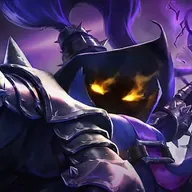
Veigar is favorable because he’s low mobility and relies on holding a comfortable distance to stack and control. Zed punishes mages that must stand in a precise zone: you threaten whenever W is up and force him to play lower than he wants. Even his cage isn’t a magic button if you play angles and don’t trap yourself.
Lane impact
In lane, you can tax every forward last-hit and deny a free early game. If he spends cage too early for safety, he loses his main anti-assassin tool. Midgame, Veigar wants structured fights; you want picks—an immobile champion that needs setup is exactly what Zed loves to attack from a flank.
How to play
Key timing: his cage (E). Force it first with aggressive poke or a fake threat through shadows, then disengage and re-engage when it’s down. Concrete positioning: approach from the sides to avoid being boxed, and keep W to exit if you touch the edge. Decision: if Veigar plays ultra-safe under turret, push and roam—your advantage isn’t always solo-killing mid, it’s forcing him passive while you create moves elsewhere.
Why
Ziggs is favorable because he often plays stationary: waveclear, poke, keep you out, but he lacks a truly reliable stop button if you come from the right angle. Zed loves mages who must step up to push because it naturally creates windows where W brings you in range and burst becomes threatening.
Lane impact
In lane, whenever Ziggs steps up to apply pressure, you can punish with a short trade, especially if he already used mine/charge on the wave. If he sits too far back, he loses push and your roams get easier. Midgame, Ziggs wants to siege; you can force him to respect fog and back off, reducing poke value.
How to play
Key timing: right after he spends waveclear spells—he’s most vulnerable because he can’t effectively push you off. Concrete positioning: don’t enter head-on; come from a lane side or river so he doesn’t have an easy bombing line. Decision: if the kill isn’t guaranteed, it’s enough to force him back and buy priority; a Ziggs that can’t siege freely is already a strategic win.
Why
Brand is favorable because he has high damage but very few survival tools once you’re in range. He wants to tag you at range and burn you in extended trades; you want the opposite: short entry, burst, exit. If you deny extended trades, his strength becomes risk for himself.
Lane impact
In lane, Brand often must step up to land spells and push, which is where he becomes vulnerable to W-E-Q and your level 5. If he misses his stun setup or uses spells on wave, you can pressure without fearing strong retaliation. Midgame, he’s deadly in grouped fights, but also very punishable from a flank if not protected.
How to play
Key timing: his control setup and waveclear commits. Wait until he spends tools on the wave, then take a short trade or all-in if he’s already chipped. Concrete positioning: avoid staying in zones where his AoE forces you into extended contact—you want in-and-out, not brawling in fire. Decision: if Brand groups early with support/jungler, switch to side picks; if Brand is isolated, you can convert fast.
Why
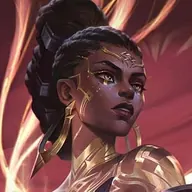
Seraphine is favorable because she needs time and distance to maximize value. She wants poke, shield, then control fights with more telegraphed CC. Zed loves attacking an immobile teamfight-oriented target: if you catch her outside a protective formation, she can’t stop you as reliably as instant-control mages can.
Lane impact
In lane, she can waveclear and poke, but she often must step up to maintain pressure, and your shadows make that costly. If she wastes control on the wave, your level 5 becomes a real threat. Midgame, she’s strong when her team is grouped; if she has to defend a side lane or move without vision, she becomes prime assassin prey.
How to play
Key timing: right after she uses waveclear/shield and her team isn’t glued to her. Concrete positioning: play through vision angles, not front-facing lane trades—Seraphine is weaker when she must react late. Decision: if she’s protected by two teammates and your all-in becomes a 1v3, don’t force; take wave, take vision, and hunt a more isolated target. But if she must cross an unwarded zone, you can convert quickly with Death Mark.