

↑ Strengths
- Can create game-changing picks with his ultimate.
- Excellent roaming and global pressure.
- Strong punishment against enemy positioning mistakes.
- Natural scaling through chimes without item dependency.

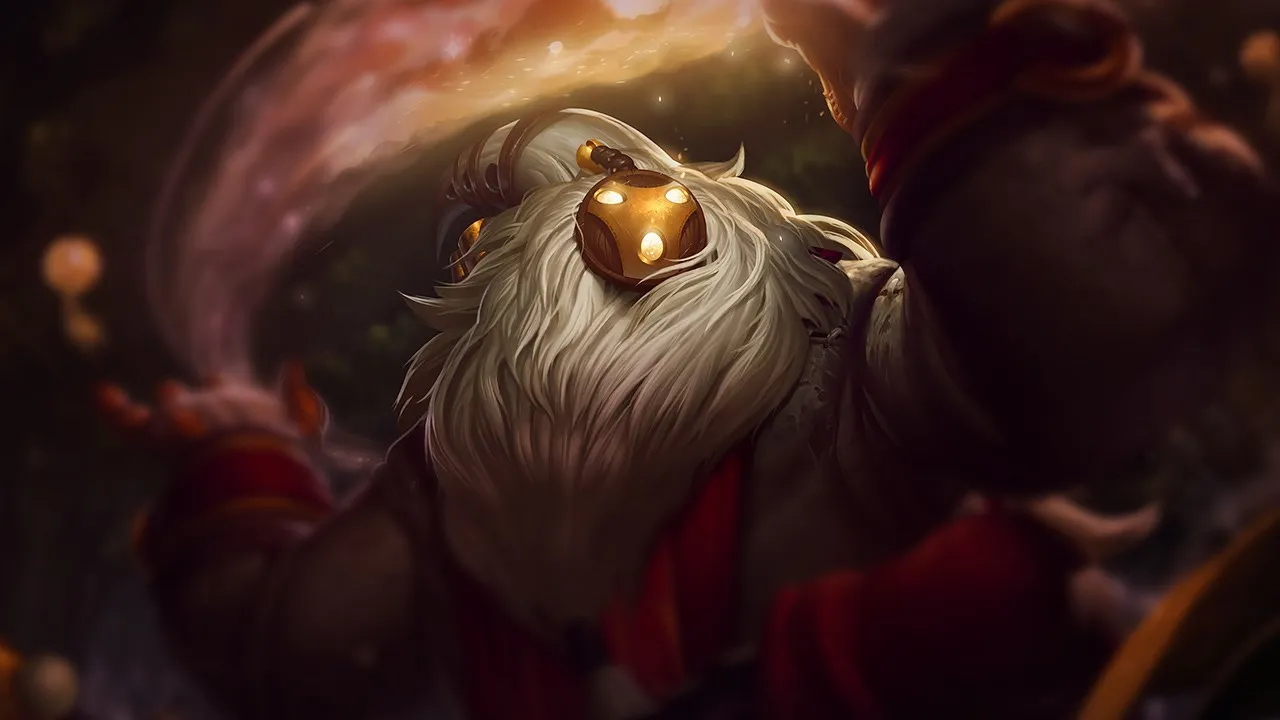
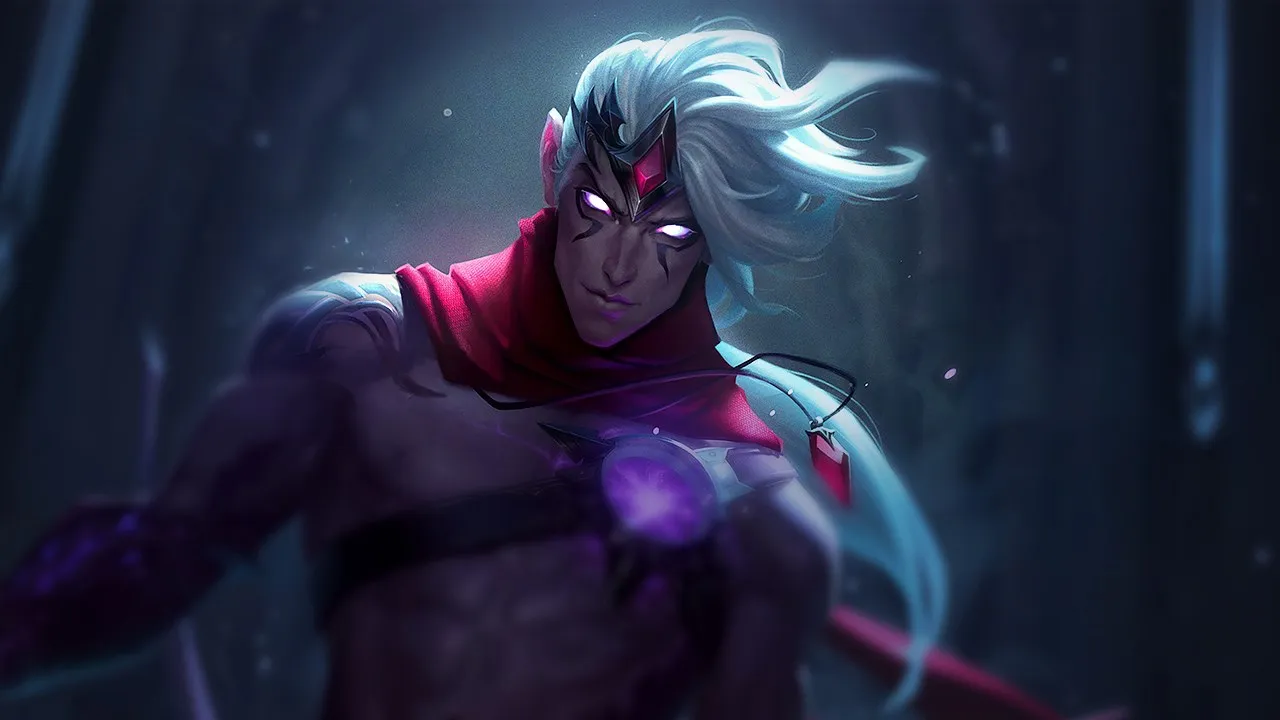
Bard is a utility support in Wild Rift, a wandering cosmic spirit collecting chimes across the map to amplify abilities.
Your next duel
The five most played Support opponents — tap one to open the free duel sheet.


 Counters
Who beats Bard
Counters
Who beats Bard
Start here
The complete Bard breakdown, and the micro and macro skills that actually decide games on this champion.

Bard was last measured on at 51.72% win rate. Tencent has not published its stats since, so the numbers above are from that reading. Follow its return on the full Wild Rift meta trends.
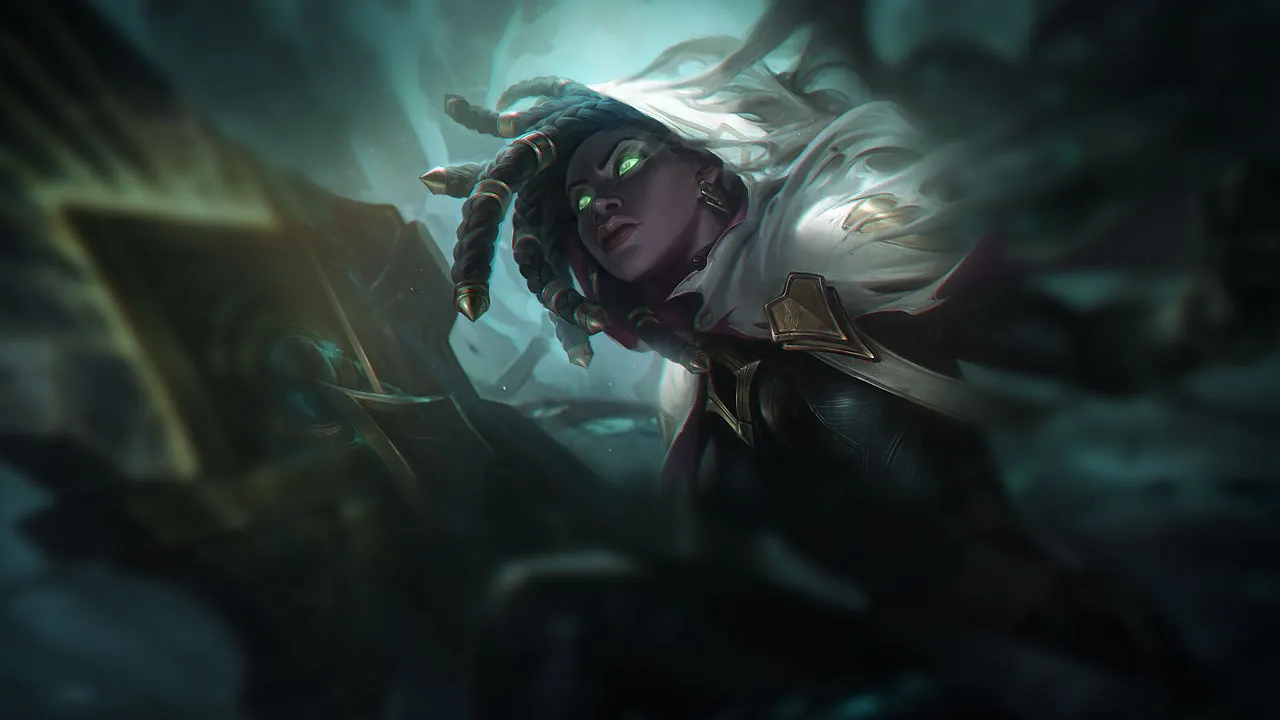
Bard is a utility support in Wild Rift, a wandering cosmic spirit collecting chimes across the map to amplify abilities. His kit offers healing through shrines, portals enabling global rotations, mass slowdown, and an ultimate that temporarily freezes any zone. He excels in compositions seeking to create map advantages through movements and strategic interruptions. In Wild Rift, his instant portals enable more frequent roaming rotations, amplifying global map presence.
Bard excels in compositions that capitalize on his picks and portal rotations. He benefits from allies who can convert his CC into quick kills. Engage or map control compositions get the most out of his versatility.
Bard is exposed against aggressive engage compositions that don't give him time to roam. His low immediate peel makes him vulnerable when away from his ADC. Pick or constant all-in champions punish his lane absences.
With Bard, plan your roams based on lane state — never leave if your ADC is under pressure. Collect chimes to accelerate your passive progression. Save your ultimate to freeze enemies at the right moment, not for risky plays.


Short trades level 1-2, charged W pose and roams on safe timings.
Vision control and portals to create strong numbers.
R to isolate/freeze, then follow with Q or allied wombo.
 R
R
 Q
Q
 Flash
Flash
Freeze an enemy area with the ultimate, re-engage with Q when the effect wears off to stun them, Flash to stay within range.
Q
Cosmic Binding passes through the first target and stuns if it hits a wall or a second target behind it — maximise angles using walls.
What interrupts it Thresh Q Death Sentence stun · 1.5 s
 Nautilus R Depth Charge knock-up · 1 s
Yes, but not for the usual reasons. Bard is not mechanically difficult, but requires strong map awareness and timing. Decision mistakes are heavily punished. If you understand when to roam and when to stay, he becomes extremely powerful.
The ultimate should always have a clear purpose: engage, isolate a target, or stall. Using R without a plan is often a mistake. Ideally, you should already know what your team will do during stasis.
No. Roaming is a strength but also a risk. You should only leave lane when your ADC is safe or the wave is under control. Otherwise, you create a disadvantage that is hard to recover from.
Yes, but it heavily depends on your ability to punish enemy mistakes and read the game. He is less reliable than standard supports but can have a much higher impact.
| Lvl | HP | AD | Armor | MR | Mana | HP regen | Res. regen |
|---|---|---|---|---|---|---|---|
| 1 | 660 | 54 | 40 | 36 | 380 | 8 | 10 |
| 2 | 780 | 57 | 45.5 | 37.5 | 430 | 8.6 | 10.6 |
| 3 | 900 | 60 | 51 | 39 | 480 | 9.2 | 11.2 |
| 4 | 1,020 | 63 | 56.5 | 40.5 | 530 | 9.8 | 11.8 |
| 5 | 1,140 | 66 | 62 | 42 | 580 | 10.4 | 12.4 |
| 6 | 1,260 | 69 | 67.5 | 43.5 | 630 | 11 | 13 |
| 7 | 1,380 | 72 | 73 | 45 | 680 | 11.6 | 13.6 |
| 8 | 1,500 | 75 | 78.5 | 46.5 | 730 | 12.2 | 14.2 |
| 9 | 1,620 | 78 | 84 | 48 | 780 | 12.8 | 14.8 |
| 10 | 1,740 | 81 | 89.5 | 49.5 | 830 | 13.4 | 15.4 |
| 11 | 1,860 | 84 | 95 | 51 | 880 | 14 | 16 |
| 12 | 1,980 | 87 | 100.5 | 52.5 | 930 | 14.6 | 16.6 |
| 13 | 2,100 | 90 | 106 | 54 | 980 | 15.2 | 17.2 |
| 14 | 2,220 | 93 | 111.5 | 55.5 | 1,030 | 15.8 | 17.8 |
| 15 | 2,340 | 96 | 117 | 57 | 1,080 | 16.4 | 18.4 |
Base data : wiki.leagueoflegends.com (CC BY-SA 4.0) · 2026-07-09
Bard gains more uptime on his support tools and can have a stronger mid-to-late game impact thanks to shorter cooldowns.
Tempered Fate's incoming indicator now appears as soon as the cast begins, instead of after it.
Sources: our patch files, checked against Riot's official patch notes · measured effect: median win rate before and after the patch · All patch notes
Build your team around Bard, analyze enemy counters in real time and get pick recommendations aligned with the current patch meta.