Ângulo de counter
Para neutralizar o Pantheon e o TOP, é preciso sobreviver às três primeiras ondas, forçá-lo a usar o E antes do all-in e punir as incursões sem sofrer danos.
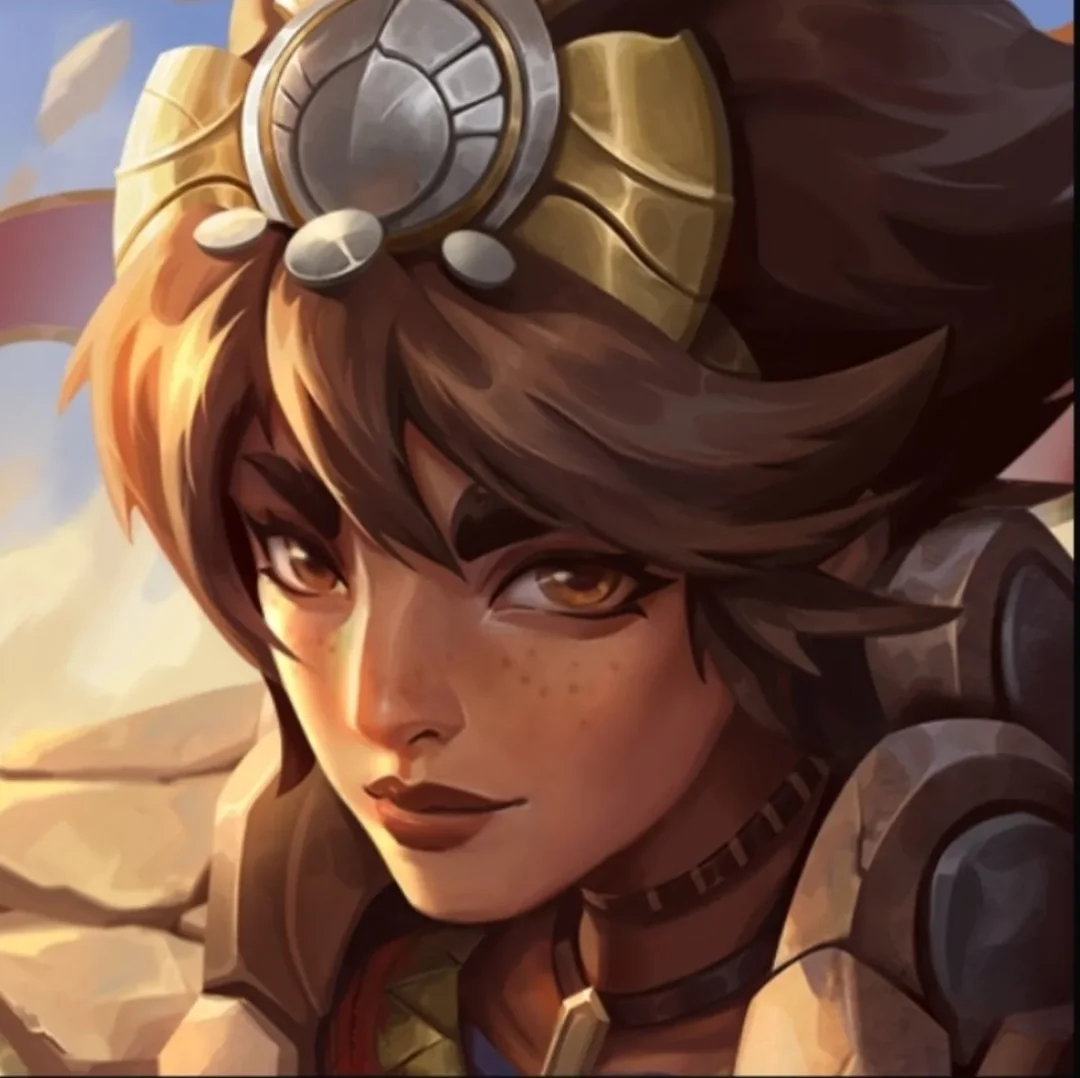
Pantheon é um assassino Top que depende de mobilidade e burst para eliminar alvos prioritários. Isso o torna particularmente vulnerável a campeões com CC forte (silêncios, supressões). Por outro lado, ele se destaca contra perfis lentos em macro, incapazes de acompanhar seu tempo.
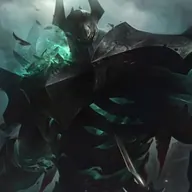
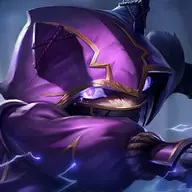
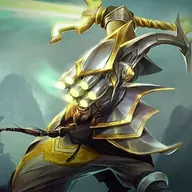
Malphite is a very simple but very real hard counter to Pantheon: you’re an AD champion who wants early explosive trades, and Malphite is designed to absorb AD, stack armor, and force a slow game. The longer it goes, the less your burst matters, while he becomes a teamfight engage button that out-impacts you.
In lane, if Malphite plays correctly, he doesn’t need to kill you—he just needs to not die and make you waste your windows. You can win an early trade, but then he farms, regens, and punishes greedy all-ins with R or jungle help.
Shift the goal: don’t force kills. Smart poke, take prio to roam with ult, and win the map. If you stay locked in 1v1, Malphite beats you by time. Your win condition is creating advantages elsewhere before he becomes too tanky.
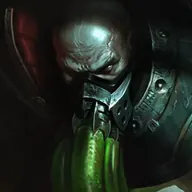
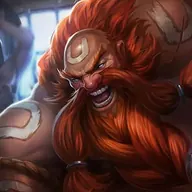
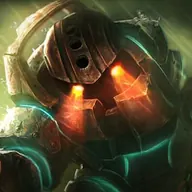
Gragas is hard for Pantheon because he breaks your pattern: you want W stun → short trade → back off. Gragas can disengage, interrupt, and punish your commits. He’s also naturally safe: he can farm at range and doesn’t give a true all-in window.
In lane, you can lose tempo: you go in, he body slams + slows, and you end up losing the trade. Midgame, Gragas is great at stopping picks—he can peel or isolate a target as you arrive.
Don’t commit W without tracking Body Slam (or knowing he can’t punish). Play more poke + prio than pure all-in. On the map, ult onto immobile targets—Gragas is harder to punish than his carries.
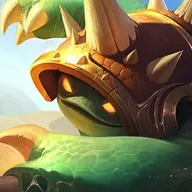
Renekton is hard because he plays the same timing as you but better in lane: he wins short trades, has sustain, and punishes commits without wave. Pantheon likes one rotation; Renekton can absorb, answer, and repeat.
You can’t just trade mindlessly: you get chipped and lose prio. If Renekton gets ahead, he forces you low and makes roams harder because you lose waves. In practice it impacts wave priority, reset timing, and river/objective access. A single tempo mistake can lose initiative for the next sequence.
Play around cooldowns and fury. If fury is high, respect. Best trade is often after he used dash to last-hit or poke—that’s his punishable moment. If you can’t solo-kill, use prio to ult mid/bot and win map.
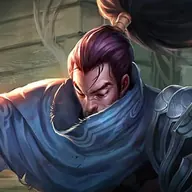
Jax is hard because he denies your trading condition: Counter Strike heavily reduces your ability to convert autos and forces you to respect his all-in. The longer it goes, the more he outscales you on side.
In lane, you can punish before spikes, but missing a timing lets him take control. Mid/late, he drags you into side responses—bad for Pantheon who wants map picks.
Punish early without coinflip: trade when Counter Strike is down. If he scales, shift plan: fast shove then ult elsewhere. Your job isn’t to ‘hold’ Jax in side, it’s to create map advantages while he farms.
Kennen is hard for Pantheon because he hits what you hate: ranged lane, constant poke, and stuns that punish engage. Pantheon controls lane through all-in threat; Kennen can play out of range and force you low before attempts.
If you get too low, you can’t engage. If you engage without a real window, Kennen stuns, kites, and flips trades. In teamfights, he can punish your aggressive ult entries if you arrive grouped.
Wave management + patience: keep wave near, avoid pushing without vision (poke + gank risk). All-in only on timing—after his E, or when he’s overextended without flash. Otherwise, prefer shove/roam with ult instead of bleeding in lane.
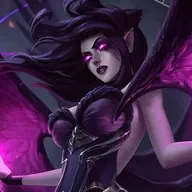
Fiora is hard because she can parry your W, deleting your main trade. If you can’t convert the stun, you lose 1v1 control. She also scales hard on side, putting Pantheon in an uncomfortable spot.
Every all-in becomes a mindgame: W into parry and you lose; hesitate and you lose threat. Mid/late, she forces side answers or you lose towers. In practice it impacts wave priority, reset timing, and river/objective access. A single tempo mistake can lose initiative for the next sequence.
Vary timings: fake entry, poke, and force her parry on something else (or at a useless moment). Your goal is often to survive and use ult to create advantages elsewhere, not to ‘duel Fiora’ for 15 minutes.
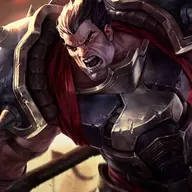
Darius is unfavorable because he punishes short engages: if he pulls at the right time, the trade becomes extended, and Pantheon hates extended fights versus a stacking champion.
You can win a burst trade, but staying one second too long gets you flipped. Midgame, Darius likes fights where everyone steps forward—be careful ulting into his controlled zone.
Play hit-and-run: clean trade then instantly back. Respect pull: if it’s up, don’t give free angles. If you truly want to fight, do it with jungler to burst before he stacks.
Sett is unfavorable because he loves you coming to him. Your W stun places you in perfect range for him to grab, hit W true damage, and chase. This interaction is structural in TOP: Sett creates response windows that reduce the value of your default pattern when you commit without setup.
One miscalculated trade can cost a lot. In fights, Sett can also use frontline (or you) as a projectile to isolate backline and break your pick plan. In practice it impacts wave priority, reset timing, and river/objective access. A single tempo mistake can lose initiative for the next sequence.
Don’t commit without wave and an exit. Poke, take small trades, and back off before he charges a big W. If Sett has R and teams are grouped, be careful—your ult can land you in a trap.
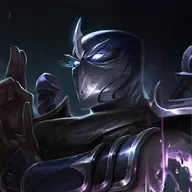
Shen is unfavorable because he can deny your burst with his zone blocking autos, and he can match your map plan with ult. Pantheon wants to snowball the map; Shen wants to neutralize it.
Lane can become slow: you can’t kill him easily, and if you roam he can follow with R and make your play useless. In fights, he can protect your one-shot target.
Don’t force kill on Shen. Take prio then roam when his R is down, or bait his R on a minor action then punish elsewhere. Your ult becomes a tempo weapon: pull his response then switch.
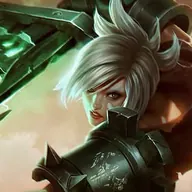
Riven is a skill matchup because she can dodge timings and punish bad engages. She’s mobile, so W must be used on real commit, not dash bait. This interaction is structural in TOP: Riven creates response windows that reduce the value of your default pattern when you commit without setup.
Cooldowns decide lane: miss a trade and she can run a long combo. In fights, she can punish your entry if you arrive without follow-up. In practice it impacts wave priority, reset timing, and river/objective access. A single tempo mistake can lose initiative for the next sequence.
Be patient: force dashes, then engage when she lacks easy resets. If she used kit pieces to last-hit or waveclear, that’s often your best window. Recommended plan: shorter trades, confirm key cooldowns before committing, then convert into prio/vision instead of forcing low-odds all-ins.
Garen is skill because he’s simple but punishing: silence + spin and you lose if you engage without an exit plan. But he’s readable, so you can play around timings.
He wants short trades then reset. Midgame, he can execute a carry and reduce your ult’s impact if you arrive late. In practice it impacts wave priority, reset timing, and river/objective access. A single tempo mistake can lose initiative for the next sequence.
Trade after his Q, not before. Track HP to avoid ult threshold. If you roam, shove then leave—Garen punishes mostly when you linger in range without a clear goal.
Nasus is often favorable early because Pantheon can punish before he scales. You can deny free stacking, take priority, and use ult to win the map. This interaction is structural in TOP: Nasus creates response windows that reduce the value of your default pattern when you commit without setup.
If played well, Nasus can’t just farm. Midgame he becomes dangerous, but your tempo lead may already decide elsewhere. In practice it impacts wave priority, reset timing, and river/objective access. A single tempo mistake can lose initiative for the next sequence.
Play aggressive early waves, deny stacks, then convert prio into roams. Classic mistake is staying too long top—you want to win fast, not watch Nasus scale. Recommended plan: shorter trades, confirm key cooldowns before committing, then convert into prio/vision instead of forcing low-odds all-ins.
Kayle is favorable before her spikes because she’s weak and wants to survive. Pantheon can constantly threaten, take prio, and create map plays. This interaction is structural in TOP: Kayle creates response windows that reduce the value of your default pattern when you commit without setup.
If you let her breathe, she scales and you miss timing. If you punish and break recalls, she hits items late. In practice it impacts wave priority, reset timing, and river/objective access. A single tempo mistake can lose initiative for the next sequence.
Freeze/slow push to force exposure, then punish with W. Don’t dive without wave/vision—plan is constant pressure + roaming, not coinflip dives. Recommended plan: shorter trades, confirm key cooldowns before committing, then convert into prio/vision instead of forcing low-odds all-ins.
Buy these items to reduce this champion's effectiveness in your games.
Para neutralizar o Pantheon e o TOP, é preciso sobreviver às três primeiras ondas, forçá-lo a usar o E antes do all-in e punir as incursões sem sofrer danos.
Os melhores contra-ataques reduzem o dano explosivo direcionado dele, absorvem o dano do Q dele ou fazem com que suas saídas da rota resultem em perdas de armadura e de ondas.
Eles absorvem Q/W, forçam o Pantheon a avançar sem causar mortes e se tornam mais úteis na transição da linha de frente para a retaguarda.

Como o campeão deve se adaptar. A Pantheon precisa explorar jogadas de “crash”, “roam” e objetivos, em vez de repetir jogadas de “all-in” sem letalidade suficiente.
Eles aguardam W ou E e, em seguida, prolongam a luta quando Pantheon não possui uma opção de saída.
Como o campeão deve se adaptar. O Pantheon deve manter as posições curtas, controlar a onda e nunca entrar em uma operação sem estar em modo passivo ou sem ter uma visão clara.
O teste principal: se Pantheon não converter a prioridade antes da armadura, Malphite assume o valor de draft.
O Shen responde tanto ao W na pista quanto ao R no mapa, exigindo uma gestão perfeita das ondas.
Esse confronto penaliza os Pantheons que confundem uma troca rápida com um all-in prolongado.
Respeite a habilidade passiva dele e mantenha a onda perto o suficiente de você. Se ele entrar na sua onda grande sem um E bem executado, você pode virar a troca.