



カウンターアングル
Nidaleeのカウンターは、単なるスタッツではなく、彼女のリズムを崩すプロフィールにあります。彼女は、シンプルな戦闘を強要したり、バーストダメージを吸収したり、序盤のプレッシャーを無視したりできるジャングラーに苦戦します。これらのマッチアップを理解することは、彼女のゲームプランの実行がなぜ困難になるのかを理解することです。

Nidaleeは、人間形態の彼女にengageし、リープによるfleeing(逃走)を防ぐことができる構成に対して脆弱です。即時CCを持つプロファイルは、彼女が再ポジショニングする前に無力化します。javelinsを回避された際のダメージ不足により、彼女は優先ターゲットになります。

これらのチャンピオンは、こちらのビルドやプレイスタイルを真正面から上回る構成を持ち、レーン戦のコントロールとファームを極めて難しくする。彼らのスキルはこちらの主要な強みを無効化し、いつも通りのプランを実行しようとした瞬間に手痛い反撃を受けさせてくる。こうしたマッチアップでは、ミスを最小限に抑え、正面からの対決以外で解決策を探すことが重要になる。

Poppy は あなたの mobility を完全に壊します。Prowl でマークした相手を仕留めようと Pounce で仕掛けた瞬間に、Poppy は Steadfast Presence を発動できます。これで あなたの跳躍は即座に中断されて地上に縛られ、cougar form の重要な burst である Takedown と Swipe も拒否されます。主な逃げ手段もダメージ手段も失ったまま、tank を相手に近接距離で取り残されます。
このやり取りは、あなたの jungle での skirmish や counter-gank を台無しにします。Scuttle Crab や epic monster を争うとき、体力の低い相手を安全には確保できません。Poppy が近くにいる場合、最大射程の Javelin Toss を投げても無意味です。Pounce で仕留めに安全につなげることが決してできないからです。序盤のプレッシャーをすべて失い、リバーのコントロールを譲り、Poppy の gank で自分の lane が苦しむのを見ることになります。
生き延びるには、純粋な遠距離 poker として立ち回る必要があります。Javelin Toss で poke し、Primal Surge で味方を回復しつつ、Poppy の Steadfast Presence が使える間は、Pounce のために Aspect of the Cougar に変身することは絶対に避けましょう。Poppy の金色のオーラを確認し、Poppy がこの防御を味方に無駄使いした後だけ dive しましょう。Poppy に追い詰められたら、足元に Bushwhack を置いて視界を取り、跳ばずに走って逃げます。
これらのチャンピオンは、マッチアップ自体を絶望的にするわけではないが、対面で優位に立ちやすいツールを持っている。射程が長かったり、攻撃を受け止める力が高かったり、エンゲージへの対応手段が豊富だったりする。アプローチを調整し、戦闘を受け入れるタイミングを慎重に選ぶ必要がある。
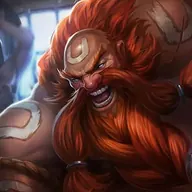
Gragas の Body Slam は Nidalee の暗殺の試みを完全に counter します。Javelin Toss でマークして、Pounce で距離を詰めて高ダメージの Takedown を狙っても、Gragas は簡単に反応できます。Gragas の Body Slam は優先され、あなたを空中の跳躍から叩き落とします。これで あなたは完全に無防備になり、cougar の burst を出せないまま、Gragas に Barrel Roll で簡単に反撃されます。
このやり取りは、あなたの jungle での skirmish と counter-jungle を台無しにします。攻撃的な跳躍はすぐに罰せられるため、中立キャンプを安全に争ったり invade したりできません。Gragas が dash を温存している場合、あなたは下がって、遠くから Javelin Toss で poke するしかありません。これで序盤のプレッシャーが無効化され、Gragas はマップのテンポを握り、あなたが farm に縛られている間に Explosive Cask で安全に gank を仕込めます。
この jungle の skirmish に勝つには、Gragas の主な防御手段を細かく追う必要があります。Gragas がキャンプの処理や味方への仕掛けで Body Slam を無駄にしたのを見た直後でない限り、Pounce を攻撃的に使ってはいけません。代わりに Javelin Toss で poke し、Prowl の移動速度を使って Gragas の dash を誘いましょう。Gragas が外したり、この crowd control を無駄にしたりしたら、すぐに Aspect of the Cougar に変身し、Gragas のクールダウンが戻る前に Takedown combo を叩き込みます。

この matchup は、Vi が あなたの主な逃げ道をキャンセルできるかで決まります。普段、Pounce は壁を越えたり skirmish 中に位置を取り直したりできますが、タイミングの良い Vault Breaker は、跳躍の途中で あなたを空中から叩き落とせます。Vi がレベル 5 になると、Cease and Desist が避けられない拘束を与え、あなたが human form に戻って回復する前に、高ダメージの Denting Blows と Relentless Force を確実に当てられます。
Vi のキャンプに無謀に invade したり、序盤の scuttle crab を攻撃的に争ったりする自由を失います。リバーの開けた場所で捕まれば、すぐに倒されます。Vault Breaker を当てられたら、Blast Shield による Vi の持続的なシールドに skirmish で勝てないからです。この絶え間ない脅威のせいで守りの立ち回りを強いられ、あなたが安全に farm するしかない間、Vi は序盤の drake を自由に確保し、あなたの laner にプレッシャーをかけられます。
Vi が Vault Breaker を別の場所で使ったのを見ていない限り、cougar form での dive に踏み切ってはいけません。Vi がパンチをチャージしているときは、human form の遠距離基本攻撃で、最大距離から Vi の Blast Shield を削りましょう。Vi が Cease and Desist を あなたに向けてきたら、慌てて Pounce で跳んではいけません。代わりに、命中の直前に Primal Surge で自分を回復し、Vi の crowd control の連鎖が完全に終わった後にだけ、壁を越えて逃げるために跳躍を使いましょう。
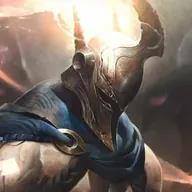
序盤の skirmish では、Pantheon が Nidalee の主な仕留め手段を完全に無効化できるため、Nidalee は苦戦します。長距離の Javelin Toss を当てて、Aspect of the Cougar と Pounce で dive すると、Pantheon は あなたの方を向いて Aegis Assault をチャネリングして反応できます。これで Takedown の burst がすべて正面から防がれ、主なダメージ源を失ったまま近接距離で無防備になります。
このやり取りは、あなたの invade の力を制限し、序盤の Scuttle Crab の争奪をとても危険にします。リバーで Pantheon と対面したら、trade を強いることはできません。不用意に跳び込めば Pantheon は Shield Vault で あなたを拘束でき、離脱しようとすれば Comet Spear で poke してきます。skirmish に失敗すると jungle のテンポを譲り、Pantheon は Grand Starfall で あなたの lane にプレッシャーをかけられます。
この skirmish に勝つには、cougar form の burst に踏み切る前に Aegis Assault を誘う必要があります。fog of war から Javelin Toss を当てて Prowl の移動速度を発動させ、それから Pounce で距離を詰めますが、すぐには Takedown を押さないでください。攻撃を遅らせ、Pantheon の周りを回って Pantheon のシールドの向きをすり抜けるか、Aegis Assault が終わるのを待ちましょう。Pantheon が Shield Vault で仕掛けてきたら、Primal Surge で最初の burst を耐えるように回復し、Pantheon のシールドが解けているときだけ攻撃しましょう。
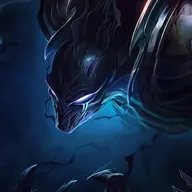
Nocturne の Shroud of Darkness が Javelin Toss を完全に無効化するため、Nocturne は あなたの仕掛けのパターンをすべて無効化します。あなたの hunt のメカニクスとその後の cougar form の burst は、この槍を当てることに依存しているので、後出しのスペルシールドは パッシブの Prowl を拒否し、Takedown や Pounce で安全に engage することを妨げます。このため、正面からの skirmish はとても危険です。Nocturne は あなたの主なダメージ源を防ぎつつ、Duskbringer で反撃できるからです。
jungle では、このやり取りによって、序盤の invader としての立場を失います。Shroud of Darkness が あなたの槍を吸収すると、顔を合わせた戦いはすべて Nocturne の Unspeakable Horror の fear の鎖に有利になるため、Nocturne のキャンプに安全にプレッシャーをかけられません。Nocturne がレベル 5 になると、Paranoia が あなたのマップの視界を完全に消し、あなたの laner は追跡できない gank に無防備になります。その間あなたは受け身に farm するしかなく、事前の視界確保なしでは効果的に counter-gank できません。
生き延びて後半に scale するには、Nocturne が Paranoia を撃つ前に、Nocturne の jungle の通路の奥に Bushwhack のトラップを置いて、視界コントロールを優先する必要があります。Nocturne が後出しで Shroud of Darkness を発動できる距離から Javelin Toss を投げてはいけません。代わりに、オートアタックや近距離の動きで Nocturne のシールドを誘いましょう。Nocturne が Paranoia を発動したら、すぐに茂みへ下がって Prowl の移動速度を発動させ、Primal Surge を温存して Nocturne の最初の Duskbringer の burst を耐えるように回復しましょう。

あなたの戦術全体は Javelin Toss で遠くから poke することにかかっていますが、Xin Zhao はこの強みを完全に無効化します。Xin Zhao が Crescent Guard を発動すると、あなたの長射程の槍はバリアに当たって無害に消えてしまいます。そのためダメージを与えるには Xin Zhao の間合いに踏み込んで近接距離に入るしかなく、Xin Zhao の強力な Three Talon Strike のノックアップと、近距離での優れた DPS の射程内にそのまま入ってしまいます。
Xin Zhao と正面から競り合えないため、Rift Scuttlers の序盤の優先権を失います。Xin Zhao が Wind Becomes Lightning を当てると、Audacious Charge で一気に距離を詰められ、あなたは Pounce を invade に使えず防御のために切らされます。この絶え間ない脅威によってクリアの速度が落ち、river の中立オブジェクトを安全に確保することも難しくなります。
Aspect of the Cougar の形態で自分から仕掛けるのは厳禁です。距離を保ち、Bushwhack のトラップで茂みを偵察してから進んでください。Xin Zhao が Audacious Charge で飛びかかってきたら、すぐに Pounce で後方に離脱し、しっかり間隔を保ってください。Takedown で近接に移るのは、Xin Zhao の Crescent Guard が切れた後か、事前に Three Talon Strike のコンボを誘えた場合だけにしてください。Prowl の移動速度で kite しましょう。
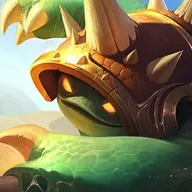
Nidalee の AP は Rammus の高いアーマー成長を自然に貫通するため、あなたの槍は痛いダメージになります。しかし、Rammus の執拗な crowd control のせいでこの matchup は危険です。ポジションを誤ったり、camp のクリアに *Pounce* を無駄に使ったりすると、Rammus はすぐに *Powerball* を発動して距離を詰めてきます。一度当たると *Frenzying Taunt* で逃げられなくなり、柔らかい猫の姿のあなたは格好の標的になります。
この状況では、jungle のルートをかなり防御的にせざるを得ません。Rammus の正確な位置が分からないまま scuttle crab を争ったり Rammus の camp に invade したりするのは危険で、fog of war から突然 *Powerball* が飛んでくればあなたは命を落とします。river の視界確保に余分な時間を使う必要があるため、あなたの gank の圧力は大きく遅れ、Rammus は自由に roam できてしまいます。
生き残って相手を上回るための主な手段は *Bushwhack* です。river の要所や jungle の入口にこのトラップを置き、Rammus の *Powerball* を早めに察知してください。Rammus がマップの反対側にいると視覚で確認できていない限り、*Pounce* を前方に使ってはいけません。Rammus がこちらに向かって転がってきたら、*Pounce* を後方の壁越しに使って視線を切ってください。
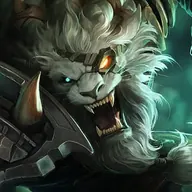
jungle の狭い通路では、Rengar の Unseen Predator が交戦の主導権を完全に握ります。Rengar は茂みから直接飛びかかり、あなたが Aspect of the Cougar に安全に切り替える前に Savagery で体力を一気に削ってきます。この突然の burst のせいで、Javelin Toss / Takedown を撃つ時間も、Bushwhack / Pounce で逃げる反応時間もなく、柔らかい人間の姿が即座に弱点になります。
この絶え間ない飛びかかりの脅威により、通常の積極的な invade は諦めざるを得ず、クリアのルートも変わります。ワードのない茂みはすべて命懸けの賭けになり、Rengar の位置を追えないなら序盤の crab の優先権は譲るしかありません。Rengar に先に見つかれば、Thrill of the Hunt で river を越えて簡単に追い詰められ、jungle の安全網を失った laner たちに大きなマッププレッシャーがかかります。
この捕食者との matchup を生き残るには、Rengar の待ち伏せ位置の近くを歩く前に、Bushwhack / Pounce をあらゆるルートにあらかじめ置いて位置を暴いてください。視界のないまま茂みに Javelin Toss / Takedown を闇雲に投げてはいけません。Rengar が姿を現したときにマークするために温存してください。Rengar が Thrill of the Hunt を発動したら、すぐに最寄りの味方の方へ退くか、Primal Surge / Swipe で体力を保ちながら飛びかかりの射程から離れてください。
その他のマッチアップ
このマッチアップは何よりもまず実行力の勝負であり、両者ともに優位を取れる現実的な手段を持っている。重要なスキルを一つ避けられるか、エンゲージを正しく読めるか、あるいはたった一つの位置取りのミスが、勝敗を分けることもある。マッチアップを理解し、行動すべき瞬間を見極める力がとりわけ重要になる。
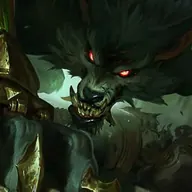
このスキル勝負の matchup は、すべて距離のコントロールにかかっています。Nidalee は Pounce のリセットを使って Warwick の近接射程の外にいながら、距離を保って Warwick を削ることができます。しかし Warwick の Blood Hunt パッシブは、低体力の標的に向かう大きな移動速度を与え、すぐに距離を詰められます。Warwick に不意を突かれると、Eternal Hunger の回復が Nidalee の burst を上回り、Nidalee のアサシンとしての力は封じられます。
jungle のルート取りは危険な隠れんぼになります。Warwick は camp をこなしながらの sustain と、Infinite Duress での skirmish の流れの転換に優れています。Warwick の Blood Hunt が待ち伏せを発動しかねない茂みを Nidalee は安全に facecheck できないため、序盤の jungle への invade はかなり危険です。ミスが一度あるだけで Warwick に簡単に kill を取られ、Warwick が river の優先権を握って序盤の中立オブジェクトを確保し、Nidalee は守りの farm に押し込まれます。
ワードのない茂みに無警戒で入ってはいけません。Jaws of the Beast で Warwick が飛びかかる前に、Javelin Toss か Bushwhack で先に偵察して位置を暴いてください。Warwick がすでに Infinite Duress を無駄にしている場合を除き、Pounce は攻撃で距離を詰めるためではなく、離脱用に温存してください。Warwick が Primal Howl で仕掛けてきたら、すぐに後ろへ跳んで間隔をリセットし、sustain が意味をなさない最大射程から poke してください。
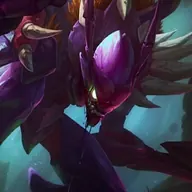
この jungle の matchup は、fog of war に左右される激しい狩りの勝負です。すべてはあなたの Javelin Toss にかかっています。この槍を外すと狩りのボーナスを失い、強化された Pounce の射程も Takedown の execute の火力も使えなくなります。この隙を突いて Kha'Zix はすぐに Leap で距離を詰め、あなたを孤立させて Taste Their Fear の強力な単体ダメージを発動させます。
jungle 全体の流れは、どちらが茂みを支配するかで決まります。先を偵察できないと、Unseen Threat で待ち構えている Kha'Zix のところにそのまま歩いて入ってしまう危険があります。skirmish で槍を外すとクリア速度が完全に止まり、退くしかなくなって、中立 camp と crab の優先権を譲ることになります。このプレッシャーのせいで安全な invade ができず、自分の jungle の camp さえ高リスクの場所になります。
この危険な隠れんぼを生き残るには、Kha'Zix の待ち伏せを積極的に防ぐ必要があります。罠の可能性を暴くために、まず Bushwhack を投げずに暗い茂みへ入ってはいけません。Javelin Toss は、Kha'Zix が Void Spike のモーションに入ったとき、または直線に走らざるを得ないときまで温存してください。狩られていない状態の Kha'Zix が Leap を積極的に使ってきたら、Aspect of the Cougar に変身して Pounce で壁を越え、安全な場所に逃げてください。

この matchup は、ひとつのやり取りをめぐる間合いと反応の純粋な勝負です。あなたの jungle のクリア速度と skirmish の力は、長射程の Javelin Toss を当てて Prowl を発動し、Takedown で execute できるかどうかにかかっています。しかし Gwen は Hallowed Mist でこの脅威を完全に無効化します。Gwen はターゲット不可のゾーンの中に立つことで、外から投げられるあなたの槍を受けつけなくなり、あなたの initiation の手段を完全に封じてしまいます。
jungle では、この状況のせいで序盤の invade やオブジェクトの争いが遅くなります。Gwen がゾーンを維持している間は、遠くから Gwen をマークできないため、Scuttle Crabs や Raptors を安全に争えません。パッシブの狩りが発動していない状態で無理に戦おうとしても、Snip Snip! と Needlework に張り合うだけのダメージがなく、river の優先権を譲るか、近距離の乱戦で倒されるかのどちらかを選ぶことになります。
この防御をすり抜けるには、skirmish でのポジションを変える必要があります。最大射程の槍を投げる代わりに、Gwen の側面に回り、オートアタックで脅かして Hallowed Mist を誘ってください。Javelin Toss を投げるのは、Gwen のゾーンの内側に入ってからか、ミストが切れた直後だけにしてください。Gwen が Skip 'n Slash で逃げたら、Pounce は engage ではなくポジション調整に使い、Gwen がマークされて無防備なときだけ Aspect of the Cougar で飛び込んでください。
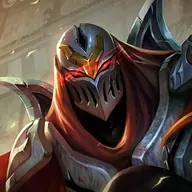
jungle でのこの決闘は、Zed の ult が流れを決める重要な駆け引きになります。Nidalee が遠くから Javelin Toss を投げても、Zed は Death Mark ですぐに反応して完全に姿を消し、槍を避けたり、その後の Cougar 形態の Pounce でのジャンプを無効にしたりできます。この無敵フレームによって Nidalee の burst は完全に無効化され、どちらが先に主力の cooldown を切るかというスキル勝負は五分になります。
jungle では、この状況のせいで積極的な invade が遅くなります。Zed の camp の近くで Living Shadow を facecheck すると致命的な反撃の burst を受けかねないので、Nidalee は Zed にただ飛びかかることができません。素早い skirmish での kill を狙う代わりに、両方の jungler が互いの camp を慎重に追う必要があります。Javelin Toss を外したり Death Mark を早く切りすぎたりするだけでマッププレッシャーが完全に逆転し、負けた側は river の crab や序盤の中立オブジェクトを争えなくなるからです。
この勝負に勝つには、Zed が Death Mark を使える間は Javelin Toss で仕掛けないでください。代わりに Bushwhack で茂みを偵察し、Zed に先に Living Shadow でポジションを変えさせてください。人間の姿でオートアタックと Primal Surge の攻撃速度バフを使って交戦し、Zed の ult を誘ってください。Zed が Death Mark を使ったら、あなたの背後に再び現れるのを待ち、その着地点に Javelin Toss を至近距離で当てて、Aspect of the Cougar の Takedown で execute してください。
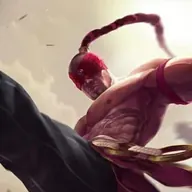
この matchup は、jungle での致命的なスキルショットによる、一発勝負の純粋な決闘です。すべては、闇の中から先に仕掛けるのはどちらかで決まります。Nidalee が長射程の Javelin Toss を当てて狩りを発動し pounce するか、Lee Sin が Sonic Wave を当てて強力な execute のコンボを始めるかです。両者ともこれらの特定のスキルで距離を詰めて burst を出すため、自分のスキルショットを外すと、あなたは一瞬で狩る側から狩られる側に変わってしまいます。
序盤の jungle は、invade が絶えず行われる緊張した隠れんぼになります。Lee Sin がクリアしているときに槍を当てると、Lee Sin は Safeguard を防御的に使わされ、river の主導権はあなたが完全に握れます。逆に、あなたの camp の近くで Lee Sin に Sonic Wave を当てられると、flash を切るか死ぬかを迫られ、camp を失い、Lee Sin にマップの中立オブジェクトを自由に支配されてしまいます。
この不安定なレースに勝つには、Lee Sin に避けられてしまう茂みの中へ Javelin Toss を闇雲に投げてはいけません。代わりに Bushwhack で狭い jungle の choke point を偵察して視界を確保してください。戦闘中は Pounce を温存し、空中で Lee Sin の Sonic Wave を避けるか、Lee Sin が Safeguard でポジションを取ろうとした後に使ってください。Lee Sin のキックを当てられたら、すぐに Primal Surge を使って受ける burst を和らげ、人間の姿に戻って kite してください。
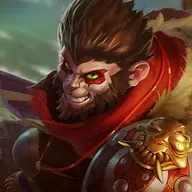
この五分の matchup は、Wukong が Warrior Trickster であなたの Javelin Toss を吸収できるかどうかにすべてがかかっています。Wukong が反応して分身を作ると、槍は完全に防がれ、Prowl からの Hunt パッシブを得られなくなります。この印がなければ、強化された Pounce のジャンプも、Takedown の execute ダメージの最大化も使えません。Wukong があなたの槍を囮に誘い込むことに成功すると、あなたは攻撃の勢いをすべて失い、Wukong のカウンター engage に脆くなります。
river と jungle の通路では、このやり取りが skirmish の主導権を握るのはどちらかを決めます。Wukong が分身を使える状態では、安全に invade やオブジェクトの争いはできません。槍を防がれると、Nimbus Strike と Cyclone のノックアップになすすべがなくなるからです。そのため守り中心のプレイを強いられ、序盤のクリアの優位が遅れ、Wukong は counter-jungle を恐れずに lane を gank できます。
この決闘に勝つには、最初の接触では Javelin Toss を温存してください。当てずっぽうの槍で始める代わりに、人間の姿のオートアタックで Wukong の Stone Skin のアーマーバフを削りつつ、槍を温存してください。Wukong に Warrior Trickster を防御的に使わせるか、距離を詰めさせてください。分身が消えて Wukong の囮が cooldown になったら、短い隙ができるので、至近距離から Javelin Toss を投げ、安全に Aspect of the Cougar に切り替えて kill を取ってください。

この jungle での決闘は、Volibear の強力な engage を防げるかどうかにすべてがかかっています。Volibear が Thundering Smash で突進してくるとき、Volibear はあなたを拘束し、Sky Splitter のシールドとダメージを確実に当てようとしています。生き残るには、Pounce で Volibear の接近をいなす必要があります。Volibear の突進にすぐ反応できないと、Frenzied Maul の噛みつきを連続で受け、Volibear の回復力によってあなたの cougar 形態のダメージは簡単に上回られます。
序盤の jungle のローテーションでは、この matchup は river の crab と invade を誰が握るかを決めます。距離をうまく管理できれば、Volibear は Stormbringer を防御的に無駄にするか、クリア速度で遅れを取るしかなくなります。しかし、あなたの camp の近くでスタンを当てられると、Volibear の高い基礎ダメージにより早期の recall を強いられ、中立オブジェクトの支配を完全に明け渡すことになり、Volibear にタワー下であなたの laner たちを dive されてしまいます。
Javelin Toss を長射程で当て、かつ Volibear がすでに突進を無駄にしている場合を除き、人間の姿のまま Pounce で仕掛けてはいけません。farm や争いの最中は、Volibear の雷鳴のような接近音が聞こえた瞬間に後方へ跳べるよう、カーソルを構えておいてください。Volibear が Stormbringer であなたを追い詰めようとしたら、機動力を使って壁越しに回り込み、Volibear に ult の行動不能を無駄に使わせながら、遠くから削ってください。
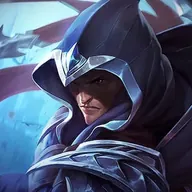
この jungle の matchup は、どちらが先に相手の不意を突くかだけで決まる、激しい cat-and-mouse の勝負です。あなたも Talon も比類のないマップ移動能力を持っています。あなたの Pounce は段差を素早く跳び越え、Talon の Assassin's Path は壁を難なく越えます。どちらのアサシンも相手の不意を突いて素早く burst を出すことに頼っているため、先に視界を確保して最初のスキルを当てた方が skirmish に勝ちます。
壁越しの待ち伏せというこの絶え間ない脅威が、river の lane を麻痺させます。Talon が Assassin's Path を使って fog に消えると、あなたの laner たちは退いて優先権を手放さなければなりません。同様に、Talon の動きが見えないときに、最大射程の Javelin Toss / Takedown を当てに invade するのは非常に危険です。Rake と Noxian Diplomacy に向かって闇雲に facecheck すれば即死なので、jungle のテンポは river の scuttle と深い視界を中心に完全に変わります。
この危険な隠れんぼに勝つには、Talon が Assassin's Path を使った後に着地しそうな river の壁際の狭い通路に、Bushwhack のトラップを優先して置いてください。入り組んだ地形の近くで、Talon に簡単に逃げられたり Shadow Assault で反撃されたりする状況では、闇雲に追ってはいけません。Talon が跳び越えている最中を見つけたら、Talon の動きを先読みして着地点に先制の Javelin Toss / Takedown を投げ、出血が重なる前に Aspect of the Cougar で execute してください。

この jungle の matchup は、間合いが生死を分ける、機動力の激しい決闘です。Riven は Broken Wings と Ki Burst を連続で使ってあなたを拘束しますが、あなたの burst に対する Riven の最大の防御は Valor のシールドです。Riven のシールドが有効なうちに Javelin Toss を投げたり cougar 形態の Takedown に踏み込んだりすると、致命的なダメージを無駄にし、接近戦の skirmish が危険なカウンター engage に変わってしまいます。
Scuttle Crab 周辺の jungle の skirmish や序盤の invade は非常に荒れやすくなります。近距離で Riven に捕まると、Ki Burst と Blade of the Exile で体力を一瞬で溶かされます。しかし距離を保って Riven を削り続ければ、Riven のクリアを遅らせ、Valor を防御的に使わせることができ、中立オブジェクトを争ったり lane にプレッシャーをかけたりするための安全を奪えます。
camp を争うときは、人間の姿の射程を活かしてください。通常攻撃を織り交ぜて Riven を kite し、ダメージを吸収するために Valor を早く使わせるよう圧力をかけてください。この最初の駆け引きの間は Javelin Toss を温存してください。Riven のシールドが切れたら、すぐに槍を放ち、Takedown で飛びかかって execute してください。Riven が Broken Wings で不意に距離を詰めてきたら、ジャンプで距離をリセットしてください。
その他のマッチアップ
これらのチャンピオンは、こちらの主要な強みに効果的に対応するのが難しく、より自由に対面を組み立てることができる。プレッシャーをかけて有利な交換を引き出す手段は複数あることが多い。相手が態勢を立て直す時間を与えるのではなく、この優位を活かして主導権を握ろう。
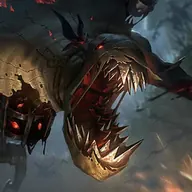
この matchup は、敵の jungle で序盤から kill を狙える圧倒的な脅威によって決まります。Fiddlesticks は camp のクリアのために Bountiful Harvest の間じっと立ち止まることに大きく頼っているため、格好の的です。Fiddlesticks のチャネリング中に最大射程の Javelin Toss を当てると Prowl が発動し、Aspect of the Cougar で飛び込んで、反応される前に Takedown で脆い体力を一瞬で消し飛ばせます。
Fiddlesticks の2つ目の buff に invade することで、Fiddlesticks の farm のリズムを完全に崩せます。fog of war からの槍を常に恐れている状態では、Fiddlesticks は camp を簡単に争えません。Bountiful Harvest を中断させたり、Terrify を防御的に無駄にさせたりすることで、ゴールドと経験値を奪えます。このプレッシャーが Crowstorm の入手を遅らせ、中立オブジェクトの完全な支配を確保し、あなたの laner たちを gank の危険から解放します。
この作戦を実行するには、Fiddlesticks のスタート camp を追い、raptors か red buff の近くの奥に Bushwhack を置いてください。Fiddlesticks の jungle の camp の壁の裏に位置取りし、Bountiful Harvest をチャネリング中の Fiddlesticks に、意表を突く角度から Javelin Toss を投げてください。Fiddlesticks が Terrify で逃げようとしたり Reap であなたをサイレンスしたりしても、crowd control が終わったらすぐ Pounce で距離を詰め、Swipe でとどめを刺してください。

遠くから Javelin Toss を当てれば、狩りのマークによって Aspect of the Cougar で飛び込めます。あなたの cougar の burst、特に Takedown の execute ダメージは、Diana が Moonsilver Blade パッシブを重ねるのに十分なオートアタックを当てる前に、Diana を完全に消し去れます。Diana は攻撃速度を発動するために持続的な戦闘に頼っていますが、あなたの高い burst ダメージが Diana のテンポを断ち切ります。
これによって、あなたは jungle のテンポを完全に支配できます。Javelin Toss が当たれば Diana は退くか死ぬしかないと分かっているので、Diana の camp に積極的に invade できます。あなたの最初の dive を生き延びるために Pale Cascade が必要なため、Diana は scuttle crab や中立オブジェクトを安全に争えず、常に後手に回ってマッププレッシャーを失い、その間にあなたは電光石火の速さで camp をクリアしていきます。
この作戦を実行するには、薄い jungle の壁の裏か茂みの中に位置取りし、姿を見せずに Javelin Toss を放って、クリア中の Diana を捉えてください。Diana が逃げようとするか Crescent Strike を使うまで Pounce を温存してください。Diana が Lunar Rush で monster に突進して逃げようとしても、確実に追えるようにするためです。槍を外したら、飛び込まずにポジションをリセットし、Primal Surge で回復して、次のチャンスを待ってください。

この jungle の matchup では Nidalee が圧倒的に有利です。Jarvan IV は burst を確実にするため、Cataclysm の中に標的を閉じ込めることに大きく頼っているからです。Pounce は cooldown が短いため、Jarvan IV の ult の石壁を難なく跳び越えられ、1対1では Jarvan IV の主力の拘束手段は役に立たなくなります。さらに、Jarvan IV の Demacian Standard と Dragon Strike のコンボは直線的で読みやすく、突進中の Jarvan IV に Javelin Toss を当てるのは簡単です。
このやり取りは、jungle のプレッシャーを完全にあなたの有利へ傾けます。Jarvan IV は単独ではあなたを閉じ込める脅威にならないため、追い詰められる心配なく、Jarvan IV の camp に積極的に invade し、動きを追えます。優れたクリア速度で crab を確保し、Jarvan IV の raptors を counter-jungle しながら、Javelin Toss で常に poke し続けると、Jarvan IV は低体力での gank を強いられるか、重要なマップのテンポを失います。
この作戦を実行するには、常に Jarvan IV のスタート camp を追い、反対側の jungle に invade してください。オブジェクトを争うとき、Jarvan IV が Demacian Standard と Dragon Strike のノックアップか Cataclysm のどちらかを使うまでは、Pounce を攻撃には使わないでください。距離を保ち、茂みから Javelin Toss を投げて体力を削り、機動力で Jarvan IV の直線的な engage を避けてください。Jarvan IV に閉じ込められたら、すぐにジャンプして安全な場所へ脱出してください。
序盤の jungle での優位は、Hecarim のクリアを偵察し、fog of war から最大射程の Javelin Toss を当てることから生まれます。当たると、Hecarim は monster から体力を回復するために Spirit of Dread を早く使わざるを得なくなります。これで Hecarim の sustain のサイクルは完全に崩れ、Hecarim は camp を争う力も、あなたが Aspect of the Cougar に切り替えて execute しに来たときに反撃する力も失います。
Hecarim の動きを常に追うことで、jungle を地雷原に変えられます。poke で Hecarim を camp から追い出せば、Rampage を効果的に重ねられず、クリア速度が遅れます。Hecarim は体力が低い状態での気まずい recall や、Devastating Charge を使った苦し紛れの gank を強いられ、あなたの laner たちへのプレッシャーが和らぎ、scuttle crab と深い視界をあなたが完全に握れます。
Hecarim の通り道に Bushwhack を設置してローテーションを追い、茂みから Javelin Toss を狙って Prowl の移動速度を活かしてください。Pounce は、Hecarim の Onslaught of Shadows を避けるため、または Hecarim が Devastating Charge で突進してきたときに離脱するために温存してください。最初の槍を外したら、すぐに river へ退いてください。Hecarim の Rampage が完全に重なって切り裂く準備ができている間に、近接戦を強いてはいけません。

序盤のマップの動きでは Nidalee が圧倒しますが、Maokai には Nidalee の暗殺の試みを妨げる直接的な手段があります。賢い Maokai は、あなたの Javelin Toss の軌道上に Sapling Toss を投げて槍を防いだり、ターゲット不可になる Twisted Advance のタイミングを合わせて、cougar 形態の Pounce での engage を完全に避けたりします。こうした防御手段があっても、Nidalee は優れた序盤のクリア速度と機動力で、Maokai が scale する前にマップのペースを支配できます。
この matchup は、jungle を一手のミスが命取りになる視界の戦いに変えます。Maokai は Sapling Toss で茂みの支配を握り、あなたの invade を牽制したいので、あなたは機動力を使って Maokai の罠を安全に掃除する必要があります。Maokai があなたの槍を防ぐために sapling を使い切ると、マップ偵察の手段を失い、あなたは Maokai の camp を簡単に奪い、中立オブジェクトを確保して、大きなゴールドリードを築けます。その間、Maokai はゆっくりとクリアするしかありません。
Maokai の防御をすり抜けるには、Maokai の Sapling Toss に簡単に迎撃されてしまう分かりやすい角度から Javelin Toss を投げてはいけません。代わりに、視界のない壁沿いから回り込んでください。仕掛けるなら、Pounce の cooldown を使う前に、まず Maokai の Twisted Advance を誘ってください。Nature's Grasp に拘束されたら、すぐに Primal Surge で burst を耐え抜く回復をし、cougar 形態に戻って、最寄りの段差を越えて逃げてください。
この jungle の matchup の焦点は、Kindred が Dance of Arrows で Nidalee の Javelin Toss を反応して避けられるかどうかです。槍を避けるために横にダッシュさせられた Kindred は機動力を使い果たし、Wolf's Frenzy で戦況を覆すことができなくなります。しかし槍を当てれば、Kindred が Mounting Dread を重ねる前に、Pounce への切り替えで強力な burst を出せます。
このやり取りが、序盤の jungle の skirmish と scuttle crab の争いを決めます。槍を外すと、Kindred は優れた射程であなたを捕らえ、Wolf's Frenzy で cougar 形態のあなたを kite できます。しかし最初の burst を決めれば、Kindred に早い段階で Lamb's Respite を使わせ、Mark of the Kindred の狩りを危険でなくし、優れたクリア速度で Kindred の camp を奪えます。
優位を確保するには、Dance of Arrows に簡単に避けられる開けた場所へ、最大射程の Javelin Toss を投げてはいけません。代わりに、狭い jungle の通路に Bushwhack を置いて Kindred の動きを制限してください。Kindred が Wolf's Frenzy の中でダッシュを使うのを待ってから、槍を投げてください。Kindred が Lamb's Respite を発動したら、Takedown の execute を遅らせ、無敵ゾーンが切れた瞬間に噛みつきが当たるようにタイミングを合わせてください。
Prowl と Pounce が camp 間で比類のない速度を与えてくれるので、Nidalee は jungle のテンポを支配し、Mordekaiser の遅いクリアを簡単に上回ります。この機動力は最高の防御でもあります。Mordekaiser があなたを捕らえようとしても、Pounce の素早いジャンプで Death's Grasp と Obliterate の遅いモーションを避けるのは簡単で、体力を保って安全でいながら、クリア速度を非常に高く保てます。
あなたの方がずっと速く camp をクリアするので、double-scuttle の支配を安定して確保でき、Mordekaiser が反応する前に camp に invade できます。Mordekaiser はあなたのローテーション速度についていけないため、まだクリアしている最中に、あなたの gank が Mordekaiser 側の laner の不意を突き続けます。Mordekaiser が counter-gank を狙っても簡単に離脱でき、Mordekaiser のパッシブ Darkness Rise は何もない空間で完全に無駄になります。
積極的に縦のルートを取り、Javelin Toss / Takedown で遠くの camp を確保しながら、Mordekaiser の遅い動きを追ってください。Mordekaiser に Death's Grasp で引き寄せられる固定的な1v1は避けてください。Mordekaiser が Realm of Death を使っても慌てず、すぐに Pounce で jungle の壁を跳び越え、Mordekaiser の ult の持続時間を逃げ切ってください。受けた軽いダメージは Primal Surge / Swipe で回復し、counter-jungle を再開してください。
Cougar 形態の機動力が Tryndamere の dive の脅威を簡単に無効化するため、Nidalee は jungle で Tryndamere を圧倒します。Tryndamere が Spinning Slash で距離を詰め、致死ダメージを耐えるために Undying Rage を発動しても、Nidalee は Pounce で近くの jungle の壁を跳び越えるだけで済みます。これで Tryndamere は取り残され、ult の5秒間の無敵時間を無駄にし、その間 Nidalee は安全に射程から kite できます。
この機動力の差が、Tryndamere の jungle のルート取りと skirmish での自信を完全に崩します。Tryndamere が壁越しに Spinning Slash を使えば、Nidalee がすぐに Pounce で跳び返り、Javelin Toss / Takedown で poke してくると分かっているので、Tryndamere は Nidalee の camp に安全に invade できません。その結果、Nidalee は序盤のオブジェクトの優先権を確保でき、Tryndamere を自分の jungle から追い出して、Battle Fury による重要な fury 蓄積を遅らせられます。
これを完璧に実行するには、Pounce で即座に脱出できる、薄い jungle の段差の近くで常に Tryndamere と戦ってください。開けた場所で Mocking Shout によって減速させられても慌てず、Tryndamere の Spinning Slash のモーションが始まるのを待ってから、Cougar 形態で自分のジャンプを使ってください。Tryndamere の Undying Rage が発動したら、Human 形態に切り替え、Primal Surge / Swipe で体力を保ち、ult が切れた瞬間に最大射程の Javelin Toss / Takedown を当てて execute してください。

序盤のマッププレッシャーが圧倒的なので、この matchup はあなたに大きく有利です。river の茂みを抜ける Prowl の移動速度を活かして、Shyvana のクリアを上回れます。Shyvana は序盤が非常に弱く、Fury of the Dragonborn を必死に重ねながら、Flame Breath と Burnout だけでクリアしています。Dragon's Descent が解放されるまで、Shyvana にはあなたと戦う手段も、あなたの槍から逃げる手段もありません。
Shyvana は受け身で farm する必要があるため、あなたの序盤の invade を争えません。Shyvana のスタートルートを追えば、Shyvana の camp を計画的に奪い、Dragon's Descent の入手を直接遅らせられます。この資源の枯渇によって Fury of the Dragonborn の蓄積が妨げられます。その結果、Shyvana は序盤を gank ではなく奪われた jungle の camp を取り戻すことに費やさざるを得ず、あなたの laner たちは大きな自由を得て積極的にプレイできます。
レベル2か3ですぐに Shyvana の反対側の buff に invade してください。river の茂みを通る Prowl を使い、気づかれずに Shyvana の jungle に滑り込んでください。Shyvana が camp に Flame Breath を使うのを見つけたら、fog of war から Javelin Toss / Takedown を放って体力を削り、monster を奪ってください。Shyvana が不意に Dragon's Descent を発動したら、すぐに Bushwhack / Pounce で壁を跳び越え、正面から戦わずにドラゴン形態の時間を稼ぎ切ってください。

Nidalee は Olaf の ult の最大の強みを完全にすり抜けます。Ragnarok は Olaf を crowd control に対して無敵にしますが、Nidalee の純粋な機動力はまったく止められません。Nidalee は Olaf を減速やスタンさせるのではなく、戦闘中の移動に Pounce を頼っているため、Olaf の止められない突進は無駄になります。Nidalee は壁や後方へ難なく跳べるので、Olaf の ult が尽きるまで Olaf を寄せつけません。
このやり取りによって jungle は Nidalee の遊び場になり、Nidalee は Olaf の領域に安全に invade できます。Olaf は Undertow の減速をもってしても Nidalee を拘束できないため、Nidalee は Olaf の camp に絶えずプレッシャーをかけ、最大射程の Javelin Toss の槍で体力を削り、簡単に逃げられます。Olaf は自分の jungle が削り取られていくのを見ているしかなく、決定的な決闘を強いることも、中立オブジェクトを守ることもできません。
river や Olaf の jungle で Olaf に遭遇したら、すぐに近接距離に踏み込んではいけません。長射程の Javelin Toss で始めて、狩りのパッシブを付与してください。Olaf が Ragnarok を発動して Undertow で追ってきたら、Pounce を後方か段差越しに使い、Olaf の ult の持続時間をやり過ごしてください。Olaf の crowd control 無効と Vicious Strikes が切れたら、Aspect of the Cougar で再び engage し、Takedown で execute してください。

Nilah の序盤の jungle クリアは Formless Blade の近距離の薙ぎ払いに大きく頼っており、自分の camp で無防備になり体力も減ります。Nidalee はこの弱点をすぐに突きます。Aspect of the Cougar で jungle を素早く移動して Nilah のルートを偵察し、Nilah が monster と交戦中に高ダメージの Javelin Toss / Takedown の槍を当てれば、Nilah の scale を完全に止められます。
この序盤の差は、Nilah のルート取りを完全に崩します。Nilah は camp を譲って遅れを取り、scale するためのゴールドもないのでパッシブの Joy Unending は役に立ちません。Nilah は自分のタワーの下で守りに回るか、最適でない recall のタイミングを取るしかなくなるため、あなたの lane は敵の gank のプレッシャーから完全に解放され、味方は counter-gank を恐れずに積極的にプレイできます。
まず Nilah の最初の buff を追い、raptors か wolves の入口に Bushwhack / Pounce のトラップを置いてください。Prowl の移動速度を使って Nilah の反対側に invade してください。Nilah が camp に Formless Blade を使うのを待ってから、fog of war から Javelin Toss / Takedown を投げてください。Nilah が Slipstream でダッシュして逃げようとしたら、自分の Bushwhack / Pounce で距離を詰めて execute してください。

Viego の序盤の最初のクリアは無防備なので、あなたは序盤の jungle で大きな優位を握ります。fog of war を活かして最大射程の Javelin Toss を当てれば、Aspect of the Cougar を発動して Viego の体力を一瞬で burst できます。この突然の execute により、Viego は Blade of the Ruined King を重ねて回復できず、Viego が反撃する前に、弱い序盤の sustain を Viego 自身に不利に働かせられます。
この matchup の力学は、序盤のマップの流れを完全に変えます。Viego を常に狩り続けることで、Viego は camp を放棄するか、gank の準備ではなく防御のために Harrowed Path を使わざるを得なくなります。あなたが river を支配しているため、Viego は Scuttle Crabs を安全に確保できません。Viego の camp を完全に握ることで Viego のレベルの強化が遅れ、序盤の skirmish の可能性からあなたの laner たちが守られます。
これを実行するには、Viego のスタート camp を追い、jungle の入口に Bushwhack を置いてください。fog of war の中で待ち、Viego が camp に Spectral Maw か Blade of the Ruined King を使うのを見てから、Javelin Toss で攻撃してください。Viego が Heartbreaker を使って逃げたり counter-engage したりしようとしたら、すぐに Pounce でポジションを取り直し、高ダメージのスキルが回復する間、Viego の近接射程の外にいてください。

Nidalee の Pounce が Nunu & Willump の主力の engage 手段である Biggest Snowball Ever! を完全に無効化するため、Nidalee は大きく有利です。転がってくる雪玉を簡単に跳び越えたり避けたりすることで、Nunu & Willump の crowd control を封じられます。これにより Nunu は硬直の間とても無防備になり、あなたは完全にフリーで至近距離の Javelin Toss を当てて体力を削り、cougar 形態での強力な counter-engage に向けてマークできます。
このやり取りは、Epic Monsters をめぐる力関係を完全に変えます。Nunu & Willump はあなたを拘束できないため、あなたが付近をうろついている間は、Consume を簡単に使ってドラゴンや Rift Heralds を確保することができません。fog からの Javelin Toss という絶え間ない脅威により、Nunu & Willump はローテーションと中立オブジェクトの確保を遅らせざるを得ません。これで深い視界を通じて Nunu & Willump の jungle の区画を締め上げ、追跡し続けて、安全に lane を gank させないようにできます。
これを実行するには、river を通るときや Nunu & Willump の jungle に入るときは、常に Pounce を温存してください。Nunu & Willump の位置が分からないときに、camp のクリアのために使うのはやめてください。river の茂みに Bushwhack を置いて、Nunu & Willump が早めに Biggest Snowball Ever! を転がしてくるのを察知してください。Nunu & Willump がこちらに転がってきたら Pounce を横方向に使い、すぐに最大射程の Javelin Toss を投げてください。Swipe と Takedown で追撃するのは、Nunu & Willump の Snowball Barrage が尽きた後だけにして、安全かつ確実に execute してください。

Evelynn は、camp の移動や lane の準備のために、Demon Shade の安全とステルスに大きく頼っています。しかしあなたの Bushwhack のトラップは位置を暴いて、この安全を完全に奪います。見つけたら、長射程の Javelin Toss で脆い体力を削り、Allure を安全にチャージさせません。この序盤の脆さにより、Evelynn は ult を解放する前から、あなたの cougar 形態の burst に非常に弱くなります。
このやり取りは、最初のクリアの間、Evelynn の jungle をあなたの遊び場に変えます。Evelynn のスタート camp を追うことで、Evelynn の領域に積極的に invade でき、Evelynn は camp を放棄するか first blood を譲る危険を負います。レベル5のパワースパイクに達するための farm を安全にこなせないため、Evelynn の gank はプレッシャーを欠き、あなたの laner たちは、Evelynn が自陣の tier-one タワーの後ろに閉じこもっている間、積極的にプレイできます。
まず、Evelynn の raptor camp と blue buff の近くの狭い choke point に、奥まで Bushwhack のトラップを置いてください。闇雲に Javelin Toss を投げてはいけません。代わりに、Evelynn がトラップを踏むか、camp のクリアのために姿を現すのを待ってから、ジャンプで仕掛けてください。Evelynn に Allure でマークされたら、すぐに Pounce を後方に使って拘束の射程を切るか、Evelynn がすでに低体力なら Takedown でそのまま burst して倒してください。

あなたの AP の burst は、Graves が Quickdraw で積み上げる True Grit のアーマーを完全に無意味にします。これにより Graves は苦しい読み合いを強いられます。あなたの Javelin Toss を避けるために Quickdraw を温存しなければならないからです。当たった場合、Graves の物理防御では Takedown の魔法の execute ダメージから身を守れず、skirmish で非常に脆くなります。
このやり取りは、jungle を Graves にとっての危険地帯に変えます。Graves は、クリアを速めるために Quickdraw を使わずに camp を安全に争えないため、あなたは Graves の領域に積極的に invade できます。fog of war から槍を1本当てるだけで、Graves は camp から離れるか、簡単な kill を許すので、中立オブジェクトのテンポをあなたが握れます。
茂みを活かして Prowl で追加の移動速度を得れば、Graves が Smoke Screen を当てたり、地形を背にして End of the Line を狙ったりするのが難しくなります。Javelin Toss を闇雲に投げてはいけません。Graves がリロードや距離を詰めるために Quickdraw を使うまで待ってください。Graves のダッシュが cooldown になったら槍を投げ、すぐに Aspect of the Cougar に切り替えて、Pounce で詰めてとどめを刺してください。

Kayn が *The Darkin Scythe* に十分な orb を集める前は、Nidalee がこの matchup を圧倒します。Kayn の序盤のクリアは *Reaping Slash* に大きく頼っており、自分の camp では無防備で体力にも余裕がありません。Kayn の jungle の壁越しに最大射程の *Javelin Toss* を当てれば、*Prowl* が発動して追い詰められます。Kayn はフォームを解放する前に反撃できるだけの序盤の決闘力を持たず、Kayn の jungle はあなたの遊び場になります。
この matchup は最初の6分でほぼ決まります。Kayn の camp に絶えず invade して skirmish の機会を奪うことで、*The Darkin Scythe* からの変身を遅らせられます。Kayn は、独創的な gank の角度のためではなく、壁を越えて逃げるために *Shadow Step* を防御的に使わざるを得ないので、あなたの lane は序盤のプレッシャーから守られます。double scuttle の優先権を確保し、Kayn を必死でレベルの足りない状態に追い込めます。
Kayn の2つ目の buff への積極的な invade から始めてください。Kayn が camp に *Reaping Slash* を使うのを見つけるまで *Javelin Toss* を cooldown にせず温存し、確実に当ててください。Kayn が *Shadow Step* で壁を抜けて逃げようとしたら、*Bushwhack* で出口の位置を予測するか、*Pounce* でそのまま跡を追ってください。序盤の invade が失敗したら、深い視界を確保する方針に切り替えて Kayn の動きを追い、counter-gank してください。
Nidalee は Twitch の主な生存手段を直接崩せるので、この matchup で大きく有利です。Twitch はマップの移動や奇襲のために、Ambush のステルスに大きく頼っています。狭い通路に Bushwhack を置けば、Twitch の透明化を奪えます。姿が暴かれた Twitch は無防備な標的になり、長射程の Javelin Toss を当てて素早く kill を取るのは非常に簡単です。
この視界のコントロールが、Twitch の序盤のマッププレッシャーを完全に封じます。透明な状態で gank できなくなった Twitch は、常に脅威にさらされながら受け身で farm するしかありません。jungle の中で Twitch を追跡できるため、Twitch は skirmish を成功させられず、ゴールドの獲得が台無しになります。この絶え間ないプレッシャーが Twitch に気まずい防御的な recall のタイミングを強い、待ち伏せを恐れずに Twitch の camp を自由に奪えます。
choke point と camp の入口に積極的に Bushwhack をばらまいて、Twitch の動きを把握してください。Javelin Toss は、トラップが Twitch を暴くか、Twitch が狭い通路に追い込まれるまで、必ず温存してください。万が一 Twitch に先に不意を突かれて Spray and Pray を発動されたら、すぐに Pounce で壁を跳び越えるか、貫通するボルトから距離を取り、それから形勢を立て直してください。
Nidalee の Prowl は茂みの中で比類のない速度を与え、Nautilus の鈍いクリアが対応できる前に Nautilus の jungle を移動できます。Nautilus はゆっくり camp を確保するために Titan's Wrath と Riptide に頼っていますが、あなたの Aspect of the Cougar 形態は Pounce で壁を素早く跳び越えられます。Nautilus の遅いスキルショットを簡単に避けながら、Nautilus のゴールドを奪えます。
この jungle の力学は、序盤の Nautilus から資源を奪います。Nautilus はクリアが遅いため、あなたの絶え間ない invade によって、camp を失うか、危険な collapse を試みるかの選択を強いられます。ゴールドがないと Nautilus の Titan's Wrath のシールドは紙のように薄いままで、lane を安全に gank することもできません。あなたがマップのペースを握り、Nautilus を常にレベル不足のままにして、あなたの skirmish の力に太刀打ちできなくさせます。
Nautilus の jungle の入口の奥に Bushwhack のトラップを置いて、ルートを追ってください。Nautilus が camp に Riptide を使うのを見つけたら、Pounce で飛び込んで camp を奪い、Takedown で execute してください。Nautilus が Dredge Line で反撃してきたら、高い機動力で横に避け、最大射程の Javelin Toss で反撃してください。Nautilus の lane が助けに collapse してきたら、river の茂みで Prowl を発動して楽々と振り切ってください。
その他のマッチアップ
これらのアイテムを購入すると、このチャンピオンの影響力を抑えられます。

| マッチアップ | 判定 | 有利度 | 勝率 | ピック率 |
|---|---|---|---|---|
| Poppy | ハードカウンター | +2 | — | — |
| Rammus | 不利なマッチアップ | +1 | 55.3% | 4.6% |
| Ambessa | 不利なマッチアップ | +1 | 54.1% | 1.2% |
| Nocturne | 不利なマッチアップ | +1 | 52.5% | 6.6% |
| Pantheon | 不利なマッチアップ | +1 | 51.0% | 6.1% |
| Cho'Gath | 不利なマッチアップ | +1 | 50.7% | 8.3% |
| Xin Zhao | 不利なマッチアップ | +1 | 50.6% | 9.0% |
| Vi | 不利なマッチアップ | +1 | 49.0% | 4.8% |
| Rengar | 不利なマッチアップ | +1 | 48.8% | 2.2% |
| Fizz | 不利なマッチアップ | +1 | 48.5% | 1.8% |
| Gragas | 不利なマッチアップ | +1 | — | — |
| Dr. Mundo | スキル次第のマッチアップ | ±0 | 52.9% | 1.7% |
| Gwen | スキル次第のマッチアップ | ±0 | 52.8% | 2.6% |
| Zed | スキル次第のマッチアップ | ±0 | 51.4% | 2.6% |
| Warwick | スキル次第のマッチアップ | ±0 | 51.0% | 2.0% |
| Kha'Zix | スキル次第のマッチアップ | ±0 | 50.1% | 5.3% |
| Talon | スキル次第のマッチアップ | ±0 | 50.0% | 3.0% |
| Wukong | スキル次第のマッチアップ | ±0 | 49.6% | 3.4% |
| Yone | スキル次第のマッチアップ | ±0 | 48.7% | 2.7% |
| Riven | スキル次第のマッチアップ | ±0 | 48.6% | 1.3% |
| Volibear | スキル次第のマッチアップ | ±0 | 48.4% | 4.5% |
| Master Yi | スキル次第のマッチアップ | ±0 | 48.0% | 9.8% |
| Lee Sin | スキル次第のマッチアップ | ±0 | 46.9% | 12.4% |
| Camille | スキル次第のマッチアップ | ±0 | — | — |
| Amumu | 有利なマッチアップ | −1 | 56.5% | 2.7% |
| Shen | 有利なマッチアップ | −1 | 54.9% | 1.4% |
| Ekko | 有利なマッチアップ | −1 | 54.0% | 7.3% |
| Skarner | 有利なマッチアップ | −1 | 53.9% | 1.6% |
| Lillia | 有利なマッチアップ | −1 | 53.3% | 3.0% |
| Nunu & Willump | 有利なマッチアップ | −1 | 53.1% | 1.9% |
| Jarvan IV | 有利なマッチアップ | −1 | 52.4% | 7.3% |
| Olaf | 有利なマッチアップ | −1 | 51.8% | 1.8% |
| Fiddlesticks | 有利なマッチアップ | −1 | 51.6% | 1.8% |
| Kindred | 有利なマッチアップ | −1 | 50.7% | 2.4% |
| Diana | 有利なマッチアップ | −1 | 50.3% | 1.4% |
| Jax | 有利なマッチアップ | −1 | 49.8% | 1.9% |
| Hecarim | 有利なマッチアップ | −1 | 49.6% | 1.8% |
| Tryndamere | 有利なマッチアップ | −1 | 48.8% | 8.6% |
| Viego | 有利なマッチアップ | −1 | 46.3% | 4.2% |
| Shyvana | 有利なマッチアップ | −1 | 45.2% | 2.8% |
| Aatrox | 有利なマッチアップ | −1 | 44.9% | 1.1% |
| Maokai | 有利なマッチアップ | −1 | — | — |
| Mordekaiser | 有利なマッチアップ | −1 | — | — |
| Nilah | 有利なマッチアップ | −1 | — | — |
| Kayn | 有利なマッチアップ | −2 | 51.6% | 6.9% |
| Darius | 有利なマッチアップ | −2 | 50.4% | 6.5% |
| Evelynn | 有利なマッチアップ | −2 | 48.7% | 2.0% |
| Graves | 有利なマッチアップ | −2 | 47.9% | 7.3% |
| Twitch | 有利なマッチアップ | −2 | 46.8% | 2.1% |
| Nautilus | 有利なマッチアップ | −2 | — | — |
有利度:Wild Rift Coreの公式判定(−3〜+3)で、各行に記載されたチャンピオンの視点から見た値です。勝率とピック率:このロールにおける相手チャンピオン自身の数値 — Wild Rift CN · Challenger、Patch 7.3c。直接対決の勝率ではありません。
Nidaleeのカウンターは、単なるスタッツではなく、彼女のリズムを崩すプロフィールにあります。彼女は、シンプルな戦闘を強要したり、バーストダメージを吸収したり、序盤のプレッシャーを無視したりできるジャングラーに苦戦します。これらのマッチアップを理解することは、彼女のゲームプランの実行がなぜ困難になるのかを理解することです。
Nidaleeのカウンターは、彼女の選択肢を減らすことで機能します。彼女はオープンで予測不可能なゲームに依存していますが、一部のチャンピオンは直接的な戦闘を強要したり、jungleを確保したりします。防御的なリズムに陥ると、彼女の主な強みであるテンポコントロールを失います。
これらのチャンピオンはNidaleeのゲームをしません。彼らは隙を待たず、作り出します。彼らは完璧な情報なしで戦闘を強要し、槍を設置する前にNidaleeを罰することができます。彼らのエンゲージは彼女のポークセットアップを無効にします。
チャンピオンの適応方法. スロープレイし、直接的なデュエルを避け、ビジョンを優先してください。
これらのプロフィールはバーストを吸収し、槍を無効にします。Nidaleeはそれらを素早く倒すことができず、クーガーフォームで無防備になります。彼らのサステインは、彼女が勝てない長期戦を強要します。
チャンピオンの適応方法. 長引くトレードを避け、孤立したピックのみに集中してください。
これらのチャンピオンは序盤を生き残り、後半で主導権を握ることができます。Nidaleeは、彼らのスパイク前にリードを築かなければ、すべてのプレッシャーを失います。彼らがアイテムに到達すると、対処が困難になります。
チャンピオンの適応方法. 序盤を加速させ、彼らのスケーリング前にプレイを強行してください。
Nidaleeが孤立したアドバンテージを失う、爆発的なマッチアップ。カ=ジックスは似たような角度を使いますが、より信頼性の高いデュエルが可能です。もし彼がNidaleeをjungleで見つけた場合、彼女は完璧な情報なしで直接的な戦闘を行うことができません。
それは、そのジャングラーたちが彼女のテンポを理解していないからです。彼らはNidaleeENDが準備する時間がない直接的な戦闘を強行します。彼女はコントロールされたテンポに依存していますが、彼らは混沌を作り出します。
直接勝つことはできません。無視して孤立したターゲットを狙いましょう。タンクをバーストしようとするのは間違いです。他の場所で不均衡を作り出す必要があります。
明確な有利がある場合のみです。それ以外の場合は、直接対決を避け、マクロプレイをしましょう。NidaleeENDは、強制的なタイマンではなく、プレッシャーで勝利します。
まだ序盤だと思ってプレイし続けているからです。NidaleeENDはテンポを適応させる必要があります。視界や有利がないままプレイを強行すると、相手に無料の機会を与えてしまいます。