



カウンターアングル
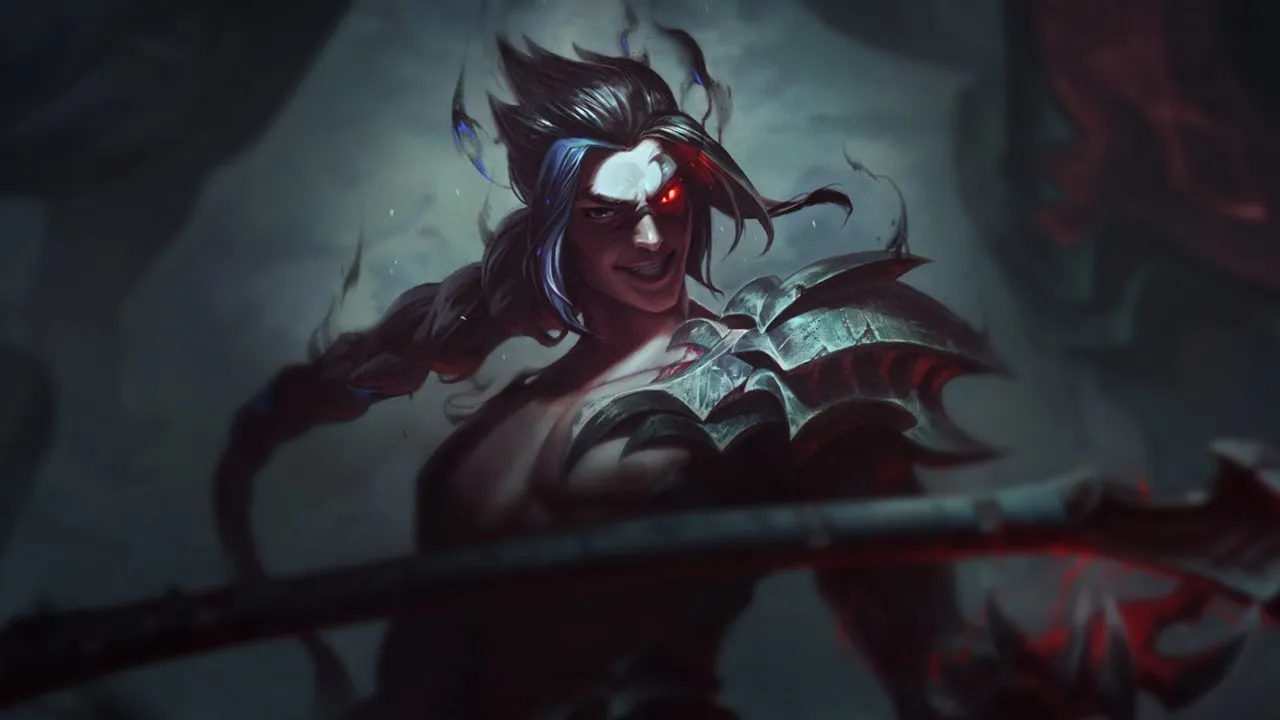
Kaynはチャンピオンだけでなく、彼のリズムを崩すプレイスタイルによっても対策されます。序盤で競り合え、jungleでの動きを把握し、視界をコントロールできるジャングラーは、変身までの時間を大幅に短縮させます。彼のキットは奇襲、壁の角度、タイミングに依存しています。これらがコントロールされると、Kaynは予測可能で無防備になります。

Kaynはフルパワーに達するために変身に大きく依存します。一貫したCCや移動を制限するツールを持つ構成は、彼の有効性を低下させます。backlineに素早くアクセスできなければ、彼の脅威の大部分は消失します。
これらのチャンピオンは、こちらのビルドやプレイスタイルを真正面から上回る構成を持ち、レーン戦のコントロールとファームを極めて難しくする。彼らのスキルはこちらの主要な強みを無効化し、いつも通りのプランを実行しようとした瞬間に手痛い反撃を受けさせてくる。こうしたマッチアップでは、ミスを最小限に抑え、正面からの対決以外で解決策を探すことが重要になる。

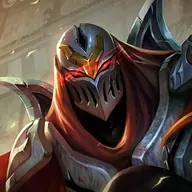
Poppy があなたの機動力を完全に封じるため、この matchup は Kayn にとって悪夢です。Poppy の Steadfast Presence は、Reaping Slash のダッシュと壁に入り込む Shadow Step の両方を中断する、ダッシュ禁止の zone を作ります。逃げたり engage したりする代わりに、あなたは通り抜けようとした地形そのものに叩きつけられ、グラウンド状態にされ、スタンされ、あなたの主要な安全手段は自分自身の死の罠に変わります。
ジャングルでは、Poppy の存在があなたのルート選択を完全に制限します。よくあるワードを避けたり、深い invade から逃げたりするために Shadow Step を自由には使えません。Poppy が反応して、地形の内側であなたの動きを止められるからです。river の壁の近くでの skirmish は、効果的に trade できない致命的な場所になります。Poppy があなたの engage を安全に peel するため、The Darkin Scythe による変身が遅れ、大事なオーブとマッププレッシャーを得られなくなります。
生き延びるには、地形の使い方を変える必要があります。Poppy がマップ上の別の場所にいるときも近くにいるときも、壁の近くを通らないでください。Reaping Slash は、距離を詰めるために使うのではなく、Poppy の Steadfast Presence が cooldown 中になってからのダメージのためだけに取っておきましょう。Poppy が戦いを強いてきたら、Blade's Reach を最大射程から使って Poppy を遅くし、追い詰められたときは Umbral Trespass で時間を稼ぐか Poppy の CC を避けるようにしてください。

Nidalee は、変身前という Kayn の弱い状態を突くことで、序盤を完全に支配します。キャンプをクリアしている間、Nidalee の Javelin Toss は視界の外からあなたに命中し、Nidalee の hunt の仕組みを発動させます。The Darkin Scythe を解放する前のあなたの基礎ステータスは弱いため、最大射程の槍が 1 本当たったあとに Aspect of the Cougar の機動力で詰められるだけで、Nidalee はあなた自身のジャングルで簡単にあなたを仕留められます。
この matchup は、あなたの序盤のルートと、遅れに弱い変身を台無しにします。Nidalee はあなたの raptor と krug のキャンプに絶えず invade し、あなたのゴールドと体力を奪います。序盤に crab を争うことも Nidalee と duel することもできず、守備的で最適でないルートを強いられます。その結果、序盤の視界を譲ることになり、あなたがパッシブを安全に farm しようと苦労している間、あなたの laner は Nidalee の高圧な gank にさらされます。
生き延びるには、早い段階から反対側のジャングルの入口にワードを置いて、Nidalee の Aspect of the Cougar のジャンプを追いましょう。Nidalee が invade してきたら、反撃せず、すぐに厚い地形の中へ Shadow Step で逃げてください。Nidalee が近くにいると疑われるときは、Reaping Slash をクリアの速さのために使わず、飛んでくる Javelin Toss を避けるためだけに取っておきましょう。形態のエッセンスを安全に集めるために、数的有利があるときだけ戦ってください。

Pantheon の狙い撃ち型の Shield Vault は逃れられない拘束手段として働くため、Pantheon はあなたの序盤を完全に封じ込めます。Shadow Step で地形を抜けて撤退しようとしたり、Pantheon の近くでキャンプをクリアしたりすると、Pantheon はあなたの勢いを一瞬で中断できます。この確実なスタンが、Mortal Will で強化された Comet Spear の準備になり、Reaping Slash で反撃する前にあなたの体力を大きく削ります。
この matchup は、序盤に river を争うのは自殺行為になる、非常に守備的なジャングルルートをあなたに強います。Shield Vault が kill を確実にするか、あなたの逃走手段を使わせると知っているので、Pantheon は積極的にあなたを狩りに来ます。さらに、Pantheon が Grand Starfall を解放すると、サイドレーンへの影響力はあなたをはるかに上回り、あなたが The Darkin Scythe のためのパッシブオーブを集めようと苦労している間、あなたのチームは無防備になります。
Pantheon のスタートキャンプとルートを追い、序盤の river での skirmish を避けるために反対方向へ進みましょう。gank を無理に狙わず、Shield Vault が別の標的に使われたと確認できたときだけ、Shadow Step で Pantheon のワードを回避し、Pantheon の Grand Starfall のローテーションに合わせて動いてください。teamfight では、Pantheon が Aegis Assault を使い切るまで Umbral Trespass を遅らせてください。そうすれば Pantheon の正面からのダメージ軽減を回避でき、Rhaast の形態を解放するために必要なエッセンスを安全に集められます。
これらのチャンピオンは、マッチアップ自体を絶望的にするわけではないが、対面で優位に立ちやすいツールを持っている。射程が長かったり、攻撃を受け止める力が高かったり、エンゲージへの対応手段が豊富だったりする。アプローチを調整し、戦闘を受け入れるタイミングを慎重に選ぶ必要がある。
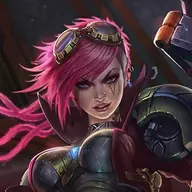
Vault Breaker が Denting Blows を簡単に発動させ、あなたが安全に変身する前に体力を削り取るため、序盤の duel では Vi が優れています。しかし、この matchup は完全に Vi の ult にかかっています。Vi が Cease and Desist であなたを狙ったら、反応して *Umbral Trespass* を使えます。これによりあなたはターゲット不可になり、Vi の止められない拘束を完全に無効化して、Vi をあなたのチームの真ん中で無防備にします。
序盤は、中立キャンプや Scuttle Crab を直接争うことはできません。Vi のパッシブ *Blast Shield* があなたの *Reaping Slash* のダメージを吸収するため、地形を抜けて逃げるために *Shadow Step* を守りのために使わざるを得なくなります。これにより序盤のジャングルの優先権を譲ることになります。つまり、Vi のルートを追ってマップの反対側を gank し、ult が使えるようになるまで直接の skirmish を避けながら、安全に自分の形態を確保しなければなりません。
*Umbral Trespass* で自分から戦いを始めないでください。この ult は、*Cease and Desist* への対抗手段として専用に取っておく必要があります。Vi があなたに向けて *Vault Breaker* をチャージしてきたら、*Blade's Reach* で Vi のルートを妨害するか、*Shadow Step* で壁に滑り込みましょう。Vi が代わりに味方を拘束した場合は、Vi の *Blast Shield* が減衰するのを待ってから、*Reaping Slash* を使って Vi の高い cooldown を罰してください。
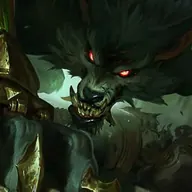
Warwick は Eternal Hunger と Jaws of the Beast による大きな体力 sustain によって、あらゆる直接の duel に勝つことが保証されています。あなたの体力が下がった瞬間、Blood Hunt が視界の外でもあなたの正確な位置を追跡します。しかし、Kayn は Shadow Step で Warwick が追えない厚い壁の中へ入り込めるので、この積極的な追跡を簡単に回避できます。
Warwick は、あなたのクリア中に体力が低くなると Blood Hunt が Warwick に知らせるため、絶え間なくあなたのキャンプへ invade してきます。弱った状態で自分のジャングルを守ろうとすると、Infinite Duress でサプレッションされる危険があります。その結果、序盤の river の優先権を譲ることになり、重要な The Darkin Scythe の変身が遅れ、あなたの lane は Warwick の序盤のマッププレッシャーにさらされます。
体力バーが 50% を下回ったら、キャンプを終わらせないでください。Warwick が近づく気配を感じたらすぐに深い地形の向こうへ逃げられるよう、常に Shadow Step を cooldown が戻った状態で持っておいてください。追い詰められたら、Warwick の Primal Howl のダメージ軽減が切れるのを待ってから Reaping Slash でダッシュして離れるか、Warwick が飛びかかるちょうどそのタイミングに Umbral Trespass を合わせて、Warwick の Infinite Duress の飛びつきを完全に無効化してください。
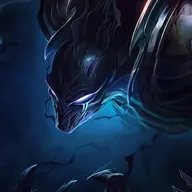
Nocturne は、Shroud of Darkness があなたの主力スキルである Blade's Reach を完全に無効化するため、序盤のジャングルでのデュエルを支配します。あなたが Nocturne に poke したりスローを入れようとしても、Nocturne は Shroud of Darkness でそのスキルを簡単に防ぎ、攻撃速度ボーナスを得ます。続けてすぐに Unspeakable Horror を使ってきます。フィアーが当たると、Duskbringer で強化された Nocturne の高ダメージのオートアタックが、あなたが変身する前にあなたの体力を削り切ります。
この相性では、あなたのスカーミッシュの自由が奪われ、キャンプの周辺で守りの動きを強いられます。Nocturne の居場所が分からないまま、crab を取り合ったり安全に invade したりすることはできません。Paranoia が発動中は、Nocturne が非常に遠くから counter-gank できるため、Shadow Step を使った創造的な gank が大きく妨げられ、味方の視界が奪われている間に敵陣の奥深くで追い詰められてしまいます。
生き残るには、マップの把握とポジショニングがすべてです。Nocturne のキャンプを把握し、Nocturne がレベル 5 になる前に深い位置へ ward を置いてください。Blade's Reach で戦闘を仕掛けてはいけません。代わりに、Reaping Slash を使って Nocturne の背後に回り込み、Shroud of Darkness を誘ってください。Nocturne の Unspeakable Horror が成功しそうなときは、フィアーが発動する前にすぐ Shadow Step で壁をすり抜けて、つながりの距離を断ち切るか、Umbral Trespass で Nocturne の体内に入って時間を稼いでください。
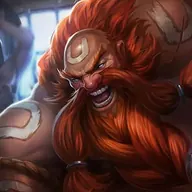
この相性は、Gragas があなたのアサシン行動やエンゲージを完全に無効化できるかどうかで決まります。重要な分かれ目は Umbral Trespass です。あなたが宿主から出た瞬間、Gragas はあなたの足元で Explosive Cask を即座に起爆し、あなたをターゲットから吹き飛ばすことができます。Gragas の強制移動が、Reaping Slash と Blade's Reach によるあなたの追撃ダメージを封じるため、スカーミッシュでの kill の確保が非常に難しくなります。
Gragas はあなたを非常に効果的に peel できるため、共有 lane でのあなたの gank の圧力は大きく下がります。Shadow Step で強引にダイブしようとしても、Gragas は Body Slam で counter-engage したり、あなたの進路を妨害したりできます。このためあなたは受け身のファームを強いられ、フォームの変身が遅れます。結果として、あなたの laner はより強い圧力を受け、序盤の中立オブジェクトを取り合うのも苦しくなります。
これに対処するには、Gragas の ult が使える間は Umbral Trespass で仕掛けないでください。代わりに、Shadow Step で側面に回り込み、まず味方に対して Gragas の Body Slam や Explosive Cask を使わせてください。宿主に入るのは、Gragas が別の場所で CC を使い切ってからにしてください。Gragas が樽を温存している場合は、Umbral Trespass からの脱出を最大持続時間ぎりぎりまで遅らせてください。そうすると Gragas に強制移動のタイミングを外させることができ、あなたは Reaping Slash で位置を取り直せます。
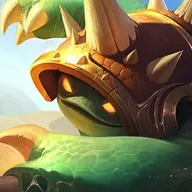
Rammus は Kayn の、脆い相手を狩るフォームを完全に無効化します。Rammus の Defensive Ball Curl は大きな物理ダメージを反射し、アーマーを大幅に上げるため、Shadow Assassin での burst の試みは自殺行為になります。この matchup を生き延びるには、The Darkin Scythe で赤いオーブを集めて Rhaast を解放する必要があります。このフォームでは Reaping Slash と Blade's Reach が割合体力ダメージの脅威になり、Rammus の防御ステータスを貫通できる唯一の確実な手段です。
ジャングルでは、Rammus は序盤のスカーミッシュで Powerball を使ってあなたの gank ルートを妨害したり、Frenzying Taunt であなたを拘束しようとしてきます。川で直接 Rammus と戦うと、すぐに倒される危険があります。Rammus から赤いエッセンスを集めること自体が、Rammus の甲羅に当たって自滅させられる危険があるため、変身が遅れ、最終的に序盤の Scuttle Crab の支配権と中立の圧力を手放すことになります。
Shadow Step で地形を抜けて Rammus の Powerball の進路を避け、Rammus と反対側のマップで gank するようにしてください。Rammus が Defensive Ball Curl を発動したら、すぐにオートアタックをやめ、安全な距離から Blade's Reach でスローまたはノックアップしてください。Rhaast フォームが完成するまで、直接のデュエルは避けてください。Frenzying Taunt に捕まったら、終了と同時にすぐ Umbral Trespass を使って、Rammus の防御用ステロイドの持続時間を消費させてください。

Olaf は、Olaf の ult があなたの主要な自己 peel と噛み合うため、ジャングルでの大きな壁になります。Rhaast に変身すると、直接の脅威を止める主力は Blade's Reach のノックアップです。しかし Olaf の Ragnarok は Olaf に完全な CC 無効を与えます。Olaf はそれを発動するだけであなたのノックアップを受け流して距離を詰め、あなたが逃げられない状態で Reckless Swing によってあなたを削り切れます。
序盤は、Olaf の Berserker Rage と Undertow の連打によって Olaf が圧倒的なデュエリストになるため、scuttle crab や中立キャンプを直接取り合うことはできません。Olaf にあなたのジャングルで見つかると、キャンプを譲るしかありません。この圧力のせいで、あなたの laner はより守りの動きをする必要があります。Olaf が止められないダッシュを発動すると安全に counter-gank できず、川全体でオブジェクトの優先権を失う結果になります。
この matchup を生き延びるには、Olaf のルートを追い、積極的に Olaf から離れた経路を取る必要があります。Shadow Step は地形を使う主な脱出手段として必ず温存してください。Olaf の居場所が分からない限り、攻撃的には使わないでください。Olaf が Undertow で仕掛けて Ragnarok を発動した場合は、反撃しないでください。代わりにすぐ Umbral Trespass で Olaf に寄生し、味方が位置を取り直す間、Olaf の中で安全に ult の持続時間をやり過ごしてください。
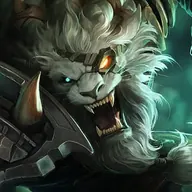
Rengar は、Unseen Predator によってどの茂みからでも飛びかかり、Savagery であなたを一瞬で burst できるため、序盤のジャングルを支配します。Reaping Slash で反撃しようとしても、Rengar の Battle Roar がダメージを簡単に無効化します。しかし、あなたには独自の手段があります。Shadow Step で壁に溶け込めるので、Rengar が飛びかかる前に、安全な距離から茂みの中の視界を得ることができます。
Rengar が茂みを支配するため、あなたは守りの動き方を強いられ、The Darkin Scythe への進行が遅れます。Rengar はあなたのキャンプに積極的に invade し、Thrill of the Hunt を使ってあなたを追い詰めます。無警戒に facecheck すると、Bola Strike で簡単にルートされて kill を取られます。この常時の脅威のせいで序盤の gank が制限され、あなたがオーブのエッセンスを安全に集めようと苦労している間に、Rengar があなたの laner に圧力をかけます。
ward のないジャングルの通路に直接入らないでください。代わりに地形に沿って進み、Shadow Step を発動して先を偵察してください。そうすれば、Unseen Predator の範囲に入らず安全なまま、Rengar の潜伏場所を明らかにできます。Rengar が Thrill of the Hunt を発動したら、すぐに深い壁へ飛び込んでください。Blade's Reach は障害物の内側から Rengar の追撃を遅らせるために温存し、Umbral Trespass は cooldown を稼ぐため、または強化された Savagery を避けるためだけに使ってください。
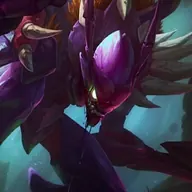
序盤のジャングルでは、あなたは Kha'Zix に対して非常に脆いです。The Darkin Scythe がまだ発動していないため、あなたの基本ステータスとデュエル能力は弱いままです。あなたが自分のジャングルで単独でいるところを捕まると、Kha'Zix の Taste Their Fear が孤立した相手に壊滅的なダメージを与えます。Kha'Zix の純粋な単体 burst には太刀打ちできず、特に Unseen Threat でスローされると、Reaping Slash での簡単な counter-engage ができません。
この matchup では、通常の積極的な invade や序盤の scuttle crab のデュエルを諦める必要があります。Kha'Zix があなたのルートを追ってきている場合、川での facecheck はフラッシュを強制されるか、倒される結果になります。あなたのクリア速度は悪くありませんが、lane の優先権がなければ、常に中立キャンプを譲らなければなりません。これにより The Darkin Scythe による変身が遅れ、あなたの laner が Kha'Zix の序盤の圧力にさらされます。
生き延びるには、Shadow Step を工夫して壁を抜ける経路を取り、Unseen Threat が準備されている定番の茂みの罠を避けてください。常に Kha'Zix の開始バフを把握し、マップの反対側へ動いてください。Kha'Zix が Leap で飛びかかってきても、焦って Reaping Slash を撃たないでください。代わりに Blade's Reach で Kha'Zix をスローし、ジャングルモンスターの近くまで下がって、Kha'Zix の孤立ボーナスを断ち切ってください。複数のターゲットが絡むスカーミッシュになると確信できるときだけ戦ってください。

Xin Zhao は、Three Talon Strike が確実なノックアップとなってあなたの Reaping Slash を即座に中断し、反撃を封じるため、序盤のジャングルを支配します。キャンプをクリアしたり scuttle を取り合おうとすると、Xin Zhao は Audacious Charge で近距離戦を強制し、あなたをノックアップできるため、序盤のデュエルは不可能です。Determination による Xin Zhao の継続的な回復のせいで、フォームを得る前に sustain で勝つこともできません。
この matchup では、完全に守りのルート取りを強いられます。Xin Zhao に invade されると、Three Talon Strike があなたの防御用の Reaping Slash のダッシュをキャンセルし、フラッシュを失うか倒される結果になります。序盤の Scuttle Crab を取り合えず、川の視界を敵に譲ることになります。川を支配できないと、あなたの laner が Xin Zhao の危険な Audacious Charge による gank にさらされ、あなたがオーブを集めようと苦労している間にチーム全体が後れを取ります。
生き延びるには、Shadow Step で壁を抜ける経路を取り、Xin Zhao が待ち構える一般的な川の入口を避けてください。Reaping Slash で仕掛けてはいけません。Xin Zhao が Audacious Charge を使い切った直後に、すぐ離れるために温存してください。捕まった場合は、壁越しに Blade's Reach を使い、Three Talon Strike の範囲に入らずに安全にオーブを集め、Rhaast または Shadow Assassin を解放するまで、Xin Zhao と反対側のマップでのファームに専念してください。
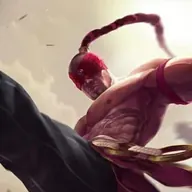
この matchup は、Lee Sin があなたの主要な安全手段を無効化できるかどうかで決まります。あなたは Shadow Step で地形をすり抜け、不利なスカーミッシュから逃れますが、Lee Sin はこの回避を完全に封じることができます。壁に入る前に Lee Sin の Sonic Wave が当たると、Lee Sin は 2 回目の発動であなたに直接ダッシュでき、障害物を抜けたあなたの進路を追って、あなたを一瞬で倒せる状況に追い込みます。
この脅威があるため、味方の援護なしに無警戒にルートを進んだり、Scuttle Crab を取り合ったりはできません。Lee Sin は Flurry による序盤の高いダメージを活かして、あなたのキャンプに invade してきます。壁の近くで捕まったときは、Lee Sin が Sonic Wave で反応するため、単に Shadow Step を押して逃げることはできません。Lee Sin の開始キャンプを常に追っていない限り、序盤の川の優先権を譲ることになり、テンポで遅れを取ります。
生き延びるには、最初のバフから Lee Sin のルートを追い、マップの反対側へ動く必要があります。スカーミッシュ中は、Lee Sin の Sonic Wave が cooldown でない間は Shadow Step を発動しないでください。代わりに Reaping Slash の短いダッシュを使って、Lee Sin の飛び道具を積極的に回避してください。マークを受けた場合は、すぐに壁に入らないでください。代わりに、開けた場所でマークの持続時間をやり過ごすか、Umbral Trespass で Lee Sin の 2 回目のダッシュを回避してください。
その他のマッチアップ
このマッチアップは何よりもまず実行力の勝負であり、両者ともに優位を取れる現実的な手段を持っている。重要なスキルを一つ避けられるか、エンゲージを正しく読めるか、あるいはたった一つの位置取りのミスが、勝敗を分けることもある。マッチアップを理解し、行動すべき瞬間を見極める力がとりわけ重要になる。

この matchup は、Kayn の地形を使ったスケーリングが直接ぶつかる、メカニクスの実行力の試練です。通常、Shadow Step はジャングルの壁を抜ける安全なルート取りと創造的な側面攻撃の角度を保証しますが、Amumu の Bandage Toss はこの安全性を完全に無効化します。Amumu があなたの出口を読んでいれば、スタンで Amumu 自身があなたの元へ引き寄せられ、あなたの脱出を封じます。そして、重要なエッセンスを集める前の脆い基本フォームのあなたは、Amumu の継続的な Despair と Tantrum のダメージにさらされます。
ジャングルのスカーミッシュは、フォームの阻止をめぐる攻防になります。Amumu は、あなたが赤や青のオーブをファームできる孤立した戦いを避けることで、The Darkin Scythe を遅らせようとします。counter-gank の最中に Bandage Toss で拘束されると、壁に潜り直すことはできず、脱出できるはずの場面が灰色の画面に変わります。これにより変身のタイミングが遅れ、Amumu が Curse of the Sad Mummy で中立オブジェクトを確保する間、あなたの laner は守りの動きを強いられます。
この実行力の勝負に勝つには、Amumu が近くにいるときは、無警戒に壁から出ないでください。Amumu がキャンプや味方に Bandage Toss のチャージを無駄撃ちするのを見るまで、Shadow Step を温存してください。どうしても engage する場合は、Reaping Slash を横方向に使って直線のスキルショットを回避し、Blade's Reach で攻撃して Amumu をスローしてください。Amumu の ult である Curse of the Sad Mummy に捕まったら、Amumu の体内で Umbral Trespass を先行入力して、追撃の CC を避け、cooldown を稼ぐ時間を作ってください。
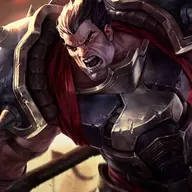
この matchup は、Darius の圧倒的なデュエル能力にどう対処するかで決まります。*Shadow Step* で壁を抜けるルート取りをすれば、Darius のジャングルでの支配を完全に無視できますが、直接のスカーミッシュは非常に不安定です。Darius は長引く戦闘で *Hemorrhage* を積むことに頼っています。*Reaping Slash* を使ったときに、Darius が *Decimate* の外縁を当てて対抗すると、Darius の大きな回復とダメージにより、デュエルは一瞬で Darius 有利に傾きます。
Darius は、*Apprehend* であなたを長い乱戦に引きずり込もうとして、あなたのキャンプに積極的に invade してきます。ジャングルのクリア速度は同程度ですが、序盤に正面から Darius と争うことはできません。そのため、優れた機動力を活かしてマップの縦半分を交換し合う、リスクの高い追いかけっこになります。Darius に *Hemorrhage* を積まれてしまう1 つのミスで、Darius が中立オブジェクトの完全な主導権を握ります。
このマップで勝つには、常に Darius を追い、*Shadow Step* を使って Darius の反対側のジャングルに安全に invade し、Darius の直接のルートを避けてください。戦わざるを得ないときは、焦って Darius から離れる方向に *Reaping Slash* を撃たないでください。代わりに *Reaping Slash* のダッシュを使って *Decimate* の内側の柄の部分に入るか、状況を見て *Umbral Trespass* を使い、Darius の一振りを完全に回避してください。Darius の回復を封じることが、Noxian の力から生き延びる唯一の道です。

このジャングルの matchup は、スカーミッシュ中にお互いの ult がどう噛み合うかで決まります。Diana は Crescent Strike と Lunar Rush を当てて、壊滅的な Moonfall の準備をします。Diana が Moonfall を発動するまさにその瞬間に Umbral Trespass を完璧なタイミングで使えば、引き寄せも burst ダメージも完全に避けられます。このやり取りだけでデュエルの勝者が決まり、Diana の影響力の大きい ult は無駄な cooldown になり、あなたは安全にターゲット不可のままでいられます。
序盤は純粋なパワースパイクの競争で、Moonsilver Blade による Diana の速いクリアと、The Darkin Scythe を解放するためのあなたのクエストがぶつかります。この matchup は非常に互角なので、中立オブジェクトをめぐるスカーミッシュでの1 つのミスがマップ全体を左右します。Diana の ult を避けられなければ、ジャングルのキャンプを譲ることになりますが、Diana を上回れれば、Shadow Step で自由に invade して離脱できます。
Umbral Trespass で仕掛けてはいけません。Diana の Moonfall に対抗するためだけに温存してください。距離を保ち、Blade's Reach で Diana に poke して、Crescent Strike を当てにくくしてください。Diana があなたを誘うために ult を温存している場合は、Reaping Slash を使って Diana の Pale Cascade のシールドの周りを動き回ってください。Diana が ult を使う前に戦いが悪い流れになったら、すぐに Shadow Step で最寄りの壁を抜けて離脱し、仕切り直してください。

このジャングルのデュエルは、視界の阻止とアサシンのタイミングが中心です。Kayn は Shadow Step で固い地形をすり抜け、Evelynn の隠密を探す ward を無視して Evelynn を狩ることができます。しかし、Evelynn が先にあなたを見つけて Allure を使ってくると、Hate Spike と Whiplash による burst が、Umbral Trespass で反応して避ける前にあなたの体力を消し飛ばすことがあります。
ジャングルの圧力は、ルート取りの効率とキャンプクリアの競争です。Demon Shade によって Evelynn は通常の ward に映らないため、Reaping Slash を使って素早くクリアしながら、Evelynn のキャンプに積極的に invade する必要があります。お互いに非常に強くスケールするので、最初の側面攻撃や counter-gank を成功させた側がマップのペースを握り、もう一方はタワー線の後ろで守りに回ることになります。
ジャングルを進むときは、Blade's Reach で確認せずに無警戒で茂みに入らないでください。Allure のチャームの音が聞こえたら、Evelynn が姿を現した瞬間にすぐ Umbral Trespass を使えるよう準備し、Evelynn の burst を無効化してください。Evelynn が Last Caress で逃げた場合は、闇雲に追わないでください。代わりに Shadow Step で壁の中に入って回復し、近くの中立キャンプを確保してください。
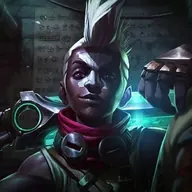
このデュエルは、ult の読み合いにすべてがかかっています。Reaping Slash と Blade's Reach のおかげでジャングルのクリア速度は Ekko と互角ですが、スカーミッシュはすべて ult のやり取りで決まります。Umbral Trespass で Ekko に寄生すると、Ekko はあなたが出るまさにその瞬間に Chronobreak を先行入力して発動できます。これにより、あなたの ult のダメージは完全に無効化され、Ekko の体力は回復し、Ekko の爆発する戻りのクローンがあなたの着地地点のちょうど真上に配置されます。
ジャングルのマップは、フォームとアイテムのパワースパイクをめぐるリスクの高い競争になります。序盤にリードされると、Ekko が霧の中から Parallel Convergence を設置して、あなたをキャンプから追い出せるため、テンポで遅れを取るわけにはいきません。不利な序盤の戦いをすると The Darkin Scythe による変身が遅れるので、運任せの川での戦いを強引に仕掛けるのではなく、Shadow Step を使った素早いクリアで Ekko のキャンプを奪うことを優先してください。
この心理戦に勝つには、Umbral Trespass を開幕の手段として使わないでください。代わりに Reaping Slash で engage し、Blade's Reach を使って Ekko に先に Chronobreak を焦って使わせてください。すでに Ekko の中にいる場合は、Umbral Trespass の最大持続時間ぎりぎりまで脱出を遅らせ、Ekko のタイミングをずらして、クローンの配置を狂わせてください。Ekko があなたの脱出地点に Parallel Convergence を先に設置していたら、すぐに最寄りの壁を抜ける Shadow Step でスタンを避けてください。

このデュエルは、あなたの最初の engage に Graves がどう反応するかにすべてがかかっています。あなたが距離を詰めようとすると、Graves は Quickdraw で後ろにスライドして Reaping Slash の範囲外に出ると同時に、ボーナスアーマーを得られます。このアーマーのスタックがあなたの物理 burst を大きく鈍らせ、本来なら一瞬で終わるはずの戦いが、Graves の New Destiny の弾があなたを削り倒せる長いスカーミッシュに変わってしまいます。
Graves はあなたの序盤の基本ダメージを簡単に受け流せるため、中立オブジェクトをめぐる序盤の直接対決は非常に不安定です。The Darkin Scythe のフォームを解放する前にタイミングの悪いスカーミッシュをすると、変身のタイマーが大きく遅れる可能性があります。キャンプの取り合いの最中に Graves が Smoke Screen であなたの視界を奪った場合、Shadow Step で退くしかなくなり、マップの圧力を手放すことになります。
このテンポの勝負に勝つには、Reaping Slash でデュエルを仕掛けないでください。代わりに Shadow Step で壁を抜けて Graves の側面に回り込み、Graves に Quickdraw を焦って使わせてください。Blade's Reach は、Graves がダッシュした後にだけスローするために温存してください。Graves が壁の近くに End of the Line を置いて反撃してきたら、すぐに Umbral Trespass で Graves に寄生し、爆発する戻りのダメージを避けながら、Graves のアーマーのスタックが切れるのを待ってください。
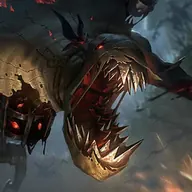
この matchup は、スカーミッシュ中の ult のタイミングにすべてがかかっています。Fiddlesticks が霧の中から Crowstorm をチャネリングしたら、Kayn はすぐに Umbral Trespass で反応して Fiddlesticks に寄生でき、致命的な初撃の burst を完全に回避できます。ただし、このやり取りは諸刃の剣です。Kayn が出てきた瞬間に、Fiddlesticks はすぐ Terrify をクリックして Kayn を行動不能にでき、残りの嵐のダメージで Kayn を削り切れます。
ジャングルのテンポは、レベル 5 以降のスカーミッシュを誰が仕掛けるかで大きく傾きます。Fiddlesticks が A Harmless Scarecrow で深い視界を確保すれば、Kayn は突然飛びかかられるのを恐れて守りに回らされます。逆に、Kayn が Shadow Step で壁越しに偵察すれば、Blade's Reach で Bountiful Harvest を妨害したり、Fiddlesticks が ult をチャネリングする前に burst で倒したりできます。
オブジェクトを取り合うときは、Umbral Trespass を攻撃的なギャップクローザーとして使わないでください。Crowstorm に反応するためだけに温存する必要があります。やむを得ず早めに出る場合は、Fiddlesticks の背後に角度をつけて出ると、Fiddlesticks の Terrify のターゲット固定を遅らせられます。フィアーを受けた場合は、その直後にすぐ Shadow Step で最寄りの地形を抜けて逃げ、Fiddlesticks のチャネリングの持続時間が切れるのを待ってから Reaping Slash で再度 engage してください。

この matchup は、The Darkin Scythe によるフォームの進化を中心とした、タイミングの真の試練です。Gwen の Hallowed Mist は Gwen の究極の防御で、Shadow Step で壁の安全圏から攻撃しようとしたときのあなたの Blade's Reach を完全に無効化します。ただし、距離を詰めることができれば、Gwen は Umbral Trespass の大きなダメージを受けるしかなく、このダメージは Gwen の霧を完全に貫通します。
序盤のジャングルでのスカーミッシュは Gwen が有利です。A Thousand Cuts と Snip Snip! が、フォームを解放する前のあなたの基本ステータスを削り取るためです。そのため、中立キャンプの周辺では守りの動きを強いられます。変身を果たすと、力関係は逆転します。タイミングの良い Umbral Trespass なら Gwen の Needlework のスパイクを避けられ、オブジェクト戦の圧力が移って、誰が川を支配するかが決まります。
gank や川での戦いでは、Gwen の Hallowed Mist が cooldown だと分かっているとき以外は、壁の中から Blade's Reach で仕掛けないでください。代わりに Shadow Step と Reaping Slash を使って、先に自分から Gwen の範囲に入ってください。Gwen が Needlework を発動したら、すぐ Umbral Trespass を使って、大ダメージの針の波を避けてください。Rhaast を選ぶ場合は、Gwen が Skip 'n Slash を使うまでノックアップを温存し、確実に当ててください。
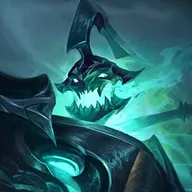
この互角の matchup は、ジャングルのスカーミッシュでの ult の正確なタイミングで決まります。Hecarim は Onslaught of Shadows による強力な妨害で仕掛け、Spirit of Dread の sustain で接近戦を生き延びようとします。Hecarim が突進を始めた瞬間に Umbral Trespass を発動すれば、Hecarim の ult のフィアーを完全に回避でき、ターゲット不可の間に Hecarim の重要な回復オーラの持続時間を無駄にさせられます。
クリア速度がマップの圧力を決めるため、これは序盤のリソースをめぐる純粋な競争です。Hecarim は Rampage で素早くキャンプをクリアし、その速さを Devastating Charge による高速の gank につなげます。Hecarim のクリアのリズムに遅れると、Hecarim が先に川の支配権を握ります。お互いに ult を解放すると、力関係は大きく変わり、すべてのオブジェクト戦が反応速度のリスクの高い試練になります。
デュエルを仕掛けるために ult を攻撃的に使わないでください。Hecarim が突っ込んできたときに Onslaught of Shadows に対抗するためだけに、Umbral Trespass を温存してください。Hecarim が Spirit of Dread を発動してあなたから回復しようとしたら、すぐ Reaping Slash または Shadow Step で近くの壁をすり抜けて、Hecarim の防御オーラを切らせてください。ult のタイミングを誤ってフィアーを受けた場合は、やり返そうとせず、すぐに Shadow Step で地形を抜けて退いてください。
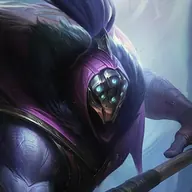
このデュエルは、Jax のスケーリングの強さとあなたの変身のスパイクが左右するタイマーの勝負です。Jax は Relentless Assault と Empower を使った長いデュエルに強いですが、matchup 全体は 1 つの小さなやり取りにかかっています。Jax が Counter Strike で仕掛けてあなたの物理ダメージを防いできたら、あなたは即座に反応しなければなりません。Jax のスタンが発動する直前に Umbral Trespass を使えば、Jax の防御の時間は完全に無効化され、Jax は無防備になります。
序盤のジャングルのローテーションでは、Jax の優れたデュエル能力のせいで、直接 invade するのはあなたにとって非常に危険です。フォームを手に入れるまでは、正面から Jax と争うことはできません。そのため、Shadow Step を使った工夫したルート取りで、Scuttle Crab の近くでの直接のスカーミッシュを避ける必要があります。フォームに到達して Umbral Trespass を解放すると、力関係は変わります。Jax のジャングルで積極的に Jax を狩り、Jax のスタンを回避する脅威をちらつかせることができます。
Jax の Counter Strike が使えるときは、Reaping Slash で仕掛けないでください。Jax があなたの物理ダメージを簡単に防ぐためです。代わりに Jax の Leap Strike を誘い、Jax がランタンを振るのを待ってください。Jax の回避の回転が見えた瞬間に、Umbral Trespass を使う準備をしてください。判断を誤って早めにスタンを受けた場合は、すぐに最寄りの地形を抜ける Shadow Step で離脱し、cooldown を待ってください。

このジャングルのデュエルは、機動力と拘束の対決です。Jarvan IV は Cataclysm で相手を閉じ込め、フラッシュを強制したり kill を確保したりしますが、Kayn はこの手段を完全に無効化します。Shadow Step を発動すれば、人工のアリーナの壁をそのまま歩いて通り抜けられるため、Jarvan IV の主力の ult は役に立たなくなり、あなたは楽にパッシブである The Darkin Scythe を積み上げられます。
Cataclysm ではあなたを閉じ込められないため、Jarvan IV はあなたのジャングルであなたを簡単に拘束できず、この matchup は激しい追跡の競争になります。Jarvan IV は Demacian Standard と Dragon Strike を使って序盤に gank し、lane の優先権を確保したいと考えており、あなたは Jarvan IV のキャンプのローテーションを追う必要があります。追跡が下手だと、フォームを解放する前に Jarvan IV の序盤の圧力で Jarvan IV の lane が雪だるま式に有利になります。
常に Jarvan IV の開始バフを把握し、Jarvan IV のルートに合わせて動いてください。Jarvan IV の Demacian Standard と Dragon Strike のコンボが cooldown だと分かっているとき以外は、Shadow Step を攻撃的に使わないでください。Jarvan IV があなたや味方に Cataclysm で飛びかかってきたら、すぐに Shadow Step を発動して壁を滑るように通り抜け、Blade's Reach で戦況を覆してください。地形を越える手段がない状態で捕まった場合は、Umbral Trespass で Jarvan IV の中で時間を稼ぎ、機動力の cooldown が戻るのを待ってください。
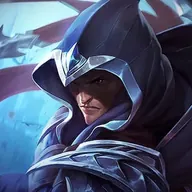
この matchup は、ジャングルのマップ全体にわたる高速の追いかけっこです。あなたは Shadow Step で地形を滑るように抜けて創造的な gank ができますが、Talon も Assassin's Path で障害物を飛び越えて、マップ上の存在感でそれに並びます。重要なのは序盤です。The Darkin Scythe で変身する前は、Rake と Noxian Diplomacy を組み合わせた Talon の即座の burst が簡単に Blade's End を発動させ、まだ進化していないあなたのスカーミッシュ能力を上回ります。
お互いに標準的なルート取りのルールを無視するため、深い視界を維持するのは困難です。Talon は Assassin's Path で一般的な ward を避けながら、あなた自身のジャングルであなたを積極的に狩ってきます。キャンプで捕まると、3 スタックの Blade's End の出血で、あなたは追い出されるか倒されます。そのため、序盤の crab の取り合いと counter-gank は非常に不安定で、Talon のローテーション速度を常に意識する必要があります。
直接のデュエルを強引に仕掛けるよりも、パッシブのオーブを安全に集めることを優先してください。Talon が Shadow Assault で仕掛けてきたら、Umbral Trespass を温存して Talon の透明化が切れるのを待ち、戻ってくる Rake の刃を避けてください。序盤に Talon に捕まった場合は、Shadow Step を守りのために使って、厚い壁を越えて逃げてください。The Darkin Scythe が完成すれば、自信を持って Talon のマップの圧力に並べます。それまでは、Talon の壁越えを追って、反対側へ動いてください。
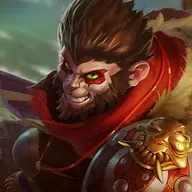
このデュエルは、クローンの見極めとノックアップのタイミングをめぐる心理戦にすべてがかかっています。Wukong は Warrior Trickster で、あなたに幻影へ Reaping Slash を無駄撃ちさせ、Stone Skin による高いアーマーの前にあなたを無防備にします。しかし、Rhaast に進化すると、あなたの Blade's Reach は Wukong をノックアップして、重要なスカーミッシュで試合を左右する Cyclone のチャネリングを完全に中断できる大きな脅威になります。
序盤のジャングルでのスカーミッシュは非常に不安定です。Wukong にあなたの主力の薙ぎ払いを誘われると、Wukong は簡単に川の優先権を確保します。この圧力は、Nimbus Strike を使ったサイドレーンへの素早いローテーションにつながります。ただし、ミッドゲームのオブジェクト戦では、力関係が大きく変わります。Wukong の engage を阻止できれば、Wukong のチームは主力のチームファイトの手段を失い、あなたはマップのテンポを支配して中立オブジェクトを確保できます。
これに勝つには、Reaping Slash でデュエルを仕掛けないでください。代わりに通常攻撃または Blade's Reach を使って、先に Warrior Trickster を使わせてください。Wukong のクローンが消えたら、攻撃に使える十分な 16 秒の時間があります。Wukong が Cyclone で回転してきても、焦って Umbral Trespass を使わず、Rhaast フォームのノックアップで Wukong の回転をキャンセルするのを待ってください。戦いが悪い流れになったら、すぐ Shadow Step で最寄りの厚い壁を抜けて逃げてください。

このデュエルは、Viego からリセットの仕組みを奪えるかどうかにすべてがかかっています。Viego は Spectral Maw であなたを拘束して致命的なコンボを仕掛け、Sovereign's Domination を発動させたいと考えていますが、あなたの Shadow Step は最寄りの壁を抜ける即座の脱出ルートになります。Viego がスタンをチャージしているときに Viego の射程から外れれば、Viego のスカーミッシュでの脅威を完全に無効化でき、致命的になりえた遭遇は Viego にとって無駄な cooldown に変わります。
川での序盤のスカーミッシュは非常に不安定で、どちらが先にフォームのスパイクに到達するかで決まります。Viego が Spectral Maw を外すと、序盤の 2v2 で Sovereign's Domination をつなぐのに必要な kill を確保できません。こうして中立的なトレードを強いることで、あなたは安全に The Darkin Scythe のオーブを集められます。ただし、壁へのダイブのタイミングを誤ると、Viego にジャングルでの自由な圧力と、妨害されないオブジェクトを与えてしまいます。
Shadow Step でジャングルのトレードを仕掛けないでください。常にリアクションの脱出手段として温存してください。Viego が Harrowed Path で霧に入ったときは、常に地形に張り付ける距離にいてください。Viego が Spectral Maw をチャージしたら、すぐに壁の中に入って視線を切り、Viego の攻撃を中断させてください。開けた場所で捕まった場合は、まず Reaping Slash を横方向に使って飛び道具を避け、それでも無理なときに Umbral Trespass で cooldown を稼いでください。

このジャングルの matchup は、回避と予測の純粋な勝負です。Lillia は Blooming Blows で移動速度のスタックを大きく積み、スカーミッシュ中にあなたの Blade's Reach を簡単に避けられます。しかし、Lillia は本質的に脆いため、The Darkin Scythe で Shadow Assassin フォームを解放すると形勢が傾きます。変身すれば、あなたの純粋な burst で、Lillia が速度を積んだりあなたを眠らせたりする前に一瞬で蒸発させられます。
scuttle crab 周辺の序盤のスカーミッシュは非常に不安定です。Lillia が遠くから Swirlseed を当てると、Lillia は簡単に主導権を握り、機動力を使ってあなたのキャンプを奪い、壁を越えて逃げられます。ジャングルのクリア速度は Lillia と同程度ですが、Lillia がスタックを満タンにしているときは直接争うことはできません。ノックアップやスローを外すと、Lillia はあなたの周りを走り回って序盤の中立オブジェクトを確保し、あなたはフォームのエネルギーを集めるのに苦労します。
これに勝つには、Lillia が走っている間は Blade's Reach で仕掛けないでください。代わりに Shadow Step で壁を抜けて Lillia の不意を突き、Reaping Slash で距離を詰めてください。Umbral Trespass は、Lillia の Lilting Lullaby の睡眠の発動や、高ダメージの Watch Out! Eep! の中心を避けるために温存してください。Shadow Assassin を素早く確保できなければ、Lillia を延々と追いかけるのではなく、Rhaast に切り替えて、ノックアップで Lillia のチームファイトでの有用性に対抗してください。
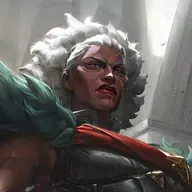
このジャングルの matchup は、CC を当てるのが極めて難しい、高速の機動力のデュエルが中心です。Ambessa は Drakehound's Step で絶えずダッシュしているため、Blade's Reach を簡単に避けられます。この重要なスキルを外すと、The Darkin Scythe に必要なオーブを集められず、フォームの変身が遅れるうえ、離脱したり Reaping Slash を準備したりするための主力の手段も失います。
序盤のジャングルでのスカーミッシュや川の取り合いでは、このやり取りが誰がマップのテンポを握るかを決めます。Ambessa があなたの薙ぎ払いを誘うことに成功すると、Ambessa は自信を持って Cunning Sweep と Lacerate を使い、トレードに勝てます。これにより、あなたは Shadow Step で壁を抜けて早々に逃げるしかなくなり、中立オブジェクトを譲ることになります。また、Ambessa のエッセンスを安全に集められないため、赤や青の変身が大きく遅れます。
Ambessa の高い機動力に対抗するには、スカーミッシュを Blade's Reach から始めないでください。代わりに、地形から Shadow Step で仕掛けて Ambessa の不意を突くか、Ambessa が Cunning Sweep の叩きつけ部分にエネルギーを使い、少しの間その場に固定されるのを待ってください。この短い時間がスローを当てる合図です。Ambessa が Public Execution で反撃してきたら、すぐに Umbral Trespass で反応して、Ambessa の ult による大きな処刑ダメージを避けてください。

このデュエルは、チームファイトでの Maokai の拘束にどう対処するかで決まります。Maokai のポイントアンドクリックの Twisted Advance は、Reaping Slash の最中に割り込めるため、あなたは即座に集中攻撃を受けやすくなります。しかし、The Darkin Scythe で赤いエッセンスを集めて Rhaast に変身すると、力関係は変わります。Rhaast の割合体力ダメージと回復によって、Maokai の巨大な体力を削り切ることができ、Maokai の CC があなた自身の sustain の手段に変わります。
序盤のジャングルでは、Maokai は Sapling Toss で茂みを確保し、あなたのルートを偵察するため、縦方向の counter-jungle は危険です。序盤はどちらも相手を簡単に solo kill できないため、焦点は中立オブジェクトに移ります。Maokai の Nature's Grasp はあなたのチームを完全にゾーニングできますが、あなたの Shadow Step で Maokai の裂け目を避けてオブジェクトを奪ったり、Maokai の後衛の側面に回ったりできるため、序盤のスカーミッシュは互角に保たれます。
レイトゲームの前衛から後衛への戦いで勝つには、Maokai の Twisted Advance が使える状態のときに Reaping Slash で仕掛けないでください。代わりに、味方に engage を始めさせ、予想外の壁の角度から Shadow Step を使ってください。Blade's Reach は Maokai の追撃を中断するために温存し、Umbral Trespass は、Maokai の Nature's Grasp を避けるためか、あなた自身の体力が危険なほど減ったときに Maokai の巨大な体力の中で cooldown をリセットするためだけに取っておいてください。
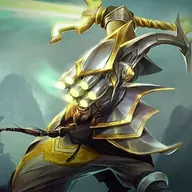
この matchup は、無敵に近い時間帯を合わせる、高速のチキンレースが中心です。Master Yi は Alpha Strike の無敵フレームを使って、あなたの Blade's Reach を避けようと積極的に狙っています。しかし、あなたには大きな切り札があります。Master Yi が Highlander を発動して Wuju Style であなたを削り倒そうとしたとき、Umbral Trespass で Master Yi に寄生すれば、cooldown が戻る間、Master Yi の ult の持続時間を安全にやり過ごせます。
川やオブジェクト周辺のスカーミッシュはすべて、どちらが先に動くかの心理戦になります。Reaping Slash で仕掛けて、Master Yi の素早い反応でノックアップやスローを外すと、Master Yi は Double Strike と Wuju Style ですぐにあなたを追い詰めます。この緊張感のせいで序盤の scuttle の取り合いは進みにくくなり、お互いに無謀なデュエルを強行するのではなく、相手のキャンプクリアの速さを注意深く追うことになります。
これに勝つには、gank やデュエルを Blade's Reach から始めないでください。壁の近くで Reaping Slash を使って Master Yi を kite するか、Shadow Step で一時的に離れることで、Master Yi に先に Alpha Strike を使わせてください。Master Yi が Highlander を発動したら、素早くオートアタックかスキルを 1 回当ててから、すぐに Umbral Trespass を使ってください。最大持続時間まで Master Yi の中にとどまれば、Master Yi のステロイドは完全に無効化され、あなたが出てきたときの Master Yi は無防備で、リセットもありません。

この matchup は、Nunu & Willump の確保手段によって、序盤の中立オブジェクトでの直接対決が大きく左右される、マクロの競争が中心です。Consume に smite で勝とうとするのは負け戦です。しかし、あなたの Shadow Step は Nunu & Willump の防御的な視界を避けられるため、Nunu & Willump のジャングルに invade してキャンプを奪い、Nunu & Willump が lane を整えようとしている間に大きなゴールドのリードを築けます。
Nunu & Willump は、Biggest Snowball Ever! を lane に転がして、絶えずあなたの laner に圧力をかけてくるでしょう。Nunu & Willump の確保力のせいで序盤のエピックモンスターを取り合えないため、あなたの laner は守りの動きをする必要があります。この時間を使って Reaping Slash で効率よくファームし、Nunu & Willump が前に出すぎたときは Blade's Reach で The Darkin Scythe に必要なオーブを集めてください。Nunu & Willump の活発なマップでの存在感を、あなたの素早い変身に変えるのです。
Nunu & Willump の Absolute Zero の大きな burst を完全に避けるため、またはチームが崩れる間に時間を稼ぐために、常に Umbral Trespass を温存してください。Nunu & Willump のジャングルの奥深くで、突然の Biggest Snowball Ever! に捕まった場合は、すぐに Shadow Step で地形を抜けて逃げてください。味方に対して先に Nunu & Willump の Consume を使わせていない限り、中立オブジェクトを正面から取り合わず、代わりに Nunu & Willump のキャンプを反対側から奪うことに専念してください。
その他のマッチアップ
これらのチャンピオンは、こちらの主要な強みに効果的に対応するのが難しく、より自由に対面を組み立てることができる。プレッシャーをかけて有利な交換を引き出す手段は複数あることが多い。相手が態勢を立て直す時間を与えるのではなく、この優位を活かして主導権を握ろう。
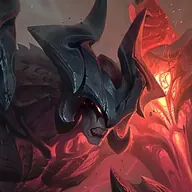
Kayn は、優れた地形での機動力と、大きなメカニクス上のカウンターによって、このジャングルのデュエルのペースを握ります。Aatrox は The Darkin Blade のスイートスポットを当てて sustain とダメージを得ようとしますが、Kayn には究極の切り札があります。Aatrox が 3 回目の The Darkin Blade を放つまさにその瞬間に Umbral Trespass で Aatrox に寄生するようタイミングを合わせれば、Aatrox の影響力の大きいノックアップと回復を完全に無効化し、Aatrox は無防備で位置を外した状態になります。
この力関係により、ジャングルは高速のテンポの競争になります。Shadow Step で Aatrox の Infernal Chains を避けて予想外の角度から側面に回れるため、Aatrox は中立キャンプを安全に取り合ったり invade したりできません。あなたのクリアの速さと安全性のおかげで、一貫して double scuttle crab を確保でき、Aatrox は苦し紛れの最適でない gank を強いられる一方、あなたは着実にゴールドのリードを築き、変身を早められます。
川でのスカーミッシュでは、Reaping Slash を使って The Darkin Blade の最初の 2 回のスイートスポットを避け、Umbral Trespass は 3 回目の攻撃のためだけに温存してください。Aatrox が World Ender を発動しても、焦って退かないでください。代わりに Shadow Step で壁の中に入って、Aatrox の ult の持続時間をやり過ごしてください。Aatrox の翼が消えたら、すぐに Blade's Reach で再 engage して Aatrox をスローし、Aatrox が cooldown をリセットする前に kill を確保してください。

この matchup は、変身の選択にすべてがかかっています。Dr. Mundo は巨大な体力を積み上げますが、それは The Darkin Scythe で解放する Rhaast フォームの力に直結します。Reaping Slash の割合体力ダメージとあなたのパッシブの回復が組み合わさって、Mundo の巨大な HP バーはあなた専用の体力の貯蔵庫になります。Mundo が Maximum Dosage を発動しても、あなたの継続ダメージは上がっていくため、長引くスカーミッシュでは簡単に Mundo をデュエルで上回れます。
変身する前は、Dr. Mundo は Infected Bonesaw でうっとうしく嫌がらせしたり、Heart Zapper で素早くクリアしたりできますが、Shadow Step で Mundo の圧力を避けて安全にファームできます。Rhaast を解放すると、力関係はまったく逆になります。Mundo のジャングルに積極的に invade し、キャンプを奪い、直接のデュエルを強制できます。あなたと戦っても Mundo があなたを回復させる結果にしかならないため、Mundo は中立オブジェクトを取り合うことも、自分の縄張りを守ることもできません。
序盤は近接の lane を gank することに集中して、The Darkin Scythe から Rhaast への変身を確保してください。スカーミッシュ中は、Blade's Reach をすぐに無駄撃ちせず、まず Mundo のパッシブに軽い CC を防がせるか、仕掛ける前に Mundo のシールドを割るために使ってください。Mundo が Maximum Dosage を発動したら、すぐ Umbral Trespass を使って Mundo の中に同乗してください。これにより Mundo の ult の回復のピーク持続時間を消費させつつ、寄生後のあなた自身の大きな burst と回復を安全に準備できます。
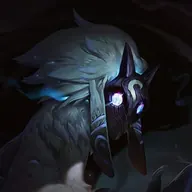
この matchup は非常に有利です。Kindred は遠距離型なので、*The Darkin Scythe* の青いエッセンスをファームするのに最適なターゲットになり、Shadow Assassin への変身が早まります。さらに重要なのは、Kindred が致命的な一撃を生き延びるために *Lamb's Respite* を使ったとき、*Umbral Trespass* で Kindred に寄生できることです。Kindred の無敵ゾーンが切れるまで体内で安全に時間を稼ぎ、切れた瞬間に Kindred を倒せます。
Kindred が *Mark of the Kindred* のマークを狩る必要があることが、Kindred の弱点になります。Kindred のルートを予測して *Shadow Step* で地形を抜けて Kindred の狩りを妨害でき、Kindred のマークを待ち伏せの場所に変えられます。*Reaping Slash* による素早いクリアで中立オブジェクトを先に確保できるため、Kindred は苦し紛れの読まれやすい動きを強いられ、マップのテンポを握るために必要な残りのエッセンスを簡単に集められます。
*Mark of the Kindred* のパッシブのマークを、常にミニマップで追ってください。*Umbral Trespass* が cooldown でない状態で Kindred に engage しないでください。この ult は *Lamb's Respite* への対抗のためだけに温存してください。Kindred が *Wolf's Frenzy* 中に *Dance of Arrows* であなたを kite しようとしたら、*Shadow Step* で壁の中に退いてリセットするか、Kindred がダッシュを使った後にだけ *Reaping Slash* で距離を詰めてください。中立オブジェクトを取り合うときは、Kindred を burst で倒すことに集中して、Kindred に早めに ult を使わせてください。

Kayn が大きく有利なのは、ult の Umbral Trespass が Tryndamere の代名詞である生存手段に直接対抗できるからです。Tryndamere が死の間際に Undying Rage を発動して生き延びようとしたとき、Kayn はすぐに相手に憑依できます。憑依している間、Kayn は完全にターゲット不可になり、Tryndamere の無敵時間を実質的に消費させます。Kayn が最後の一撃とともに姿を現す頃には Undying Rage の効果は切れており、相手のバーバリアンは無防備になって簡単にとどめを刺されます。
この関係により、mid-game の小競り合いにおけるプレッシャーが完全に変わります。Tryndamere は dive で脅して追い出すことができないため、安全に split-push したり、あなたの camp に侵入したりできません。お互いに ult が解放されると、Tryndamere のいつもの攻撃的な牽制は無力化されます。ult を温存している限り、Tryndamere にとって戦況をひっくり返す主力の手段は自分にとっての死刑宣告になるため、あなたが jungle での 1v1 のペースを握れます。
どのような 1v1 でも、Umbral Trespass から仕掛けてはいけません。代わりに Blade's Reach と Reaping Slash で Tryndamere の体力を削り、Undying Rage を使わせます。相手が逃げたり向きを変えたりしようとしたら、Shadow Step で壁をすり抜けて Mocking Shout の slow を避けてください。相手が ult で赤く光ったら 2 秒数え、Umbral Trespass を使って相手の中に隠れ、効果時間が切れるのを待てば、楽に倒せます。

Volibear は Thundering Smash と Frenzied Maul による序盤の 1v1 が強く、序盤の小競り合いでは悪夢のような相手です。しかし、The Darkin Scythe のために赤いエッセンスを集めると、この matchup は完全に逆転します。Rhaast に切り替えると、Volibear の膨大な体力が逆に弱点になります。Rhaast の強化された Reaping Slash による割合ダメージの物理ダメージと回復は Volibear の硬さを完全に上回って伸び、体力を積む戦術は late-game の戦闘で無意味になります。
序盤の river の主導権は譲る必要があります。Volibear の Sky Splitter のシールドに対して Scuttle Crab を争うのは自殺行為です。Volibear は侵入して序盤の小競り合いを強要し、snowball させようとしてきます。Reaping Slash と Shadow Step を使って自分の camp を処理することに専念し、Volibear の遅い単体向けの camp 処理より速く進めてください。jungle の matchup は、相手の序盤の dive で倒されることなく、どれだけ早く安全に Rhaast の形態を確保できるかで決まります。
Raptor と Krug の camp は出現したらすぐに処理して、gold のリードを築いてください。Volibear が Thundering Smash で突進してきたら、すぐに Shadow Step で最も近い壁をすり抜けて逃げ、Frenzied Maul を当てる機会を与えないようにします。Rhaast を解放したら、Umbral Trespass を温存して相手の Stormbringer の着弾を避け、その直後に Blade's Reach で相手を打ち上げて体力を大きく削ってください。

Shyvana は、成長するために camp を全て処理し、大型モンスターから Draconic Bloodline を積むことに大きく依存しています。しかし Kayn はこの成長のテンポを完全に崩します。Shadow Step を使うことで、Kayn は通常の ward の置き場所を迂回して相手の jungle に入り込み、Reaping Slash で相手の camp を奪い、Shyvana が engage したり Dragon's Descent で反撃したりできる位置につく前に、壁をすり抜けて戻れます。
この counter-jungle の脅威が続くことで、Shyvana は守りの姿勢を強いられ、Fury の生成が遅れます。Kayn が何度も相手の raptor や krug を奪うと、Shyvana は残りの camp を急いで処理するために Burnout を守りのために使うか、bush を確認するために Flame Breath を無駄にすることになります。これにより相手のレベルによる強さの上昇が遅れ、マップ全体へのプレッシャーと中立 objective のコントロールが弱まります。
Shyvana の開始時の buff を確認し、Shadow Step が使える状態になったらすぐに、相手の jungle の反対側に侵入してください。壁の内側から Blade's Reach で相手の camp を弱らせ、その後 Reaping Slash で奪います。相手に追いつかれて Dragon's Descent を発動されても慌てず、すぐに Umbral Trespass で時間を稼ぎ、最も近い地形をすり抜けて逃げてください。相手のパッシブの stack を枯渇させるために、大型モンスターを優先して奪いましょう。
この jungle の matchup では Kayn がはっきりと有利です。ult の Umbral Trespass が、Skarner の最大の脅威である Impale を完全に無効化するからです。Skarner が suppression の準備動作に入る瞬間に正確に憑依のタイミングを合わせれば、相手の ult の CC を完全に無効にできます。さらに、Rhaast の形態は Seismic Bastion で積み上げた Skarner の高い体力を削るのが得意で、サソリの硬さを大きな回復に変えてしまいます。
序盤の小競り合いでは、Skarner は Ixtal's Impact であなたを押さえつけようとしますが、Shadow Step を使えば相手があなたを叩きつけたい壁をすり抜けられます。Rhaast の形態を確保すると、Skarner は objective を安全に争えなくなります。Skarner は Impale を受け身で温存せざるを得なくなり、あなたが近くに潜んでいる限り相手の主な initiate 手段が使い物にならないため、あなたのチームは非常に大きなゾーンコントロールを得られます。
teamfight では frontline の後ろに位置取りし、Skarner が突進してくるのを待ってください。相手のアニメーションをよく見て、Umbral Trespass は相手の Impale の詠唱に反応するためだけに温存します。相手が Ixtal's Impact で逃げようとしたら、Blade's Reach の打ち上げで突進の進路を妨害してください。ult のタイミングを外して suppress されてしまったら、直後にすぐ Shadow Step で最も近い壁をすり抜けて後退し、立て直しましょう。
Kayn がこの matchup で大きく有利なのは、Mordekaiser の ult を簡単に無効化できるからです。Realm of Death に閉じ込められたとき、Kayn は素早く Reaping Slash を当てて、すぐに Umbral Trespass で Mordekaiser に憑依できます。相手の体内にいる間、Kayn はターゲット不可になり、1v1 の持続時間のほとんどをやり過ごしつつ、Mordekaiser の Darkness Rise と Obliterate を完全に無意味にします。
この関係により、objective の争奪戦や jungle での小競り合いにおけるパワーバランスが完全に変わります。Mordekaiser の ult では確実に倒せないため、相手はあなたを孤立させて倒し、中立モンスターを確保することが確実にはできません。その結果、相手に Death's Grasp で引き寄せられても、相手の主要な cooldown をやり過ごして安全に抜け出し、jungle の主導権を取り戻せると分かっているので、自信を持って Smite の争いに挑めます。
これを完璧に決めるには、Umbral Trespass から戦闘を仕掛けてはいけません。代わりに Reaping Slash と Blade's Reach で Mordekaiser の体力を削り、ターゲットマークを発動させてください。相手があなたの burst を防ぐために Indestructible を発動しても、その場を動かず耐えます。相手が Realm of Death を発動した瞬間に、すぐに ult を発動して相手の中に隠れてください。ult がない状態で捕まったら、Shadow Step で最も近い壁をすり抜けて逃げ、相手の遅い移動速度を振り切ります。
その他のマッチアップ
これらのアイテムを購入すると、このチャンピオンの影響力を抑えられます。

| マッチアップ | 判定 | 有利度 | 勝率 | ピック率 |
|---|---|---|---|---|
| Pantheon | ハードカウンター | +2 | 51.0% | 6.1% |
| Nidalee | ハードカウンター | +2 | 50.1% | 2.3% |
| Poppy | ハードカウンター | +2 | — | — |
| Rammus | 不利なマッチアップ | +1 | 55.3% | 4.6% |
| Nocturne | 不利なマッチアップ | +1 | 52.5% | 6.6% |
| Olaf | 不利なマッチアップ | +1 | 51.8% | 1.8% |
| Warwick | 不利なマッチアップ | +1 | 51.0% | 2.0% |
| Xin Zhao | 不利なマッチアップ | +1 | 50.6% | 9.0% |
| Kha'Zix | 不利なマッチアップ | +1 | 50.1% | 5.3% |
| Vi | 不利なマッチアップ | +1 | 49.0% | 4.8% |
| Rengar | 不利なマッチアップ | +1 | 48.8% | 2.2% |
| Riven | 不利なマッチアップ | +1 | 48.6% | 1.3% |
| Lee Sin | 不利なマッチアップ | +1 | 46.9% | 12.4% |
| Gragas | 不利なマッチアップ | +1 | — | — |
| Nilah | 不利なマッチアップ | +1 | — | — |
| Amumu | スキル次第のマッチアップ | ±0 | 56.5% | 2.7% |
| Shen | スキル次第のマッチアップ | ±0 | 54.9% | 1.4% |
| Ambessa | スキル次第のマッチアップ | ±0 | 54.1% | 1.2% |
| Ekko | スキル次第のマッチアップ | ±0 | 54.0% | 7.3% |
| Lillia | スキル次第のマッチアップ | ±0 | 53.3% | 3.0% |
| Nunu & Willump | スキル次第のマッチアップ | ±0 | 53.1% | 1.9% |
| Gwen | スキル次第のマッチアップ | ±0 | 52.8% | 2.6% |
| Jarvan IV | スキル次第のマッチアップ | ±0 | 52.4% | 7.3% |
| Fiddlesticks | スキル次第のマッチアップ | ±0 | 51.6% | 1.8% |
| Darius | スキル次第のマッチアップ | ±0 | 50.4% | 6.5% |
| Diana | スキル次第のマッチアップ | ±0 | 50.3% | 1.4% |
| Talon | スキル次第のマッチアップ | ±0 | 50.0% | 3.0% |
| Jax | スキル次第のマッチアップ | ±0 | 49.8% | 1.9% |
| Hecarim | スキル次第のマッチアップ | ±0 | 49.6% | 1.8% |
| Wukong | スキル次第のマッチアップ | ±0 | 49.6% | 3.4% |
| Yone | スキル次第のマッチアップ | ±0 | 48.7% | 2.7% |
| Evelynn | スキル次第のマッチアップ | ±0 | 48.7% | 2.0% |
| Fizz | スキル次第のマッチアップ | ±0 | 48.5% | 1.8% |
| Master Yi | スキル次第のマッチアップ | ±0 | 48.0% | 9.8% |
| Graves | スキル次第のマッチアップ | ±0 | 47.9% | 7.3% |
| Viego | スキル次第のマッチアップ | ±0 | 46.3% | 4.2% |
| Camille | スキル次第のマッチアップ | ±0 | — | — |
| Maokai | スキル次第のマッチアップ | ±0 | — | — |
| Skarner | 有利なマッチアップ | −1 | 53.9% | 1.6% |
| Dr. Mundo | 有利なマッチアップ | −1 | 52.9% | 1.7% |
| Zed | 有利なマッチアップ | −1 | 51.4% | 2.6% |
| Kindred | 有利なマッチアップ | −1 | 50.7% | 2.4% |
| Cho'Gath | 有利なマッチアップ | −1 | 50.7% | 8.3% |
| Tryndamere | 有利なマッチアップ | −1 | 48.8% | 8.6% |
| Volibear | 有利なマッチアップ | −1 | 48.4% | 4.5% |
| Shyvana | 有利なマッチアップ | −1 | 45.2% | 2.8% |
| Aatrox | 有利なマッチアップ | −1 | 44.9% | 1.1% |
| Mordekaiser | 有利なマッチアップ | −1 | — | — |
| Morgana | 有利なマッチアップ | −1 | — | — |
| Nautilus | 有利なマッチアップ | −1 | — | — |
| Taliyah | 有利なマッチアップ | −1 | — | — |
| Twitch | 有利なマッチアップ | −2 | 46.8% | 2.1% |
有利度:Wild Rift Coreの公式判定(−3〜+3)で、各行に記載されたチャンピオンの視点から見た値です。勝率とピック率:このロールにおける相手チャンピオン自身の数値 — Wild Rift CN · Challenger、Patch 7.3c。直接対決の勝率ではありません。
Kaynはチャンピオンだけでなく、彼のリズムを崩すプレイスタイルによっても対策されます。序盤で競り合え、jungleでの動きを把握し、視界をコントロールできるジャングラーは、変身までの時間を大幅に短縮させます。彼のキットは奇襲、壁の角度、タイミングに依存しています。これらがコントロールされると、Kaynは予測可能で無防備になります。
Kaynのカウンターは、彼が重要なタイミングである変身に到達するのを防ぐことで機能します。:contentReference[oaicite:2]{index=2}や:contentReference[oaicite:3]{index=3}のようなチャンピオンは高い序盤のテンポを強要し、Kaynはプレイを作る代わりに反応せざるを得なくなります。さらに、マッププレゼンスとデュエル能力の高いジャングラーは、Kaynが角度を利用するのを防ぎます。最後に、彼のバーストダメージを生き残ったり、エンゲージを中断したりできるチャンピオンは、彼のmidゲームへの影響を制限します。
これらのジャングラーは、Kaynが対応できないテンポを強要します。彼らはjungleに侵入し、キャンプを競り合い、変身前に勝てないデュエルを強要します。彼らの絶え間ないプレッシャーは、Kaynが安全にオーブをスタックするのを防ぎます。さらに、彼らは視界で彼の動きを追跡し、リスクの高いパスを罰します。Kaynは奇襲に基づく戦略的優位性を失います。
チャンピオンの適応方法. 序盤のデュエルを避け、ロングレーンをスタックのために優先し、味方の視界を中心にプレイしましょう。
これらのチャンピオンは、Kaynをjungleで追跡し、彼のローテーションを罰することができます。彼とは異なり、危険になるために変身を必要としません。彼らのバーストと孤立能力は、Kaynが角度を使用する際に無防備になります。彼らはまた、彼がコントロールできない戦いを強要することで、彼の弱い序盤を悪用します。
チャンピオンの適応方法. jungleではより安全にプレイし、監視されていないエリアを避け、変身を加速させましょう。
これらのジャングラーは、常にKaynにデュエルで勝てるとは限りませんが、ゲームのペースをコントロールします。彼らはオブジェクトを確保し、構造化された戦いを強要し、Kaynの機会を制限します。彼らの絶え間ないマッププレゼンスは、Kaynが混乱を引き起こすことができるウィンドウを減らします。彼らは、特に変身なしではKaynがあまり効果的でない構造化された戦いを強要します。
チャンピオンの適応方法. フロントでの戦闘を避け、孤立したピックを探し、オブジェクトを遅延させましょう。
Lee Sinは、序盤においてKaynにとって最も厳しいマッチアップとなる可能性が高いです。彼は侵入し、キャンプを競い、最初からデュエルを強要できます。彼の視界コントロールと機動力により、Kaynのローテーションを追跡できます。Lee Sinが序盤にリードした場合、Kaynは変身に到達するのに苦労することがよくあります。
Gravesは、Kaynがjungleで自由にプレイするのを妨げます。彼の速いクリアとゾーンコントロールにより、Kaynの侵入はリスクが高くなります。彼は、特に変身前において、Kaynが角度を効果的に使用できない戦いを強要します。
彼の変身は、ゲームに適応した完全なキットをもたらす:ブルー形態ならバースト、ラス形態ならサステインだ。これにより、戦闘能力が劇的に変化する。変身前は限定的だが、変身後はターゲットを素早く排除するか、長期戦を維持するかのどちらかが可能になり、対処が格段に難しくなる。
彼の序盤のキャンプを妨害し、視界を確保し、序盤のデュエルを強いる必要がある。Kaynは、変身に向けてインタラクションに依存している。これらの機会を制限することで、彼はより長く弱いままだ。良いjungle/supportの連携があれば、彼を無力化するのに十分だ。
はい、ただし彼がうまく変身してスノーボールした場合に限る。遅れをとったKaynは、終盤でも限定的だ。彼のインパクトは、彼のスパイクに到達し、敵のミスを悪用できるかどうかに大きく依存する。
最適なのは変身前だ。最も脆弱な時だからだ。その後は、形態によって対処がはるかに難しくなる。序盤の戦闘を強要し、キャンプを争うことが最も効果的な戦略だ。